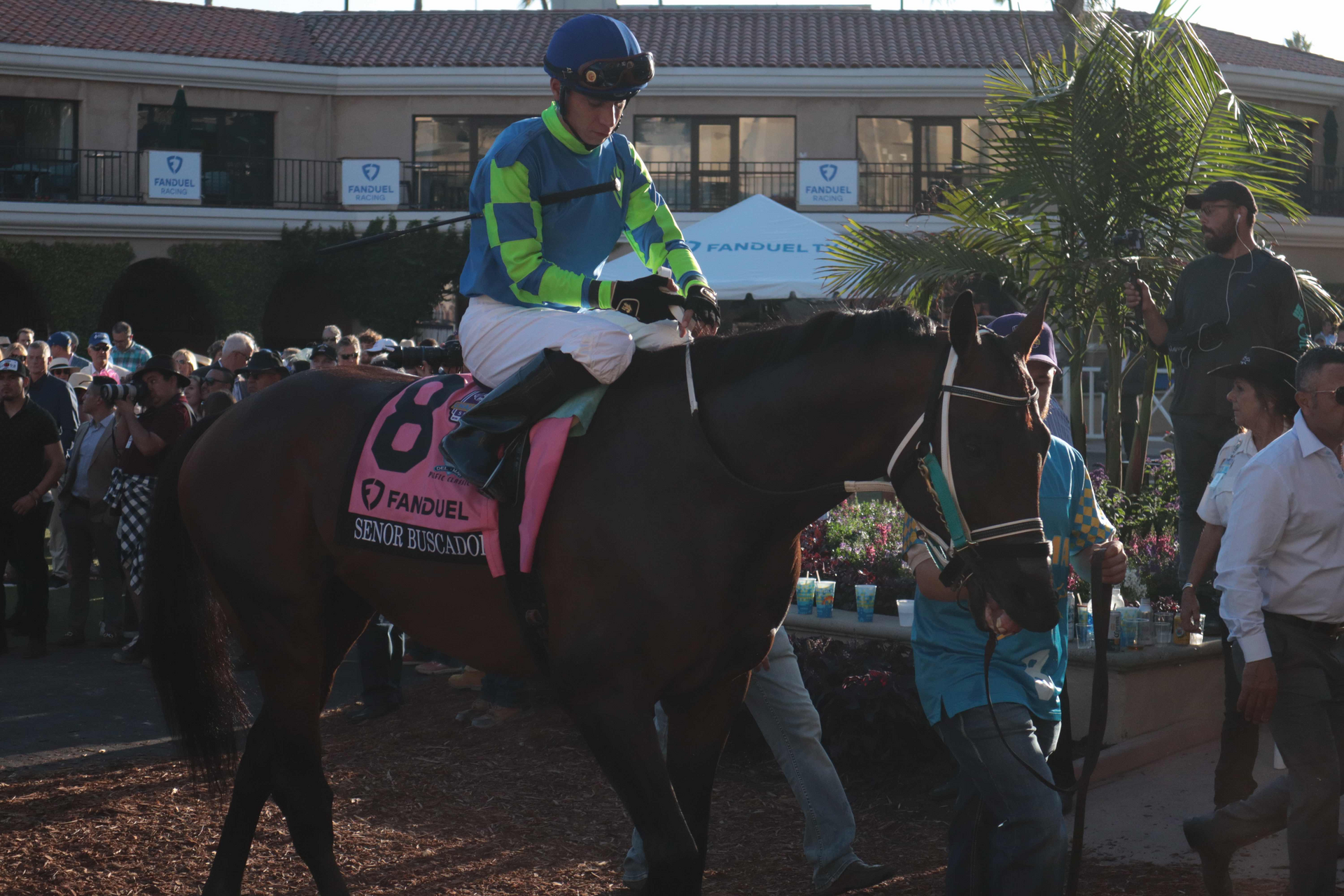

The Saudi Cup is the richest horse race on the planet. Held every February at King Abdulaziz Racecourse in Riyadh, the headline race carries a purse of $20 million — nearly double the Dubai World Cup and more than ten times the Kentucky Derby. Since its inaugural running in 2020, the event has become a flagship fixture in Saudi Arabia’s rapidly expanding entertainment calendar, drawing the world’s finest Thoroughbreds and tens of thousands of spectators to the Saudi capital for a two-day festival of racing, music and culture. Whether you are a lifelong racing fan or simply looking for an extraordinary weekend in Riyadh, this guide covers everything you need to plan your visit.
Best Time to Visit: February (race weekend, typically mid-to-late February)
Getting There: King Khalid International Airport (RUH), then 20–30 minutes by taxi to King Abdulaziz Racecourse
Visa Required: Yes — tourist e-visa
Budget: $55–150 USD/day (general admission from ~$55/couple; hospitality packages significantly more)
Must-See: The $20M Saudi Cup headline race, International Jockey Challenge (Friday night), Parade Ring access
Avoid: Arriving without advance tickets — general admission sells out, and Riyadh hotels spike during race weekend
What Is the Saudi Cup?
The Saudi Cup is a Group 1 Thoroughbred horse race run over 1,800 metres on dirt at King Abdulaziz Racecourse (also known as King Abdulaziz Equestrian Square) in Riyadh’s Janadriyah district. It was created by the Jockey Club of Saudi Arabia (JCSA) and first run on 29 February 2020, deliberately positioned on the international calendar between the Pegasus World Cup ($3 million) and the Dubai World Cup ($12 million) — and outpricing both.
The two-day meeting now features eight races on Saturday alone, with a combined prize pot exceeding $35 million. The Friday preview night hosts a full supporting card including the International Jockey Challenge, in which 14 of the world’s top jockeys — seven men and seven women — compete across four races. The Saturday programme culminates in the $20 million Saudi Cup, where the winner takes home $10 million.
Past Winners and Key Moments
The Saudi Cup has already produced remarkable stories in its short history. Japan’s Forever Young, trained by Yoshito Yahagi, became the first dual winner by taking back-to-back editions in 2025 and 2026. His 2025 victory set a course record of 1:49.099 — the fastest 1,800 metres ever recorded on the King Abdulaziz dirt track.
| Year | Winner | Origin | Trainer |
|---|---|---|---|
| 2020 | Midnight Bisou | USA | Steve Asmussen |
| 2021 | Mishriff | Ireland | John Gosden |
| 2022 | Emblem Road | USA | Mitab Almulawah |
| 2023 | Panthalassa | Japan | Yoshito Yahagi |
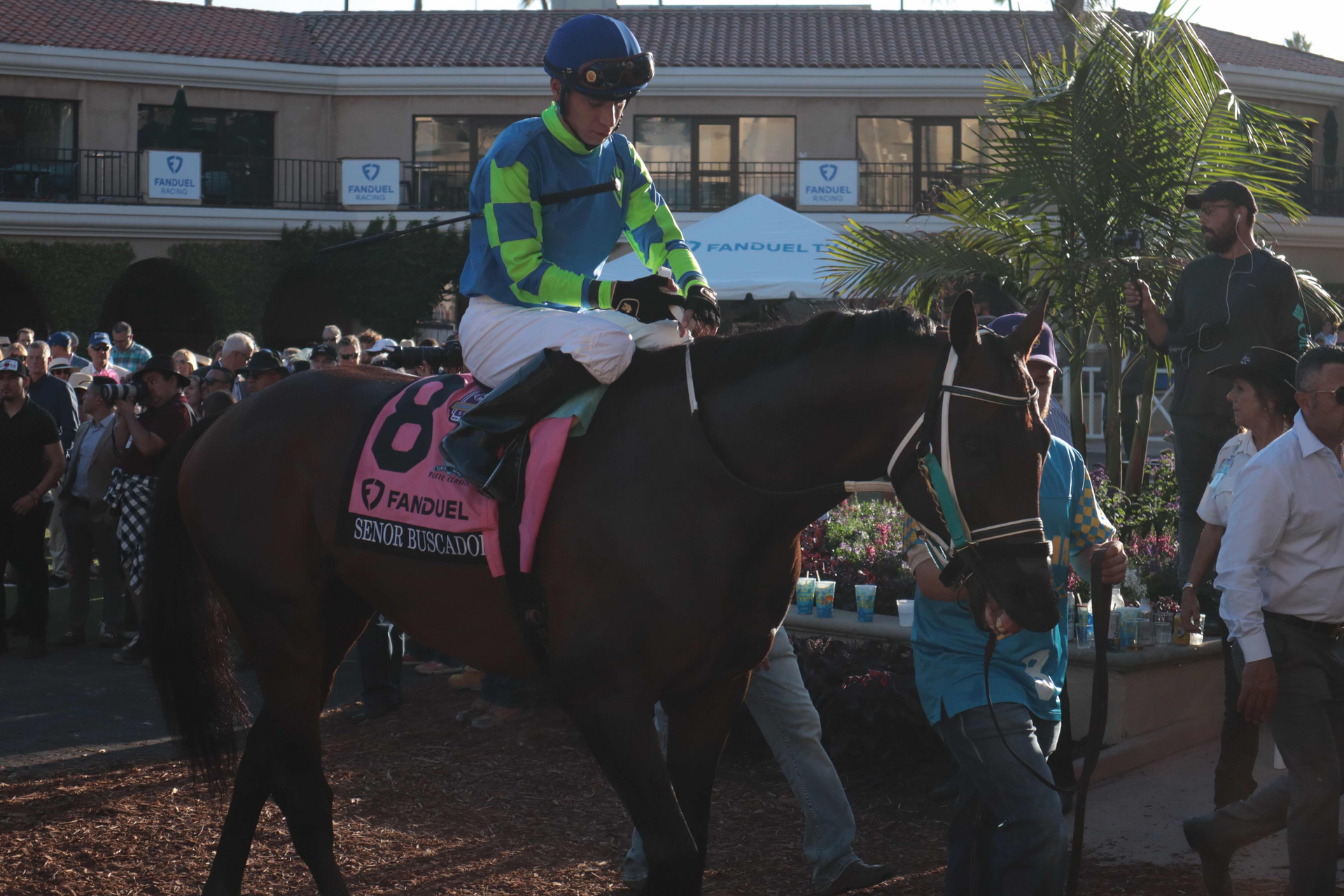
| 2024 | Senor Buscador | USA | Todd Fincher |
| 2025 | Forever Young | Japan | Yoshito Yahagi |
| 2026 | Forever Young | Japan | Yoshito Yahagi |
The 2021 winner Mishriff was owned by Prince Faisal of Saudi Arabia, giving the Kingdom a home victory in only the race’s second edition. The 2022 winner Emblem Road was owned by Prince Saud bin Salman Abdulaziz, making it two Saudi-owned winners in a row. Meanwhile, trainer Yoshito Yahagi has dominated the modern era with three wins from 2023 to 2026.
Note: The original 2020 winner was recorded as Maximum Security, but in August 2024 the JCSA formally disqualified him following trainer Jason Servis’s federal drug charges in the United States. Midnight Bisou was retrospectively declared the inaugural winner.
The Full Race Card
The Saudi Cup is not a single race — it is a two-day meeting featuring some of the richest races in world racing. For visitors attending the Saturday card, here is what to expect:
| Race | Grade | Surface | Distance | Purse |
|---|---|---|---|---|
| Saudi Derby | G3 | Dirt | 1,600m | $1.5M |
| Riyadh Dirt Sprint | G2 | Dirt | 1,200m | $2M |
| 1351 Turf Sprint | G2 | Turf | 1,351m | $2M |
| Red Sea Turf Handicap | G2 | Turf | 3,000m | $2.5M |
| Neom Turf Cup | G1 | Turf | 2,100m | $3M |
| Al Mneefah Cup | G1 | Dirt | 2,100m | $1.5M |
| The Saudi Cup | G1 | Dirt | 1,800m | $20M |
The Neom Turf Cup was upgraded to Group 1 status for 2026, making it the first top-level turf race ever staged in Saudi Arabia. The Saudi Derby is part of the Road to the Kentucky Derby series, attracting young American-bred contenders. The Al Mneefah Cup showcases Purebred Arabian horses, reflecting the Kingdom’s deep equestrian heritage.
Tickets and Hospitality
General Admission
Tickets are sold through the official JCSA website (jcsa.sa) and through WeBook, the Kingdom’s primary event ticketing platform. Early-bird pricing typically opens several months before the event, offering discounts of up to 24%.
| Ticket Type | Early Booking | Standard Price |
|---|---|---|
| Adult — single night | 199 SAR (~$53) | 225 SAR (~$60) |
| Adult — weekend pass (Fri + Sat) | 260 SAR (~$69) | 295 SAR (~$79) |
| Child (5–12) — single night | 99 SAR (~$26) | 112 SAR (~$30) |
| Child (5–12) — weekend | 130 SAR (~$35) | 149 SAR (~$40) |
| Under 5 | Free | Free |
| Group (6+ adults) — single night | 175 SAR (~$47) | — |
General admission includes trackside views, Parade Ring access, grandstand outdoor seating, complimentary parking, and access to all food concessions, live entertainment and cultural exhibitions. Premium hospitality packages with private boxes and fine dining are available separately at significantly higher prices.
What Is Included
Beyond the racing itself, general admission ticket holders enjoy a surprisingly full entertainment programme. Expect live music concerts (a headline act typically performs on Saturday night), roaming entertainers, fashion and art exhibitions, heritage displays celebrating Saudi equestrian culture, and interactive workshops for children. The event is explicitly marketed as family-friendly — there are dedicated children’s zones with horse-themed activities, and under-5s enter free.
Tip: Book early-bird tickets as soon as they become available — the weekend pass at 260 SAR is outstanding value for two full days of world-class racing and entertainment. For concert listings tied to race weekend, check the JCSA website closer to the event.
Dress Code
The Saudi Cup enforces a smart/formal dress code. The JCSA encourages racegoers to dress in styles inspired by Saudi heritage.
Men: Traditional Saudi dress (thobe with bisht, or daglah/sayah with agal and ghutra), suit (tie optional), or formal national dress from your home country.
Women: Abaya inspired by traditional Saudi fashion (modest in fabric and length), formal national dress, or suit with jacket.
Not permitted: Jeans, T-shirts, shorts, casual attire, or promotional items. For a full overview of what to wear across different Saudi occasions, see our Saudi Arabia dress code guide.
Getting to King Abdulaziz Racecourse
By Air
King Khalid International Airport (RUH) is Riyadh’s main airport, located approximately 35 km north of the city centre. The racecourse sits in the Janadriyah district in northeast Riyadh — conveniently positioned between the airport and the city, meaning the journey from arrivals to the track is typically just 20–30 minutes by road, depending on traffic.
Direct flights connect Riyadh to most major international hubs including London, Paris, New York (via connecting hubs), Dubai, Cairo, Mumbai and Kuala Lumpur. You will need a valid Saudi tourist e-visa, which can be obtained online in minutes for citizens of 49 eligible countries.
Getting Around
Ride-hailing apps are by far the most practical transport option. Uber, Careem and Bolt all operate in Riyadh and will drop you directly at the racecourse gates. A ride from central Riyadh takes approximately 25–40 minutes and typically costs 30–60 SAR ($8–16).
If you prefer to drive, the racecourse is accessible via King Khalid Road and Al Thumamah Road, and complimentary parking is included with your ticket. Arrive early on race day — parking fills quickly. The Riyadh Metro, which opened in 2024, does not yet serve Janadriyah directly, so public transport to the venue is limited.
If you are arriving the night before and need a hotel near the airport, our Riyadh airport hotels guide covers the best options for early morning starts.
Where to Stay for the Saudi Cup
There is no official partner hotel for the Saudi Cup, but Riyadh has a deep pool of luxury, mid-range and budget accommodation. The key is to book early — room rates spike during race weekend, and top hotels fill fast.
Best Areas
- Olaya / King Fahd Road corridor — Riyadh’s business and luxury hotel hub, 30–40 minutes from the racecourse. Home to the Four Seasons at Kingdom Centre, Hilton Riyadh Olaya, Marriott and InterContinental. The best balance of dining, nightlife and access.
- Diplomatic Quarter (DQ) — quieter and more residential, with the prestigious Ritz-Carlton Riyadh. Ideal if you want a calmer base.
- King Abdullah Financial District (KAFD) — a newer development on the north side of the city, slightly closer to the racecourse and airport.
- Average high: 25°C (77°F)
- Average low: 9°C (48°F)
- Rainfall probability: ~5% on any given day
- Humidity: Low
- Book tickets early. Early-bird discounts can save up to 24%, and general admission does sell out for the Saturday card.
- Book hotels early. Riyadh hotel rates spike significantly during Saudi Cup weekend. Two months ahead is advisable; one month ahead may leave only budget options.
- Use ride-hailing apps. Uber, Careem and Bolt are reliable and affordable. Avoid driving if you are unfamiliar with Riyadh traffic.
- Bring sun protection. February in Riyadh is mild but sunny — sunscreen, sunglasses and a hat are recommended for the outdoor grandstands.
- Arrive early. Gates open at 2:00 PM. Arriving early gives you time to explore, visit the Parade Ring and secure good viewing positions.
- Extend your trip. Saudi Cup weekend is an ideal anchor for a longer Saudi Arabia trip — combine it with a few days exploring Riyadh’s food scene, heritage sites, or even a side trip to AlUla or Jeddah.
- Saudi Arabia Travel Guide 2026 — The complete guide to visiting the Kingdom
- Concerts in Saudi Arabia 2026 — Upcoming shows, venues and how to buy tickets
- Winter Wonderland Riyadh — Tickets, zones and what to expect at Riyadh’s biggest entertainment event
- Best Luxury Hotels in Riyadh — From Four Seasons to Raffles, where to stay in style
- Saudi Arabia Dress Code for Tourists — What to wear for women and men
- Saudi Arabia Visa Guide — Every visa type explained
For detailed hotel reviews and booking advice, see our Riyadh luxury hotels guide. Budget travellers will find reliable international chains like ibis on Olaya Street at competitive rates.
Food and Drink at the Racecourse
Saudi Arabia enforces a nationwide alcohol ban, and no alcohol is served at the Saudi Cup or anywhere at King Abdulaziz Racecourse. However, the food and drink offering is far from limited. General admission includes access to walk-up restaurants, cafes and food concessions serving traditional Saudi cuisine alongside international options. For more on what to drink instead, our guide to non-alcoholic drinks in Saudi Arabia covers everything from qahwa to fresh-pressed juices.
If you are extending your trip beyond race weekend, Riyadh’s dining scene has exploded in recent years. See our guides to Riyadh street food and Riyadh’s best cafes for recommendations.
Weather and When to Go
The Saudi Cup is held in February, which is one of the best months to visit Riyadh. The weather is mild and dry — a welcome contrast to the capital’s brutal summer heat.
With gates opening at 2:00 PM and racing running through the evening, conditions are ideal: warm and sunny through the afternoon, cooling pleasantly after sunset. Bring a light jacket or pashmina for the evening session — temperatures can drop below 15°C after dark.
Making the Most of Race Weekend
Friday Preview Night
Do not skip the Friday card. The International Jockey Challenge is a unique spectacle — 14 of the world’s best jockeys, split evenly between men and women, competing across four races. The atmosphere is slightly more relaxed than Saturday’s main event, and it is an excellent opportunity to explore the facilities, find your favourite viewing spots, and soak in the pre-race buzz.
Saturday Main Card
The Saturday programme is the main event. Eight races run across the afternoon and evening, building to the $20 million Saudi Cup as the final race. Arrive early to visit the Parade Ring, where you can see the horses up close before each race. The entertainment programme runs throughout the day, including live music, art exhibitions and cultural displays.
Beyond the Racecourse
If you are spending more than a weekend in Riyadh, the city offers far more than you might expect. The Masmak Fortress in the old quarter is a must-visit for history enthusiasts, while the Riyadh self-guided walking tour takes you from the old city to the modern skyline. Saudi Cup weekend often overlaps with Winter Wonderland Riyadh and other Riyadh Season entertainment events, so check what else is running during your visit.
Understanding Saudi Culture at the Races
For first-time visitors to Saudi Arabia, the Saudi Cup is an excellent introduction to the Kingdom’s warmth and hospitality. Horse racing has deep roots in Arabian culture — the Arabian horse breed originated on the peninsula, and Saudi families have bred and raced horses for centuries. The event reflects this heritage while embracing international sporting standards.
A few cultural points to keep in mind: dress modestly and formally (the dress code is enforced), be respectful during prayer times (racing pauses briefly), and embrace the experience of a sporting event without alcohol — the atmosphere is no less electric for it. For a deeper understanding, our guide to Saudi Arabian culture for visitors covers essential etiquette.
Key Dates
| Edition | Dates | Notes |
|---|---|---|
| 2025 | 21–22 February 2025 | Forever Young set course record (1:49.099) |
| 2026 | 13–14 February 2026 | Forever Young won again; Neom Turf Cup upgraded to G1 |
| 2027 | TBC (February 2027) | Prize money exceeding $39.6 million announced |
Tip: Dates are typically announced 6–9 months in advance. Check the JCSA website (jcsa.sa) for confirmed dates and early-bird ticket sales. For 2027, tickets with early-booking discounts are already available.
Other Horse Racing in Saudi Arabia
The Saudi Cup is the headline event, but Saudi Arabia’s racing calendar runs from September to April with approximately 50 meetings per season at King Abdulaziz Racecourse. These regular race days are free to attend and offer a more intimate experience of Saudi racing culture.
In summer (May–August), the action moves to King Khalid Racecourse in Taif, a highland city where cooler temperatures allow year-round racing. Taif hosts over 120 Thoroughbred races each summer season. Saudi Arabia is also a major player in Purebred Arabian horse racing, with the Prince Sultan Bin Abdulaziz International Arabian Horse Festival drawing entries from more than 25 countries.