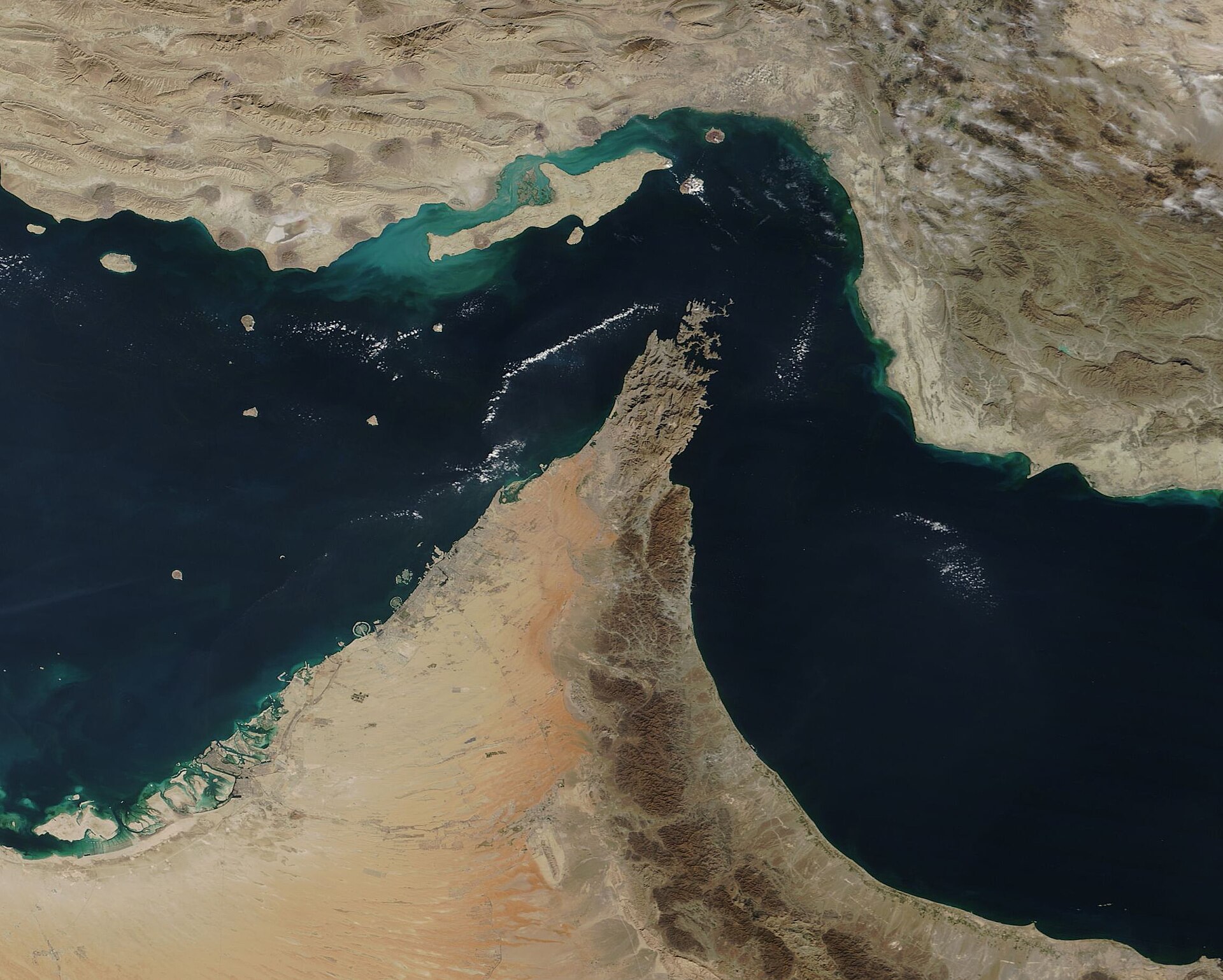
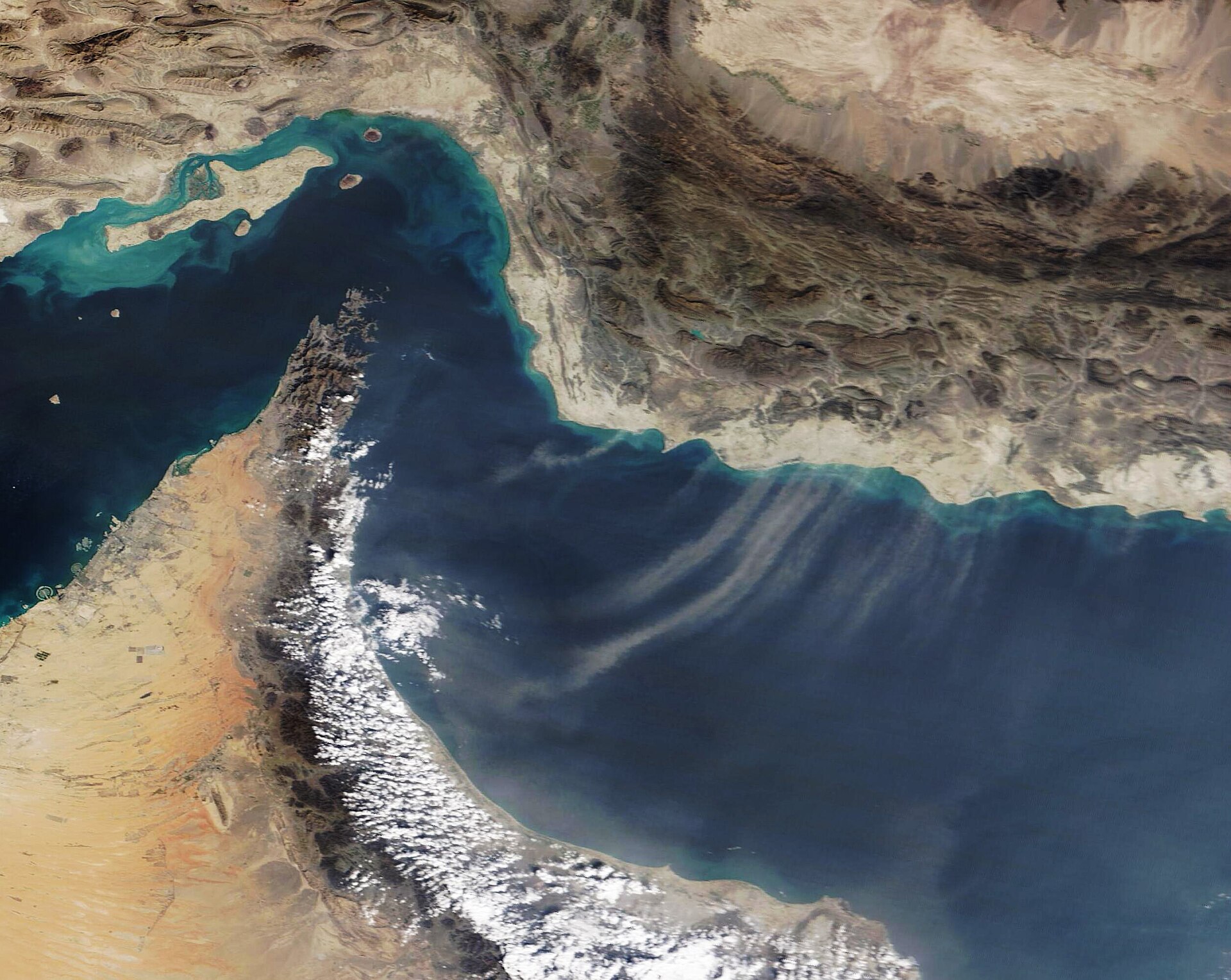
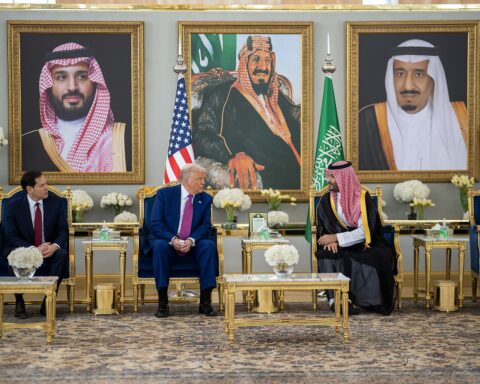
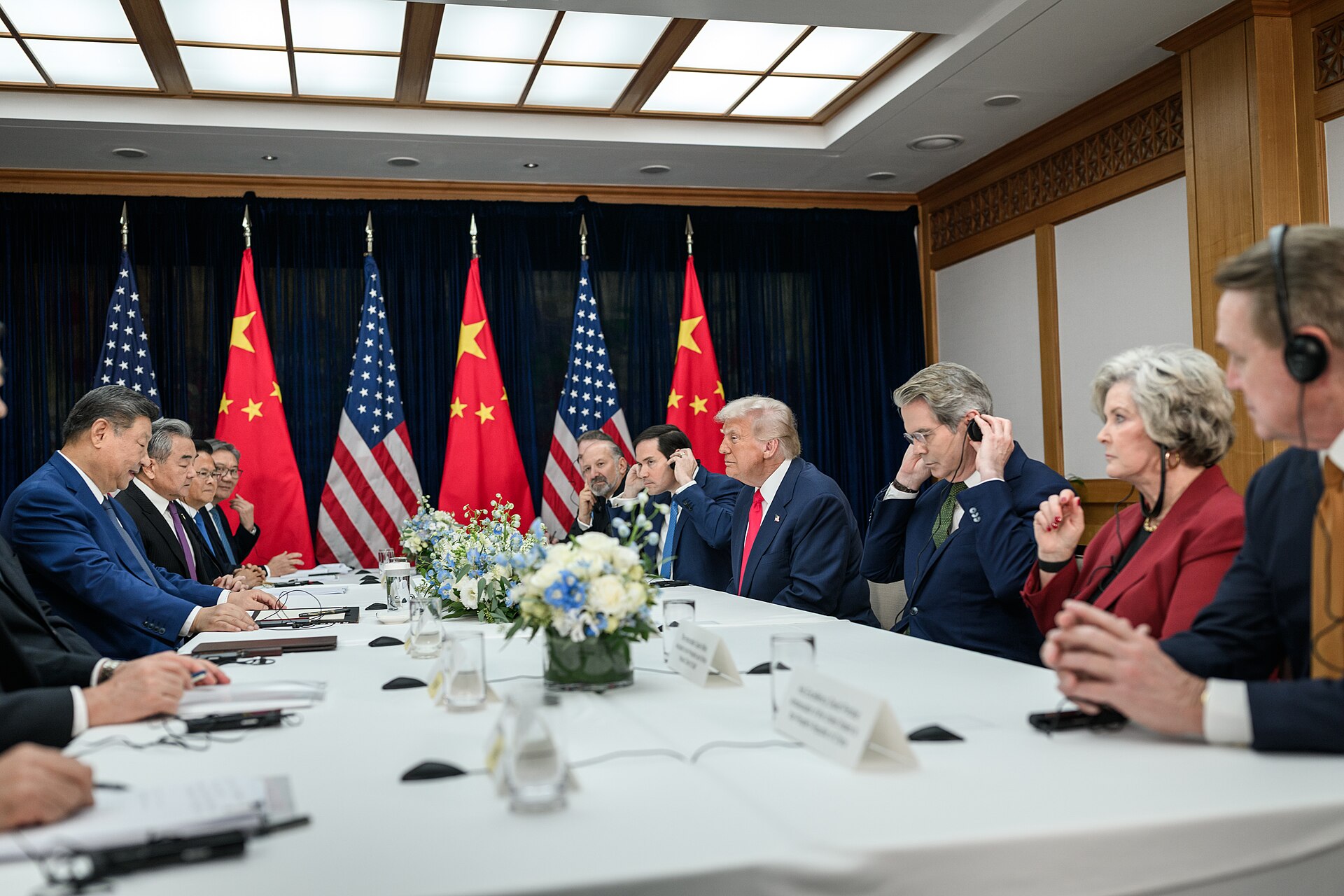
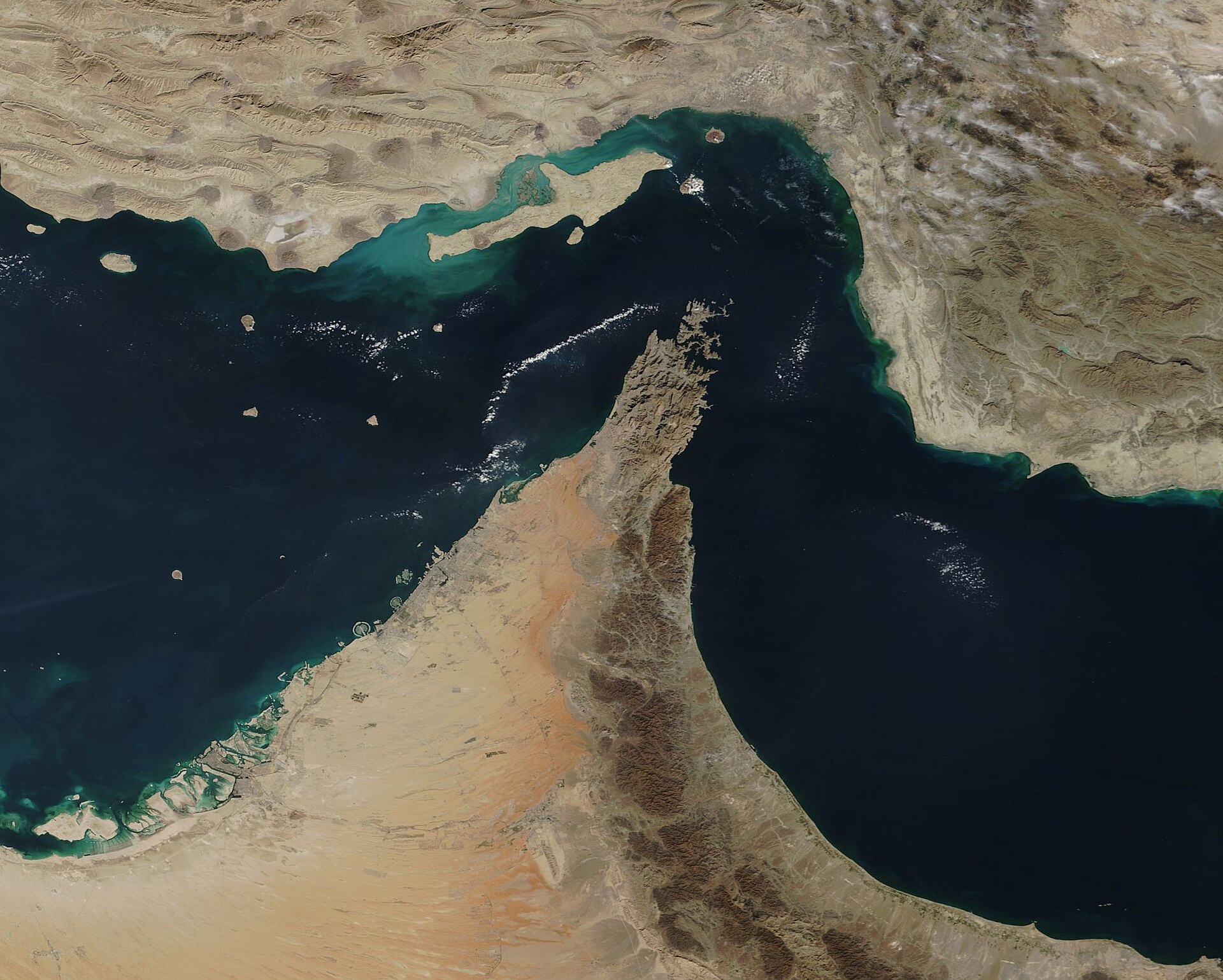
BEIJING — Xi Jinping’s endorsement that “the Strait of Hormuz must remain open” at the May 14 summit with Donald Trump is not an American diplomatic win. It is a Chinese supply-chain protection operation conducted in the language of bilateral cooperation. Beijing routes 5.4 million barrels per day of Gulf crude through the Strait, holds 8 MTPA in contracted Qatar LNG offtake, and purchased $31.2 billion in Iranian oil last year. Xi endorsed Hormuz freedom because China’s energy architecture requires it.
The evidence is in what each government published afterward. The White House readout named both Iran and Hormuz explicitly. Beijing’s Xinhua dispatch mentioned neither — referring only to “the Middle East situation.” On the same day, Iran’s IRGC drew down fast-boat deployments from 454 to 342 across five monitored zones, according to Windward AI maritime intelligence. The reduction was timed to the summit but remained well above the 27-to-230 range observed in the prior week.
The readout divergence, the calibrated drawdown, and the 112-nation Hormuz resolution at the UN that China refused to co-sponsor one day earlier form a single pattern. China is repositioning from Tehran’s passive patron to the indispensable broker between Washington and the IRGC. For Riyadh, this is a managed Chinese pivot, not a breakthrough.
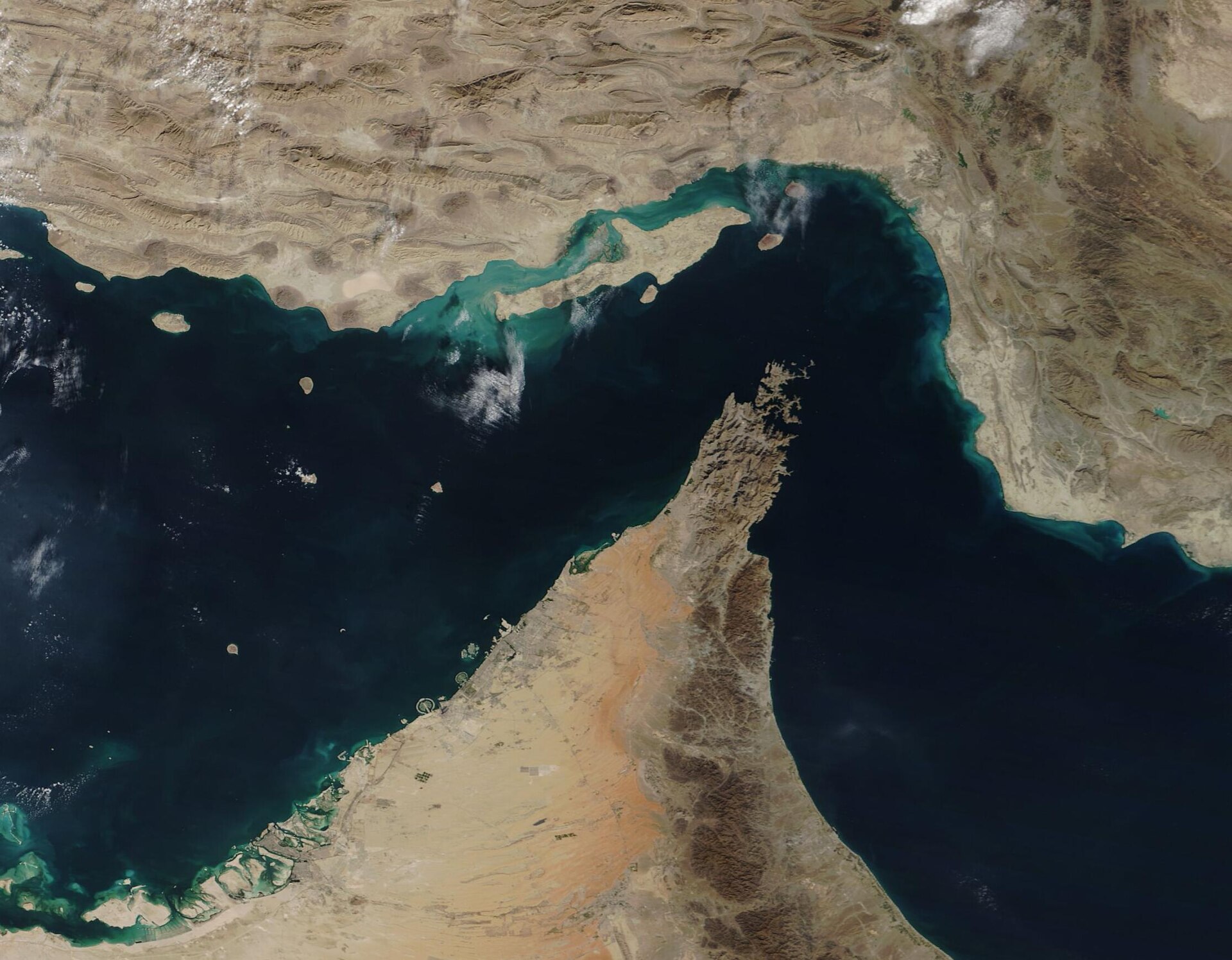
Table of Contents
- What Did Xi Jinping Actually Agree to on Hormuz?
- Why Did Beijing’s Readout Omit Iran and Hormuz Entirely?
- Why Did the IRGC Pull Back 112 Fast Boats on Summit Day?
- China’s Structural Hormuz Exposure
- How Did the Araghchi-Wang Yi Meeting Set the Stage?
- The 112-Nation Resolution Beijing Refused to Sign
- What Should Saudi Arabia Read From This Summit?
- The Authorization Ceiling That Limits Every Hormuz Deal
- What Did Beijing Extract in Exchange?
- Frequently Asked Questions
What Did Xi Jinping Actually Agree to on Hormuz?
According to the White House readout of May 14, Xi and Trump agreed that “the Strait of Hormuz must remain open to support the free flow of energy.” Xi expressed opposition to the militarization of the Strait and any toll regime. Secretary of State Marco Rubio confirmed both sides agreed Hormuz “should not be militarized” — a softer formulation that preserves diplomatic ambiguity.
The gap between “must remain open” and “should not be militarized” is the distance between a demand and a preference. The White House version reads as an operational commitment. Rubio’s softer phrasing reads as a principle with no enforcement mechanism. Both came from the American side of the same summit.
Xi also offered to purchase more American oil to reduce Chinese Strait dependence. This is a trade concession, not an energy-security pivot. China’s Gulf crude imports through Hormuz — 5.4 million barrels per day per Bruegel Institute data — cannot be replaced by American supply: US crude exports averaged 4.1 million bpd in 2025, most committed to existing buyers across Europe and Asia. The gap is structural, not a matter of political will.
The Middle East briefing 3,000+ readers start their day with.
One email. Every weekday morning. Free.
The CFR analysis published before the summit — by Rush Doshi, Chris McGuire, Heidi Crebo-Rediker, David Sacks, and David Hart — assessed the power dynamic directly. “Beijing arrives at the table from a position of considerable strategic strength,” they wrote. “Washington faces mounting vulnerabilities on multiple fronts.” Their conclusion: Xi “could use the summit to help reopen the strait” and “Trump needs this outcome more than Xi.”
William Yang, senior analyst for Northeast Asia at the International Crisis Group, described the tension from Washington’s side. “Washington understands that it may need Beijing’s help to nudge Iran back to the negotiating table,” Yang said. But Washington “is also aware of the implications” — seeking Beijing’s help “would likely mean giving China the upper hand in the bilateral relations.”
Neither readout included a timeline for Hormuz reopening, a mechanism for verifying IRGC compliance, or a scheduled follow-up meeting to assess progress. The White House presented a diplomatic achievement. The operational architecture of the Hormuz blockade — IRGC fast boats, mine fields, administrative toll regime, redirected shipping lanes — was not addressed by any published component of the agreement.
Why Did Beijing’s Readout Omit Iran and Hormuz Entirely?
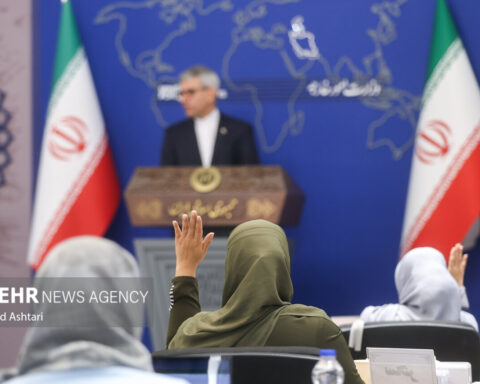
Beijing’s Xinhua readout said the leaders “exchanged views on major international and regional issues including the Middle East situation.” There was no mention of Iran by name, no mention of Hormuz, and no reference to the operational language that the White House published. The asymmetric disclosure was a deliberate editorial choice by a state news agency that clears every word through the Ministry of Foreign Affairs.
This readout gap is not an accident of translation or editorial priority. The Xinhua version omitted Iran and Hormuz because including them would have contradicted Wang Yi’s May 6-7 positioning — where he described the issue as one of “common concern” without attributing responsibility. Publishing the White House’s “must remain open” language in Chinese state media would have undermined the diplomatic space Wang Yi spent weeks constructing with Tehran.
The omission preserves China’s position as Tehran’s primary economic partner. China purchased approximately 1.4 million barrels per day of Iranian oil in 2025, according to the US-China Economic and Security Review Commission. That volume accounted for roughly 12 percent of total Chinese crude imports and approximately 90 percent of all Iranian oil exports. That revenue — some $31.2 billion in 2025, about 45 percent of Iran’s government budget per the Columbia University Center on Global Energy Policy — defines the relationship. Beijing will not acknowledge that figure in a readout meant for Tehran.
The Xinhua restraint is consistent with Beijing’s pre-summit behavior. Wang Yi conducted 26 phone calls with regional parties in prior months while publicly maintaining an “objective, just and balanced position.” China continued purchasing Iranian oil throughout the war via shadow-fleet tankers and independent refineries. A Chinese supertanker was reported preparing to test the US Hormuz blockade on May 13 — a demonstration that Beijing maintains independent Strait access regardless of US naval posture.
The Washington Post reported on May 13 that US intelligence had found China “gained a major edge” on the United States amid the Iran war. CNBC’s summit analysis concluded that the agreement “produced symbolic agreement” but “fell short of securing China’s active pressure on Iran.” Al Jazeera assessed that “China’s help in Iran may require US concessions” on Taiwan and technology export controls.
Why Did the IRGC Pull Back 112 Fast Boats on Summit Day?
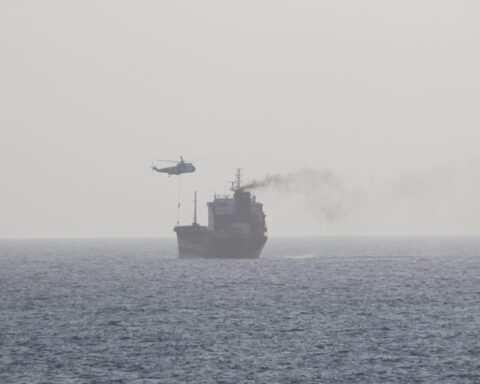
Windward AI maritime intelligence data, reported by Fox News on May 13-14, recorded IRGC fast-boat deployments dropping from 454 to 342 across five monitored Hormuz zones on May 14. Windward described the count as “still elevated compared with the 27 to 230 range observed between May 4 and May 10,” indicating a calibrated signal rather than a strategic withdrawal.
No IRGC statement accompanied the drawdown. No Iranian spokesperson announced a de-escalation. The reduction appeared in commercial maritime surveillance data — visible to shipping insurers, Lloyd’s syndicate analysts, and military intelligence services that monitor Windward feeds. It was not presented to the public as a diplomatic concession.
The commercial surveillance dimension is itself significant. Iran’s fast-boat fleet does not operate under the AIS transponder requirements governing commercial shipping. Windward AI tracks IRGC vessels through satellite imagery, synthetic aperture radar, and behavioral pattern analysis. The fact that the drawdown was detectable — and reportable within 24 hours — means Iran either did not attempt to conceal the reduction or calibrated it to be visible. Either possibility supports the reading that the drawdown was a deliberate signal, not a quiet operational adjustment.
Iran’s fast-boat fleet in the Strait serves three functions. It interdicts commercial vessels, enforces the IRGC’s declared “danger zone” around standard shipping lanes, and shadows US and allied naval transits. The 112-boat drawdown reduces interdiction capacity without eliminating it. The IRGC had maintained 454 boats — a wartime peak — to demonstrate control. Dropping to 342 on summit day sent a message calibrated for one audience: Beijing.
The timing points to China, not Washington. Wang Yi had pressed Araghchi on Hormuz during the May 6-7 Beijing meeting. The five-point ceasefire proposal that China and Pakistan issued on March 31 included a formal call for “resumption of normal navigation” in the Strait — China’s first such demand on record, according to PBS NewsHour. The drawdown reads as Iran signaling compliance with its primary patron’s stated priority while retaining the capacity to reverse within hours.
Three hundred and forty-two fast boats still constitutes a blockade-capable force. The drawdown reduced the visible military footprint without dismantling the IRGC’s Hormuz control architecture: the administrative toll regime, the mine-field infrastructure, and the redirected shipping lanes through Iranian territorial waters that produced the double blockade. Iran withdrew the assets it can redeploy in a day. The regulatory framework stays operational.
China’s Structural Hormuz Exposure
The crude-oil dimensions of China’s Strait dependence, referenced above, represent only one layer of Beijing’s Hormuz exposure. The liquefied natural gas commitment is equally binding. CNPC holds a 27-year supply contract for 4 million tonnes per annum from Qatar’s North Field East expansion, with first deliveries beginning in 2026. Sinopec separately holds a 5 percent equity stake in one North Field East LNG train, according to S&P Global Commodity Insights and QatarEnergy disclosures. Combined, Chinese firms have committed to approximately 8 MTPA of contracted Qatar LNG offtake — all of which must transit Hormuz.
The LNG dimension introduces a time pressure that crude oil does not. Qatar’s North Field East trains are commissioning this year. CNPC’s first contracted cargoes require a functioning export corridor from Ras Laffan to Chinese receiving terminals — a route that transits the Strait. Delayed commissioning or stranded cargoes would trigger contractual penalties against one of the largest LNG expansion projects in history.
This dependency is not new. When Qatar dispatched the LNG carriers Al Daayen and Rasheeda through Hormuz in early April, China intermediated the transit — not Qatar and not the United States. Beijing’s role as the operating system for Hormuz LNG traffic was established weeks before the summit. The Al Daayen completed its passage at 8.8 knots toward China with CNPC and Sinopec as contracted offtakers.
The Columbia University Center on Global Energy Policy warned that Hormuz closure beyond three months “will pose a serious test to China’s longtime assumption about unsustainable oil supply disruptions.” Combined crude and LNG transit requirements make China the single most Hormuz-dependent major economy — a structural position that preceded the war and will persist regardless of the summit’s outcomes.
The summit produced no mechanism for protecting China’s Hormuz-transiting cargoes beyond the bilateral statement. Beijing’s operational protection strategy relies on direct arrangements with IRGC naval authorities — the same arrangements that enabled the Al Daayen transit in April and the supertanker test on May 13. These arrangements are bilateral, informal, and contingent on China’s continued oil purchases from Iran. If Washington succeeds in cutting Chinese-Iranian oil trade — an objective predating the war — Beijing loses both its protection mechanism and its influence over the IRGC. China’s broker role depends on the same economic relationship the United States has spent years trying to sever.
How Did the Araghchi-Wang Yi Meeting Set the Stage?
Iranian Foreign Minister Abbas Araghchi traveled to Beijing on May 6-7 for his first China visit since the war began in late February. Wang Yi described Hormuz reopening as a matter of “common concern” resolvable through “diplomatic dialogue,” according to Al Jazeera and CNBC. He declined to assign blame to Tehran for the Strait’s closure.
The meeting was productive in one direction and violently contradicted in another. On May 7 — the same day Araghchi met Wang Yi — a Chinese-owned chemical tanker, the JV Innovation, was attacked near Mina Saqr in UAE waters. Caixin Global and IranWire reported the attack targeted a vessel belonging to the country whose foreign minister was at that moment pressing Iran for de-escalation.
The JV Innovation incident exposed a pattern that has defined the war’s diplomatic track since its earliest weeks. IRGC field operations run on a separate authority chain from Iran’s elected government. President Masoud Pezeshkian publicly named Vahidi and Abdollahi as the commanders who derailed the Islamabad ceasefire talks in April. Diplomatic meetings produce statements. IRGC commanders produce operational facts on the water.
Wang Yi’s 26 phone calls with regional parties, his public insistence on an “objective, just and balanced position,” and his refusal to assign blame in the May meeting established the diplomatic framework the summit codified. China arrived at the bilateral with a record of pressing Iran privately while defending it publicly — a dual posture that the Xinhua readout’s omission preserved intact.
The IRGC-affiliated Tasnim News Agency published a direct warning before the summit: “Mr. Trump, never imagine that by taking advantage of Iran’s current calm, you will be able to enter Beijing triumphantly.” The language acknowledged Iran’s “current calm” — the same period that produced the fast-boat drawdown — while classifying it as a temporary Iranian choice. Tasnim published the warning on May 13, one day before Xi and Trump met.
The 112-Nation Resolution Beijing Refused to Sign
On May 13, one day before the summit, a draft UN Security Council resolution demanding that Iran cease attacks on shipping, disclose mine locations, and end illegal transit tolls was co-sponsored by 112 nations. Al Jazeera, The National, and the US State Department reported the co-sponsors. Saudi Arabia signed on through Bahrain’s co-authorship. Qatar, Kuwait, the UAE, India, Japan, and South Korea also co-sponsored.
China and Russia did not.
Beijing’s refusal to join 112 governments in a demand-based Hormuz resolution — while privately agreeing at a bilateral summit that the Strait “must remain open” — is the structural definition of managed positioning. A UN resolution carries potential enforcement mechanisms. A bilateral readout carries diplomatic weight but no operational teeth. China chose the channel that produces headlines without obligations.
The resolution appeared one day before the summit — timing that was not coincidental. The 112-nation co-sponsorship established a multilateral baseline against which the bilateral statement would be measured. Beijing’s decision to endorse Hormuz freedom bilaterally while refusing the multilateral framework gave Washington half a win: a public commitment without an enforcement mechanism that could compel Chinese action against Tehran.
The resolution’s demands — cessation of attacks, mine disclosure, toll abolition — map precisely onto the conditions the IRGC’s Hormuz architecture was designed to create. Co-sponsoring would have obligated China to support enforcement against an Iranian military that controls access to China’s own crude and LNG supply. Beijing’s abstention was the minimum action required to preserve both its broker credibility and its Tehran relationship.
Saudi Deputy Minister for Public Diplomacy Ambassador Rayed Krimly told NBC News that “the Kingdom of Saudi Arabia continues to stand in support of de-escalation and avoiding escalation, as well as negotiations and the efforts undertaken regarding them.” China opted out of the multilateral consensus on May 13 and told Trump privately that Hormuz should stay open on May 14.
What Should Saudi Arabia Read From This Summit?
Saudi Arabia should read Xi’s endorsement as confirmation that Beijing is constructing a broker role that serves China’s energy security above all. MBS forced the suspension of “Project Freedom” — the US Hormuz escort corridor — by denying American forces airspace and Prince Sultan Airbase access on May 5-6, according to NBC News and the Times of Israel. Trump called MBS to reverse the decision. MBS declined.
That refusal created the vacuum the summit addressed. Washington could not enforce Hormuz freedom militarily through Saudi territory. It turned to Beijing for diplomatic pressure on Iran instead. The CFR assessment that Trump “needs this outcome more than Xi” describes the resulting dynamic precisely.
China’s positioning as broker also complicates Saudi Arabia’s own diplomatic channels. The March 2023 Saudi-Iranian normalization agreement — itself brokered by Beijing — is the framework China now invokes as evidence of its mediation credentials. Saudi FM Prince Faisal bin Farhan called Araghchi on April 13, the day the US blockade began. The call confirmed that Saudi-Iranian communication continues through the Chinese-brokered framework. But the channel’s utility depends on Iran’s internal authority structure — the same ceiling that constrains Beijing.
The Chinese broker model carries a specific risk for Riyadh. Beijing’s incentive is to restore Chinese shipping access — not universal Strait freedom. A Hormuz that opens selectively for Chinese-flagged or Chinese-intermediated vessels while remaining constrained for others would serve Beijing’s interests. It would not serve Saudi Arabia, Japan, South Korea, or European importers. The Al Daayen transit already demonstrated that selective access is operationally possible.
Iran’s May 10 counterproposal to the United States — described by Tehran as principled, dismissed by Trump as “massive life support” according to CNN and NPR — demanded full sovereignty over Hormuz, reparations for war damage, and comprehensive sanctions removal. Iranian Army spokesperson Brigadier General Mohammad Akraminia warned of “surprising options” if adversaries made another “miscalculation,” with future aggression carrying the conflict into areas “the enemy has not anticipated.”
Saudi Arabia’s exclusion from the summit’s Hormuz discussions is a structural feature of Beijing’s broker model. China’s mediation depends on bilateral channels — China to Iran, China to the US — that do not require Gulf states at the table. Saudi alternative routing through Yanbu and Fujairah currently moves 6.4 million barrels per day against 7 to 7.5 million in pre-war Hormuz throughput — a gap that narrows only when the Strait reopens.
The Authorization Ceiling That Limits Every Hormuz Deal
Every diplomatic framework for Hormuz reopening runs into the same structural barrier inside Tehran. Mojtaba Khamenei was elevated to Supreme Leader on March 9, after his father was killed on February 28. Senior security officials have described him as a “rubber stamp” for IRGC decisions. Real authority rests with SNSC Secretary Ali Akbar Ahmadian and IRGC commanders including Vahidi, according to Time, JNS, and Iran HRM reporting from March and April 2026.
The authorization ceiling means that even a genuine Chinese effort to constrain IRGC behavior faces a command structure built to resist external pressure. Pezeshkian identified the commanders responsible — as detailed in his April accusations — without possessing any constitutional authority to act. Article 110 of Iran’s constitution places military command exclusively under the Supreme Leader.
The Foundation for Defense of Democracies identified “five men running Iran” in its April 2026 analysis — and Pezeshkian was not among them. Vahidi, Ahmadian, Mojtaba Khamenei, Abdollahi, and IRGC Navy commanders constitute the effective decision-making chain for Hormuz operations. Any Chinese effort to produce sustained de-escalation must reach these five. The summit addressed Trump and Xi. The IRGC chain of command was not in the room.
China’s March 31 proposal carried no enforcement clause, no compliance timeline, and no penalties. Wang Yi’s “common concern” language declined to assign responsibility. Beijing presses in generalities because it understands that the IRGC’s Hormuz posture answers to an internal authority chain no external diplomatic instrument can override. The Xinhua readout that omits Iran entirely is consistent with a government that has measured the authorization ceiling and chosen to work around it.
The summit-day fast-boat reduction illustrates both Beijing’s influence and its limits. China can produce a visible reduction in IRGC naval presence for a diplomatic event. Whether it can sustain that reduction — or extend it to mine clearance, toll abolition, and unrestricted transit — remains the central question. That authority chain, according to Time’s reporting and Pezeshkian’s own accusations, does not answer to Iran’s elected government.
What Did Beijing Extract in Exchange?
The Hormuz endorsement did not arrive free. Xi held structural advantages: China’s energy dependence on the Strait is matched by Washington’s inability to reopen it alone. He left with tangible economic relief. The 90-day tariff truce announced on May 14 reduces US duties on Chinese goods from 145 percent to 30 percent. Chinese duties on US goods drop from 125 percent to 10 percent, per Treasury Secretary Scott Bessent and Trade Representative Jamieson Greer. It is the largest single bilateral tariff reduction since the trade war began in 2018.
The tariff architecture matters for reading the Hormuz calculation. Washington needed Beijing to endorse Hormuz openness. Beijing needed Washington to relieve the tariff pressure straining Chinese export industries. Both received what they sought. The Hormuz endorsement cost China nothing operationally — Beijing was already pressing for Strait reopening to protect its own crude and LNG imports. The tariff climbdown cost Washington the maximum-pressure economic posture it had spent seven years constructing against China.
Technology export controls were not resolved at the summit. Al Jazeera’s pre-summit assessment that Chinese help on Iran “may require US concessions” proved partially correct. The tariff truce was the delivered concession. Semiconductor restrictions — Nvidia’s H100 and H20 chips remain restricted under Commerce Department rules — were deferred, per CSIS and Bloomberg Intelligence. Beijing treated the tariff climbdown as a down payment on a longer account.
The 2015 JCPOA offers a structural precedent for what China can and cannot deliver. Under that agreement, China signed the diplomatic framework, received sanctions relief enabling continued Iranian oil purchases, and provided no enforcement capability when Iran’s nuclear programme expanded again after 2019. The May 14 summit repeated the pattern: China endorsed a principle it already held, received tangible economic benefit, and accepted no enforcement obligation. Washington’s history of trading economic concessions for Chinese diplomatic endorsements on the Iran file now spans two administrations and two separate crises.
Frequently Asked Questions
How many vessels are stranded due to the Hormuz crisis?
Approximately 1,550 vessels remain stranded as of mid-May 2026, with an estimated 22,500 crew members trapped aboard. Total supply losses have reached roughly 880 million barrels. Only 45 transits have occurred since the April 8 ceasefire — 3.6 percent of pre-war daily traffic — with most moving under Chinese-intermediated arrangements rather than open international shipping protocols. The pattern of IRGC enforcement against non-Chinese vessels continued even on summit day itself: Iranian forces boarded and seized a vessel 38 nautical miles from Fujairah while Trump and Xi were issuing their joint Hormuz statement in Beijing.
What is Saudi Arabia’s fiscal exposure if Hormuz remains closed?
Saudi Arabia posted a record $34 billion budget deficit in Q1 2026. Aramco CEO Amin Nasser has warned that energy markets will not normalize until 2027 if the Strait stays closed past mid-June. The IEA described the combined Gulf disruption as affecting approximately 13 million barrels per day of transit capacity — the largest single energy supply crisis in the agency’s history.
Has China ever taken enforcement action against Iran?
No. The 2015 JCPOA gave China no enforcement role. Chinese firms continued purchasing Iranian oil throughout the US “maximum pressure” campaign from 2018 to 2021 via ship-to-ship transfers and independent refineries. Beijing’s instruments for influencing Tehran have historically been economic incentives and quiet bilateral pressure — tools that do not extend to constraining IRGC military operations.
What does physical Hormuz reopening require beyond a diplomatic agreement?
Mine clearance alone requires sweeping approximately 200 square miles of affected shipping lanes. The US Navy retired four Avenger-class minesweeping vessels from Bahrain in September 2025 and has only two in the theater. Using the 1991 Kuwait Gulf War as a benchmark, full clearance requires roughly 51 days of active operations after a ceasefire takes effect. Commercial normalization of the Strait will extend well beyond the date any diplomatic deal is signed. Treasury Secretary Bessent’s concession that China would work on Hormuz “to the extent anyone has any say over the Iranian leadership” — paired with Brent closing at $111 on summit day — delivered the market’s verdict on that ceiling; for the full analysis, see IRGC Operations Run Through the Beijing Summit as Brent Hits $111.