BEIJING — A COSCO supertanker crossed the Larak Island threshold in the Strait of Hormuz on May 13, toll-free and fully loaded, at the same hour Donald Trump’s aircraft touched down in Beijing for his summit with Xi Jinping. The Yuan Hua Hu — carrying roughly two million barrels of Iraqi crude from Basrah — is the third Chinese VLCC to transit Hormuz since the war began on February 28, and the first to do so under explicit state-owned enterprise branding, on a day chosen for maximum diplomatic visibility. The transit was not a probe. A COSCO Shipping official told The Wall Street Journal the vessel received free passage as “a gesture from Tehran timed to Trump’s summit with Xi Jinping.” Eight days earlier, Iranian Foreign Minister Abbas Araghchi sat with Wang Yi in Beijing. What Trump flew to negotiate, China already possesses.
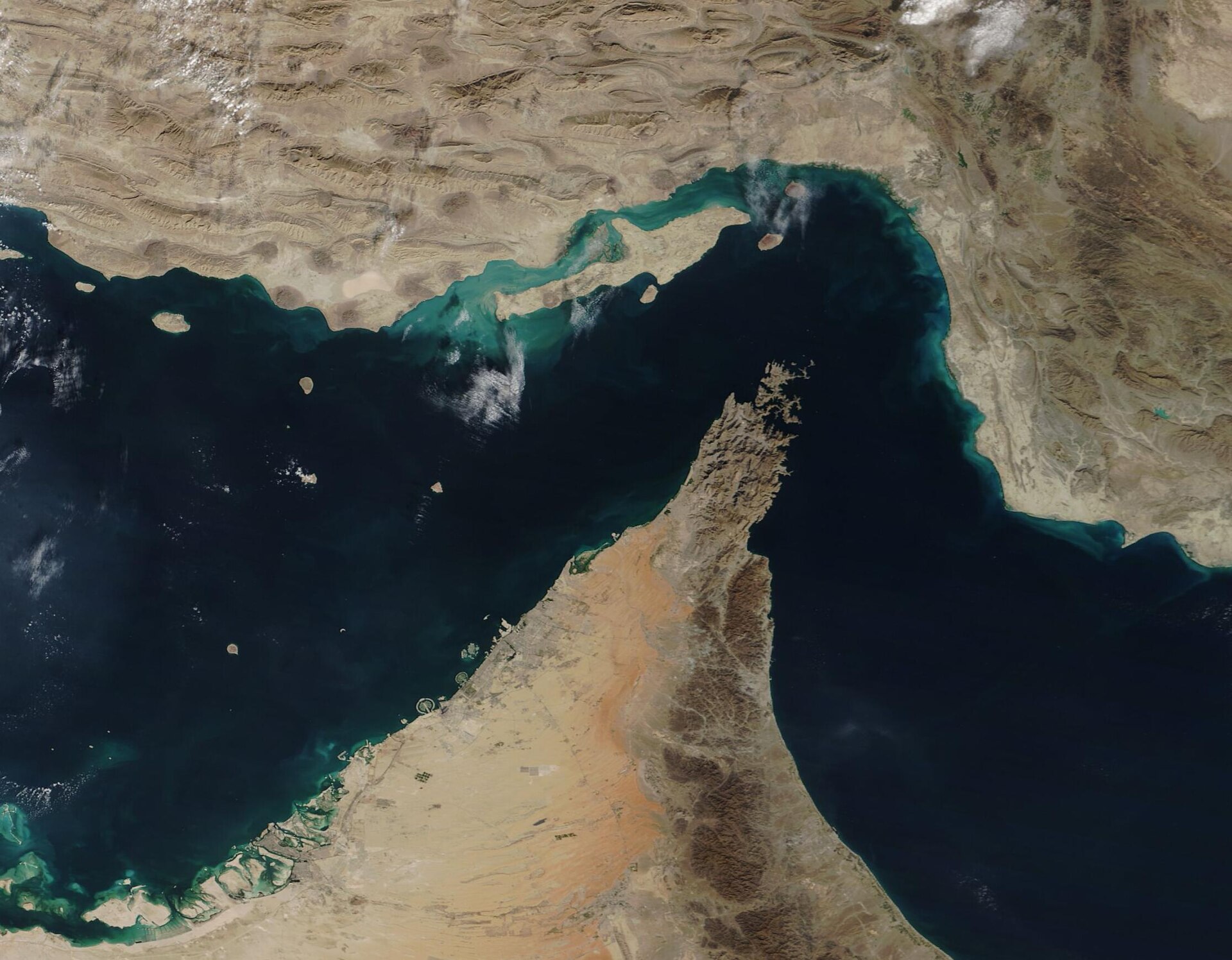
Table of Contents
- The Araghchi-Wang Yi Meeting That Preceded the Transit
- What Does the Yuan Hua Hu Transit Prove About China’s Hormuz Access?
- Three VLCCs and the Pattern Behind Them
- Is the Trump-Xi Summit Ratifying an Already-Concluded Deal?
- How Does China’s Exemption Affect Saudi Arabia’s Export Recovery?
- What Are the Two Pricing Paths for Hormuz Reopening?
- The Blocking Statute and Iran’s Revenue Architecture
- Can Iran’s Hormuz Sovereignty Law Survive a US-China Agreement?
- Frequently Asked Questions
The Araghchi-Wang Yi Meeting That Preceded the Transit
Araghchi arrived in Beijing on May 6 for his first visit to China since the war began — 67 days into a conflict that had shut Hormuz to all but a handful of vessels. Wang Yi’s readout called for “a comprehensive ceasefire of utmost urgency” and warned that “resuming hostilities is even less acceptable.” The language was public. What followed was operational.
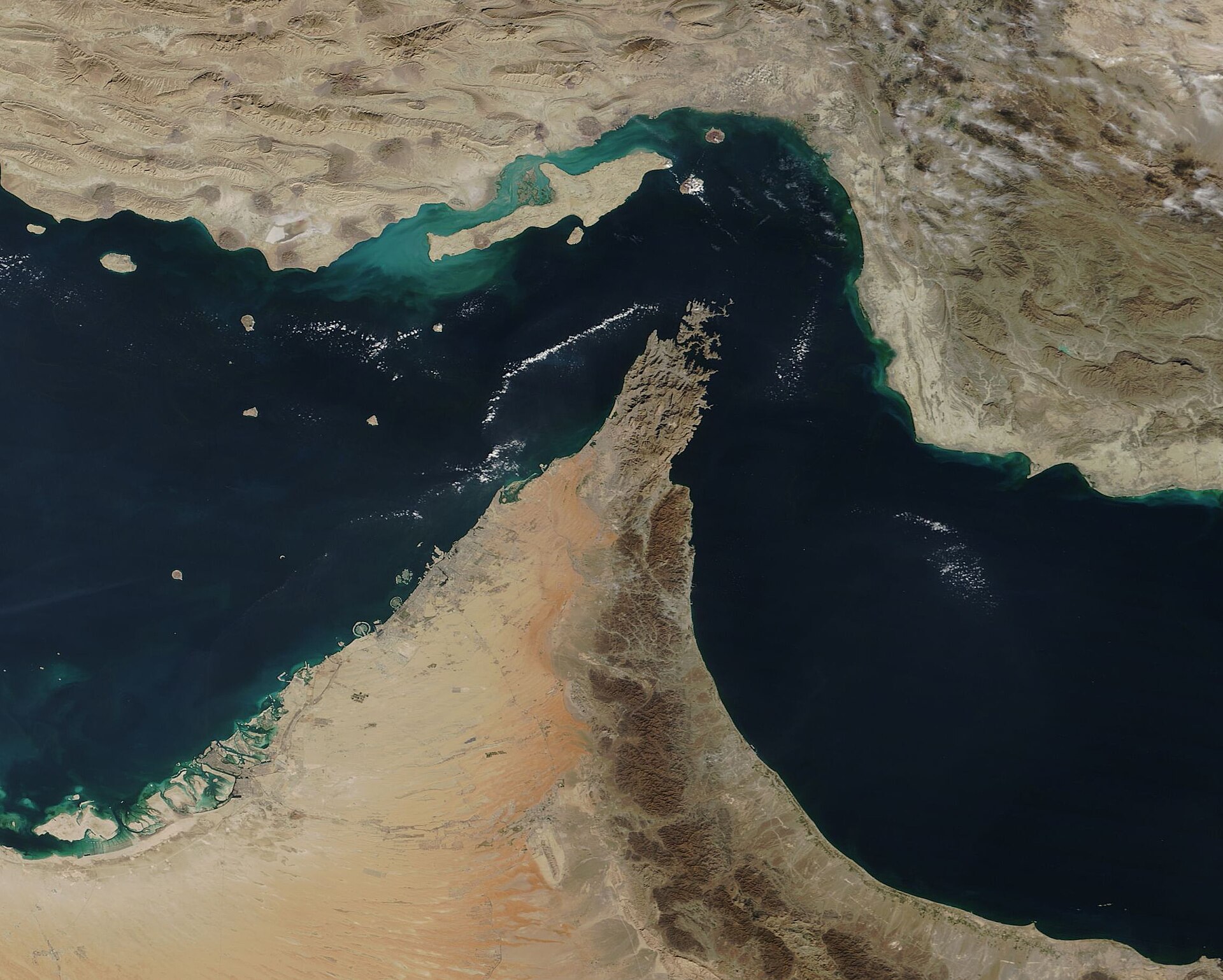
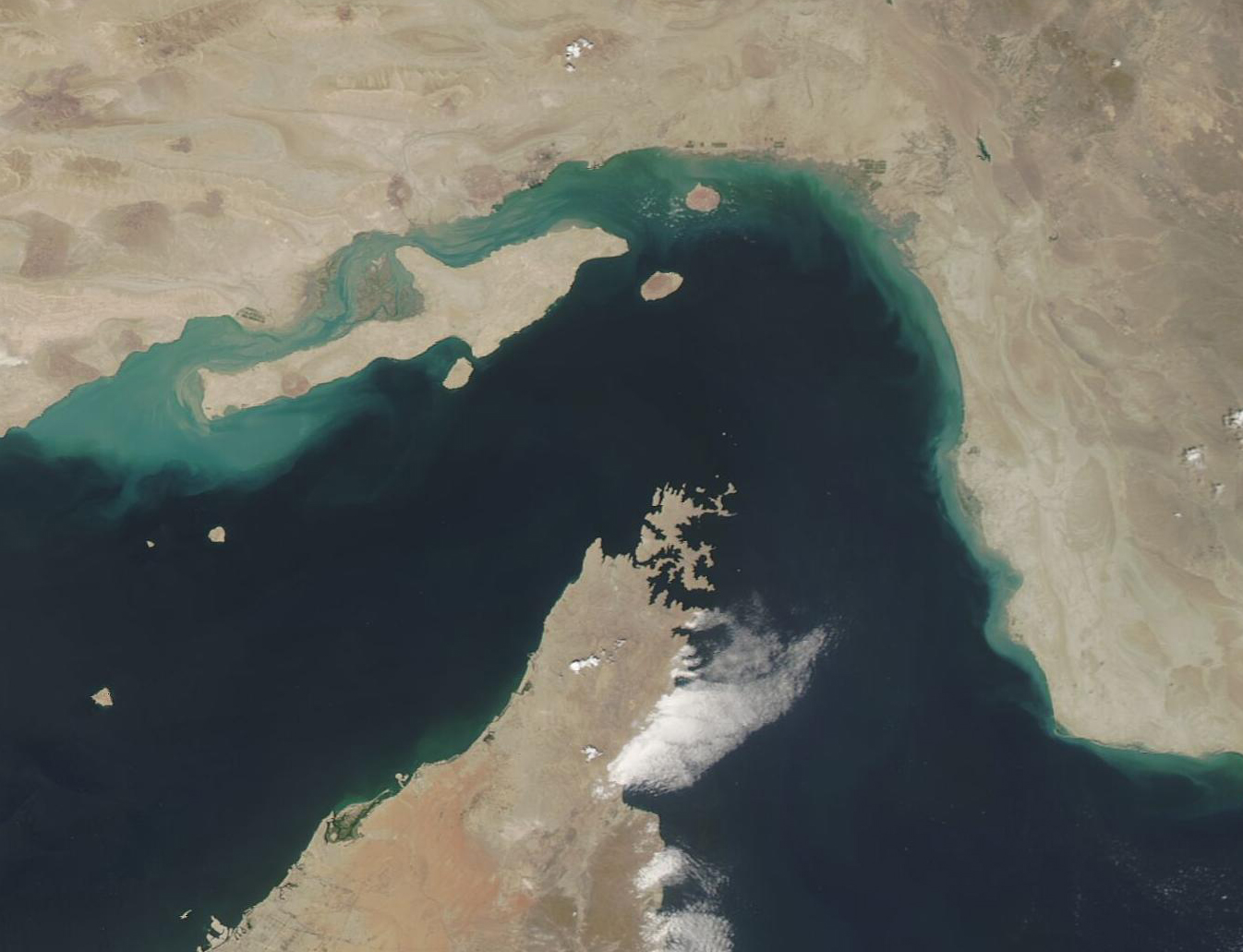
Seven days after the Araghchi-Wang Yi meeting, the Yuan Hua Hu entered the Larak Island corridor — the five-nautical-mile channel between Qeshm and Larak islands inside Iranian territorial waters that the IRGC has controlled since establishing a de facto customs agency over Hormuz transit. It paid no toll. The IRGC, which had turned back the container feeder Selen on March 24 and seized the MSC Francesca (11,660 TEU) and the Epaminodas (6,690 TEU) on April 22, waved a COSCO supertanker through without charge.
The gap between the diplomatic meeting and the transit — seven days — matches the operational lead time for a VLCC to be loaded at Basrah and route southward through the Gulf. The cargo was Iraqi crude, not Iranian, giving COSCO a sanctions-compliance argument while Iran demonstrated exactly the administrative authority it claims: the power to grant passage selectively.
What Does the Yuan Hua Hu Transit Prove About China’s Hormuz Access?
The toll-free passage of a Chinese state-owned VLCC through the IRGC-controlled Larak corridor proves that China has operationalized a bilateral Hormuz exemption with Iran — secured through the Araghchi-Wang Yi back-channel on May 6 and executed on the day of Trump’s arrival in Beijing to maximize diplomatic signal value. This is not a test of the blockade. It is a demonstration of concluded access.
The COSCO official’s own characterization — “a gesture from Tehran” — is both accurate and incomplete. Gestures are unilateral. This was coordinated. The vessel’s branding matters: COSCO Shipping is a central state-owned enterprise under SASAC, the State Council’s asset supervisor. Its movements in contested waters are not commercial decisions. The Yuan Hua Hu transited with the same institutional weight as a People’s Liberation Army Navy vessel, wrapped in a merchant hull.
The Middle East briefing 3,000+ readers start their day with.
One email. Every weekday morning. Free.
The transit also carried a second message aimed at Washington. The Yuan Hua Hu was fully loaded — draft consistent with roughly two million barrels — meaning it entered from the Gulf of Oman side heading outbound through the strait. It passed through the zone where CENTCOM’s “Project Freedom” escort corridor was meant to operate. Project Freedom launched May 4 with approximately 15,000 CENTCOM personnel and more than 100 aircraft, according to Army Recognition and Al Jazeera. It paused on May 5 by “mutual agreement” citing ongoing diplomacy. As of May 13, it has not formally resumed. The COSCO tanker transited in the gap.
Three VLCCs and the Pattern Behind Them
The Yuan Hua Hu is the third Chinese VLCC through Hormuz since February 28. The pattern has been consistent: each transit has been brokered or facilitated through Beijing’s relationship with Tehran, each has carried non-Iranian cargo (preserving a sanctions fig leaf), and each has been timed to a diplomatic inflection point.
The first signal was the Al Daayen, a Qatari LNG carrier that transited at 8.8 knots toward China on April 6 — brokered through CNPC and Sinopec’s structural interests in Qatar’s North Field East (5% equity, 8 MTPA contracted offtake). That transit settled in yuan via Kunlun Bank outside SWIFT. Two unnamed Chinese VLCCs followed in the weeks after, referenced in Reuters shipping data but without the explicit SOE branding or summit-day choreography of the Yuan Hua Hu.
Across the same period, Kpler data showed Iranian crude arriving at four Shandong Yellow Sea ports and Dalian at more than 1.5 million barrels per day during March and April — the bulk of it reaching China via ship-to-ship transfers and pre-war floating storage rather than direct Hormuz transit. Of that total flow, at least 11.7 million barrels passed through the strait itself. Iran’s share of China’s oil imports surged from 12 percent pre-war to approximately 18 percent during the crisis. The exemption is not episodic. It is a supply chain.
| Date | Vessel | Type | Cargo | Toll Paid | Diplomatic Context |
|---|---|---|---|---|---|
| April 6 | Al Daayen (Qatar) | LNG carrier | Qatari LNG | $2M (IRGC fee) | Ceasefire period; China-brokered |
| April–May | Two unnamed VLCCs | Crude tanker | Undisclosed | Undisclosed | Post-ceasefire; blockade period |
| May 13 | Yuan Hua Hu (COSCO) | VLCC | Iraqi crude (~2M bbl) | $0 | Trump arrival in Beijing |
CSIS had published an analysis titled “No One, Not Even Beijing, Is Getting Through the Strait of Hormuz.” The Yuan Hua Hu’s transit — toll-free, fully loaded, state-owned, summit-timed — is the operational rebuttal. Beijing is getting through. The question is whether anyone else will.
Is the Trump-Xi Summit Ratifying an Already-Concluded Deal?
The Trump-Xi summit produced one confirmed agreement on Hormuz: the US State Department announced that both countries agreed “no country should impose tolls on shipping through the Strait of Hormuz.” Reported by Reuters on May 14, the statement does not address IRGC de facto control of the Larak corridor, mine clearance timelines, or Iran’s 12-article Hormuz sovereignty law currently advancing through parliament.
The toll agreement is revealing for what it concedes. Washington entered the summit seeking Chinese pressure on Iran to reopen the strait. Pre-summit CFR analysis noted that Xi held the structural advantage: China’s acknowledged leverage over Tehran was something Trump arguably needed more than Xi did. What emerged was not Chinese pressure on Iran but a joint statement against tolls — a position Iran’s COSCO transit had already rendered moot by demonstrating that Beijing’s vessels pass toll-free regardless.
Trump himself described Iran’s ceasefire posture on May 11 as “totally unacceptable,” with the broader process on “massive life support.” Araghchi responded through CBS News: “Every time a diplomatic solution is on the table, the U.S. opts for a reckless military adventure. Iranians never bow to pressure.” The distance between these positions has not narrowed. What has changed is that China now transits through the middle of it.
The CFR assessment of China’s motivation was blunt: while Beijing would benefit from Hormuz reopening for economic and energy security purposes, it is unlikely to spend political capital helping Washington resolve a crisis of Washington’s own making. China imports 40 percent of its oil and 30 percent of its LNG through Hormuz (CSIS). Its structural interest in reopening is real. Its interest in reopening it as a favor to Washington is near zero — particularly when its own vessels already transit.
How Does China’s Exemption Affect Saudi Arabia’s Export Recovery?
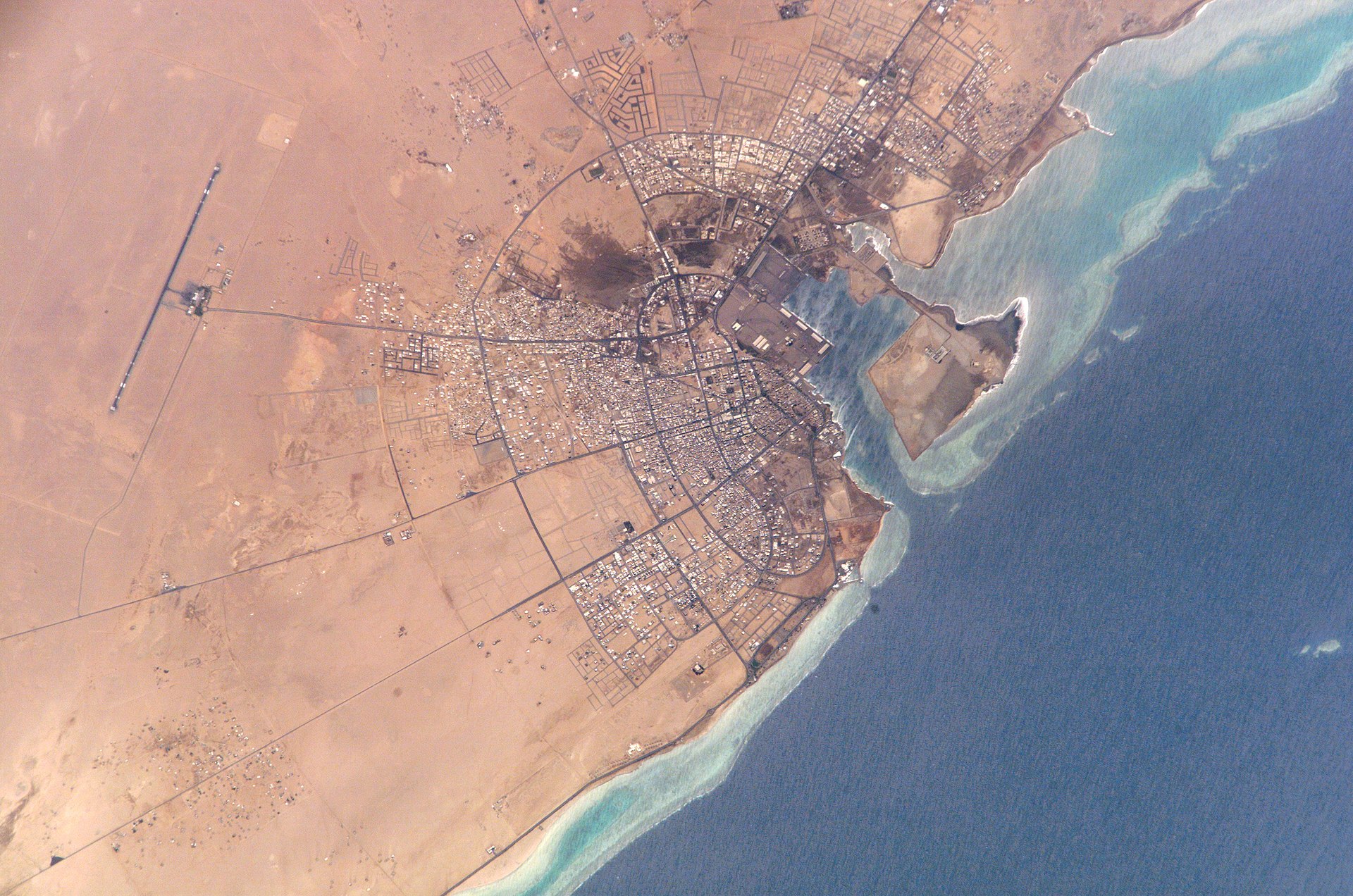
Saudi Arabia’s export recovery depends on Hormuz reopening for all commercial traffic, not just Chinese-flagged or Chinese-brokered vessels. China’s bilateral exemption does nothing to change this. The kingdom’s production has fallen to 6.768 million barrels per day — the lowest since 1990, per the OPEC May 2026 report — with the East-West Pipeline to Yanbu operating as the sole major export artery.
Yanbu’s terminal throughput ceiling sits at 4–5 million bpd in wartime conditions, against a pipeline nameplate of 7 million bpd. Combined with residual Fujairah routing, Saudi Arabia’s total export capacity reaches roughly 6.4 million bpd — still 0.6 to 1.1 million bpd below pre-war Hormuz throughput of 7–7.5 million bpd. The gap is structural, not operational. It cannot be closed without Hormuz.
Aramco CEO Amin Nasser quantified the stakes on May 11, telling CNBC: “The oil market will not normalize until 2027 if the disruption in the Strait of Hormuz persists past the middle of June.” He put weekly losses at 100 million barrels, with 880 million barrels of supply lost to date. The mid-June deadline is not rhetorical. It is the point at which downstream refinery shutdowns, strategic petroleum reserve drawdowns, and forward contract failures begin cascading beyond the capacity of price alone to absorb. The structural threat to Saudi Arabia’s Chinese oil market — and why China’s agreement to purchase US crude arrives when Aramco can least respond — is examined in the companion analysis.
IEA Director General Fatih Birol has called 13 million bpd offline “the biggest energy security threat in history.” For Saudi Arabia, the threat is specific: Nasser’s 100 million barrels per week figure means the kingdom’s share of that loss is borne disproportionately because its bypass infrastructure — the East-West Pipeline — was designed as a redundancy, not a primary artery.
The fiscal paradox compounds the constraint. Aramco’s Q1 2026 net income reached $32.5 billion — up 25 percent year-on-year — because Brent at $106.07 per barrel compensates for volume loss. But the Saudi government’s Q1 budget deficit hit $34 billion (INSS), a record, because state spending (Vision 2030 commitments, defense procurement, PIF obligations) is calibrated for volumes that no longer flow. Price gains accrue to Aramco’s income statement. Volume losses hit the sovereign balance sheet.
What Are the Two Pricing Paths for Hormuz Reopening?
Two divergent outcomes follow from China’s operationalized exemption, and they produce radically different conditions for Saudi Arabia’s export recovery and the global oil market through the remainder of 2026.
In the first path, the US and China formalize a Hormuz understanding — extending Beijing’s bilateral access into a broader multilateral reopening framework, with China pressuring Iran to accept mine clearance operations and commercial transit resumption. This scenario enables Saudi Arabia to begin restoring Hormuz-routed exports by Nasser’s mid-June deadline. Brent would likely correct from $106.07 toward $85–90 as the 13 million bpd offline (IEA estimate) begins returning. Saudi production could recover toward the OPEC+ April quota of 10.2 million bpd over 60–90 days. The 1,550 stranded vessels and an estimated 22,500 trapped mariners begin moving. In this path, the Trump-Xi toll agreement is a preamble, not an endpoint.
In the second path, China’s exemption remains bilateral and exclusive. Chinese and Chinese-brokered vessels transit; everyone else waits. The double blockade architecture — US controlling Arabian Sea entry from April 13, IRGC controlling Gulf of Oman exit from March 4 — persists but with a Chinese-shaped hole. Hormuz throughput recovers to perhaps 2–3 million bpd (Chinese demand plus limited Iranian exports) rather than the pre-war 20 million bpd. Saudi Arabia remains locked at the Yanbu ceiling. Brent stays above $100 through 2026. Mine clearance — estimated at six months post-deal with only two Avenger-class MCM ships in theater — never begins because there is no deal to trigger it. Thirty of Iran’s 33 Hormuz missile sites remain restored (Euronews, May 13).
| Variable | Path A: US-China Framework | Path B: Bilateral Exemption Only |
|---|---|---|
| Hormuz throughput | Phased recovery to 12–15M bpd by Q3 | 2–3M bpd (Chinese-linked only) |
| Saudi production | Recovery toward 10.2M bpd quota | Stuck at ~6.8M bpd (Yanbu ceiling) |
| Brent crude | $85–90/bbl correction | $100–115/bbl sustained |
| Mine clearance | Begins Q3 2026 (~6-month process) | Does not begin |
| Stranded vessels | Phased release, 60–90 days | 1,550 vessels remain indefinitely |
| Saudi fiscal gap | Narrows with volume recovery | $34B+ quarterly deficit persists |
| Nasser deadline (mid-June) | Met, partially | Missed; 2027 normalization timeline |
Whether China has any reason to share its access is an economic question. Beijing purchases more than 80 percent of Iran’s shipped crude exports. Its Shandong “teapot” refineries account for roughly 90 percent of that flow. The yuan-Kunlun Bank settlement architecture operates outside SWIFT. China’s Commerce Ministry invoked its 2021 blocking statute prohibiting Chinese firms from complying with US Iran sanctions. Every structural incentive points toward path B — bilateral advantage maintained — unless Washington offers something that changes China’s arithmetic.
US officials have floated one inducement: increased Chinese purchases of American LNG. It is a thin offer. China’s Gulf crude imports dropped 25 percent year-on-year in March 2026, and the shortfall has been filled by Iranian crude at what US Treasury characterized as heavily discounted prices. Trading a discount supplier for a premium one requires a rationale beyond American asking.
The Blocking Statute and Iran’s Revenue Architecture
China’s 2021 blocking statute — the “Rules on Counteracting Unjustified Extra-Territorial Application of Foreign Legislation and Other Measures” — was invoked by the Commerce Ministry in the context of US secondary sanctions on Iranian oil. The statute prohibits Chinese firms from complying with foreign sanctions that China considers illegitimate, and imposes penalties on firms that do comply. It transforms the sanctions question from a compliance risk into a domestic legal obligation to resist.
The statute’s practical effect in the Hormuz crisis is to formalize what Shandong’s teapot refineries had been doing for years: importing Iranian crude through ship-to-ship transfers, renamed vessels, and opaque trading houses. The war made the informal formal. With Iranian crude flowing at 1.5 million bpd to Chinese ports and accounting for 18 percent of China’s total imports, the blocking statute provides legal cover for what has become a structural supply relationship.
Iran’s revenue from this architecture is substantial. At pre-war discounts of $10–15 per barrel below Brent, Iranian crude at $90–95 per barrel and 1.5 million bpd generates roughly $135–142 million per day in gross revenue — over $4 billion per month. The IRGC’s $12.4 billion annual military budget is financed primarily through this channel. The toll-free Yuan Hua Hu transit is not charity. It is a loss-leader: forgoing $2 million in IRGC transit fees to demonstrate to Beijing’s summit counterpart that the Iran-China channel operates without administrative friction.
“The oil market will lose 100 million barrels of supply every week Hormuz is closed.”
— Amin Nasser, CEO, Saudi Aramco, CNBC, May 11, 2026
Can Iran’s Hormuz Sovereignty Law Survive a US-China Agreement?
Iran’s parliament is advancing a 12-article Hormuz sovereignty law, sponsored by lawmakers Ahmadi and Rezayi Kouchi, that would codify IRGC administrative control over the strait as domestic legislation. The bill asserts Iranian jurisdiction over the Larak corridor and formalizes the transit-authorization regime the IRGC has operated de facto since March. If passed, any international agreement on Hormuz — including the US-China “no tolls” consensus — would require either Iranian parliamentary repeal or a constitutional confrontation between the Majles and whatever executive authority signs a deal.
The sovereignty law is a ratchet. It converts operational facts on the water into statutory claims that are harder to reverse than military deployments. The IRGC has restored 30 of 33 Hormuz missile sites. IRGC aerospace commander Mousavi threatened “heavy assault” if Iranian oil tankers were attacked (Al Jazeera, May 10–11). These are kinetic positions. The sovereignty law adds a legal dimension that persists even if the missiles are stood down.
The US-China toll agreement operates in a different legal universe. It is a bilateral statement of principle between two countries that do not border the strait. Iran is not party to it. UNCLOS Article 26 already prohibits transit charges — an argument Washington has made for decades. The addition of Chinese concurrence does not change Tehran’s calculus, because Tehran’s position is not that tolls are legal under international law. Tehran’s position is that the strait is administered territory, and Iran has built the administrative apparatus to enforce that claim.
The Yuan Hua Hu transit illustrates the distinction. The vessel paid no toll — consistent with the US-China agreement. But it received permission to transit — consistent with Iran’s sovereignty claim. Both Washington and Beijing can point to the same event as validating their position. Tehran can point to it as validating its own.
What Riyadh Has and What Riyadh Lacks
Saudi Arabia was not at the table in Beijing. It was not at the Araghchi-Wang Yi meeting on May 6. It has not been party to whatever back-channel produced the COSCO exemption. The kingdom that depends most on Hormuz reopening — whose production has cratered 30 percent, whose Q1 deficit set a record, whose CEO publicly named a mid-June deadline — is watching the negotiation over its primary export route conducted between two countries with different priorities.
What Riyadh has is price. Brent at $106.07 per barrel (May 14) delivers historically high revenue per barrel even at historically low volumes. Aramco’s $32.5 billion Q1 income is the paradox of a war that destroyed output and elevated price simultaneously. What Riyadh lacks is volume — and volume is what funds the state, not Aramco’s corporate earnings. The $34 billion Q1 deficit is the gap between what Aramco earns and what the government spends.
Riyadh also has Operation Epic Fury — the kingdom’s own kinetic campaign against Iranian military infrastructure, conducted under US operational cover. But Epic Fury does not reopen Hormuz. It degrades Iranian assets. Saudi Arabia’s problem is not military. It is commercial: getting crude through a strait that one adversary has mined and another power’s rival has learned to navigate.
In 2024, Houthi forces in the Red Sea reportedly agreed to avoid targeting Chinese merchant vessels during their shipping campaign — a bilateral accommodation CSIS flagged in pre-summit analysis as structurally identical to what Iran has now arranged in Hormuz. Both arrangements bypass multilateral frameworks, grant Chinese commerce preferential passage, and leave everyone else exposed. Saudi Arabia’s exports ran through the Red Sea when the Houthis held it. They run through Hormuz now.
Frequently Asked Questions
What cargo was the Yuan Hua Hu carrying and why does the origin matter?
The Yuan Hua Hu was loaded with Iraqi crude from Basrah, not Iranian oil. This allows COSCO to argue the transit involved no sanctioned cargo — sidestepping a direct US secondary sanctions trigger — while Iran demonstrates the more consequential point: that it controls who passes through Hormuz regardless of cargo origin. The cargo distinction also means Iraqi export revenue, not Iranian, funded the shipment. Iraq’s Basrah terminal remained accessible throughout the war via the Khor Al Amaya and Al Basrah Oil Terminal routes, both outside the IRGC’s direct interdiction zone but requiring Hormuz transit for onward shipping to East Asian buyers.
How does CENTCOM’s Project Freedom relate to the COSCO transit?
Project Freedom — the US-escorted commercial shipping corridor through Hormuz — launched on May 4 with 15,000 CENTCOM personnel and more than 100 aircraft. It was paused one day later, on May 5, by what CENTCOM described as “mutual agreement” citing ongoing diplomatic efforts. The corridor has not formally resumed as of May 14. The Yuan Hua Hu transited on May 13 during this operational pause, meaning the COSCO vessel navigated the strait in a window where neither the US escort nor the IRGC interdiction regime was being actively enforced against Chinese-flagged shipping. Whether the pause was coincidental or coordinated with Beijing’s transit timeline is unconfirmed.
What is the Nasser mid-June deadline and what happens if it passes?
Aramco CEO Amin Nasser told CNBC on May 11 that the oil market cannot normalize until 2027 if Hormuz remains disrupted past mid-June 2026. The deadline reflects downstream cascading effects: refinery maintenance cycles in Asia cannot be deferred past June without triggering contract penalties and physical shortfalls; strategic petroleum reserve releases by IEA member states reach authorization limits by late June; and forward crude contracts for Q3 2026 delivery begin settling in early June, locking in supply assumptions. If mid-June passes without a reopening framework, the market prices in a 2027 normalization horizon — and Brent likely reprices above $110 on the forward curve.
Could the US enforce its blockade against Chinese-flagged vessels?
Legally, the US blockade (established April 13) applies to Iranian ports and vessels paying IRGC tolls — not to all Hormuz transit. COSCO’s position — carrying non-Iranian cargo, paying no toll, operating under a flag state (China) with its own blocking statute — occupies a legal grey zone. Interdicting a Chinese state-owned vessel carrying Iraqi crude would constitute an act tantamount to a naval confrontation with Beijing, an escalation no US administration has contemplated during this conflict. The Yuan Hua Hu’s transit was calibrated to make enforcement maximally costly and minimally justifiable.
The operational dimensions of that transit — what the Yuan Hua Hu’s passage revealed about the structural limits of both the US blockade and Iran’s Persian Gulf Strait Authority — are examined in the companion analysis: A Chinese Supertanker Just Showed the World What the US Hormuz Blockade Cannot Do.
How much Iranian oil is China receiving despite the war and sanctions?
Kpler data shows Iranian crude arriving at Shandong and Dalian ports at 1.5 million bpd during March and April — the bulk reaching China via ship-to-ship transfer outside the strait or from pre-war floating storage. At least 11.7 million barrels of that total passed through Hormuz directly since February 28. Iran’s share of China’s crude imports rose from 12 percent pre-war to approximately 18 percent, with Shandong’s independent “teapot” refineries processing roughly 90 percent of the flow. Settlement occurs in yuan through Kunlun Bank, outside the SWIFT system.
The post-summit joint declaration and how Xi’s public endorsement of Hormuz openness diverged from Xinhua’s readout — which omitted Iran entirely — is the subject of Xi Jinping’s Hormuz Endorsement Was a Managed Chinese Pivot, Not a US Diplomatic Victory.