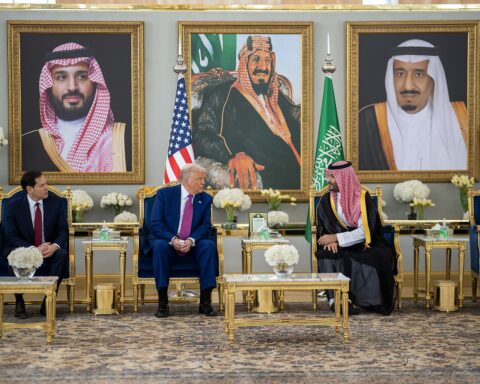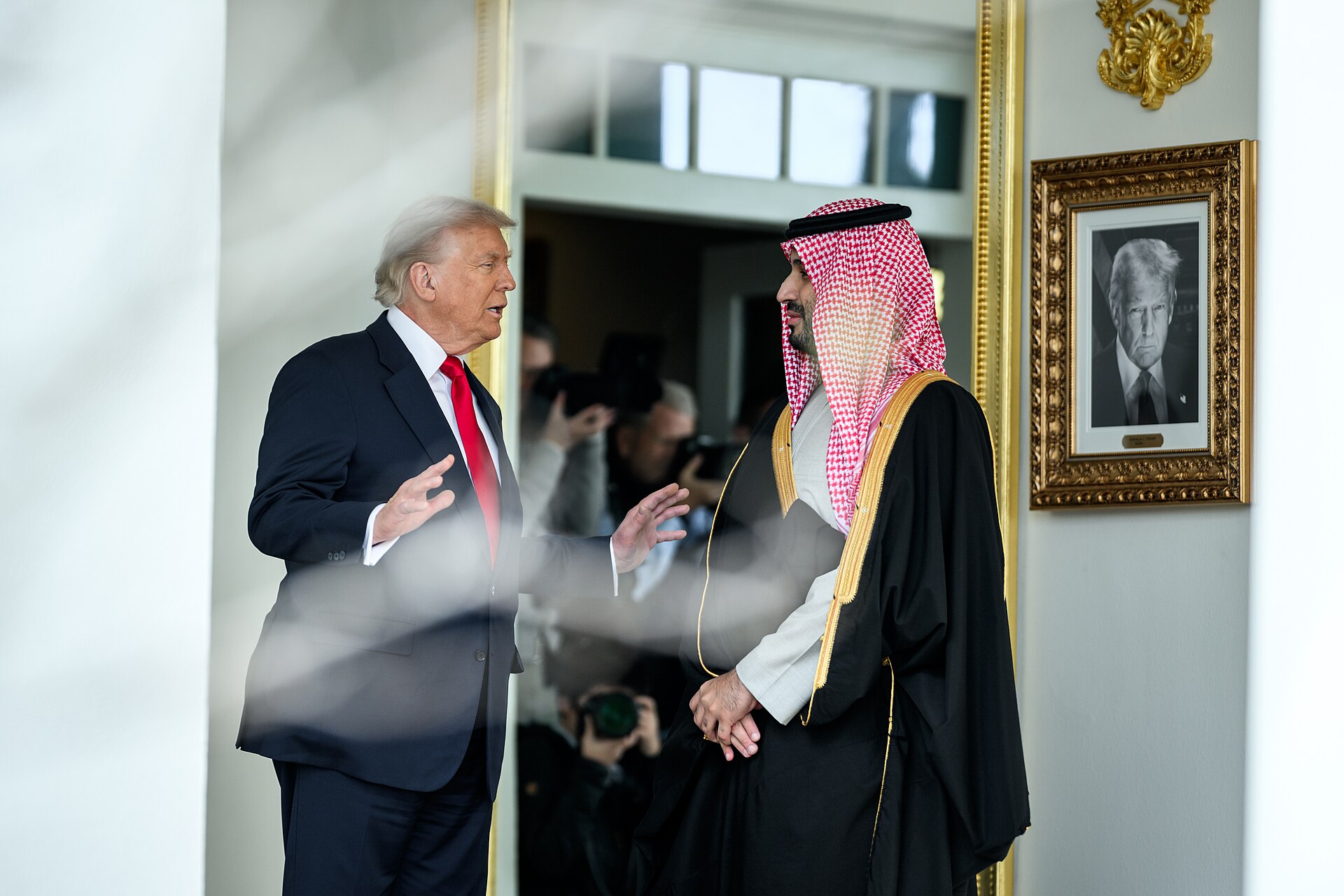
RIYADH — Donald Trump named Mohammed bin Salman on Truth Social as one of three Gulf leaders who personally asked him to cancel Tuesday’s planned military strike on Iran — the first time a sitting US president has publicly attributed a postponed military operation to named foreign heads of state. The post, published May 18, arrived within hours of Iran’s Foreign Ministry confirming that a “modified” counter-proposal had been transmitted to Washington through Pakistan, and one day before the NSC Situation Room meeting that will determine whether the strike goes ahead.
That Pakistan channel was one of two active tracks Iran was running simultaneously: deputy foreign ministers Takht-Ravanchi and Gharibabadi were in Istanbul for E3 nuclear talks at the same moment, a parallel designed so that European risk-aversion would convert into pressure on Washington rather than pressure on Tehran. The upside for MBS is peacemaker credit if Iran’s proposal leads somewhere. The downside is co-ownership of whatever Iran does in the next 24 to 48 hours, with 1.8 million Hajj pilgrims in the Hejaz, roughly 400 PAC-3 interceptors remaining from a pre-war inventory of 2,800, and a record $33.5 billion first-quarter budget deficit already on the books. Trump’s post did not simply delay a strike — it distributed a share of the consequences to Riyadh, Abu Dhabi, and Doha, and it did so in a format designed to be screenshotted, quoted, and weaponized by every government that reads it.
Table of Contents
- What Trump’s Post Actually Committed To
- Why Would MBS Attach His Name to a Delay He Cannot Enforce?
- The 1990 Gulf War Parallel, Running in Reverse
- What Is in Iran’s “Modified” Proposal — and What Isn’t?
- The Authorization Ceiling Has Not Moved
- How Exposed Is Saudi Arabia If the NSC Rejects Iran’s Offer?
- Dhul Hijjah and the Custodian’s Hard Constraint
- Pakistan: Mediator, Treaty Ally, Guarantor of Nothing
- What Happens in the Next 48 Hours?
- Frequently Asked Questions
What Trump’s Post Actually Committed To
Trump’s Truth Social post performed three functions simultaneously, and the speed with which it was drafted — the capitalization patterns, the run-on syntax, the way it names military officials by rank and title as if dictating an executive order — suggests it was composed with the intention of becoming the record, not merely announcing one. He named the three men who asked for the delay: Qatar’s Tamim bin Hamad Al Thani, Saudi Arabia’s Mohammed bin Salman, and the UAE’s Mohamed bin Zayed Al Nahyan. He named the two military officials who have been ordered to maintain immediate strike readiness: Secretary of War Pete Hegseth and Chairman of the Joint Chiefs General Daniel Caine. And he framed the delay as explicitly conditional on a deal being reached, not on any timeline or process.
The operative sentence: “I have instructed Secretary of War, Pete Hegseth, The Chairman of The Joint Chiefs of Staff, General Daniel Caine, and The United States Military, that we will NOT be doing the scheduled attack of Iran tomorrow, but have further instructed them to be prepared to go forward with a full, large scale assault of Iran, on a moment’s notice, in the event that an acceptable Deal is not reached.” The conditional clause — “on a moment’s notice” — is not rhetorical. The day before, May 17, Trump posted on Truth Social that “for Iran, the Clock is Ticking, and they better get moving, FAST, or there won’t be anything left of them.”
The same fourteen-hour window also produced the coercive architecture question: whether Trump’s annihilation threat and the OFAC sanctions waiver that arrived hours later represent deliberate pressure or a White House that has lost control of its Iran messaging. What the post did not do is equally telling. It set no deadline. It offered no criteria for what constitutes an “acceptable Deal.” It did not describe the strike that was cancelled — its scale, its targets, its military branch — except to call it a “planned Military attack” that was “scheduled for tomorrow.” That absence of specificity is the point: by keeping the operational details blank, Trump preserved maximum flexibility to escalate or de-escalate without being held to a prior description of what was on the table.
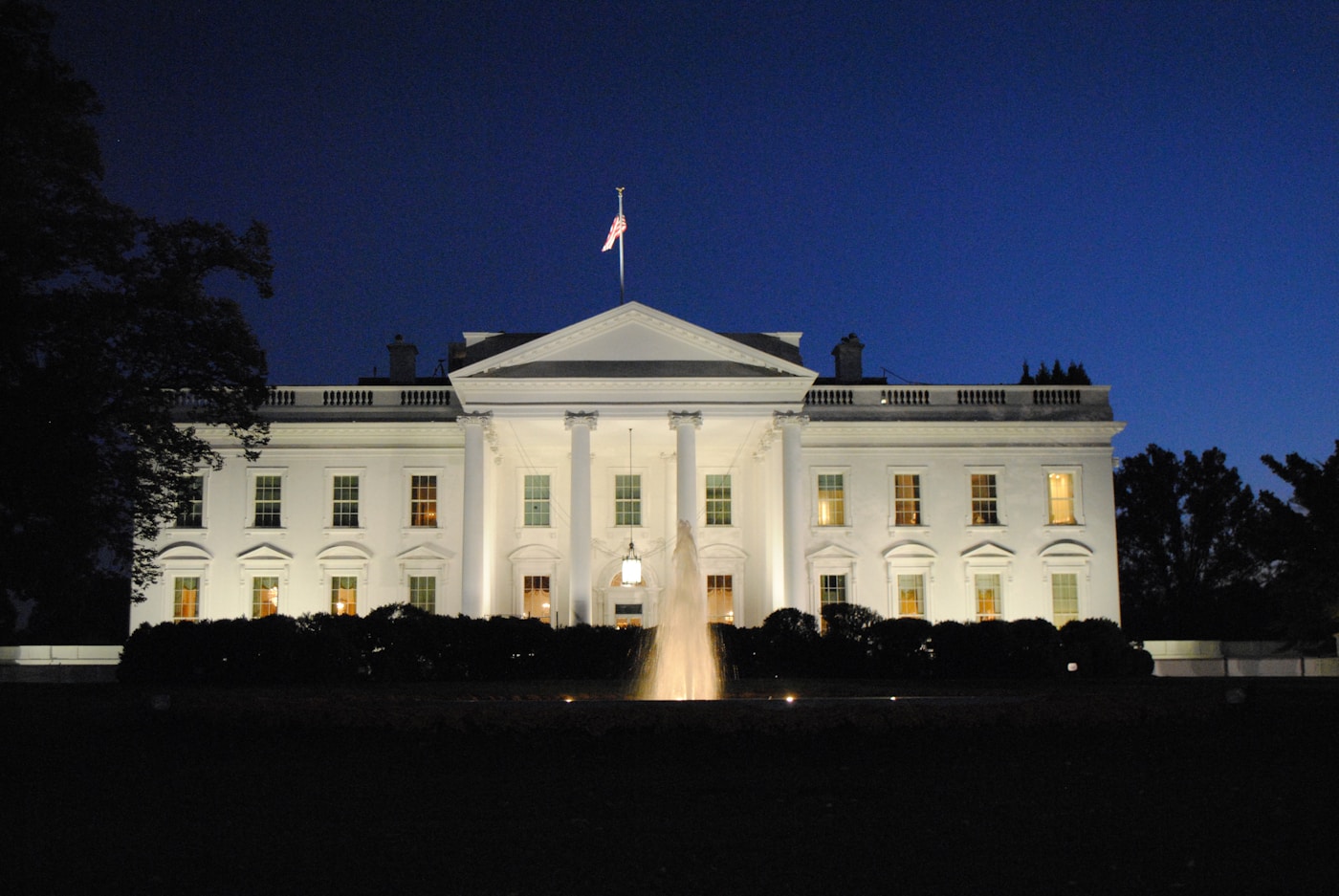
Why Would MBS Attach His Name to a Delay He Cannot Enforce?
The question is not whether MBS asked for the delay — the Foundation for Defense of Democracies noted as early as May 12 that Saudi Arabia “issued ritual denunciations of Tehran’s belligerence but refused to sever diplomatic ties, the decisive step taken by the UAE,” and that “when Iranian Foreign Minister Abbas Araghchi placed calls after the ceasefire, only the Saudis took the call.” MBS has been building toward a public request for restraint since early May, when Saudi Arabia revoked US access to Prince Sultan Air Base and denied Saudi airspace for Operation Project Freedom, the American-led Hormuz corridor operation. That was the first major explicit Saudi veto of a US military operation during the war, and it was conducted quietly — no public attribution, no social media post.
The Middle East briefing 3,000+ readers start their day with.
One email. Every weekday morning. Free.
May 18 is different. Trump did not merely acknowledge the request; he broadcast it, and he did so using the full formal names and titles of all three leaders, a framing that reads less like a diplomatic communiqué and more like a public ledger of who is responsible for the pause. MBS can ask for a delay, but he cannot control what Iran does with the time he bought. He cannot control what the IRGC does with the modified proposal that Tehran’s Foreign Ministry says it transmitted through Pakistan. And he cannot control what Trump decides in the NSC Situation Room on May 19, because the criteria for “acceptable” remain entirely in American hands.
What MBS can control — and what makes the calculation rational despite the risk — is the Hajj calendar. Saudi Arabia’s Supreme Court confirmed on May 17 that May 18 is the first day of Dhul Hijjah. The Day of Arafah, the holiest single day in the Islamic calendar, falls on May 26 — eight days after the NSC vote. Any American military strike on Iran between now and late May would be a strike during the Hajj pilgrimage, with 1.8 million pilgrims in the Hejaz, and MBS — as Custodian of the Two Holy Mosques — would bear the political and religious consequences of having failed to prevent it. The delay request is not generosity toward Tehran; it is self-preservation dressed as diplomacy.
The 1990 Gulf War Parallel, Running in Reverse
On August 6, 1990, Dick Cheney and General Norman Schwarzkopf flew to Jeddah to ask King Fahd for permission to deploy American troops on Saudi soil after Iraq’s invasion of Kuwait, a meeting that has been reconstructed in detail by the Middle East Institute and multiple participants’ memoirs. Fahd’s brothers — including Crown Prince Abdullah and Prince Sultan — counseled caution, urged delay, questioned whether Saddam would actually cross the border into Saudi Arabia. Fahd overrode them with a sentence that has become foundational to Saudi strategic memory: “The Kuwaitis did not rush into a decision, and today they are all guests in our hotels.”
The structure of that moment has inverted. In 1990, the United States asked Saudi Arabia for access to wage war, and the Saudi leader said yes over the objections of his own family, co-owning the American decision to escalate. In 2026, Saudi Arabia is asking the United States for restraint, and Trump has said yes — provisionally, conditionally, with a social media post that can be rescinded as easily as it was published. MBS has already rejected Abu Dhabi’s call for a joint Gulf strike on Iran, and now he has publicly asked Washington to hold its own strike. In both cases — 1990 and 2026 — the Saudi leader co-owns the American military decision of the moment, but the direction of that decision has reversed completely.
The difference in vulnerability is worth stating plainly. When Fahd co-owned escalation, the downside was that American troops might stay too long or that the war might expand — risks that materialized slowly, over years, and whose consequences were distributed across an entire region. When MBS co-owns a pause, the downside is concentrated and immediate: if Iran uses the delay to harden positions, move assets, or allow the IRGC to prepare for the strike that Trump has already described as “scheduled,” the 24-to-48-hour window becomes a permanent exhibit in the case against Saudi diplomatic intervention. Trump’s post ensures that exhibit will have MBS’s name on it.
What Is in Iran’s “Modified” Proposal — and What Isn’t?
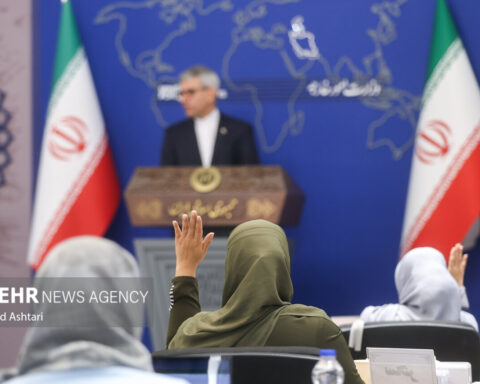
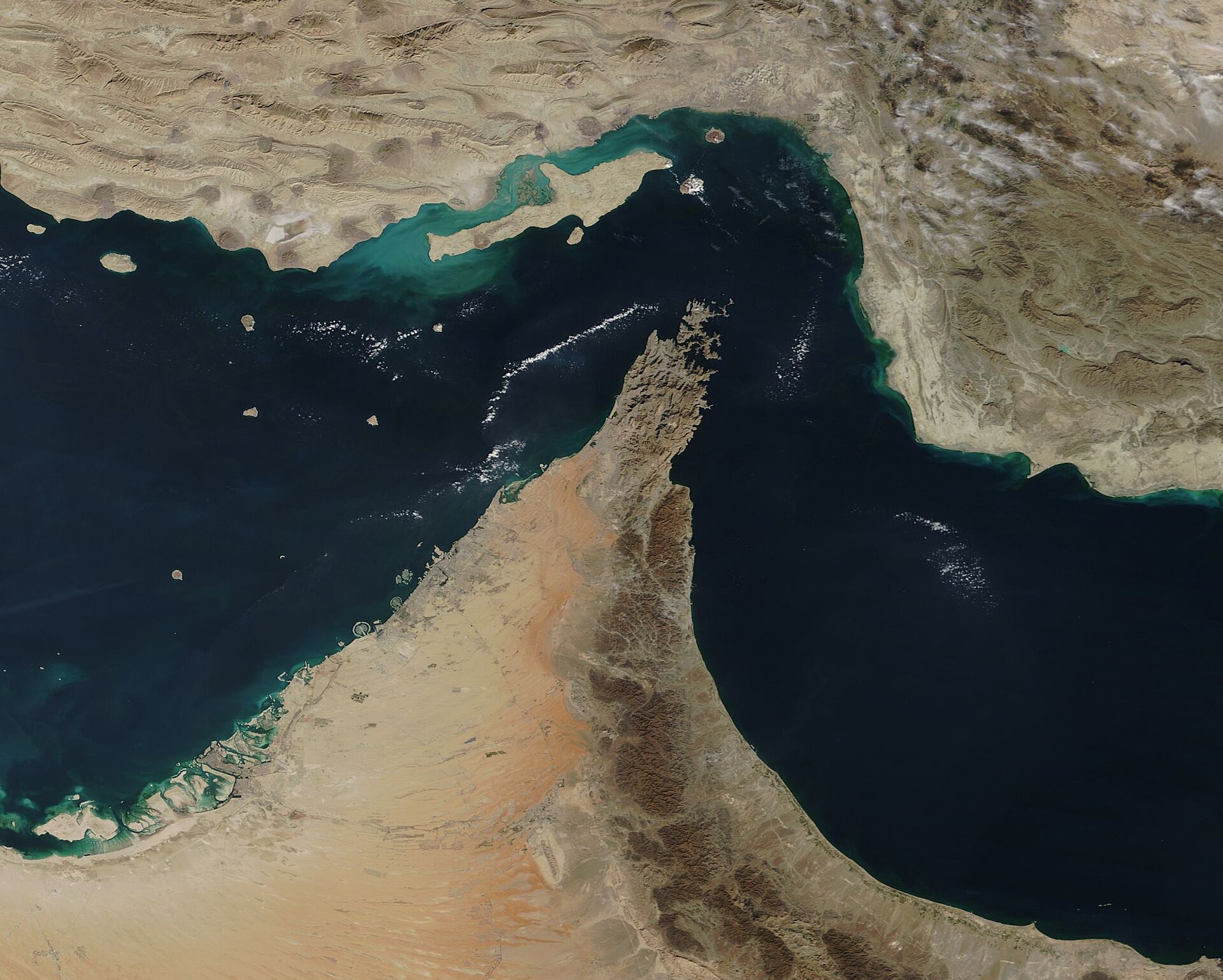
Iranian Foreign Ministry spokesman Esmaeil Baghaei confirmed publicly on May 18 that Tehran had received “a set of corrective points and considerations from the Pakistani mediator” and that “our points of view were presented to the American side in return.” The language is deliberately vague — “points of view” and “corrective points” are phrases designed to describe a process without committing to a substance — and the available sourcing on what the modified proposal actually contains is limited to the broad categories reported by Reuters and Pakistan Today: lifting of sanctions and release of frozen assets, recognition of Iranian sovereignty over the Strait of Hormuz, and compensation for war damages.
What the proposal does not contain, according to IRGC-affiliated media, is any concession on Iran’s nuclear program. Tasnim News Agency — the outlet most reliably aligned with the IRGC’s messaging apparatus — directly rejected claims that the modified proposal addressed “the future of its nuclear materials or enrichment activities,” a statement published simultaneously with Baghaei’s confirmation that a response had been sent. Iran’s HEU stockpile stands at 440.9 kilograms enriched to 60 percent as of the last IAEA report before inspectors were expelled, a quantity that is approximately 25 days from weapons-grade conversion using Iran’s IR-6 cascade centrifuges. The American proposal, per multiple reports, demanded the surrender of this material. Tasnim is telling its domestic audience that this demand was not met.
The gap between what the diplomat said and what the IRGC’s media arm said on the same day is a version of the same problem that has sabotaged every prior negotiation in this war. Baghaei describes a process; Tasnim describes a position. Iran state broadcaster IRIB went further, framing the American proposal as “meaning Iran’s surrender to Trump’s excessive demands.” Three different Iranian voices delivered three different messages to three different audiences on the same day about the same proposal, and the only consistent element was that none of them described a concession. Iran’s subsequent May 19 statement — that nuclear talks are not on the table at this stage — converts Tasnim’s signalling into formal policy: Iran’s ruling out of nuclear negotiations during the 72-hour Gulf window confirms the sequencing is deliberate, not a negotiating posture.
The Authorization Ceiling Has Not Moved
Former IRGC commander-in-chief Mohammad Ali Jafari said publicly that “no further negotiations would take place unless Iran’s conditions were met” — a statement delivered after Baghaei confirmed the modified proposal had been transmitted, which means Jafari was either unaware of the proposal’s contents or was publicly contradicting it. Either reading is catastrophic for the prospects of a deal. Jafari no longer commands the IRGC, but he remains one of the most connected figures in the security establishment, and his public posture is a reliable proxy for the position of commanders who do not speak on the record.
The structural problem is the one that has blocked every prior attempt at an agreement during this war: Iran’s president, Masoud Pezeshkian, has zero authority over the IRGC under Article 110 of the Iranian constitution, which reserves supreme command of the armed forces for the Supreme Leader. Ayatollah Khamenei has been absent from public life for more than 75 days, his son Mojtaba audio-only throughout.
The Supreme National Security Council, the body that would need to ratify any ceasefire that constrains IRGC operations, is chaired by Ali Akbar Ahmadian but effectively controlled by IRGC Secretary Ali Shamkhani’s successor and by Ahmad Vahidi — the same Vahidi who carries an INTERPOL red notice for the 1994 AMIA bombing in Buenos Aires and who has blocked prior ceasefire frameworks by inserting conditions that collapse the negotiating structure.
MBS has staked his name on a delay predicated on the assumption that “serious negotiations are now taking place” — Trump’s phrase, which MBS implicitly endorsed by making the request. But the authorization ceiling for any Iranian deal has not moved since the Islamabad talks collapsed. The people who can commit Iran to an agreement are not the people who sent the modified proposal, and the people who sent the modified proposal have been publicly contradicted by former commanders and by the IRGC’s own media apparatus on the same day it was transmitted.
How Exposed Is Saudi Arabia If the NSC Rejects Iran’s Offer?
The May 19 NSC Situation Room review will evaluate a proposal that, based on available sourcing, does not address the nuclear issue that Washington has made its central demand. If the NSC rejects the proposal, Trump’s Truth Social post becomes an artifact of a failed intervention — and MBS’s name is on it, alongside Tamim and MBZ, as the leader who asked for restraint that produced nothing. The financial exposure alone is staggering: Saudi Arabia’s Q1 2026 budget deficit hit $33.5 billion, a record, driven by a 30 percent crash in oil production from 10.4 million barrels per day pre-war to 7.25 million bpd in March, with the Yanbu pipeline bypass operating at a ceiling of 4 to 5.9 million bpd against a pre-war Hormuz throughput of 7 to 7.5 million bpd.
The exposure calculus sharpened further on May 19 when the Saudi Cabinet issued a formal unilateral deterrence statement — “all measures deemed necessary to protect its security” — on the same day Trump confirmed the strike pause. Saudi Arabia’s May 19 Cabinet security declaration represents the first time Riyadh has issued such language without GCC co-signatories since the conflict began, signalling that Riyadh is preparing for a post-delay environment regardless of whether Washington moves.
| Metric | Pre-War | Current | Source |
|---|---|---|---|
| Oil production | 10.4M bpd | 7.25M bpd (-30%) | IEA, March 2026 |
| Brent crude | ~$67/bbl (May 2025) | $112.10/bbl (+67% YoY) | CNBC / Trading Economics |
| Q1 budget deficit | — | $33.5 billion (record) | Al Jazeera, May 6 2026 |
| Goldman war-adjusted deficit | Official 3.3% GDP | 6.6% GDP (projected) | Goldman Sachs, 2026 |
| PAC-3 MSE interceptors | ~2,800 | ~400 (14% remaining) | HOS / DOD data |
| Hormuz transits (April) | ~3,000/month | 191 (6.4% of baseline) | Kpler, April 2026 |
| Hormuz transits (May 18, trailing 24hr) | ~100/day | 0 | CGTN / Al Jazeera |
| Hajj pilgrims in-Kingdom | — | 1.8 million | Saudi Ministry of Hajj |
Goldman Sachs projects the full-year war-adjusted deficit at 6.6 percent of GDP, double the official 3.3 percent forecast — and that projection was made before the Hormuz transit count dropped to zero in the past 24 hours. Brent closed at $112.10 on May 18, dipped briefly below $110 in extended trading after Trump announced the delay, then recovered within the hour, a pattern that suggests the market is pricing the delay as a temporary reprieve rather than a structural shift toward de-escalation. Every additional day of war without Hormuz throughput costs Saudi Arabia export revenue it cannot recover, because the Yanbu bypass has a hard ceiling and the structural gap of 1.1 to 1.6 million bpd between bypass capacity and pre-war Hormuz flows does not close even if the strait reopens tomorrow.
The diplomatic exposure compounds the financial exposure. If the NSC rejects the proposal and the strike proceeds, MBS will have publicly asked for a delay that failed to produce a deal — and he will have done so in front of IRGC-aligned media outlets that are already framing the modified proposal as a fiction. If the strike succeeds and Iran’s military capacity is degraded, MBS will face the question of why he tried to prevent an operation that worked. There is no version of the next 48 hours in which MBS’s public co-ownership of the delay costs nothing; the only variable is whether the cost is denominated in credibility, security, or money. When Trump later told reporters he was “in no hurry” on Iran and rejected a Hormuz-only deal, the exposure MBS had absorbed by attaching his name to the pause crystallized in real time.
Dhul Hijjah and the Custodian’s Hard Constraint
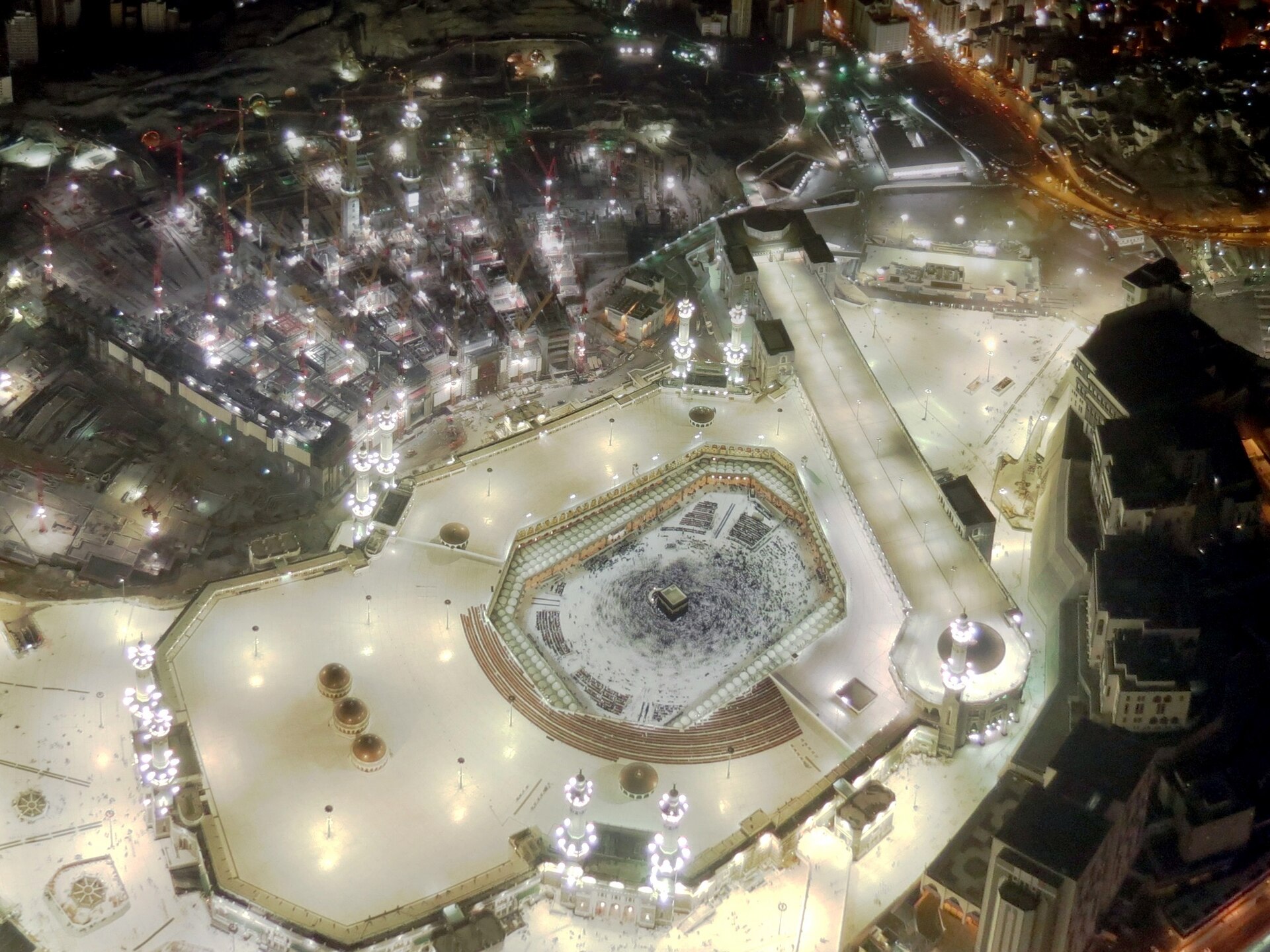
The Saudi Supreme Court’s confirmation on May 17 that May 18 is the first day of Dhul Hijjah places the entire sequence — Trump’s post, the modified proposal, the NSC vote — inside the holiest period of the Islamic calendar, with the Day of Arafah on May 26 and Eid al-Adha on May 27. The NSC vote on May 19 falls seven days before the single holiest day in Islam, with 1.8 million pilgrims — including more than 860,000 foreign nationals already in the Kingdom — performing rituals that require them to be outdoors, exposed, and concentrated in the Hejaz. The title “Custodian of the Two Holy Mosques” is not honorific; it was adopted by King Fahd on October 27, 1986, as a deliberate replacement for “His Majesty,” and it carries an obligation that is both religious and political — the physical safety of every pilgrim is the Custodian’s personal responsibility.
An American military strike on Iran during Dhul Hijjah would almost certainly provoke some form of Iranian retaliation, and Saudi Arabia’s air defense inventory is operating at 14 percent of its pre-war capacity. The five-layer defense architecture — THAAD, PAC-3, South Korean KM-SAM, laser systems, and Skyguard close-in defense — remains operational in concept, but the PAC-3 MSE interceptors that form the backbone of point defense have been depleted below the threshold at which sustained multi-axis attacks can be absorbed, and every interceptor fired during Hajj is one that cannot be fired the following week. MBS’s request for a delay is, among other things, a request for time to get through the Hajj period without being forced to expend irreplaceable interceptors defending pilgrims from a retaliatory strike that his own intervention could have helped prevent.
The costs Saudi Arabia has already absorbed to sustain the ceasefire process — the production crash, the deficit, the PSAB veto, the diplomatic isolation from Israel and the UAE — all become sunk costs if the strike proceeds during Hajj. MBS is not buying time for Iran; he is buying time for 1.8 million people who are already inside his borders and for whom he is personally, constitutionally, and religiously responsible. That is a different calculation from generosity, and it is a rational one.
Pakistan: Mediator, Treaty Ally, Guarantor of Nothing
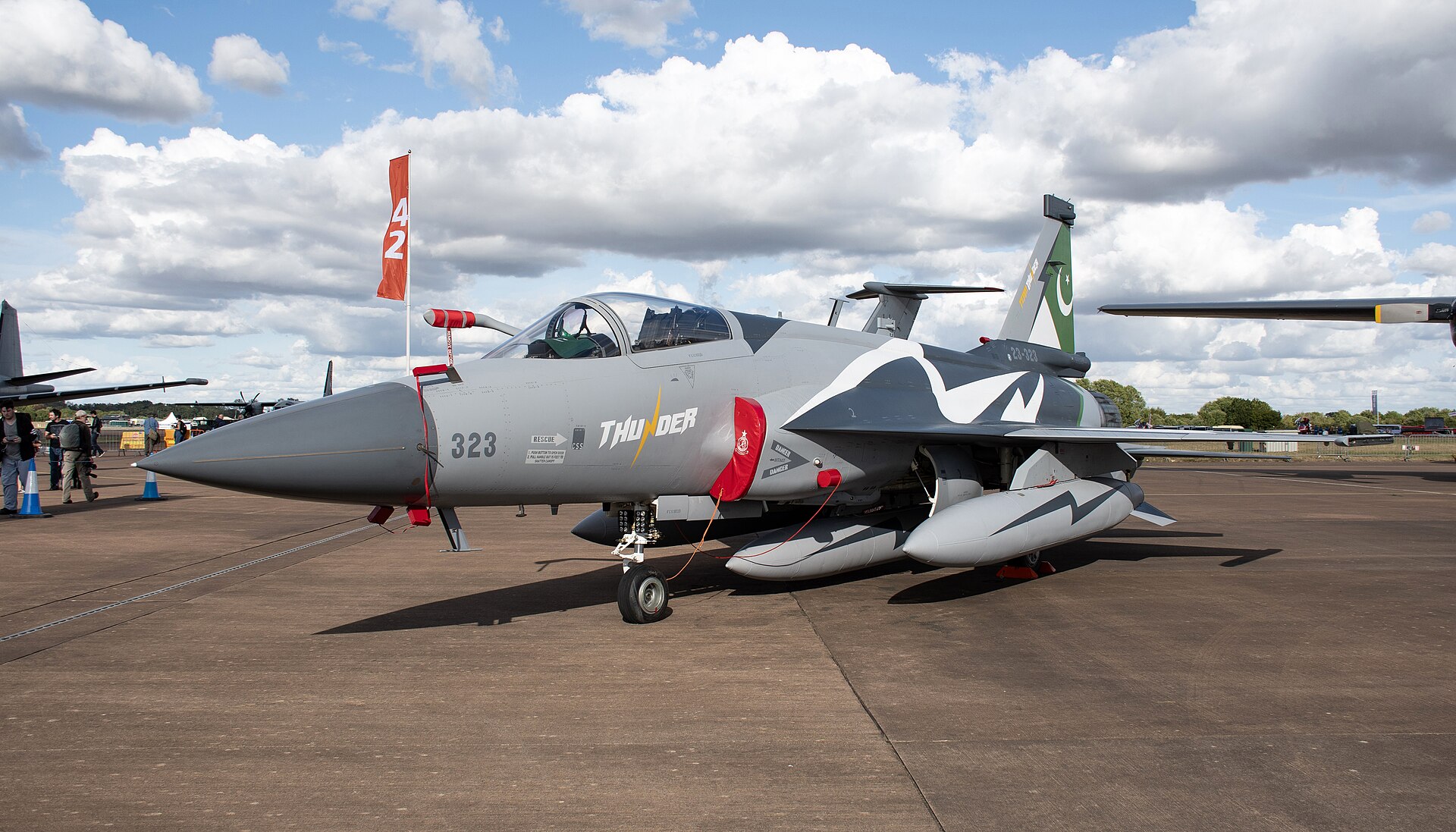
Pakistan transmitted Iran’s modified proposal to Washington on May 18, fulfilling its role as the sole diplomatic channel between the two countries — a role it has held since the Islamabad talks and, in a broader sense, since it became Iran’s protecting power in the United States in 1992 after the embassy closures. Pakistan has simultaneously deployed 8,000 troops and a squadron of 16 JF-17 fighters to Saudi Arabia under the Saudi-Pakistan Mutual Defense Agreement signed in September 2025, making it at once the mediator of the conflict and a military participant on one side of it.
The Saudi-Iranian back channel running beneath the Pakistan track has its own distinct architecture. Saudi Arabia’s foreign minister conducted six direct FM-level calls with Iran in six weeks, a cadence with no modern precedent — and the accumulated diplomatic capital from that sequence is now the subject of what MBS has 48 hours to deliver before his credibility with both Washington and Tehran expires.
The contradiction is structural, not incidental. Pakistan’s Chief of Army Staff, General Asim Munir, visited Khatam al-Anbiya headquarters — the IRGC’s military-industrial command — in April 2026, meeting with the same commanders that President Pezeshkian publicly accused of sabotaging the Islamabad ceasefire talks. Pakistan’s $5 billion Saudi loan matures in June 2026, one month from now, giving Riyadh financial pressure on Islamabad’s diplomatic behavior at the exact moment that diplomatic behavior is supposed to be neutral. The 27th Constitutional Amendment, which restructured Pakistan’s civil-military authority, means the ceasefire diplomacy is Munir’s operation — not the elected government’s — and Munir’s incentives are aligned with keeping Riyadh satisfied, not with pressuring Iran to make concessions that the IRGC has already publicly rejected.
None of this means Pakistan’s mediation is insincere; it means it cannot function as a guarantee. Pakistan can transmit proposals. Pakistan can host talks. Pakistan can deploy troops to defend Saudi territory while its diplomats sit across from Iranian negotiators. What Pakistan cannot do is enforce compliance by an IRGC that does not answer to the Iranian president, does not recognize the authority of the Iranian foreign ministry to make nuclear concessions, and has publicly stated — through former commander Jafari — that further negotiations are conditional on terms being met first.
What Happens in the Next 48 Hours?
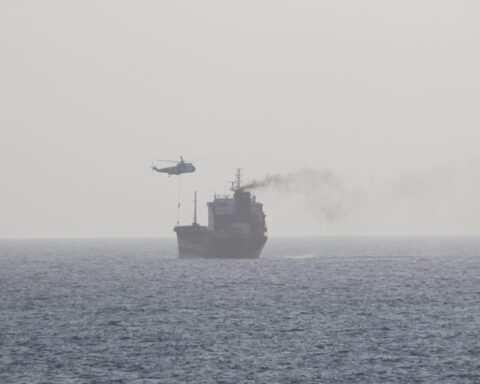
The NSC Situation Room meeting on May 19 will review a proposal that, based on all available sourcing, does not address the nuclear issue at the center of American demands, has been publicly contradicted by the IRGC’s media apparatus on the day it was delivered, and was transmitted by a mediator that is simultaneously a military ally of one of the three leaders who asked for the delay in the first place. What the Situation Room found when it opened Iran’s modified proposal — and why Iran’s 14-point plan left the nuclear file entirely blank — is documented in Iran’s 14-Point Proposal Left Out the Nuclear File. The NSC Met Anyway. Zero vessels transited the Strait of Hormuz in the 24 hours ending May 18 — down from 10 on May 17 and from a pre-war baseline of roughly 100 per day. The transit count collapsed on the same day Iran’s foreign ministry said its modified proposal had been delivered, as if the IRGC was providing its own commentary on the proposal’s seriousness.
| Leader | Prior Veto / Action | Primary Exposure |
|---|---|---|
| MBS (Saudi Arabia) | Revoked PSAB access; denied airspace for Project Freedom; covert airstrikes on Iran (late March) | Custodian obligation during Hajj; 14% air defense capacity; $33.5B Q1 deficit; co-belligerent record |
| MBZ (UAE) | Severed diplomatic ties with Iran; Iron Dome deployed by IDF (April) | OPEC exit (May 1); 2,819 Iranian strikes absorbed; Gargash “GCC not fit for purpose” |
| Tamim (Qatar) | Al Udeid Air Base host; LNG transit dependency via Hormuz | 12.8 MTPA LNG offline; North Field / South Pars shared reservoir with Iran |
Brent crude at $112.10 tells you the market does not believe the delay changes anything structural — it dipped below $110 on the news and recovered within the hour. The 67 percent year-on-year increase in oil prices has not translated into Saudi revenue recovery because the Kingdom cannot export what it cannot ship through Hormuz, and the Yanbu bypass ceiling means Saudi Arabia is permanently producing below its OPEC+ quota of 10.2 million bpd regardless of price. Every day the strait is closed, the gap between revenue and expenditure widens, and MBS’s fiscal capacity to sustain the diplomatic posture he has now publicly adopted erodes further.
The range of outcomes on May 19 is narrow. If the NSC accepts the proposal as a basis for further negotiation, MBS’s intervention will have worked — but “further negotiation” with an IRGC that does not recognize the proposal’s authority is itself a form of delay, not resolution. If the NSC rejects the proposal and authorizes the strike, MBS will have spent his public credibility on a pause that produced nothing, and the strike will proceed during Dhul Hijjah with his name attached to the failed effort to stop it. The FT reported on May 14 that Saudi Arabia has floated a Helsinki-style pact between Iran and Middle Eastern states — a long-term security architecture modeled on the 1975 Helsinki Accords — but that proposal is embryonic, has not been publicly embraced by Riyadh, and requires a level of Iranian institutional coherence that does not currently exist.
“I have been asked by the Emir of Qatar, Tamim bin Hamad Al Thani, the Crown Prince of Saudi Arabia, Mohammed bin Salman Al Saud, and the President of the United Arab Emirates, Mohamed bin Zayed Al Nahyan, to hold off on our planned Military attack of the Islamic Republic of Iran, which was scheduled for tomorrow.”
— Donald Trump, Truth Social, May 18, 2026
King Fahd made his decision in August 1990 in a room with a handful of princes and two American officials, and it remained largely private for years afterward — the quote about Kuwaitis in hotels surfaced through memoirs, not press conferences. MBS made his request through a channel that ensured it would be public within minutes, attributed by name, and preserved in a format that cannot be retracted or reframed. The last time MBS was in a comparable position — publicly linked to a specific American military posture — the cost was the PSAB veto, which forced a restructuring of the entire Hormuz corridor operation. The cost of May 18 will not be clear until May 19, but the invoice has already been issued, and it has three names on it.
A later Wall Street Journal report cast doubt on the phone-call narrative itself, with Gulf officials saying they had no knowledge of an imminent strike — a complication House of Saud examines in a separate analysis of what the Gulf veto actually accomplished.
Frequently Asked Questions
Has a US president ever publicly named foreign leaders as the reason for postponing a military strike?
Not in this form. The closest precedents are structurally different. In September 2013, Barack Obama reversed his planned strike on Syria after Bashar al-Assad’s chemical weapons use, but he attributed the reversal to a decision to seek congressional authorization — no foreign leader was named as having requested it. In June 2019, Trump himself cancelled a retaliatory strike on Iran after the shootdown of a US RQ-4 Global Hawk drone, but he cited proportionality concerns — “150 people would have been killed” — rather than any foreign leader’s intervention. The May 18, 2026 Truth Social post is the first known instance of a sitting US president publicly naming specific foreign heads of state as the agents of a US military postponement on the same platform used to announce the postponement itself, collapsing the diplomatic backchannel and the public record into a single post.
What is the Helsinki-style pact that Saudi Arabia has reportedly floated?
The Financial Times reported on May 14, 2026 that Saudi Arabia has “floated” a security pact between Iran and Middle Eastern states modeled on the 1975 Helsinki Accords — the Cold War framework that established principles of sovereignty, non-interference, and confidence-building measures between NATO and Warsaw Pact states without requiring either side to change its system of government. The proposal, which has not been publicly embraced by Saudi Arabia and remains at an early conceptual stage, would in theory provide a framework for coexistence that bypasses the nuclear question entirely — focusing on borders, non-aggression, and economic normalization rather than on the enrichment and weapons-grade material issues that dominate the US-Iran negotiating track. Chatham House analysts have described it as consistent with MBS’s broader effort to build a post-war regional architecture that does not depend on American military presence.
How many foreign Hajj pilgrims are currently inside Saudi Arabia?
More than 860,000 foreign pilgrims had arrived in the Kingdom as of early May 2026, with the total expected to reach approximately 1.8 million for the full Hajj period. The largest contingents are Indonesia (221,000 pilgrims, with the first departures scheduled for May 22 — the same date the prior ceasefire was set to expire), Pakistan (119,000 pilgrims, arriving from May 18 onward), and large delegations from Egypt, Bangladesh, Turkey, and Nigeria. Iran has sent zero pilgrims — Iranian nationals have been barred from Hajj since the war began, inverting the 1987 dynamic in which 402 Iranian pilgrims were killed in clashes with Saudi security forces, an event that led to a three-year Iranian boycott and an 87 percent quota reduction.
What does Iran’s demand for sovereignty recognition over the Strait of Hormuz actually mean?
Iran’s modified proposal includes recognition of Iranian sovereignty over the Strait of Hormuz — a demand that conflicts directly with UNCLOS Article 38, which codifies the right of transit passage through international straits regardless of the bordering state’s claims. Iran has never ratified UNCLOS, which complicates its legal standing, but its practical claim is operational rather than juridical: IRGC Navy “coordination” requirements, designated routing corridors, and vessel authorization procedures that would give Tehran veto power over individual transits. Accepting the sovereignty framing would give Iran what the IRGC has already been enforcing since March — institutionalized control — while making it legally irreversible through treaty rather than reversible through military pressure. When MBS, MBZ, and Tamim jointly delivered the stand-down request that stopped the May 19 strike, they converted that latent leverage into an explicit veto — and accepted the obligations that come with it, as analyzed in why the Gulf veto mechanism that stopped Trump’s scheduled May 19 strike creates a debt MBS cannot defer.
The deal MBS has been pressing Washington to enable now has a specific legal obstacle: Al-Hadath’s May 19 Hormuz broadcast identified the precise OFAC carve-out Riyadh requires — a general license authorizing PGSA toll payments that does not yet exist.
The public record of Trump’s remarks about MBS — made to 1,500 investors at the Saudi-funded FII Miami summit on March 27, fifty-two days before MBS spent that capital on the stand-down call — is examined in what Trump said about MBS at the FII Miami summit and what it reveals about the relationship’s terms. MBZ placed an identical stand-down call that same evening — and within 48 hours, six Iraqi-origin drones struck Barakah, the facility his veto left undefended: how the UAE’s base-denial framework became the mechanism that prevented its own nuclear plant’s defence. The same phone-call architecture that stopped Trump has no purchase over Jerusalem: Israel’s independent strike architecture — and the hardware Netanyahu has already bought to execute it without Saudi consent. The full diplomatic and security consequences of that asymmetry — what MBS built, what it cannot constrain, and what is waiting for the Kingdom six days before Arafah — are detailed in MBS Spent 52 Days Building a Ceasefire Netanyahu Never Signed.