
Table of Contents
JEDDAH — On May 24, Ansar Allah claimed simultaneous strikes on three commercial vessels across three separate maritime zones: the Yannis in the Red Sea, the Essex in the Mediterranean, and the MSC Alexandra in the Arabian Sea. CENTCOM confirmed two anti-ship ballistic missiles fired into the Red Sea. The Essex strike remains disputed — Zodiac Maritime, which manages the vessel, found no evidence of a hit, and MarineTraffic placed the ship in Egyptian waters the day before. But the triple claim accomplished what a single confirmed strike could not: it demonstrated that the US-Iran ceasefire framework, signed April 7, contains no clause, no mechanism, and no named obligation that addresses the force controlling Bab al-Mandab.
Saudi Arabia moved its crude exports 750 miles overland to Yanbu to escape Hormuz. It delivered roughly 70-75 percent of those exports directly into the range of the one military actor the ceasefire does not bind. The deal that is supposed to end the Iran war has no Yemen paragraph.
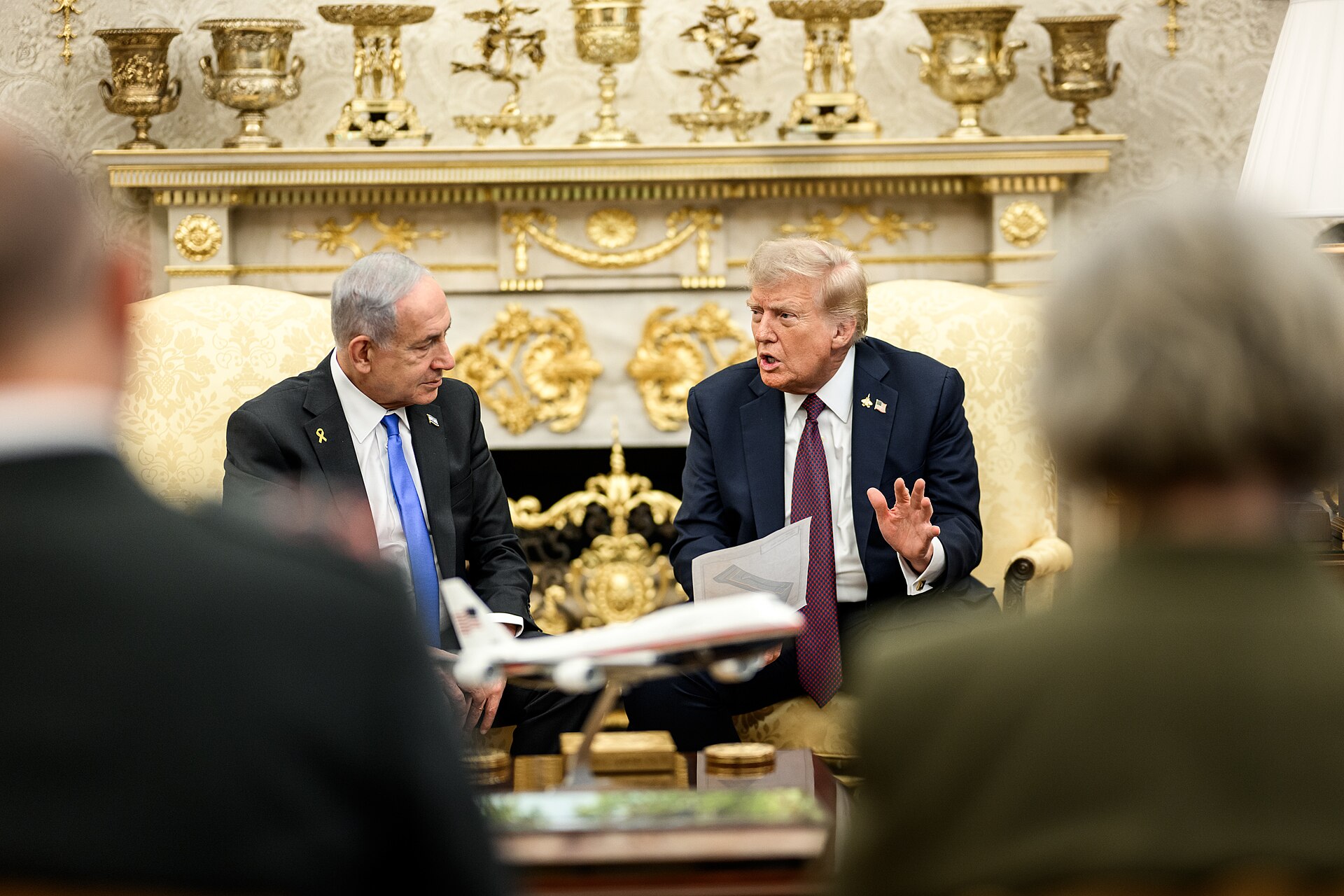
The framework also contains a Lebanon clause — requiring the war in Lebanon to end as part of the deal — that Netanyahu raised directly with Trump on May 24, calling it “a very big problem.” The Lebanon clause is a third front on which Saudi Arabia has no channel and no lever: no seat in the Washington-mediated Israel-Lebanon talks, no direct line to Hezbollah, and no mechanism to prevent the clause from collapsing the same framework it endorsed.
Did the Houthis Really Strike Three Oceans at Once?
Two strikes are confirmed; one remains disputed. CENTCOM verified two anti-ship ballistic missiles fired into the Red Sea on May 24, consistent with attacks on the Yannis and the MSC Alexandra. The Essex claim in the Mediterranean is contested by Zodiac Maritime, which manages the vessel and found no evidence of a hit. Whether or not the Mediterranean missile landed, the three-zone claim was transmitted simultaneously — and the insurance markets do not wait for CENTCOM confirmation.
The Yannis, a Malta-flagged bulk carrier (IMO 9401910), was struck in the Red Sea on May 24 — the second consecutive day it came under Houthi fire. CENTCOM confirmed two anti-ship ballistic missiles fired into the Red Sea the same day, though it did not attribute damage to specific vessels. The MSC Alexandra was targeted in the Arabian Sea, extending the Houthi operational envelope east of the Gulf of Aden into waters covered by MARAD advisory 2026-006.
The Houthi campaign against commercial shipping began in November 2023, initially targeting vessels with verified links to Israel. From that narrow opening, Ansar Allah expanded its target criteria through at least five distinct phases: Phase 1 covered Israeli-linked ships only; Phase 2 added ships bound for Israeli ports; Phase 3 extended to US- and UK-linked vessels; Phase 4 captured any vessel with Israeli port calls in its history; Phase 5 and beyond have broadened further, with May 24’s Arabian Sea strike demonstrating geographic expansion that now mirrors the logic of the earlier categorical expansion — each cycle adds a new ocean.
The Middle East briefing 3,000+ readers start their day with.
One email. Every weekday morning. Free.
The simultaneous timing of the May 24 claims is the signal. The Soufan Center warned in March that a Houthi intervention would “amplify the effects of Tehran’s core asymmetric warfare strategy — to upend the global economy by restricting shipping through the Strait of Hormuz and attacking energy facilities in the Arab Gulf states.” May 24 was the amplification across three oceans, with no warning from any party to the ceasefire negotiations.
The Houthis entered the Iran war on March 28, 2026 — a full 30 days after the conflict began on February 28. The Stimson Center noted the delay: “Given the month-long delay, the Houthis’ missile launch reads less as an operational decision than as a political one.” The gap was not operational hesitation. It was political calibration: the Houthis waited to assess how the war was evolving before committing to a posture. They chose when to enter. They are choosing when and where to escalate. The April 7 ceasefire, as the Washington Times reported, “named no Houthi obligations and set no conditions on Yemen.”
What Would a Houthi Mediterranean Strike Mean?
Even a disputed strike imposes real costs. MARAD’s formal risk advisory zone — covering the Red Sea, Bab al-Mandab, Gulf of Aden, Arabian Sea, and Somali Basin — does not extend to the Mediterranean. If the Houthis have successfully projected a credible threat claim onto Suez-bound European routes, the insurance and routing frameworks for those routes have not priced it. Ship operators and underwriters do not require CENTCOM confirmation to raise premiums.
The Essex claim is the most consequential element of May 24 regardless of whether the missile reached its target. The Washington Institute ran specific analysis on the Mediterranean question and found reasons for skepticism: Zodiac Maritime reported no sign of a strike, and available tracking data placed the Essex in Egyptian waters on May 23. No independent source has confirmed a Mediterranean hit.
But MARAD’s advisory zone — the formal US government risk designation covering the Red Sea, Bab al-Mandab, Gulf of Aden, Arabian Sea, and Somali Basin — does not include the Mediterranean. If the strike occurred, the United States government has not acknowledged the geographic expansion of the threat. If it did not occur, the Houthis have successfully projected the perception that they can reach the Mediterranean, imposing a psychological and insurance cost on shipping routes that no current government advisory covers. Tankers leaving Yanbu for European markets via Suez now face a threat claim that the insuring and routing frameworks have not priced.
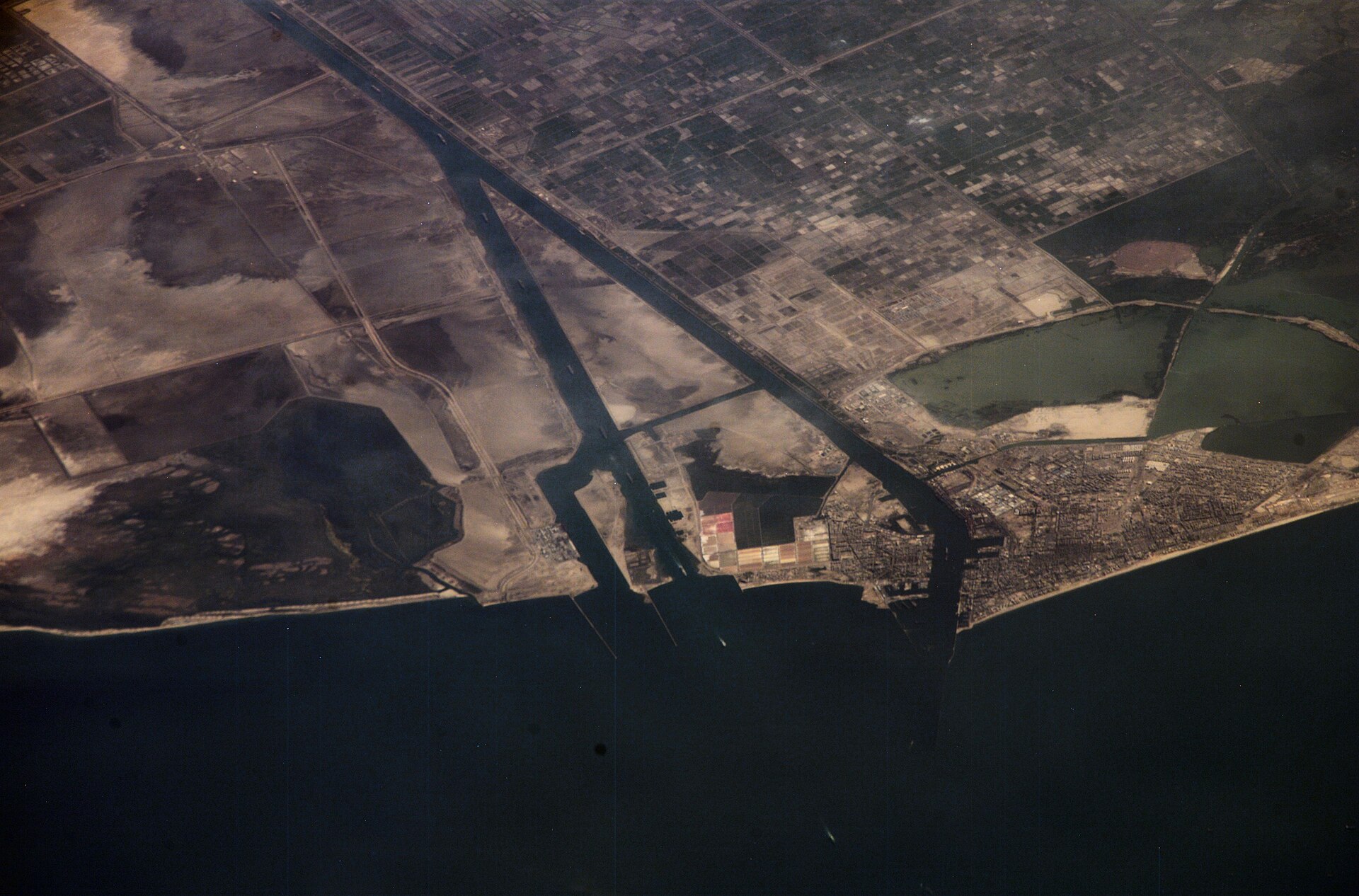
The distinction between a confirmed hit and a credible claim narrows with each escalation cycle. Suez Canal transits dropped from roughly 80 containerships per week before the Houthi campaign to approximately 26 per week by mid-January 2026 — a 67.5 percent decline, according to Kpler data. Insurance premiums, not confirmed strikes, drove much of that rerouting. The behavioral dynamic is well-established: underwriters reprice on plausible threat, not verified damage. The Essex claim, confirmed or not, enters the actuarial calculus the moment Ansar Allah transmits it.
The broader consequence for Saudi Arabia is direct. Yanbu-loaded crude bound for European refineries transits the Suez Canal. If the Houthis can credibly threaten that route — even through disputed claims — the discount on Saudi Red Sea crude widens, the shipping cost rises, and the kingdom absorbs the difference from a fiscal position already running well above its quarterly deficit target. Every additional insurance basis point on Yanbu-to-Europe cargoes compounds that pressure before a single barrel reaches a European refinery.
Can an Iran Deal Stop Houthi Attacks?
No. The Houthis have not acknowledged the April 7 ceasefire. The Stimson Center’s formulation — “patronage is not command, and a franchise pays royalties and flies the brand but does not take operational orders on schedule” — describes the structural reason. Iran can apply pressure selectively, as it did in May 2025 to pause attacks on US-flagged ships. It cannot contractually bind Ansar Allah in a framework Ansar Allah was not party to and has not endorsed.
The April 7 ceasefire is a bilateral agreement between the United States and Iran. The Houthis have not acknowledged it. Abdul-Malik al-Houthi called it a “great victory” for Iran and the Axis of Resistance, then warned of further attacks “depending on future developments.” Al-Masirah, the Houthi media arm, framed any operational pause as an opportunity to regroup.
Patronage is not command, and a franchise pays royalties and flies the brand but does not take operational orders on schedule.Stimson Center, 2026
Iran can influence the Houthis. It proved as much in May 2025, when senior Iranian officials involved in the Omani-mediated process swayed the Houthis to cease attacking US-flagged assets. The Times of Israel confirmed the leverage. But influence applied selectively is not a treaty obligation. The May 2025 Trump-Houthi deal stopped attacks on American ships and did not stop attacks on Israeli-linked vessels. The same structural gap — Iran can press, not command — is reproduced in the April 7 framework.
Al Jazeera reported on April 2 that the Houthis “coordinate with Iran, but retain independence, despite war,” and experts characterized them as “Iran’s willing partner rather than proxies.” A nuclear framework negotiated in Rome between Witkoff and Araghchi cannot bind a willing partner who was not in the room, was not consulted, and has explicitly stated the ceasefire does not apply to its operations.
The Soufan Center’s assessment sharpens the problem further. It identified the Houthis as “arguably the least damaged Axis member from two years of U.S. and Israeli military action” — a military organization that has absorbed the most sustained American air campaign directed at it (Operation Rough Rider, 2025) without losing its capacity to strike commercial shipping. An organization that withstood that level of kinetic pressure is not meaningfully constrained by a bilateral diplomatic text that does not mention it. The franchise analogy is apt precisely because it captures why financial pressure — Iran’s ability to threaten, reward, or withhold — does not translate into operational control when the franchise has demonstrated it can absorb the alternative.
The Chokepoint Saudi Arabia Chose
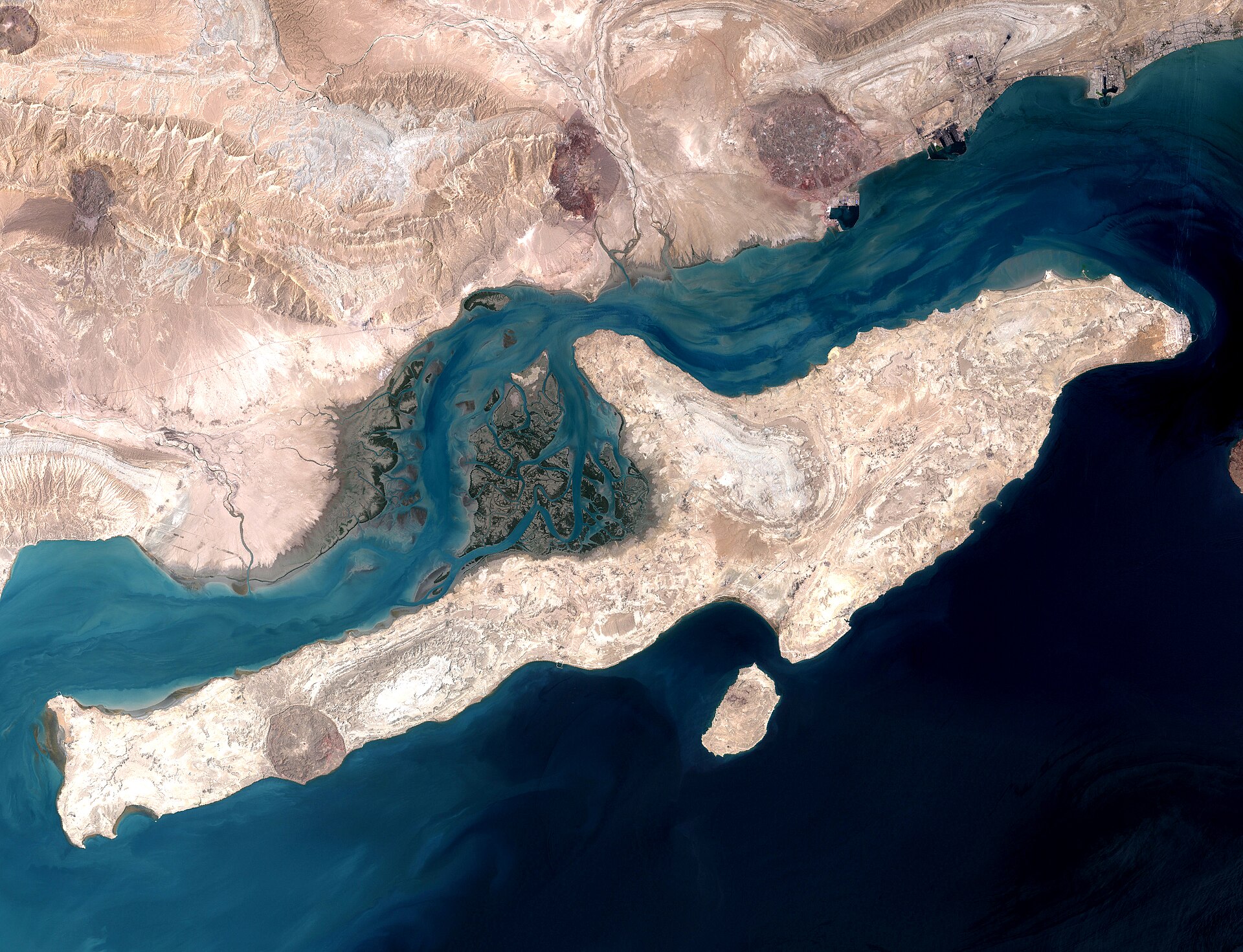
When Iran’s PGSA made the Strait of Hormuz a toll-gated chokepoint on May 18, Saudi Arabia pivoted west. The East-West Pipeline can move up to 7 million barrels per day from the Eastern Province to the Red Sea coast. But the binding constraint is terminal loading capacity, not pipeline throughput — Yanbu terminals currently handle approximately 4.4-5 million barrels per day of crude, according to World Oil and Arab News reporting from March 2026.
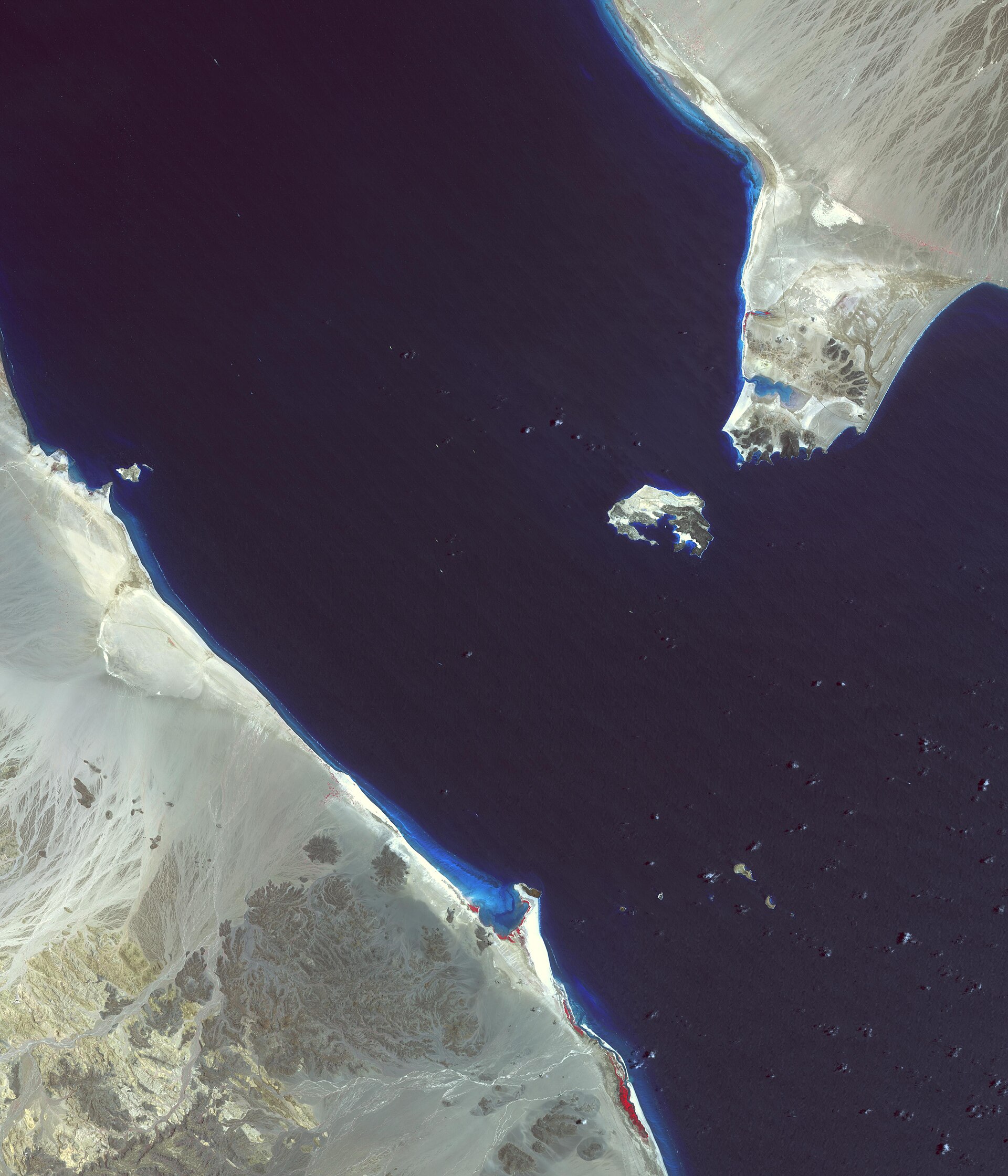
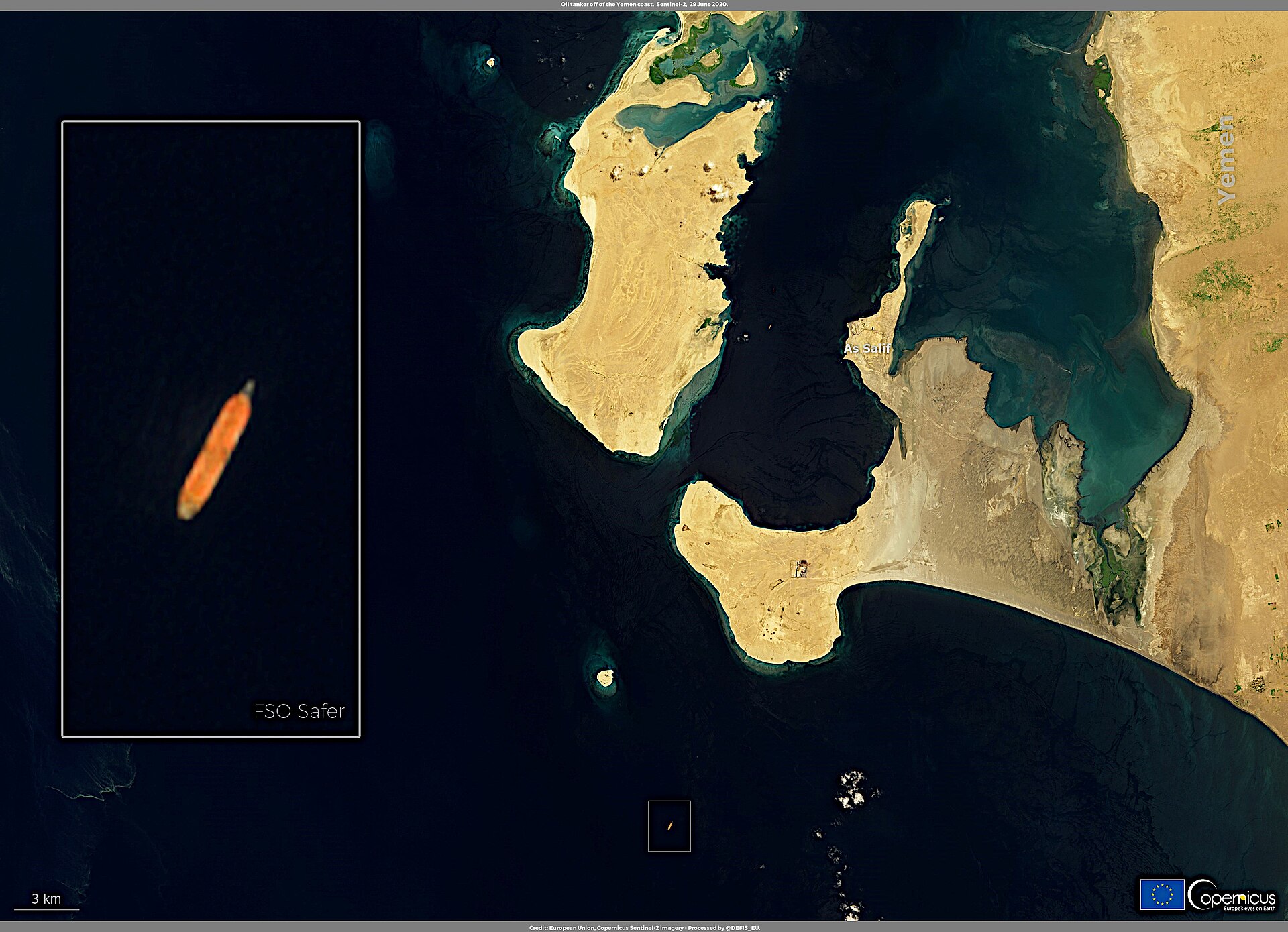
The ORF Middle East calculated the exposure: “Every tanker leaving Saudi Arabia’s western Yanbu Port for Asia must transit Bab al-Mandeb, leaving an estimated 70-75 percent of Yanbu’s exports directly exposed to Houthi disruption.” Bab al-Mandab is 20 miles wide, situated between Yemen’s Houthi-controlled coast and Djibouti. The strait sits entirely within the operational range of Houthi anti-ship missiles and drone systems that have been demonstrably active since November 2023. The Cipher Brief assessed that “the Houthis are positioned to close the Bab el-Mandab Strait.” A Houthi deputy information minister told the Washington Times that closing Bab al-Mandab is explicitly “among the primary options.”
This is the geometric trap Saudi Arabia entered when it activated the Yanbu bypass. Hormuz was a sovereign jurisdiction question — a toll regime imposed by a state actor that is, however partially and with caveats, party to an international negotiation. Bab al-Mandab is an operational threat from a non-state actor that is not party to any negotiation, not covered by any ceasefire, and has stated clearly that closure is a named option. Saudi Arabia traded a chokepoint covered by a framework for one that is covered by nothing.
| Chokepoint | Threat Actor | Saudi Exposure | Ceasefire Coverage |
|---|---|---|---|
| Strait of Hormuz | IRGC / PGSA | ~5 mbpd (pre-Yanbu pivot) | Partial — bilateral US-Iran framework |
| Bab al-Mandab | Ansar Allah (Houthis) | 70-75% of Yanbu exports | None — no Yemen clause |
| Suez Canal | Ansar Allah (threat projection) | European-bound cargoes | None |
The mathematics compound. Combined Hormuz and Bab al-Mandab disruption would put approximately $10 billion per day in global trade at risk, threaten roughly 30 percent of global container shipping, and expose an estimated 22 percent of global oil supply, according to ORF and SpaceDaily assessments. Saudi Arabia’s Q1 2026 deficit already reached SAR 33.5 billion — 194 percent of its quarterly target. Goldman Sachs projects the full-year deficit at $80-90 billion. Brent settled at $103.94 on May 22, before Trump’s May 23 Truth Social post; the oil market’s read of the ceasefire-without-Yemen is already priced in. Every Houthi strike on a Red Sea vessel adds to the insurance premium discounting Saudi crude loaded at Yanbu.
The Same Gap, Twelve Months Apart
The May 2025 Trump-Houthi deal is the structural precedent. That agreement, brokered through Omani channels, persuaded the Houthis to stop attacking US-flagged and US-linked commercial vessels. It worked — for American ships. It contained no clause covering Israeli-linked vessels, and attacks on those ships continued without interruption. The Times of Israel reported that senior Iranian officials “swayed the Houthis” into the deal, confirming that Tehran possesses meaningful leverage over Houthi targeting decisions when it chooses to apply it.
The architecture of that 2025 deal is worth examining precisely because it is the template the April 7 framework reproduces. In 2025: the United States negotiated with Iran about Houthi behavior toward US assets; Iran pressed the Houthis; the Houthis complied on the narrow question of US-flagged ships; attacks on non-US targets continued. In 2026: the United States negotiated with Iran about nuclear enrichment and Hormuz; neither document produced mentions Houthi behavior; Ansar Allah struck three zones twenty-four hours after the Rome round ended. The structure is identical. The scope of the exemption has widened — in 2025 it was Israeli-linked ships; in 2026 it is every commercial vessel not flying an American flag.
The April 7, 2026 ceasefire reproduces the identical architecture. It covers the US-Iran bilateral relationship. It addresses Hormuz. It does not address Bab al-Mandab, does not name the Houthis, and does not set conditions for the group that controls 20 miles of waterway through which the majority of Saudi Arabia’s bypass crude must travel. The Houthis’ own condition for maintaining the May 2025 truce — “as long as the U.S. honors its own commitments” — is explicitly contingent and explicitly unilateral.
Operation Rough Rider, the 2025 US air campaign against Houthi positions in Yemen, is the military precedent that calibrates expectations for kinetic pressure. The campaign absorbed Houthi surface-to-surface and coastal defense positions without degrading maritime strike capability. The Houthis dispersed launch systems, adapted drone and missile salvo tactics to saturate point defense, and maintained operational tempo throughout. The Soufan Center’s “least damaged Axis member” assessment reflects a military organization that processed the heaviest air campaign directed at it and emerged with its maritime threat intact. A ceasefire that does not mention Yemen cannot constrain the intent of a force that survived the alternative.
The View from Sanaa
The Houthis have described their campaign as “conducted in stages,” with Bab al-Mandab closure named as a future option. The five-phase expansion of target criteria since November 2023 — from Israeli-linked ships to the broadening aperture that now includes Arabian Sea vessels — maps directly onto the “stages” framing. Each phase has been presented not as escalation but as logical extension of the previous criteria. The same logic applies geographically: Red Sea, then Gulf of Aden, then Arabian Sea, and a Mediterranean claim on May 24 that, if it develops into a confirmed capability, would represent the full encirclement of Suez-transiting commerce.
Abdul-Malik al-Houthi’s characterization of the April 7 ceasefire as a “great victory” — not a constraint — signals that Ansar Allah views the agreement as validating its leverage. Al-Masirah’s framing of any pause as regrouping time confirms the operational interpretation. The organization is not reading the ceasefire as a diplomatic document that governs its behavior. It is reading it as a strategic outcome that confirms the Axis of Resistance’s coercive power, with the Houthis positioned as the uncontrolled variable that the ceasefire’s authors explicitly did not address.
Iran’s stated position reinforces the architecture. Tehran characterizes the Houthis as “willing partners” who “coordinate” but retain operational independence — a framing that provides plausible deniability. Iran can negotiate a ceasefire in Rome while its partner strikes three vessels across three oceans on the same day. The Stimson Center’s franchise model explains why this is structurally durable rather than contradictory: the franchise “flies the brand but does not take operational orders on schedule.”
The Houthis are arguably the least damaged Axis member from two years of U.S. and Israeli military action.Soufan Center IntelBrief, March 19, 2026
What Sanaa gains from this arrangement is considerable. The Houthis receive Iranian patronage — weapons, intelligence, financial support — without submitting to Iranian operational command. They retain the ability to define their own campaign logic, expand their target set on their own schedule, and use the ceasefire negotiations as a backdrop that amplifies rather than constrains their actions. Every Houthi strike during or immediately after a diplomatic round in Rome or Muscat demonstrates that the negotiating table does not include them, and that any agreement reached there is incomplete by design.
Does the US-Iran Framework Address Houthi Maritime Operations?
No. Neither the April 7 ceasefire, the Axios 14-point MOU framework, the Al-Arabiya 8-point draft, nor the Munir letter of intent contains a Yemen clause, names the Houthis, or sets any condition on Bab al-Mandab operations. All five US-Iran negotiating rounds — from Islamabad to Rome — were conducted without Houthi representation or reference. The framework addresses Hormuz and the nuclear file. It does not address the chokepoint Saudi Arabia now depends on.
Trump’s May 23 Truth Social post described the deal as “largely negotiated, subject to finalization.” Iran’s Fars news agency disputed the characterization the following day, insisting that Hormuz “remains under Iranian management.” Neither statement mentioned Yemen. Neither mentioned the Houthis. Neither mentioned Bab al-Mandab. The five rounds of US-Iran talks — from Islamabad to Rome — have produced three competing MOU frameworks, an enrichment deadlock, and a 30-day Track 2 nuclear window. None contains a Yemen paragraph.
The three documents in circulation tell the same story on Yemen from different angles. The Axios 14-point MOU framework addresses enrichment levels, HEU disposition, and a 12-15 year moratorium — nothing on Bab al-Mandab. The Al-Arabiya 8-point draft covers ceasefire, freedom of navigation in Hormuz, and a 7-day window for outstanding issues — nothing on the Houthis. The Munir letter of intent, a Pakistani-mediated instrument, is a framework for a framework — also silent on Yemen. Three documents, three framings, one consistent omission. On May 24, Iran operationalised the link further: it announced a Hormuz suspension citing Israeli strikes on Lebanon, the same day the MOU deadline passed unsigned.
Saudi Arabia is excluded from the negotiations and exposed on both flanks. Mohammed bin Salman’s government rerouted its oil exports to escape Hormuz and delivered the majority directly into the range of the one actor the ceasefire cannot reach. Saudi Arabia participated in Trump’s May 23 consultation call — MBS was among the leaders Trump contacted before the Truth Social post — but participation in a consultation call is not a seat at the negotiating table. Carnegie’s Andrew Leber and Alexander Worby put it plainly in April 2026: the GCC “has no seat at the table.” That absence is not an oversight. It is structural: the talks are about US-Iran normalization, and the kingdom’s interests are downstream of that bilateral, not embedded in it.
The Houthis struck three zones on May 24. The ceasefire negotiators met in Rome on May 23. The two events occurred on consecutive days, in separate theaters, governed by separate logics.
A deal that does not include Houthi command authority is not a ceasefire for Saudi Arabia. It is a bilateral American-Iranian arrangement that addresses the nuclear file while leaving the kingdom’s primary export route exposed to a franchise operator whose explicit stated option is to close the strait Saudi Arabia now depends on. The Houthis have said so. Iran has structured the deniability. The arithmetic — 70-75 percent of Yanbu exports through a 20-mile chokepoint controlled by an actor no one at the table can contractually bind — speaks for itself.
FAQ
What ships has Ansar Allah actually confirmed sinking in the Red Sea since 2023?
Two commercial vessels have been confirmed sunk in the Red Sea campaign. The Tutor, a Greek-owned bulk carrier, was struck by a Houthi drone boat on June 12, 2024 and sank on June 18 — the first confirmed commercial vessel sinking of the campaign. The Rubymar, a UK-owned, Belize-flagged fertilizer carrier, was hit by a Houthi missile in February 2024 and sank on March 2, leaking 21,000 tonnes of ammonium phosphate sulphate as it went down. Both sinkings predate the Iran war that began February 28, 2026, demonstrating that the Houthi maritime campaign was an established operational capability before any ceasefire framework existed to address it.
Why haven’t US airstrikes stopped Houthi attacks on shipping?
Operation Rough Rider, the 2025 US air campaign targeting Houthi positions in Yemen, hit fixed infrastructure — command facilities, storage sites, coastal defense emplacements — without degrading the mobile launch systems responsible for maritime strikes. The Houthis adapted by dispersing truck-mounted anti-ship ballistic missile launchers and drone launch vehicles across dispersed positions, making pre-strike targeting harder and post-strike assessment unreliable. Salvo tactics — firing multiple drones and missiles simultaneously — are designed to saturate the point-defense systems aboard US naval escorts and commercial vessels. The Soufan Center’s conclusion that the Houthis are “arguably the least damaged Axis member from two years of U.S. and Israeli military action” reflects this operational resilience: kinetic campaigns have imposed costs without eliminating capability.
What is the Bab al-Mandab strait and why does it matter to Saudi Arabia specifically?
Bab al-Mandab — “Gate of Grief” in Arabic — is a 20-mile-wide strait between the Houthi-controlled coastline of western Yemen and Djibouti, connecting the Red Sea to the Gulf of Aden and, through it, the Indian Ocean. Approximately 15 percent of global maritime trade transited the strait via Suez before the Houthi campaign degraded those flows. For Saudi Arabia specifically, Bab al-Mandab is now the exit point for the crude loaded at Yanbu after the Hormuz bypass activation — meaning that the kingdom’s workaround for one chokepoint delivers its exports directly through a second one, controlled by a different actor, uncovered by any ceasefire, and explicitly named by Houthi officials as a closure target.
Is Saudi Arabia part of the US-Iran ceasefire negotiations?
No. Saudi Arabia has been excluded from all five rounds of US-Iran talks: the initial Islamabad session and the subsequent rounds culminating in Rome on May 23. It holds no seat in the 30-day Track 2 nuclear window established in the Axios MOU framework. MBS participated in a Trump consultation call on May 23 — the call before the Truth Social announcement — but consultation is not negotiation. Carnegie’s Leber and Worby assessed in April 2026 that the GCC “has no seat at the table,” and the Atlantic Council’s Alter characterized Gulf states as “largely sidelined.” Saudi Arabia’s interests — Hormuz tolls, Houthi operations, enrichment asymmetry under its own 123 agreement — are downstream of the bilateral US-Iran framework, not embedded within it.