Correction, October 12, 2026: This article has been corrected. An earlier version described the CNN report as the first on-record Pentagon acknowledgment of the pause; it came from an unnamed Department of Defense source. The earlier version also said Saudi Arabia had grounded 43 US warplanes under a Saudi “Operation Project Freedom”; Project Freedom was a US escort operation in Hormuz, and Saudi Arabia reportedly warned it could deny US aircraft its airspace and Prince Sultan Air Base. Several dates were wrong: the Omani delegation arrived, and the White House meeting took place, on Friday July 24, and Netanyahu’s meeting with Trump was on Tuesday July 28. Patriot interceptor figures of 400 out of 2,800 have been replaced with the Wall Street Journal’s estimate. We removed details we could not verify, including a post attributed to Iran’s health ministry, an IRGC warning-shot incident on July 25, a Saudi call with Pakistan’s foreign minister, a two-corridor Hormuz plan, several quotes, and a claim that King Salman addressed OIC states at the UN. The Israeli intelligence claims are now attributed to Channel 12, and the Gulf-attacks precondition to a Pakistani official speaking to Reuters.
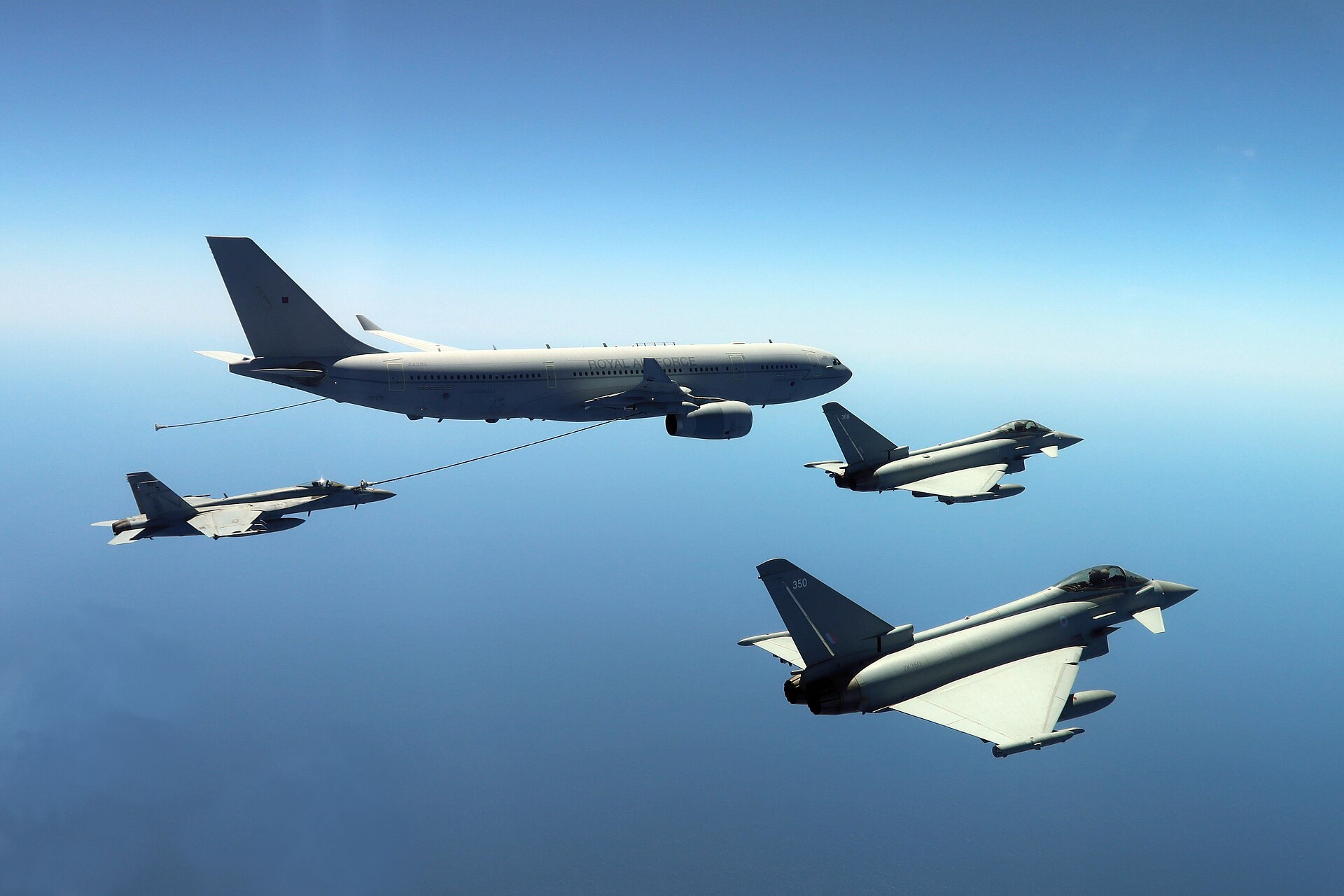
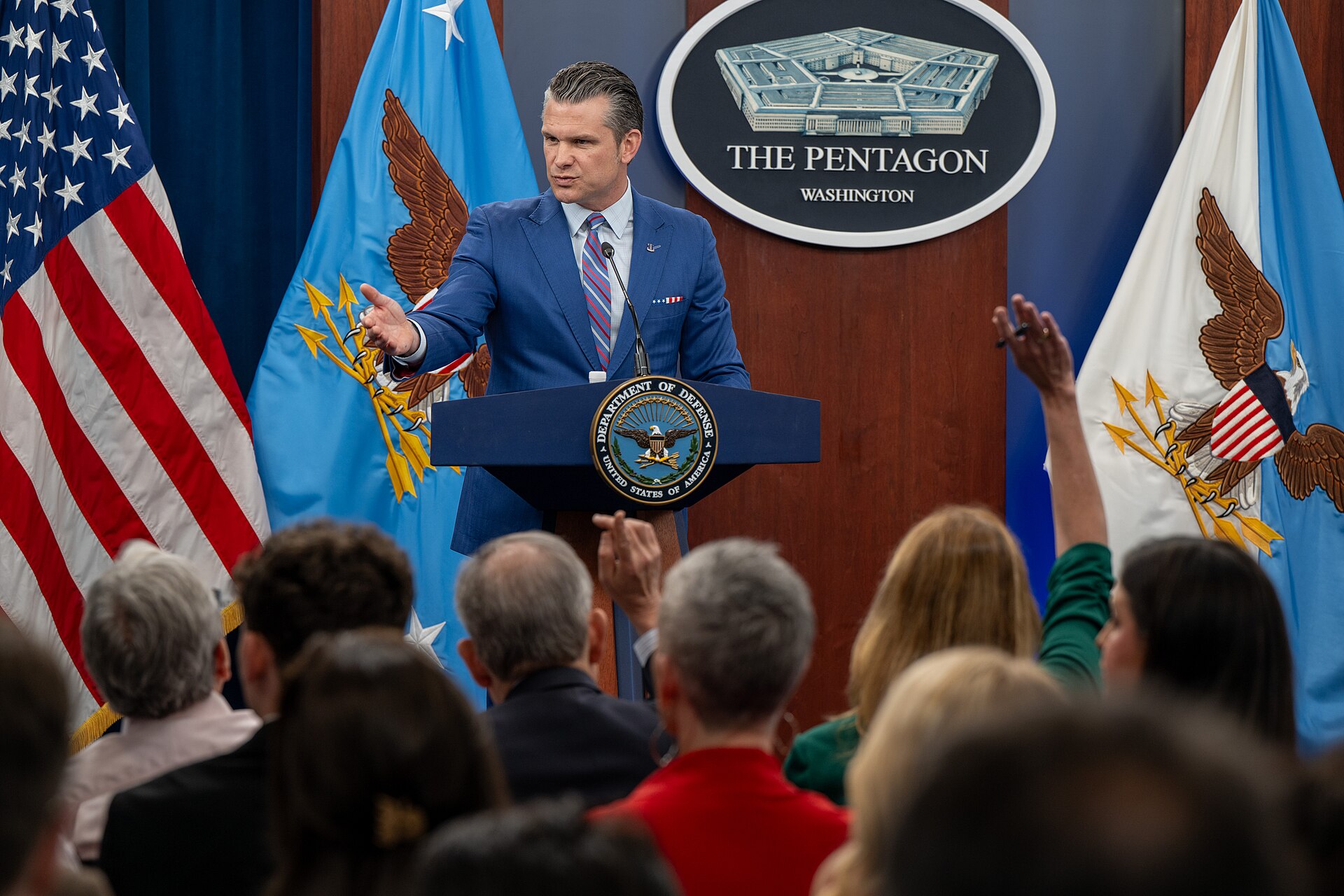
WASHINGTON — The Pentagon suspended its strikes on Iran late on Friday after thirteen consecutive nights, and a Department of Defense source told CNN that operations were “on hold”.
The halt followed warnings from Chairman of the Joint Chiefs Gen. Dan Caine about dwindling air defense supplies, The New York Times reported. It came as Oman pressed forward with Hormuz transit negotiations in Tehran, Saudi Arabia’s foreign minister called his Qatari and Egyptian counterparts, and Israeli Prime Minister Benjamin Netanyahu prepared to meet Trump in Washington as Israeli officials argued that Supreme Leader Mojtaba Khamenei is accelerating efforts toward a nuclear weapon.
Table of Contents
Operations “On Hold”
By the night of July 25-26, the United States had gone two consecutive nights without strikes on Iran, according to AP. The Pentagon did not immediately respond to AP’s questions on Sunday. A DoD source told CNN that operations were “on hold.”
The phrasing was unusual. For thirteen consecutive nights — from approximately July 12 through July 24 — US forces had struck targets in Iran.
On Friday, Trump said the United States was “locked and loaded” for a potential strike on Iran while talks continued, according to AP.
The Middle East briefing 3,000+ readers start their day with.
One email. Every weekday morning. Free.
Steven Cheung, the White House communications director, said on July 26 that “President Trump has always been consistent in saying he prefers a diplomatic solution.”
What Talks Are Pressing Forward?
A regional official involved in the mediation told the AP that the strike pause was a “positive signal that helps their efforts to de-escalate.” The renewed US campaign had, in Reuters’ words, “effectively torpedoed” the June interim agreement — the Islamabad MOU, which gave the two sides a sixty-day window for talks on a permanent deal.
Trump had declared the ceasefire over on July 8 after renewed military escalation, Malaysia’s Bernama news agency reported.
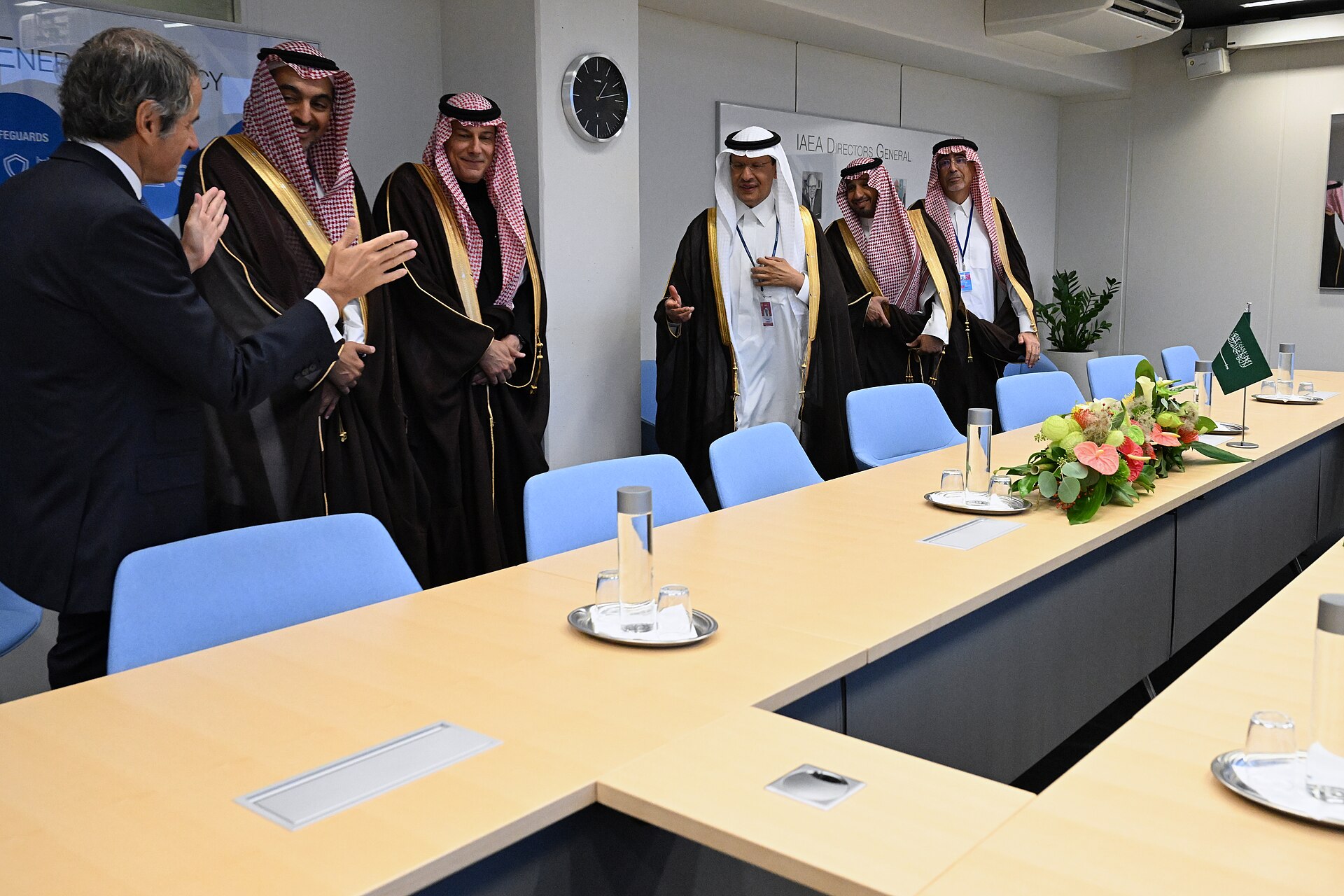
The talks now pressing forward run through Oman. An Omani diplomatic delegation arrived in Tehran on Friday July 24, and CBS News reported that Washington paused its strikes to avoid disrupting the visit. Foreign Minister Badr Albusaidi spoke by phone with Iranian Foreign Minister Abbas Araghchi about maritime security and the movement of commercial vessels through Hormuz, according to Iran’s IRNA news agency.
The Oman-brokered channel centres on a new Omani proposal on the Strait, which Araghchi’s delegation was unable to approve during talks in Muscat and took back to Tehran, Axios reported earlier in July. Iran’s foreign ministry spokesman Esmaeil Baqaei called the Tehran talks “productive” and said the two sides exchanged views on “common principles and operational mechanisms” for safe passage.
Saudi Arabia Calls Doha and Cairo
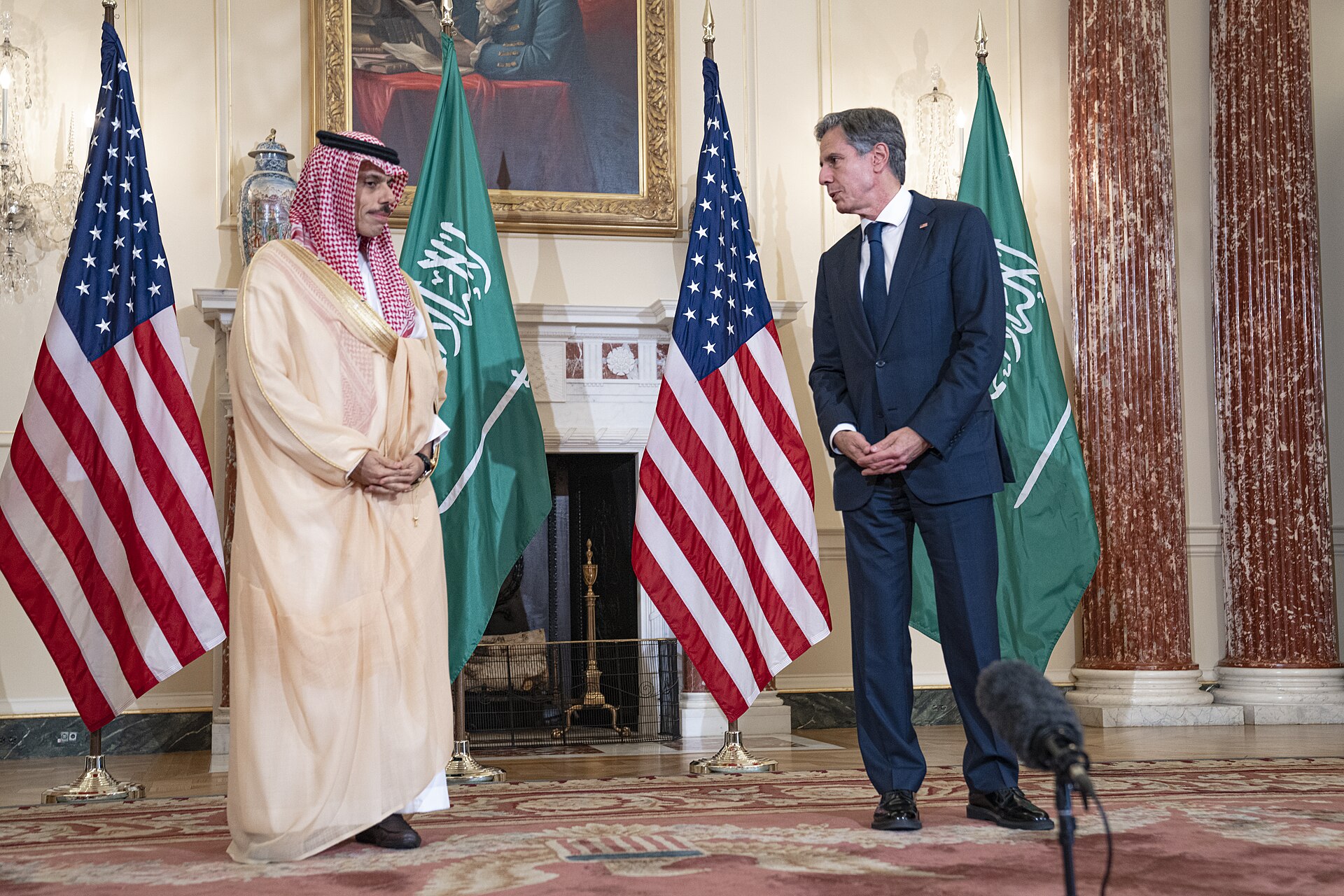
Saudi Foreign Minister Prince Faisal bin Farhan held separate calls, reported by Asharq Al-Awsat on July 26, with Qatari Prime Minister and Foreign Minister Sheikh Mohammed bin Abdulrahman Al Thani and Egyptian Foreign Minister Badr Abdelatty. The Saudi readout described the calls as focused on “security and safety of waterways in the Arabian Gulf and the Red Sea.”
Pakistan carried a more specific message. A Pakistani official told Reuters, in a report carried by Pakistan Today on July 25, that a halt in attacks on Saudi Arabia and other Gulf nations was a “pre-requisite for any talks to resume,” and Islamabad conveyed this to Iran. The condition — attacks on Gulf states, not attacks on Iran — addressed Saudi Arabia’s direct exposure rather than the broader military campaign. On July 25 the Houthis claimed attacks on Aramco facilities at Jizan and at Yanbu — Saudi Arabia’s Red Sea export outlet after Hormuz closed — and Aramco suspended operations at Jizan.
The pre-condition addressed a negotiation in which Riyadh has no seat. Saudi Arabia holds no seat at the Oman-mediated Hormuz talks and was not a signatory to the Islamabad MOU that Pakistan and Qatar mediated, though Pakistan’s prime minister credited Riyadh with helping to secure it.
Araghchi, speaking to Iran Daily on July 25, said: “We believe that there is no military solution to the issue of Yemen, Bab al-Mandab, and other regional issues.” The Houthis claimed attacks on Jizan and Yanbu the same day.
The Munitions Arithmetic Behind the Pause
The pause was not only diplomatic. Caine raised concerns during a White House meeting on Friday July 24, The New York Times reported, warning that resuming major combat would “dangerously deplete interceptors available to the military’s Central Command.”
The Wall Street Journal reported that at least 1,500 Patriot interceptors had been used since the war began and fewer than 1,000 remained, estimates the Pentagon has not confirmed — a shortfall that weighs on operational planning. Caine’s warning framed the issue as a tradeoff between offensive tempo and the ability to defend the forces conducting the campaign.
The munitions concern intersected with force posture. In May, Saudi Arabia reportedly warned that it could deny US military aircraft overflight or use of Prince Sultan Air Base, and Trump paused his Operation Project Freedom escort mission in Hormuz within about 36 hours — a reminder of the limits Riyadh can set on US operations from Saudi soil.
What Netanyahu Is Bringing to Trump
Netanyahu is scheduled to meet Trump at the White House on Tuesday July 28.
Israeli officials believe, according to a Channel 12 report cited by Iran International, that Mojtaba Khamenei, who assumed the supreme leadership during the war, is “accelerating efforts to advance toward a nuclear weapon.” Iran International said the report gave no details of the intelligence.
A senior Israeli official offered a blunter assessment. “The chances of reaching an agreement between the United States and Iran are virtually nonexistent,” the official told Channel 12, according to Iran International, calling renewed escalation “inevitable.”
The US-Saudi 123 nuclear cooperation agreement signed on July 22 added a parallel variable to the meeting agenda. The agreement permits Saudi Arabia to pursue civilian nuclear energy with American technical support.
Hormuz Enforcement Did Not Pause
While US strikes were on hold, Iran kept the Strait closed. Tehran had declared it closed again on July 12, when the new US strikes began, and Iran’s foreign ministry spokesman said after the pause that it remained closed, according to AP.
The closure tested the diplomatic framework under active discussion. A fifth of global oil supply passed through the waterway before the war.
Brent crude rose above $100 per barrel for the first time since May after the Houthi attacks on Saudi Red Sea oil targets, Reuters reported. Both the Strait of Hormuz and Bab al-Mandeb remain under blockade or active threat. Two months later, France confirmed it was sending troops, radars and defence systems to protect Yanbu.
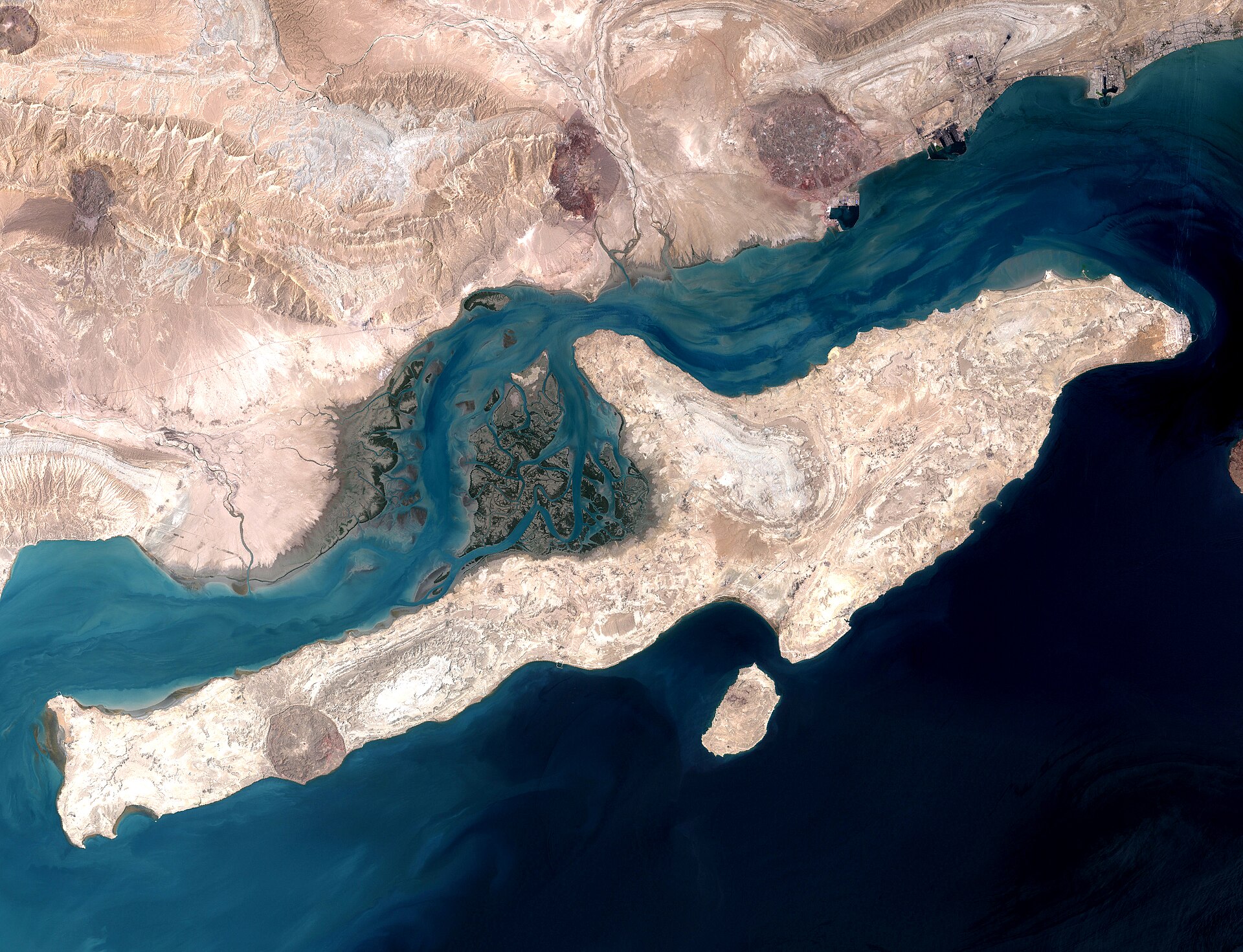
Background
The US-Iran conflict began on February 28, 2026, when the United States and Israel launched joint strikes on Iran. As of July 26, the conflict has lasted 148 days. Saudi Arabia holds no formal seat at either the Oman-mediated Hormuz talks or the stalled Islamabad process.
Frequently Asked Questions
What is Oman’s proposal for the Strait of Hormuz?
Axios reported in July that Araghchi’s delegation was unable to approve a new Omani proposal on the Strait during talks in Muscat and took it back to Tehran. After talks with an Omani delegation in Tehran, Iran’s foreign ministry spokesman Esmaeil Baqaei said the two sides had exchanged views on “common principles and operational mechanisms” for safe passage. Two months later, the Wall Street Journal reported that Trump had rejected Iran’s seven-day Hormuz plan and told aides he expects to resume bombing after the November midterms — converting Riyadh’s open-ended emergency into a calendar.
Why did Gen. Caine warn against expanding the campaign?
Caine, who serves as Chairman of the Joint Chiefs, warned during a White House meeting on Friday July 24 that resuming major combat would dangerously deplete the interceptors available to US Central Command, The New York Times reported. The concern centered on Patriot interceptors, whose stocks the Wall Street Journal estimated at fewer than 1,000. The Times reported that Trump set aside, at least for now, plans to sharply escalate the assault on Iran after senior advisers raised concerns.
What pre-condition has Pakistan set for talks to resume?
A Pakistani official told Reuters on July 25 that a halt in attacks on Saudi Arabia and other Gulf nations was a “pre-requisite for any talks to resume,” and that Islamabad had conveyed this to Iran. The formulation targets attacks on Gulf states rather than US strikes on Iran. The pre-condition attempts to make Saudi security a necessary component of any ceasefire, despite Riyadh holding no formal seat at either the Oman-mediated Hormuz talks or the stalled Islamabad process.
What intelligence is Netanyahu expected to present to Trump?
Israeli officials believe, according to a Channel 12 report cited by Iran International, that Mojtaba Khamenei — who assumed the supreme leadership during wartime — is “accelerating efforts to advance toward a nuclear weapon.” Iran International said the report gave no details of the intelligence. Netanyahu meets Trump on Tuesday July 28. A senior Israeli official separately assessed that “the chances of reaching an agreement between the United States and Iran are virtually nonexistent,” framing the visit as an argument against sustained diplomatic engagement.
Has Iran formally acknowledged the US strike pause?
Not formally. A senior Iranian official told Reuters that Tehran’s position remained “attack for attack” — if the attacks stopped, Iran would halt its operations — and that “the prevailing view is that the pause is tactical rather than genuine.” Iran did not reopen the Strait of Hormuz during the pause.
The US posture of restraint — pausing strikes while maintaining non-kinetic support — was still Washington’s position when Faisal arrived at the State Department on September 28, after Trump had declined Riyadh’s request for US strikes on the Houthis.