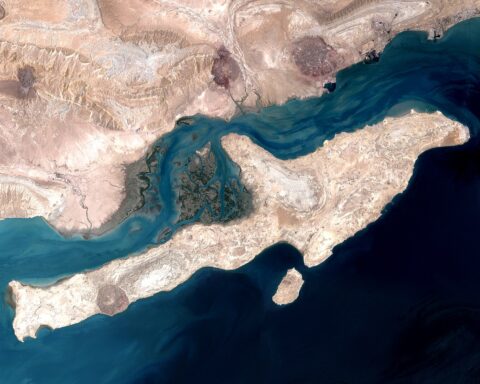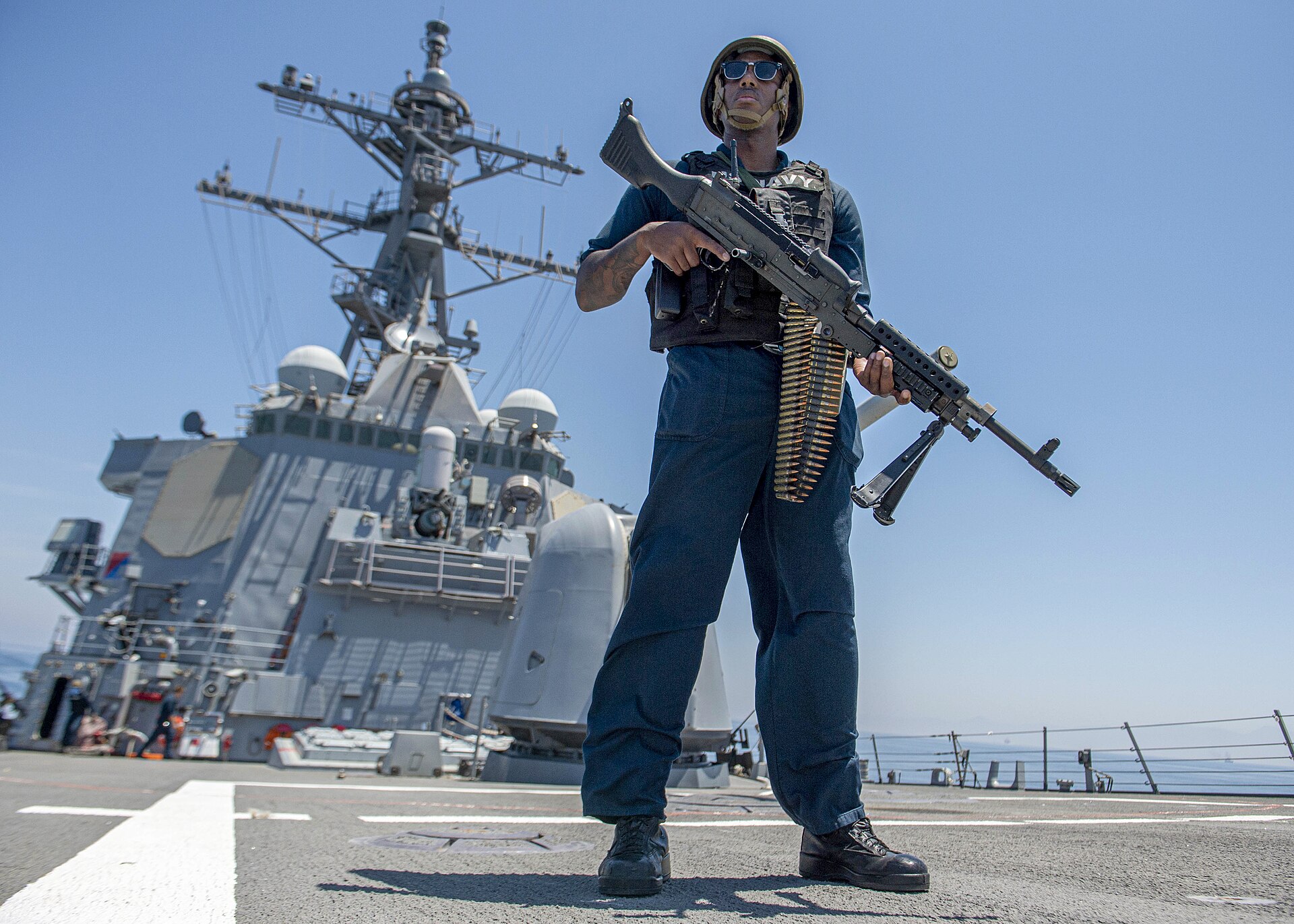

DUBAI — US Central Command struck missile launch sites and destroyed two IRGC fast boats near Bandar Abbas on May 25–26 — the second major American military action since the April ceasefire, and the first to fall inside Saudi Arabia’s 96-hour Hajj no-escalation window.
Saudi Arabia had lobbied Washington to hold fire during the pilgrimage, presenting a unified Gulf front with Qatar and the UAE and warning of “serious reputational damage.” Trump was reportedly “about an hour away” from authorising earlier strikes when Gulf leaders intervened, according to The New Arab and Yahoo News Canada. The intervention delayed the timeline. It did not produce a guarantee. On Arafah Day — while more than 1.5 million pilgrims gathered on the 33-square-kilometre plain for what Islamic tradition regards as the holiest hours of the calendar year — CENTCOM acted. The kingdom’s Foreign Ministry, silent since May 20 and excluded from all five rounds of US-Iran negotiations, had no mechanism through which to respond.
Table of Contents
What CENTCOM Struck Near Bandar Abbas
CENTCOM spokesperson Capt. Tim Hawkins confirmed the operation on May 25: “U.S. forces conducted self-defense strikes in southern Iran today to protect our troops from threats posed by Iranian forces. Targets included missile launch sites and Iranian boats attempting to emplace mines.”
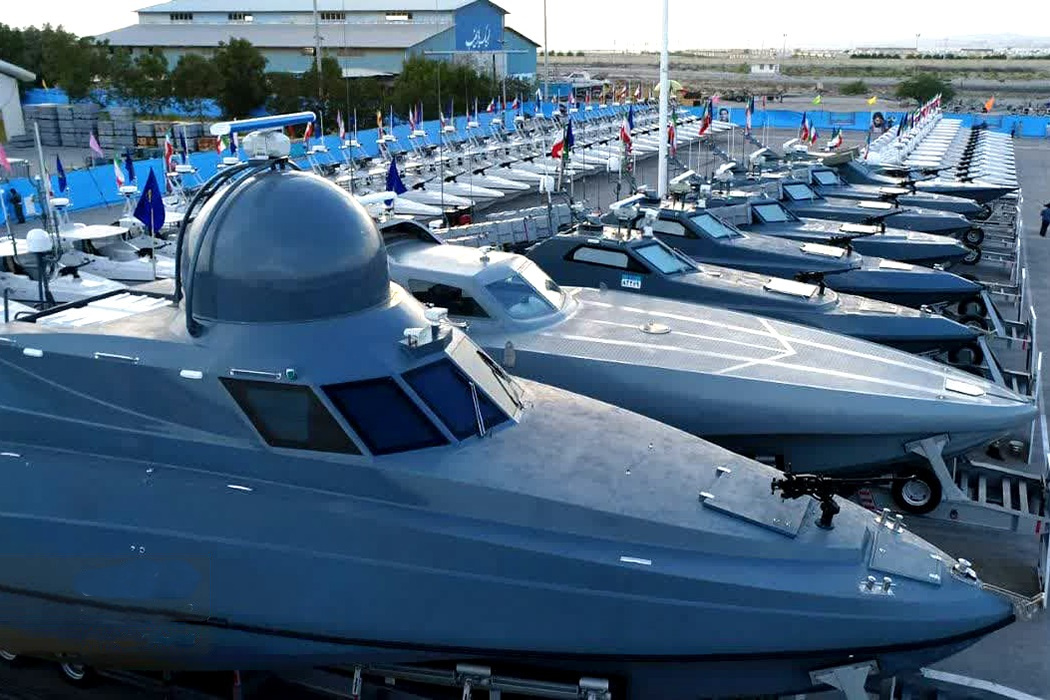
A senior US official told Fox News and Stars and Stripes that two IRGC fast boats were destroyed while actively laying mines in the Strait of Hormuz. A separate surface-to-air missile site at Bandar Abbas was struck after its radar locked onto American aircraft. The same official characterised the overall operation as “very small” in scope.
The mine-laying is not incidental. Since May 18, the IRGC has operated the Persian Gulf Security Architecture — a toll regime charging up to $2 million per VLCC transiting the Strait of Hormuz, with Russia, China, India, Iraq, and Pakistan exempt. Mines are the enforcement mechanism. The boats CENTCOM destroyed were servicing infrastructure that Washington refuses to recognise and Tehran treats as sovereign jurisdiction.
CENTCOM framed the strikes within the ceasefire’s own terms. “U.S. Central Command continues to defend our forces while using restraint during the ongoing ceasefire,” the statement read. Two sources confirmed to Fox News that the operation “did not represent the end of the ceasefire with Iran.”
The Middle East briefing 3,000+ readers start their day with.
One email. Every weekday morning. Free.
Was Saudi Arabia Consulted?
The kingdom had tried to prevent this. Saudi Arabia, Qatar, and the UAE jointly urged Trump to delay military action until Hajj concluded. The warning was specific: strikes during the pilgrimage would inflict “serious reputational damage” on the United States and its Gulf partners. Trump was reportedly “about an hour away” from authorising an earlier operation when Gulf leaders intervened, according to The New Arab and Yahoo News Canada.
That intervention bought a delay. It did not buy a commitment. The 96-hour Arafah window — from Tarwiyah Day through Eid al-Adha — was Saudi Arabia’s structural assumption about how Washington would behave, not a bilateral agreement binding American forces. No public or reported private assurance from the White House committed CENTCOM to observing a religious calendar.
Washington’s self-defence doctrine operates on a separate track entirely. Under the legal framework CENTCOM has maintained since the war began on February 28, any Iranian force posing an immediate threat to US personnel can be engaged without regard to timing or location. Nine War Powers resolutions challenging this authority have failed in Congress since March 2026. The most recent was defeated 47–52 in the Senate — a margin that has held steady through months of escalation.
Saudi Arabia’s Foreign Ministry has issued no public statement since May 20 — six days of silence that preceded the strikes and now extends through them. The kingdom has been excluded from all five rounds of US-Iran negotiations, a pattern the Carnegie Endowment has documented as structural, not incidental. Saudi Arabia’s diplomatic position has narrowed with each round it was excluded from, and the Arafah Day strikes represent the first time that narrowing has had a military dimension. UAE presidential adviser Anwar Gargash’s verdict that the GCC produced “the weakest historically” collective response to the Iran war — a judgment he delivered twice, without retraction — is the institutional diagnosis that the Arafah Day strikes now confirm operationally. Gargash’s assessment of GCC structural failure is examined in full here.
That exclusion now has a multilateral dimension: the UK-France coalition governing Hormuz after the war left Saudi Arabia without a chair at any level of its command structure, compounding the kingdom’s absence from the nuclear talks with absence from the post-war maritime order being built in real time.
The silence is now self-reinforcing. Responding to the strikes means acknowledging that the kingdom could not secure its own no-escalation window. Not responding means accepting — in full public view — that Washington treats Saudi preferences on military timing as advisory rather than binding.
Iran’s Three Official Accounts
Iranian state media responded to the strikes along three distinct lines on May 26, each calibrated to a different institutional function.
IRNA, the official state news agency, reported that “the sound of several consecutive explosions was heard around midnight in Bandar Abbas city, the cause of which has not yet been announced by official sources.” The phrasing is precise: physical confirmation of the event, deliberate withholding of attribution.
The IRGC offered a more direct account: “Iran’s air defense system in Bandar Abbas has been activated to counter hostile targets.” This confirms military engagement without claiming casualties or escalation.
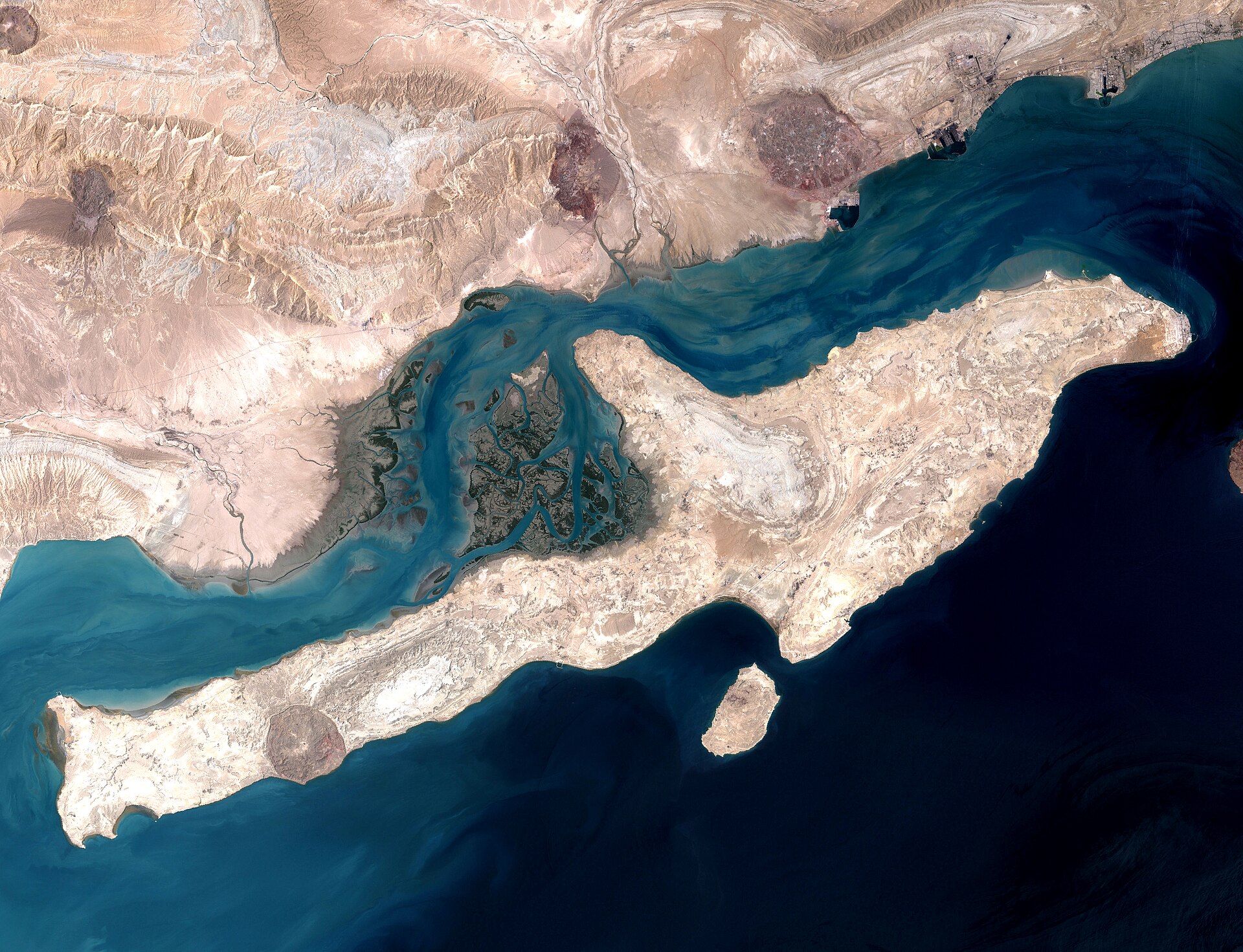
Tasnim News Agency carried the most aggressive counter-narrative, citing a senior source who claimed “three US Navy destroyers came under Iranian fire and fled towards the Gulf of Oman.” The claim has not been independently confirmed. It follows a pattern established during the May 7 strikes, when Iran accused the US of violating the ceasefire after CENTCOM hit Bandar Abbas and Qeshm Island. In that earlier episode, Al Jazeera reported, Iran charged Washington with acting “in cooperation with some regional countries” without naming them — a formulation that could resurface now, with implications for Saudi Arabia’s position. Hours later on the same day, Mojtaba Khamenei’s Hajj message formalised that implication in writing: Iran’s first Supreme Leader-level doctrine accusing Gulf host states of co-belligerency with the United States — a permanent document timed to the same Arafah Day that the strikes violated.
Foreign Ministry spokesman Esmail Baqaei told CBS News on May 26 that the existing truce was “a nominal ceasefire situation.” The phrase preserves Iran’s freedom to escalate without formally declaring the ceasefire broken, while retroactively downgrading the arrangement to something less than what Washington has publicly called it. Baqaei’s characterisation came on a day when Arafah provided the setting for multiple Iranian signals — including statements from senior officials that dismissed key elements of the US negotiating framework. That same day, IRGC spokesman Brigadier General Abolfazl Shekarchi escalated further, warning Iran would strike “beyond the region” if the United States or Israel escalated — a doctrine Iran had already demonstrated across all six GCC states between February and April 2026. What Iran means by ‘beyond the region’ — the threat Shekarchi gave substance to on Arafah Day.
Baqaei added that Iran and the US had “reached a conclusion on a large portion of the issues under discussion” but that signing was “not imminent.” Iran has not formally declared the ceasefire over.
Did the Doha Talks Notice?
The strikes and the negotiations ran concurrently.
Iranian Foreign Minister Abbas Araghchi, Parliament Speaker Mohammad Bagher Ghalibaf, and Central Bank Governor Hemmati were in Doha when CENTCOM hit targets near Bandar Abbas, continuing discussions on the broader US-Iran framework. CBS News reported the talks proceeding on May 25–26 without apparent interruption. The composition of the Iranian delegation — the foreign minister, the man who controls parliamentary ratification, and the official who would administer any sanctions relief — reflects how much remains under active negotiation.
Trump said the same day that talks were “proceeding nicely.”
Secretary of State Marco Rubio, speaking to Al Jazeera after the strikes became public, confirmed the Doha process was ongoing and estimated finalisation at “a few more days.” He drew no distinction between the military and diplomatic tracks: “The Strait of Hormuz has to be open, and it will be open one way or another.”
Washington now operates both instruments simultaneously — strikes and talks running on separate circuits with separate logics. For Saudi Arabia, excluded from the negotiations and uninformed about the strikes, neither circuit includes a Saudi input. The consequences of both land in Riyadh.
Why Did Washington Strike on Arafah Day?
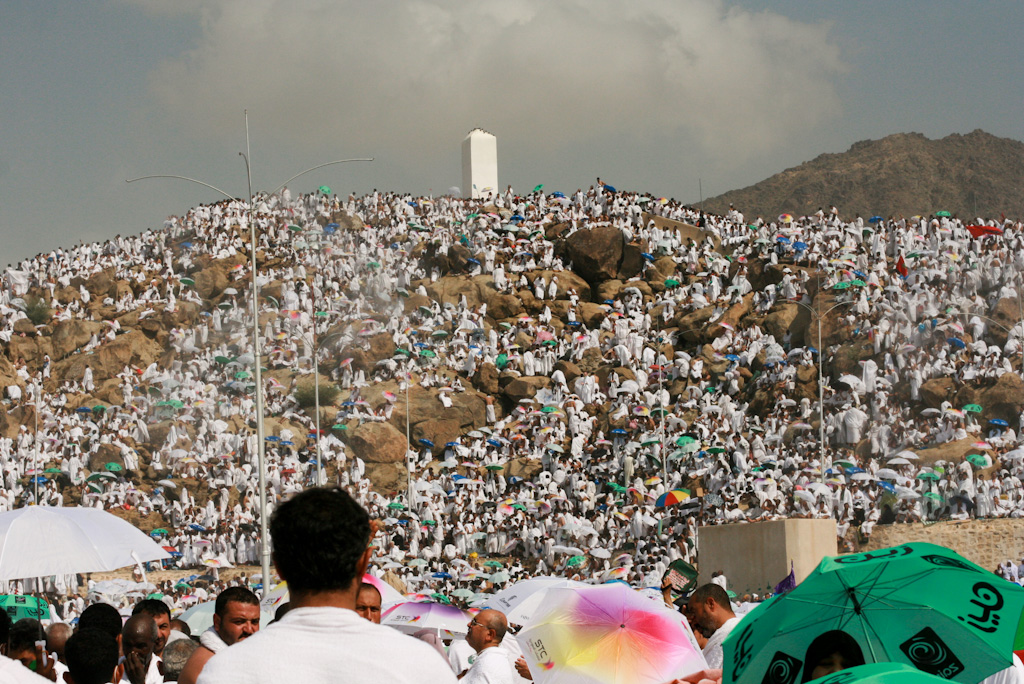
On May 26, more than 1.5 million pilgrims gathered on the 33-square-kilometre Arafah plain for the hours Islamic tradition regards as the holiest of the year — the centrepiece of Hajj, when the entire pilgrimage converges on a single plain. The Saudi Supreme Court had confirmed Eid al-Adha for May 27, placing the strikes in the most sensitive 24-hour period on the kingdom’s calendar.
CENTCOM’s operational framework does not account for this. The IRGC boats were laying mines. The SAM site at Bandar Abbas locked onto US aircraft. Under the self-defence doctrine that has survived nine consecutive congressional challenges, both constituted immediate threats requiring immediate response. The timing, in CENTCOM’s framing, was set by Iranian actions, not American choice.
The May 7 precedent established the pattern. After the USS Truxtun, USS Rafael Peralta, and USS Mason were attacked while transiting the Strait of Hormuz, CENTCOM struck Bandar Abbas and Qeshm Island, destroying “missile and drone launch sites; command and control locations; and ISR nodes,” as Al Jazeera reported. That operation also occurred during the ceasefire, also triggered Iranian counter-claims, and left the ceasefire intact. The same sequence appears to be playing out now.
The difference is the calendar. The May 7 strikes fell on an ordinary Wednesday. The May 25–26 strikes fell on the day when Saudi Arabia’s custodianship of Islam’s holiest sites is most visible to the world — and when any disruption carries the greatest cost. Saudi Arabia’s request to defer military action was a security assessment about the pilgrimage, not a diplomatic courtesy. Washington’s self-defence framework does not distinguish between the two.
From April Ceasefire to May Strikes
The 2026 Iran war began on February 28. Pakistan brokered a ceasefire on April 7–8. Fighting resumed May 4.
The May 7 CENTCOM strikes on Bandar Abbas and Qeshm Island — a response to an Iranian attack on three US destroyers transiting the Strait of Hormuz — were the first major military action after the ceasefire. The May 25–26 operation near Bandar Abbas is the second. Both were classified as self-defence. Both left the ceasefire formally intact.
Between those two operations, the strategic context shifted beneath Saudi Arabia. The IRGC declared the Persian Gulf Security Architecture operational on May 18, imposing a toll of up to $2 million per VLCC transiting the Strait. Saudi Foreign Minister Prince Faisal bin Farhan publicly endorsed Trump’s decision not to strike Iran on May 20 — five days before CENTCOM struck. The kingdom’s first-quarter deficit reached $33.5 billion, representing 194% of the full-year target, while Brent crude fell below $100 for the first time on May 25 on optimism about an Iran deal that has not materialised. The airborne ISR network enabling those strikes is operating below its own statutory floor: the MQ-9 Reaper fleet sustaining CENTCOM’s Gulf operations stands 28% below its congressional minimum, with 24 aircraft destroyed in Epic Fury and the production line closed.
Five rounds of US-Iran talks have produced agreement on most issues but no signed document. Three memorandum-of-understanding drafts remain unsigned. Rubio estimated finalisation at “a few more days.” Trump described the process as “proceeding nicely” — on the same day CENTCOM struck the country he is negotiating with.
Eid al-Adha begins May 27. Saudi Arabia’s Foreign Ministry has maintained six days of silence. The Arafah Day strikes will be among the facts waiting when that silence ends.
Frequently Asked Questions
Is the US-Iran ceasefire still in effect?
Both sides have indicated it is, though on diminished terms. CENTCOM stated it “continues to defend our forces while using restraint during the ongoing ceasefire.” Two Fox News sources confirmed the strikes “did not represent the end of the ceasefire.” Iran has not formally declared the ceasefire broken. Baqaei’s description of “a nominal ceasefire situation” downgrades the arrangement without terminating it. This is the second time the ceasefire has absorbed CENTCOM strikes since April — suggesting that military action within a nominal ceasefire is becoming the operational norm, not the exception.
What does CENTCOM’s “self-defence” authority actually cover?
Since the war began on February 28, CENTCOM has operated under a self-defence framework that permits engagement with any Iranian force posing an immediate threat to US personnel — regardless of timing, location, or diplomatic context. Congress has challenged this authority nine times through War Powers resolutions since March 2026. All nine have failed. The most recent was defeated 47–52 in the Senate. The framework operates independently of any ceasefire terms, any ongoing negotiation, and any allied request to defer action — including Saudi Arabia’s specific request to hold fire during Hajj.
Could Iran accuse Saudi Arabia of involvement?
During the May 7 strikes, Iran accused the US of acting “in cooperation with some regional countries” without naming them, according to Al Jazeera. That formulation stopped short of direct accusation but left the implication available. If the same language appears in relation to the May 25–26 strikes, Saudi Arabia faces an additional problem: it has no public record of being informed about or consenting to the operation, but its close military relationship with Washington — and its six-day Foreign Ministry silence — provides no counter-narrative either.
The implication carried more weight than Iran acknowledged. Reuters and WSJ subsequently confirmed that Royal Saudi Air Force jets had struck Iranian drone and missile-launch sites on Iranian soil in late March — direct strikes that ran parallel to the MOFA silence and the diplomatic posture of non-involvement. Saudi Arabia’s covert military campaign against Iran, and the gap between its public posture and its operational record, is documented here.
Why were IRGC boats laying mines during a ceasefire?
The mines serve the Persian Gulf Security Architecture, the IRGC-administered toll regime for the Strait of Hormuz that became operational on May 18. The system charges up to $2 million per VLCC and exempts Russia, China, India, Iraq, and Pakistan. For non-exempt vessels and nations, mines function as enforcement infrastructure — physical barriers for non-compliant shipping. From Tehran’s perspective, mine-laying is a domestic regulatory activity within sovereign waters, not a ceasefire violation. From CENTCOM’s perspective, mines in international shipping lanes constitute an immediate threat to US forces and freedom of navigation. The ceasefire framework does not resolve this asymmetry.
What happens when Saudi Arabia’s Foreign Ministry breaks its silence?
Saudi Arabia’s Foreign Ministry has been silent since May 20, a period that now encompasses the Arafah Day strikes, Eid al-Adha, and the continuation of Doha talks from which the kingdom is excluded. When the ministry does speak, it will face multiple accumulated developments simultaneously: its exclusion from five rounds of negotiations, the PGSA toll regime operating in waters Saudi Arabia depends on for oil exports, the Arafah Day strikes it was not warned about, and a first-quarter fiscal deficit of $33.5 billion. The longer the silence extends, the more the first statement must carry.
The Doha talks that ran concurrently with the strikes ended the same day without resolution. Araghchi, Ghalibaf, and Hemmati returned to Tehran on Arafah Day without signing any agreement, confirming that the strikes did not accelerate a deal — the outcome is covered in Iran Left Doha Without Signing.
The day after the Arafah Day strikes, MBS called Pezeshkian and described bilateral ties as “positive and meaningful.” The bilateral warmth and the military reality operate simultaneously, in separate registers. See: Saudi Arabia’s bilateral channel with Iran and what it actually delivered on Eid al-Adha.
The Arafah Day strikes were the direct trigger for the UNSC open debate convened the same day. Pakistan’s Ishaq Dar addressed the Council while Wang Yi chaired — the session that brought the Iran war to the Security Council, with Saudi Arabia absent from the chamber entirely.
The Arafah Day strikes were followed on Eid al-Adha by a further escalation: Iran fired a Zolfaghar ballistic missile at Kuwait, marking the first ballistic missile attack on GCC soil since the April 8 ceasefire. CENTCOM called it an “egregious violation.” The May 28 Kuwait strike and its implications for the ceasefire architecture are documented here. CENTCOM’s Bandar Abbas drone control station strike — launched from Saudi soil — triggered a 24-hour follow-on barrage: Kuwait intercepted nine missiles and 26 drones in the hours that followed, the most sustained air battle the country has faced in a single day.
The IRGC’s capacity to respond to Arafah Day strikes — and the limits on what any diplomatic agreement can constrain — are explained by Vahidi’s institutional veto over any diplomatic commitment: IRGC command authority over the missile and naval assets used in these operations sits entirely outside the channel Araghchi represents at the negotiating table. On Eid al-Adha — the day after the Arafah Day strikes — Trump told his Cabinet he does not care about the US midterms, explicitly removing the one domestic deadline Iran’s negotiators believed was compressing Washington into concessions. Trump’s post-Eid statement and its implications for an already deadlocked negotiation are documented here.
How the OFAC designation of the PGSA — which followed these CENTCOM strikes — completed a behavioral Hormuz closure already weeks old, and why no single actor can reverse it, is the subject of The Invisible Blockade: How Hormuz Closed Without Anyone Ordering It Shut.
Saudi Arabia’s silence during the Hajj window extended beyond diplomacy: when Kuwait invoked Article 51 on May 28 after the heaviest barrage of the war, Riyadh did not co-sign — a refusal documented in Riyadh’s silence costs Kuwait more than diplomatic cover, which traces the legal and institutional costs of Kuwait’s isolation at the Security Council.