JEDDAH — Iran fired on Indian oil tankers and lost its largest remaining customer on the same day the American licence that made Indian purchases legal expired — a double elimination, self-inflicted in a single operational decision by IRGC gunboats in the Strait of Hormuz, of the one major economy that still had structural financial reasons to keep Tehran economically alive. With India formally summoning Iran’s ambassador on April 18, China’s Sinopec publicly refusing Iranian crude, five Shandong teapot refineries walking away, and Russia quietly pocketing its own extended sanctions waiver without lifting a finger for Tehran — the answer to who advocates for Iranian economic viability in the final 96 hours before the April 22 ceasefire expires is: nobody.
The summoning of Ambassador Mohammad Fathali to face Foreign Secretary Vikram Misri in New Delhi was only the third time India has formally called in Iran’s envoy in modern diplomatic history, and the first ever on maritime security grounds. Five days earlier, Fathali had personally assured India that Iran was “ready to assist India for passage through Hormuz.” The IRGC overrode that assurance with live ammunition. What India lost is quantifiable: 400,000 barrels per day of planned imports, a yuan-settled payment channel through ICICI Bank Shanghai, and a seven-year effort to re-establish strategic energy autonomy from Washington. What Iran lost cannot be replaced in time.
What Happened on April 18 — And Why It Was Irreversible Within Hours
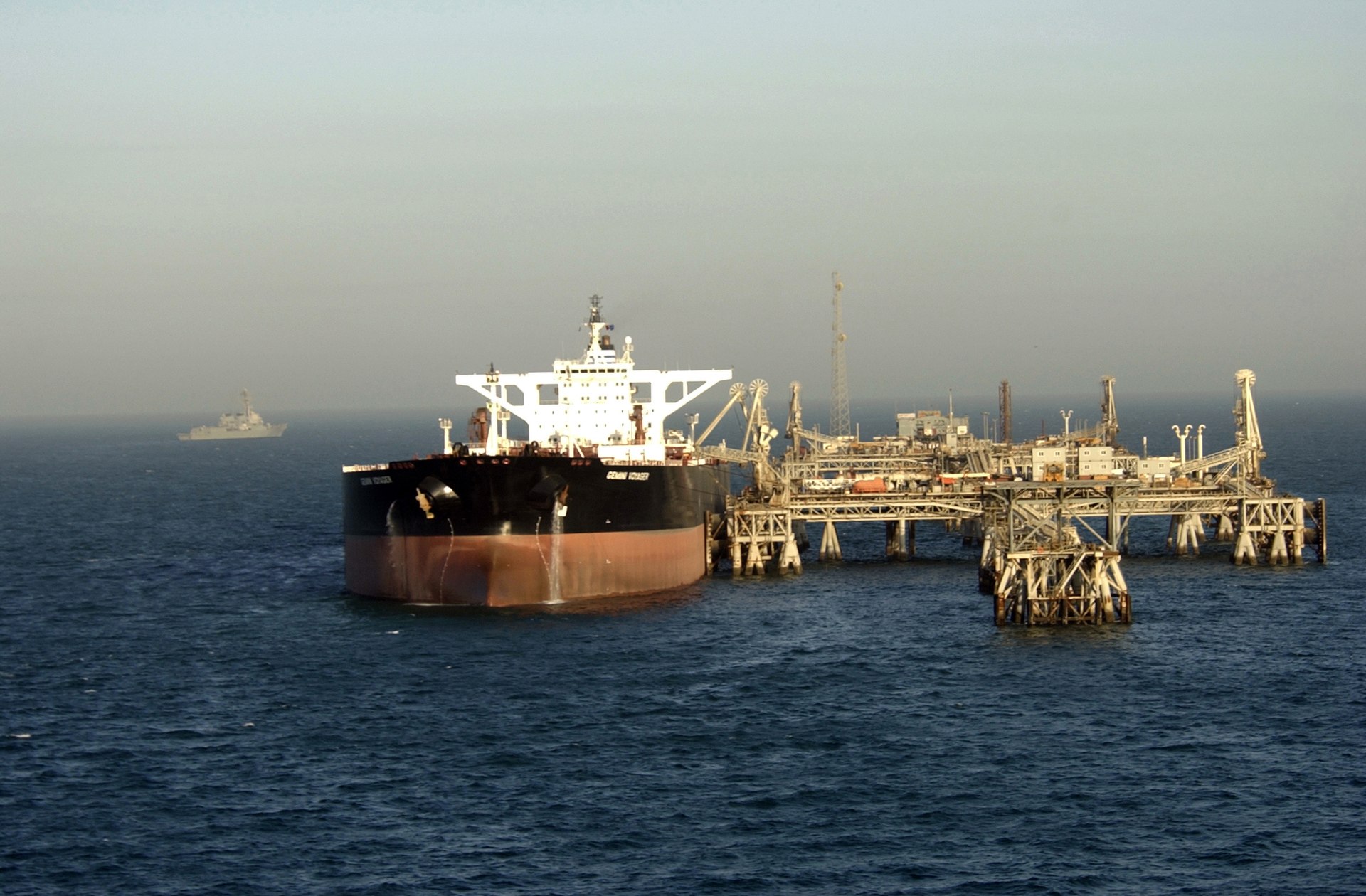
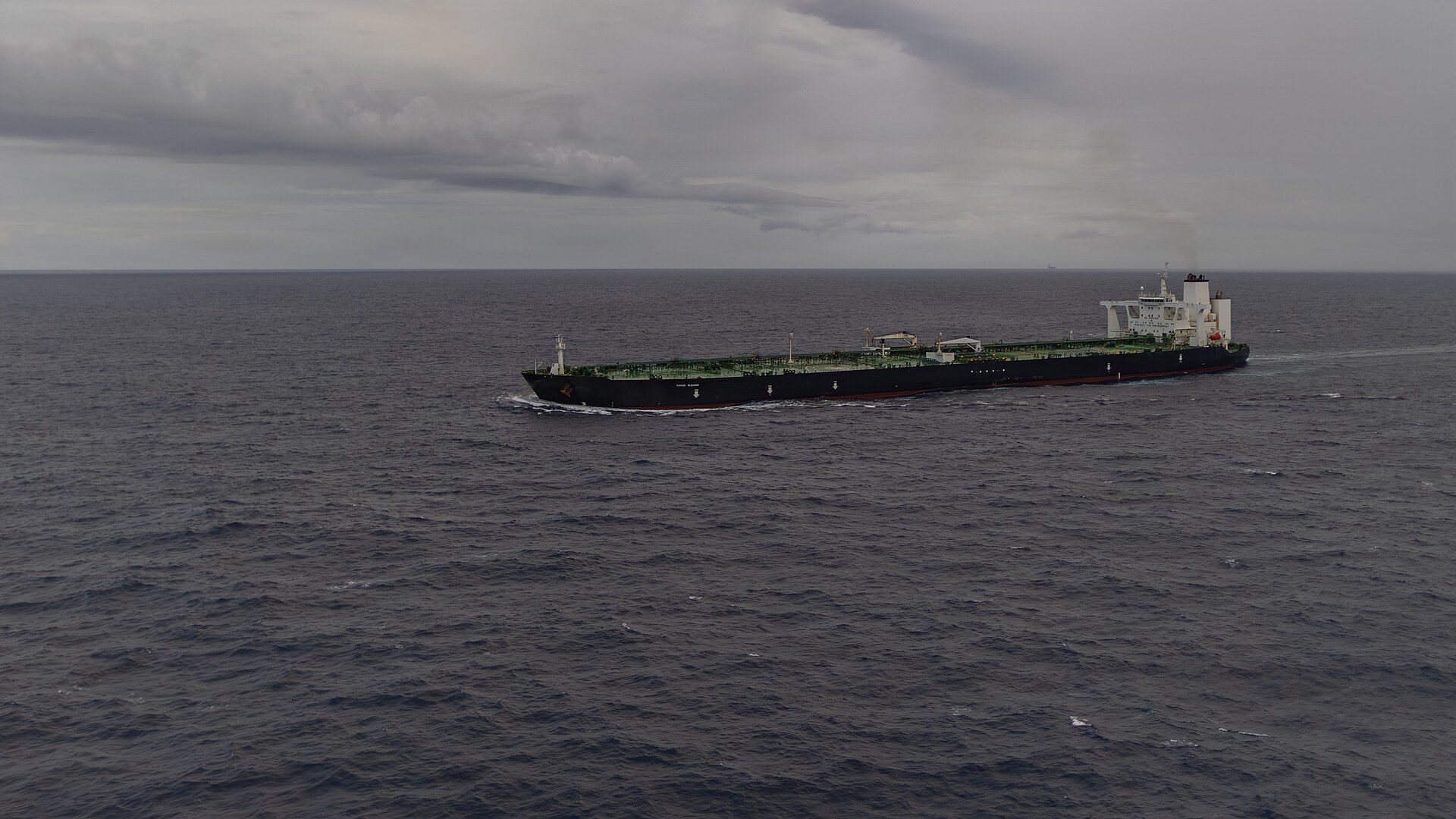
Eight Indian-flagged or India-bound vessels approached the Strait of Hormuz on April 18. Seven attempted transit. Six were forced back by IRGC Navy gunboats. Only the Desh Garima, which had crossed earlier in the day before the enforcement cordon tightened, made it through. The two most significant ships turned around were the Sanmar Herald, a VLCC carrying approximately two million barrels of Iraqi crude, and the Jag Arnav. Both were intercepted, warned, and — when the Sanmar Herald continued on the clearance it had already been granted — fired upon. Full details on the ships involved and the UKMTO incident log are in the the Sanmar Herald attack report, which documents how the IRGC fired on vessels it had previously authorized to transit.
Audio intercepts from the Sanmar Herald‘s captain, published by Tribune India and One India within hours, captured the moment the IRGC’s Hormuz enforcement regime turned from bureaucratic obstruction into kinetic threat against a friendly state’s commercial fleet. “You gave me clearance to go,” the captain said on the radio. “You are firing now! Let me turn back!” That audio will be replayed in Indian parliamentary hearings, insurance boardrooms, and refinery procurement meetings for months. It is the sound of a commercial relationship dying.
India’s response was fast by New Delhi standards and unambiguous by any standard. Foreign Secretary Vikram Misri summoned Ambassador Fathali — not for consultations, not for a quiet exchange of concerns through back channels, but for a formal dressing-down at the Ministry of External Affairs. Misri told Fathali that India attached the highest importance to “the safety of merchant shipping and mariners,” pointedly noted that Iran had previously facilitated safe passage for India-bound ships, and described the firing as a “serious incident.” He then told Fathali to convey India’s views to “the authorities in Iran” — phrasing that deliberately left ambiguous whether those authorities were the government Fathali represents or the IRGC command structure that clearly overruled it.
The summoning was the third in modern India-Iran diplomatic history. The first two were political. This was the first on security grounds, and it hit different because 778 Indian seafarers were aboard vessels in the region as of mid-March, every one of them now operationally endangered by a force that had just demonstrated willingness to fire on ships flying their flag.
The Middle East briefing 3,000+ readers start their day with.
One email. Every weekday morning. Free.
The Five-Day Gap: From “Ready to Assist” to Live Fire
On April 13, Ambassador Fathali met Indian officials and delivered a message calibrated to reassure: “Iran ready to assist India for passage through Hormuz.” That was a Sunday. The following Friday, April 18, IRGC gunboats opened fire on an Indian-flagged tanker in the same waters Fathali had promised would be safe. Five days is a long time in a war. It is not a long time in diplomacy. And the gap between the ambassador’s assurance and the Navy’s ammunition tells you everything about who actually controls Iranian foreign policy during this conflict.
Fathali was not lying on April 13. He was almost certainly conveying a position that had been authorised through the civilian chain — Araghchi’s Foreign Ministry, possibly Pezeshkian’s office. The problem is that the IRGC does not answer to that chain. Under Article 110 of Iran’s constitution, the Supreme Leader controls the armed forces directly. With Khamenei absent from public view for over 48 days and his son Mojtaba operating audio-only, the IRGC’s operational commands in the Strait report to a structure that the president cannot override, the foreign minister cannot restrain, and the ambassador cannot predict.
The Supreme National Security Council’s official framing was revealing in what it did not say. The SNSC stated that the Strait had been brought back under “intense management and control” in response to US-led “piracy,” and that access remained contingent on achieving “lasting peace.” There was no mention of India. No acknowledgment that the ships fired upon belonged to a state that had, until that morning, been one of Iran’s last economic lifelines. In SNSC language, the Sanmar Herald was not an Indian ally’s commercial vessel — it was an administrative matter.
TankerTrackers, the shipping monitor, had posted earlier on April 18 — before the firing — a note that read like dark prophecy: “Meanwhile, India is still importing Iranian oil. With friends like these.” Hours later, that sentence became an epitaph for the entire India-Iran crude trade relationship that GL U had briefly resurrected.
What Is GL U — And What Does Its Expiry Actually Mean for Iran?
General License U was an OFAC authorisation issued in March 2026 that allowed Indian refiners — for the first time since May 2019 — to legally purchase Iranian crude oil without facing secondary US sanctions. It was not a diplomatic gesture. It was a financial instrument with teeth: any Indian bank, refiner, or shipping company that handled Iranian oil transactions after GL U expired would face the full weight of US Treasury enforcement, including potential exclusion from the dollar-clearing system. The licence expired at 12:01 AM EDT on April 19, 2026, with no wind-down provision. That is not a gradual phase-out. That is a cliff.
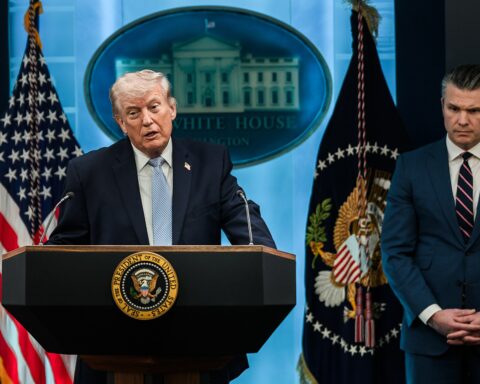
Treasury Secretary Scott Bessent confirmed the non-renewal on April 15-16 with a sentence designed to eliminate ambiguity: “We will not be renewing the general licence on Iranian oil.” What made this statement devastating was its companion action. On the same day GL U expired, Russia’s equivalent waiver — GL 134A — was quietly extended. Bessent’s Treasury department simultaneously told the world that Russian oil transactions remained legally permissible while Iranian ones became sanctionable offences. The asymmetry was the message: Iran was being carved out, isolated, made an example of, while Russia — whose war in Ukraine continued — received continued financial accommodation.
For Indian refiners, the expiry created an immediate operational crisis. IOC had already taken delivery of two million barrels via the VLCC Jaya, settling at 95 percent pre-payment — an unusual compliance posture that suggested IOC’s legal team already smelled trouble. Reliance, India’s largest private refiner, had gone further: it rejected two Iranian cargoes outright, the Derya and the Lenore, on compliance grounds alone, before the IRGC made the question academic by firing on ships. Two more tankers — the Felicity and the Jaya — were anchored off Indian ports with approximately four million barrels of Iranian crude that had been secured before the deadline. Those cargoes represent the last Iranian oil India will process for the foreseeable future.
The payment mechanism was itself a signal of how contorted the relationship had become. India settled Iranian crude purchases in yuan through ICICI Bank’s Shanghai branch — not through the UCO Bank rupee-rial channel that had been used in previous sanctions eras. That routing told you two things: first, that Indian banks considered direct rupee-rial transactions too risky even under GL U; and second, that China’s currency infrastructure had become the default plumbing for sanctions-adjacent oil trade. With GL U gone, even that channel closes.
How Large Was India’s Iranian Oil Lifeline?
India had planned to import at least 400,000 barrels per day of Iranian crude from April 1 onward. To put that volume in context: Iran’s total annual oil export revenue was approximately $30 billion in 2024, with the energy sector providing roughly one quarter of government revenue. India’s planned intake alone — at current prices — represented several billion dollars annually flowing directly into an Iranian treasury that, by President Pezeshkian’s own admission, faces economic “collapse in three to four weeks” without sanctions relief.
The breakdown of planned Indian purchases shows how deeply Iran had woven itself into Indian refinery planning. Indian Oil Corporation committed to 80,000 barrels per day with an option for an additional 40,000. Mangalore Refinery and Petrochemicals (MRPL) signed for 90,000 to 100,000 bpd. Reliance Industries — until it pulled back on compliance grounds — was in for 100,000 to 120,000 bpd. HPCL and BPCL had smaller allocations of roughly 20,000 bpd each. This was not marginal trade. This was a structured re-entry into a market India had abandoned seven years earlier, framed domestically as a demonstration of strategic autonomy — proof that New Delhi could balance its US alignment with independent energy sourcing.
| Indian Refiner | Planned Volume (bpd) | Status as of April 18 |
|---|---|---|
| Indian Oil Corporation (IOC) | 80,000 (+40,000 option) | Took 2M bbl via Jaya (95% pre-paid); no new cargoes |
| MRPL (Mangalore) | 90,000–100,000 | Suspended — GL U expiry + IRGC firing |
| Reliance Industries | 100,000–120,000 | Rejected Derya and Lenore on compliance grounds |
| HPCL | ~20,000 | Suspended |
| BPCL | ~20,000 | Suspended |
| Total | ~400,000 | Effectively zero from April 19 |
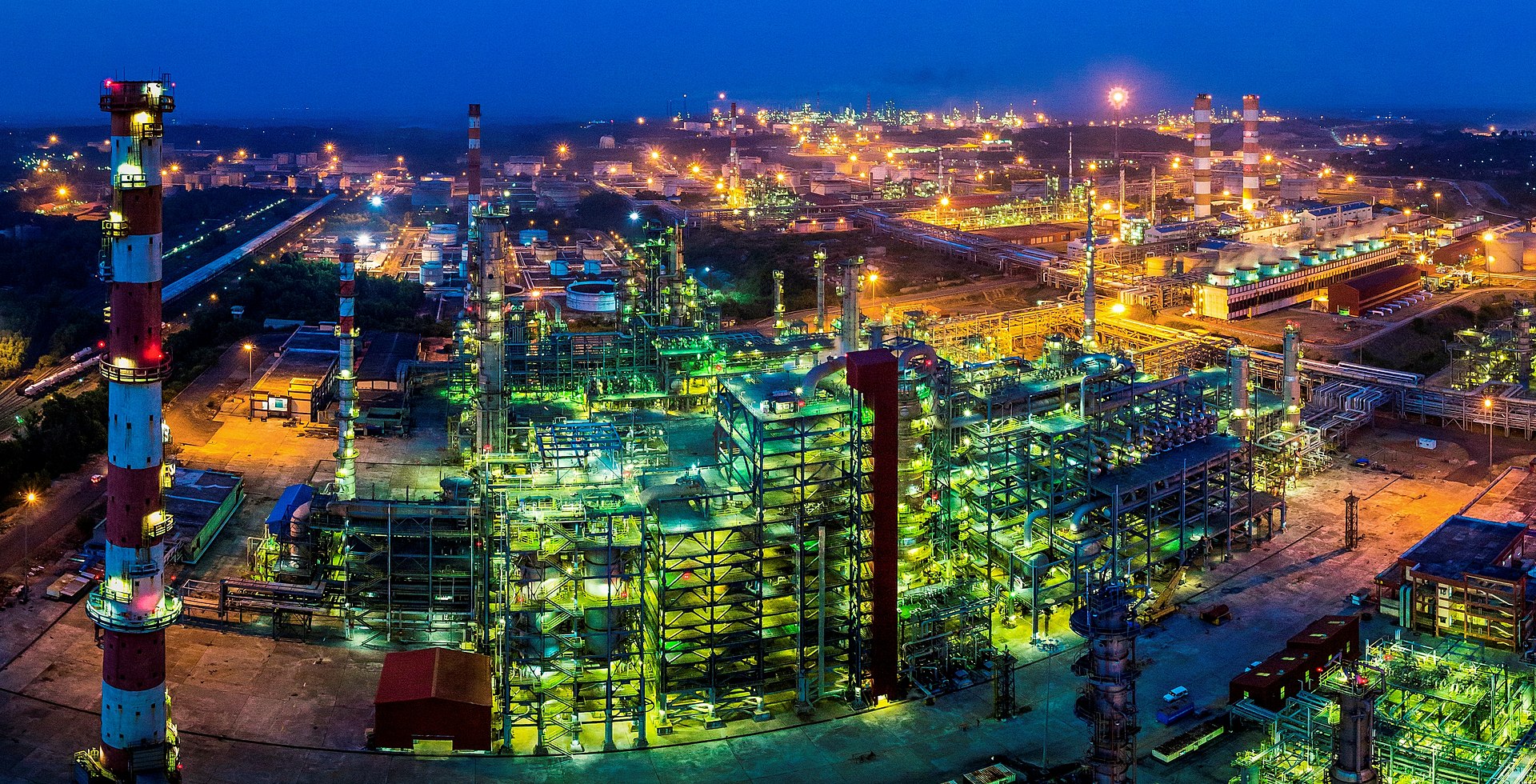
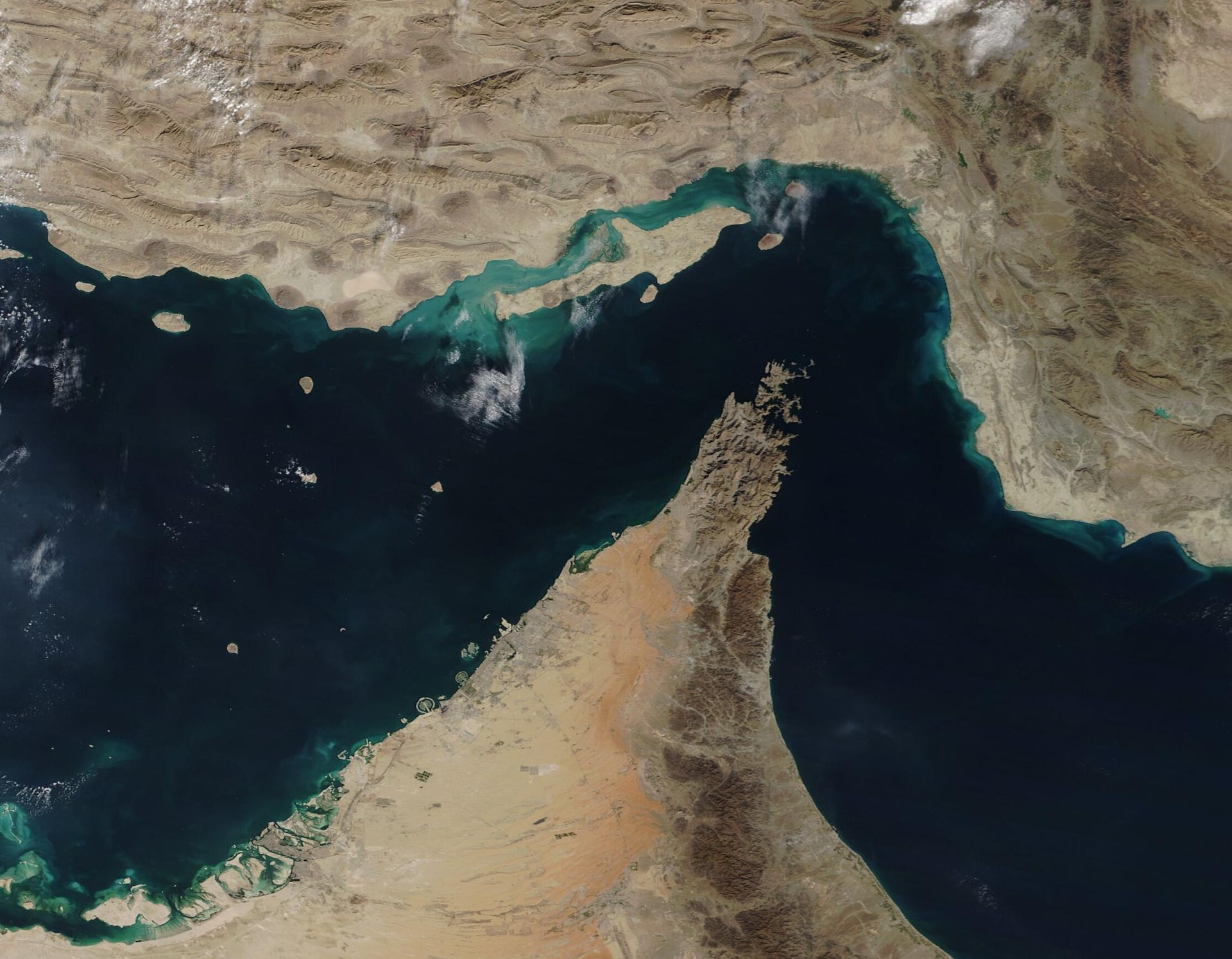
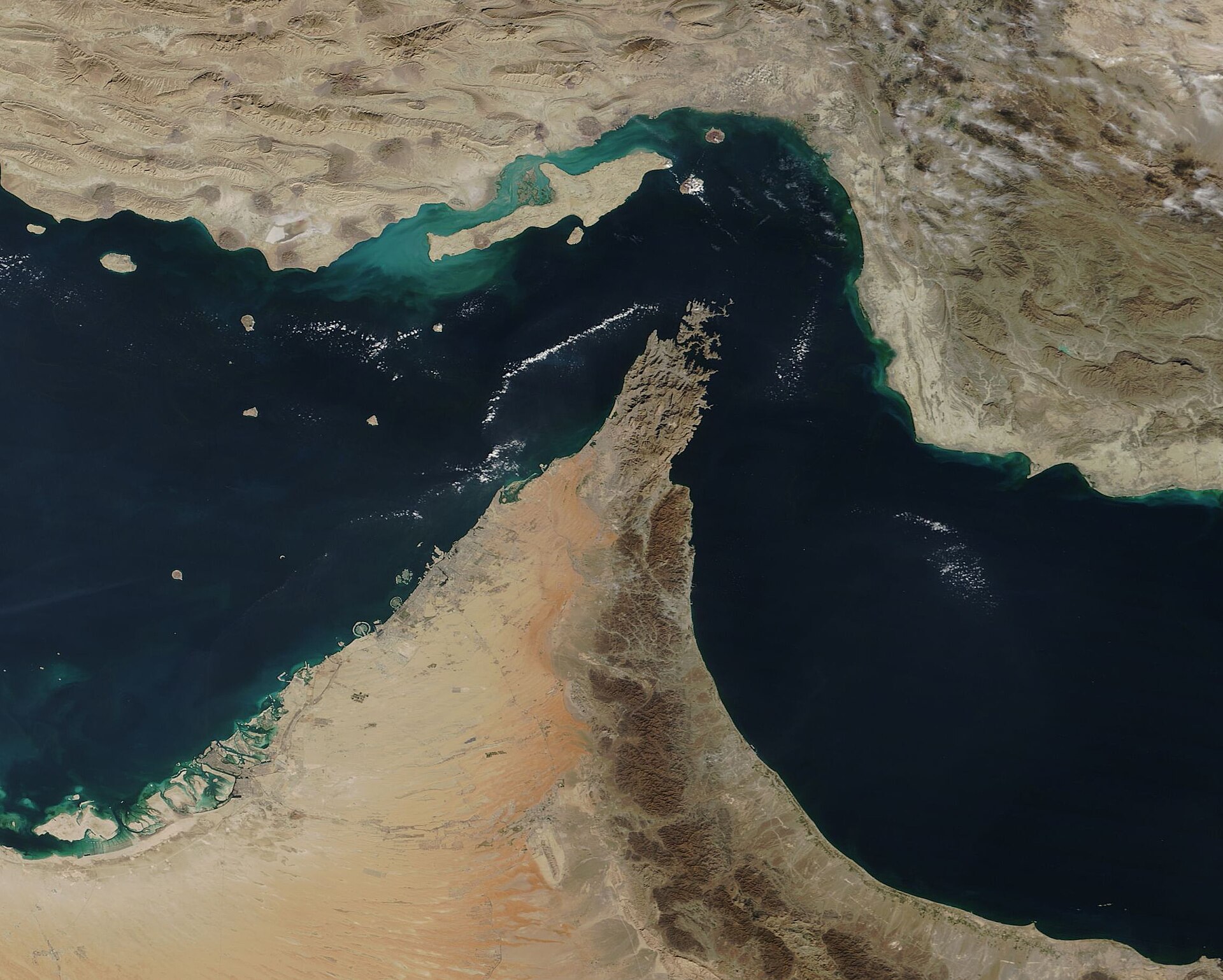
Roughly half of all Indian crude imports — between 2.5 and 2.8 million barrels per day — transit the Gulf and Hormuz corridor. India was not just buying Iranian oil; it was shipping non-Iranian oil through waters Iran now claims to control. The IRGC’s decision to fire on Indian-flagged vessels did not merely end the crude trade. It threatened the entirety of India’s Gulf energy supply chain, including Iraqi, Saudi, Kuwaiti, and Emirati barrels that Indian refineries depend on for daily operations.
That is why the summoning was not theatre. India’s energy security apparatus cannot tolerate a situation where the passage of its tankers depends on whether an IRGC gunboat commander honours an assurance that the Iranian ambassador gave five days ago and the IRGC command structure never ratified. The commercial relationship required predictability. The IRGC just proved it cannot provide any.
Who Does Iran Have Left?
The question hanging over the final 96 hours before the April 22 ceasefire expiry is not whether Iran wants a deal. Pezeshkian has made clear — publicly, desperately — that the economy cannot survive without one. The question is whether any major power retains both the structural incentive and the diplomatic access to argue for Iranian interests in whatever endgame negotiations remain. Run through the list and the answer becomes progressively more uncomfortable.
China made 26 phone calls through Wang Yi during the ceasefire period. Beijing facilitated the LNG tanker Al Daayen‘s transit. It ran oil payments through yuan-denominated channels. But Sinopec’s president, Zhao Dong, publicly stated the company “basically won’t buy” Iranian crude despite GL U. Five Shandong teapot refineries — the small independent processors that had been Iran’s last reliable Chinese customers — stopped purchasing in April. China’s strategic petroleum reserve holds 1.2 billion barrels, enough for 109 days of cover, meaning Beijing has no urgent supply-side reason to fight for Iranian access. And intelligence reports about Chinese weapons shipments to Iran have complicated Beijing’s credibility as a neutral mediator. China will call for restraint. It will not spend political capital on Tehran’s behalf.
Russia received the clearest possible signal on April 18 that its interests and Iran’s have formally diverged in Washington’s sanctions architecture. GL 134A — Russia’s equivalent of Iran’s GL U — was quietly extended on the same day Iran’s licence expired. Moscow got continued financial accommodation. Tehran got cut off. Russia is focused entirely on parlaying its own extended waiver into broader sanctions relief through whatever channel Trump’s team opens. Advocating for Iran in Washington would jeopardise that position. Russia will express solidarity. It will not act on it.
Turkey has Erdogan explicitly working to extend the ceasefire, and Foreign Minister Fidan described recent talks as “sincere.” But Turkey has no economic weight over Iran that matters in this context — it is not buying significant Iranian crude, not providing sanctions workarounds, not offering the financial lifeline that India was. Turkey can facilitate. It cannot rescue.
Pakistan is the most structurally compromised potential advocate. Army Chief Munir visited IRGC command on April 16 — the Khatam al-Anbiya headquarters run by Abdollahi, the same commander Pezeshkian publicly accused of wrecking the ceasefire. Pakistan is the ceasefire’s sole enforcement mechanism, but a $5 billion Saudi loan maturing in June 2026 means Islamabad’s financial survival is tied to Riyadh, not Tehran. Pakistan is an enforcer, not an advocate. The 27th Constitutional Amendment makes ceasefire diplomacy Munir’s operation, not the elected government’s. He answers to institutional interests that align with Riyadh’s.
Oman, historically the primary US-Iran back channel, has been effectively sidelined by the hostilities. Oman’s transport minister publicly rejected Hormuz toll proposals. The traditional quiet diplomacy that Muscat specialised in requires a level of Iranian governmental coherence that no longer exists when the foreign minister’s assurances are overridden by gunboat commanders within the week.
“You gave me clearance to go. You are firing now! Let me turn back!” — Captain of the Sanmar Herald, April 18, 2026
The Saudi Crude Displacement Race
India’s departure from Iranian crude creates an immediate and brutal competition for the refinery slots that Tehran just vacated. Saudi Arabia, the UAE, Iraq, and Russia are all positioning to fill those 400,000 barrels per day — and for Riyadh, the stakes extend well beyond market share. Saudi Arabia’s March production crashed to 7.25 million bpd, down from 10.4 million in February — a 3.15 million barrel per day drop, or 30 percent, that the IEA called the “largest disruption on record.” Asian exports fell 38.6 percent. Every Indian refinery slot that opens up is a slot Saudi Aramco needs.
The displacement arithmetic is stark. India’s total Gulf-corridor crude dependency runs between 2.5 and 2.8 million bpd. Iranian barrels represented roughly 400,000 of those. With Iran eliminated as a supplier and Indian refiners now actively avoiding Hormuz-routed cargoes where possible, the competitive advantage shifts to producers who can deliver via alternative routes — or who can guarantee passage. Saudi Arabia’s East-West Pipeline to Yanbu, despite the IRGC strike on a pumping station on April 8, operates at an effective ceiling of four to 5.9 million bpd. That pipeline bypasses Hormuz entirely, routing crude to Red Sea terminals where Indian tankers face no IRGC gunboat risk.
Saudi Arabia had already lost Indian market share during the sanctions era — from 16 percent of India’s crude imports down to 11 percent as Indian refiners diversified. The GL U period briefly made Iranian crude competitive again in Indian markets, with Iran offering barrels at a premium of six to eight dollars above Brent — high, but palatable given the yuan settlement channel’s advantages for refiners seeking sanctions-proof documentation. With that channel closed and Indian ships physically endangered in the Strait, Saudi crude delivered via Yanbu becomes the path of least resistance for procurement officers who watched the Sanmar Herald audio go viral.
The June OSP reset — Saudi Arabia dropped its premium by $16 from May’s wartime high of +$19.50 to +$3.50 per barrel — is timed precisely for this displacement competition. Aramco is pricing for market recovery. Every barrel India buys from Saudi Arabia instead of Iran is a barrel that supports Saudi fiscal math at a moment when Goldman Sachs estimates the war-adjusted deficit at 6.6 percent of GDP, roughly double the official projection.
The Authorization Ceiling: Why Pezeshkian Cannot Fix This
The India crisis is not a diplomatic failure. Diplomacy requires the person making promises to have the authority to keep them. Ambassador Fathali assured India of safe passage on April 13 because that is what the civilian foreign policy apparatus told him to say. Foreign Minister Araghchi has been saying similar things in Islamabad, in Doha, and on every international call he can get on his schedule. The problem is constitutional, and it is absolute: under Article 110, the president of Iran has zero authority over the Islamic Revolutionary Guard Corps.
The IRGC answers to the Supreme Leader. The Supreme Leader has been absent from public view for 48 days. His son, Mojtaba, operates audio-only. The IRGC’s Navy — whose commander, Tangsiri, was killed on March 30 and has not been publicly replaced — operates in a headless but fully autonomous mode where field commanders make enforcement decisions that override the entire civilian government. None of this is new. But until April 18, its consequences were primarily felt by ceasefire mediators and Western diplomats.
Pezeshkian himself made this explicit. On April 4, he publicly named SNSC Secretary Vahidi and Khatam al-Anbiya commander Abdollahi as the officials who wrecked the Islamabad ceasefire process. “Deviation from the delegation’s mandate,” the Zolghadr report called it. Pezeshkian accused his own security establishment of sabotage, on the record, and nothing changed. Vahidi holds an INTERPOL red notice for the 1994 AMIA bombing. Abdollahi commands the IRGC’s economic and construction empire. Neither man answers to the president. Neither man has any incentive to defer to Indian commercial interests when the IRGC’s institutional position is that Hormuz is a military asset under wartime management.
This is why the Indian summoning, while diplomatically necessary, cannot produce a resolution through Iranian civilian channels. Misri told Fathali to convey India’s views to “the authorities in Iran.” Which authorities? The ones who gave the clearance, or the ones who opened fire? Fathali can deliver the message to Araghchi, who can deliver it to Pezeshkian, who can deliver it to a wall. The IRGC demonstrated on April 18 that its operational decisions in the Strait override any diplomatic commitment the Foreign Ministry makes. India’s ambassador-level protest is aimed at a government that does not control the forces that caused the incident.
Now the ceiling has a commercial body count: six ships turned back, live rounds fired, 778 Indian seafarers endangered, and a multi-billion-dollar trade relationship shattered in a single morning. The IRGC did not intend to attack India. It intended to enforce its Hormuz cordon. India just happened to be in the way. That distinction matters to international lawyers. It does not matter to Indian refinery procurement officers cancelling contracts.
Ninety-Six Hours
The ceasefire expires on April 22. From the moment India summoned Fathali on April 18, that left 96 hours — four days — for a diplomatic framework that has been collapsing since Vance walked out of the Islamabad talks. The US blockade has now deterred 23 vessels, up from 13 just 48 hours prior, a 77 percent increase that suggests CENTCOM is accelerating interdiction operations ahead of the deadline. The FDD estimates that the blockade costs Iran’s economy $435 million per day. Iran’s consumer prices have risen 40 percent since the war began six weeks ago. Food inflation hit 105 percent in February. The rial has shed another eight percent on the black market. Iranian authorities, Fortune reported on April 12, will “have trouble making payroll” without sanctions relief.
Against that backdrop, Iran’s remaining card is nuclear. The 440.9 kilograms of highly enriched uranium at 60 percent — the stockpile that has been growing since IAEA access was terminated on February 28 — cannot be blockaded, sanctioned, or fired upon without consequences that dwarf the current conflict. At 60 percent enrichment, Iran is approximately 25 days and one IR-6 cascade reconfiguration away from weapons-grade material per device. That timeline is shorter than the gap between now and the next realistic ceasefire negotiation window. Everyone in the region knows it. It is the reason Turkey is still calling. It is the reason Wang Yi made 26 phone calls. It is the reason the ceasefire framework exists at all, despite every participant’s scepticism about its enforceability.
But nuclear cards are a currency you can only spend once, and they do not buy groceries. Iran needs an interlocutor who can translate nuclear restraint into economic relief — a country that can sit across from Bessent’s Treasury, or Rubio’s State Department, and argue that keeping Iran minimally solvent serves global stability. India was that country. India had the democratic credibility, the non-aligned tradition, the commercial relationship, and the institutional memory of a partnership that predated the Islamic Revolution. India was the interlocutor who could walk into a G7 side meeting and say: we buy their crude, we know their system, they can be dealt with. The IRGC ended that argument with a burst of gunfire in the Strait of Hormuz on a Friday morning in April.
| Country | Economic Incentive | Diplomatic Access | Will Advocate? |
|---|---|---|---|
| India | Eliminated (GL U expired + IRGC fired on ships) | High (summoned ambassador) | No — actively hostile |
| China | Declining (Sinopec out, teapots stopped, SPR full) | High (Wang Yi 26 calls) | No — facilitates, won’t spend capital |
| Russia | Divergent (GL 134A extended, focused on own relief) | Medium | No — solidarity without action |
| Turkey | Minimal (no significant crude trade) | High (Erdogan ceasefire push) | Partial — facilitator, not rescuer |
| Pakistan | Opposite ($5B Saudi loan, June 2026) | High (Munir at IRGC HQ April 16) | No — enforcer, not advocate |
| Oman | Minimal | Sidelined by hostilities | No — back channel broken |
Iran’s state media has not directly addressed the India summoning. The IRGC defended its reimposition of Hormuz control by saying ceasefire conditions were not met by the American side — a framing that renders Indian ships as collateral in a US-Iran confrontation rather than victims of an Iranian decision to fire on a partner state’s fleet. That framing might play domestically. It does not play in New Delhi, where the Sanmar Herald captain’s voice — panicked, betrayed, under fire from a country whose ambassador had promised him safe passage less than a week ago — is now the definitive sound of the India-Iran relationship.
Pezeshkian warned that Iran’s economy could collapse in three to four weeks. That warning was issued before India was eliminated as a customer. Before GL U expired. Before the CENTCOM blockade doubled its vessel count. The three-to-four-week clock was already ticking. The IRGC just smashed the mechanism that might have slowed it down.
Frequently Asked Questions
Could India resume Iranian oil purchases if a ceasefire is reached before April 22?
Not without a new OFAC general licence, which would require Treasury Department action that typically takes weeks to draft, review, and publish in the Federal Register. Even if a ceasefire were signed on April 22 itself, the legal mechanism for Indian refiners to resume Iranian crude purchases would not exist until Washington chose to recreate it. The yuan settlement channel through ICICI Bank Shanghai would also need to be re-established, and Indian banks’ compliance departments — having watched GL U expire with no wind-down — would impose far more restrictive conditions on any future Iranian transactions. The commercial relationship required years of negotiation to rebuild in March 2026. Rebuilding it a second time, after live fire, would take longer.
Why did the IRGC fire on Indian ships specifically, given India’s importance to Iran’s economy?
The IRGC almost certainly did not target Indian vessels as Indian vessels. The Hormuz cordon applies to all commercial shipping that has not received IRGC-specific clearance through designated routes. The Sanmar Herald‘s captain received clearance to transit — but from a different authority than the gunboat crews enforcing the cordon on the water. India was not specifically targeted. It was specifically not exempted, which in wartime amounts to the same thing. With no publicly named successor to the killed Admiral Tangsiri, IRGC Navy field commanders are making enforcement decisions without a coherent naval chain of command above them — a structural condition that makes exemptions for specific nationalities practically impossible to enforce.
What happens to the 778 Indian seafarers currently aboard vessels in the Gulf region?
India’s Directorate General of Shipping and the Ministry of External Affairs face an operational crisis that extends beyond the oil trade. Indian-crewed vessels — including those flagged by other nations — transit Hormuz routinely for commercial purposes unrelated to Iranian crude. The IRGC’s demonstrated willingness to fire on Indian-flagged ships creates an insurance and crewing crisis: P&I clubs (maritime insurers) will reassess war-risk premiums for Indian-flagged vessels in the Gulf, potentially making Indian-flagged transits commercially unviable even for non-Iranian cargo. Indian maritime unions have already raised safety concerns. The practical consequence may be that Indian seafarers on Gulf-route vessels face either route diversions adding days to voyages or reassignment to non-Gulf trades entirely.
Is Iran’s 440.9 kg of enriched uranium actually usable as a negotiating instrument in the next 96 hours?
Only as a threat, not as a deliverable. The material does not need to reach weapons-grade to function as coercive pressure. Iran can begin the reconfiguration visibly, or expel the remaining IAEA monitoring capability that allows the international community to track enrichment levels — Iran already terminated IAEA access on February 28, meaning the international community’s knowledge of current enrichment status degrades by the day. That ambiguity is itself a form of pressure. The nuclear card is a slow-burn instrument, not a 96-hour negotiating chip, but it is the only card Iran holds that no blockade can confiscate.
The Last Interlocutor
India’s relationship with Iran survived the 1979 revolution, survived the Iran-Iraq war, survived three rounds of international sanctions, survived Trump’s 2019 waiver cancellation, and survived seven years of zero bilateral crude trade. It did not survive five days. Between April 13, when Ambassador Fathali assured India of safe Hormuz passage, and April 18, when IRGC gunboats opened fire on the Sanmar Herald, the last structural advocate for Iranian economic viability in the international system removed itself from the role — not through strategic calculation, but because the IRGC made continued advocacy physically dangerous.
The ceasefire expires in 96 hours. China has withdrawn commercially. Russia has been given its own separate deal. Turkey can mediate but cannot rescue. Pakistan owes Saudi Arabia $5 billion in June. Oman’s back channel is broken. And India — the one major democracy that bought Iranian crude, settled in yuan, maintained diplomatic warmth through decades of Western sanctions pressure, and retained the institutional credibility to argue Tehran’s case in rooms where it mattered — India is on the phone to its shipping companies, checking the position of every Indian-flagged vessel in the Gulf, and deciding which routes to reroute and which seafarers to pull. The IRGC’s Hormuz gunboats did not just turn back six ships on April 18. They turned back the last country that had a reason to keep Iran’s economy breathing.