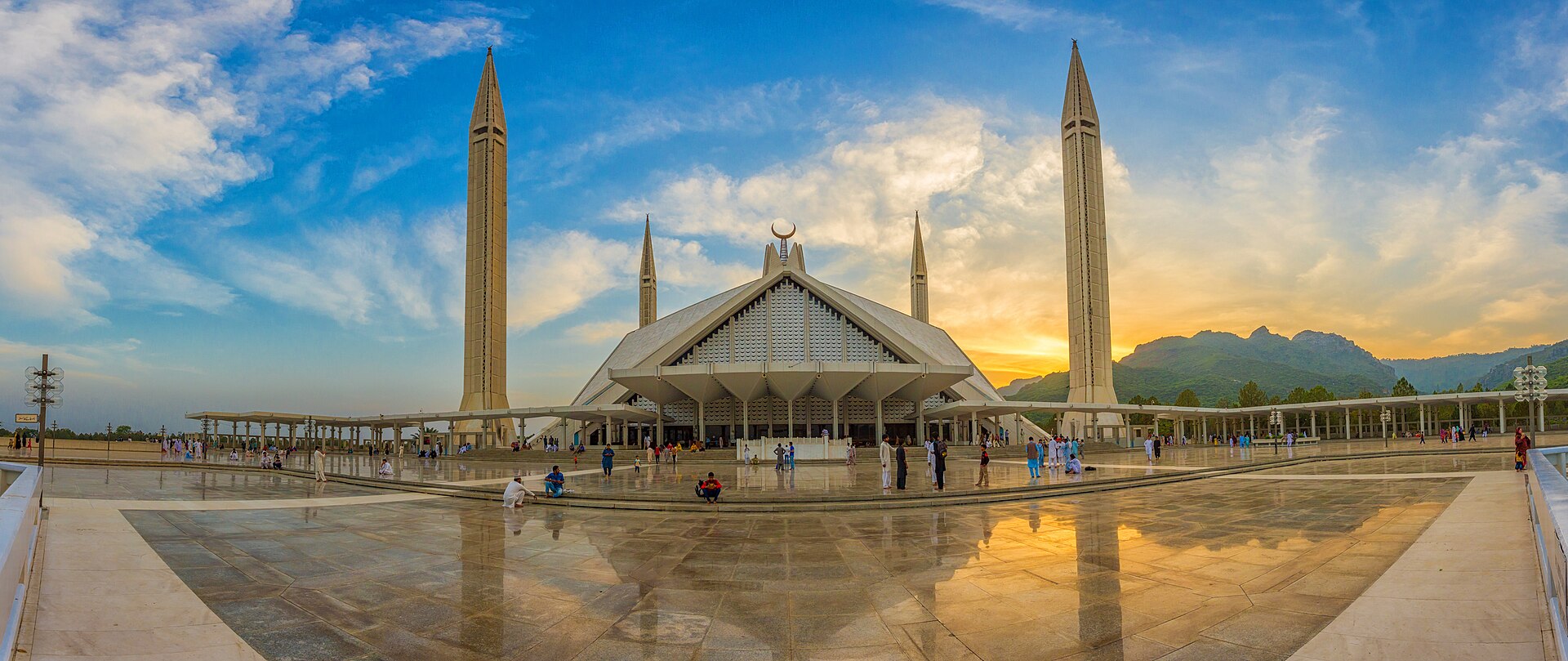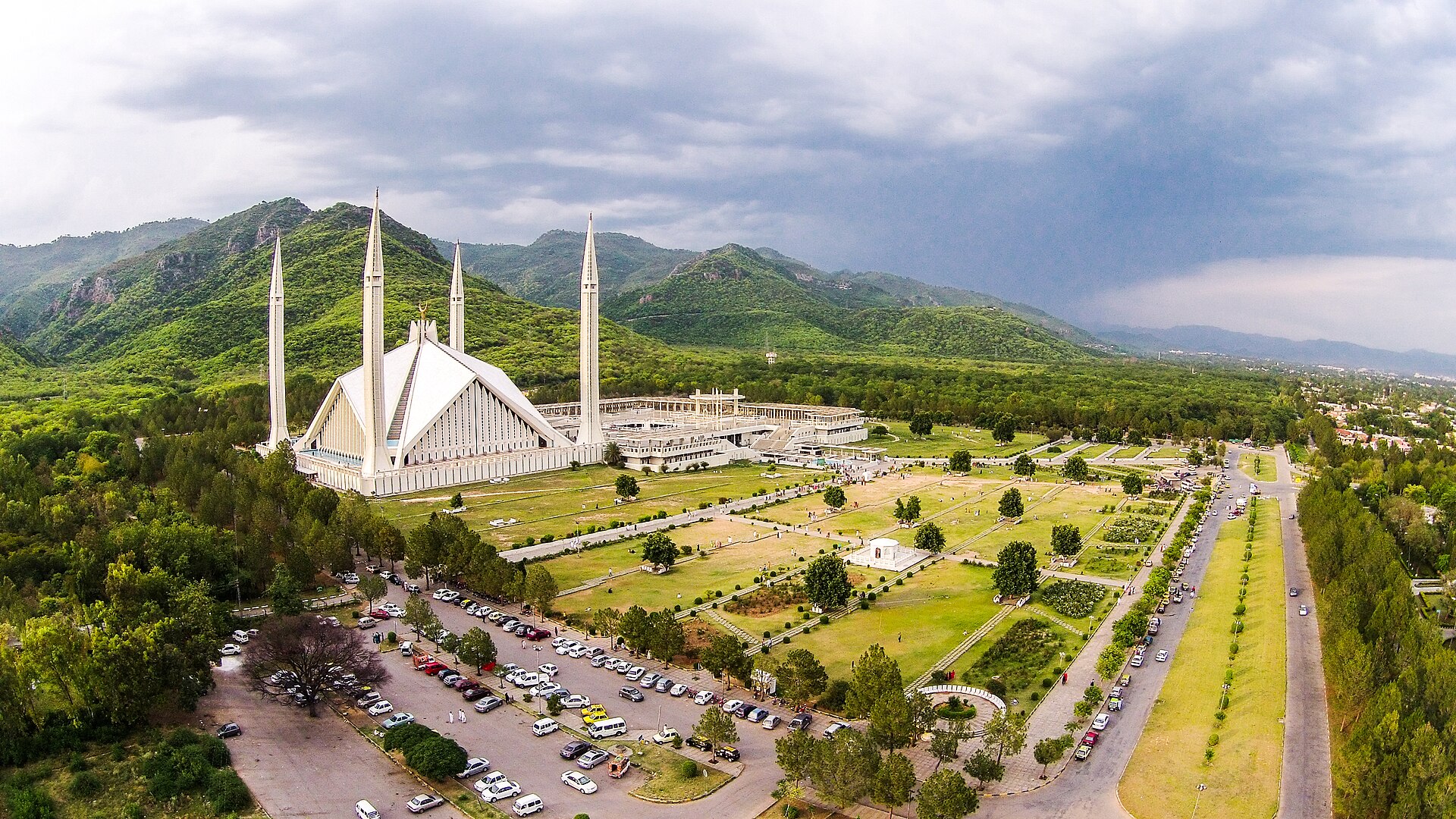

ISLAMABAD — Iran refused on Monday to attend a second round of ceasefire talks in Islamabad, leaving US Vice President JD Vance flying toward a negotiating table with an empty chair across from him and a truce that expires in less than 48 hours. President Donald Trump, asked by PBS News what happens when the clock runs out, offered three words of clarification: “Then lots of bombs start going off.”
The refusal, announced by Iranian Foreign Ministry spokesman Esmail Baghaei on April 20, was framed as a principled stand against American bad faith — the naval blockade, the seizure of the container ship Touska, what Tehran called Washington’s “excessive demands, unrealistic expectations, constant shifts in stance, repeated contradictions.” That framing is tidy and it is misleading. The evidence from the past two weeks points to something more dangerous than a country choosing not to negotiate. It points to a country that cannot.
Table of Contents
The Refusal
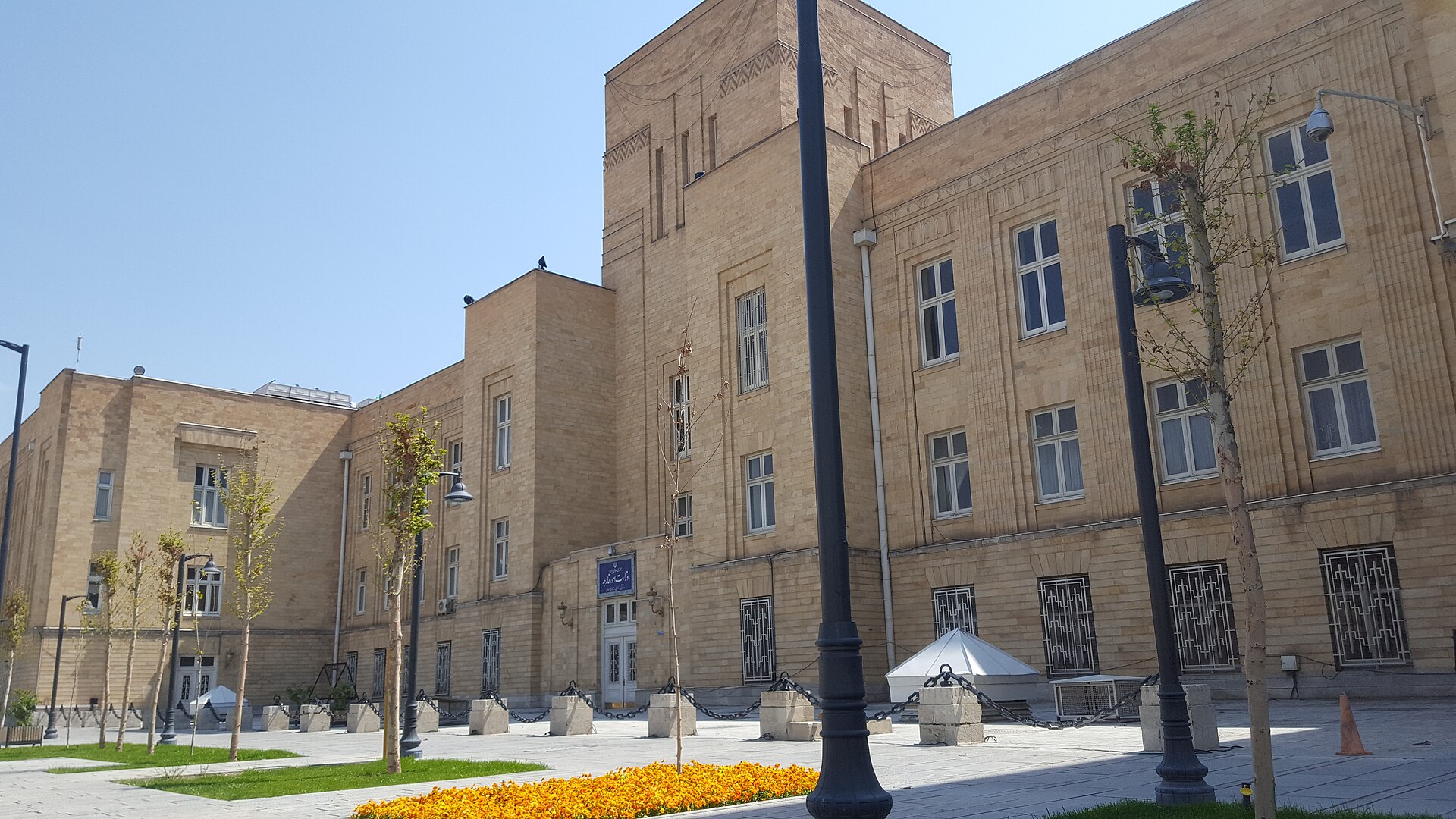
Baghaei’s statement, carried by Iran’s state news agency IRNA, was categorical. Tehran has “no plans yet regarding a second round of talks,” he said, accusing Washington of lacking “seriousness in pursuing a diplomatic process.” He called the US naval blockade — imposed on April 13, one day after the first round of Islamabad talks ended without agreement — “unlawful and criminal,” amounting to “war crime and crime against humanity.” The United States, he said, “violated the ceasefire from the beginning of its implementation.”
The language was calibrated for domestic consumption and international sympathy. IRNA’s official list of grievances ran five items deep: excessive demands, unrealistic expectations, constant shifts in stance, repeated contradictions, and the ongoing naval blockade. It read like a legal brief drafted for an audience that does not exist — there is no court, no arbitrator, no mechanism to adjudicate these complaints before the ceasefire expires at 8 p.m. ET on Tuesday, which is 3:30 a.m. Wednesday in Tehran. What the statement did not contain was any hint of the war raging inside Iran’s own command structure — the war that made the refusal inevitable regardless of what Washington did or did not do at the negotiating table.
The Authorization Ceiling
The Institute for the Study of War assessed on April 18–19 that Vahidi and IRGC hardliners have assumed “at least temporary dominance” over both Iran’s military operations and its negotiating stance, sidelining Abbas Araghchi and other pragmatists. Iran’s nuclear negotiator was cut out not by Washington but by his own side. In an earlier assessment, ISW described the US as “negotiating with a divided committee of hardliners and pragmatists that lacks a cohesive, unified position.”
This is the authorization ceiling that President Masoud Pezeshkian himself exposed on April 4, when he publicly accused Vahidi and IRGC Khatam al-Anbiya commander Abdollahi of wrecking the ceasefire. Under Iran’s constitution, Article 110 places the armed forces under the Supreme Leader’s direct authority. The president has zero operational control over the IRGC. That constitutional architecture becomes a trap when the Supreme Leader is absent — and Ayatollah Ali Khamenei has not been seen in public for more than 44 days.
The Middle East briefing 3,000+ readers start their day with.
One email. Every weekday morning. Free.
The sequence over the past week made the internal fracture visible to anyone paying attention. On April 17, Araghchi declared the Strait of Hormuz “completely open” — a concession aligned with the ceasefire’s spirit. Within hours, the IRGC reversed him, closing the strait again, according to NPR and the Washington Post. Thirty-five vessels reversed course in the 36 hours that followed, according to Windward maritime intelligence data. The faction that controls Iran’s diplomats said one thing; the faction that controls Iran’s guns did the opposite.
“The Iranian political officials currently negotiating with the United States do not have the authority to independently determine Iran’s negotiating positions.”
— Institute for the Study of War, April 18–19 assessment
Araghchi could not deliver what he offered. The evidence runs further than ISW’s assessment: the IRGC embedded a monitor named Zolghadr in the Islamabad delegation during round one specifically to enforce the authorization ceiling. When Araghchi expressed flexibility on the Axis of Resistance, Zolghadr reported that he had “surpassed his mandate.” The delegation was recalled. Iran’s refusal to attend round two is the downstream consequence of that recall — not a negotiating tactic but the output of a system in which the man willing to negotiate has been overruled by men who are not, and the only person who could break the tie has been absent for six weeks.
Ghalibaf’s Fracture
Mohammad Bagher Ghalibaf is not an easy man to read. The Parliament Speaker and former IRGC Aerospace Force commander (1997–2000) sat across from Vance during the first direct US-Iran talks since 1979 in Islamabad on April 11. His public statements since then have carried the cadence of IRGC orthodoxy. On April 20, he told PressTV: “We do not accept negotiations under the shadow of threats.” He added: “Over the past two weeks, we have prepared ourselves to reveal new cards on the battlefield.” He accused Trump of wanting “to turn the negotiating table into a table of surrender or to justify renewed warmongering.”
That was Sunday. On Monday, April 21, something shifted — or appeared to. BusinessToday India reported that Ghalibaf described opponents of a deal as “extremist.” The report is developing and should be treated with appropriate caution; it has not been confirmed by Iranian state media, and Ghalibaf’s public record over the past week is one of alignment with the hardline position, not departure from it.
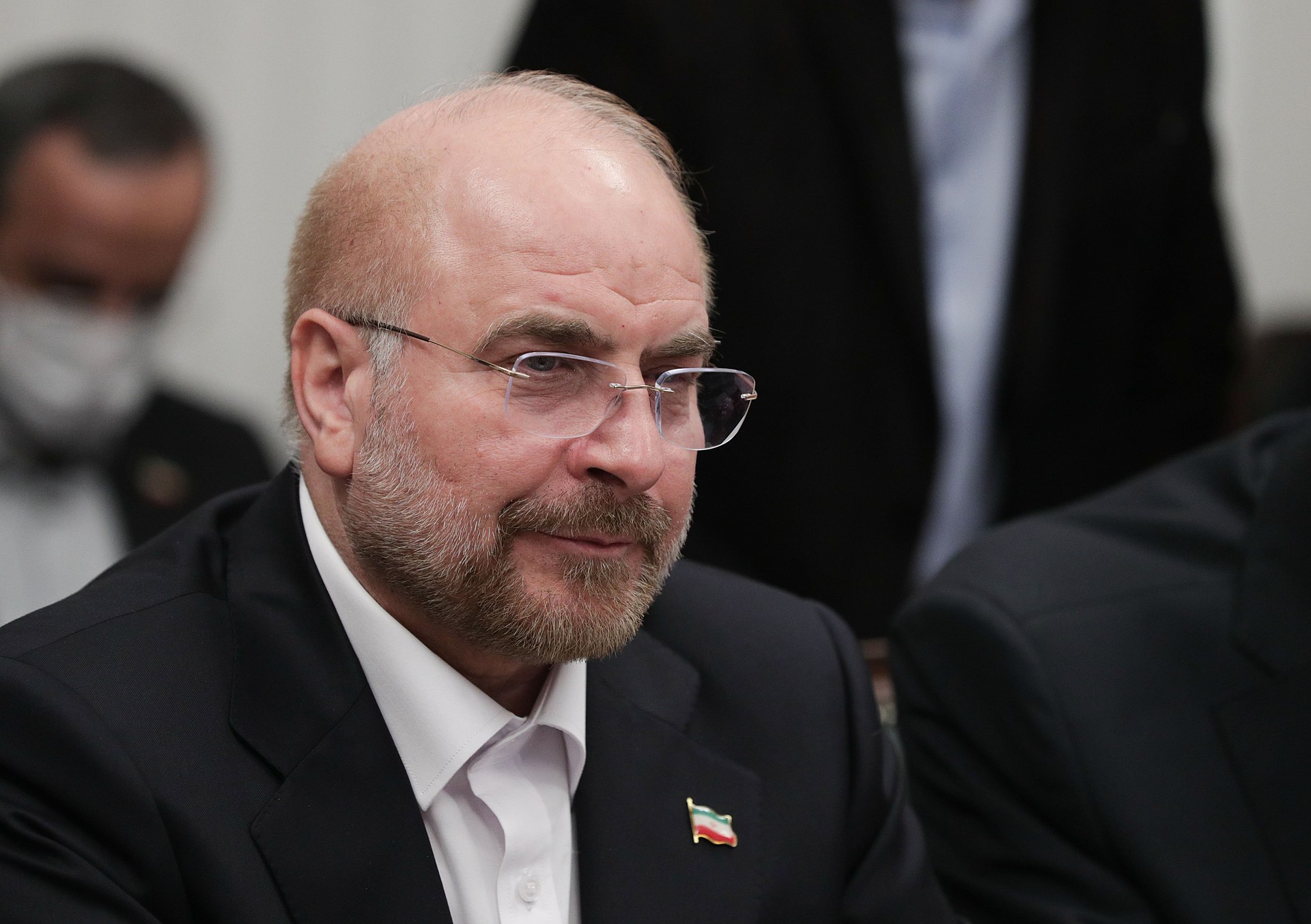
If the report holds, the implications run deep. Ghalibaf is not a reformist. He is an IRGC man who ran the Aerospace Force when it was developing Iran’s ballistic missile program. His political career has been built on straddling the line between pragmatism and revolutionary credentials. For him to publicly label deal opponents as extremists would represent the first visible crack in the IRGC-aligned bloc that has controlled Iran’s posture since the ceasefire began. It would also mean the authorization ceiling may not be as solid as ISW’s April 18–19 assessment suggested — that Vahidi’s dominance faces internal challenge from within the IRGC’s own political network.
Or Ghalibaf may be positioning himself for a post-ceasefire reckoning in which someone needs to absorb the blame for what comes next. Both readings are plausible. Neither is comfortable.
Vance Arrives Alone
Multiple US government aircraft landed at Pakistan Air Force Base Nur Khan by Sunday, April 20, carrying communications equipment and motorcade support vehicles, according to Al Jazeera. The advance deployment was for a delegation led by Vice President Vance, Special Envoy Steve Witkoff, and Jared Kushner — the same team that spent 21 hours in talks with Araghchi and Ghalibaf during round one on April 11–12, the talks that ended without agreement and were followed within 24 hours by the US naval blockade.
Trump confirmed the timeline on Truth Social, saying US negotiators were heading to Islamabad “tomorrow night.” In the same post, he framed the stakes in language that left no ambiguity about the alternative: “We’re offering a very fair and reasonable DEAL, and I hope they take it because, if they don’t, the United States is going to knock out every single Power Plant, and every single Bridge, in Iran.” Separately, he told Bloomberg that a ceasefire extension was “highly unlikely” if no deal materialized by Wednesday night.
The decision to fly Vance to Islamabad despite Iran’s announced absence carries two possible readings, and the Trump administration may intend both simultaneously. The first is pressure: physical American presence in Pakistan’s capital, 48 hours before the ceasefire expires, with the world watching Iran’s empty chair. The second is preparation — establishing Vance on the ground as the administration’s senior decision-maker in the region if and when the ceasefire collapses and strike authorization is required. CNN reported on April 20 that Trump’s Truth Social posts had caused “a deal that seemed close” to wobble. Vance’s presence in Islamabad could be the steadying counterweight, or it could be the staging.
The Touska and the Strait
On April 19, US Marines rappelled from helicopters onto the MV Touska, an Iranian-flagged container ship measuring 294 meters, in the Gulf of Oman. The boarding followed a six-hour standoff. When the Touska refused to comply, the USS Spruance fired into the ship’s engine room, according to CNN and CNBC. Kpler shipping data showed the vessel had loaded sodium perchlorate — a solid rocket fuel precursor — at Gaolan port in Zhuhai, China.
Iran’s military called the seizure “an act of armed piracy” and a violation of the ceasefire. The armed forces, a military spokesperson said on April 19, “will soon respond and retaliate.” Baghaei folded the Touska into his catalogue of American provocations on Monday, part of the evidence that Washington was never serious about diplomacy.
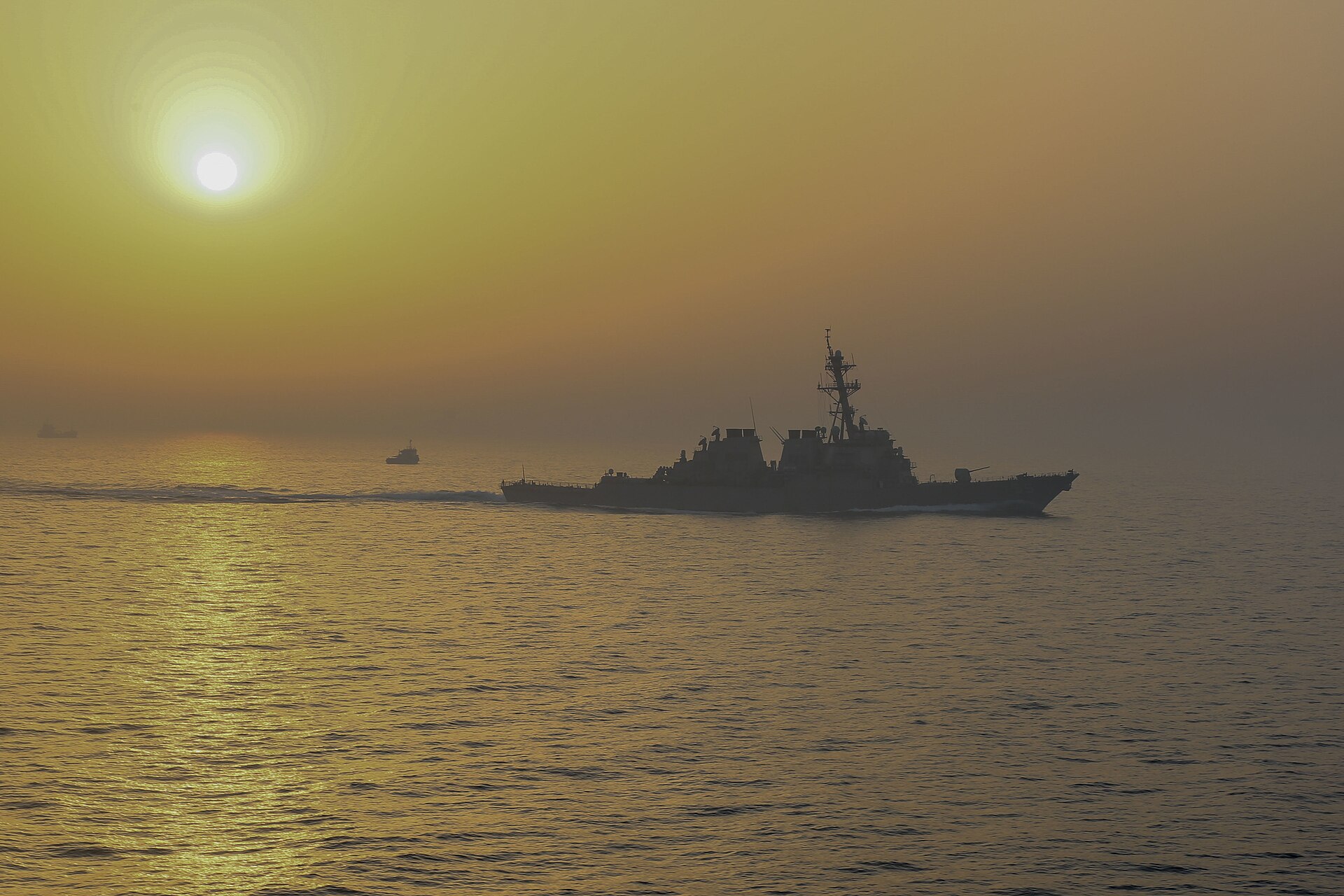
The Touska seizure sits inside a larger pattern at the strait. After the IRGC reversed Araghchi’s April 17 declaration that Hormuz was open, the closure reasserted itself with immediate commercial effect. Brent crude stood at $95.42 on April 20, up 5.58 percent. Goldman Sachs warned that if the Hormuz closure persists another month, Brent stays above $100 through the rest of 2026.
The strait is now the physical manifestation of the authorization ceiling. Araghchi opened it; the IRGC closed it. The foreign ministry says Iran wants peace; the navy mines the shipping lanes. Two institutions, two policies, one country — and no one with the authority to reconcile them. The ceasefire was always a political agreement. Enforcing it requires military compliance. And the military answers to a man who hasn’t been seen in 44 days.
Pakistan’s Impossible Position
Pakistan entered this crisis as a venue and became an enforcer almost by accident. Field Marshal Asim Munir traveled to Tehran on April 15 carrying what Al Jazeera described as “a new message from Washington.” Pakistan’s goal for round two was ambitious: multi-day talks culminating in a memorandum of understanding that would extend the ceasefire by up to 60 days, according to Al Jazeera reporting on April 20. Pakistani officials described themselves as “cautiously hopeful.”
That hope now rests on whether Pakistan can get Iran back to the table before Tuesday evening — a task that requires persuading not Araghchi, who was willing, but the IRGC command structure that overruled him. Pakistan’s pull is real but limited. It has served as Iran’s protecting power in the United States since 1992. It signed the Saudi Military and Defense Agreement in September 2025, making it simultaneously Tehran’s interlocutor and Riyadh’s treaty ally. A $5 billion Saudi loan matures in June 2026, adding financial gravity to the diplomatic balancing act.
Munir’s visit to Khatam al-Anbiya headquarters on April 16 — Abdollahi’s command, the same Abdollahi that Pezeshkian accused of wrecking the ceasefire — was the clearest signal that Pakistan understands where the real decision-making power sits. The 27th Constitutional Amendment concentrates foreign policy authority in Munir’s hands rather than the elected government’s, meaning Pakistan’s ceasefire diplomacy runs through its military chief, not its prime minister. One military chief trying to persuade another country’s military establishment to allow its own diplomats to do their jobs. The structural absurdity is the point.
The Clock
The two-week ceasefire agreed on April 8 expires at 8 p.m. Eastern Time on Tuesday, April 22 — 3:30 a.m. Wednesday morning in Tehran, the small hours when military operations traditionally begin. Trump told Bloomberg the extension is “highly unlikely” without a deal by Wednesday night. His PBS interview was blunter. Liz Landers asked what happens when the ceasefire expires. “Then lots of bombs start going off,” Trump said.
The pattern of the past 48 hours is simultaneous escalation from both sides, each move raising the cost of the next: Iran refuses talks; the US seizes the Touska; Iran calls it piracy and threatens retaliation; Trump threatens to destroy every power plant and bridge in the country; Ghalibaf announces “new cards on the battlefield”; Vance’s aircraft touches down at Nur Khan. No one is making moves that create space for de-escalation.
“Then lots of bombs start going off.”
— President Donald Trump, PBS News phone interview, April 20, 2026
Pakistan’s window to arrange even a last-minute extension is narrowing by the hour. The 60-day MoU framework that Pakistani officials described to Al Jazeera requires Iranian participation, and Iran has said it is not participating. Ghalibaf’s reported “extremist” comment, if confirmed, might signal that pressure is building inside Tehran to reverse the refusal — but a single unconfirmed report from an Indian outlet does not constitute a policy reversal, and the IRGC hardliners who control the authorization ceiling have shown no public sign of yielding.
What remains is arithmetic. Roughly 40 hours separate the present moment from a ceasefire expiry that both sides have spent two weeks preparing to survive. The US has a vice president on the ground in Pakistan with no counterpart to negotiate with. Iran has a foreign ministry that wants to talk and a military establishment that won’t let it. And a 44-day absence at the top of a constitutional system designed to resolve exactly this kind of internal deadlock continues, unbroken and unexplained.
Background
The Iran-US conflict entered its active phase on February 28, 2026, following the collapse of nuclear negotiations and escalating confrontations in the Persian Gulf. The first round of direct talks — the first face-to-face meeting between senior US and Iranian officials since 1979 — took place in Islamabad on April 11–12, with Vance and Ghalibaf leading their respective delegations. Key sticking points included Iran’s stockpile of 440.9 kilograms of highly enriched uranium at 60 percent (the last public IAEA measurement, from June 2025, before Tehran terminated inspection access on February 28), enrichment rights, and sovereignty over the Strait of Hormuz.
The US imposed a naval blockade on April 13, the day after round one ended, targeting Iranian ports and vessels involved in the IRGC’s toll-collection regime at Hormuz. Pezeshkian publicly accused Vahidi and Abdollahi on April 4 of undermining the ceasefire, exposing the internal split that ISW later confirmed had resulted in hardliner dominance.
Frequently Asked Questions
What were the specific terms Iran rejected in round one?
The US proposed a 20-year moratorium on uranium enrichment, according to Axios reporting. Iran countered with monitored down-blending of its existing stockpile — a proposal that would preserve enrichment infrastructure while reducing the immediate breakout risk. Araghchi was reportedly “inches away” from a memorandum of understanding before the Vance walkout, per Axios sources, suggesting the gap between the pragmatist faction’s position and the US terms was smaller than the public rhetoric indicated. The collapse was driven less by the distance between proposals than by the IRGC’s refusal to authorize Araghchi to close that distance.
What is the MV Touska’s significance beyond the immediate seizure?
The Touska’s cargo — sodium perchlorate loaded at Gaolan port in Zhuhai, China — is a precursor for solid rocket fuel, which is used in ballistic missiles. The seizure represents not just an enforcement action against sanctions evasion but a direct interdiction of Iran’s missile production supply chain during an active conflict. China’s involvement as the loading origin adds a layer of geopolitical complexity: Beijing has positioned itself as a broker for Gulf energy transit through Hormuz while simultaneously serving as a supply node for Iranian military procurement. The six-hour standoff and the Spruance’s decision to fire into the engine room marked an escalation in US boarding procedures that sets a precedent for the remaining weeks of the blockade.
How does Khamenei’s absence compare to previous disappearances?
Khamenei has had health-related absences before, but none during an active military conflict of this scale or at a moment when the constitutional system required his arbitration between rival power centers. Previous absences were measured in days, not weeks. At 44-plus days, the current disappearance has lasted long enough to create a de facto power vacuum that Iran’s constitutional architecture — designed around a single figure with authority over both the military and the political system — cannot fill through normal mechanisms. His son Mojtaba Khamenei has reportedly been involved in audio-only communications, but audio participation does not carry the constitutional weight of direct orders, and the IRGC has historically required explicit, attributed authorization from the Supreme Leader for strategic decisions of this magnitude.
What military assets does the US have in position for post-ceasefire operations?
The Soufan Center estimated approximately 20,000 US troops in the theater as of early April. The USS Spruance’s involvement in the Touska seizure places at least one Arleigh Burke-class destroyer in the Gulf of Oman. The advance deployment of communications equipment and motorcade support to Nur Khan airbase — normally a logistics detail — indicates the US is establishing command-and-control infrastructure in Pakistan that could serve dual diplomatic and operational purposes. Trump’s specific threat to target “every single Power Plant and every single Bridge” echoes the infrastructure-targeting doctrine the US employed in earlier phases of the conflict, including the B-1 strike on the Karaj bridge on April 2 that killed eight people and wounded more than 95.
Can Pakistan realistically bring Iran back to talks before the deadline?
Pakistan’s position is structural but indirect. Munir’s April 15 visit to Tehran and his April 16 visit to Khatam al-Anbiya headquarters show Pakistan is engaging the IRGC directly, not just the foreign ministry. But Pakistan cannot compel Iranian attendance, and the IRGC hardliners who hold the authorization ceiling have domestic incentives to reject external pressure — yielding to a foreign military chief’s appeal would undermine their narrative of revolutionary self-sufficiency. The most realistic pathway would involve Ghalibaf, whose reported “extremist” comment may signal an internal push to reverse the refusal, using his IRGC credentials to broker a face-saving formula that allows Araghchi to return to Islamabad without Vahidi’s faction appearing to have conceded. Whether 40 hours is enough time for that internal negotiation to produce results is the question on which the ceasefire now depends.