
WASHINGTON — Trump announced a Lebanon ceasefire on June 1, 2026. Israeli Defense Minister Israel Katz denied it existed within hours. Iran’s negotiating team then cited the Katz statement as legal grounds for suspending all MOU talks — freezing the diplomatic track that underpins Saudi Arabia’s fiscal survival. The restart key no longer belongs to Washington or Tehran. It belongs to Benjamin Netanyahu, who has no incentive to use it and whom Riyadh cannot contact.
This is not a bilateral breakdown. It is a three-body incoherence: the United States says one thing, Israel says the opposite, and Iran treats the contradiction itself as a legal instrument. Saudi Arabia — excluded from all three tracks and hemorrhaging $153–180 million per day in lost oil revenue above breakeven — bears the full fiscal cost of a dispute it cannot enter, influence, or resolve. The three simultaneous signals from Trump on the same afternoon — Lebanon ceasefire, Truth Social optimism, and ABC News “next week” — are examined against the June 9 cliff in Trump Said Next Week. June 9 Said Otherwise.
What Did Trump Actually Announce on Lebanon?
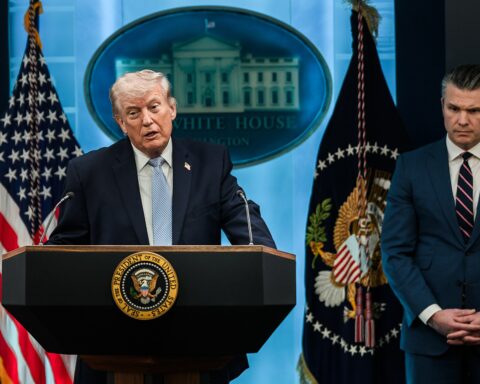
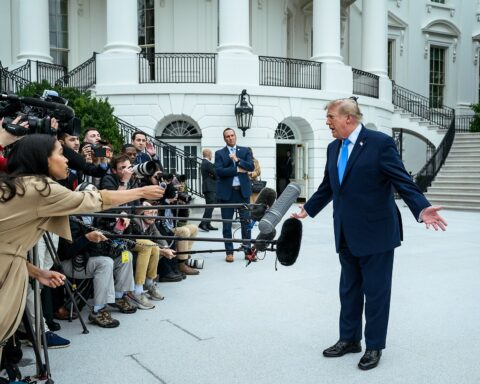
On June 1, 2026, Trump posted two statements on Truth Social that together constituted a unilateral ceasefire declaration covering Lebanon. The first claimed direct credit for stopping an Israeli operation: “I had a conversation with Bibi Netanyahu today, asking him not to go into a major raid of Beirut, Lebanon. He turned his Troops around. Thank you Bibi!” The second extended the claim to Hezbollah: “a very good call with Hezbollah, and they agreed that all shooting will stop — that Israel will not attack them, and they will not attack Israel.”
Neither statement carried the formal attributes of a ceasefire agreement. No signed document emerged. No mediator confirmed terms. No timeline or verification mechanism accompanied the announcement. Israeli military sources immediately told the Washington Post and the Times of Israel that no troops had been en route to Beirut — the “turned his Troops around” claim described a maneuver that did not exist.
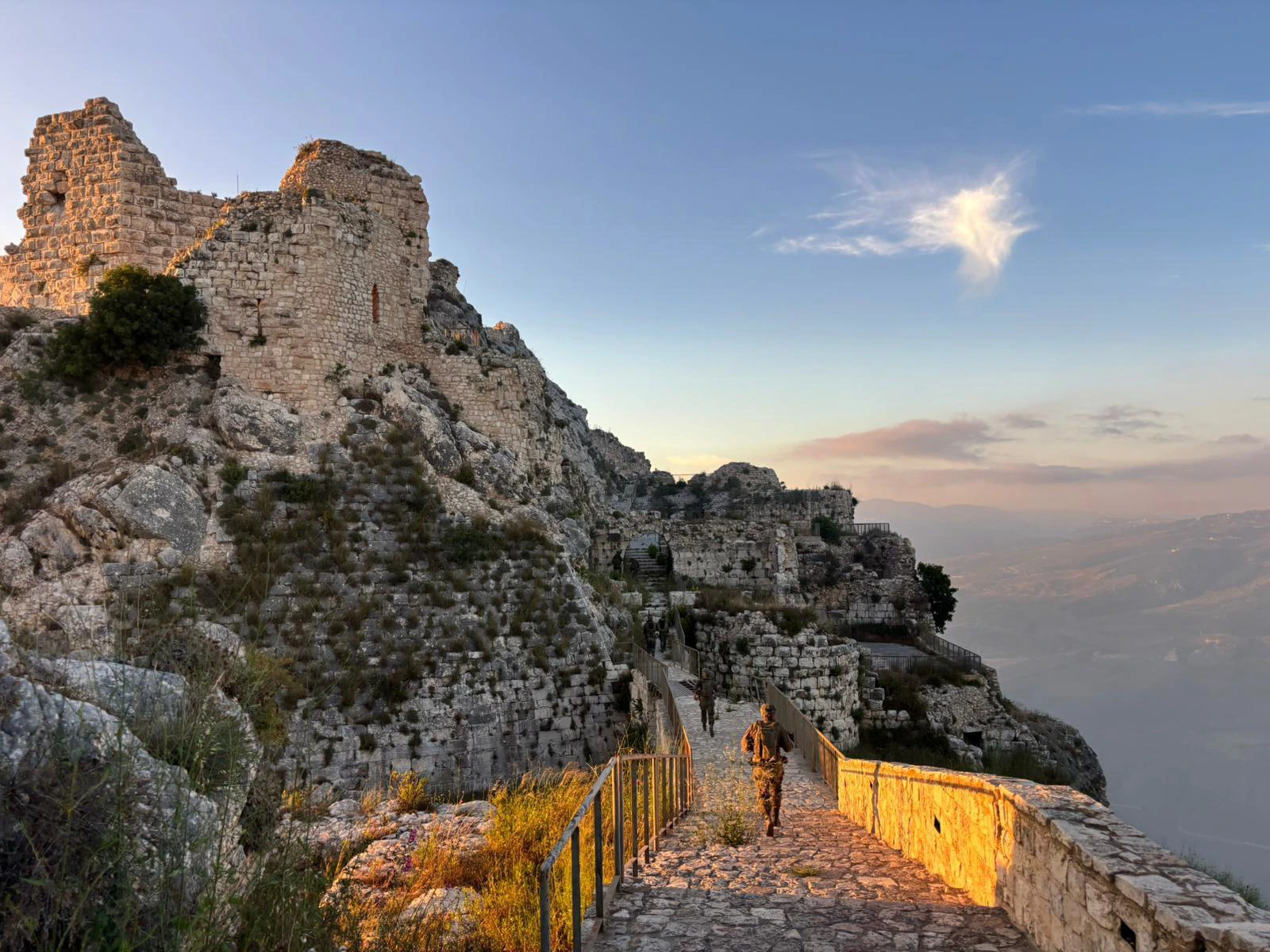
The announcements arrived one day after the IDF captured Beaufort Castle in southern Lebanon on May 31, with Netanyahu ordering troops across the Litani River in what CNN, Al Jazeera, and NPR described as a significant expansion of ground operations. On the same day Trump declared shooting would stop, Israel issued forced displacement orders to residents of seven villages in southern Lebanon — Houmine al-Faouqa, Bnaafoul, Arab Salim, Roumine, Aazze, Arkey, and Jbaa — according to Al Jazeera.
Trump’s Lebanon ceasefire was not a ceasefire in any operational sense. It was a rhetorical declaration that contradicted the observable military reality on the ground. What made it consequential was not what it achieved but what it enabled: a third party — Iran — treated it as a binding legal commitment and cited its violation as grounds for suspending the MOU.
The Middle East briefing 3,000+ readers start their day with.
One email. Every weekday morning. Free.
Katz Said No Ceasefire Exists. Both Statements Were Simultaneously True.
Israeli Defense Minister Israel Katz issued an unambiguous denial on the evening of June 1: “There is no ceasefire in Lebanon,” he told the Times of Israel. Netanyahu separately stated that “the IDF will continue to operate in southern Lebanon as planned.” These were not background briefings or anonymous leaks. They were on-the-record statements from Israel’s two most senior security officials, delivered within hours of Trump’s announcement.
The contradiction is not a matter of interpretation. Trump said shooting would stop. Katz said no ceasefire exists. Both spoke publicly, both spoke on the record, and both were addressing the same theater on the same day.
Yet by evening, both Netanyahu and Katz tacitly acknowledged Trump’s announcement by confirming Israel would not immediately strike Dahiyeh — Beirut’s southern suburbs. The “no ceasefire” statement and the operational pause coexisted simultaneously. Israel rejected the label while partially implementing the content. This created precisely the kind of legal ambiguity that a sophisticated adversary could exploit.
The CSIS assessment from earlier in 2026 had identified this structural vulnerability: “The ceasefire is less a resolution than a pause in a conflict whose underlying drivers remain not only intact but, in some cases, intensified.” What CSIS described as a fragile pause became, on June 1, an actively self-contradicting one — and Iran’s legal team was watching.
How Did Iran Convert the Contradiction Into a Legal Instrument?
Iran’s response to the Trump-Katz contradiction was immediate, precise, and legally constructed. Foreign Minister Abbas Araghchi posted on X: “The ceasefire between Iran and the US is unequivocally a ceasefire on all fronts, including in Lebanon. Its violation on one front is a violation of the ceasefire on all fronts. The US and Israel are responsible for the consequences of any violation.”
Araghchi’s formulation was not an emotional reaction. It was a legal assertion with three components. First, the ceasefire is indivisible — Lebanon is not a separate theater but part of the same agreement. Second, violation on one front constitutes violation on all fronts — a breach in Lebanon nullifies the entire framework. Third, responsibility rests with both the United States and Israel — Iran holds Washington liable for Jerusalem’s behavior.
Tasnim News Agency — the IRGC-affiliated outlet that functions as Iran’s operational messaging channel — then published the formal suspension notice: “Considering that Lebanon was one of the preconditions for the ceasefire and that this ceasefire has now been violated on all fronts, including Lebanon, the Iranian negotiating team is suspending dialogues and exchange of texts through mediators.” This came via Euronews and CNBC on June 1.
The critical distinction is in the verb. Araghchi did not say “we are suspending the ceasefire.” He said “the ceasefire has already been violated.” Iran presents itself as responding to a breach, not initiating one. The Carnegie Endowment had predicted this exact maneuver in April 2026: “If [Iran] continued to respect the ceasefire, despite Israeli violations in Lebanon, this would only underline Iran’s abandonment of its Lebanese allies, implying the latter’s sole purpose was to serve as Iranian cannon fodder.” Iran chose the other path — it suspended talks and activated the Bab al-Mandab threat rather than absorb the credibility cost of silence.
Trump responded by insisting: “Talks are continuing, at a rapid pace, with the Islamic Republic of Iran,” according to The Hill and CNN live updates. The two governments were now publicly disagreeing about whether negotiations were even occurring.
The Lebanon Clause Was Built Into the MOU Three Months Ago
Iran did not invent the Lebanon precondition on June 1. It has been embedded in the negotiating framework since at least March 2026. Iran’s five-point counter-proposal, documented by the House of Commons Library Research Briefing CBP-10637, explicitly included an end to US-Israeli attacks on Iran and pro-Iranian forces in Lebanon and Iraq. Lebanon was not an afterthought. It was listed alongside nuclear provisions and Hormuz operations as a named condition.
The April 16, 2026, ceasefire brokered by Pakistan’s Prime Minister Sharif carried the same ambiguity. Sharif announced the ceasefire would cover “Lebanon and elsewhere.” Netanyahu rejected that framing the same day, asserting “the two-week ceasefire does not include Lebanon,” according to a Carnegie Endowment analysis from April 2026. The scope of the Lebanon clause was never authoritatively resolved — both sides operated under mutually exclusive interpretations of the same agreement.
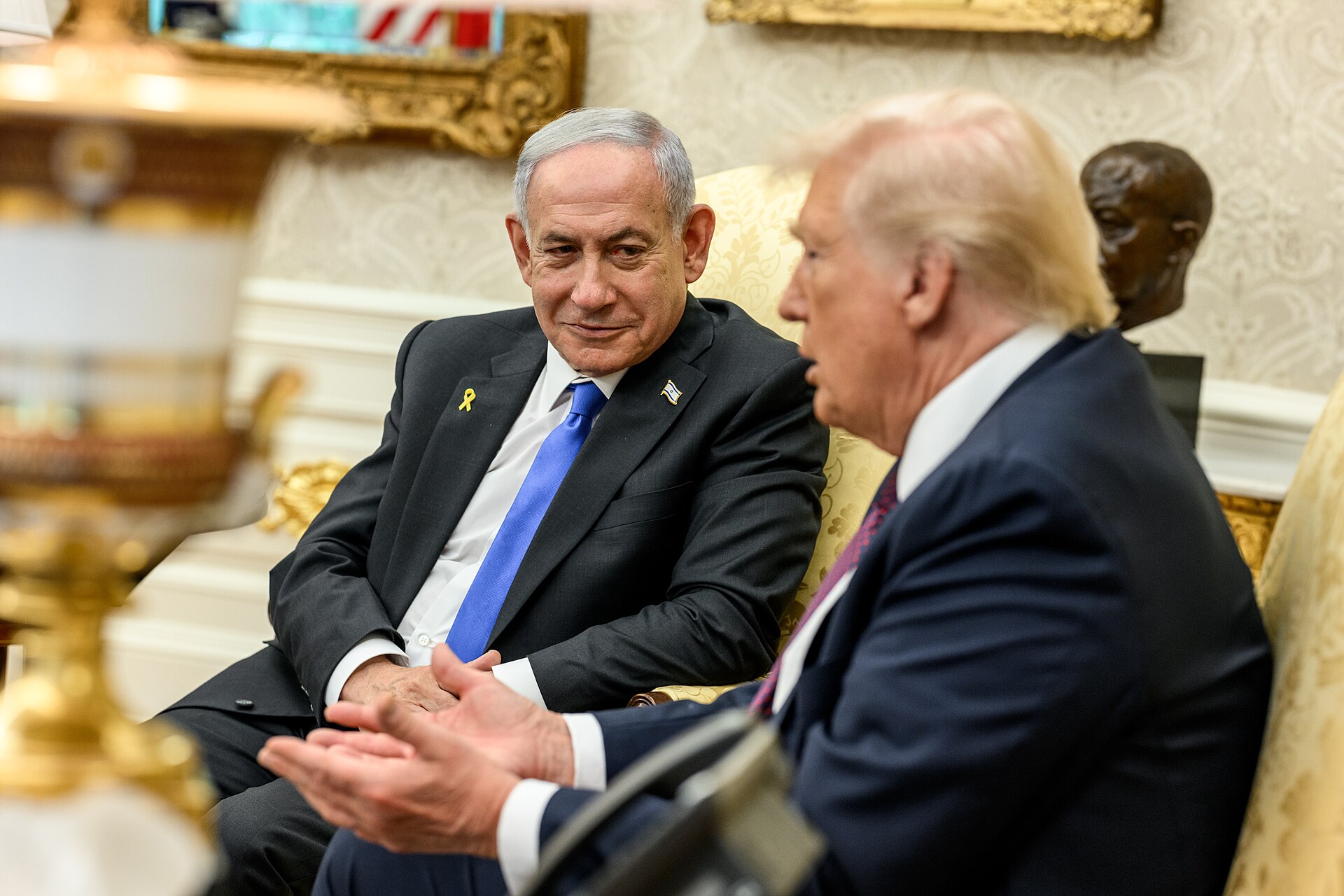
By late May, the MOU draft in circulation had formalized the inclusion. The Times of Israel reported that the US-Iran MOU “said to include Lebanon ceasefire, Iran vow not to seek nukes, discussion of uranium stockpile as soon as MOU takes effect.” Netanyahu raised his objection directly with Trump on approximately May 24, calling the emerging framework “a very big problem” for Israel, according to Axios.
The Intercept published an analysis on April 20, 2026 — six weeks before the June 1 suspension — titled “How the Lebanon Ceasefire Could Make It Harder to End the War on Iran.” The scenario it described — Lebanon operations creating a legal tripwire that collapses the broader framework — is precisely what materialized. Iran did not need to engineer the contradiction. It only needed to wait for it. Four days later, Lebanese President Aoun publicly rejected Iran’s right to use Lebanon as that precondition, telling CNN that Iran was treating his country as a bargaining chip — an accusation that will complicate Tehran’s stated rationale in every diplomatic forum where the Lebanon clause is cited.
Why Does Netanyahu Now Hold the MOU Restart Key?
The MOU talks cannot restart until the condition that triggered their suspension is resolved. Iran suspended on the grounds that Lebanon operations violate the ceasefire. The ceasefire cannot be restored in Lebanon without Israeli operational changes. Those changes require decisions by Netanyahu.
Trump cannot deliver this. His June 1 announcement demonstrated the limit: he declared a ceasefire, Israel denied it, and the denial itself became the instrument that froze the MOU. Trump’s inability to bind Netanyahu is not a failure of effort — he explicitly asked Netanyahu to halt the Beirut operation. The problem is structural. Israel’s ground operations in southern Lebanon represent security objectives that Netanyahu has defined as non-negotiable. Withdrawing from them to satisfy an Iranian precondition that Netanyahu publicly rejected in April would constitute a concession he has shown no willingness to make.
Iran has successfully exited the bilateral US-Iran negotiating frame and inserted a third-party veto. The MOU was designed as a two-party instrument between Washington and Tehran, with competing texts shuttled through mediators. Iran’s June 1 move redefines the preconditions: the MOU cannot advance until a third party — Israel — changes its behavior in a fourth country — Lebanon. This is not a diplomatic complication. It is a structural redesign of who holds blocking power.
Netanyahu’s incentive structure is transparent. The MOU, if signed, would return Iranian oil to the market — Goldman Sachs estimated 800,000 barrels per day within six months of signing. It would ease Hormuz pressure. It would stabilize oil prices. None of these outcomes serve Israeli interests as Netanyahu has defined them. A frozen MOU keeps Iran under maximum pressure, maintains the US strike posture, and preserves Israel’s freedom of action in Lebanon. Netanyahu has no reason to deliver the behavioral change Iran requires for talks to restart.
Saudi Arabia Cannot Reach the Man Who Matters
Saudi Arabia’s channels to Israel are structurally severed. King Salman — age 90 — must sign any treaty or normalization agreement per Basic Law Article 70. MBS cannot execute unilaterally. The kingdom has no embassy in Tel Aviv, no ambassador in Jerusalem, and no direct diplomatic communication channel with the Netanyahu government. Saudi envoy Yazid bin Farhan told Lebanese President Joseph Aoun in April 2026 that the kingdom opposed any direct contact with Netanyahu during Lebanese talks, according to Israel Hayom. Saudi Arabia has not merely failed to build a channel — it has actively discouraged others from building one.
The kingdom’s indirect channels are equally blocked. The four documented meetings between Foreign Minister Faisal bin Farhan and Iranian counterpart Araghchi are all FM-level — they grant no access to the Israeli decision-making structure. The Beijing-mediated NSA-tier track that once connected Shamkhani to broader negotiations is extinct under IRGC restructuring — a structural shift that dismantled the MOU ratification chain Iran’s government can still reach. Pakistan, which brokered the April ceasefire, has no leverage over Israeli military operations in Lebanon.
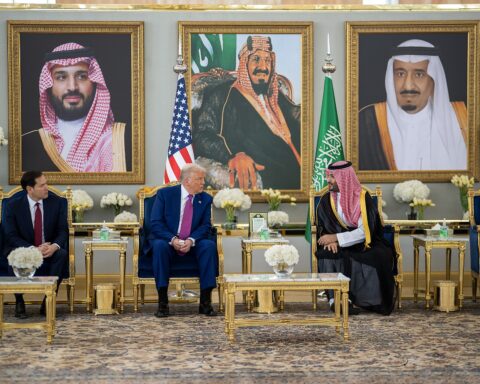
Riyadh’s normalization freeze compounds the isolation. Public opinion polling shows Saudi opposition to normalization with Israel surging from 38 percent in 2022 to 68 percent in February 2024 to a ratio of 99:1 against in INSS polling from August 2025. MBS told Blinken in January 2025: “Do I care personally? I don’t, but my people do.” The political space for even back-channel engagement with Netanyahu is nonexistent. Saudi Arabia extracted $142 billion in arms commitments, MNNA status consideration, 35,000 Nvidia chips, and a $1 trillion framework from the November 2025 Trump visit — all without normalizing. The leverage Washington might have held is already spent.
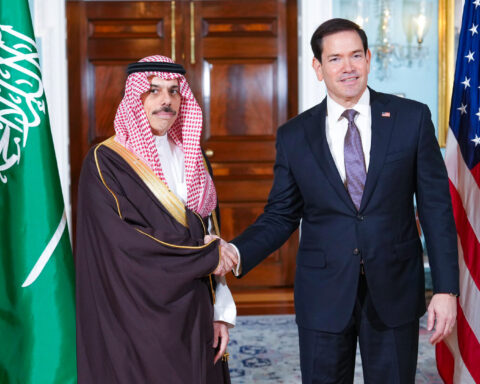
Saudi MOFA has been publicly silent on the Iran war for more than ten days. Secretary Rubio’s last documented contact with Bin Farhan was in March 2026 (State Department).
What Does the Three-Body Freeze Cost Saudi Arabia Per Day?
Brent crude traded at approximately $96–97 per barrel on June 1, 2026 — up 6.7 percent on the day, driven by Iran’s suspension announcement and the Hormuz threat. Saudi Arabia’s PIF-inclusive fiscal breakeven sits at $108–111 per barrel, according to Goldman Sachs and Bloomberg consolidated estimates. Even at the day’s elevated price, Riyadh is $11–14 per barrel below breakeven on every barrel exported.
The quarterly numbers confirm the structural damage. Saudi Arabia’s Q1 2026 fiscal deficit reached SAR 125.7 billion ($33.5 billion) — consuming 76 percent of the full-year SAR 165 billion deficit target in 90 days, per Saudi MOF data. Goldman Sachs revised the full-year 2026 deficit estimate to $80–90 billion, equivalent to 6–6.6 percent of GDP. NDMC, the kingdom’s debt management center, was already at approximately 90 percent of borrowing capacity before the Q1 overshoot.
Aramco’s Q1 2026 free cash flow of $18.6 billion fell below the $21.89 billion quarterly dividend — a coverage ratio of 0.85x. The next ex-dividend date is June 2, the payment date June 9. PIF liquid cash has fallen to approximately $15 billion, a six-year low representing 1.6 percent of assets under management. PIF issued its largest-ever single bond — $7 billion — in the same month it announced a 20 percent spending cut.
Every day the MOU remains frozen extends Saudi Arabia’s fiscal exposure. A signed MOU would bring Iranian oil back to market, ease Hormuz pressure, and reduce the war risk premium. Wood Mackenzie’s “Quick Peace” scenario projects Brent at $80 by end-2026 and $65 through 2027 — which would collapse Saudi revenues further but at least end the security premium on shipping and insurance. The frozen state is the worst outcome for Riyadh: Brent stays elevated enough to sustain Iran’s war economy but below the level Saudi Arabia needs to fund its own budget, defense commitments, and Vision 2030 obligations.
Iran’s Calculus: Suspension as Leverage, Not Collapse
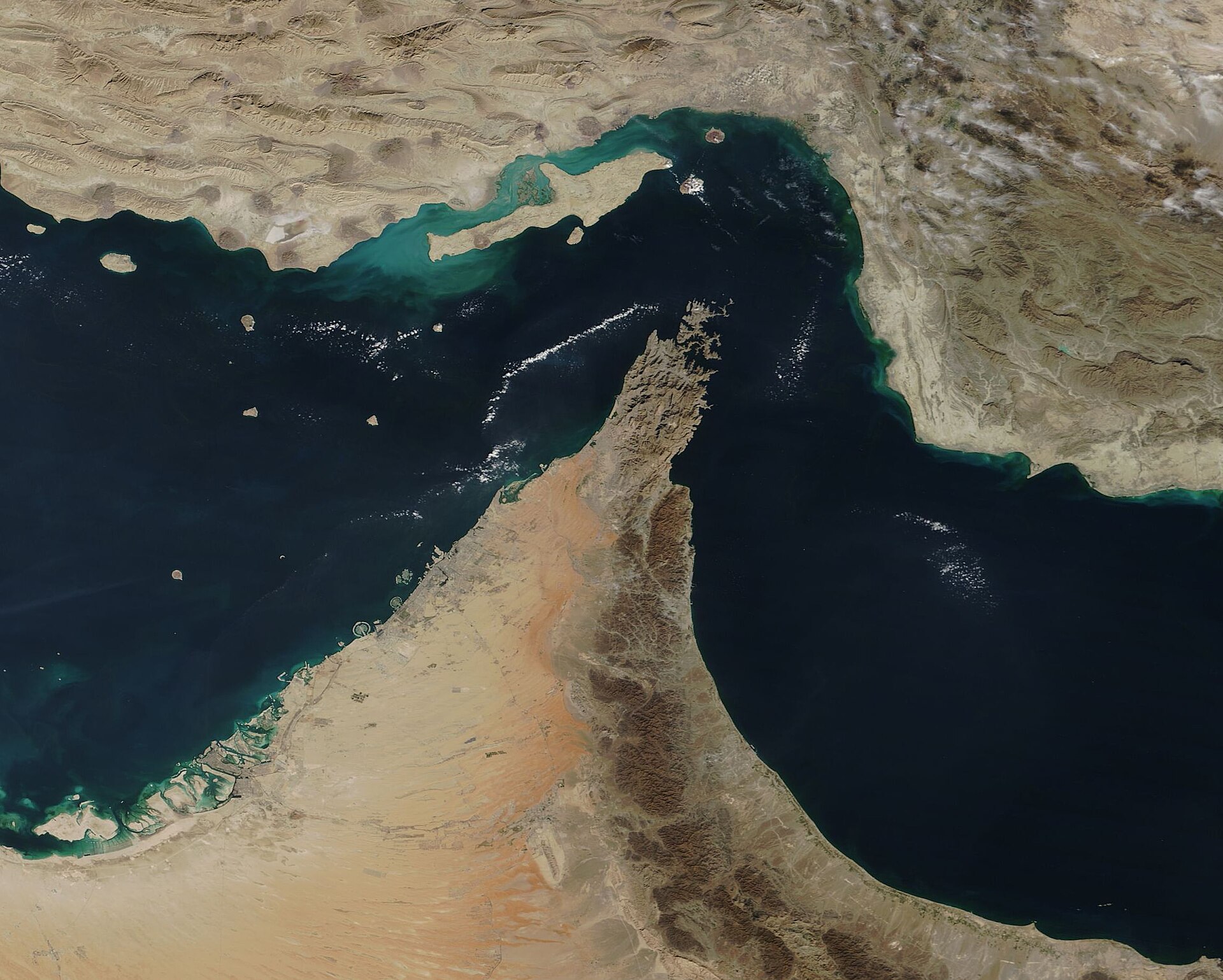
Iran’s suspension is not a walkout. It is a mechanism designed to be reversed on terms that strengthen Tehran’s position. Tasnim simultaneously reported that Iran and its regional forces have placed “the complete blockade of the Strait of Hormuz and the activation of other fronts, including the Bab el-Mandeb Strait” on their agenda — a threat reported by CNBC on June 1. The escalation ladder is extended, not burned.
The PGSA toll system continues to operate during the suspension. India, Iraq, and Pakistan retain bilateral carve-outs. Saudi crude transiting Hormuz still incurs an estimated $2 million per transit in yuan or Bitcoin under the PGSA’s three-tier toll architecture. The OFAC SDN designation of the PGSA on May 28 creates a compliance fork for non-sanctioned carriers but does not physically stop toll collection at the strait.
Iran’s legal framing — “the ceasefire has already been violated” — preserves the option of re-entry without conceding ground. Tehran can resume talks at any moment by declaring the Lebanon violation addressed, whether through an actual Israeli withdrawal or a diplomatic formula that saves face. The Carnegie Endowment’s April assessment noted the structural trap: Iran could not sustain a ceasefire while ignoring Israeli attacks on Hezbollah without appearing to abandon its allies. The suspension resolves that trap. Iran is simultaneously maintaining the ceasefire’s architecture (by claiming to defend its terms) and escaping its constraints (by suspending talks).
Brent pared $1–2 after Trump’s Lebanon ceasefire announcement — the market treated the declaration as partially real, pricing in a small probability that the MOU track might survive. That partial pricing is itself a measure of the three-body incoherence: markets cannot price a ceasefire when the two parties to it disagree about whether it exists.
France Called a UNSC Meeting. Riyadh Did Not Speak.
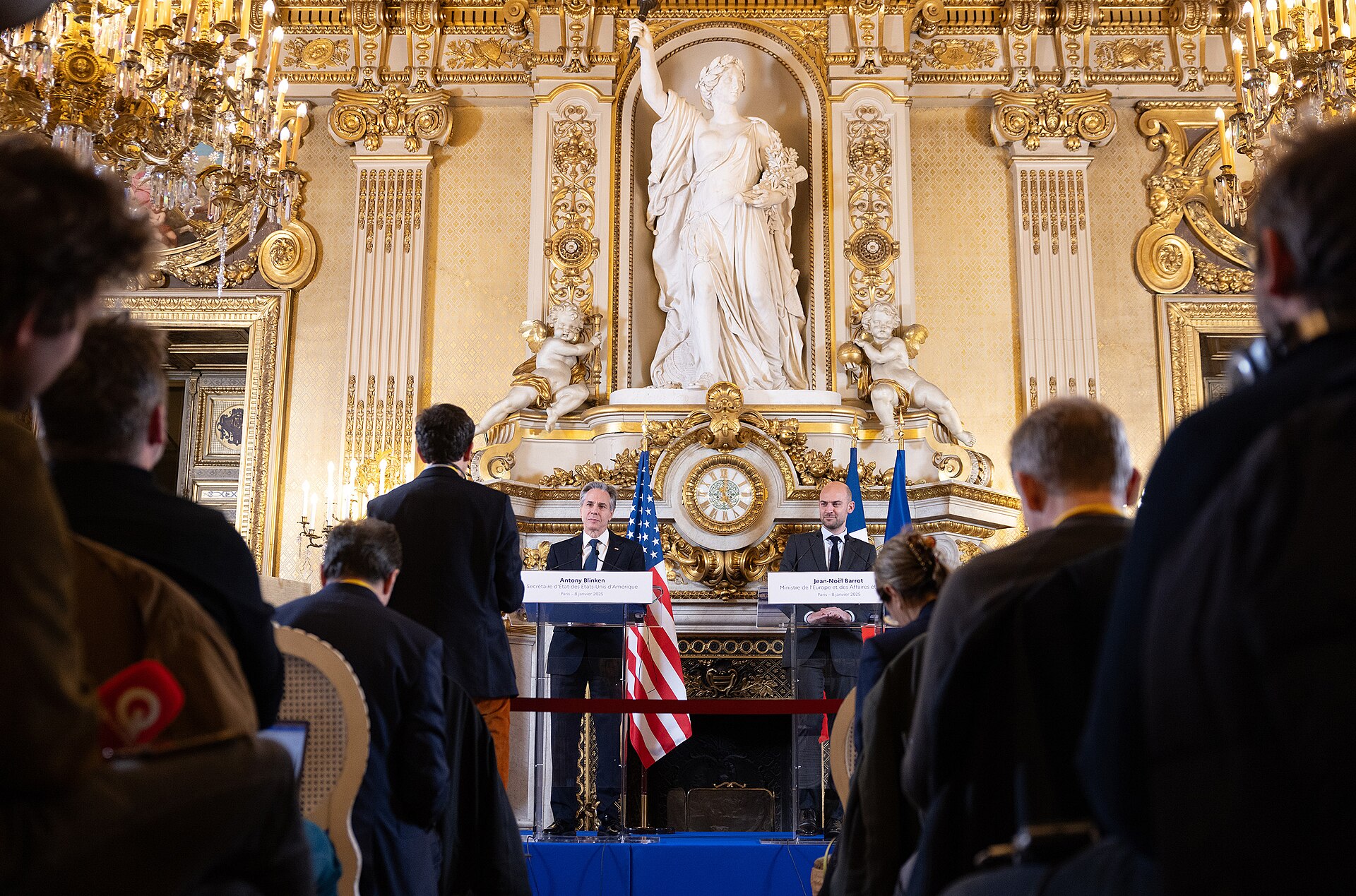
French Foreign Minister Jean-Noel Barrot issued the sharpest Western rebuke of Israel’s Lebanon operations on June 1: “Nothing can justify the continuation of Israeli military operations in Lebanon and its ever-deeper occupation of Lebanese territory,” he told BFMTV. France called a UN Security Council meeting on Lebanon the same day.
France is the only power that simultaneously holds a Hormuz coalition co-lead (through the Northwood maritime coordination center), a direct channel to Tehran (Macron called Pezeshkian on March 8 and again in May), an $8 billion Rafale deal with Gulf states, and a permanent UNSC seat. Paris has positioned itself as the interlocutor Saudi Arabia needs but cannot openly use. MBS called Macron on May 31 — the Élysée issued no readout, a diplomatic asymmetry that typically indicates the call was Saudi-initiated.
Saudi MOFA silence on the UNSC meeting is consistent with a pattern documented across the past ten days. Riyadh has made no public statement on the Iran war, no statement on Lebanon, no statement on the MOU suspension, and no statement on the Hormuz threat. Bin Farhan’s last substantive public comment — his May 20 endorsement of Trump’s strike cancellation, calling for Hormuz to be restored “to the state prior to February 28th 2026” — reads as a diplomatic artifact from a different phase of the crisis.
The silence is not strategic ambiguity. It is structural incapacity. Saudi Arabia cannot speak to Israel (no channel), cannot pressure Iran on Lebanon (no leverage), cannot endorse Trump’s ceasefire (Israel denied it), and cannot contradict Trump’s ceasefire (the MOU depends on it). Every available statement carries more risk than silence. But silence itself carries a cost: each day without diplomatic action is a day where the kingdom’s fiscal position deteriorates and its exclusion from the negotiating architecture becomes more deeply embedded.
The three-body problem has a geometric property that Riyadh cannot escape. Saudi Arabia sits equidistant from all three vertices — Washington, Tehran, and Jerusalem — with effective channels to none. It is the node in the triangle that absorbs all the force and transmits none of it. The revelation that Trump himself was not briefed on Iran’s MOU suspension before it became public confirms that even the Washington vertex is operating with incomplete information. The system is not deadlocked. It is incoherent — and the cost of incoherence is denominated in barrels per day at prices Saudi Arabia cannot sustain.
Frequently Asked Questions
Did Trump’s Lebanon ceasefire have any legal standing under international law?
No. A ceasefire under international humanitarian law requires either a bilateral or multilateral agreement between belligerents, typically with defined terms, timelines, and verification mechanisms. Trump’s Truth Social posts lacked all of these elements. The statements were unilateral declarations by a third party — the US is not a belligerent in Lebanon — without confirmed assent from either Israel or Hezbollah’s command structure. Lebanon’s own government was not party to the announcement.
Could Saudi Arabia theoretically open a back channel to Netanyahu through a Gulf intermediary?
The UAE and Bahrain both maintain Abraham Accords relationships with Israel that include active embassy-level channels. However, both states have been struck harder by Iran since the war began — a dynamic that the Middle East Institute’s Kurt Campbell identified as deterrence against Accords membership serving as a security corridor. Riyadh using Abu Dhabi as an intermediary would require revealing Saudi diplomatic objectives to a Gulf rival while creating no binding obligation on Netanyahu’s part. The Jordanian channel, historically active, has been strained by Israeli operations in the West Bank since October 2023.
Has Iran previously used a third-party violation to suspend bilateral talks?
The closest precedent is the collapse of the Cairo Agreement in November 2025, which lasted approximately ten weeks (September–November 2025) before Iran cited IAEA verification disputes as grounds for withdrawal. The June 1 suspension differs in that Iran is citing the behavior of a third country — Israel — rather than a bilateral US-Iran compliance issue. This creates a precedent where any actor in the broader regional theater can, by Iran’s logic, trigger a suspension of US-Iran negotiations by taking military action that Iran designates as a ceasefire violation.
What would it take for MOU talks to restart?
Iran’s stated condition is the cessation of Israeli operations in Lebanon — which maps directly to the demand embedded in the March 2026 five-point counter-proposal. In practice, a face-saving formula is more likely: an Israeli operational pause that Iran can characterize as compliance, combined with a US assurance mechanism covering Lebanon that Netanyahu can deny constitutes a binding commitment. Pakistan’s Sharif, who brokered the April ceasefire, may attempt to play this bridging role, but his leverage over Israeli military operations is zero.
Why didn’t Saudi Arabia support France’s UNSC meeting on Lebanon?
Saudi Arabia’s Basic Law Article 61 grants the king authority over foreign policy pronouncements on matters of war and peace. King Salman’s capacity to issue such pronouncements is limited by age and health. MBS operates under executive authority for domestic affairs and Vision 2030 but lacks constitutional standing to make binding foreign policy commitments on active conflicts without a Royal Decree. Supporting a UNSC resolution critical of Israeli operations in Lebanon would require the kingdom to adopt a formal position on a conflict it has not acknowledged participating in — a legal exposure Riyadh has avoided since the war began.
The civilian authority that would have to countersign any MOU re-entry also came under scrutiny on June 2: what Pezeshkian’s reported resignation letter reveals about whether Iran’s civilian government can actually execute any deal it signs — a question that compounds the Lebanon precondition without resolving it. On June 2, Iran moved beyond suspension toward formal rejection of the MOU proposal entirely — a harder posture that closes the courier window the Lebanon precondition had already frozen. The ground record that gave Iran’s suspension its documentary foundation — eight killed in Lebanon, a hospital struck in Tyre, the IDF’s systematic razing of south Lebanon villages — is documented in Trump Declared a Lebanon Ceasefire. Israel Struck a Hospital the Next Morning.
The June 4 Lebanon ceasefire’s structural deficiencies — Hezbollah absent as signatory, IDF non-withdrawal, no compliance timeline — are examined in Hezbollah Did Not Sign the Ceasefire Iran Required. The named, public rejection by Qassem on June 4 — which closed the interpretive space the US had relied on — is analyzed in Hezbollah Rejected the Ceasefire Out Loud. The IRGC Needed It To..