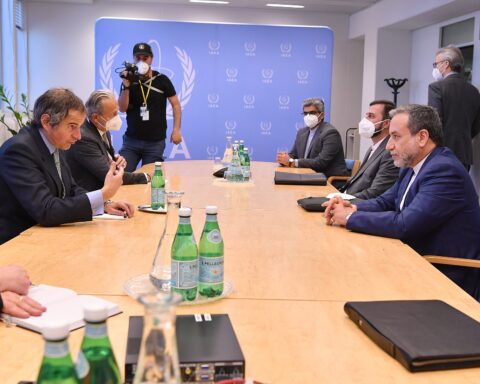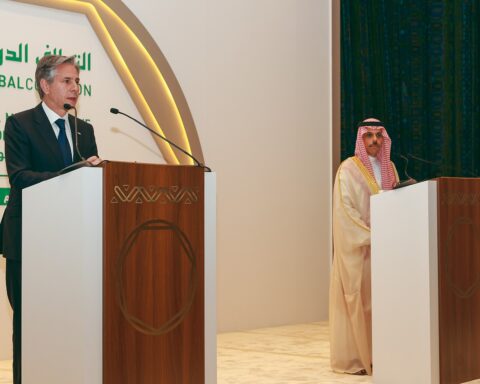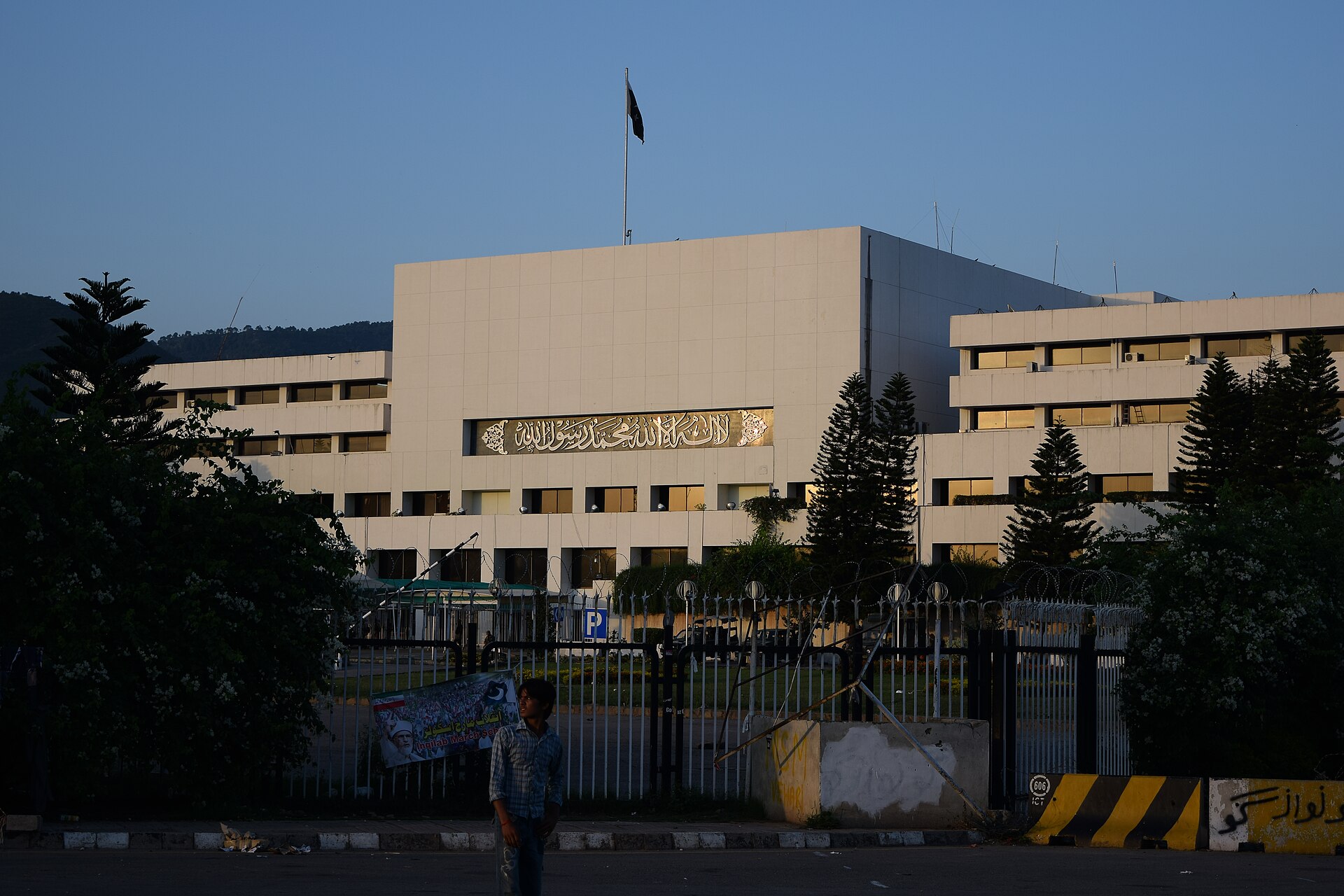

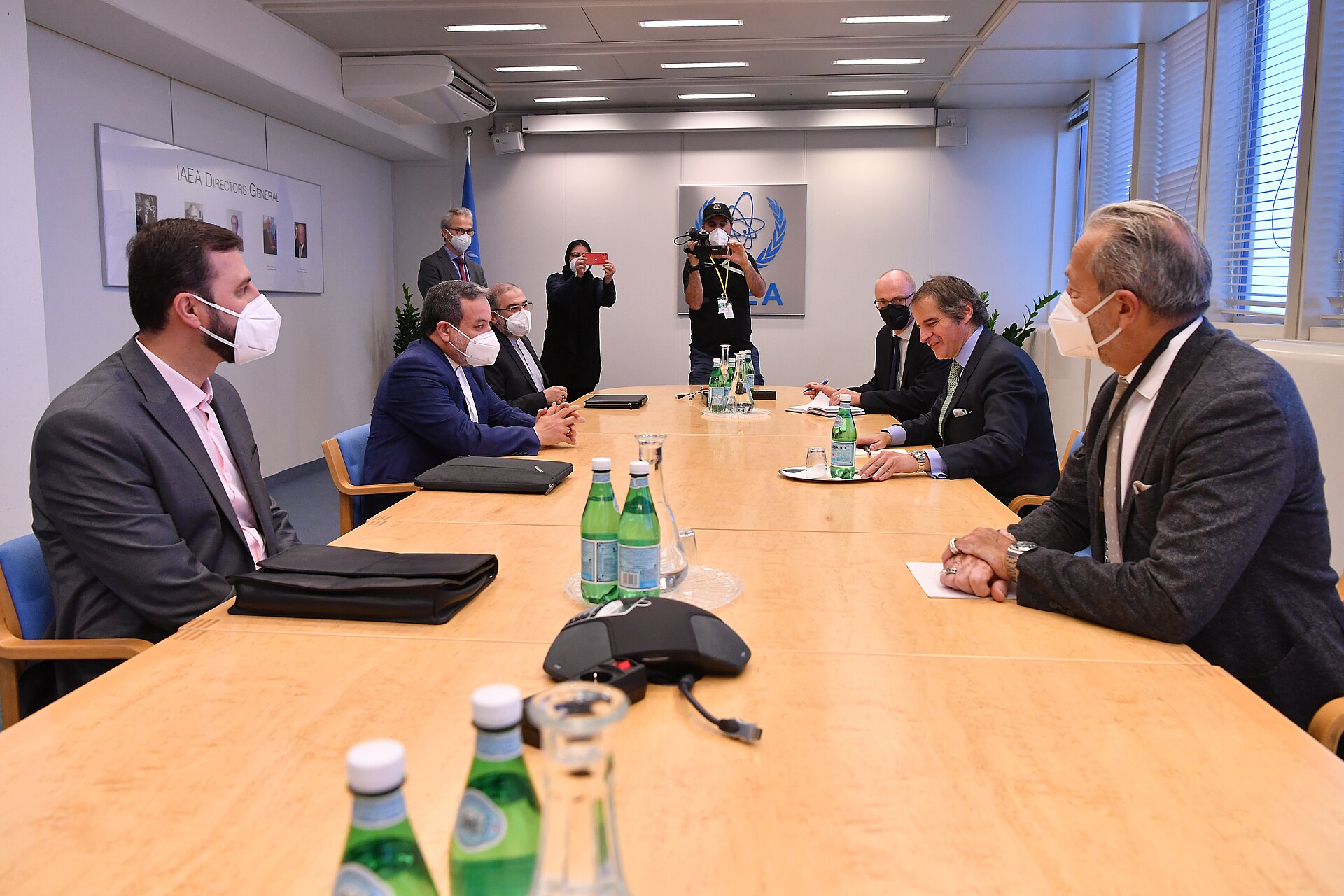
ISLAMABAD — Iran did not bring one proposal to the Islamabad talks. It brought at least three, and the versions contradict each other on the question that matters most — whether the United States has already conceded Iran’s right to enrich uranium. The Farsi text circulated on state television tells a domestic audience that Washington “has in principle committed to” accepting enrichment. The English version shared with journalists and diplomats contains no such language. Vice President JD Vance, who leads the US delegation sitting in a separate room at the Serena Hotel while Pakistani intermediaries shuttle paper between the two sides, has publicly called the first draft “something that was probably written by ChatGPT.” That is not a gaffe. It is the US marking Iran’s published text as unauthoritative — and in doing so, exposing a fracture inside Iran’s own negotiating chain that neither Tehran nor Washington can afford to name directly.
The divergence is not a translation error. It is a structural artefact of a regime in which the Islamic Revolutionary Guard Corps authors the substance of national security positions while the Foreign Ministry manages the diplomatic presentation. Abbas Araghchi, Iran’s foreign minister and a veteran of the 2013-2015 JCPOA negotiations, arrived in Islamabad declaring he came for “serious talks based on the 10 points proposed by Iran.” But the document he is presenting has not been finalized by the chain of command that actually controls the terms — and everyone at the table, including Pakistan, knows it.
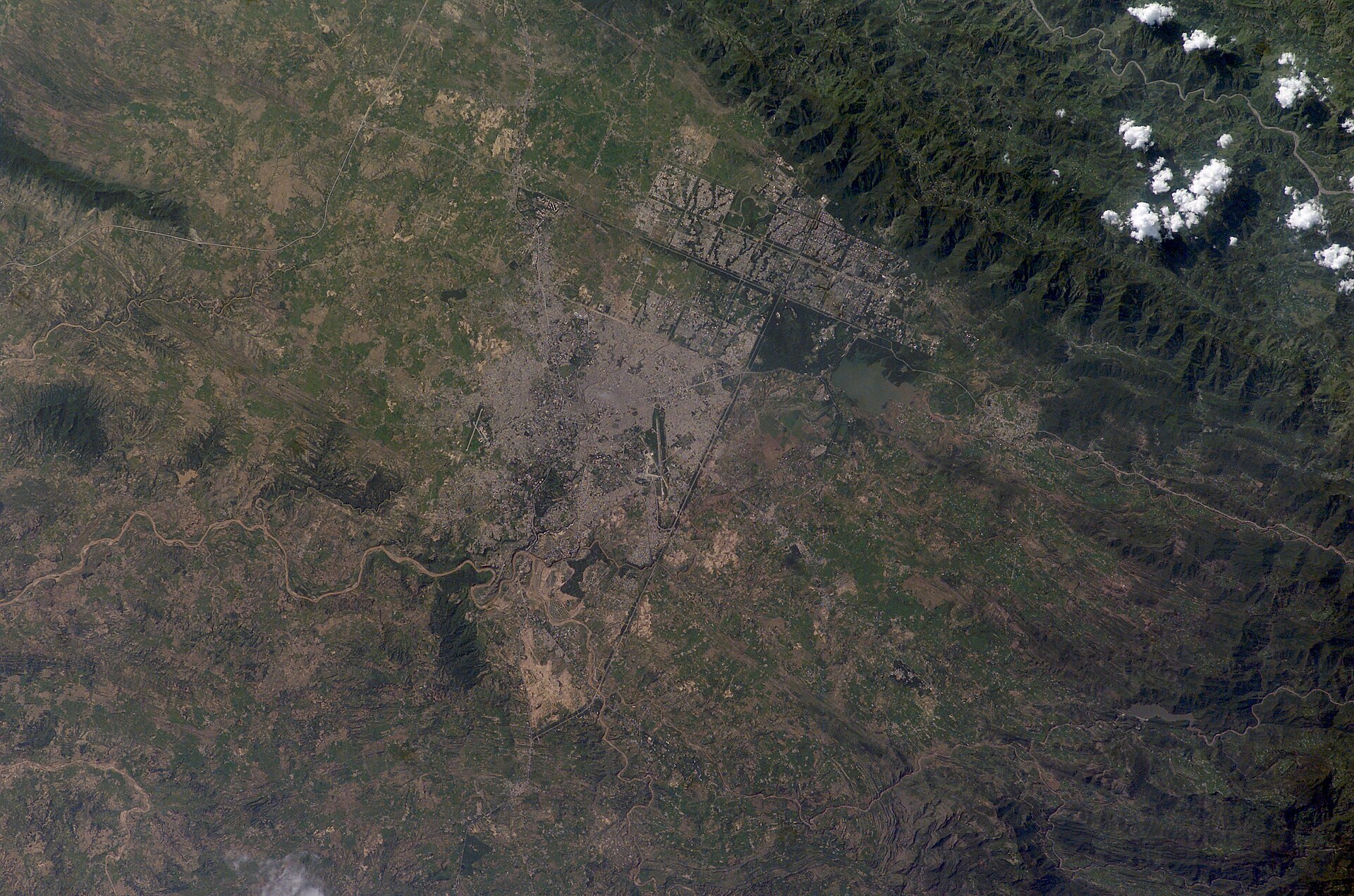
Table of Contents
- Three Documents, Three Audiences
- What Does the Farsi Version Say That the English Version Does Not?
- Vance’s “ChatGPT” Line Was a Negotiating Move
- The Zarif Tapes and the Pattern That Repeats
- Who Authorized the Document Araghchi Is Carrying?
- Ghalibaf as Veto Proxy
- Trump’s 24-Hour Contradiction
- Saudi Arabia Pays the Price for a Document It Cannot Read
- Can a Deal Survive Twelve Days on a Contested Text?
- Frequently Asked Questions
Three Documents, Three Audiences
Vance told reporters he had seen “at least three different drafts of the proposals” from Iran. White House Press Secretary Karoline Leavitt confirmed the trajectory: the first version was “fundamentally unserious, unacceptable and completely discarded. It was literally thrown in the garbage by President Trump and his negotiating team.” A second, more viable draft became the basis for the two-week ceasefire announced on April 7. A third “maximalist” proposal was submitted but has not advanced. The published 10-point plan — the one Iranian state media broadcast to domestic audiences — may be none of these, or a composite of all three.
This is not a case of negotiating positions evolving through dialogue. Multiple texts were in circulation simultaneously, aimed at different audiences with different purposes. The Farsi version, broadcast on IRIB and amplified by Tasnim, served an IRGC-adjacent domestic constituency that needed to hear that enrichment was non-negotiable and already conceded. The English version, shared through diplomatic channels, told Washington the plan was a negotiating basis — open to discussion, subject to modification. Iran’s Supreme National Security Council then released a statement claiming it had “forced the US to accept its 10-point plan as a basis for talks,” a framing that contradicts the White House account entirely.
Trump amplified the confusion from his own side. On Truth Social, he posted: “Numerous Agreements, Lists, and Letters are being sent out by people that have absolutely nothing to do with the U.S.A. / Iran Negotiation… In many cases, they are total Fraudsters, Charlatans, and WORSE.” Then he added: “There is only one group of meaningful ‘POINTS’ that are acceptable to the United States, and we will be discussing them behind closed doors.” The US position is that the public document is not the operative text. Iran’s position is that it is.
What Does the Farsi Version Say That the English Version Does Not?
The critical divergence sits in the language around uranium enrichment. The Persian text, as circulated by Iranian state media, includes a formulation translatable as “acceptance of enrichment” — specifically, that the United States “has in principle committed to” recognizing Iran’s right to enrich. Al Jazeera’s fact-check of the two versions, published April 9, confirmed the discrepancy. The English-language version shared by Iranian diplomats with international journalists contains no equivalent commitment. It references enrichment as a topic for discussion, not a settled concession.
The Middle East briefing 3,000+ readers start their day with.
One email. Every weekday morning. Free.
This is not a minor linguistic nuance. It is the single most consequential point of contention between Washington and Tehran, the issue that collapsed the JCPOA’s political support in the United States and the one on which Trump has been unambiguous. “There will be no enrichment of Uranium,” he posted on Truth Social on April 8, adding that the US would “dig up and remove all of the deeply buried Nuclear ‘Dust.’” Iran’s nuclear chief Mohammad Eslami responded within hours: “Any attempt to limit Iran’s enrichment of uranium would fail.”
The gap between the two versions is not accidental. It serves a specific internal function: it allows the IRGC-aligned media apparatus to present the ceasefire as a victory — Tasnim simultaneously ran a headline listing “10 signs of the great defeat of the enemy and Iran’s victory” — while Araghchi’s diplomatic team preserves the flexibility to negotiate on terms that the domestic version has already declared non-negotiable. The problem is that both audiences eventually read both versions.
Vance’s “ChatGPT” Line Was a Negotiating Move
When Vance told Fox News that the first Iranian proposal was “probably written by ChatGPT” and characterized the media-facing version as coming from “a random yahoo in Iran submitting it to public access television,” the remarks were widely reported as diplomatic trolling. They were not. Vance was doing something precise: publicly classifying the document Iran’s state media presented as authoritative as, in fact, unauthoritative. He was telling Tehran — and, more to the point, telling the IRGC commanders watching from outside the room — that the US does not consider the published text to be the working framework.
This is a negotiating tactic with a specific target. If the published 10-point plan is the IRGC’s document — crafted for domestic consumption, loaded with maximalist demands (Hormuz sovereignty in Point 7, US base withdrawal from all regional bases in Point 8, binding UNSC codification in Point 10) — then dismissing it as ChatGPT-generated is a way of going over the IRGC’s head. It says: we know you have another document, the one Araghchi actually brought, and we’ll talk about that one. A senior White House official confirmed the logic to SBS News: “The document being reported by media outlets is not the working framework. We’re not going to negotiate in public out of respect for the process.”
The risk is that the IRGC reads the dismissal as an insult to the substance they authored — and responds by tightening the constraints on what Araghchi and Ghalibaf are authorized to concede. Vance himself acknowledged the problem on the record: “You have people who clearly want to come to the negotiating table… and then you have people who are lying about even the fragile truce.”
The Zarif Tapes and the Pattern That Repeats
The structural dynamic playing out in Islamabad is not new. In April 2021, three hours of leaked audio from former Foreign Minister Mohammad Javad Zarif documented the identical fracture in devastating detail. Zarif told his interviewer that Qasem Soleimani, then commander of the IRGC’s Quds Force, was “directing foreign policy and attempting to sabotage the JCPOA.” He said the IRGC “controls essential aspects of Iran’s foreign policy, denying me influence wherever possible.” He described a system in which the diplomatic track and the military track ran in parallel, with the military track holding the veto. “I sacrificed diplomacy for the battlefield,” Zarif said — a line that reads less like regret than like a structural description of how Iranian negotiations have always functioned.
Zarif also documented that Soleimani coordinated specifically with Russia to undermine the 2015 nuclear deal — using information manipulation and document management as a negotiating weapon even then. President Rouhani implied at the time that hardliners had leaked the tape itself to “cause a stir in Washington and sabotage renewed nuclear negotiations” in Vienna. The IRGC’s playbook has not changed in five years. What has changed is that Soleimani is dead, Zarif is out of government, and the commanders who held the veto then — men like Ahmad Vahidi, now IRGC commander and effectively in charge of the country — hold it more openly now.
Araghchi was Zarif’s chief deputy negotiator during the JCPOA talks. He watched this dynamic destroy his predecessor’s work from the inside. He is now in the foreign minister’s chair, operating inside the same structural trap, carrying a document to Islamabad that his own chain of command has not authorized him to finalize.
Who Authorized the Document Araghchi Is Carrying?
The Institute for the Study of War assessed on April 9 that “a group of veteran hardline IRGC commanders has consolidated power within the Iranian regime in recent weeks and is playing an increasingly central role in decision-making.” The SNSC, whose secretary Zolghadr is under both US and EU sanctions, published a statement declaring that “negotiations are continuation of battlefield.” This is the body that theoretically authorizes Iran’s negotiating positions. Its framing does not suggest a mandate to compromise.
Araghchi reportedly spent the days before the Islamabad talks “trying to convince IRGC commanders to accept aspects of the deal,” according to reporting synthesized by PJ Media and ISW. Other, more militant IRGC commanders were “putting roadblocks in the way.” The result, as one account described it, was “massive confusion” — leaving Vance “unsure of whether he was talking to the right people.” The IRGC is not formally represented at the Islamabad talks. Vahidi is not in the building. But the document on the table carries his fingerprints, and the delegation presenting it does not have independent authority to alter the terms he authored.
Ray Takeyh, the Hasib J. Sabbagh Senior Fellow at the Council on Foreign Relations, assessed the published plan bluntly: “The Iranian ten-point plan verges on the absurd.” The question is not whether the plan is absurd. The question is whether the plan Araghchi actually wants to negotiate differs from the one the IRGC published — and whether anyone in Tehran has the authority to let him negotiate it.
Ghalibaf as Veto Proxy
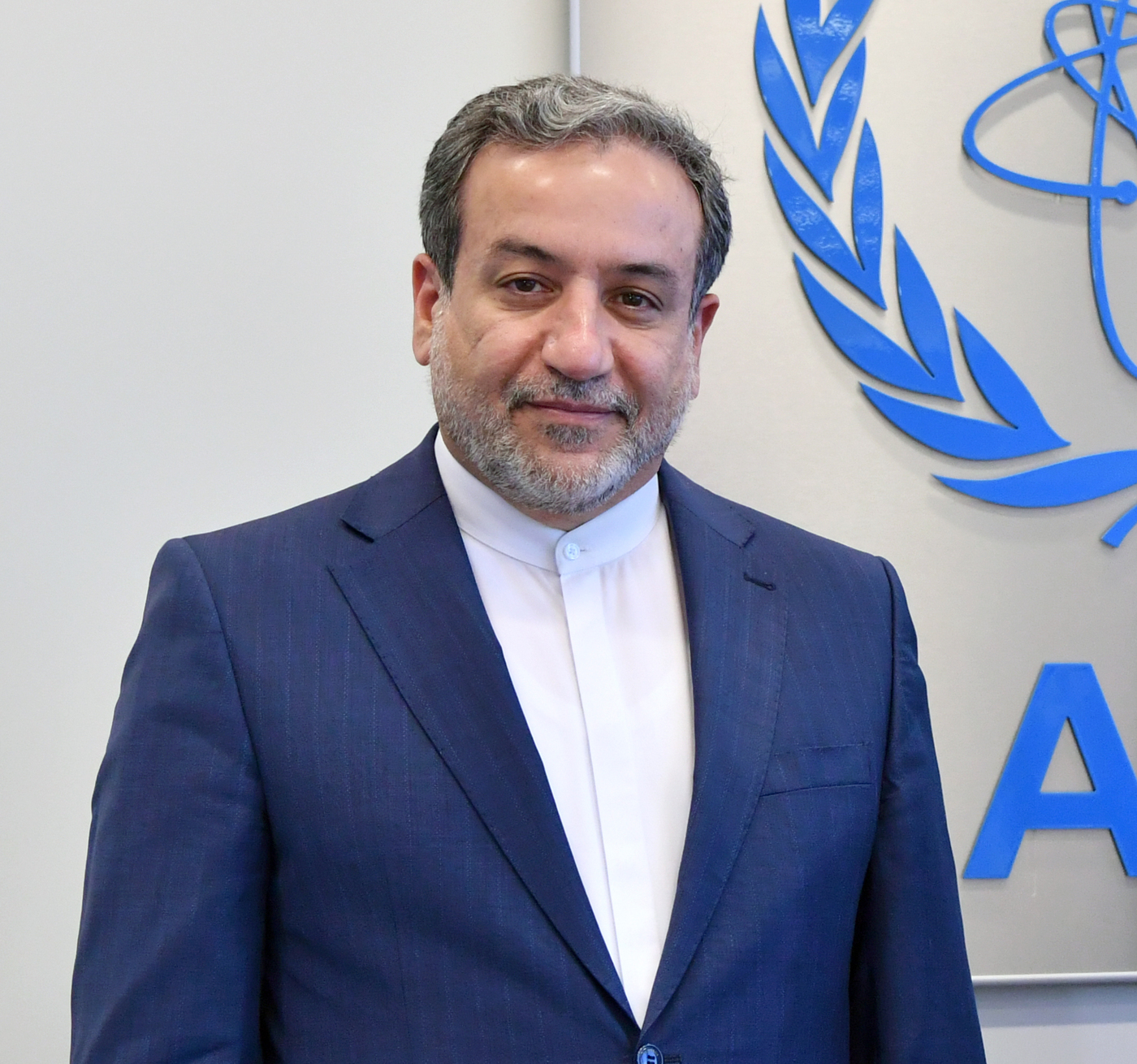
Mohammad Bagher Ghalibaf’s presence in Islamabad has been framed by some outlets as a bridging mechanism — a figure who can talk to both the IRGC and the diplomatic establishment. His biography supports this reading superficially: he commanded the IRGC Aerospace Force from 1997 to 2000, served as Tehran’s mayor, and now holds the parliament speakership. TRT World described him as a “hardline principlist” who “commands respect among conservatives and can deliver buy-in from key power centres, including the IRGC.”
But his pre-arrival behaviour tells a different story. Before boarding for Pakistan, Ghalibaf posted on X that “from the outset, we followed the ongoing process with distrust, and as expected, the United States violated its commitments even before negotiations began.” He cited three violations: Israel’s strikes on Lebanon, the intercept of an Israeli drone over southern Iran, and Washington’s insistence that Iran has no right to uranium enrichment. He arrived having already publicly declared the ceasefire “unreasonable.” A negotiator who announces three deal-breakers before sitting down is not there to negotiate. He is there to be seen not negotiating — and to carry the exit back to Tehran with his credibility intact.
The hardliner bloc around Ghalibaf is not unified in wanting talks at all. Kayhan editor Hossein Shariatmadari, one of the most powerful voices in Iran’s conservative media establishment, publicly criticized Ghalibaf for accepting the Islamabad invitation rather than pursuing “war until victory.” Ghalibaf’s position is therefore precarious from both directions: if he concedes anything, Shariatmadari and the Vahidi faction will frame him as having capitulated; if he walks out, the pragmatists around President Pezeshkian — who reportedly accused IRGC commanders of wrecking the ceasefire — will blame him for the collapse. Either way, the document he is nominally co-presenting with Araghchi is one he has already publicly repudiated.
Trump’s 24-Hour Contradiction
The textual confusion is not exclusively an Iranian problem. Within a single 24-hour window, the US president produced his own version of the dual-track phenomenon. On April 7, Trump publicly called Iran’s 10-point plan a “workable basis” for talks — the statement that gave the ceasefire its diplomatic foundation and allowed both sides to claim the other had moved. The next morning, he posted to Truth Social: “There will be no enrichment of Uranium, and the United States will, working with Iran, dig up and remove all of the deeply buried Nuclear ‘Dust.’”
These two positions are not reconcilable. A “workable basis” implies enrichment is on the table for discussion, since enrichment is the centrepiece of Iran’s plan. “No enrichment” means the centrepiece is already rejected. Leavitt attempted to square the circle by explaining that “this is a case of what they’re saying publicly is different privately” — an extraordinary admission that the White House’s own public statements are not the operative framework either. Both sides, in other words, are negotiating from documents they have each publicly contradicted.
The US 15-point proposal, which covers enrichment, ballistic missiles, sanctions and the Strait’s reopening, has not been published. Iran’s working draft — the “second, more viable” version Leavitt referenced — has not been published either. The Islamabad talks are being conducted on the basis of texts that neither side will show the public, while both sides publicly defend positions that contradict the texts they are actually using. The format — separate rooms, Pakistani intermediaries carrying paper — only adds another layer of mediation between delegations that are already negotiating with themselves.
Saudi Arabia Pays the Price for a Document It Cannot Read
None of this would be a purely US-Iran problem if the 10-point plan did not contain provisions that directly determine the economic and security future of states not represented at the table. Saudi Arabia has no seat in Islamabad. Its foreign minister, who held a co-guarantor position during the March 29-30 preliminary talks, was not invited to the April 10 bilateral. Yet three of the 10 points — whichever version you read — carry existential consequences for Riyadh.
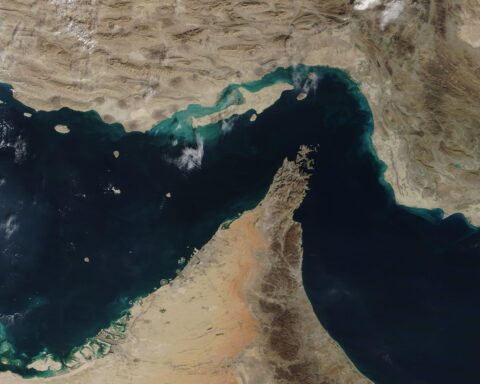
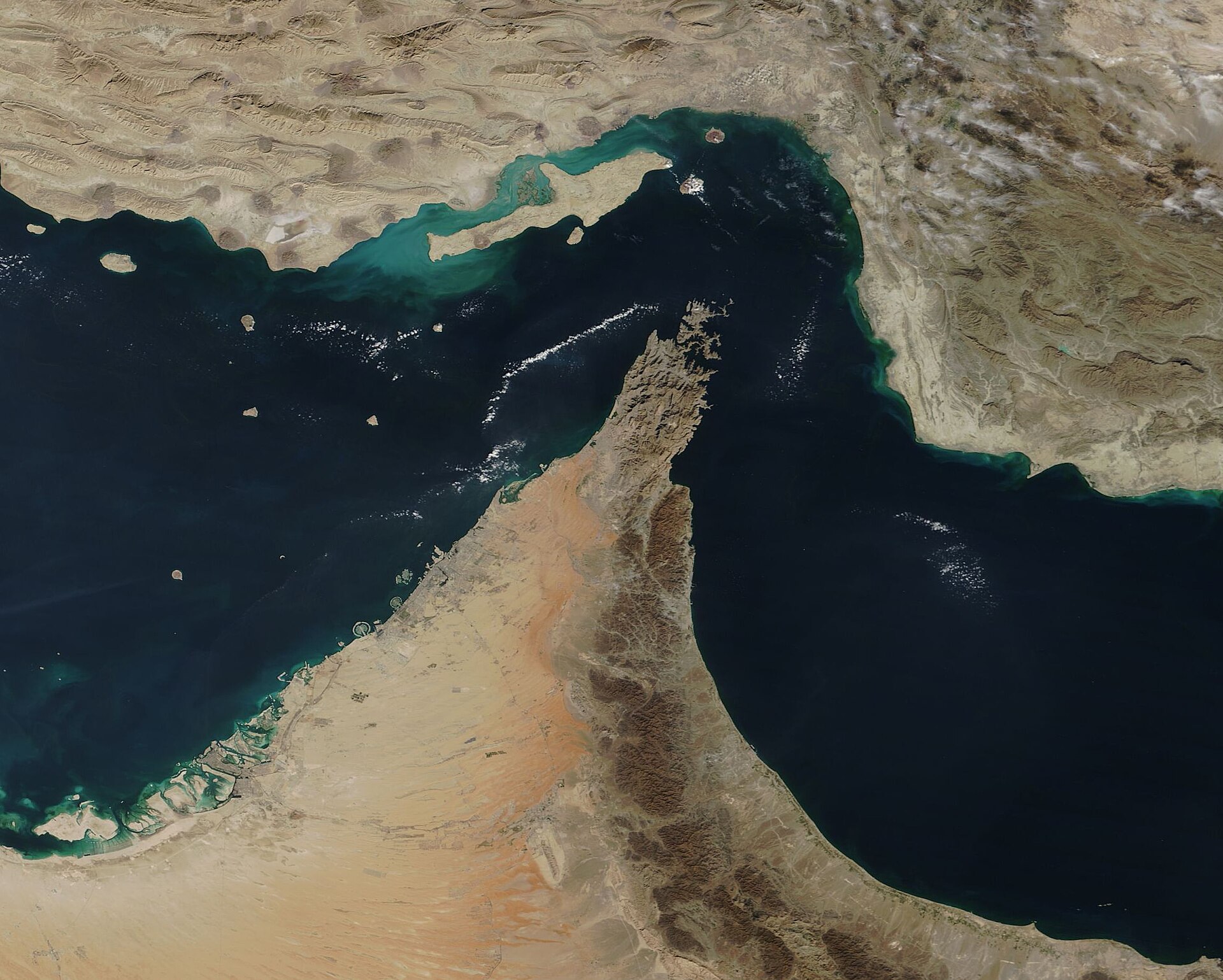
Point 7 demands IRGC “coordination” over Hormuz as a treaty-level requirement. If accepted in any form, it gives the IRGC permanent toll-extraction authority over Saudi energy exports — roughly 3.3 million barrels per day at current wartime throughput, potentially 7 million bpd if the East-West Pipeline to Yanbu ever restores full capacity. The IRGC has already imposed a de facto toll of $2 million per ship transit, routed through Kunlun Bank outside SWIFT. A treaty-level codification would transform a wartime improvisation into a permanent fixture of Gulf trade architecture. That improvisation became operational reality on April 9, when the MSG tanker completed the first confirmed post-ceasefire Hormuz transit under IRGC permission — $2 million paid, boarding party accepted, the Guards declaring it a permanent new phase of Strait management.
Point 8 demands US withdrawal from “all regional bases.” Prince Sultan Air Base, Saudi-funded at a cost exceeding $1 billion, hosts 2,000-3,000 US troops and was struck on March 28 by six ballistic missiles and 29 drones. The PAC-3 interceptor stockpile defending Saudi airspace is down to approximately 400 rounds — roughly 86 percent depleted from pre-war levels. US withdrawal would remove the air defence backstop that has kept Saudi Arabia’s critical infrastructure from being overwhelmed. Point 10 demands binding UNSC codification, which would make any concessions on Points 7 and 8 permanent under international law. The country most affected by these provisions is reading about them in news reports, unable to amend a comma.
| Point | Demand | Saudi Impact |
|---|---|---|
| 7 | IRGC “coordination” over Hormuz | Permanent toll on ~3.3M bpd exports; $2M/ship via Kunlun Bank |
| 8 | US withdrawal from all regional bases | Loss of Prince Sultan AB ($1B+, 2-3K troops); PAC-3 backstop removed |
| 10 | Binding UNSC codification | Points 7-8 become permanent international law |
| 3 | Acceptance of enrichment | Nuclear-armed Iran across the Gulf; Saudi deterrence gap widens |
| 9 | Cessation of war on all fronts incl. Hezbollah | Lebanon as kill switch on Saudi oil recovery |
Can a Deal Survive Twelve Days on a Contested Text?
The two-week ceasefire took effect on April 7. It expires around April 21 — roughly 12 days from the start of the Islamabad talks. There is no automatic extension mechanism. The Soufan Center has noted this gap explicitly. The window is not only short; it is structurally insufficient for the kind of negotiation the two sides have described. The US 15-point proposal covers enrichment, ballistic missiles, sanctions and Hormuz reopening. Iran’s 10-point plan covers Hormuz sovereignty, base withdrawal, enrichment recognition and UNSC codification. These are not positions that converge in 12 days of indirect talks conducted through intermediaries in separate rooms.
The more immediate problem is that the document serving as the negotiating basis has not been agreed upon by the people who would need to implement any deal. Vahidi is not in Islamabad. Zolghadr, the SNSC secretary, is under sanctions that make direct engagement with him legally problematic for any US official. Khamenei has been absent from public life for over 40 days, with the Times of London reporting a memo describing him as “unconscious in Qom.” The IRGC has already accused the US of three ceasefire violations since the truce began, and Ghalibaf endorsed those accusations before arriving. The men who would need to sign off on any agreement are either absent, sanctioned, incapacitated, or publicly committed to positions that preclude agreement.
Steven Cook at CFR put it plainly: “There has been no regime change in Iran, the current leadership is not any less radical than their predecessors… I don’t see how negotiations will change this reality.” His colleague Ray Takeyh offered a marginally less bleak reading: “Both sides are interested in an off-ramp, but both have different expectations of what that looks like. It may hold, imperfectly.” The word “imperfectly” is doing extraordinary work in that sentence. It means: the ceasefire may survive, but not because the two sides reached agreement — because neither side has yet found it advantageous to be the one that walks away first.
“You have people who clearly want to come to the negotiating table… and then you have people who are lying about even the fragile truce.”
— JD Vance, US Vice President, April 9, 2026
The Islamabad talks rest on a document that exists in at least three versions, serves at least three audiences, and has been publicly repudiated by the lead negotiators on both sides of the table. Araghchi arrived presenting it as the framework. Ghalibaf arrived having already declared it violated. Vance arrived calling one version AI-generated. Trump called it workable, then rejected its core provision within 24 hours. Pakistan is shuttling paper between rooms containing delegations that do not agree on what the paper says — while the men who actually wrote it sit in Tehran, outside the building and beyond the reach of any commitment made inside it.
Five years ago, Zarif documented exactly this architecture in three hours of leaked audio — the diplomat carrying a document the military had already decided was non-negotiable. Araghchi was in that room too, as Zarif’s deputy. He is now in the foreign minister’s chair, holding a document authored by the same institution, sitting inside the same structural trap. The difference is that this time there is a war on, a ceasefire clock running, and Iran is denying its own delegation is even in Pakistan as the talks begin.
Frequently Asked Questions
Why did Iran release the 10-point plan in multiple versions?
The multiple versions serve distinct institutional purposes within Iran’s fragmented power structure. The IRGC-aligned media apparatus required a version that demonstrated total victory — hence the Farsi text’s inclusion of US “acceptance of enrichment” as an accomplished fact. The Foreign Ministry required a version flexible enough to serve as a genuine negotiating basis with Washington. The SNSC required a version that could be cited as evidence that the US had been “forced” to accept Iran’s terms. These are not drafts in a revision process; they are parallel documents produced by parallel power centres that do not coordinate their public messaging because they do not agree on the substance. The phenomenon mirrors what intelligence analysts call “competitive signalling” — each faction broadcasting its preferred outcome as if it were the agreed position, hoping to create facts on the ground before the other faction can object.
What is the difference between the US 15-point proposal and Iran’s 10-point plan?
The US 15-point proposal, which has not been published, reportedly covers four major baskets: uranium enrichment limitations, ballistic missile constraints, sanctions architecture, and full reopening of the Strait of Hormuz. Iran’s 10-point plan covers non-aggression, Hormuz sovereignty under IRGC coordination, enrichment recognition, comprehensive sanctions lifting (both primary and secondary), termination of all UNSC and IAEA resolutions against Iran, compensation payments to Tehran, withdrawal of US forces from all regional bases, and cessation of hostilities on all fronts including Lebanon. The fundamental incompatibility is not in the details but in the premise: the US proposal assumes the war demonstrated the need for Iranian concessions, while Iran’s plan assumes the war demonstrated the need for American ones. The two frameworks do not share a common understanding of what the conflict settled.
Could the ceasefire be extended beyond April 21?
Extension would require a new agreement between the same parties who have not yet agreed on the text of the current one. The timing creates a specific additional pressure point: Hajj arrivals open on April 18 and the Umrah cordon seals on the same date, with Indonesia’s 221,000 pilgrims departing from April 22 — the day after the ceasefire expires. Pakistan’s 119,000 pilgrims begin arriving on April 18. A collapse of the ceasefire during the Hajj preparation window would create a security crisis at Islam’s holiest sites, giving Saudi Arabia — which has no seat at the talks — an urgent and politically powerful reason to demand extension through channels outside the Islamabad framework.
Has Iran used dual-text strategies in previous negotiations?
The 2021 Zarif tapes documented a systemic pattern during the original JCPOA negotiations (2013-2015) in which the IRGC maintained a parallel foreign policy track that actively undermined the diplomatic track. The IRGC’s approach was not to reject diplomacy outright but to ensure that any agreement reached by diplomats could be reinterpreted, constrained, or rendered unenforceable by military action — a pattern the ISW has assessed is repeating now, with the added complication that the supreme leader who previously arbitrated between the two tracks is reportedly incapacitated. The dual-text strategy is the documentary expression of this institutional competition: each faction publishes the version of the agreement it intends to enforce, regardless of what the other faction negotiated.
Why is Vahidi’s absence from Islamabad significant?
Ahmad Vahidi, the IRGC commander who multiple sources describe as “in charge of the country,” is not present at the Islamabad talks. NBC News reported that an unnamed Iranian parliamentarian stated “Vahidi is in charge,” and the Soufan Center’s April 10 IntelBrief identified him as the figure who “pushed to continue attacks against regional countries, despite opposition from other top officials, like President Masoud Pezeshkian.” His absence means that the person with the actual authority to implement or block any agreement is not bound by anything discussed in the room. Ghalibaf, who the Soufan Center assessed “doesn’t have the strength to confront” Vahidi, cannot commit to terms that Vahidi has not pre-approved — and Vahidi’s public posture has been consistently maximalist. The talks are, in structural terms, a negotiation between two delegations, one of which does not control its own principal.