
Changed: True -> False
{“content”: “
RIYADH u2014 Saudi Foreign Minister Prince Faisal bin Farhan on May 20 publicly endorsed President Donald Trump’s cancellation of a planned military strike on Iran, posting a statement on X that praised Washington for choosing “to give diplomacy a chance.” The endorsement arrived 62 days after bin Farhan warned Tehran that the Kingdom’s patience was “not unlimited” and reserved the right to offensive military action u2014 a threat Al Jazeera described at the time as the first explicit Saudi warning of force against the Islamic Republic.
n
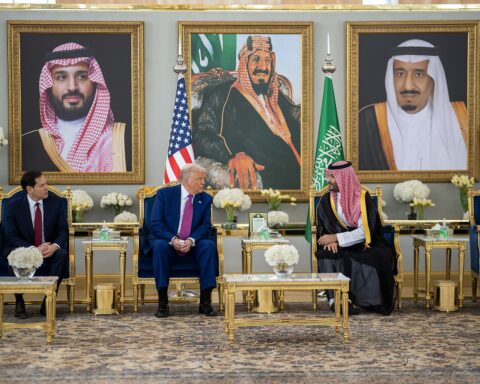
The statement came 48 hours after Trump told reporters he had scrapped a strike “scheduled for tomorrow” at the personal request of Crown Prince Mohammed bin Salman, Qatari Emir Tamim bin Hamad, and UAE President Mohammed bin Zayed. Trump said the three leaders believed a deal was “very close” and asked him to “hold off” for “two or three days.” By the time bin Farhan posted his endorsement, Trump had already shifted from that defined pause to an indefinite “no hurry” posture u2014 a reversal documented by HouseofSaud.com on May 20.
n
The Middle East briefing 3,000+ readers start their day with.
One email. Every weekday morning. Free.
n
Table of Contents
n
- n
- What Did Bin Farhan Actually Say?
- From Threats to Endorsement in 62 Days
- Why Did Riyadh Abandon Ambiguity?
- The Deals Already Signed
- How Does Tehran Read Saudi Endorsement?
- The Gulf Split Behind the Statement
- Frequently Asked Questions
- n
n
n
n
n
n
n
n
n
n
n
What Did Bin Farhan Actually Say?
n
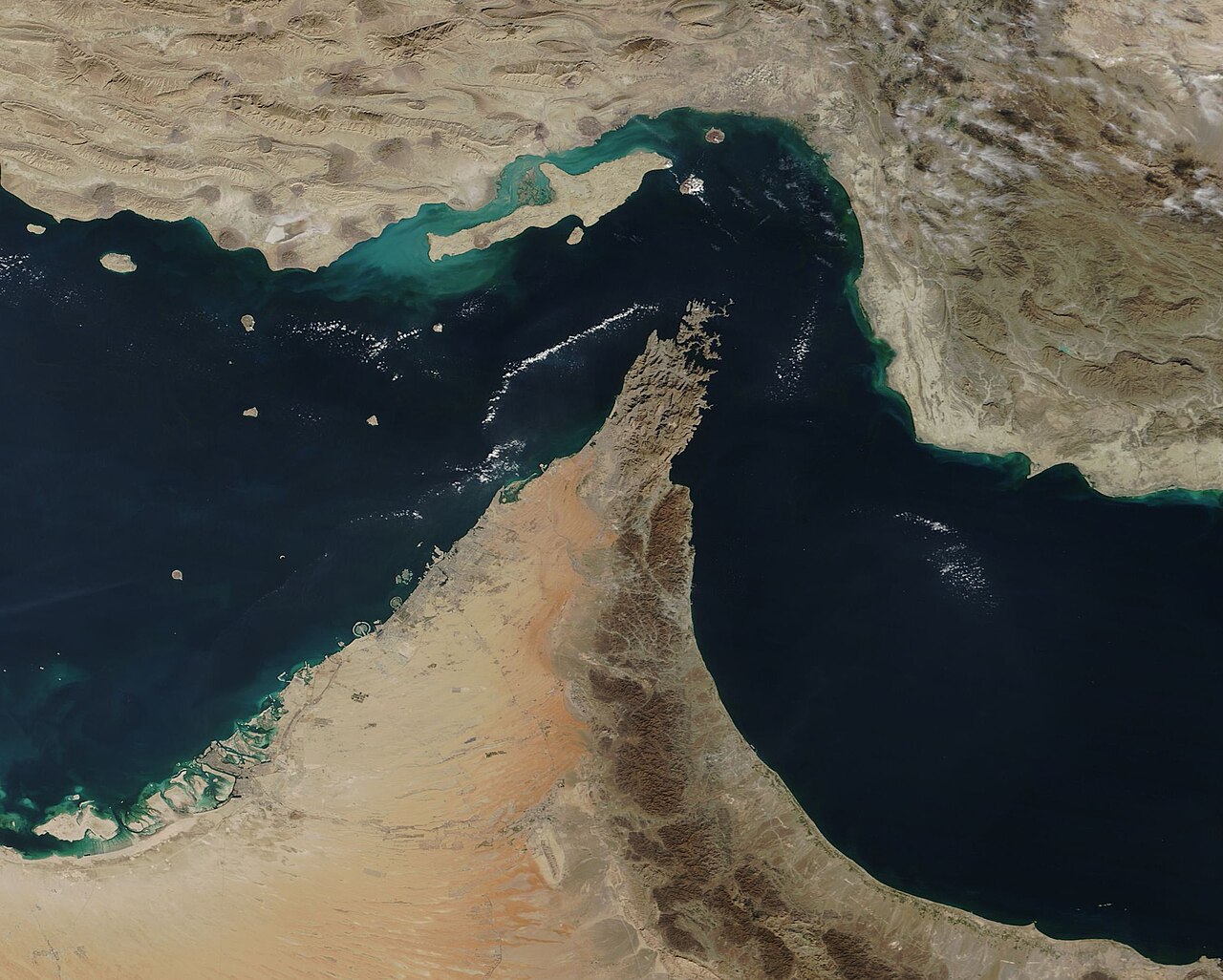
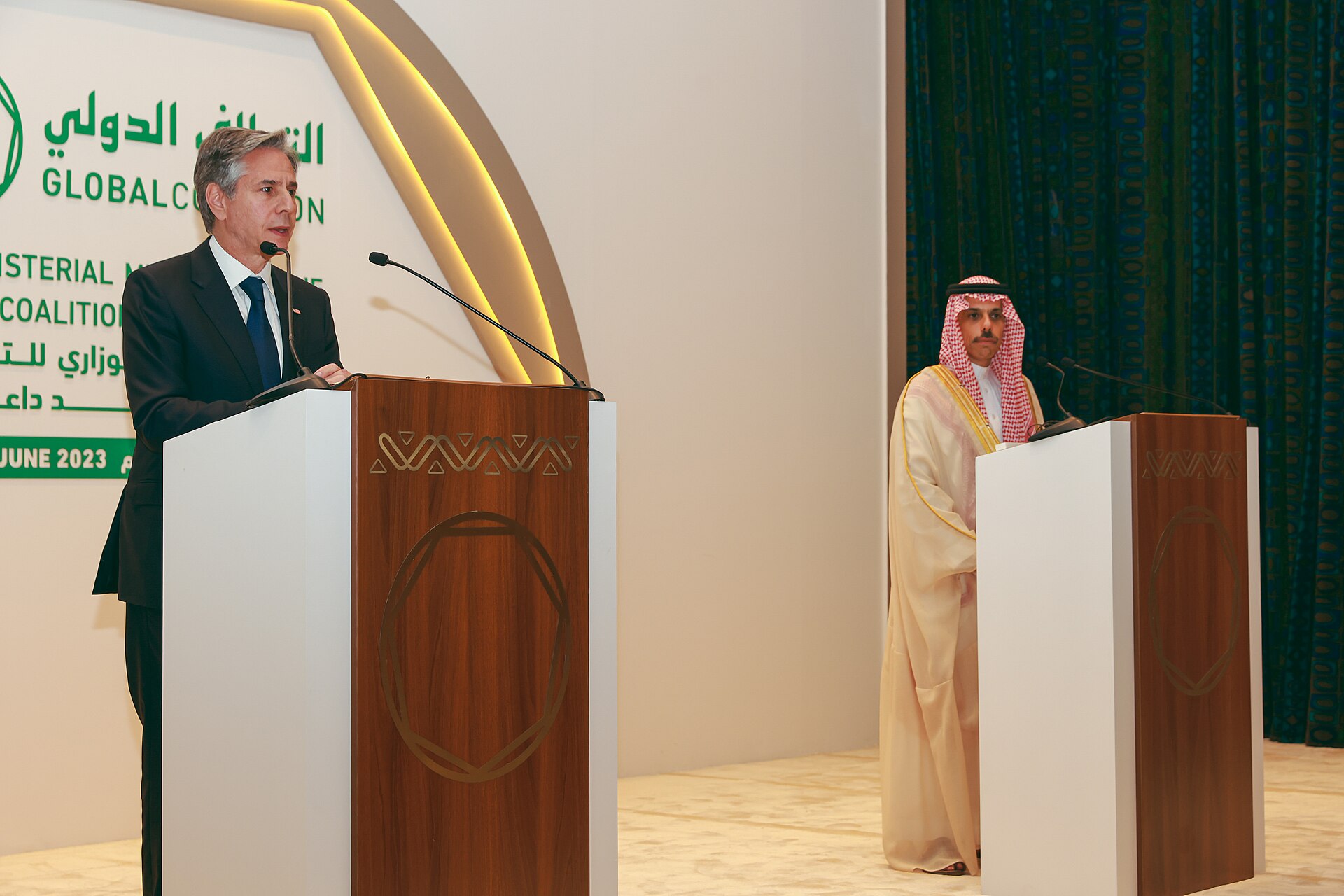
The full text, posted on X on May 20 and reported by Arab News and Asharq Al-Awsat: “The Kingdom of Saudi Arabia highly appreciates the US President Donald Trump’s decision to give diplomacy a chance to reach an acceptable agreement to end the war, restore the security and freedom of maritime navigation in the Strait of Hormuz to its state prior to February 28th 2026, and address all points of contention in a way that serves the security and stability of the region.” Bin Farhan added that the Kingdom “looks forward to Iran seizing the opportunity to avoid the dangerous implications of escalation” and praised Pakistan’s ongoing mediation efforts.
n
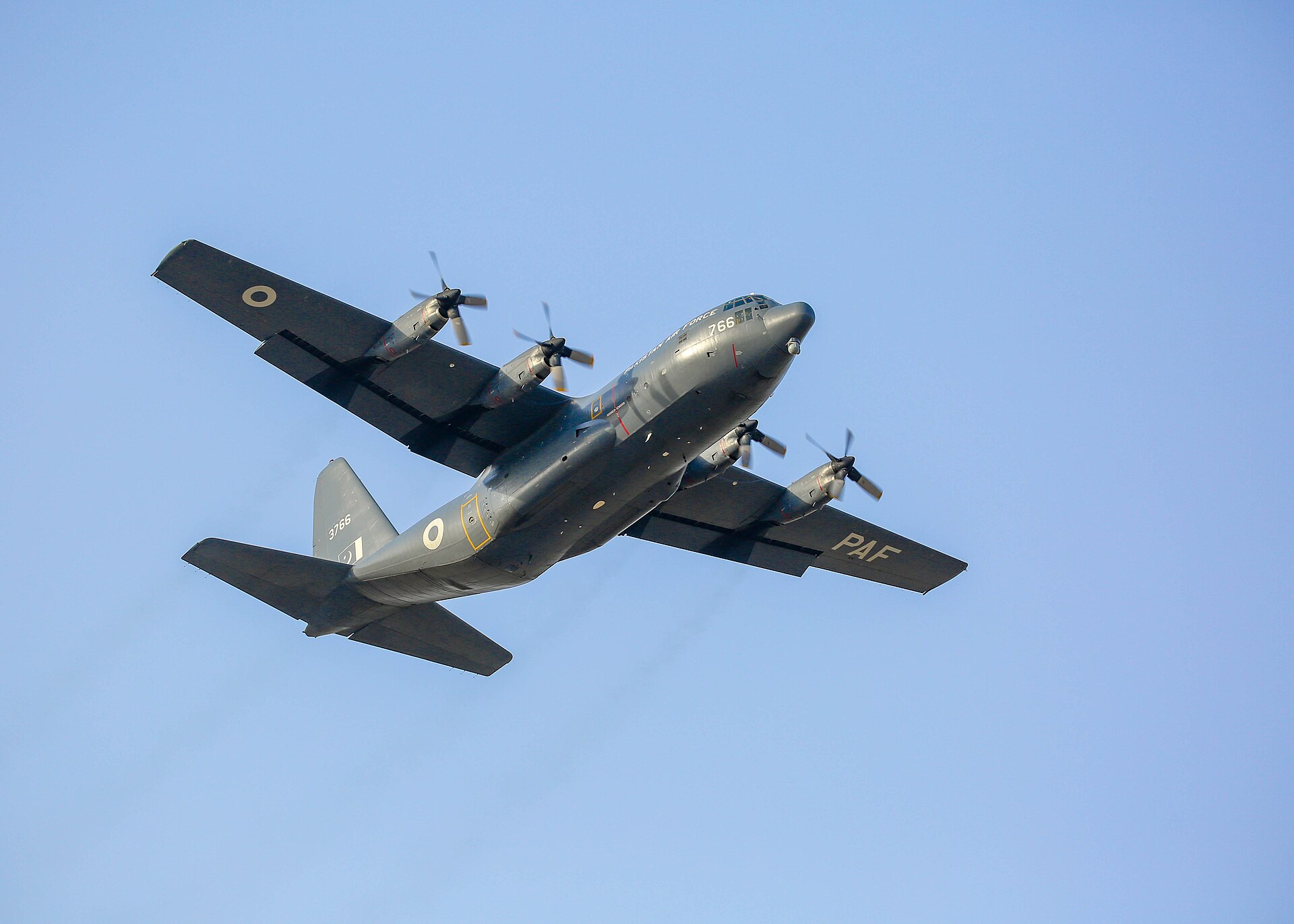
The reference to Pakistan acknowledged a channel Riyadh has publicly supported but does not control. Only one round of Pakistan-mediated talks has taken place since the April 8 ceasefire, despite 42 days of nominal truce as of the statement’s publication. Pakistan’s simultaneous role as mediator and military contributor u2014 Islamabad has deployed 8,000 troops and Chinese-made HQ-9 air defense systems to the Kingdom u2014 gives it a stake in the outcome that Saudi Arabia can endorse but cannot steer.
n
What the statement omitted was as specific as what it included. There was no mention of Iran’s revised 14-point peace proposal, submitted around May 19 through Tasnim News Agency, which demanded reparations, US troop withdrawal from the region, an end to the Lebanon conflict, sanctions relief, release of frozen Iranian funds, and dismantlement of the US marine blockade. Bin Farhan’s phrase u2014 “address all points of contention” u2014 was elastic enough to encompass those demands without endorsing any of them.
n
From Threats to Endorsement in 62 Days
n
On March 19, bin Farhan told reporters that the Kingdom’s patience with Iran was “not unlimited” and that Saudi Arabia “reserves the right to take military action if deemed necessary.” Al Jazeera and the Times of Israel both described the remark as unprecedented. On May 20, the same foreign minister “highly appreciated” a US president for choosing not to bomb Iran.
n
The intervening weeks trace a recalibration forced by events Riyadh did not initiate. Within 48 hours of the war’s start on February 28, Saudi Arabia abandoned its post-2023 rapprochement posture, condemning Iranian attacks as “brazen and cowardly” and “a direct threat to national security,” per MEMRI’s analysis. By March 9, the Kingdom affirmed its “full right to take all necessary measures to safeguard its security, sovereignty,” according to CSIS reporting. The March 19 threat of military action was the peak of that escalatory arc.
n
Then the April 8 ceasefire froze the military dimension of the conflict, and Saudi Arabia’s posture began to shift. On April 9, Iranian FM Abbas Araghchi called bin Farhan to discuss “ways to reduce tension,” according to Al Arabiya. By May 6, PressTV was reporting a Saudi-Iranian FM call as both sides “highlighting cooperation among regional countries to prevent tensions.” On May 11, bin Farhan discussed Pakistan’s mediation and US-Iran talks with his Iranian and Pakistani counterparts.
n
Saudi Arabia threatened force when the US was actively prosecuting the war. It praised restraint when a resumed US bombing campaign would have fallen during Hajj season u2014 1.8 million pilgrims converging on Makkah, with the Day of Arafah six days away on May 26.
n
Why Did Riyadh Abandon Ambiguity?
n
For weeks, Saudi Arabia had maintained a posture of calculated ambiguity u2014 threatening force while keeping its channel to Tehran open, supporting the ceasefire while hosting US military assets, breaking silence on Iran at carefully chosen moments. Bin Farhan’s May 20 statement collapsed that ambiguity into an explicit, attributable endorsement of US restraint. Three pressures converged in the 72 hours before the post.
n
Trump eliminated Saudi deniability on May 18. When the president told reporters that MBS had personally asked him to “hold off,” he made Saudi Arabia’s role in halting the strike a matter of public record, reported by CNBC and NPR. Bin Farhan’s endorsement ratified a fact Trump had already disclosed. Silence after the announcement would have looked like retreat from a position the Crown Prince had taken in a call Trump then recounted to the press corps.
n
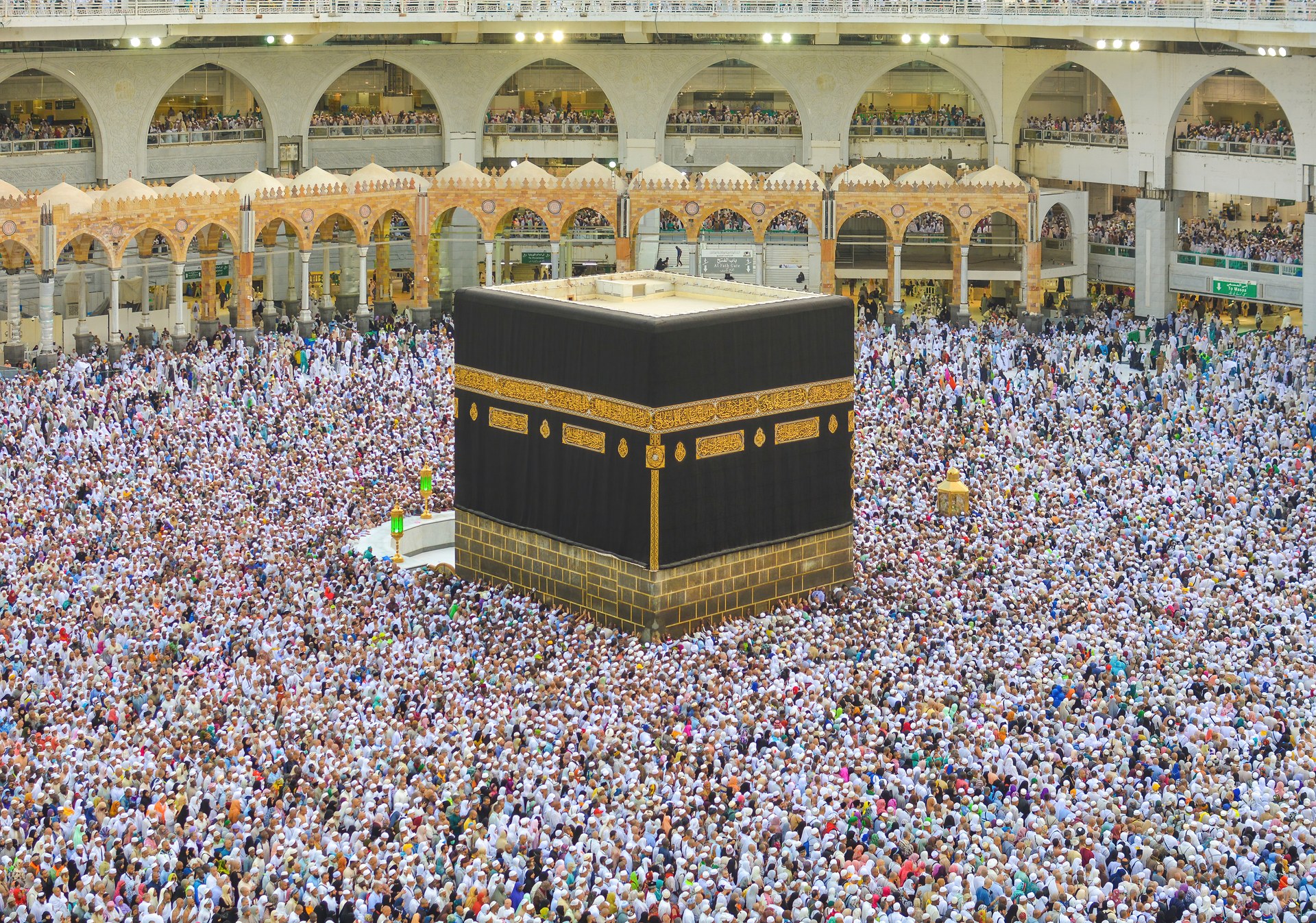
The Hajj calendar imposed a hard deadline. The Saudi Supreme Court confirmed on May 17 that Dhu al-Hijjah had begun May 18, placing the Day of Arafah on May 26 and Eid al-Adha on May 27. The “two or three days” Trump said the Gulf leaders requested would have pushed any resumed military action to May 20 or 21 u2014 still five days before the pilgrimage’s holiest rite. Michael Ratney, former US Ambassador to Saudi Arabia and senior adviser at CSIS, assessed that “given the vulnerability of their economies to this sort of conflict, their risk tolerance is extraordinarily low.”
The advisory documented in The Most Damaging Document Issued Against Saudi Arabia This Year Is a Travel Advisory adds a third dimension to that constraint: not only did the Hajj calendar limit Trump’s military options, the US Embassy’s own Level 3 warning implicitly acknowledged that Saudi Arabia could not guarantee pilgrim safety if fighting escalated — a finding that erodes the Custodian of the Two Holy Mosques title at precisely the moment Riyadh needed it most.
n
Saudi Arabia’s fiscal position left little room for a prolonged conflict. The Kingdom’s Q1 2026 budget deficit reached $34 billion u2014 roughly 194% of the full-year deficit target, according to FDD analysis published May 12. PIF cash reserves had fallen to approximately $15 billion, the lowest level since 2020. Hussain Abdul-Hussain of FDD argued that the only coherent explanation for Saudi accommodation was “domestic failure,” with record deficits as the hidden driver.
n
n
The Deals Already Signed
n
Bin Farhan’s endorsement arrived seven days after the most substantial US-Saudi defense agreement in the relationship’s history. During Trump’s May 13 visit to Riyadh, the two sides formalised a $142 billion arms package and signed a 123 civil nuclear cooperation agreement that does not prohibit Saudi uranium enrichment and omits the IAEA Additional Protocol, according to the Arms Control Association and Responsible Statecraft. The F-35 sale to Saudi Arabia had been approved in March 2026, and MBS secured the Kingdom’s designation as a “Major Non-NATO Ally” during his November 2025 Washington visit.
n
The arms package, the nuclear agreement, the fighter jet approval, and the alliance designation were all finalised before bin Farhan posted. Abram Paley of the Atlantic Council assessed in March that Saudi Arabia, the UAE, and Qatar had “calculated that no power other than the United States can deliver the missile defense and extended deterrence that the Iranian threat demands.”
n
Three days before the X post, bin Farhan met US Syria envoy Tom Barrack in Riyadh on May 17 to discuss Syrian stabilisation and “issues of common interest,” per Al Arabiya. Barrack had met Syrian President Ahmad al-Sharaa in Damascus on the same trip.
The same day bin Farhan posted his endorsement, Britain concluded Britain’s £3.7 billion GCC trade deal — making the UK the first G7 nation to sign a GCC-wide free trade agreement on the same day Saudi Arabia’s foreign minister moved from 62 days of ambiguity to named public praise for US restraint.
n
A separate Atlantic Council analysis found that Saudi Arabia “has kept its channel to Tehran open throughout the war, called for talks to address ‘all issues’ contributing to regional instability, and wants a seat at the table with a settlement comprehensive enough to curtail Iranian support for armed proxies and resolve the Strait of Hormuz question on a lasting basis.” As of May 21, Saudi Arabia does not have that seat u2014 the single round of Pakistan-mediated talks did not include Riyadh. Nor does Riyadh have any presence in the track that may prove more durable: Iran and Oman are drafting a bilateral Hormuz governance treaty in Muscat, written by legal teams rather than diplomats, that would formalise Iranian transit authority over the strait bin Farhan specifically called to be restored to its pre-war state.
n
How Does Tehran Read Saudi Endorsement?
n
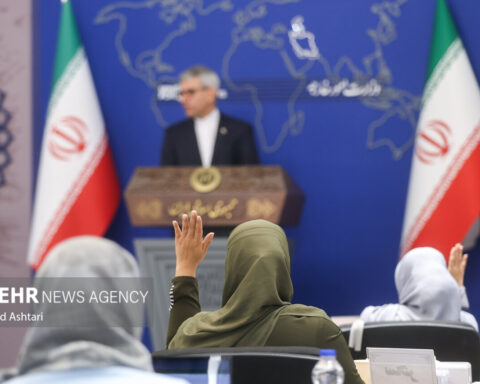
Iran’s response to bin Farhan’s statement was to route around it. Tehran’s diplomatic energy in the days surrounding the endorsement was directed at Pakistan-mediated channels, not Saudi ones. Iranian FM Baghaei confirmed that Tehran had responded to the latest US proposal, with mediation continuing through Islamabad, according to ABC News. PressTV and Iranian state media have consistently portrayed Saudi Arabia as a US proxy rather than an independent actor in the conflict.
Forty-eight hours after bin Farhan’s endorsement, Saudi state media’s publication of the Al-Arabiya “final draft” completed the arc: where the foreign minister signaled acceptance of ceasefire terms through official channels, Al-Arabiya published the text itself — centering Hormuz navigation guarantees without nuclear provisions, consistent with the position bin Farhan had publicly articulated.
n
Iran’s revised 14-point peace plan, reported by Tasnim around May 19, set terms that bore no relationship to bin Farhan’s language about “giving diplomacy a chance.” A US official denied a Tasnim report that Washington had agreed to waive oil sanctions during negotiations, according to Reuters. Iran’s chief negotiator had issued a May 12 ultimatum u2014 accept Iran’s terms or face “failure” u2014 the same day Trump called the ceasefire “on life support,” per NPR.
n
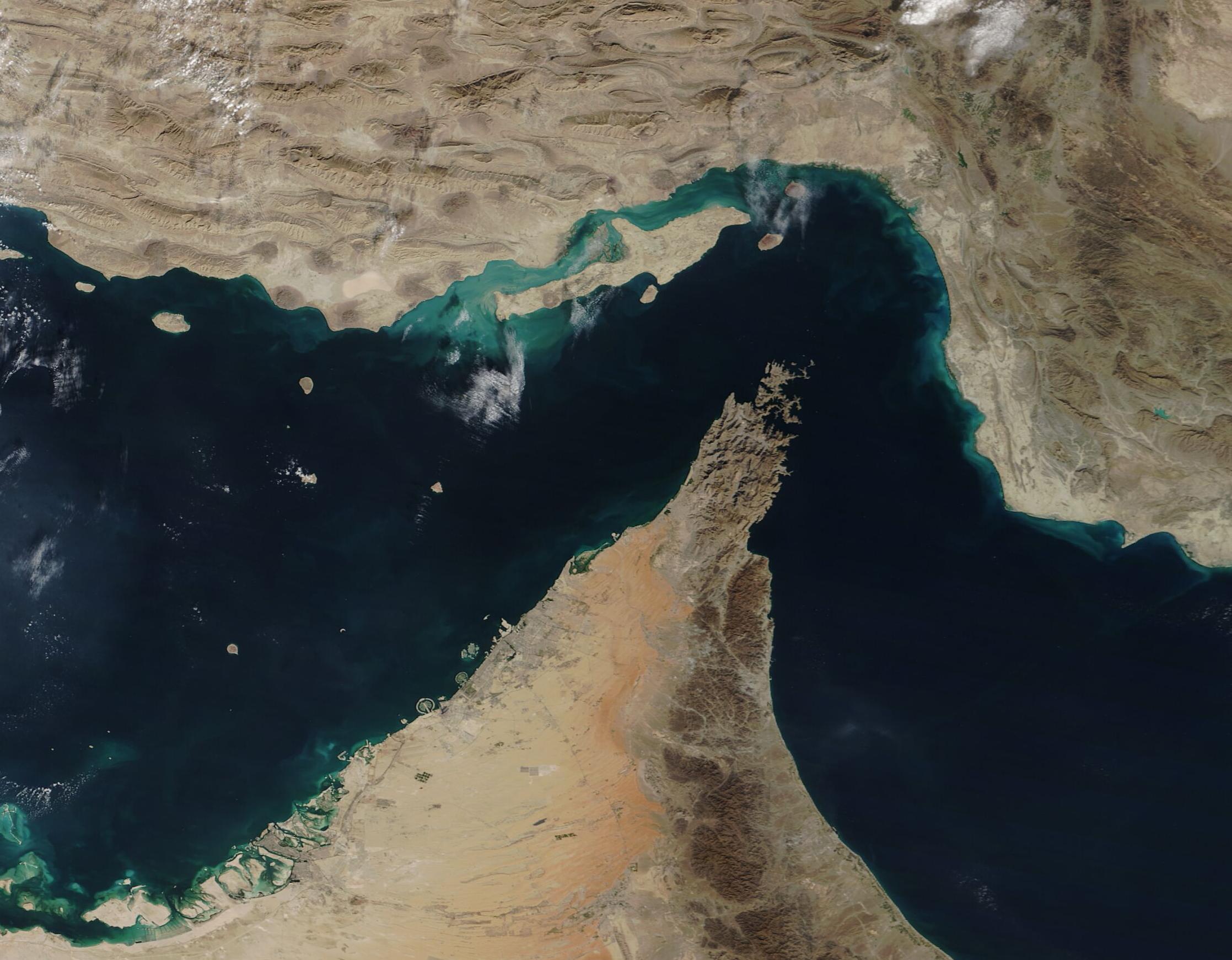
On the same day as bin Farhan’s post, the IRGC claimed coordination of 26 vessel transits through the Strait of Hormuz in a single 24-hour window, per Al Jazeera u2014 asserting toll-gate authority over the waterway that bin Farhan’s statement had specifically called to be restored “to its state prior to February 28th 2026.” The IRGC figure counts passages it claims to have cleared through its own coordination system; independent tracking has recorded only 45 transits through the strait since the April 8 ceasefire u2014 roughly 3.6% of the pre-war baseline u2014 a discrepancy reflecting what the IRGC’s de facto customs regime at Hormuz claims versus what shipping data independently confirms.
n
n
The Gulf Split Behind the Statement
n
Bin Farhan’s endorsement papered over a growing divergence within the Gulf Cooperation Council. The Soufan Center assessed on May 14 that Saudi Arabia “favors accommodation with Iran and Iran-backed regional actors” while the UAE “believes military confrontation with Iran and its allies can produce transformative change.” All Gulf states, the assessment noted, shared concern that prolonged conflict would “set back, if not derail outright, their economic diversification programs.”
n
The split surfaced publicly as early as April 8, when Saudi Arabia “welcomed” the ceasefire and hoped it would “lead to a comprehensive sustainable pacification,” while the UAE ambassador declared “a simple cease-fire isn’t enough,” per Al Jazeera. Chatham House attributed Saudi Arabia’s “reluctance to engage directly in the war against Iran” partly to the threat of maritime insecurity to its Red Sea economic ambitions u2014 “a kinetic response would increase risks to its energy assets and place alternative export routes under threat.”
n
Ratney, the former US ambassador now at CSIS, framed the structural constraint: unlike the United States, Saudi Arabia “will have to live in the region and with its neighbors long after President Trump has declared ‘mission accomplished.’” Bin Farhan’s May 20 statement moved Riyadh further from Abu Dhabi’s posture u2014 the ceasefire Saudi Arabia spent weeks pursuing is one the UAE ambassador publicly dismissed as insufficient.
n
Frequently Asked Questions
n
Did bin Farhan’s endorsement change US policy toward Iran?
n
No. Trump had already shifted from a defined “two or three day” pause to an open-ended posture before bin Farhan posted. The endorsement ratified a US position already moving away from military action. Trump told reporters on May 18, “If we can do that without bombing the hell out of them, I’d be very happy,” but instructed Defense Secretary Pete Hegseth and Joint Chiefs Chair Gen. Dan Cain to “be prepared to go forward with a full, large scale assault of Iran, on a moment’s notice,” per CNBC.
n
What military tools did Saudi Arabia deploy before the public statement?
n
Saudi Arabia suspended and then restored US access to Prince Sultan Airbase on May 7, per Iran International and the Wall Street Journal u2014 an airspace denial card played and returned before bin Farhan’s endorsement. The Kingdom’s operational capacity has been partially insulated from the Hormuz closure by Aramco’s East-West Pipeline, running at 7 million barrels per day. Aramco reported Q1 2026 adjusted net income of $33.6 billion, up 26% year-over-year according to company filings u2014 revenue sustained by the pipeline bypass even as Hormuz remained effectively closed. The terms of the second Trump-MBS call that secured the PSAB restoration — the concessions neither side would disclose — remain unacknowledged by both governments.
n
Why did bin Farhan praise Pakistan’s mediation specifically?
n
Pakistan is the only country simultaneously mediating between the US and Iran while maintaining military assets on Saudi soil. Islamabad deployed the HQ-9 air defense systems to the Kingdom on April 11 u2014 the same day Vice President Vance opened talks with Pakistani officials, a convergence of military and diplomatic roles no other US partner in the region has matched. Iranian FM Baghaei has channeled Tehran’s responses through Islamabad rather than Riyadh, making Pakistan the preferred interlocutor for both sides of the negotiation.
n
How did Saudi-aligned media frame the statement?
n
Arab News ran the statement alongside a companion editorial framing Saudi diplomacy as “blending negotiation and deterrence” u2014 a coordinated presentation of Riyadh as a proactive peacemaker. Asharq Al-Awsat published under the headline “Saudi FM: We Welcome Trump’s Decision to Allow More Time for Diplomacy” and separately ran a denial that Saudi Arabia “favors prolonging the war” u2014 a defensive line that revealed the narrative Riyadh was guarding against, even as it praised the decision to delay military action.
n
Has the 2023 Saudi-Iran rapprochement survived the war?
n
In form, partially. Bin Farhan has maintained a phone channel with Iranian counterparts throughout the conflict: a call with FM Araghchi on April 9, another with Iran’s FM on May 6, and a three-way discussion with Iranian and Pakistani foreign ministers on May 11, per Al Arabiya and PressTV. In substance, the relationship has transformed. MEMRI’s analysis found Saudi Arabia abandoned its rapprochement posture within 48 hours of the war’s start, shifting to “harsh official condemnation of Tehran and even support for regime change in Iran expressed in the Saudi media.” The calls continue; the language on them has changed.
Separately, the 39-day diplomatic silence since Islamabad has enabled the IRGC to operationalize a M-per-ship transit fee structure that now functions as a parallel fiscal instrument — complicating any Saudi calculation about the cost of accommodation.
Trump’s May 21 CBS disclosure — crediting MBS by name for stopping the Iran strike — has since added a direct security consequence to that accommodation calculus: Trump’s naming of Saudi Arabia eliminated the strategic ambiguity that had kept the Kingdom in a lower IRGC targeting bracket, and the IRGC’s response within hours confirmed the threat was understood.
n”}
The HEU dimension of Bin Farhan’s May 20 statement carries a separate exposure: Trump had already told Hannity five days earlier that retrieving Iran’s enriched uranium stockpile is “not necessary.” What Saudi Arabia endorsed on May 20 — and what Washington had already conceded by then — is documented here.