
MBS Has Forty-Eight Hours to Deliver Iran
JEDDAH — Saudi Arabia’s foreign minister has spoken to his Iranian counterpart six times in six weeks — a cadence of direct FM-level contact with no modern precedent, no public explanation from either government, and no parallel in the histories of countries that were bombing each other three months ago. The sixth call, on Tuesday, came as Donald Trump’s strike pause ticked toward expiry, with Iran’s counter-proposal offering Washington nothing it could accept and the president himself claiming he had been an hour from ordering strikes before Gulf leaders talked him down.
What the calls reveal is that Riyadh is not a passive beneficiary of the pause it helped secure on May 18 but the active intermediary building a parallel diplomatic track between Washington and Tehran. The bind is structural: MBS wagered his credibility on the premise that Saudi influence could move Iran toward a viable framework inside a window the president defined as “two-three days, maybe Friday or Saturday, early next week.” Iran’s counter-proposal, delivered May 19, demands full troop withdrawal, reparations, and sanctions relief, with zero nuclear concessions — and if the back channel fails by the weekend, the Kingdom will have burned its standing as broker with Washington and its utility as interlocutor with Tehran at the same time.
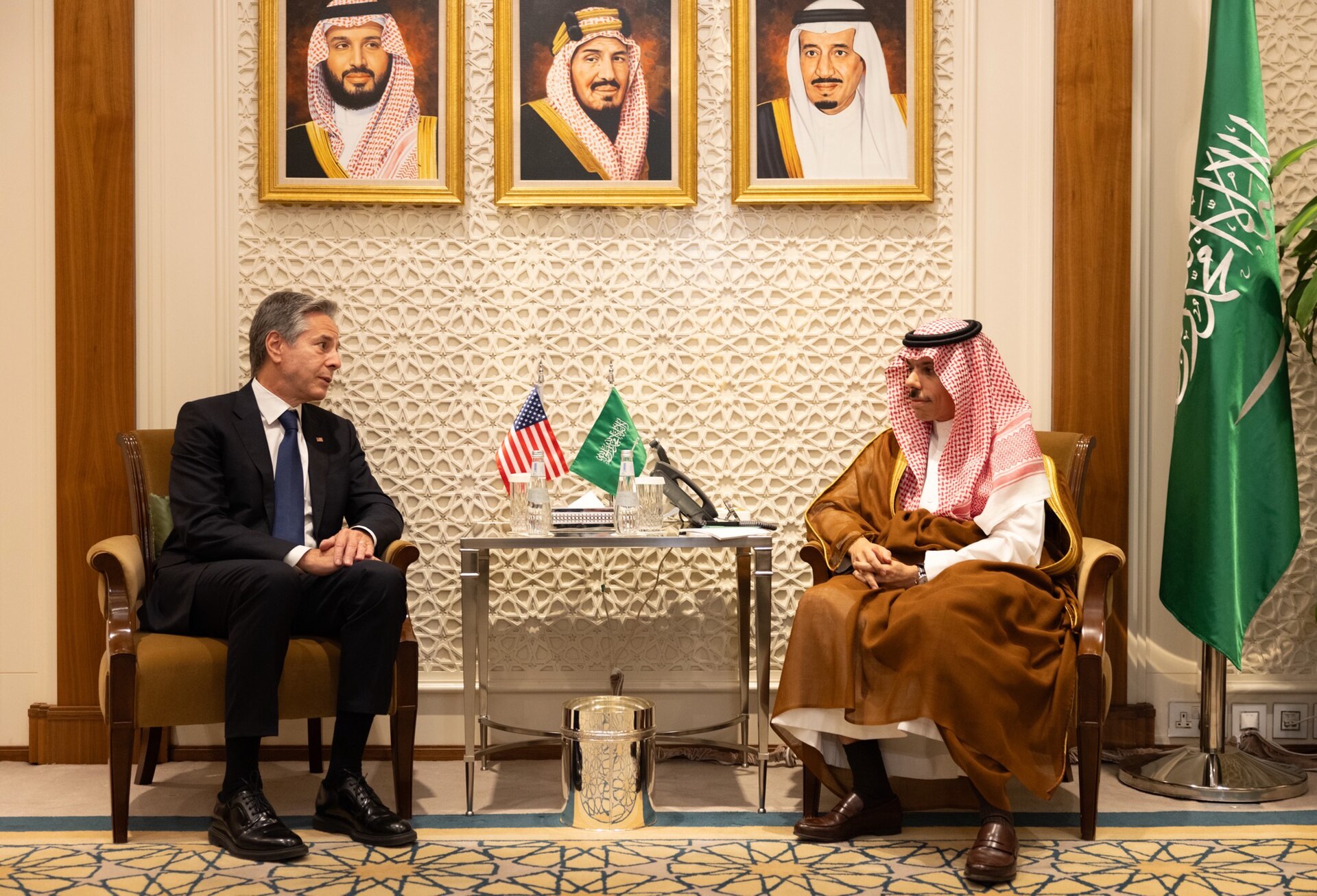
Table of Contents
- The Channel That Keeps Ringing
- Why Is Saudi Arabia the Only Gulf State Tehran Will Call?
- The Prince Sultan Air Base Precedent
- What Can Saudi Arabia Actually Offer Iran?
- What Is Tehran Demanding — and Why Won’t It Budge?
- The Hajj Variable
- A Fractured Gulf at the Worst Possible Moment
- Can Riyadh Close the Gap Before Trump’s Clock Runs Out?
- Frequently Asked Questions
The Channel That Keeps Ringing
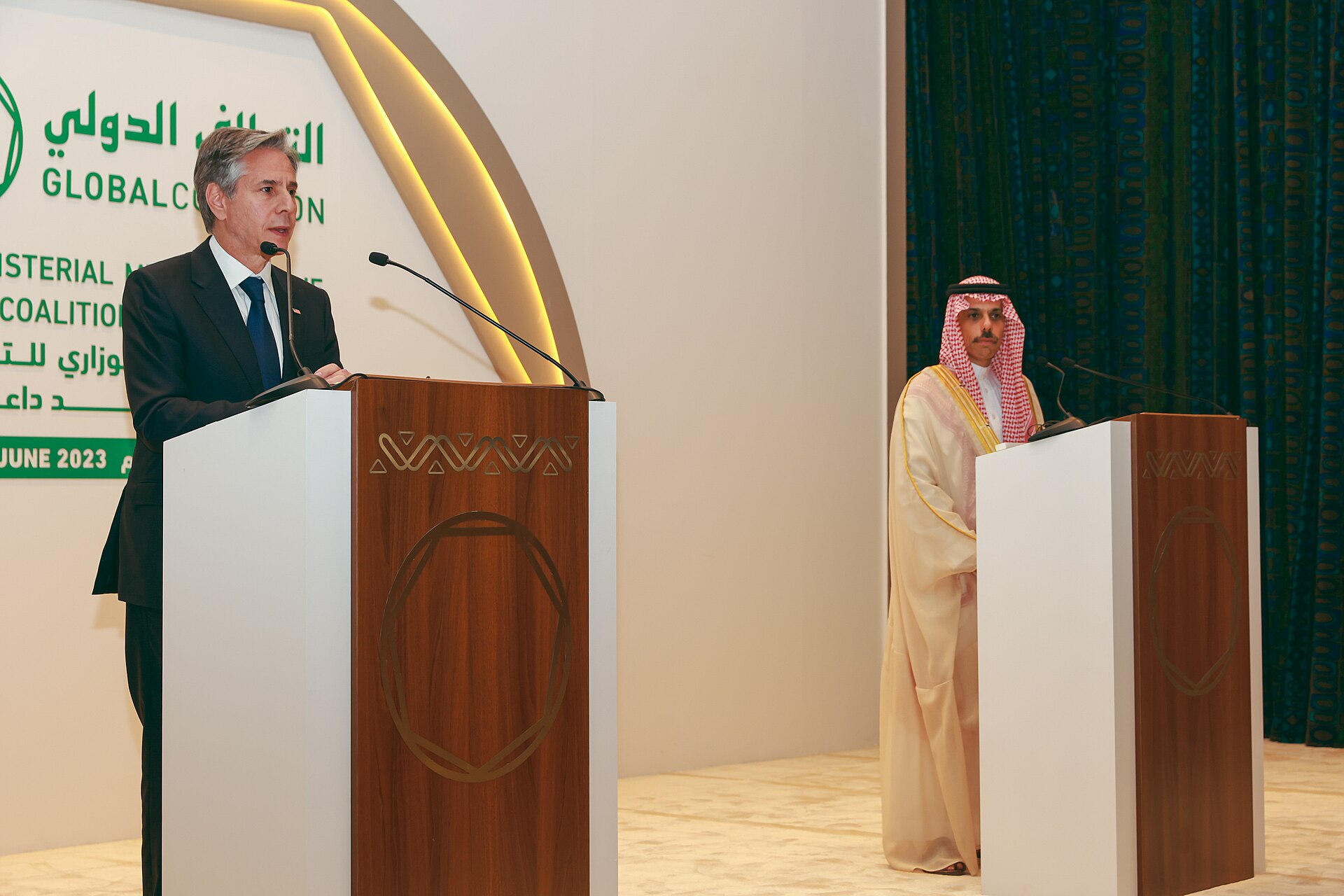
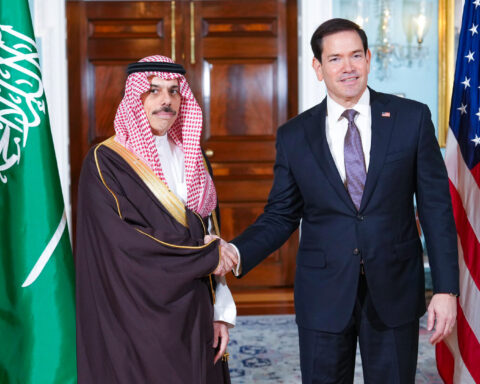
When Abbas Araghchi called five Gulf foreign ministers on the morning of April 9 — the first day after the ceasefire took hold — four of them declined to engage. Only Prince Faisal bin Farhan picked up, making Saudi Arabia the sole Gulf state willing to conduct direct diplomacy with Tehran at the moment of maximum regional uncertainty, a choice that established a channel both governments have relied on ever since.
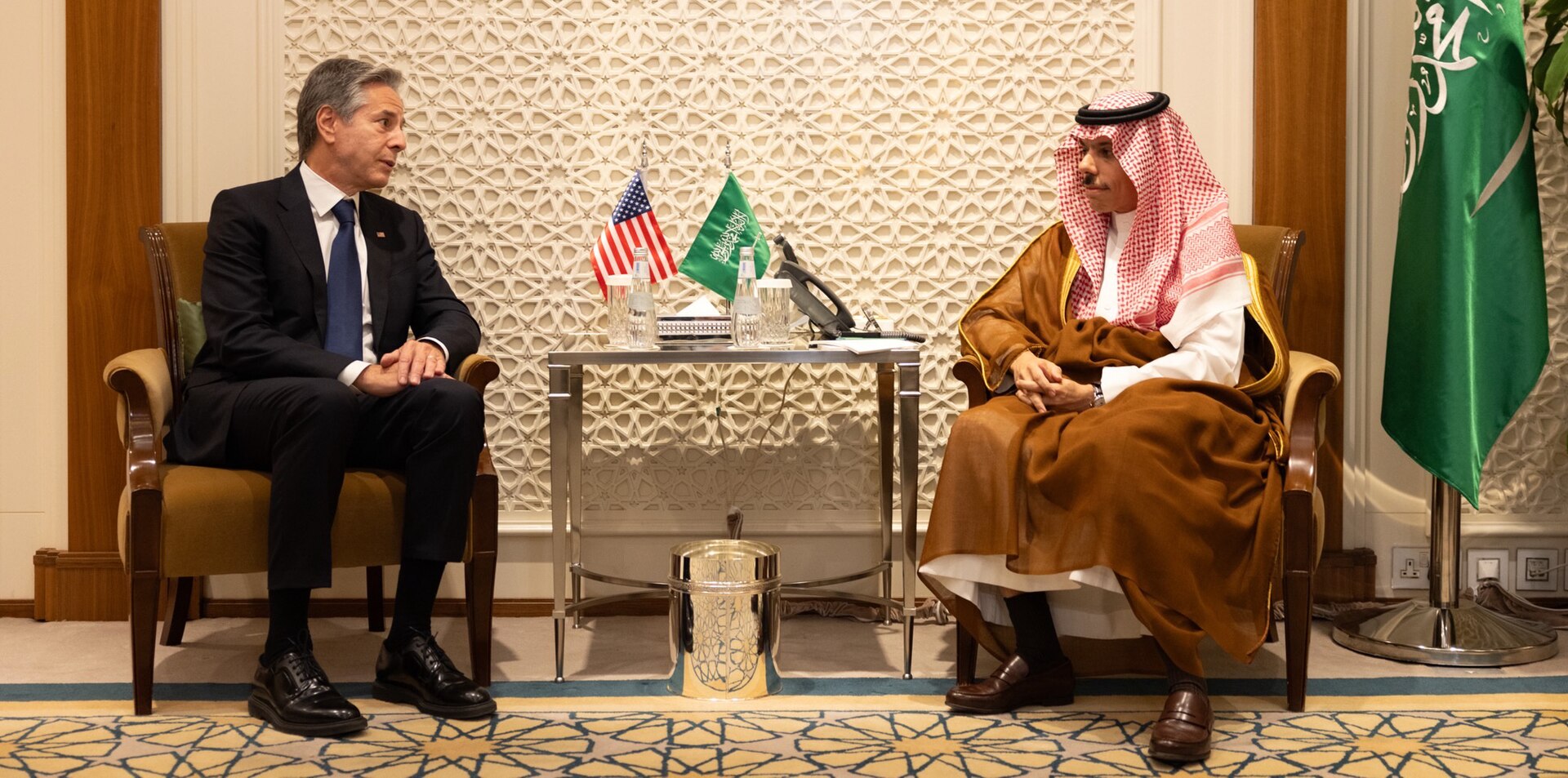
Six calls in six weeks tell a story the wire readouts were not designed to convey. The April 9 conversation was reactive — a scramble to establish contact after more than forty days of wartime diplomatic silence between the two capitals. The April 13 call came on the day CENTCOM imposed its naval blockade, suggesting the channel had already migrated from courtesy to crisis coordination. By April 27, the dynamic had shifted entirely: Araghchi gave Faisal the contents of Iran’s two-stage diplomatic proposal before it was transmitted to Washington — making Saudi Arabia the holder of Iranian diplomatic intelligence that the other principal negotiator did not yet possess.
| Date | Context | Known Focus |
|---|---|---|
| April 9 | Day after ceasefire; only Saudi among five Gulf states accepted the call | First post-war diplomatic contact |
| April 13 | Day of CENTCOM naval blockade announcement | Islamabad talks outcomes |
| April 27 | Araghchi en route from Muscat to Islamabad | Iran’s two-stage proposal shared with Faisal before Washington received it |
| May 6 | Araghchi in Beijing | “Regional coordination to avoid escalation” |
| May 11 | Day Round 4 ended without agreement in Muscat | Pakistan-mediated US-Iran diplomatic track |
| May 20 | Two days after Trump’s strike pause; one day after Iran’s counter-proposal | “Regional developments and continuation of diplomacy” |
That intelligence asymmetry is the key to understanding what the channel does. On May 6, with Araghchi in Beijing, both sides settled on the diplomatic language of “regional coordination to avoid escalation.” On May 11 — the day Round 4 ended in Muscat without agreement — Araghchi called Faisal in what would be the fifth documented contact, the most operationally sensitive to date.
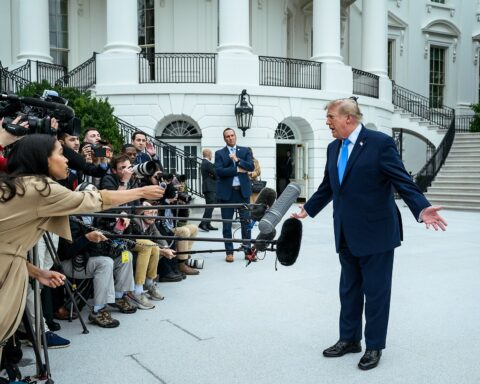
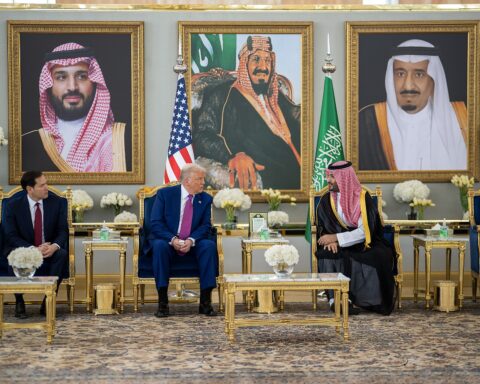
Four days later, Trump landed in Riyadh and told reporters that Iran had “sort of agreed to the terms,” per PBS NewsHour — a characterization bearing no resemblance to the “TOTALLY UNACCEPTABLE” he had posted on Truth Social five days earlier. What moved between those two statements was the Saudi relay: Araghchi’s positions, filtered through Faisal, packaged by MBS, and delivered to a president whose first instinct had been rejection.
The Middle East briefing 3,000+ readers start their day with.
One email. Every weekday morning. Free.
Tuesday’s call — the sixth — was described in wire reporting as covering “regional developments and continuation of diplomacy,” language deliberately opaque enough to signal that neither capital wants the channel exposed to public scrutiny. In a diplomatic environment where even the occurrence of specific phone calls has been disputed between media accounts and government readouts, the Araghchi-Faisal channel stands out for its stubborn consistency: six calls in six weeks, each acknowledged by both sides, each falling at a moment of maximum pressure. By the following morning, Faisal had set the private vocabulary aside entirely: his May 20 public statement named Trump, named Tehran, and attached Saudi Arabia’s credibility to the outcome of the window his back-channel had spent six weeks preparing.
Why Is Saudi Arabia the Only Gulf State Tehran Will Call?
Saudi Arabia is the only Gulf state with both the institutional infrastructure and the political will to engage Tehran directly during active hostilities. The 2023 Beijing accord — though now functionally dead — built diplomatic plumbing that no other Gulf capital possesses: consular channels, a reactivated 2001 security cooperation agreement, and direct FM-level contact lists that survived the deal’s collapse. Iran fired more than 2,800 missiles and drones at the UAE — more than at any other country including Israel, according to the Soufan Center — making Abu Dhabi a hostile party, not a mediator.
The channel between Riyadh and Tehran did not appear from diplomatic goodwill; it was constructed over years. The March 2023 Beijing deal, brokered by China after Iraqi- and Omani-hosted dialogue rounds stretching back to 2021, restored full diplomatic relations and saw Iran reopen its embassy in Riyadh. The war that began in February 2026 destroyed the deal as a framework for normalization — but the institutional muscle memory it created, the contact lists and back channels and direct lines, survived intact. Saudi officials were reportedly talking to Iranian counterparts “on a daily basis” during the opening phase of the conflict in February and March, according to the Christian Science Monitor, a cadence that has since formalized into the FM-level calls beginning April 9.
The contrast with the Emirates is instructive. The Soufan Center’s May 14 assessment is direct: the war “has widened differences between Saudi Arabia, which favors accommodation with Iran and Iran-backed regional actors, and the United Arab Emirates, which believes military confrontation with Iran and its allies can produce transformative change.” These are not tactical disagreements but strategic divergences — and they explain why Araghchi called Faisal on April 9 and not Abdullah bin Zayed.
There is, however, a gap in the channel that neither the call frequency nor the diplomatic language can close. Iran’s post-Khamenei leadership — Ayatollah Khamenei was assassinated on February 28 — has never publicly validated Saudi Arabia as a legitimate intermediary with Washington. IRNA and PressTV report the calls in the language of peer coordination: “regional cooperation to prevent tensions,” “continuation of diplomacy.” Tehran treats Riyadh as a regional interlocutor, not a principal negotiator, and the distinction matters because it means Iran can use the Saudi channel to relay positions to Washington without conceding that Riyadh has any standing to broker the terms of a deal.
The Prince Sultan Air Base Precedent
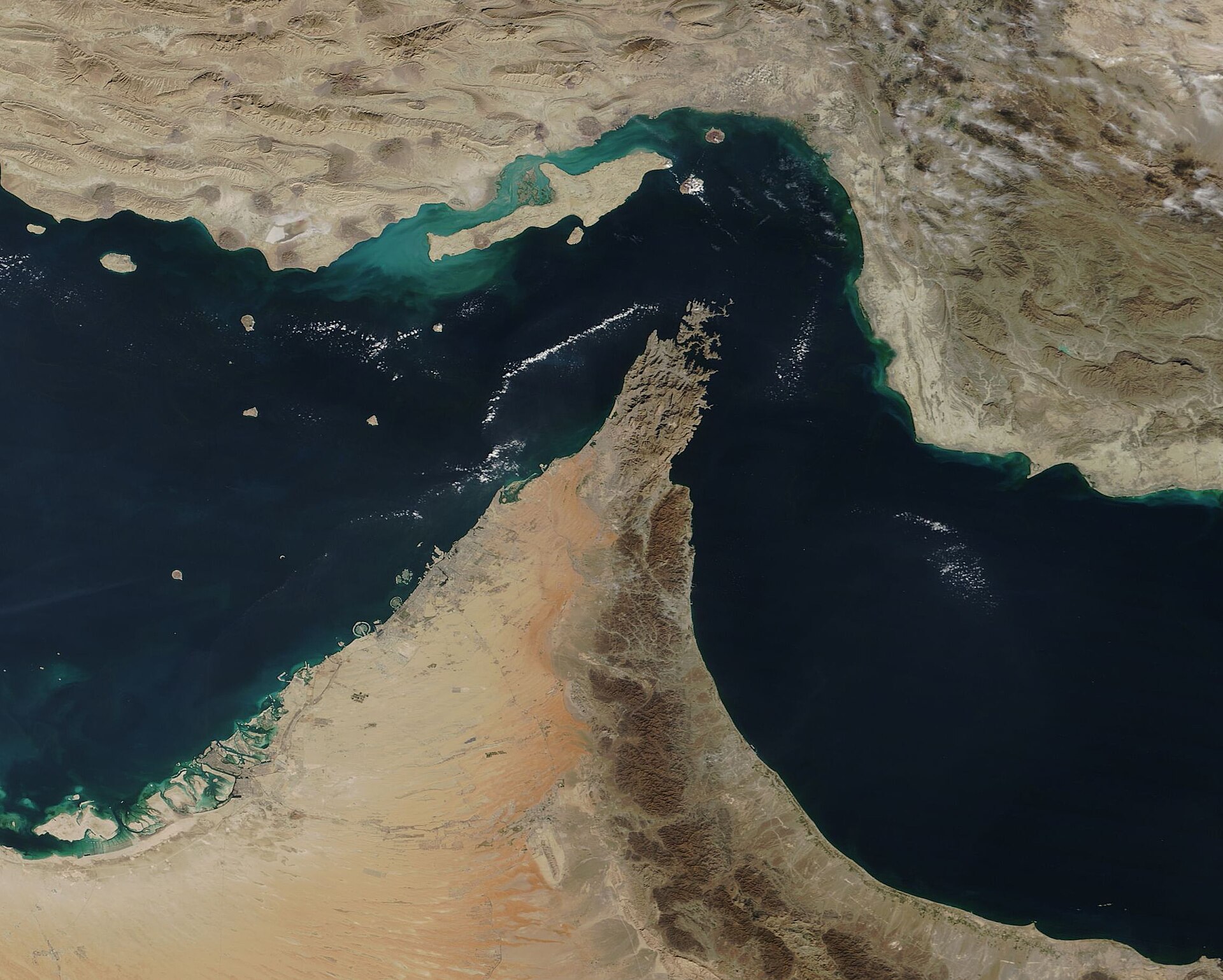
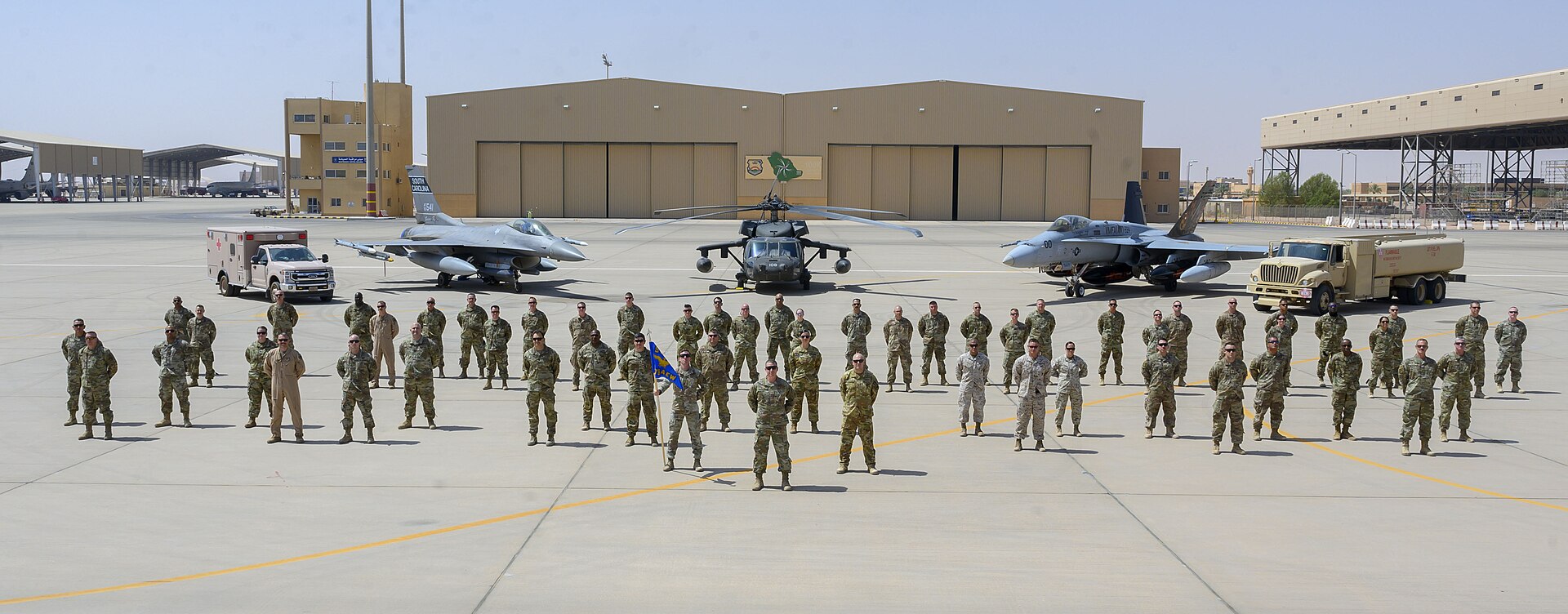
Riyadh has already demonstrated, within this conflict, that it holds cards Washington cannot afford to ignore. When Trump announced “Project Freedom” — an operation to forcibly reopen the Strait of Hormuz — Saudi Arabia suspended US military use of Prince Sultan Air Base and Saudi airspace, grounding American air power and forcing Trump to halt the operation. Access was restored only after a second Trump-MBS phone call, and the tactical status quo returned to what passes for normal in a war zone.
The precedent was indelible. A country that can deny Washington the physical infrastructure for a strike on 48 hours’ notice is not a passive conduit for other people’s messages — it has editorial control over what reaches the theater and in what form. The episode established that Riyadh can weaponize base access in both directions: deny it to restrain Washington, restore it to pressure Tehran, and keep both sides guessing about which way the switch will flip next.
The irony is that Prince Sultan Air Base had been an Iranian target weeks earlier. On March 27, Iranian strikes on the facility damaged US refueling aircraft and injured fifteen American soldiers, five of them critically. The base that Iran tried to destroy became, weeks later, the bargaining chip Riyadh played against Washington to prevent further strikes on Iran — a piece of geographic jujitsu that captures the tripartite absurdity of Saudi Arabia’s position as intermediary between a superpower using its airfields and a regional adversary bombing them.
The same card works in the other direction. If Iran refuses to engage meaningfully through the back channel, Saudi Arabia can signal willingness to restore full US offensive access — not merely for defensive patrols but for strike packages. Whether MBS would play that card against Tehran is an open question, but the mere existence of the option gives the Saudi intermediary role a coercive dimension that purely diplomatic brokers like Oman or Pakistan do not possess.
What Can Saudi Arabia Actually Offer Iran?
Riyadh’s toolkit includes Hajj access for 1.8 million pilgrims as implicit religious and economic pressure, economic normalization and trade restoration, tacit acceptance of Iran’s PGSA toll regime at Hormuz, OPEC+ production signaling, and — most potently — editorial control over how Iranian positions reach the American president. What it cannot offer is sanctions relief, reparations, or US troop withdrawal, which are the items at the top of Iran’s list.
The gap between what Saudi Arabia can deliver and what Iran is demanding is not a negotiating distance but a structural mismatch. Riyadh’s strongest instruments are regional-level concessions in a negotiation where Tehran’s demands are global-level — addressed not to the intermediary but to the principal adversary standing behind him.
The relay function is the most consequential asset, and it has already produced results. That April 27 intelligence lead — Araghchi sharing Iran’s two-stage proposal with Faisal before Washington received it — established Saudi Arabia as the holder of Iranian diplomatic positioning before the principal adversary knew what was being offered. MBS translated those positions into language that kept the diplomatic track alive, regardless of whether the underlying substance had moved.
On Hormuz, Saudi Arabia can offer something Washington actively opposes: tacit recognition of the Persian Gulf Strait Authority Iran has constructed at the chokepoint, an institution that charges up to $2 million per transit, accepts payment in yuan, Bitcoin, and USDT, and requires vessels to answer more than forty questions per application. For Saudi Arabia, which can bypass Hormuz via pipeline for a portion of its oil exports, the PGSA is an inconvenience rather than an existential threat. For Iran, Saudi acceptance would confer a degree of legitimacy on an institution the US is actively trying to sanction out of existence.
The fiscal constraint is real on both sides. Saudi Arabia’s Q1 2026 budget deficit hit a record $34 billion, according to the Foundation for Defense of Democracies — the kind of hemorrhage that makes expensive economic inducements for Tehran a hard sell in a kingdom already watching Vision 2030 stall. Riyadh’s ability to offer Iran material concessions beyond diplomatic framing is limited by the same war that makes the diplomatic framing necessary.
| Saudi Arabia Can Offer | Iran’s Demands (May 19 Counter-Proposal) |
|---|---|
| Hajj pilgrim access and consular cooperation | Full reparations for war damage |
| Relay function: package Iranian positions for Washington | Complete US troop withdrawal from region |
| Economic normalization and trade reopening | End of US marine blockade at Hormuz |
| Tacit acceptance of PGSA toll regime | Lifting of all sanctions and unfreezing of assets |
| OPEC+ production signaling | End to Lebanon war |
| Base access decisions shaping US strike posture | Zero nuclear concessions |
What Is Tehran Demanding — and Why Won’t It Budge?
Iran’s May 19 counter-proposal demands war reparations, full US troop withdrawal, an end to the marine blockade, lifting of all sanctions, and release of frozen funds — while explicitly excluding nuclear concessions. Deputy Foreign Minister Gharibabadi stated Iran “will not agree to end the war in return for nuclear commitments,” making the proposal structurally incompatible with Washington’s stated requirements and with anything Saudi Arabia can deliver on its own.
The counter-proposal is not a negotiating position in the traditional sense; it is a public rejection formatted as a document. Every item on the list — reparations, troop withdrawal, sanctions lifting, frozen funds — requires decisions that only the US president can make, and that this particular president has already called “totally unacceptable.” The proposal contains nothing Saudi Arabia can deliver, nothing Pakistan can mediate, and nothing that could be implemented within the two-to-three-day window Trump has defined.
“Iran will not agree to end the war in return for nuclear commitments. Iran’s right to enrichment is recognized on the basis of the NPT.”
— Kazem Gharibabadi, Iranian Deputy Foreign Minister, May 19, 2026
The nuclear exclusion is the most damaging element for Riyadh’s intermediary role. Washington’s public track treats nuclear concessions as foundational — the 14-point MOU framework negotiated by Witkoff and Kushner in Islamabad includes enrichment provisions that Iran is now explicitly refusing to discuss. If the Araghchi-Faisal channel is producing private signals that differ from Iran’s public stance, those signals have not surfaced in any reporting. If it is not — if Araghchi is telling Faisal what Gharibabadi is telling cameras — then the channel’s value as a diplomatic instrument is limited to managing the terms of failure rather than engineering success.
The IRGC’s public posture reinforces the rigidity. “Should the enemy commit the slightest error, it will be met with a response in full power,” the Guards’ leadership has declared — language designed to constrain whatever flexibility Araghchi might carry into private conversations with Faisal. The hardline faction in post-Khamenei Iran treats the Saudi channel as a tool for managing regional consequences, not for conceding on the terms of a comprehensive settlement, and the distinction between those two functions is the gap the back channel cannot bridge by Friday.
The Hajj Variable
The timing is not coincidental, though neither side has acknowledged it publicly. Hajj 2026 is expected to draw 1.8 million pilgrims, with the Day of Arafah — the spiritual apex of the pilgrimage — falling on May 26, less than a week from today and squarely within the diplomatic window Trump has defined. The pilgrimage does not merely overlap with the crisis; it reshapes the incentive structure on both sides.
For Saudi Arabia, Hajj creates a practical constraint on escalation that no diplomatic communiqué can match. The Kingdom cannot be seen to enable a US strike on Iran while nearly two million worshippers are circling the Kaaba, and Tehran knows this. The pilgrimage provides a brief but potent period during which Riyadh has a domestic and religious imperative to prevent military action — an imperative that aligns with its diplomatic strategy but constrains its freedom to signal coercive intent toward Tehran.
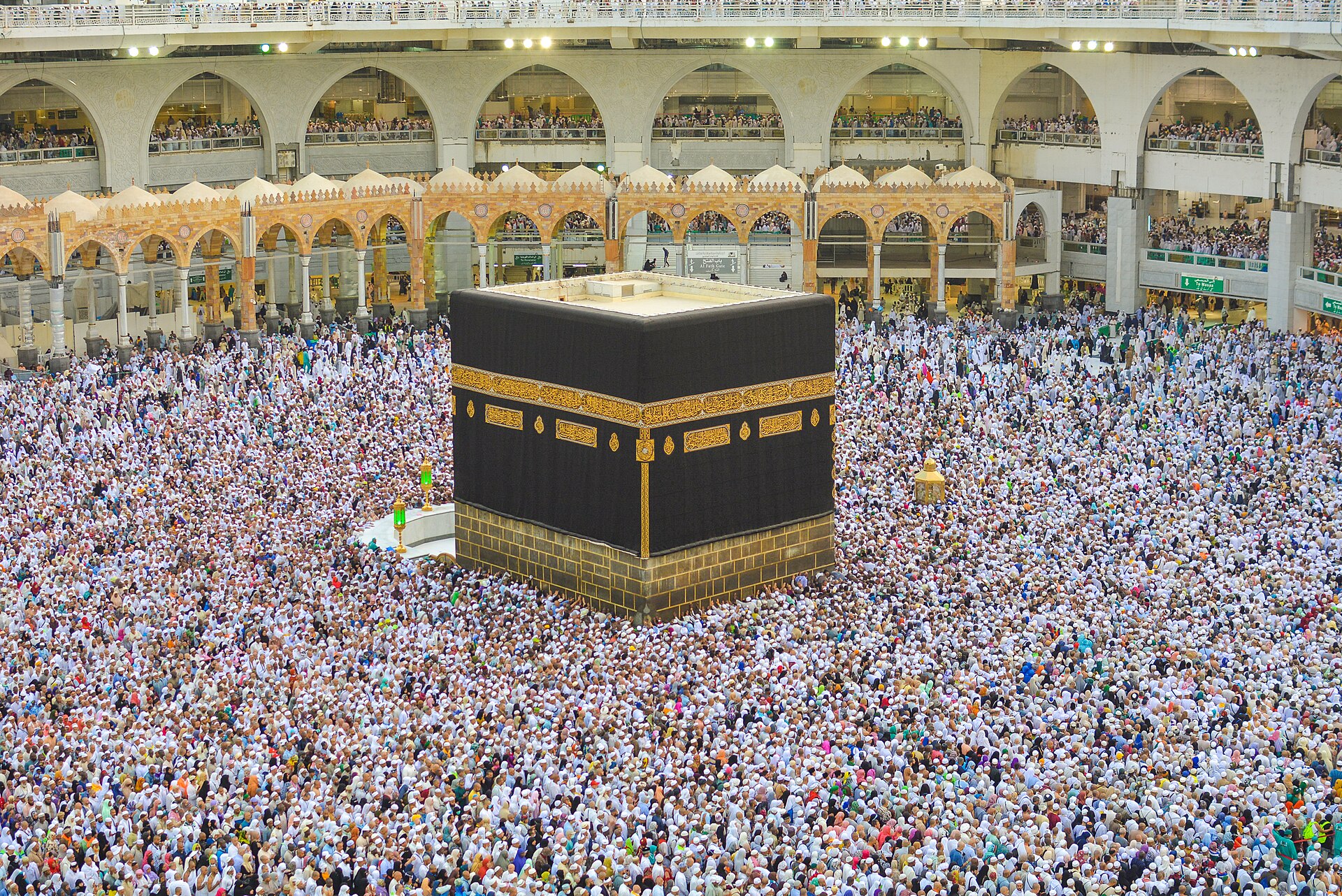
The deterrence logic, however, has reversed. Iran has roughly 30,000 nationals inside Saudi Arabia for the Hajj season, once understood as giving Riyadh implicit hostage-style insurance against Iranian attacks on Saudi territory. But the same arithmetic works in the other direction: those 30,000 Iranians are under Saudi jurisdiction during active conflict, and any military escalation that threatens their safety would give Tehran a casus belli wrapped in religious sanctity resonating across the entire Muslim world.
The result is a narrow window of mutual vulnerability in which both governments have pilgrims they cannot afford to endanger. Whether the Araghchi-Faisal channel is explicitly calibrated to the Hajj calendar is unknown, but the convergence of timing — Day of Arafah on May 26, six days from now and eight days after the strike pause, landing squarely inside Trump’s stated window — is structurally unavoidable, and both foreign ministers would have to be diplomatically illiterate not to have factored it into whatever they discussed on Tuesday.
A Fractured Gulf at the Worst Possible Moment
Saudi Arabia’s intermediary role would be stronger if Riyadh could claim to speak for a unified Gulf Cooperation Council. It cannot. The UAE exited OPEC on May 1 without consulting Saudi Arabia or any other member, according to UAE Energy Minister Suhail al-Mazrouei — a structural signal that the Saudi-Emirati axis anchoring Gulf diplomacy for more than a decade has fractured at the precise moment Riyadh needs it most.
The fracture runs deeper than energy politics. The Soufan Center assessed in May that Iran’s strategy of dividing Gulf allies “has registered major successes” — a judgment supported by the April 28 GCC consultative summit in Jeddah, the first gathering of Gulf leaders since the war began. Oman was absent entirely; the UAE sent only its foreign minister, not head of state MBZ. The summit was meant to project unity; instead it catalogued the fractures.
ACLED’s assessment compounds the problem: Saudi Arabia’s “regional competition with the UAE is only temporarily on hold, making strengthened GCC security cooperation a distant prospect.” This matters for the back channel because any framework Riyadh constructs with Tehran without GCC backing is a framework Iran can characterize as bilateral rather than regional — reducing its scope, its durability, and its value as a signal to Washington that the Gulf stands behind whatever Faisal and Araghchi have been building over six phone calls.
Even Qatar, the third Gulf leader who joined MBS in calling Trump on May 18, is hedging. Qatar FM spokesperson Dr. Majed Al-Ansari declined to confirm Trump’s characterization of an imminent deal, offering only that “the region must not be engulfed again in war” — language that supports the pause without endorsing the premise that a deal is close. The IISS has identified an emerging alternative alignment — a quadrilateral involving Egypt, Pakistan, Saudi Arabia, and Turkey, structurally separate from the UAE’s trajectory — but a bloc still forming offers Riyadh no help in the next forty-eight hours, when what it needs is not a new alliance architecture but a unified Gulf voice telling both Washington and Tehran that a framework has regional consensus behind it.
Can Riyadh Close the Gap Before Trump’s Clock Runs Out?
Almost certainly not on the terms Washington has publicly defined. ACLED identifies Saudi Arabia’s minimum objective as reopening the Strait of Hormuz and securing guarantees against direct attacks — goals that are materially narrower than Washington’s demand for nuclear concessions, troop withdrawal frameworks, and a comprehensive settlement. The most realistic outcome is a partial framework that satisfies neither side fully but gives Trump a reason to extend the pause.
The arithmetic is against Riyadh. The back channel needs to produce, within forty-eight to ninety-six hours, enough progress to keep American strike aircraft on the ground — not a comprehensive deal but tangible evidence that diplomacy is moving forward rather than circling. Against that requirement stands Iran’s May 19 counter-proposal, which contains nothing Trump can accept, and a domestic fiscal reality in Riyadh — the $34 billion Q1 deficit already logged — that constrains the Kingdom’s ability to sweeten offers with economic commitments of its own.
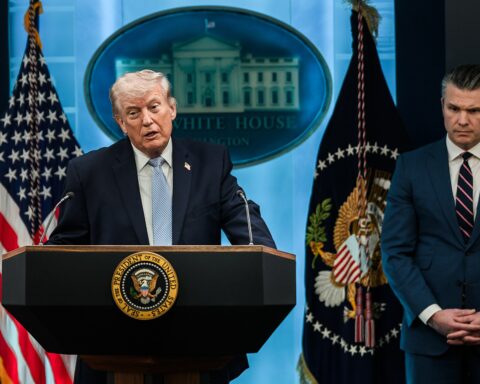
“I was an hour away from the Iran strike decision before I postponed it.”
— Donald Trump, May 19, 2026
The margin is measured in minutes and phone calls, not months and summits. If Riyadh’s minimum goal is reopening Hormuz rather than resolving the nuclear question, then the channel needs only to produce enough Iranian flexibility on maritime access to give Trump a deliverable he can hold up as progress. The strait currently operates at 3.6 percent of its pre-war baseline — forty-five transits since the April 8 ceasefire, with more than six hundred tankers trapped inside the Gulf and twenty-two thousand five hundred mariners stranded, according to Aramco CEO Amin Nasser and CENTCOM commander General Dan Caine. Even a modest increase in transit volume would represent a tangible result MBS could present to Washington as proof the Saudi relay is producing something real. That framing collapsed hours later when Trump publicly declared he was “in no hurry” and explicitly rejected a Hormuz-only agreement as the basis for any deal.
Critics of the Saudi approach are not waiting for failure to render judgment. Hussain Abdul-Hussain of the Foundation for Defense of Democracies has characterized Riyadh’s posture as “being nice to thugs like Islamic Iran,” arguing MBS is engaging in “a tired tactic perfected by other regional leaders: beating your chest at external enemies to mask domestic weakness.” The critique is politically convenient but analytically incomplete: Saudi Arabia is not engaging Iran out of affection but because the alternative — a US strike that could trigger Iranian retaliation against Saudi oil infrastructure, during Hajj, with 30,000 Iranian nationals on Saudi soil and 400 PAC-3 interceptor rounds standing between the Kingdom and the next missile barrage — is catastrophically worse.
When Araghchi called five Gulf foreign ministers on the morning of April 9, only one picked up. Six weeks and six calls later, Prince Faisal is still answering — and the price of hanging up has never been higher.
Frequently Asked Questions
Has Saudi Arabia formally offered to mediate between the US and Iran?
No. Riyadh has carefully avoided the word “mediation,” and no public statement from MBS or the Saudi Foreign Ministry characterizes the Kingdom’s role as that of a formal intermediary. Historically, Oman and Iraq have served as the recognized back-channel mediators between Washington and Tehran; Pakistan assumed that role for the current conflict. Saudi Arabia operates as a party with direct interests — oil, Hormuz, Hajj, base access — that happen to make it indispensable to both sides, a functional distinction from the neutral-broker model that Oman pioneered and that Pakistan now holds on paper.
What role is China playing in the current Saudi-Iran channel?
Beijing brokered the 2023 deal that built the diplomatic infrastructure the Araghchi-Faisal channel now runs on, but China has been largely absent from the current track. Araghchi’s May 6 call to Faisal occurred while the Iranian FM was in Beijing, suggesting proximity but not Chinese involvement in the conversation. The formal US-Iran negotiation is mediated by Pakistan, not China — a shift from the 2023 architecture that reflects both Beijing’s reluctance to insert itself into a conflict involving direct US military engagement and Washington’s preference for a mediator it can pressure. PIF opened a Shanghai office in May 2026, suggesting the Saudi-China economic relationship remains active even as the diplomatic track has moved to Islamabad and Muscat.
Could Qatar or Oman replace Saudi Arabia as intermediary?
Not with their current toolkits. Qatar’s Emir helped secure the May 18 pause but Doha lacks the oil infrastructure centrality and the base-access card that makes Riyadh’s position unique — Qatar hosts Al Udeid, the largest US air base in the Middle East, but has never threatened to restrict access in the way Saudi Arabia did with Prince Sultan Air Base. Oman, historically the preferred back channel to Tehran dating to Sultan Qaboos’s personal relationships with Iranian leaders, has been sidelined by the scale of the current conflict and by Pakistan’s assumption of the formal mediation role. Iraq, which hosted the pre-Beijing dialogue rounds in 2021-2022, is now too internally fractured and too close to Iranian militia networks to serve as a neutral venue. The intermediary function requires a state with enough economic weight to offer Iran inducements, enough military infrastructure to threaten Washington’s operational plans, and enough diplomatic standing to be taken seriously by both — a combination only Riyadh currently holds.
What happens to Hormuz transit if the back channel collapses?
A further two hundred and forty tankers are queued outside the Strait unable to enter, on top of the six hundred already trapped inside — numbers that do not appear in most wire coverage of the blockade. If strikes resume and Iran activates its full denial posture, transit would drop to zero as insurers invoke war-risk clauses and flag states order vessels to stand down. Saudi Arabia and the UAE can bypass Hormuz via pipeline for a fraction of their exports, but Kuwait, Bahrain, and Qatar have no alternative routing — making a full closure an existential economic event for three GCC members Riyadh cannot protect unilaterally. Brent, at $109-112 per barrel, would almost certainly breach the $120 threshold that historically triggers demand destruction in major importing economies, with no ceiling mechanism in place.