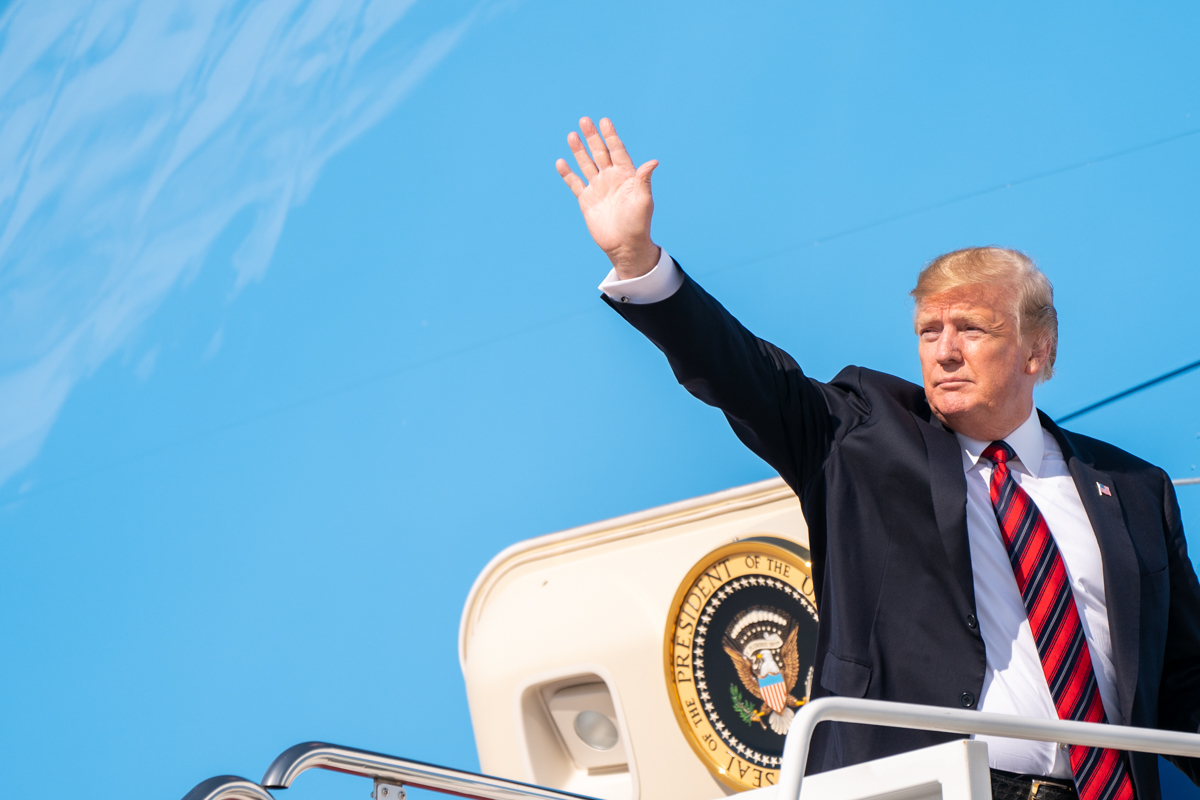

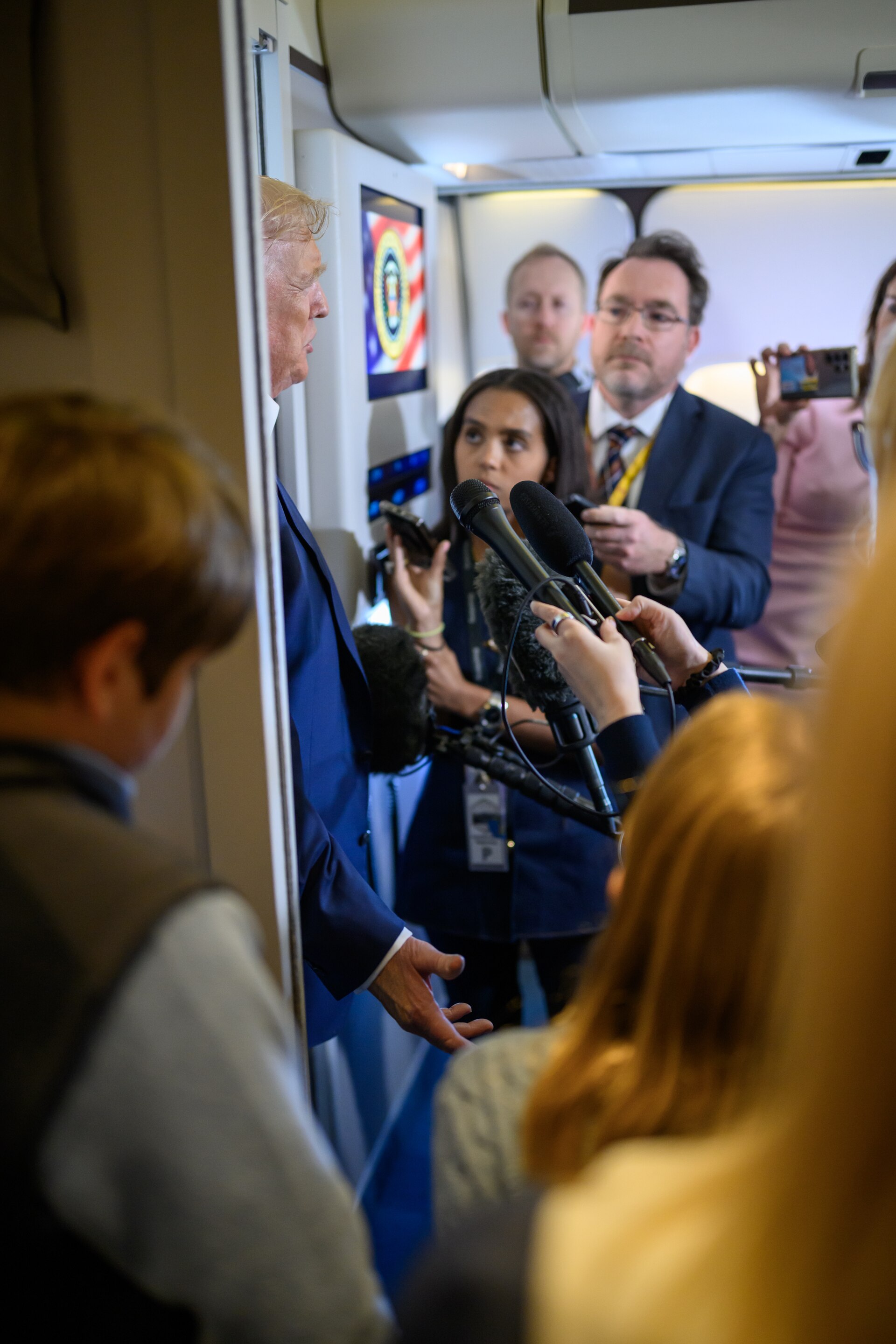
RIYADH — US President Donald Trump told reporters at Joint Base Andrews on May 20 that he was “in no hurry” to reach a nuclear deal with Iran and would not accept an agreement limited to reopening the Strait of Hormuz — directly contradicting the two-to-three-day diplomatic window that Saudi Arabia publicly co-authored with Washington 48 hours earlier.
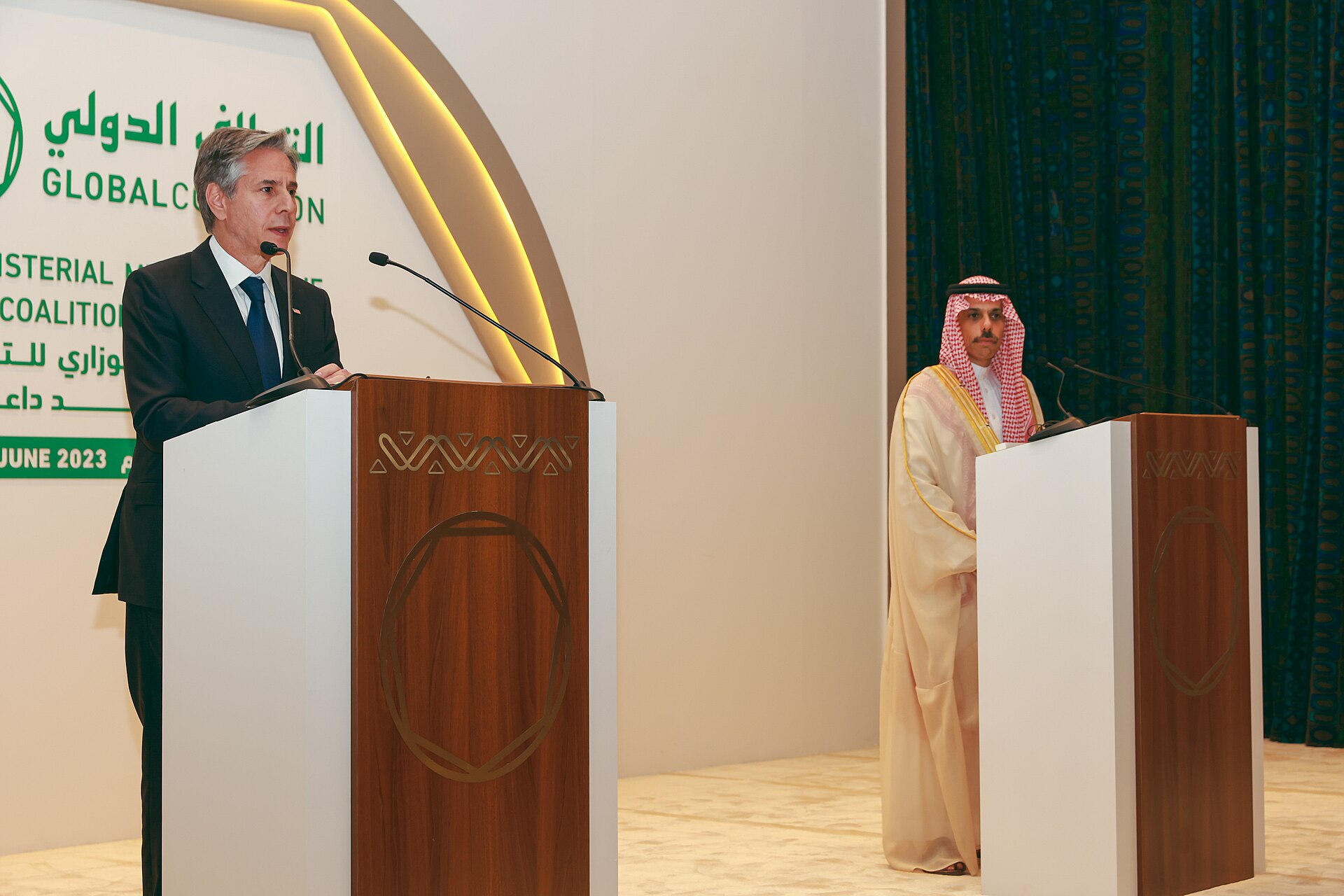
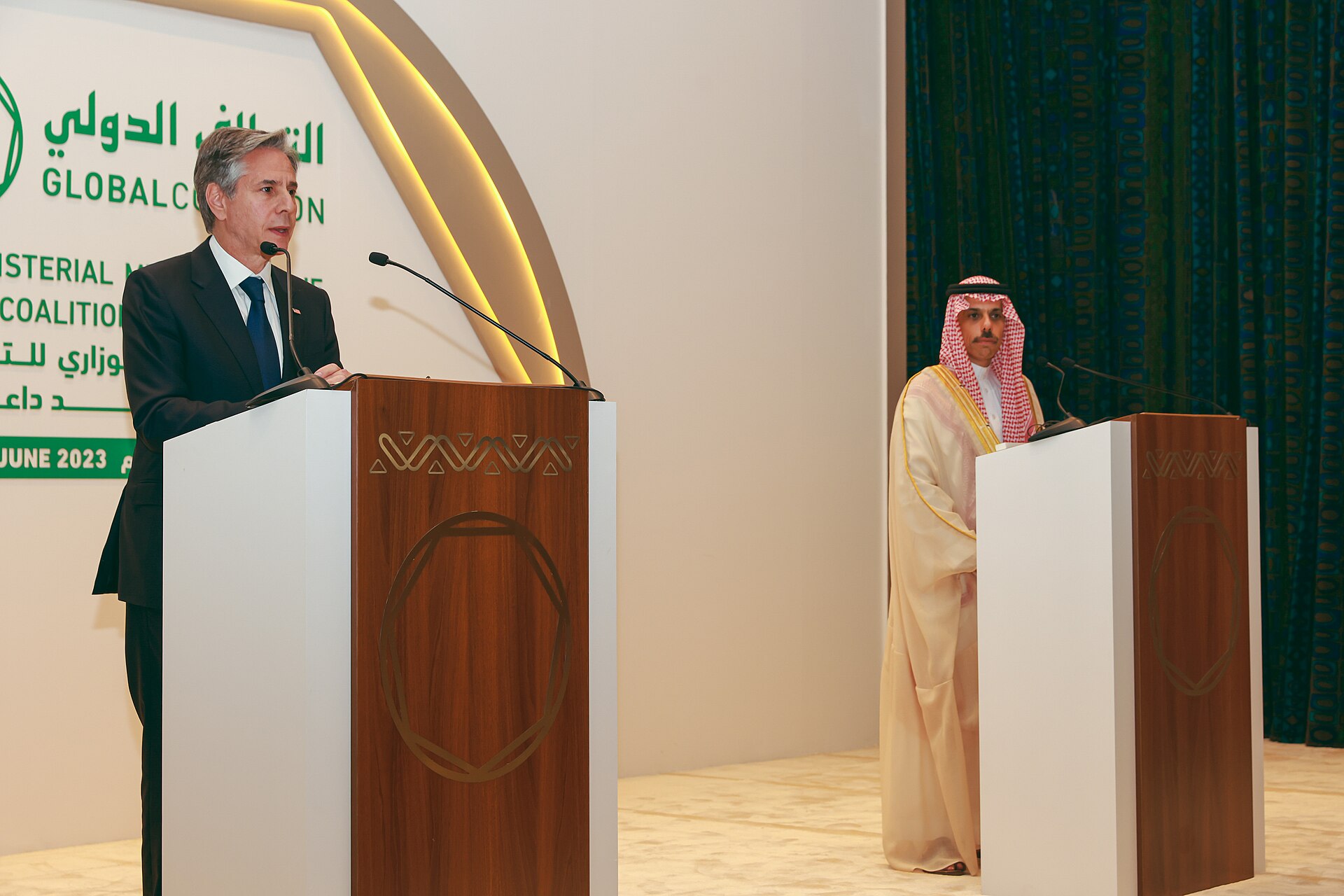
The reversal came hours after Saudi Foreign Minister Prince Faisal bin Farhan Al Saud praised Trump for extending diplomacy, characterizing the pause as a decision to give “negotiations with Iran additional time to reach an agreement.” By the time Trump finished speaking — he was boarding Air Force One — the timeline Riyadh had publicly endorsed that morning no longer corresponded to any stated American position.
Table of Contents
The Two-Day Window That Became Open-Ended
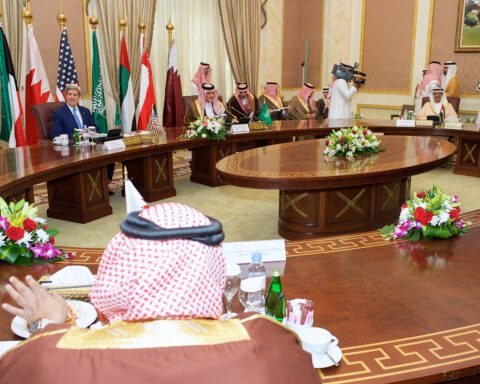
On May 18, Trump confirmed that Saudi Arabia, the UAE, and Qatar had asked the United States to “put off military action for 2 or 3 days” because “they think that they are getting very close to making a deal,” according to CNBC. The three Gulf states attached their names to the request publicly. Crown Prince Mohammed bin Salman had staked political capital on the premise that a short, defined delay would produce either a diplomatic breakthrough or — at minimum — keep American and Israeli ordnance grounded through the approach to Hajj.
The House of Saud Daily Briefing
Saudi Arabia's news in 3 minutes, every morning. Free. See today's issue
Forty-eight hours later, Trump replaced that clock with open-ended ambiguity. “I’m in no hurry,” he told reporters at Joint Base Andrews, according to the Times of Israel and CBS News. “You never think, ‘Oh, the midterms, I’m in a hurry.’ I’m in no hurry.” He added, in the same exchange: “We’re gonna give this one shot.”
ABC News published a same-day analysis documenting what it described as Trump’s “series of unenforced deadlines” on Iran — a pattern of imposing compressed pressure timelines and then extending or ignoring them. The Gulf states have watched this pattern develop over weeks. On May 18, when MBS, MBZ, and Tamim intervened to stop a strike, the two-to-three-day frame was presented as firm and mutually agreed.
What Did Trump Actually Reject?
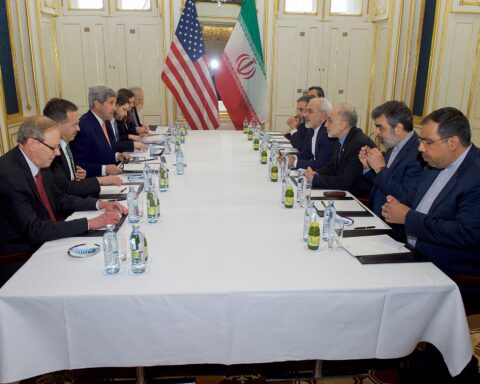
Trump’s rejection of a “limited deal” focused solely on Hormuz reopening eliminates the structural foundation of Iran’s most recent negotiating position. Tehran’s revised 14-point proposal, submitted to Pakistani mediators around May 19, maintained the separation of Hormuz maritime transit from the nuclear file — the framework Trump dismissed on camera, according to PBS NewsHour and NBC News.
“The strait would have to open immediately” as part of any broader agreement, Trump said, while simultaneously refusing to treat Hormuz reopening as a standalone arrangement. The demand collapses a distinction Iran had spent weeks constructing between maritime access and enrichment suspension.
The enrichment gap remains unbridged. US Special Envoy Steve Witkoff stated publicly on February 25 — reported by Axios — that any Iran nuclear deal should last “indefinitely.” Iran’s position, per Axios on May 6, centers on a 12-to-15-year enrichment moratorium with removal of highly enriched uranium from the country. No Witkoff or State Department statement modifying the “indefinitely” demand has appeared since February. The 14-point memorandum of understanding framework includes a 30-day post-signing negotiation period, but neither side has publicly indicated movement on the duration question. The legal architecture underpinning the enrichment asymmetry — specifically what the US-Saudi 123 Agreement does and does not prohibit, and how it breaks the UAE gold standard — is detailed in Washington’s Nuclear Gold Standard Stopped at the Saudi Border.
Iran has also been building permanent administrative infrastructure at Hormuz — a customs authority that no current proposal addresses. Trump’s rejection of a Hormuz-only deal does not resolve who dismantles what Iran has constructed there.
Faisal’s Endorsement and the Retroactive Reframe
Prince Faisal’s May 20 statement — that Saudi Arabia “appreciated” and “welcomed” Trump’s position as giving negotiations “additional time to reach an agreement” — was diplomatic repositioning performed in real time, carried across Arab News and Al Arabiya. The Saudi foreign ministry recast “I’m in no hurry” not as abandonment of the urgency window but as evidence that the diplomatic track remained active.
The reframe requires accepting that the two-to-three-day window Riyadh requested was always provisional. It was not. On May 18, the urgency was explicit and mutual — three heads of state had asked for a defined pause because they believed a deal was imminent. By May 20, the Saudi foreign ministry was characterizing indefinite delay as diplomatic seriousness.
Michael O’Hanlon, senior fellow at the Brookings Institution, told CNBC on May 8 that the Saudis were “likely feeling neglected and tired of improvisation by U.S. diplomacy.” That assessment came 12 days before Trump’s Joint Base Andrews remarks.
Can Riyadh Enforce a Hajj Ceasefire Without Washington?
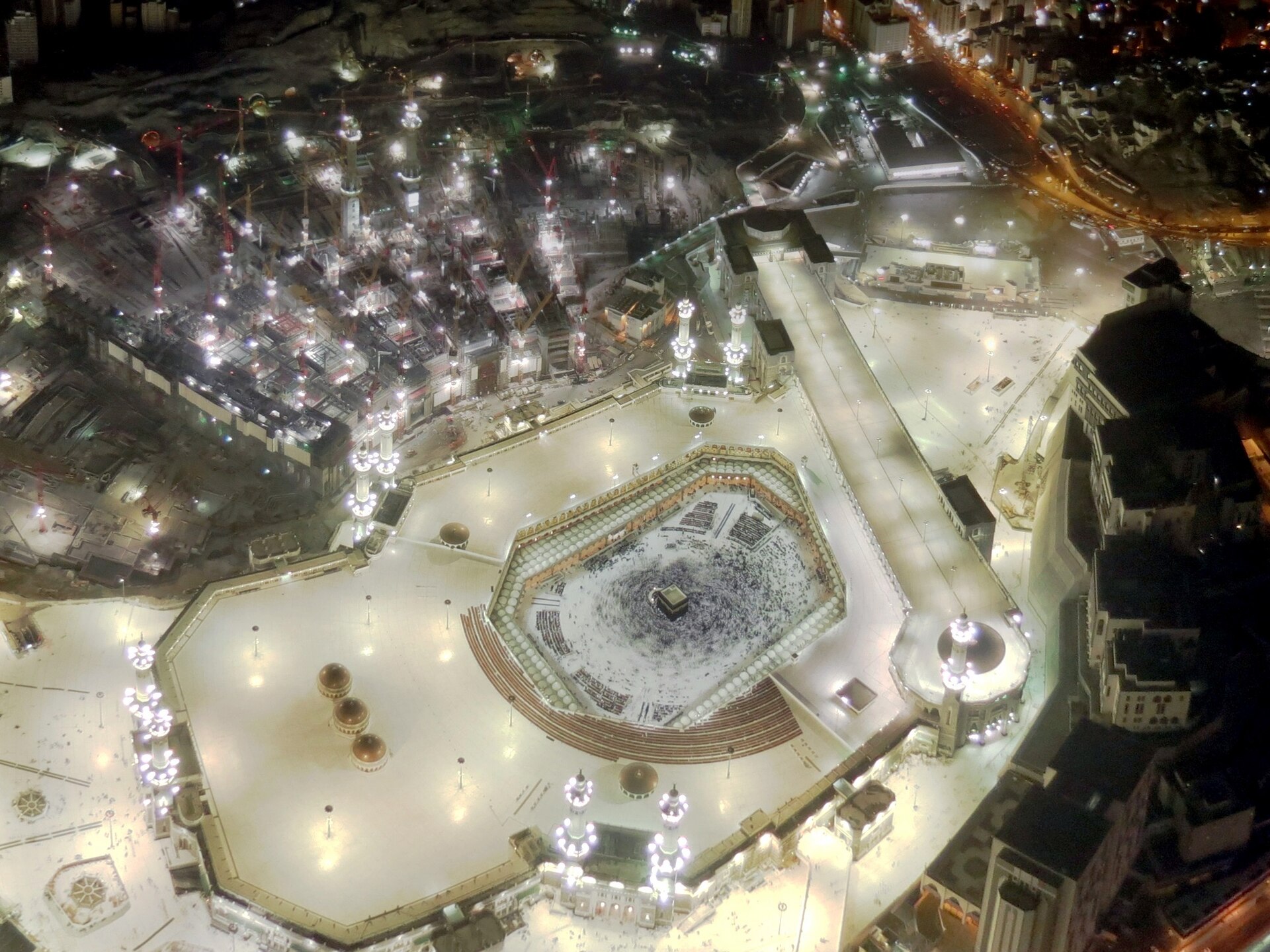
The Saudi Supreme Court confirmed on May 17 that the month of Dhu al-Hijjah began May 18, placing the Day of Arafah on May 26 and Eid al-Adha on May 27, according to Al Jazeera and Voice of Emirates. Saudi Arabia cannot permit active military operations near its borders during the pilgrimage. That constraint is six days away.
Under the two-to-three-day window, the implied timeline overlapped with the approach to Arafah — creating at least tacit alignment between American military restraint and the Hajj calendar. Under open-ended ambiguity, no such alignment exists. Riyadh must now secure a de facto operational pause through separate channels or accept the reputational cost of the holiest days in the Islamic calendar proceeding under active threat of resumed strikes.
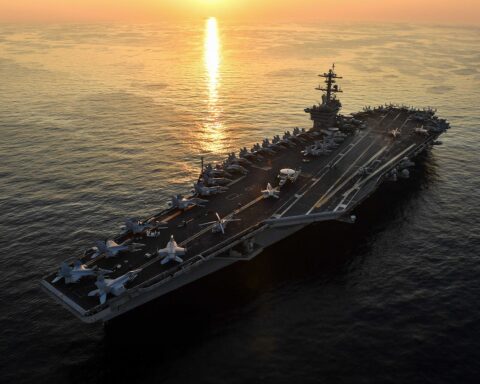
The operational picture at Hormuz compounds the pressure. Some 1,550 commercial vessels remain stranded at the strait, with 22,500 mariners trapped aboard, according to General Dan Caine, Chairman of the Joint Chiefs of Staff, speaking to PBS News. Iran claimed on May 20 — via France 24 — that 26 vessels had transited Hormuz in the preceding 24 hours, a potential signal of selective reopening. But 45 total transits since April 8 amount to 3.6 percent of the pre-war baseline, according to the United Against Nuclear Iran maritime tracker published May 11. Twenty percent of global oil and gas supplies move through a chokepoint that remains functionally closed on day 83 of the conflict. Brent crude held at $109–112 per barrel.
How Tehran Read the Shift
The Islamic Revolutionary Guard Corps issued two statements via Tasnim News Agency on May 20, both calibrated for a post-deadline environment. “If the aggression against Iran is repeated, the promised regional war will this time spread far beyond the region, and our devastating blows will crush you,” the first read. The second: “We are men of war, and you will witness our power on the battlefield, not in hollow statements or on social media pages.”
Iranian parliament speaker Mohammad Bagher Qalibaf, also speaking May 20 via Tasnim, told the Majlis: “The enemy has not abandoned its military objectives and is seeking a new round of adventurism and war.” Where Prince Faisal characterized Trump’s open-ended pause as diplomatic opportunity, Qalibaf framed it as repositioning for resumed strikes.
Iran’s 14-point proposal was crafted while the two-to-three-day clock was ostensibly running. No Iranian official or state outlet indicated May 20 whether Tehran would modify, harden, or simply hold that proposal in place after Trump’s remarks.
The Structural Fracture
A Carnegie Endowment for International Peace analysis published in March 2026, titled “The Iran War Is Uncovering the Weakness in U.S.-Gulf Ties,” concluded: “It is clear that Riyadh is either unwilling, or more likely unable, to do much to shape wartime decision-making in Washington.” The assessment predated Trump’s May 20 reversal by two months.
A separate Carnegie paper published in April identified a fracture inside the Gulf Cooperation Council — “a Saudi-led axis that favors diplomacy with Iran, versus an Emirati team that wants the US and Israel to ‘finish off’ Iran.” The May 18 joint request, which included the UAE, papered over that split. Abu Dhabi’s preferred outcome — continued military pressure — is better served by open-ended American ambiguity than by the compressed diplomatic timeline Riyadh had negotiated. MBZ’s own calculations on the war have diverged from Riyadh’s since at least early May.
Saudi Arabia has no veto over Israeli military decisions, a structural fact the May 18 intervention briefly obscured. What that structural gap means for the Gulf as Israel finalises its independent strike architecture — and for the 860,000 pilgrims inside Saudi Arabia six days before the Day of Arafah — is the subject of MBS Spent 52 Days Building a Ceasefire Netanyahu Never Signed. Trump’s remark about Israeli Prime Minister Benjamin Netanyahu, delivered in the same doorstep exchange, made the hierarchy plain. “He’s fine, he’ll do whatever I want him to do,” Trump said, according to the Times of Israel and Haaretz. “He’s a very good man, he’ll do whatever I want him to do.”
The US Senate advanced bipartisan legislation on May 19–20 that would force Trump to withdraw from the Iran conflict, with a growing number of Republicans breaking from the president’s position, ABC News reported.
Trump, asked about the duration of the conflict, volunteered his own frame of reference. “You were in Vietnam 19 years,” he told reporters at Joint Base Andrews, according to CBS News. “You were in Afghanistan, and these other places, 10 years. You were in Iraq…12 years. You were in Korea for seven years.”
Background
The Iran conflict is approximately 83 days old as of May 20. Fighting has centered on the Persian Gulf, with Iran establishing maritime control infrastructure at the Strait of Hormuz and the United States and Israel conducting strikes on Iranian nuclear and military targets. Saudi Arabia, as the largest Gulf state and host of Hajj, has sought to position itself as a diplomatic intermediary while managing the economic and security consequences of hostilities along its eastern coastline.
Trump’s deployment of “no hurry” language has a direct precedent. After the February 2019 Hanoi summit with North Korean leader Kim Jong Un collapsed without agreement, Trump used nearly identical phrasing. South Korea, which had invested heavily in the diplomatic track and facilitated the summits, absorbed the cost of urgency while Washington maintained optionality. The North Korea talks produced no final agreement.
The 48-hour window that MBS staked his credibility on was itself the product of weeks of diplomatic positioning. Saudi Arabia had worked to establish itself as the indispensable intermediary between Washington’s military posture and Tehran’s nuclear demands — a role whose value rests on Washington treating Saudi-brokered timelines as binding.
Frequently Asked Questions
What is the current status of Iran’s 14-point proposal?
Iran submitted a revised 14-point memorandum of understanding to Pakistani mediators around May 19. Pakistan serves as the primary diplomatic conduit between Tehran and Washington since direct channels froze. The proposal separates Hormuz transit from nuclear enrichment — the structure Trump rejected May 20. No formal US counter-proposal has appeared since Witkoff’s February demand for an indefinite enrichment moratorium.
Has Trump used “no hurry” language in previous negotiations?
After the February 2019 Hanoi summit with Kim Jong Un collapsed, Trump repeatedly said he was “in no hurry” on North Korea. The phrase preceded a multi-year freeze in substantive negotiations. South Korea, which had facilitated the diplomatic track and hosted preparatory summits, was left managing regional security expectations alone.
What is the Persian Gulf Security Authority Iran established at Hormuz?
Iran created the Persian Gulf Security Authority (PGSA) at the Strait of Hormuz during the conflict, establishing a de facto customs and transit control regime over the waterway. It functions as a bureaucratic checkpoint overlaying military closure — permanent administrative infrastructure rather than a temporary blockade. No current proposal, including Iran’s 14-point framework, addresses PGSA dismantlement.
How does the Hajj calendar constrain Saudi diplomatic options?
Hajj 2026 places over a million pilgrims in Mecca and surrounding sacred sites during late May. The Day of Arafah (May 26) and Eid al-Adha (May 27) represent the spiritual and logistical peak. Saudi Arabia bears sovereign and religious responsibility for pilgrim safety, making tolerance for nearby military operations politically untenable. Security cordons and airspace restrictions typically activate 7–10 days before Arafah.
What would resumed strikes mean for global oil markets?
Brent crude held at $109–112 per barrel on May 20, reflecting markets that have priced in extended Hormuz disruption rather than resolution. The price has not reflected a strike scenario. Saudi Arabia’s Abqaiq processing facility handles approximately 7 million barrels per day of crude — roughly 7 percent of global supply — and the Ras Tanura terminal accounts for approximately 1.4 million barrels per day of export capacity. Both facilities sit within range of Iranian ballistic missiles and were targets in the September 2019 drone attack. The following day, Saudi Arabia made its position explicit: bin Farhan’s May 20 public endorsement of Trump’s restraint formalized the Kingdom’s preference for a non-strike outcome in attributable, public language.
The House of Saud Daily Briefing
Saudi Arabia's news in 3 minutes, every morning. Free. See today's issue