post_content
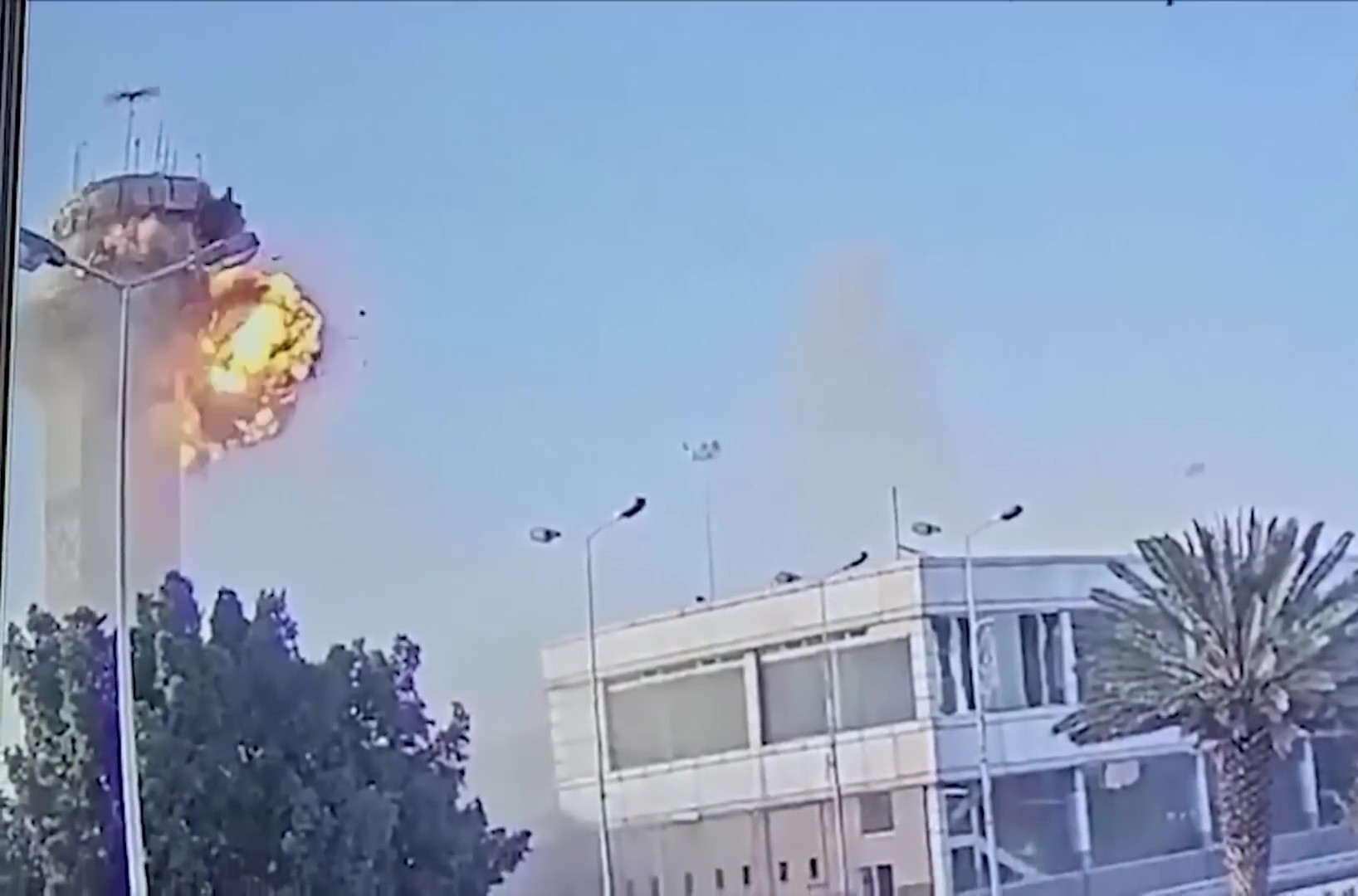
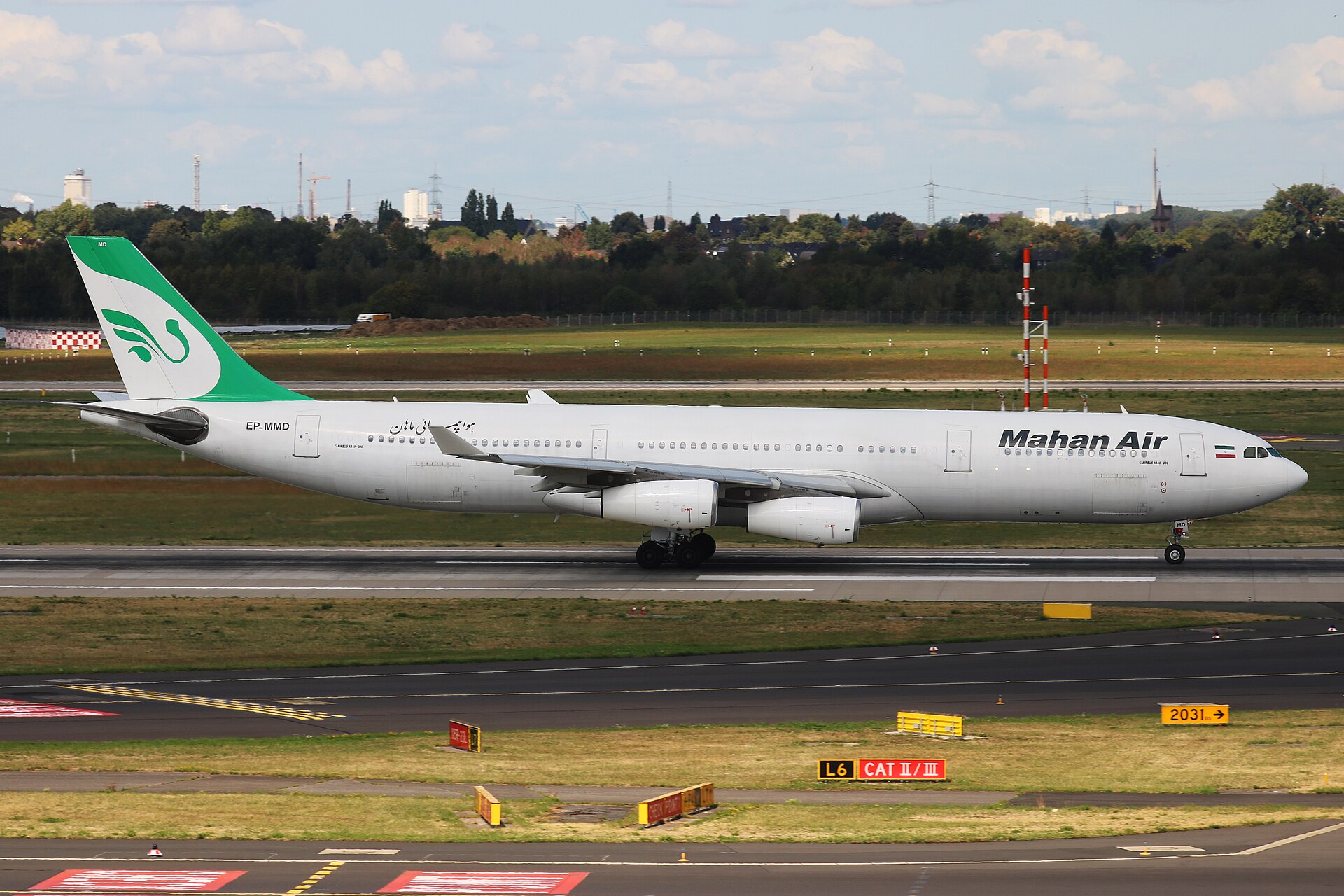
SANAA — Saudi-backed Yemeni government forces struck the runway at Sanaa International Airport on July 13, targeting the strip to prevent a Mahan Air flight from landing with a Houthi delegation returning from the state funeral of Iran’s Supreme Leader Ali Khamenei in Tehran. The aircraft — Mahan Air flight IRM1199, an Airbus A340-300 — diverted in the air to Hodeidah International Airport, according to Iran’s IRGC-affiliated Fars News Agency.
\n\n
The strike ended approximately two years without a Saudi or coalition airstrike against the Houthis — a period built through the UN-brokered truce of April 2022 and an Oman-mediated bilateral channel that produced a July 2024 economic de-escalation agreement. Houthi military spokesperson Yahya Saree declared the de-escalation phase over and promised “a decisive response,” al-Masirah reported. The Houthi-controlled Foreign Ministry stated that “Saudi Arabia has announced the start of the war and bears full responsibility for it and for any consequences of this step,” according to Middle East Eye.
\n\n
The Saudi aggression will not go unpunished. The Saudi enemy has ended the de-escalation phase, and must bear responsibility for all potential consequences.
The HOS Daily BriefThe Middle East briefing 3,000+ readers start their day with.
One email. Every weekday morning. Free.
Yahya Saree, Houthi military spokesperson, July 13, 2026 (al-Masirah via PressTV)
\n\n
 \n
\n\n\n
Table of Contents
\n
- \n
- What Was on the Mahan Air Flight?
- The July 3 Interception That Failed
- Who Claimed the Strike — and Who Did Not
- What the De-Escalation Cost to Build
- Can Riyadh Absorb the Response?
- Frequently Asked Questions
\n
\n
\n
\n
\n
\n
\n
\n\n
What Was on the Mahan Air Flight?
\n\n
Mahan Air is not a conventional carrier. The US Treasury designated the airline in 2008 and again in 2011 for its role supporting the IRGC-Quds Force, specifically Unit 190 — the entity assigned to arming Iranian proxies abroad.
\n\n
Mahan Air’s documented proxy logistics include flights to Damascus and Beirut carrying weapons and IRGC fighters concealed under civilian manifests, according to MEMRI and Iran International.
\n\n
The July 13 flight was a return leg. On approximately July 3, a Mahan Air A340-300 — the same route designation, IRM1199 / W51199 — landed at Sanaa before dawn, approaching between 02:01 and 02:23 UTC, according to flight tracking data. The plane carried a Houthi delegation outbound to Khamenei’s state funeral, along with what Houthi media described as stranded civilians and wounded.
\n\n
What it left behind drew scrutiny. Sheba Intelligence, a Yemeni monitoring organization, documented equipment being unloaded from the aircraft and “transferred onto trucks in an operation that continued for an extended period.” Dozens of new specialists reportedly arrived; other experts departed with the delegation. Sheba Intelligence flagged concerns about “drone-related components, missile-related expertise, or other specialized tools.”
\n\n
Rashad al-Alimi, head of Yemen’s internationally recognized Presidential Leadership Council, called the July 3 flight “a violation of Yemen’s sovereignty” and said IRGC personnel were on board, according to Asharq Al-Awsat. PressTV, Iran’s English-language state broadcaster, framed the same arrival as “breaking Yemen’s airport siege.”
\n\n
The Houthi arsenal expanded during the broader pause, not degraded. The National reported in May 2026 that the group had been “expanding their arsenal with advanced missiles and drones assembled in the country from parts linked to Iran.” Demonstrated strike range spans 900 to 1,300 kilometers confirmed, with assessments up to 2,500 kilometers, according to WARWATCH and the Middle East Institute.
\n\n
Ibrahim Jalal, a Yemeni security researcher and non-resident scholar at the Middle East Institute, published an analysis in early July titled “Overt at Last: Iran’s Sana’a Flight Revives an 11-Year-Old Playbook.” Jalal argued the Mahan Air Sanaa operation reprised IRGC logistics patterns from the early years of the Yemen war — dual-use flights mixing civilian passengers with military transfers under a single manifest.
\n\n
The July 3 Interception That Failed
\n\n
July 13 was not Riyadh’s first attempt to stop the flight. When the aircraft approached Sanaa on July 3, Saudi warplanes entered Yemeni airspace to intercept it, according to Al Jazeera and GlobalSecurity.org. Saree claimed Houthi surface-to-air missiles forced the Saudi jets to withdraw. The plane landed.
\n\n
After the failed interception, Saree issued a direct warning: “Any repeated airspace violations would be retaliated against with strikes on Saudi Arabian airports and other vital interests on land and sea,” he told al-Masirah. Mohammed Abdul-Salam, the Houthis’ chief political official, went further: “Our patience has run out; your airspace is in danger of being fully closed; we will not hesitate to attack Aramco facilities,” he told the Arab Weekly.
\n\n
Ten days later, Saudi-backed forces chose a different method. Rather than intercepting the aircraft in flight, they targeted the landing surface. The runway at Sanaa International Airport — the last functional element after Israeli strikes in May 2026 had “largely destroyed” the rest of the facility, according to The National — was the one asset that had enabled the July 3 landing.
\n\n
Al-Alimi confirmed the diplomatic sequence that preceded the July 13 strike: Iran had submitted a request to operate a Mahan Air flight from Tehran to Sanaa for the delegation’s return. The Yemen government offered a Yemenia Airways charter instead. The Houthis rejected the alternative, according to the Times of Israel and US News.
\n\n
 \n
\n\n\n
The strike hit only the runway — not the terminal, not fuel infrastructure, not aircraft on the ground. The Mahan Air A340-300 was airborne when the runway was struck. The Yemen Defense Ministry’s statement specified the runway as the sole target.
\n\n
Who Claimed the Strike — and Who Did Not
\n\n
Yemen’s internationally recognized government Defense Ministry issued the formal claim of responsibility for the July 13 strike. Its statement framed the operation as a response to the Houthis’ insistence on an Iranian — not Yemeni — aircraft.
\n\n
The Houthi terrorist militia, supported by the Iranian regime, prevented Yemeni national aircraft from landing at the capital’s airport, Sanaa, and insisted that the Iranian aircraft violate Yemeni airspace. Therefore, the airport runway was targeted.
Yemen Defense Ministry statement, July 13, 2026 (CGTN / US News)
\n\n
Saudi Arabia did not acknowledge carrying out airstrikes. Saudi officials did not respond to requests for comment, the Washington Post reported. The Saudi-led coalition has used the recognized government’s command structure as the formal claimant for Yemen operations since the intervention began in 2015.
\n\n
The Houthis do not observe the distinction. Saree addressed his declaration at “the Saudi aggression” and “the Saudi enemy,” per PressTV. The Houthi Foreign Ministry named Saudi Arabia — not the recognized government — as responsible for restarting the war. Haaretz attributed the strike directly to Saudi Arabia. The Washington Post led with the Houthi attribution. Al Jazeera cited the Yemen government claim.
\n\n
Iranian state media amplified the Houthi framing. PressTV headlined “Yemen warns Saudi strike on Sana’a airport marks end of truce” and featured the Houthi Foreign Ministry’s declaration that “Yemen will enter a new stage to fully reclaim its rights” and that “Saudi Arabia will find itself in a major strategic deadlock,” according to PressTV. Fars confirmed the Mahan Air plane diverted to Hodeidah and presented the safe landing as evidence the runway strike had failed operationally.
\n\n
Major-General Turki al-Maliki, the coalition spokesman, had pledged “a response of unprecedented determination and force” to any Houthi targeting of the kingdom on July 4, according to Middle East Eye and the Arab Weekly.
\n\n
What the De-Escalation Cost to Build
\n\n
The quiet that ended on July 13 took four years to construct. The UN brokered a truce in April 2022, extended twice before lapsing in October of that year — but the ceasefire held in practice, producing approximately two years of zero cross-border coalition airstrikes, according to the Congressional Research Service.
\n\n
From April 2023, Oman mediated a direct Saudi-Houthi bilateral channel. Saudi Ambassador Mohammed al-Jaber visited Sanaa. In September 2023, a Houthi delegation met Saudi Defense Minister Khalid bin Salman in Riyadh — the most senior confirmed bilateral contact of the de-escalation period. The channel produced a July 2024 economic de-escalation agreement covering bank measures and Sanaa Airport flight access, according to Arab Center DC.
\n\n
The July 2024 agreement had restored limited commercial flight access to Sanaa Airport — the first since the coalition imposed its partial blockade early in the war. The agreement also included bank measures easing economic pressure on Houthi-controlled territory. Both provisions rested on the bilateral channel that Saree declared over on July 13.
\n\n
The bilateral channel survived the Gaza war and the Houthi Red Sea campaign that disrupted international shipping through the Bab al-Mandab. Riyadh remained outside the US-British retaliatory operations against Houthi positions in 2024, preserving the Saudi-Houthi track through a period when Western powers were striking the same group Saudi Arabia was negotiating with.
\n\n
The approximately nine-day funeral pause (July 4-12), during which both the coalition and the Houthis suspended operations for Khamenei’s mourning period, had appeared to extend the de-escalation. It ended on the same day as the runway strike.
\n\n
The coalition had maintained zero airstrikes through escalating provocations — through two commercial ships sunk in early July and through al-Maliki’s July 4 declaration naming Hodeidah, Ras Isa, as-Salif, and Sanaa Airport as targets. Nine days passed between the threat and the execution. The July 13 runway strike was the first coalition use of force since the truce began.
\n\n
Can Riyadh Absorb the Response?
\n\n
Saree’s and Abdul-Salam’s July 3-4 threats against Saudi airports and Aramco facilities were conditional — predicated on further Saudi escalation. The July 13 runway strike meets the stated condition. Saree’s response — “the Saudi aggression will not go unpunished” — was framed as activation, not a new threat, per PressTV.
\n\n
The timing places the strike amid the widest regional escalation of the current conflict. The IRGC struck US installations across multiple Gulf states in the same 24-hour window. Iran declared the Strait of Hormuz closed on July 12.
\n\n
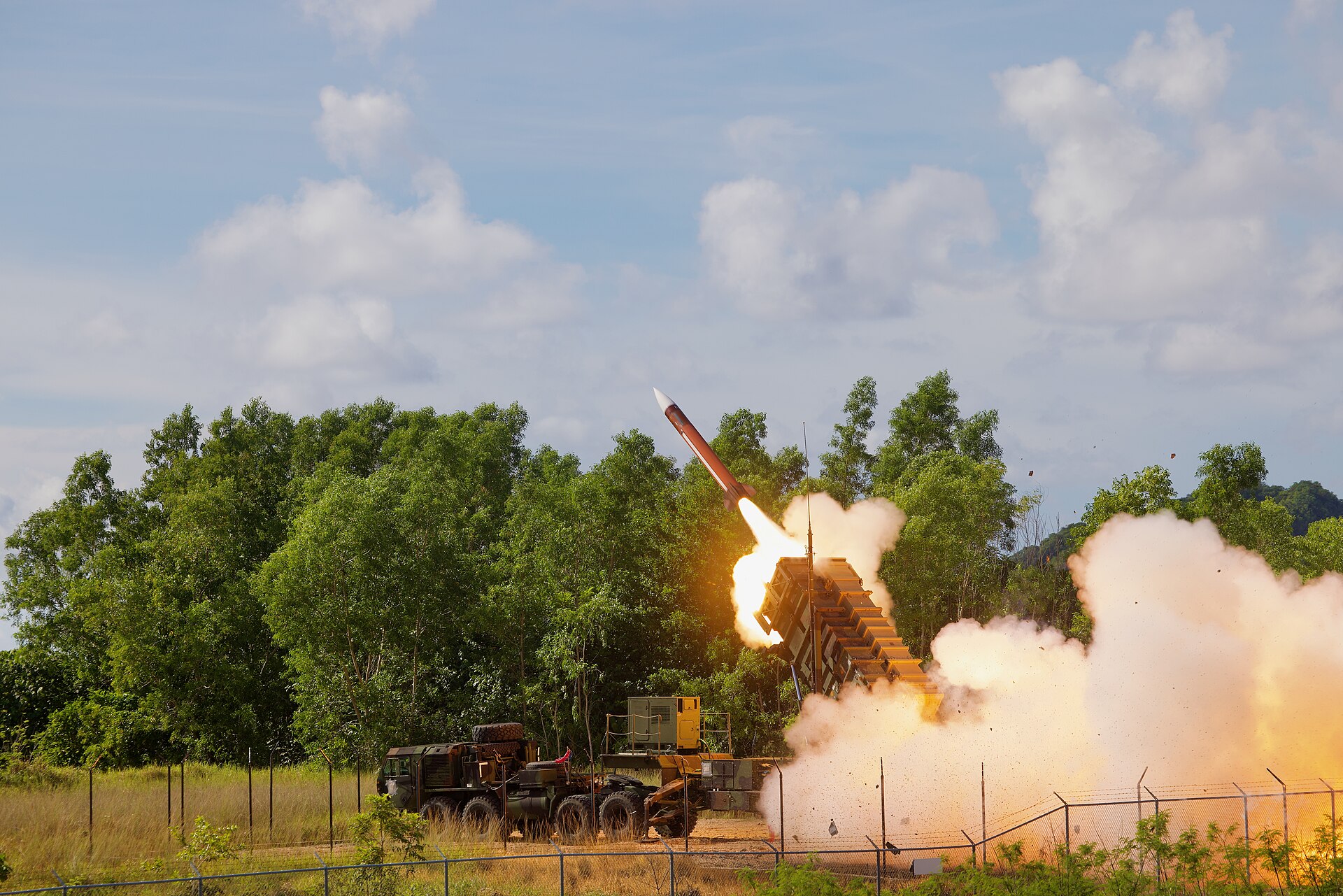
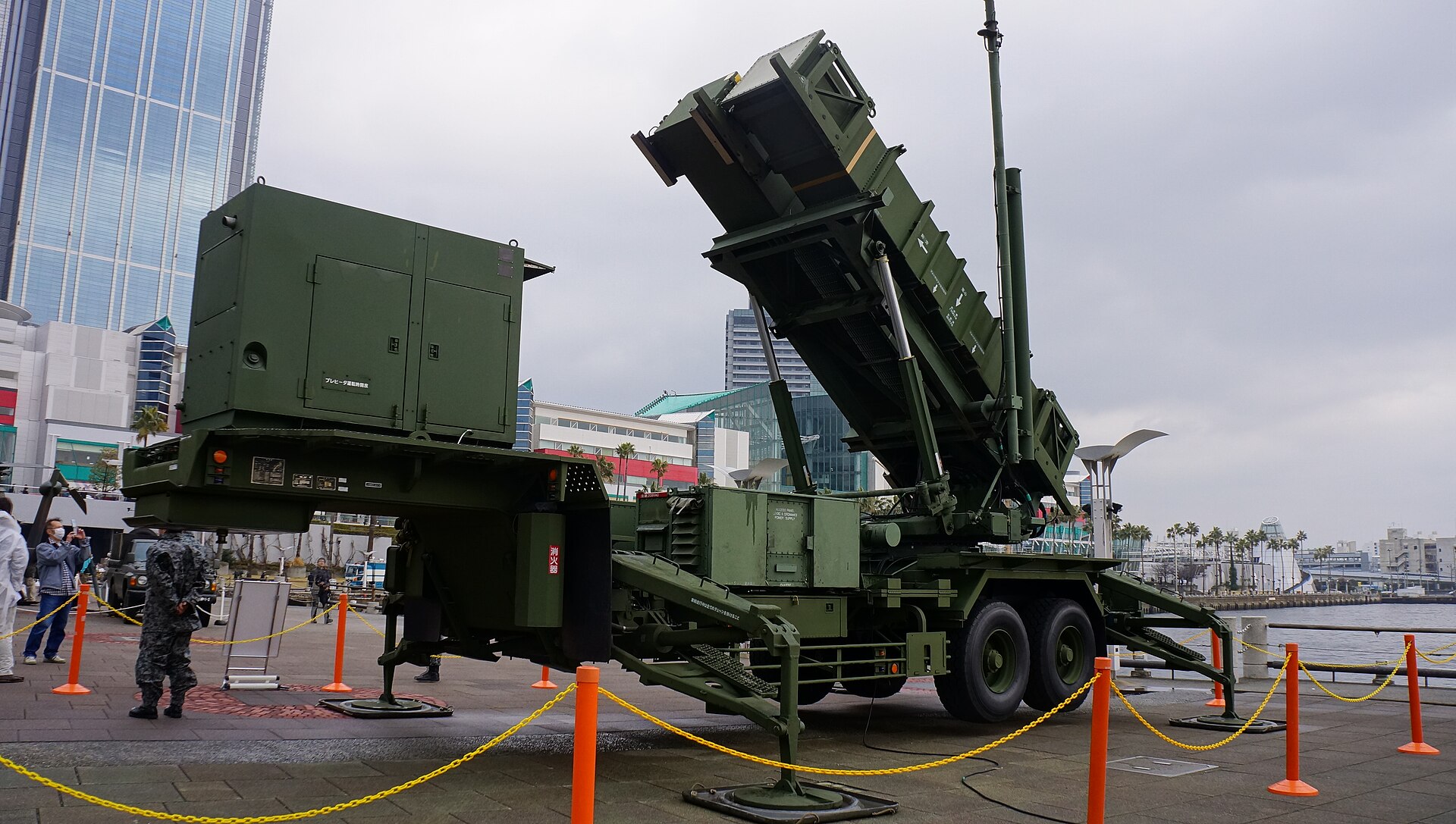
Saudi air defense inventory has been drawn down. Approximately 400 PAC-3 interceptor rounds remain from a pre-war stock of 2,800 — an 86 percent depletion rate. Prince Sultan Air Base, the primary US military installation in the kingdom, has operated under constraints since Saudi Arabia grounded 43 US warplanes there in May 2026. The M-SAM-II system that supplements Patriot cannot reliably engage the terminal phase of Houthi Zolfaghar-class ballistic missiles.
\n\n
 \n
\n\n\n
With the truce collapsed, the Houthi response arrived within hours: Yahya Saree formally declared the de-escalation phase over and launched ballistic missiles and drones against Abha International Airport and King Khalid Air Base at Khamis Mushait, opening a southern front on a kingdom already defending against Iranian strikes from the north with roughly 400 PAC-3 rounds in inventory.
No Pentagon or State Department statement addressed the Sanaa airport strike as of July 13. Washington has weighed a punitive drawdown from Prince Sultan Air Base over the warplane grounding — a context that complicates any assumption of US-Saudi military coordination on the Yemen operation.
\n\n
The Iran-US MOU is on Day 26 of 60, expiring around August 16-17 — the runway strike lands inside the diplomatic window Washington is trying to hold open. The PGSA carries $253 million in outstanding Saudi obligations at $5.5 million per day, with an August 18 deadline. On the same day as the runway strike, Trump announced a 20 percent transit toll on all Hormuz cargo — a move that stacks a US-imposed cost on top of Iran’s PGSA fee, creating the dual toll structure that now taxes Saudi crude from both Tehran and Washington.
\n\n
Frequently Asked Questions
\n\n
Was the Mahan Air plane on the ground at Sanaa when the strike hit?
\n\n
No. The aircraft diverted in the air to Hodeidah International Airport before reaching Sanaa. Iran’s IRGC-affiliated Fars News Agency confirmed the plane landed at Hodeidah. The Houthi transportation minister stated the diverted plane “landed on the homeland’s soil,” framing the diversion as an operational success rather than a disruption, according to al-Masirah.
\n\n
Is the July 13 flight confirmed as the same aircraft that landed on July 3?
\n\n
Both flights are identified as Mahan Air IRM1199 / W51199, operating an Airbus A340-300. Independent confirmation that the identical airframe was used on both dates has not been published. Mahan Air operates multiple A340-300 aircraft in its fleet.
\n\n
When was the last coalition airstrike before July 13?
\n\n
The Saudi-led coalition had conducted zero cross-border airstrikes against Houthi targets for approximately two years, according to the Congressional Research Service. The ceasefire extended from the April 2022 UN truce through the Oman-mediated bilateral track. The coalition struck Sanaa airport in prior conflict phases, including 2016.
\n\n
Have the Houthis named specific retaliation targets?
\n\n
Saree’s July 13 statement used the phrase “decisive response” without itemizing targets. The specific threat inventory — Saudi airports, Aramco facilities, “vital interests on land and sea” — came from Saree and Abdul-Salam on July 3-4, conditional on further Saudi escalation. The runway strike was the first coalition use of force in approximately two years; no follow-on target list has been published by either Houthi spokesman.
\n\n
What is the status of Sanaa airport after the July 13 strike?
\n\n
The runway — the airport’s last functional element after Israeli strikes in May 2026 “largely destroyed” the remaining infrastructure, per The National — was the confirmed target. Post-strike runway condition has not been independently assessed. The terminal and fuel infrastructure were not targeted, according to the Yemen Defense Ministry’s statement specifying the runway as the sole objective.
On the same day, Trump announced a 20% transit toll on all Hormuz cargo — adding a US-imposed cost to a waterway through which Saudi Arabia routes 6.3 million barrels per day.