
Saudi Arabia’s dessert tradition runs centuries deep, shaped by the spice routes that once brought cardamom from India, saffron from Iran, and rosewater from the Levant. Whether you are planning a broader trip to Saudi Arabia or specifically chasing the Kingdom’s sweetest flavours, this guide covers every essential: the classic desserts you must try, the best shops in Riyadh and Jeddah, and the cultural rituals that make Saudi sweets far more than just sugar. From the golden fried luqaimat served after iftar to the stretchy cheese-filled kunafa that anchors every celebration, Saudi desserts tell a story of Bedouin simplicity meeting Levantine craftsmanship — all bound together by the date palm, the defining ingredient of Arabian cuisine.
Best Time to Visit: Ramadan (for luqaimat, qatayef and night markets), Eid al-Fitr (for maamoul), or year-round for kunafa and dessert shops
Getting There: Riyadh (King Khalid International) and Jeddah (King Abdulaziz International) are the main gateways — dessert shops are citywide
Visa Required: Yes — tourist e-visa available online
Budget: SAR 15–60 (USD 4–16) per dessert portion at most shops; fine-dining desserts SAR 40–90
Must-Try: Luqaimat with date syrup, kunafa Nabulsi-style, fresh maamoul during Eid
Avoid: Ordering kunafa late in the evening — the best shops sell out by 10 PM
The Essential Saudi Desserts
Saudi Arabia sits at the crossroads of three distinct culinary traditions: the Bedouin desert kitchen built around dates, honey, and clarified butter; the Levantine pastry school that arrived with Palestinian, Syrian, and Lebanese communities; and the Hejazi port-city cooking of Jeddah and Mecca, enriched by centuries of Hajj pilgrims from South Asia, East Africa, and Southeast Asia. The result is a dessert repertoire that is wider and more layered than most visitors expect. Here are the sweets you should not leave Saudi Arabia without tasting.
Luqaimat — The Golden Dumplings
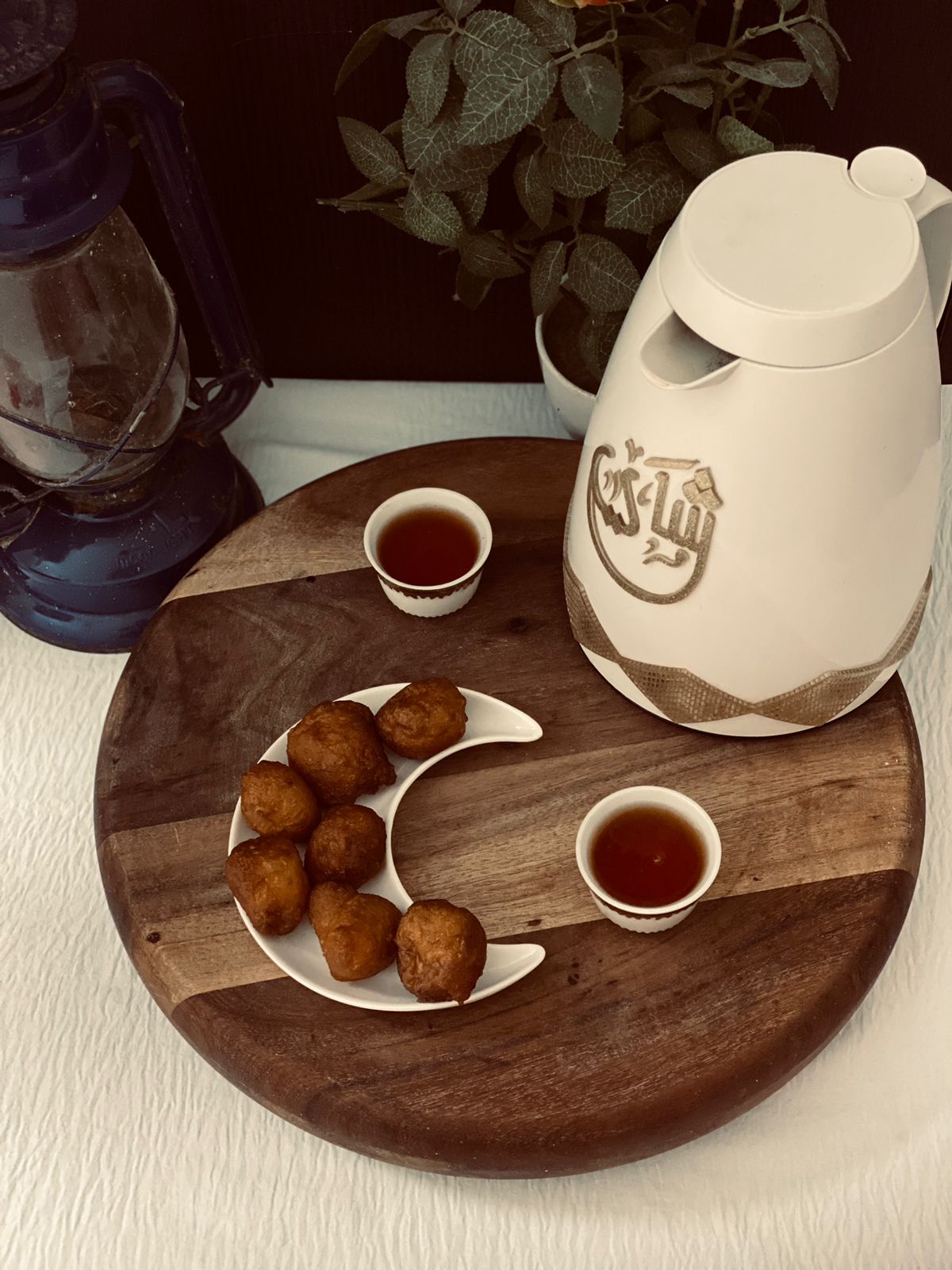
Luqaimat (also spelled lugaimat or logaimat) are small balls of yeasted dough, deep-fried until crisp on the outside and pillowy soft within, then drenched in date syrup (dibs) or honey and dusted with sesame seeds. The name translates roughly as “small bites” — and the danger is that one bite leads to twenty. The dough is simple: flour, yeast, a pinch of saffron, cardamom, and warm water. After resting, the batter is dropped by the spoonful into hot oil and fried until deep gold.
Luqaimat are the defining Ramadan dessert in Saudi Arabia. Families prepare them fresh each evening to break the fast after iftar, and the smell of hot oil and date syrup is as much a part of the holy month as the call to prayer. Outside Ramadan, you will find them at heritage festivals, in the souks of Jeddah’s Al-Balad district, and increasingly at modern dessert shops that serve them with Nutella, lotus spread, or ice cream.
Kunafa — The Stretchy, Cheesy Showstopper
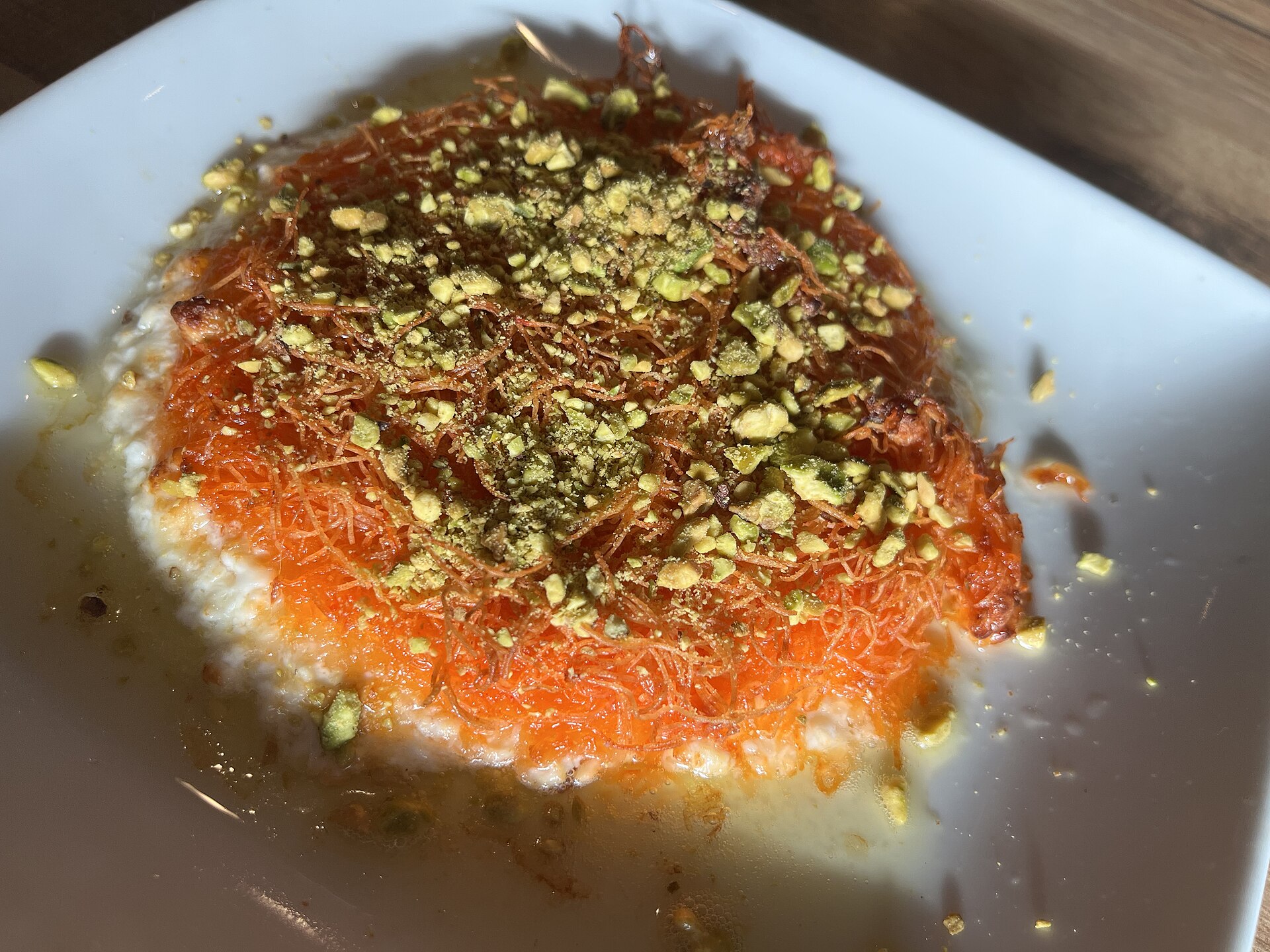
Kunafa (also written knafeh or kanafeh) is arguably the most celebrated dessert across the entire Arab world, and Saudi Arabia takes its kunafa seriously. The dish consists of shredded phyllo pastry (or fine semolina threads called qadaif) layered over a filling of soft white cheese or thick cream (ashta), baked until the top turns golden and crackling, then soaked in orange blossom or rose syrup and topped with crushed pistachios.
Two styles dominate Saudi dessert shops. Kunafa Nabulsi, named after the Palestinian city of Nablus, uses a smooth semolina base with a stretchy Nabulsi cheese filling — it is dense, salty-sweet, and deeply satisfying. Kunafa khishneh (rough kunafa) uses shredded pastry threads for a crunchier, more textured result. Both are traditionally served warm, sliced from large round trays. In Riyadh, kunafa shops operate deep into the night, and during Ramadan many stay open until the pre-dawn suhoor meal.
Harees — The Sweet Wheat Porridge
Harees (also hareesah or hareesa) straddles the line between savoury and sweet. In its dessert form, it is a slow-cooked wheat porridge enriched with butter and sweetened with sugar, flavoured with cardamom and cinnamon, and served warm with a drizzle of honey or a scattering of toasted almonds. The wheat is soaked overnight, then simmered and stirred for hours until it reaches a smooth, pudding-like consistency — similar to British porridge but richer and more fragrant.
Harees appears most commonly during Ramadan and at wedding banquets. In the Eastern Province cities of Dammam and Al Khobar, sweet harees is a breakfast staple, and many families have their own closely guarded recipe. It is comfort food at its most elemental: wheat, butter, sugar, and time.
Maamoul — The Eid Cookie
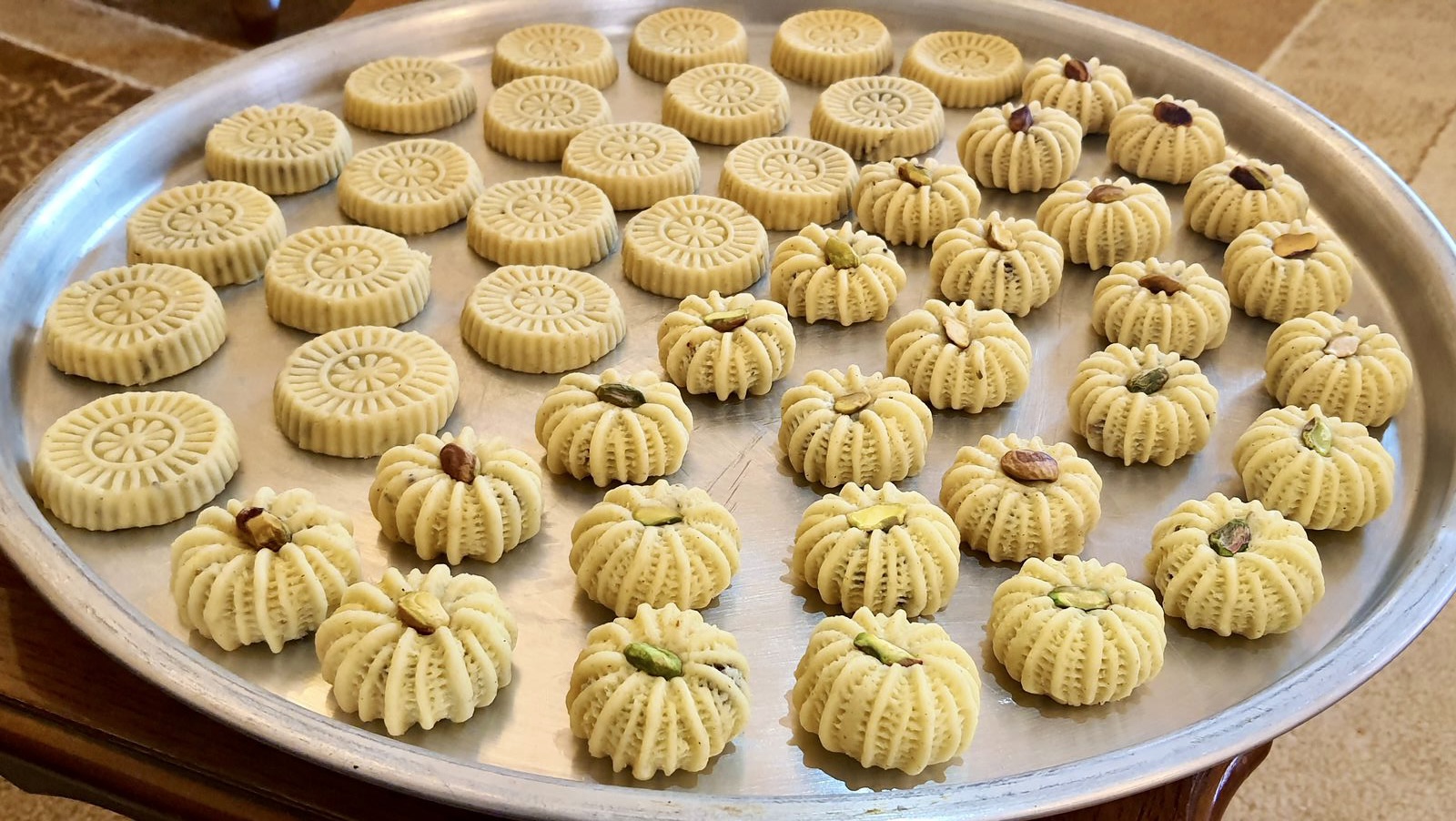
Maamoul are intricately shaped shortbread cookies stuffed with date paste, walnuts, or pistachios. The dough — made with semolina or fine flour, butter, and a splash of rosewater or orange blossom water — is pressed into carved wooden moulds (tabi) that stamp each cookie with decorative patterns, then baked until pale gold and dusted with powdered sugar.
Maamoul are the defining sweet of Eid al-Fitr and Eid al-Adha. In the weeks before each Eid, Saudi families spend entire afternoons making trays of maamoul together, and gifting boxes of homemade maamoul to neighbours and relatives is a deeply ingrained tradition. For travellers, the best place to buy maamoul is from traditional bakeries and date shops, where they are made fresh rather than factory-sealed. Saudi dates — particularly the prized Ajwa variety from Medina — make the finest filling.
Basbousa — The Semolina Cake
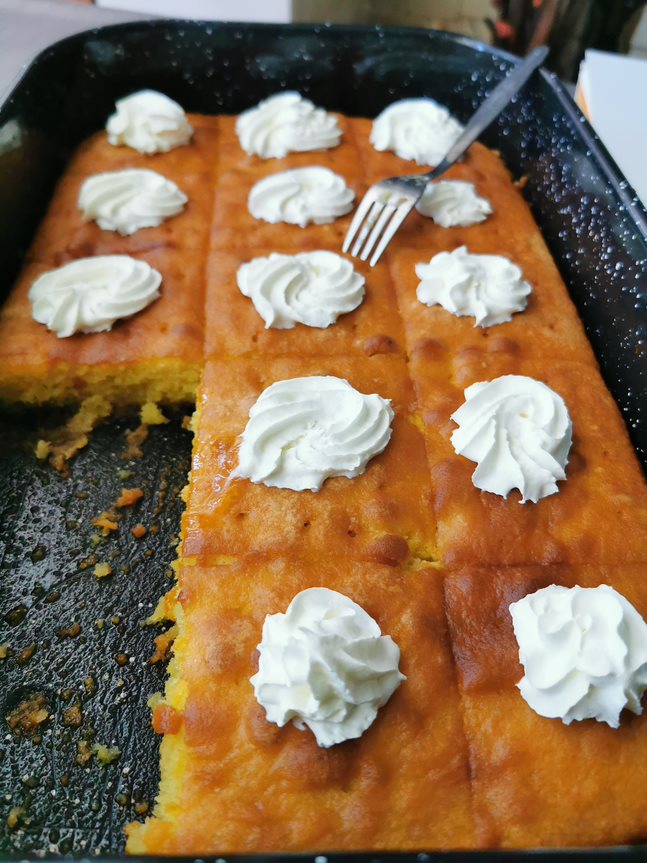
Basbousa (also called namoura or harisa in other Arab countries) is a dense, moist cake made from semolina, yoghurt, and coconut, soaked in sugar syrup scented with rosewater or orange blossom. Each square is typically topped with a single blanched almond before baking. The result is sweet, grainy, and utterly addictive — one of those desserts that tastes simple but is surprisingly hard to stop eating.
In Saudi Arabia, basbousa is an everyday sweet rather than a festival special. It appears at family gatherings, in bakery display cases across every neighbourhood, and as the default dessert at many Saudi breakfast spreads. Some modern Saudi bakeries have reinvented basbousa with cream cheese frosting, Lotus biscuit toppings, or pistachio crumble — but the classic version, soaked in syrup until it glistens, remains the standard.
Qatayef — The Ramadan Pancake
Qatayef are small, spongy pancakes folded into half-moon shapes and filled with sweet cheese, crushed walnuts, or ashta cream, then either baked or deep-fried and dipped in sugar syrup. They are almost exclusively a Ramadan dessert — street vendors set up qatayef stations in souks and markets throughout the holy month, cooking the pancakes on large flat griddles and selling them by the dozen for customers to fill and fry at home.
Kleicha and Baklava
Saudi Arabia’s proximity to Iraq and the Levant means that kleicha (date-filled Iraqi cookies spiced with cardamom and rose) and baklava (layered phyllo pastry with nuts and syrup) are widely available, particularly in the Eastern Province and at specialist Levantine bakeries in Riyadh and Jeddah. Turkish-style baklava with pistachios has become especially popular, with dedicated baklava shops opening in major Saudi malls.
Dates — The Foundation of Everything
No guide to Saudi sweets would be complete without dates. The Kingdom is the world’s second-largest date producer, growing more than 400 varieties. Dates are served with Arabic coffee (qahwa) as a gesture of hospitality in every Saudi home, hotel, and office. The most prized varieties — Ajwa from Medina, Sukkari from Qassim, and Kholas from Al-Ahsa — are eaten fresh, stuffed with almonds or cream cheese, dipped in chocolate, or used as filling for maamoul and other pastries. For a deep dive into buying, gifting, and tasting Saudi dates, see our dedicated Saudi dates guide.
Best Dessert Shops in Riyadh
Riyadh’s dessert scene has exploded in recent years, with everything from heritage kunafa joints to slick, Instagram-ready patisseries. Here are the places that locals actually queue for.
Kunafa Abul Haud
Location: As Sulimaniyah, Riyadh
An enormous dine-in restaurant that has become Riyadh’s most famous kunafa destination. The classic cheese kunafa arrives golden, stretchy, and dripping with rose syrup. They serve all the traditional varieties — Nabulsi, cream-filled, and pistachio — and portions are generous. Go early in the evening; the queue builds fast after Maghrib prayer, especially during Ramadan.
AANI & DANI
Location: Takhassusi Street, Riyadh
A Saudi-owned chocolate and dessert boutique that has become a Ramadan institution. Their signature kunafa caramel — traditional kunafa reimagined with salted caramel — is a best-seller. They also do premium chocolate boxes, date-and-chocolate gift sets, and seasonal Eid collections. Ideal for picking up edible gifts to take home.
Mat Cookies
Location: Al Olaya, Riyadh
A dessert hotspot serving freshly baked square cookies piled high with ice cream, sauces, and sweet extras. The warm cookie-and-ice-cream combinations are irresistible. It is a modern Saudi dessert concept — no traditional sweets here, but worth visiting for the sheer indulgence. Expect a young, lively crowd and a short wait at peak hours.
BK Boutique
Location: Riyadh
A luxurious artisan patisserie run by a Saudi chef, offering handcrafted pastries including flattened croissants, pecan croissants, and elaborate layered cakes. BK Boutique represents the newer wave of Saudi dessert culture — European technique meets local sensibility. Prices are higher than traditional bakeries, but the quality is exceptional.
Kunafa Garden
Location: Multiple branches, Riyadh
Open late into the night, Kunafa Garden offers both traditional cheese-and-cream kunafa and creative fusion versions infused with chocolate bars, served as mini bite-sized portions, ice cream sandwiches, or in elegant glass dishes. A reliable late-night option when the craving hits after midnight.
Chunk
Location: Riyadh
A chic pastry shop known for its salted caramel cake, creme brulee profiteroles, and elegant layer cakes. Popular for celebrations — many Riyadh residents order birthday cakes from Chunk. The cafe scene in Riyadh has grown rapidly, and Chunk sits comfortably at the intersection of cafe culture and serious patisserie.
Best Dessert Shops in Jeddah
Jeddah’s dessert tradition is older and more diverse than Riyadh’s, shaped by the Hejazi port-city culture that has absorbed flavours from across the Muslim world for centuries. The Jeddah street food scene naturally extends into sweets.
Demasi Kunafa
Location: Multiple branches, Jeddah
Owned by the Hattab family — Palestinian confectioners who have been serving Jeddah for over fifty years — Demasi is a Jeddah institution. Their traditional Nabulsi kunafa is made with imported Palestinian cheese and cooked on large copper trays. They also serve excellent basbousa and qatayef during Ramadan. If you eat kunafa only once in Saudi Arabia, eat it here.
Sucre de Nada
Location: Ar Rawdah, Jeddah (also in Riyadh)
A beautifully designed patisserie offering classic European and Middle Eastern desserts in generous portions. Victoria cakes, pavlovas, tarts, and mille-feuille sit alongside Arabic-inspired creations. The interior is elegant, the coffee is good, and the desserts are made fresh daily.
Sugar Rhymes
Location: Jeddah
A boutique cafe specialising in beautifully crafted cakes and pastries. Everything is photogenic and meticulously presented — but more importantly, it tastes as good as it looks. The red velvet cake and the pistachio eclair are standouts.
InSoul
Location: Ar Rawdah, Jeddah
A charming spot where doughnuts are the star — golden, fluffy rings with bold flavours and serious craftsmanship. Not traditional Saudi sweets, but a perfect example of Jeddah’s willingness to adopt and elevate international dessert trends.
Al-Balad Heritage Bakeries
Location: Al-Balad Historic District, Jeddah
For the most authentic experience, walk through the narrow lanes of Jeddah’s Al-Balad — a UNESCO World Heritage Site — and seek out the small bakeries and sweet shops that have operated here for generations. You will find fresh maamoul, basbousa cut from enormous trays, and simple date-and-nut sweets that taste exactly as they would have a hundred years ago.
Desserts in Other Saudi Cities
Eastern Province
The cities of Dammam, Al Khobar, and Al-Ahsa have their own sweet traditions. Al-Ahsa is the heartland of Saudi date production, and its Qursan oasis produces the famous Kholas dates used in premium maamoul and date confections. In Khobar, Bahraini-influenced halwa (a dense, saffron-tinted confection) is widely available alongside the standard Saudi repertoire. See our Al Khobar restaurant guide for dining recommendations.
Abha and the Asir Highlands
In Abha and the Asir region, the dessert tradition leans toward honey-based sweets. Asiri honey — particularly the prized Sidr honey harvested from jujube trees — is used in everything from drizzled luqaimat to simple honey-and-ghee mixtures served with bread. The Asir honey market in the Rijal Almaa heritage village is worth a detour for any food-focused traveller.
Medina and Mecca
Pilgrims visiting for Hajj or Umrah will find date shops lining every major street near the holy mosques. Medina in particular is famous for Ajwa dates, considered blessed in Islamic tradition, and the shops on the roads leading to Masjid al-Nabawi sell gift-boxed dates, date-filled maamoul, and chocolate-covered date confections designed specifically for pilgrims to take home.
When to Eat Sweets in Saudi Arabia
Ramadan
The holy month is the peak season for Saudi sweets. Luqaimat, qatayef, kunafa, and basbousa are prepared in enormous quantities each evening. Night markets and temporary Ramadan souks spring up across every city, and dessert shops extend their hours deep into the night. If you time your visit during Ramadan, the sweet options are unmatched — but remember that eating, drinking, and smoking in public during daylight hours is prohibited.
Eid al-Fitr and Eid al-Adha
Maamoul is the star of both Eid celebrations. Families exchange trays of homemade maamoul, and bakeries run special Eid collections. Visiting a Saudi home during Eid almost always involves being served maamoul alongside Arabic coffee and dates.
Year-Round
Kunafa shops and modern dessert cafes operate year-round. Basbousa and baklava are available daily at any neighbourhood bakery. Date shops never close. There is no bad time to eat sweets in Saudi Arabia — the tradition of offering something sweet to guests applies regardless of season.
Practical Tips for Dessert Lovers
Tip: Many traditional sweets shops are cash-only, especially in souks and older neighbourhoods. Carry SAR 50–100 in small notes for bakery runs.
- Portion sizes are large. A single serving of kunafa at most traditional shops is designed to be shared. Order one portion for two people unless you have a serious sweet tooth.
- Freshness matters. Always ask if the kunafa is fresh from the oven. Reheated kunafa loses its signature crunch. At busy shops, new trays come out every 15–20 minutes.
- Ramadan timing. During Ramadan, the best selection is available from iftar (sunset) through to midnight. Shops open later and close later during the holy month.
- Gifting culture. Saudis take edible gifts seriously. A box of premium maamoul or gift-boxed Saudi dates is a thoughtful and culturally appropriate souvenir. Many date shops and sweet boutiques offer luxury packaging specifically designed for gifting.
- Dietary notes. Most Saudi sweets contain wheat flour, butter or ghee, and sugar. Dairy features heavily in kunafa and qatayef. Nut allergies should be declared clearly — pistachios and walnuts are ubiquitous toppings. Vegan-friendly options are limited in traditional bakeries but more common at modern patisseries.
- Photography. Taking photos of your food is completely normal and expected in Saudi cafes and dessert shops. Many modern venues are designed with photography in mind.
- Saudi Arabia Travel Guide 2026 — The complete guide to visiting the Kingdom
- Saudi Dates: Best Varieties, Where to Buy and How to Gift Them — Everything you need to know about the Kingdom’s iconic fruit
- Saudi Coffee Culture — Qahwa, cafes, and the tradition behind every cup
- Saudi Kabsa: The National Dish Explained — A complete guide to Saudi Arabia’s signature rice dish
- Saudi Arabian Breakfast — What to eat and where to find it
- Riyadh Street Food Guide — The best street eats in the capital
- Jeddah Street Food Guide — Kabsa, mutabbaq and more
- Mandi in Saudi Arabia — Best restaurants by city
- Saudi Arabia Visa Guide — Every visa type explained
A Glossary of Saudi Sweet Terms
| Arabic Term | English | What It Is |
|---|---|---|
| Luqaimat | Sweet dumplings | Fried dough balls with date syrup |
| Kunafa | Cheese pastry | Shredded pastry with cheese/cream, baked and syrup-soaked |
| Harees / Hareesah | Wheat porridge | Slow-cooked wheat with butter, sugar, and cardamom |
| Maamoul | Stuffed cookies | Semolina shortbread filled with dates or nuts |
| Basbousa | Semolina cake | Syrup-soaked semolina cake with almond topping |
| Qatayef | Stuffed pancakes | Folded pancakes with cheese or nut filling |
| Baklava | Layered pastry | Phyllo pastry, nuts, and honey syrup |
| Dibs | Date syrup | Thick, dark syrup pressed from dates |
| Ashta | Clotted cream | Thick cream used in kunafa and qatayef |
| Qahwa | Arabic coffee | Cardamom-spiced coffee served with dates and sweets |
| Tabi | Mould | Wooden mould used to shape maamoul |