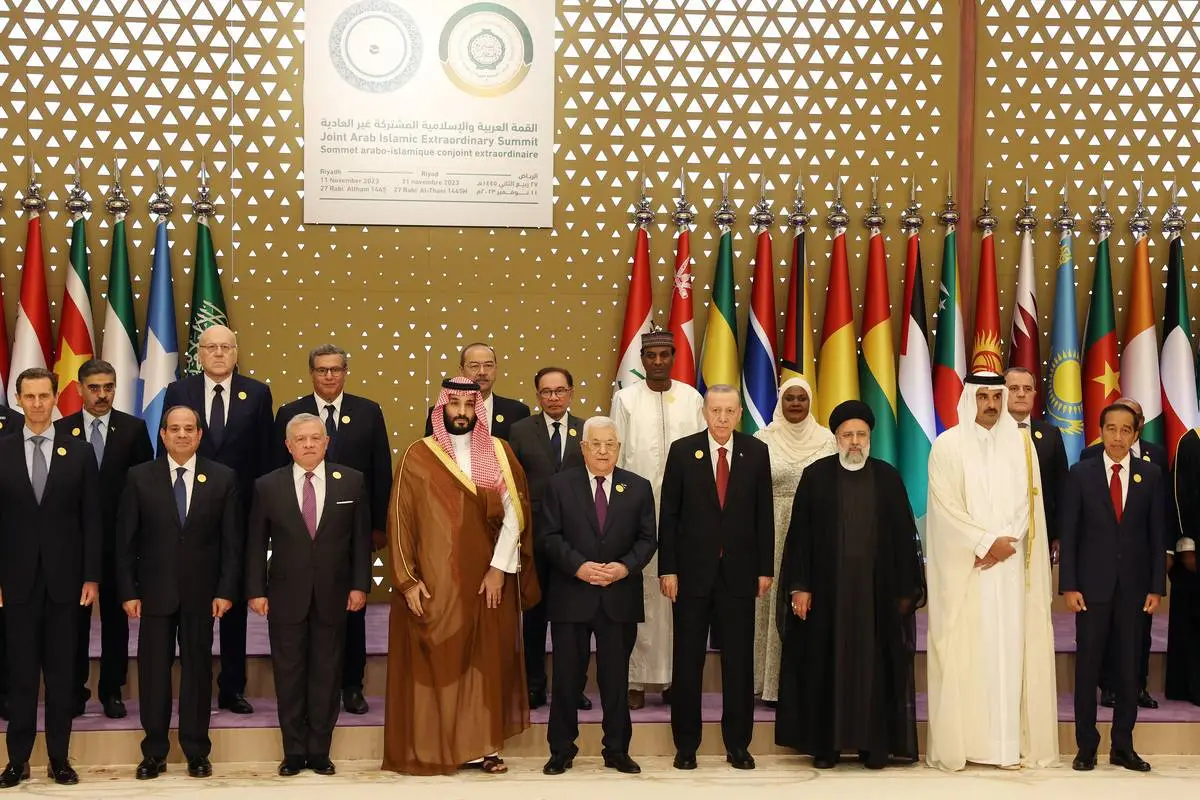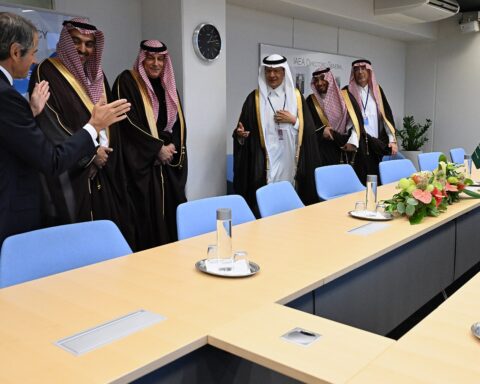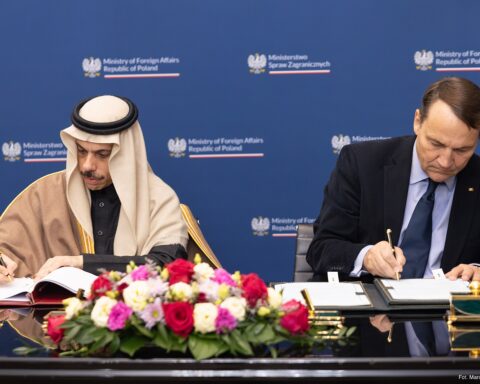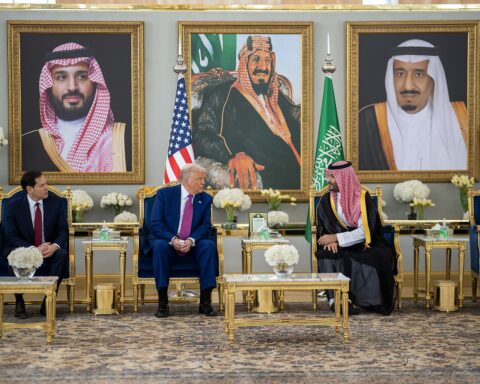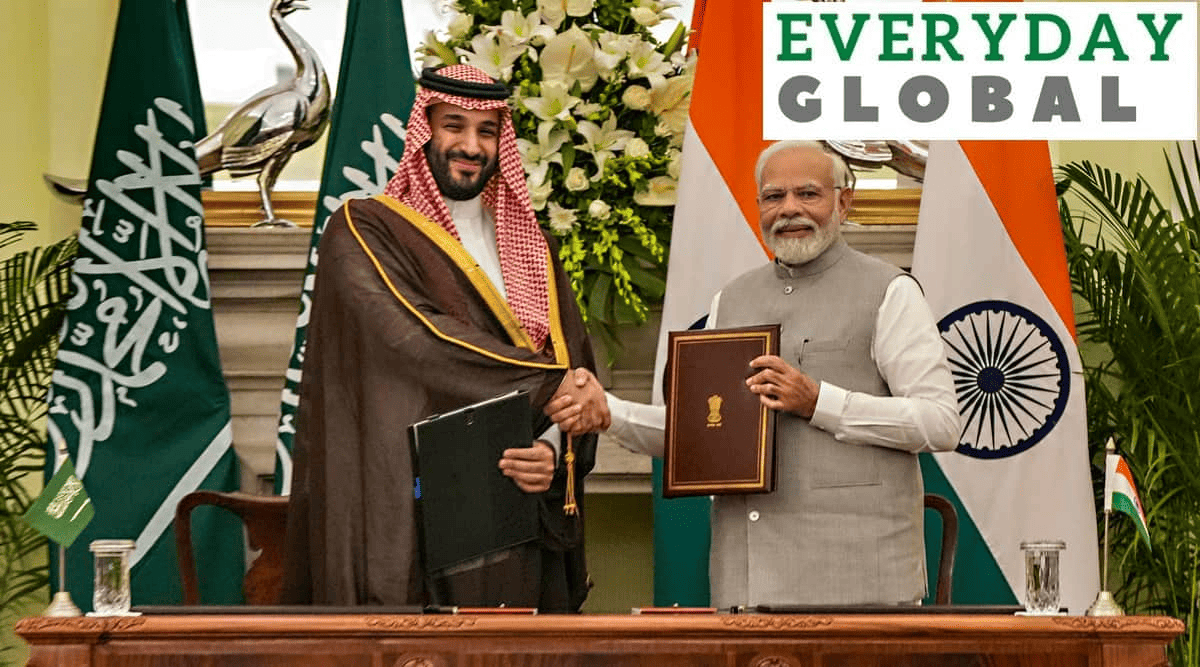

The sidelines of the G20 Summit on Saturday witnessed a significant moment in Saudi-US relations, as US President Joe Biden and Saudi Arabian Prime Minister and Crown Prince Mohammad bin Salman came together in the presence of Prime Minister Narendra Modi. The event marked a potential shift from the strained ties between Biden and MBS since Biden’s inauguration in 2020.
From the outset, Biden had been critical of Mohammad bin Salman, commonly known as MBS, particularly regarding Saudi Arabia’s human rights record, especially in light of the murder of journalist Jamal Khashoggi. Additionally, tensions arose due to MBS’s growing closeness with Russian President Vladimir Putin amid the Ukraine conflict.
An attempt to mend the Washington-Riyadh relationship occurred when Biden traveled to Riyadh for a meeting with MBS in July 2022. However, Saudi Arabia’s efforts, with support from Russia, to manipulate oil prices and pursue a target of $100 per barrel continued to undermine the stability of US-Saudi relations.
For years, the United States has served as a security guarantor for Gulf and West Asian nations. Yet, China’s emergence as a regional power broker and its successful mediation of a peace agreement between Iran and Saudi Arabia threatened this position.
Biden is keen on preventing Saudi Arabia from driving up oil prices, particularly in an election year when he aims to showcase the strength of “Bidenomics” in bolstering the US economy.
Moreover, the US seeks Saudi Arabia’s support in brokering a deal to normalize relations between Israel and the kingdom. This strategic alignment enables the US to assert itself as a key player in the region at a time when China is actively exerting its influence.
The Middle East briefing 3,000+ readers start their day with.
One email. Every weekday morning. Free.
The handshake between Biden and MBS, observed in the presence of Prime Minister Narendra Modi, combined with the announcement of the India-Middle East-Europe connectivity corridor, allows for an opportunity to reinvigorate Saudi-US relations.
This ambitious project, spearheaded by India, the UAE, the US, Saudi Arabia, the European Union Commission, France, Germany, and Italy, facilitates market access for these nations in West Asia, South Asia, and Europe.
Furthermore, the initiative serves as a counterbalance to Chinese influence in low-income countries in the region. By participating in this project, these nations can avoid falling into the debt traps associated with China’s Belt and Road Initiative (BRI).