
RIYADH — G7 energy ministers will hold an emergency virtual meeting on Tuesday to discuss a coordinated release of up to 400 million barrels from strategic petroleum reserves, the largest such intervention in history, as the Iran war drives oil prices above $108 per barrel and threatens a global economic crisis. The proposed release, coordinated through the International Energy Agency, would dwarf the 240 million barrels released during the 2022 Russia-Ukraine crisis and comes as Saudi Arabia simultaneously scrambles to reroute its own crude exports through the Red Sea after the effective closure of the Strait of Hormuz. Trump’s subsequent declaration that the war was very complete sent oil plunging from near $120 to $85 in a single day, complicating the reserve release calculus.
Three G7 nations, including the United States, have backed the plan, according to the Financial Times. France’s energy minister Roland Lescure said Monday that the bloc was “not there yet” on a final agreement, but the scale of the supply disruption — roughly 18 percent of global oil consumption transits the Strait of Hormuz — has forced governments to accelerate discussions that would normally take weeks into hours.
Table of Contents
- What Is the G7 Proposing and How Much Oil Would Be Released?
- Why Are G7 Nations Acting Now?
- Saudi Arabia’s Competing Oil Moves
- Trump Resists SPR Release as Domestic Pressure Mounts
- How Does This Compare to Previous Emergency Releases?
- What Would 400 Million Barrels Do to Oil Prices?
- What Is at Stake for Saudi Arabia?
- Asian Buyers Scramble for Alternative Supply
- Frequently Asked Questions
What Is the G7 Proposing and How Much Oil Would Be Released?
The proposal under discussion envisions a joint release of between 300 million and 400 million barrels of crude oil from the strategic reserves of G7 nations and other IEA member countries. The release would represent approximately 25 to 30 percent of the 1.2 billion barrels held collectively by IEA member states, according to Reuters.
The International Energy Agency’s executive director Fatih Birol convened an emergency call with G7 energy ministers on Monday to assess the severity of the supply disruption. Birol had stated on Friday that “there is plenty of oil, we have no oil shortage,” but the continued closure of the Strait of Hormuz and escalating Iranian attacks on Gulf energy infrastructure over the weekend forced a rapid reassessment.
Energy ministers from the Group of Seven — the United States, Japan, Germany, France, the United Kingdom, Italy, and Canada — will hold a formal virtual meeting on Tuesday morning to negotiate the terms of a coordinated drawdown. The meeting was confirmed by multiple officials, including French President Emmanuel Macron, who told reporters in Paris that the discussion was necessary “to protect the global economy from a shock we did not ask for.”
| Detail | Specification |
|---|---|
| Total proposed release | 300–400 million barrels |
| Share of IEA reserves | 25–30% |
| Total IEA reserves available | ~1.2 billion barrels |
| G7 countries supporting | 3 of 7 (including US) |
| Meeting date | Tuesday, March 10, 2026 |
| Coordinating body | International Energy Agency |
The release, if approved, would be distributed over several months rather than dumped onto the market at once. Officials familiar with the discussions told Bloomberg that the aim is to create a psychological ceiling on prices rather than fully replace lost Gulf supply, which would require far larger volumes sustained over a longer period.
The Middle East briefing 3,000+ readers start their day with.
One email. Every weekday morning. Free.
Why Are G7 Nations Acting Now?
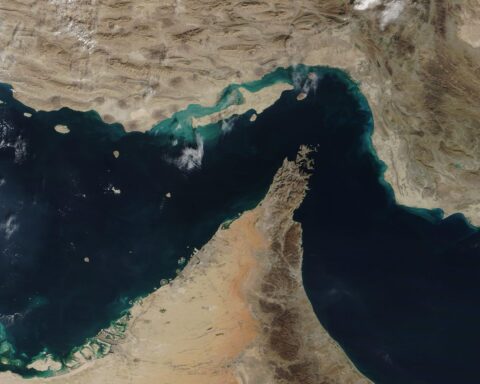
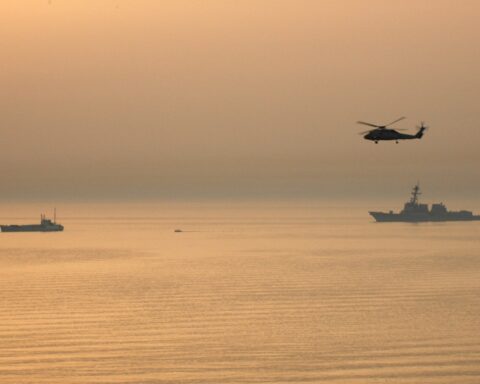
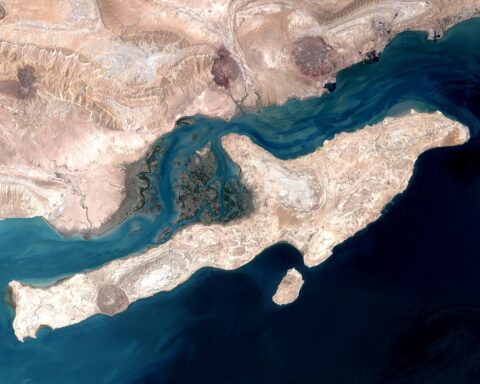
The trigger is the near-total shutdown of tanker traffic through the Strait of Hormuz, which has collapsed by roughly 90 percent since the US-Israeli strikes on Iran began on February 28, according to maritime tracking firm Windward. On Saturday, only three vessels transited the strait — one of them an oil tanker — compared to a seven-day average of 13.43 and approximately 100 vessels per day before the war.
The disruption removes approximately 17 to 21 million barrels per day of crude oil and petroleum products from global markets, making it the single largest supply shock in the history of the modern oil market. Goldman Sachs estimated that the effective closure has temporarily removed about 18 percent of global oil supply from active trade.
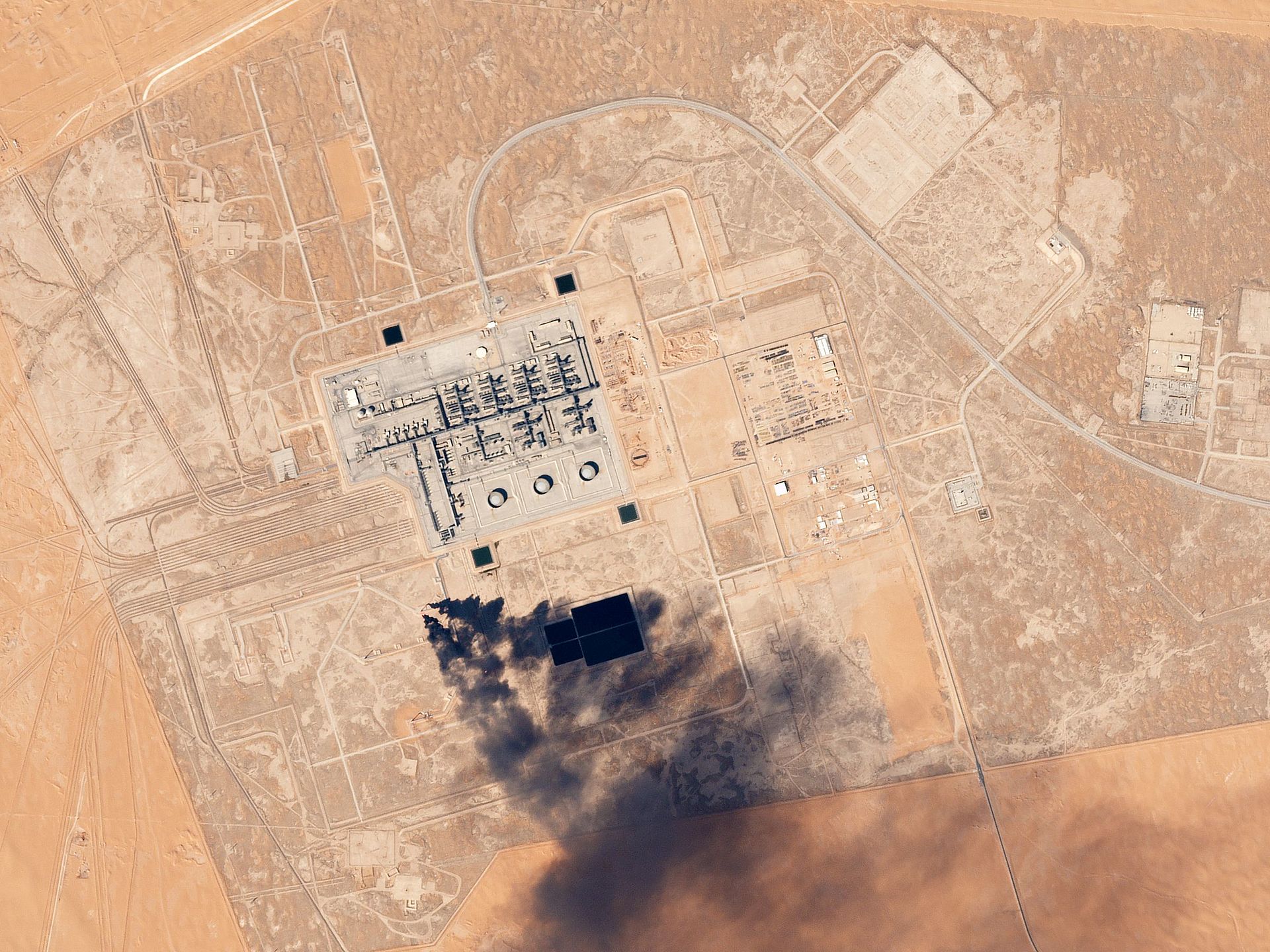
Brent crude surged to $108.75 per barrel on Monday morning, while WTI jumped 19.38 percent in a single session to $108.62. Both benchmarks have nearly doubled from their pre-war levels of approximately $70 per barrel. Intraday, Brent futures briefly touched $119.50 before paring gains on reports of the G7 reserve discussion.
The speed of the price spike has alarmed consumer nations. Japan, which imports roughly 90 percent of its crude oil from the Middle East, has been among the most vocal advocates for an emergency release. Germany, heavily reliant on energy imports after the 2022 Russian gas crisis, has also signaled support.
Saudi Arabia’s Competing Oil Moves
While G7 nations discuss flooding the market with reserve barrels, Saudi Arabia is simultaneously executing its own emergency supply strategy. Saudi Aramco has begun offering crude on the spot market through a series of rare tenders — an unusual move for a producer that typically sells through long-term contracts.
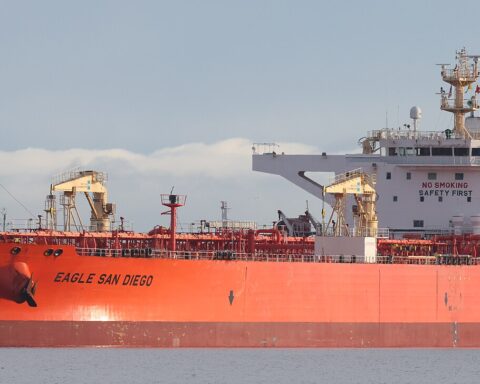
The Kingdom has offered approximately 4.6 million barrels of Arab Extra Light, Arab Heavy, and its flagship Arab Light grade, according to Bloomberg. Five very large crude carriers departed the port of Yanbu on Saudi Arabia’s Red Sea coast during the first four days of March, carrying a combined total of roughly 10 million barrels.
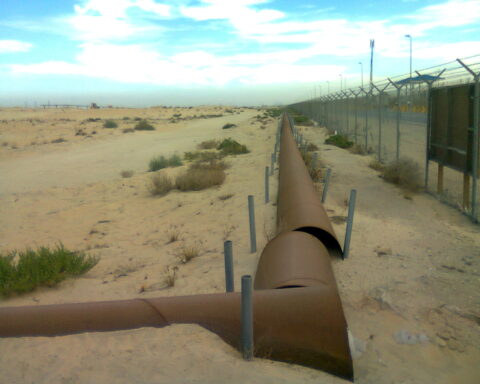
Aramco has rerouted shipments to Yanbu via the East-West Pipeline, bypassing the shuttered Strait of Hormuz entirely. Shipments from western terminals have surged to approximately 2.3 million barrels per day so far in March, according to tanker tracking data. This is a fraction of Saudi Arabia’s pre-war export capacity of approximately 7.5 million barrels per day, but it represents the maximum that the pipeline and Red Sea port infrastructure can currently handle.
The dual dynamic — G7 reserve releases competing with Saudi spot sales — creates a complex market environment. Reserve barrels and Saudi spot cargoes would both target the same buyers: Asian refiners scrambling for immediate supply. If the G7 releases 400 million barrels over three to four months, the resulting flow of approximately 3.3 million barrels per day would compete directly with Saudi Arabia’s rerouted Red Sea exports.
Trump Resists SPR Release as Domestic Pressure Mounts
President Donald Trump has publicly resisted calls to tap the US Strategic Petroleum Reserve, even as gasoline prices climb and Republican lawmakers face mounting pressure ahead of November midterm elections.
“We’ve got a lot of oil. Our country has a tremendous amount,” Trump told reporters on Saturday. “There’s a lot of oil out there. That’ll get healed very quickly.” When pressed on a timeline, he said he would refill the SPR at the “appropriate time, which is basically a gut instinct.”
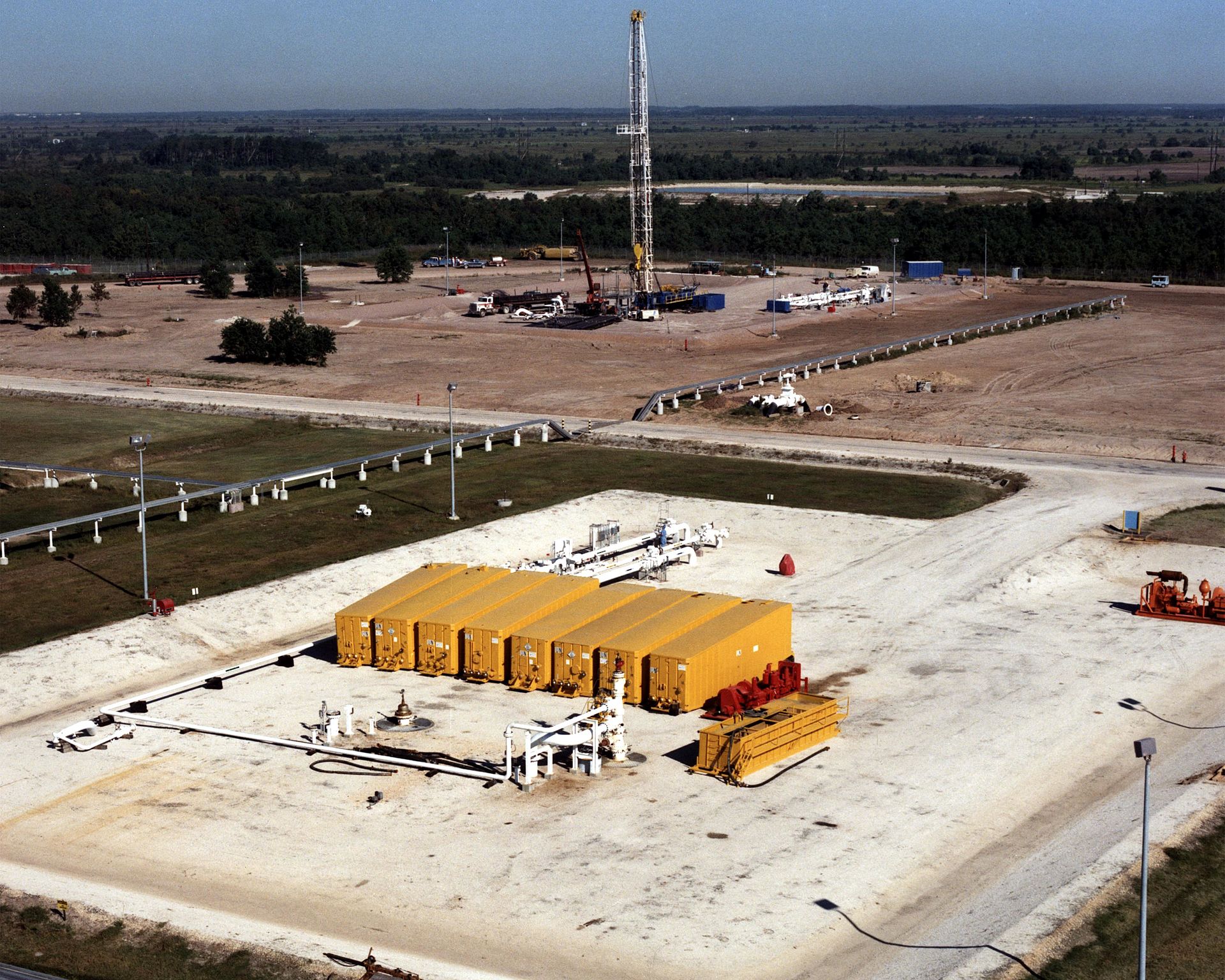
The US SPR currently holds approximately 415 million barrels, up from roughly 395 million barrels in early 2025 but far below its authorized storage capacity of 714 million barrels. The reserve peaked at 726.6 million barrels more than fifteen years ago and has been drawn down repeatedly during previous crises.
Senate Minority Leader Chuck Schumer called on Trump to immediately tap the reserve. “As Trump’s Iran war chaos sends oil and gas prices up for American families, the president should be using every tool at his disposal,” Schumer said in a statement released Monday.
The national average gasoline price reached approximately $3.41 per gallon on Monday, up 43 cents from the previous week, according to AAA data. Analysts at Goldman Sachs warned that prices could reach $4.50 per gallon within weeks if Hormuz remains closed and no coordinated action is taken.
Despite Trump’s public reluctance, administration officials have been participating in the G7 reserve discussions. The contradiction suggests that the White House may be positioning to claim credit for any coordinated release while avoiding the political optics of appearing to repeat President Biden’s 2022 SPR drawdown, which Republicans criticized extensively.
| Metric | Current Level |
|---|---|
| Current inventory (Feb 2026) | ~415 million barrels |
| Authorized capacity | 714 million barrels |
| Historical peak | 726.6 million barrels |
| Early 2025 level | ~395 million barrels |
| 2022 post-Ukraine drawdown level | ~372 million barrels |
How Does This Compare to Previous Emergency Releases?
The proposed 400-million-barrel release would be the largest coordinated intervention in the 50-year history of the International Energy Agency. It would nearly double the largest previous release and marks only the sixth time the IEA has authorized emergency action.
The 2022 Russia-Ukraine release, previously the largest, occurred in two phases. The first, announced in March 2022, released 60 million barrels from IEA member reserves, including 30 million from the US SPR. The second, agreed in April 2022, released an additional 120 million barrels, including 60 million from the US, bringing the total to approximately 240 million barrels.
Prior coordinated releases were substantially smaller. During the 1991 Gulf War, the IEA offered approximately 75 million barrels. The 2005 response to Hurricanes Katrina and Rita released roughly 60 million barrels. The 2011 Libyan civil war drawdown also totaled about 60 million barrels.
| Year | Trigger | Volume Released | Oil Price Impact |
|---|---|---|---|
| 1991 | Gulf War | ~75 million barrels | Prices fell ~33% within weeks |
| 2005 | Hurricanes Katrina/Rita | ~60 million barrels | Temporary price relief |
| 2011 | Libyan Civil War | ~60 million barrels | Brent fell ~8% over two weeks |
| 2022 | Russia-Ukraine War | ~240 million barrels | Brent fell from $128 to ~$100 |
| 2026 | Iran War/Hormuz closure | 300–400 million barrels (proposed) | TBD — Brent fell ~11% on announcement reports |
The scale of the current disruption dwarfs all previous triggers. The Strait of Hormuz carries roughly ten times the oil volume affected by the Libyan crisis and five times the supply at risk during the 2022 Russian situation. Analysts at S&P Global Commodity Insights warned that even 400 million barrels “may prove insufficient in the absence of signs that supply will normalize.”
What Would 400 Million Barrels Do to Oil Prices?
Markets reacted sharply to reports of the G7 discussions. Brent crude fell approximately 11 percent within an hour of the initial Financial Times report, dropping from above $119 to approximately $106 before stabilizing around $108. The reaction suggests that the mere announcement of coordinated action carries significant psychological weight, even before any barrels are physically released.
Energy analysts are divided on the longer-term price impact. If the Strait of Hormuz reopens within weeks — a scenario that requires either a ceasefire or sufficient naval escort capacity — the reserve release could push Brent back below $90 by creating a temporary oversupply. If the closure persists for months, 400 million barrels spread over 90 to 120 days would provide approximately 3.3 to 4.4 million barrels per day of additional supply, partially offsetting but not fully replacing the 17 to 21 million barrels per day normally transiting Hormuz.
Even a 400-million-barrel release may have limited price impact in the absence of signs that supply will normalize. The market is pricing in duration risk, not just volume. The urgency is underscored by the scale of the damage: global equities have lost $6 trillion since the war began, and veteran strategist Ed Yardeni has raised his probability of a full-blown market meltdown to 35 percent.
S&P Global Commodity Insights analysis, March 9, 2026
Japan holds approximately 324 million barrels in its national petroleum reserve, making it the second-largest stockpile after the United States. Germany, France, and Italy maintain reserves equivalent to at least 90 days of net imports, as required by EU directive. The combined European IEA reserves total approximately 420 million barrels.
What Is at Stake for Saudi Arabia?
The G7 reserve release presents Mohammed bin Salman with a paradox. Saudi Arabia needs high oil prices to fund both the war effort and its $3.3 trillion Vision 2030 program. The Kingdom’s fiscal breakeven oil price — the level needed to balance the government budget — sits at approximately $87 per barrel, according to the International Monetary Fund. With Brent trading above $108, every barrel Aramco sells generates significant surplus revenue.
At the same time, Saudi Arabia needs its rerouted Red Sea crude exports to reach Asian buyers. If G7 reserve barrels flood the same market, they could displace Saudi cargoes and force Aramco to discount its spot tenders. The Kingdom is already operating under severe export constraints — the East-West Pipeline’s maximum capacity of approximately 5 million barrels per day is being shared between crude oil exports and domestic refinery supply.
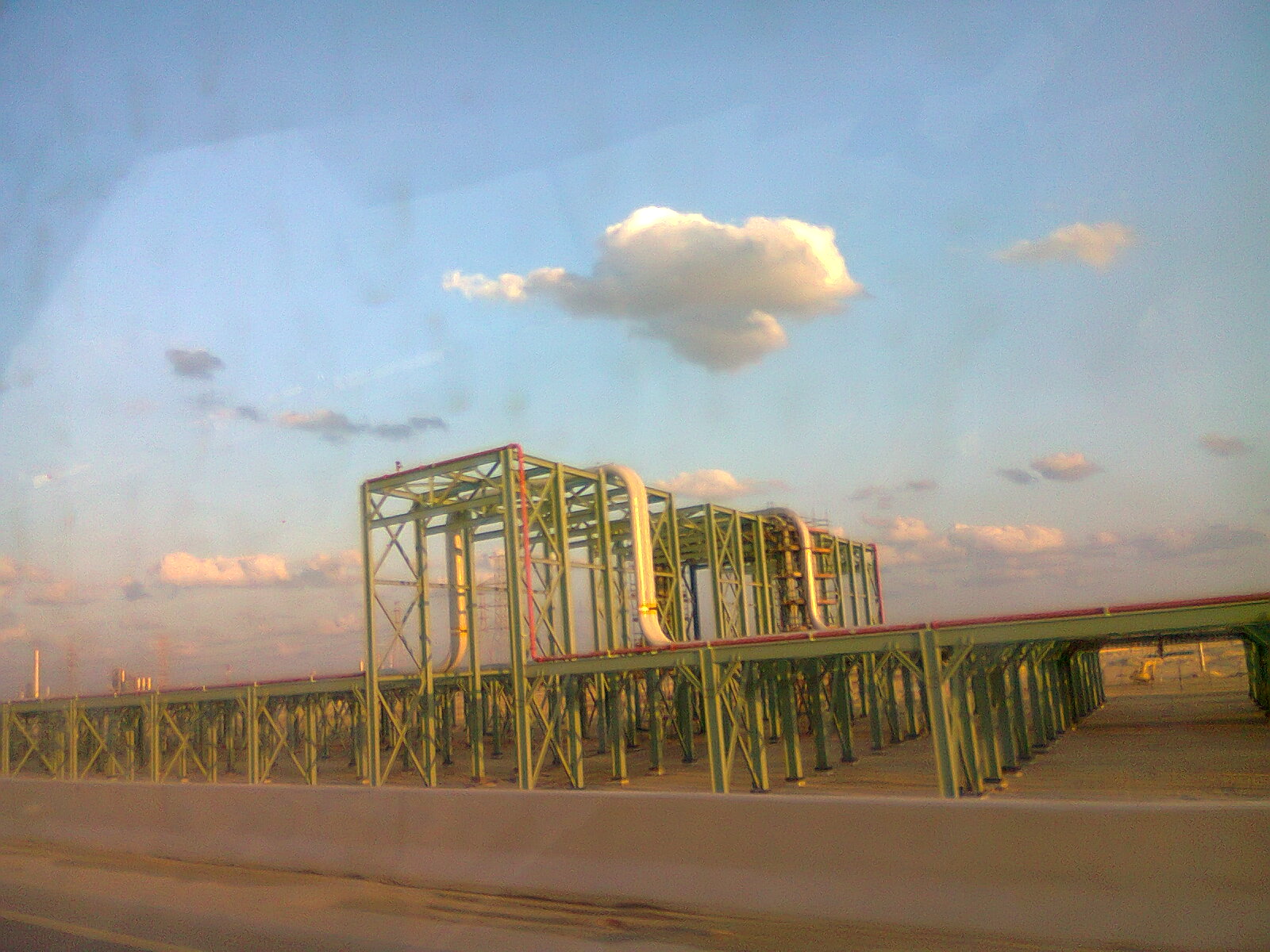
Saudi Arabia has also begun shutting down several oilfields as Gulf-side storage fills to capacity. Offshore fields including Safaniya and Zuluf have been taken offline, cutting the country’s output by more than 2 million barrels per day, according to Bloomberg. The shutdowns are operational — there is physically nowhere to store the crude — rather than strategic, but they further reduce the volume available for sale.
The Kingdom’s official position on the G7 discussions has not been made public. Saudi Arabia is not a member of the IEA and would not participate directly in a coordinated release. However, Riyadh has maintained an open line of communication with both Washington and the IEA throughout the crisis. Saudi Energy Minister Prince Abdulaziz bin Salman held calls with his American and Japanese counterparts over the weekend, according to officials briefed on the discussions.
A sustained period of elevated oil prices combined with reduced export volumes creates a net revenue picture that analysts are still calculating. If prices remain above $100 but Saudi exports fall to 2.3 million barrels per day — roughly one-third of pre-war levels — the Kingdom’s daily oil revenue drops significantly despite the per-barrel premium.
Asian Buyers Scramble for Alternative Supply
The most immediate beneficiaries of any reserve release would be Asian importers that have lost access to their primary Gulf suppliers. Japan, South Korea, India, and China collectively imported more than 12 million barrels per day through the Strait of Hormuz before the war.
Japan’s Ministry of Economy, Trade and Industry confirmed on Monday that the country had activated its emergency petroleum plan, drawing on national reserves to maintain supply to domestic refiners. South Korea announced similar measures over the weekend. Both nations import more than 70 percent of their crude from the Middle East, creating what analysts describe as the most dangerous energy vulnerability in the developed world.
India, which imported approximately 4.6 million barrels per day in February, has been particularly aggressive in seeking alternatives. Reuters reported that Indian refiners have secured emergency cargoes from Russia, Brazil, and West Africa, but at premiums of $8 to $12 per barrel above pre-war levels. The US has lifted some sanctions on Russian crude destined for India as part of broader efforts to stabilize global supply.
China, the world’s largest crude importer, has maintained relative silence on the G7 reserve discussions. Beijing holds an estimated 950 million barrels in its own strategic petroleum reserves — larger than the US SPR — but has not signaled any intention to coordinate releases with Western nations. China’s commercial crude inventories are believed to be at near-record levels after months of stockpiling during the low-price environment of late 2025.
| Country | Daily Imports (Feb 2026) | Middle East Share | Emergency Action Taken |
|---|---|---|---|
| China | ~11.2 million bpd | ~45% | Tapping commercial stocks; seeking Russian supply |
| India | ~4.6 million bpd | ~60% | Emergency cargoes from Russia, Brazil, W. Africa |
| Japan | ~2.5 million bpd | ~90% | National petroleum reserve activated |
| South Korea | ~2.8 million bpd | ~70% | Emergency petroleum plan activated |
The scramble for alternative crude supplies has created a two-tier market. Crude grades that bypass the Strait of Hormuz — West African Bonny Light, Brazilian Tupi, Russian ESPO blend — are trading at record premiums of $8 to $12 above pre-war levels. Meanwhile, Gulf grades that would normally transit Hormuz remain effectively stranded, with floating storage in the Persian Gulf approaching capacity.
The situation has also revived questions about the long-term vulnerability of global energy supply chains to chokepoint disruptions. Before the war, approximately 20 percent of the world’s total petroleum consumption passed through the Strait of Hormuz daily. Energy security analysts at the Atlantic Council noted Monday that “no strategic reserve, however large, can substitute for open shipping lanes indefinitely” and urged G7 leaders to pair any reserve release with diplomatic efforts to reopen the strait.
For Saudi Arabia, the crisis has accelerated a strategic calculation that Crown Prince Mohammed bin Salman has confronted since the first Iranian drones struck Kingdom territory on March 1: how to maintain export revenue, protect critical infrastructure, and preserve diplomatic flexibility while caught between an American ally prosecuting a war and an Iranian adversary retaliating across the entire Gulf. The outcome of Tuesday’s G7 meeting will shape the economic battlefield on which those calculations play out.
Update: The IEA subsequently approved the release on March 11. Read the full details in our coverage of the IEA’s record 400-million-barrel emergency oil release.
Frequently Asked Questions
When will the G7 make a final decision on the oil reserve release?
G7 energy ministers will hold a formal virtual meeting on Tuesday, March 10, 2026, to negotiate terms. Three G7 nations including the United States have expressed support, but France indicated on Monday that the bloc was “not there yet” on a final agreement. A decision could come within days if the Strait of Hormuz remains effectively closed.
How would a 400-million-barrel release affect gasoline prices?
Analysts estimate that a coordinated release of 300 to 400 million barrels could reduce crude oil prices by $10 to $20 per barrel over several weeks. At current US refining margins, this would translate to a reduction of approximately 25 to 50 cents per gallon at the pump. The national average gasoline price reached $3.41 per gallon on Monday, up 43 cents from the previous week.
Why has Saudi Arabia started selling oil on the spot market?
Saudi Aramco has begun offering crude through rare spot tenders because the closure of the Strait of Hormuz has disrupted its normal contract-based export flows through Gulf-side terminals. The Kingdom is rerouting exports through its Red Sea port at Yanbu via the East-West Pipeline, but the pipeline’s maximum capacity limits Red Sea exports to approximately 2.3 million barrels per day — roughly one-third of pre-war levels.
Has the IEA ever released this much oil before?
The proposed 400-million-barrel release would be the largest in IEA history. The previous record was the 2022 coordinated release of approximately 240 million barrels during the Russia-Ukraine crisis. Before that, the largest single release was approximately 75 million barrels during the 1991 Gulf War. The IEA has authorized emergency releases only five times in its 50-year history.
What is Saudi Arabia’s position on the G7 reserve release?
Saudi Arabia has not publicly commented on the G7 discussions. The Kingdom is not an IEA member and would not participate in any coordinated release. However, Saudi Energy Minister Prince Abdulaziz bin Salman has maintained contact with his American and Japanese counterparts throughout the crisis, and Riyadh has a direct interest in the outcome — reserve barrels could compete with Saudi spot crude sales but would also help stabilize prices that threaten to trigger a global recession.