
RIYADH — Ten days of Iranian missiles, drone swarms, and retaliatory airstrikes have killed dozens and pushed oil past $110 a barrel. But the war’s most enduring casualty may be invisible to satellite cameras and missile-tracking radars: the Persian Gulf itself. The Conflict and Environment Observatory has already catalogued 120 environmental incidents across eleven countries in barely seventy-two hours of fighting, and the number continues to climb. Burning refineries in Tehran, Ras Tanura, Fujairah, and Abu Dhabi are pumping thousands of tonnes of carcinogenic particulate matter into skies shared by 150 million people. Acidic black rain has fallen on Iranian cities. Damaged tankers are leaking crude into waters so shallow and enclosed that a single major spill takes years to disperse. Desalination plants — the sole source of drinking water for tens of millions — sit within missile range of a combatant that has already demonstrated willingness to strike civilian infrastructure. The environmental damage from the 2026 Iran war may take a generation to repair, and the remediation bill has not even begun to be tallied.
Table of Contents
- How Many Environmental Incidents Has the Iran War Caused?
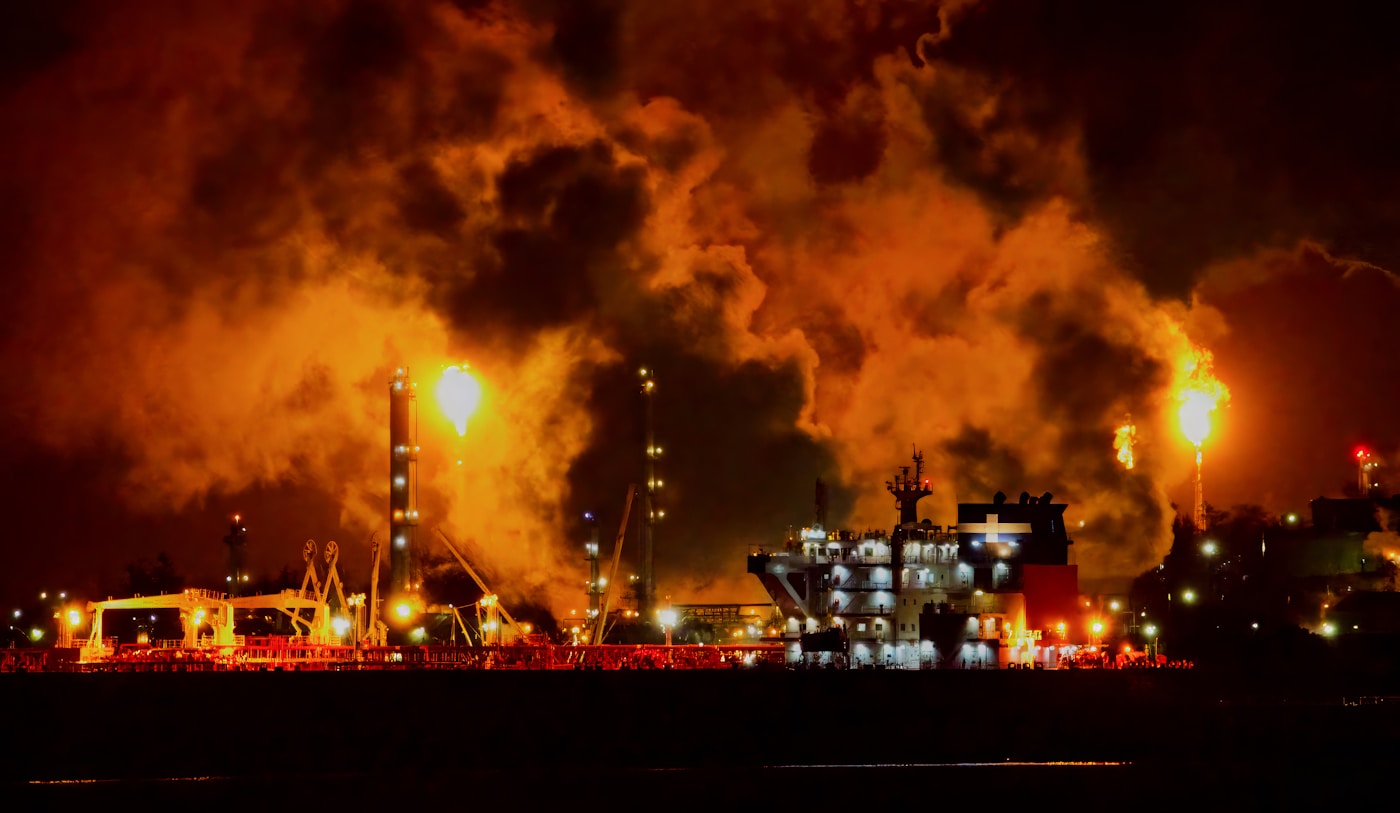
- What Happens When Refineries Burn Across the Gulf?
- Is the Persian Gulf Facing Another 1991-Scale Oil Disaster?
- Can Gulf States Survive Without Their Desalination Plants?
- The Marine Ecosystem Under Siege
- What Are the Health Consequences of Petrochemical Warfare?
- How Vulnerable Is the Gulf’s Food Supply?
- The Gulf Environmental Damage Assessment
- Will This War Accelerate the Gulf’s Energy Transition?
- The Cleanup Nobody Has Started Planning
- Frequently Asked Questions
How Many Environmental Incidents Has the Iran War Caused?
The Conflict and Environment Observatory, a UK-based research group that monitors the ecological footprint of armed conflicts worldwide, identified 120 distinct environmental incidents within the first three days of what the United States military designated Operation Epic Fury. Of those, 92 were formally assessed for environmental risk. The incidents span eleven countries: Iran, Iraq, Israel, Kuwait, Jordan, Cyprus, Bahrain, Qatar, the UAE, Saudi Arabia, and Oman.
Fifty-six incidents involved strikes on military installations, twelve targeted airbases, and the remainder hit petroleum infrastructure, port facilities, desalination complexes, and in at least one case, a hospital. The tally does not include the hundreds of interceptor missile debris fields scattered across Gulf cities from Saudi, Emirati, and American air defense operations — each of which deposits toxic propellant residues and heavy metals across residential areas.
“The picture is very concerning,” Doug Weir, director of the Conflict and Environment Observatory, told Dialogue Earth. “A wide range of environmentally problematic sites have been targeted by conflict parties, in particular fossil fuel and military facilities.” Weir drew an explicit parallel to the Iran-Iraq War of the 1980s, when targeting of tankers and production sites caused oil pollution that devastated the Gulf’s marine environment for decades.
The pace of environmental destruction has accelerated since those initial seventy-two hours. Iranian retaliatory strikes have hit oil facilities in Saudi Arabia’s Eastern Province, the UAE’s Fujairah coast, Abu Dhabi’s Mussafah industrial zone, and Qatar’s Ras Laffan LNG complex. Israeli and American strikes have systematically targeted Iran’s refining capacity, including the Tehran refinery with its 225,000-barrel-per-day throughput, four major fuel storage depots around the capital, and petroleum logistics centres across Khuzestan province.
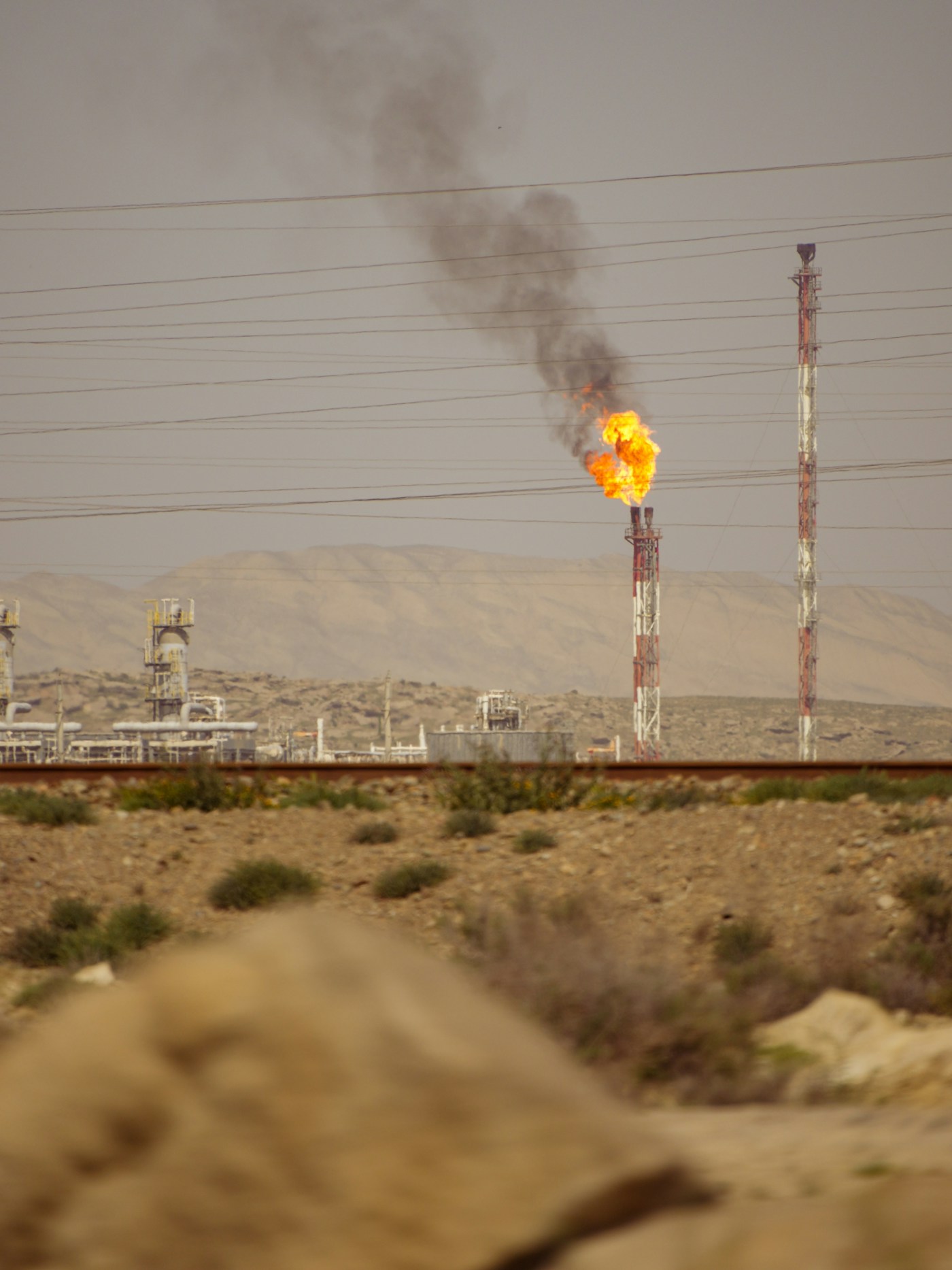
The naval dimension compounds the atmospheric damage. At least five commercial tankers have been struck, damaged, or set alight since February 28. The SONANGOL NAMIBE, a crude carrier hit approximately thirty nautical miles southeast of Kuwait on March 4, sustained cargo tank damage and an active oil leak into surrounding waters. The ADALYNN, disabled in what investigators suspect was a GPS-spoofing incident linked to Iranian electronic warfare, produced an oil slick covering two square kilometres of the Gulf of Oman. The HERCULES STAR, a 115-metre crude oil tanker, caught fire seventeen nautical miles northwest of Mina Saqr in the UAE. At least nine Iranian naval vessels have been sunk, each carrying fuel oil that is now seeping into one of the world’s most ecologically fragile marine environments.
The Middle East briefing 3,000+ readers start their day with.
One email. Every weekday morning. Free.
| Facility | Country | Capacity/Scale | Damage | Environmental Risk |
|---|---|---|---|---|
| Tehran Refinery | Iran | 225,000 bbl/day | Major fire, multiple units | Black rain, acid precipitation |
| Shahran Fuel Depot | Iran | 260M litres (4 of 11 tanks destroyed) | Sustained fire | Groundwater contamination |
| Ras Tanura Refinery | Saudi Arabia | 550,000 bbl/day | Drone debris fire, full shutdown | Coastal oil runoff |
| Fujairah Oil Terminal | UAE | Major storage hub | Two tanks burning | Coastal marine pollution |
| Mussafah Fuel Terminal | UAE | Abu Dhabi fuel supply | Drone strike fire (contained) | Urban air quality |
| Ras Laffan Industrial City | Qatar | World’s largest LNG export plant | Blackout, operations halted | LNG release risk |
| Shaybah Oil Field | Saudi Arabia | 1M bbl/day | Drone interceptions (no direct hit) | Desert ecosystem contamination |
What Happens When Refineries Burn Across the Gulf?
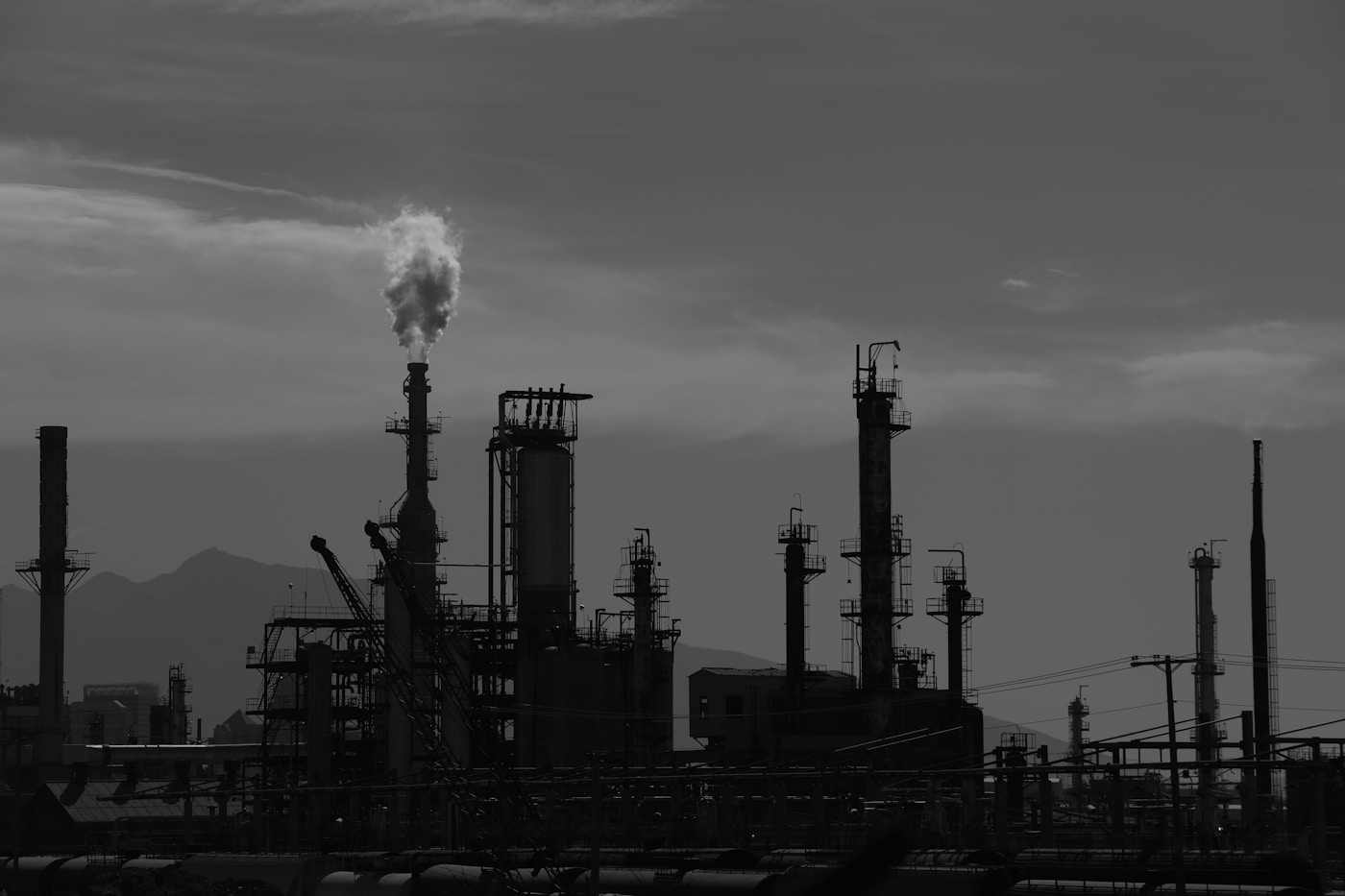
When a petroleum refinery burns, it does not produce ordinary smoke. The combustion of sulphur-rich “sour” crude oil — the dominant grade processed across the Gulf — releases a cocktail of carcinogens and respiratory toxins that atmospheric scientists classify among the most hazardous forms of industrial air pollution. The compounds include PM2.5 ultrafine particles that penetrate the bloodstream, polycyclic aromatic hydrocarbons classified as known carcinogens by the World Health Organisation, sulphur dioxide that converts to sulphuric acid in rainfall, nitrogen oxides, dioxins, furans, and volatile organic compounds including benzene, which the WHO classifies as a Group 1 carcinogen linked to leukaemia.
The scale of simultaneous refinery fires across the Iran war theatre has no precedent in modern conflict. Israeli strikes on approximately thirty oil storage and processing sites across Iran in a single overnight operation on March 7-8 produced smoke columns visible from space. Thick black plumes blanketed Tehran, a city of ten million people, for days. The Iranian Red Crescent Society warned that rainfall passing through these smoke plumes was becoming “highly acidic, posing risks of skin burns and severe lung damage.” Independent measurements recorded pH levels as low as 4.0 in the resulting precipitation — roughly as acidic as vinegar.
The atmospheric contamination does not respect borders. Pakistan’s Meteorological Department issued warnings about air quality deterioration spreading to western Pakistan. Atmospheric modelling by CEOBS researchers tracked smoke plumes moving toward Kazakhstan, Russia, and Siberian glaciers, where deposits of black carbon accelerate ice melt. Abu Dhabi’s air quality index reached 125 — rated “Poor” — on March 1, the first day of Iranian retaliatory strikes, before any of the UAE’s own facilities had been directly hit.
Iran’s deputy health minister, Ali Jafarian, told Al Jazeera that the acid rain was “already contaminating the soil and water supply” and posed “life-threatening risk to the elderly, children, and those with pre-existing respiratory conditions.” Tehran’s geography compounds the danger: the city sits in a basin surrounded by the Alborz mountain range, which frequently traps smog and pollution within the urban area. In normal conditions, Tehran’s PM2.5 levels already exceed WHO guidelines by a factor of 4.5. The refinery fires have made an existing public health crisis catastrophic.
Is the Persian Gulf Facing Another 1991-Scale Oil Disaster?
The 1991 Gulf War produced the largest oil spill in history and one of the most severe environmental disasters ever recorded. Iraqi forces ignited or damaged more than 750 of Kuwait’s 943 oil wells. The fires burned for ten months, consuming six million barrels of oil per day at peak intensity. Between four and eleven million barrels of crude oil were deliberately released into the Persian Gulf, damaging 800 kilometres of Saudi Arabian coastline. The resulting oil sediment penetrated up to fifty centimetres into coastal sediments. Research conducted twelve years later still detected oil residues. Full recovery is expected to take decades — and some marine biologists believe permanent damage has occurred.
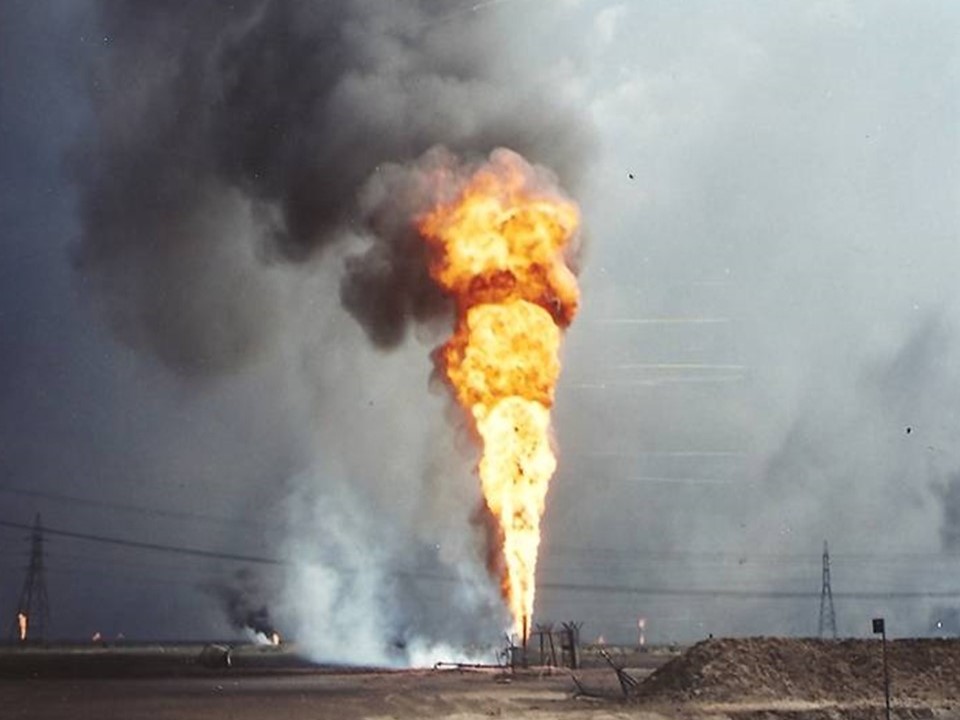
The 2026 conflict has not yet produced destruction on that scale, but the conditions for a comparable disaster are present. Approximately 150 crude and LNG tankers are currently anchored in the Gulf, unable to transit the Strait of Hormuz due to Iranian naval threats. Each represents a potential spill source. The SONANGOL NAMIBE is already leaking. Sunken Iranian naval vessels are releasing fuel oil into coastal waters. Damaged port infrastructure at Abu Dhabi, Dubai, Jebel Ali, and Manama creates additional pollution vectors that will persist long after hostilities end.
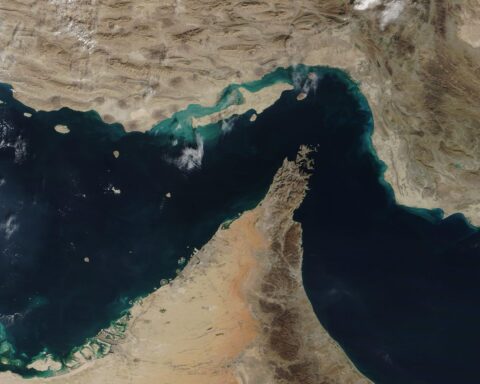
The Persian Gulf’s physical characteristics make it uniquely vulnerable to oil contamination. It is essentially a shallow, enclosed basin: the average depth is just 35 metres, a fraction of the global ocean average. The sole outlet — the 56-kilometre-wide Strait of Hormuz — means that water exchange with the Indian Ocean takes between two and five years. Coastal waters off Kuwait and Saudi Arabia’s Eastern Province have residence times exceeding five years. Bottom waters can take six years to flush. Any oil that enters the Gulf stays in the Gulf for a very long time.
The Iran-Iraq War of the 1980s offers a grimmer precedent than even 1991. In February 1983, Iraqi helicopters struck the Nowruz oil platform off Iran’s coast. The resulting spill released 733,000 barrels of oil — roughly thirty-one million gallons — before the well was capped more than two years later. Marine biologists subsequently documented what they described as “nearly total annihilation” of the Gulf’s hawksbill sea turtle population and a “major portion” of its green turtle population. These species have never fully recovered.
Can Gulf States Survive Without Their Desalination Plants?
The Gulf Cooperation Council states collectively account for approximately 60 per cent of global desalination capacity and produce roughly 40 per cent of the world’s desalinated water. More than 400 desalination plants operate on Arabian Gulf shores. Kuwait derives 90 per cent of its drinking water from desalination, Oman 86 per cent, and Saudi Arabia approximately 70 per cent — a figure projected to exceed 90 per cent within the decade. An estimated 100 million people in the Gulf region depend on desalination for drinking water.
The concentration of this infrastructure creates what security analysts describe as an existential vulnerability. More than 90 per cent of the Gulf’s desalted water comes from just 56 plants, according to intelligence assessments cited by Fortune. Eight of the ten largest desalination plants in the world are on the Arabian Peninsula. A declassified 2008 US diplomatic cable warned that Riyadh “would have to evacuate within a week” if the Jubail desalination plant sustained serious damage.
“Everyone thinks of Saudi Arabia and their neighbours as petrostates,” Michael Christopher Low, a historian at the University of Utah Middle East Centre and author of The Saltwater Frontier, told Fortune. “But I call them saltwater kingdoms.” The description captures a dependency that makes water infrastructure a more strategically significant target than any oil facility.
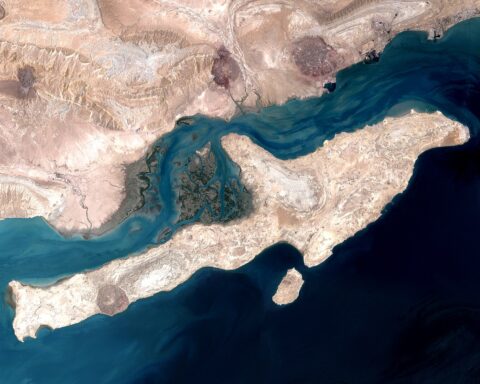
Iran has already demonstrated both capability and willingness to strike in this domain. Bahrain accused Iran of damaging a desalination plant on March 3. Kuwait’s Doha West desalination plant sustained damage from nearby strikes. The Fujairah F1 power and water complex in the UAE reported damage from drone debris. Iranian strikes at Dubai’s Jebel Ali port landed approximately twelve miles from one of the world’s largest desalination complexes. Iran itself claimed that a US airstrike damaged the Qeshm Island desalination plant, cutting water supply to thirty villages.
“There is no replacement for desalination in the GCC in the near-term,” Raha Hakimdavar, a hydrologist at Georgetown University Qatar, told Al Jazeera. David Michel, a water security analyst at the Centre for Strategic and International Studies, characterised desalination targeting as “an asymmetrical tactic” — Iran lacks the conventional military capacity to match American and Saudi firepower, but it possesses the ability to impose costs on civilian infrastructure that vastly exceed the military value of the strikes.
The environmental dimension compounds the strategic risk. Oil contamination of Gulf waters does not need to reach catastrophic levels to disable desalination plants. Even trace petroleum hydrocarbons in intake water can foul reverse osmosis membranes and render thermal desalination units inoperable. A 2008-2009 Cochlodinium red tide in the Gulf — a natural event — shut down desalination plants across the region. Wartime oil pollution could produce the same effect on a far larger scale.
The Marine Ecosystem Under Siege
The Persian Gulf supports a marine ecosystem of extraordinary biodiversity and extraordinary fragility. More than 700 fish species inhabit its waters. Some sixty reef-building coral species have been documented, including the endemic Acropora arabensis, found nowhere else on Earth. The Gulf hosts the world’s second-largest dugong population — approximately 7,500 animals — along with endangered hawksbill and green sea turtles, Indo-Pacific humpback dolphins, and whale sharks.
This ecosystem was already under severe stress before the first missile was fired. Gulf corals have survived summer sea surface temperatures that regularly exceed 35 degrees Celsius, well above the 32-degree bleaching threshold for most reef systems globally. They adapted. But a series of mass bleaching events in 1996, 1998, and 2002 reduced live coral cover to less than one per cent in many shallow areas. A decade-long study of southeastern Gulf reefs published in 2024 documented a 78 per cent decline in coral cover between 2010 and 2020, with Acropora populations declining over 90 per cent. An estimated 70 per cent of the Arabian Gulf’s original reef cover may be considered lost, with a further 27 per cent threatened or at critical stages of degradation.
The war is compounding this damage through multiple vectors simultaneously. Oil pollution from damaged tankers and port infrastructure coats the water surface, reducing light penetration essential for coral photosynthesis. Petrochemical contaminants in the water column are toxic to marine larvae, juvenile fish, and invertebrates. Sediment disturbance from naval operations and sunken vessels smothers seagrass beds that serve as critical feeding habitat for dugongs and nursery grounds for commercially important fish species. The shallow depth of the Gulf means that pollutants reach the seafloor rapidly and remain concentrated rather than dispersing into deep ocean waters.
“If the military escalation in the Persian Gulf region continues for an extended period, the environmental risks could become extremely serious,” Paul Abi Rached, president of the Lebanese environmental association Earth, warned. “This is not only about marine pollution but also about the global crisis of biodiversity loss.”
Forty-two per cent of the Gulf’s fish species are classified as threatened on the IUCN Red List. Thirty-two per cent are priority fishery targets — meaning the species most at risk are also the species most commercially important. Coral-dependent, threatened, and heavily fished species collectively represent 90 per cent of total fish density in Gulf waters. The war is attacking the ecological foundation that supports both marine biodiversity and the livelihoods of fishing communities across every Gulf state.
What Are the Health Consequences of Petrochemical Warfare?
The health toll is already measurable. Iran’s deputy health minister, Alireza Raisi, reported that more than 200,000 people sought emergency care for cardiovascular and respiratory illness in the first ten days of the conflict — a 20 to 25 per cent increase above baseline levels. The figure encompasses Tehran, Mashhad, Khuzestan, and Alborz provinces, all downwind of major strike sites.
The WHO Director-General, Tedros Adhanom Ghebreyesus, issued a public statement on March 9 warning that damage to Iranian petroleum facilities “risks contaminating food, water and air” and that the resulting hazards “can have severe health impacts especially on children, older people, and people with pre-existing medical conditions.” The WHO had by that date verified thirteen attacks on health facilities in Iran, with four medical workers killed.
The long-term health consequences are likely to dwarf the acute impact. PM2.5 particles from refinery combustion enter the bloodstream through the lungs and have been linked to cancers, neurological conditions including cognitive impairment, and cardiovascular disease. Benzene, a known Group 1 carcinogen released in large quantities from burning petroleum products, is strongly associated with leukaemia and blood disorders. Polycyclic aromatic hydrocarbons from oil combustion are established carcinogens. Dioxins and furans released from burning contaminated materials and military firefighting foams containing PFAS compounds are persistent organic pollutants that bioaccumulate in food chains.
Iran already bore one of the world’s heaviest pollution-related disease burdens before the war began. An estimated 59,000 Iranians died annually from pollution-related diseases, at an annual cost to the health system of $17 billion. The war will compound these figures for years. Studies of populations exposed to the 1991 Kuwait oil fires documented elevated rates of respiratory disease, cancer, and reproductive disorders that persisted for more than a decade after the fires were extinguished.
Shina Ansari, head of Iran’s Department of Environment, characterised the systematic destruction of petroleum infrastructure as “a blatant act of ecocide,” adding that the environment remained “the silent victim of the war.” Naghmeh Mobarghaee Dinan, a member of Iran’s Supreme Council for Environmental Protection, noted that the timing of the strikes — during peak nesting, migration, and seed production periods — had amplified ecological damage beyond what would have occurred at other times of year.
How Vulnerable Is the Gulf’s Food Supply?
GCC countries import approximately 85 per cent of their food, including 93 per cent of cereals and nearly 100 per cent of rice. Saudi Arabia, despite its massive land area, has only 1.5 per cent arable land. The Kingdom is the world’s second-largest rice importer, purchasing 1.85 million tonnes valued at $2.01 billion annually. More than 70 per cent of GCC foodstuffs arrive through the Strait of Hormuz — the same chokepoint that Iranian forces have effectively closed to commercial shipping.
The disruption is already biting. Approximately 150 ships carrying an estimated 450,000 containers are stranded, unable to transit Hormuz. Shipping surcharges have risen between $1,500 and $4,000 per container. Qatar, Kuwait, Bahrain, and Iraq have been effectively landlocked, forced onto overland routes through Saudi Arabia that lack the capacity to replace seaborne trade.
Saudi Arabia’s national grain storage capacity — managed by the National Grain Supply Company (SABIL) across fourteen branches — totals over 2.7 million tonnes, providing a meaningful buffer. But Dubai, a major re-export hub for the entire Gulf, was reported to have only ten days of fresh food supplies on hand. Qatar, which imports more than 90 per cent of its food, faces particular pressure.
The environmental dimension of the food crisis extends beyond supply chain disruption. More than 30 per cent of global urea — the world’s most widely used nitrogen fertiliser — is exported from Gulf countries. Urea prices rose 14 per cent on March 2 alone, the first trading day after the war began. Because fertilisers represent just over a third of production costs for both corn and wheat, the knock-on effects on global food prices are already being felt far beyond the region.
FAO trade experts have warned that sugar and tea supplies could become scarce if the conflict persists, while grain markets are pricing in prolonged disruption. The environmental contamination of Gulf waters adds a further dimension: fisheries that supply protein to coastal communities across every GCC state are increasingly compromised by oil pollution, and aquaculture operations that depend on clean seawater intake face the same contamination risks as desalination plants.
The Gulf Environmental Damage Assessment
The full scope of environmental damage from the Iran war can be assessed across six critical dimensions for each affected country. The assessment below synthesises available data from CEOBS, WHO, national government statements, and environmental monitoring as of March 10, 2026.
| Dimension | Saudi Arabia | UAE | Iran | Kuwait | Qatar |
|---|---|---|---|---|---|
| Air Quality | Moderate — localised Ras Tanura smoke, interceptor debris | Moderate-High — Fujairah/Mussafah fires, AQI reached 125 | Extreme — 30+ facilities burning, black rain, pH 4.0 | Moderate — downwind of burning oil infrastructure | Low-Moderate — no direct refinery strikes |
| Water (Desalination) | High — Jubail complex within range, no direct hits yet | High — Fujairah F1 damaged, Jebel Ali 12 miles from strikes | High — Qeshm plant struck, 30 villages without water | High — Doha West plant damaged | High — Ras Laffan blackout halted operations |
| Marine Ecosystem | High — 800km coastline at risk, tanker leaks, Shaybah runoff | High — Fujairah port fires, sunken vessels | Extreme — Nowruz precedent, naval wrecks, Kharg Island | Moderate — coastal proximity to Iraqi/Iranian contamination | Moderate — LNG spill risk, limited direct strikes |
| Soil/Land | Moderate — interceptor debris, munitions residue | Low-Moderate — urban debris from interceptions | Extreme — tarcrete formation, unexploded ordnance | Moderate — proximity to contamination zones | Low — minimal ground-level strikes |
| Public Health | Moderate — 2 civilian deaths, respiratory risk | Moderate — air quality deterioration, port worker exposure | Extreme — 200,000+ emergency presentations, acid rain | Moderate — downwind exposure, desalination disruption | Low-Moderate — evacuation disruption, psychological impact |
| Food Security | Moderate — strategic reserves, alternative ports via Red Sea | High — only 10 days fresh food supply, Hormuz dependent | Extreme — domestic production disrupted, sanctions | High — 90% import dependent, effectively landlocked | High — 90%+ import dependent, overland routes only |
The assessment reveals a pattern: Iran bears the most severe environmental consequences across every dimension except food security infrastructure, where the smaller Gulf states face proportionally greater risk. Saudi Arabia occupies a middle position — less severely damaged than Iran but more exposed than its geography might suggest, because of its long Persian Gulf coastline, concentration of petrochemical infrastructure in the Eastern Province, and the proximity of critical desalination capacity to strike zones.
The matrix also reveals that environmental damage is asymmetric in the same way as the military conflict. The states that initiated the strikes — the United States and Israel — suffer no direct environmental consequences on their own territory. The states bearing the ecological burden — Iran, Saudi Arabia, the UAE, Kuwait, Qatar, and Bahrain — include both the target and its reluctant neighbours. This dynamic mirrors the economic asymmetry: the civilian populations absorbing the environmental costs had no role in the decision to go to war.
Will This War Accelerate the Gulf’s Energy Transition?
The conventional assumption is that the Iran war represents a catastrophic setback for Vision 2030 and the Gulf’s broader diversification agenda. Oil prices above $100 a barrel make hydrocarbon exports more profitable, not less. War spending diverts capital from renewable energy projects. Damaged infrastructure demands reconstruction with proven technologies rather than experimental alternatives. By this logic, the conflict pushes the energy transition backward by years.
The evidence suggests a more nuanced outcome. The war has demonstrated — in the most visceral possible terms — the strategic vulnerability of fossil fuel dependency. Every desalination plant running on oil or gas-fired power becomes a dual vulnerability: dependent on fuel supply chains that are under attack, and drawing intake water from a marine environment being contaminated by the very infrastructure that powers them. Every refinery fire illustrates that the economic asset is also an environmental liability. Every tanker anchored in the Gulf, unable to transit Hormuz, represents stranded revenue and stranded pollution risk simultaneously.
UN Secretary-General Antonio Guterres crystallised the argument: “Homegrown renewable energy has never been cheaper, more accessible, or more scalable. The resources of the clean energy era cannot be blockaded or weaponised.”
The numbers support the strategic logic. GCC renewable energy capacity grew from 196 megawatts in 2015 to 13,491 megawatts by 2024 — a sixty-eight-fold increase in nine years. Saudi Arabia and the UAE have set global records for lowest-cost procurement of utility-scale solar power. The Saudi Green Initiative has committed to sourcing 50 per cent of electricity from renewable sources by 2030, reducing carbon emissions by 278 million tonnes per annum, and planting fifty billion trees across the region. Saudi renewable capacity reached 4.7 gigawatts in 2024, with thirteen new projects totalling 11.4 gigawatts under development at an estimated investment of $9 billion.
“Homegrown renewable energy has never been cheaper, more accessible, or more scalable. The resources of the clean energy era cannot be blockaded or weaponised.”Antonio Guterres, UN Secretary-General, March 2026
The war does not make the energy transition easier. A two per cent rise in interest rates — the kind of monetary tightening that war-driven inflation produces — increases the levelised cost of energy for solar and wind by approximately 20 per cent, compared with only 11 per cent for gas. War-damaged grid infrastructure creates immediate demand for fossil fuel backup power. Capital that might have funded renewable projects is instead directed toward air defence systems and civilian reconstruction.
But the war makes the energy transition more urgent. The argument for decarbonisation was previously economic and environmental. After March 2026, it is existential. A country that generates electricity from solar panels mounted on its own territory cannot have its power supply disrupted by Iranian missiles fired at a refinery three hundred kilometres away. A desalination plant powered by renewable energy and equipped with battery storage cannot be disabled by an attack on a fuel depot. The vulnerability that the Iran war has exposed is not in the hardware of energy production — it is in the dependency on combustible, polluting, and strategically targetable fossil fuel supply chains.
The Cleanup Nobody Has Started Planning
No government, international organisation, or multilateral institution has yet published an estimate of the environmental remediation costs from the 2026 Iran war. Historical precedent suggests the figure will be staggering.
Kuwait’s experience after the 1991 Gulf War provides the most directly comparable benchmark. The UN Compensation Commission awarded $5.26 billion for environmental claims — representing just 6.2 per cent of the $85 billion in environmental damages claimed by twelve states. Kuwait alone received $2.26 billion for oil lakes remediation. The Kingdom has subsequently spent an additional $3.5 billion cleaning contaminated soil — and the work is not complete thirty-five years later. The tarcrete deposits that formed when airborne oil soot mixed with sand covered more than 1,000 square kilometres of Kuwaiti desert. Oil lakes from unburned crude covered at least fifty square kilometres. Unexploded ordnance contaminated an additional 3,500 square kilometres.
The Deepwater Horizon disaster in 2010 — a single well in the deep waters of the Gulf of Mexico — cost BP and its partners more than $65 billion and, by some comprehensive analyses, generated total economic costs exceeding $144 billion. The Persian Gulf is shallower, more enclosed, more biologically sensitive, and more strategically critical than the Gulf of Mexico. It is also absorbing damage from dozens of simultaneous pollution sources rather than a single point failure.
The legal framework for pursuing environmental accountability remains inadequate. The Rome Statute does not include peacetime ecocide as a prosecutable crime — the provision was deleted due to objections from the United Kingdom, France, and the United States. Wartime environmental destruction is addressed by Additional Protocol I of the Geneva Conventions, which prohibits warfare methods causing “widespread, long-term, and severe environmental damage,” and by Article 8(2)(b)(iv) of the Rome Statute, which criminalises “clearly excessive” incidental environmental damage as a war crime. But the threshold for prosecution is extremely high, and no such case has ever been successfully brought.
As of 2025, fifteen countries have criminalised ecocide in domestic law. Fiji, Samoa, and Vanuatu submitted a joint proposal to the International Criminal Court in September 2024 to recognise ecocide as a fifth international crime alongside genocide, war crimes, crimes against humanity, and the crime of aggression. Adoption is possible as early as 2026 — but even if approved, enforcement in the context of a major-power conflict remains a question that international law has never answered.
The immediate remediation challenge is logistical rather than legal. No cleanup operation can begin while missiles are still flying. Oil continues to leak from damaged tankers and sunken vessels. Refineries continue to burn. Contaminated sediment continues to settle on the Gulf floor. Every day that the conflict persists adds to a remediation timeline that will be measured in decades, not years. The environmental cleanup from the 1991 Gulf War is still not complete. The cleanup from the 2026 war has not begun.
Frequently Asked Questions
How long does oil contamination persist in the Persian Gulf?
Oil contamination in the Persian Gulf persists far longer than in open ocean environments because of the basin’s shallow average depth of 35 metres and extremely slow water exchange rate through the Strait of Hormuz, which takes two to five years for full renewal. Research on the 1991 Gulf War oil spill detected petroleum residues in Saudi coastal sediments twelve years after the event, with some scientists projecting that full ecological recovery will take multiple decades.
Which Gulf countries are most vulnerable to desalination plant disruption?
Kuwait faces the greatest vulnerability, deriving approximately 90 per cent of its drinking water from desalination. Oman follows at 86 per cent, and Saudi Arabia at 70 per cent with projections exceeding 90 per cent by the end of the decade. A declassified 2008 US diplomatic cable warned that Riyadh would need to evacuate within a week if the Jubail desalination complex were severely damaged, underscoring the existential nature of this dependency across the Gulf.
What is ecocide and does it apply to the Iran war?
Ecocide is defined by a 2021 international expert panel as “unlawful or wanton acts committed with knowledge that there is a substantial likelihood of severe and either widespread or long-term damage to the environment.” Iran’s Department of Environment has explicitly characterised the destruction of its petroleum infrastructure as ecocide. However, ecocide is not currently a prosecutable international crime under the Rome Statute, though a proposal to add it was submitted to the ICC in September 2024 by Pacific island nations.
How does the environmental damage compare to the 1991 Gulf War?
The 1991 Gulf War produced the largest oil spill in history — between four and eleven million barrels released into the Persian Gulf — and oil fires that burned for ten months. The 2026 conflict has not yet reached that scale of deliberate environmental destruction, but it spans a wider geographic area across eleven countries and involves simultaneous strikes on petroleum infrastructure in multiple nations. The number of distinct pollution sources — including damaged tankers, burning refineries, and sunken vessels across the full length of the Gulf — creates a distributed contamination pattern that may prove harder to remediate than the concentrated Kuwait disaster.
Could the Iran war accelerate the Gulf’s shift to renewable energy?
The war has made the security case for renewable energy undeniable by demonstrating the strategic vulnerability of fossil fuel infrastructure to military attack. GCC renewable energy capacity grew sixty-eight-fold between 2015 and 2024, reaching 13.5 gigawatts. However, war-driven inflation, higher interest rates that disproportionately affect capital-intensive renewable projects, and the immediate need for fossil-fuelled reconstruction create significant short-term headwinds that may delay rather than accelerate the transition timeline.
What health effects can populations expect from refinery fire smoke exposure?
The primary health risks from refinery fire smoke include respiratory disease from PM2.5 particle inhalation, increased cancer risk from benzene and polycyclic aromatic hydrocarbon exposure, cardiovascular complications, and skin and lung damage from acidic precipitation. Iran reported over 200,000 emergency medical presentations in the first ten days of the conflict, representing a 20 to 25 per cent increase above normal illness rates. Long-term studies of populations exposed to the 1991 Kuwait oil fires documented elevated rates of respiratory disease and cancer persisting for more than a decade.