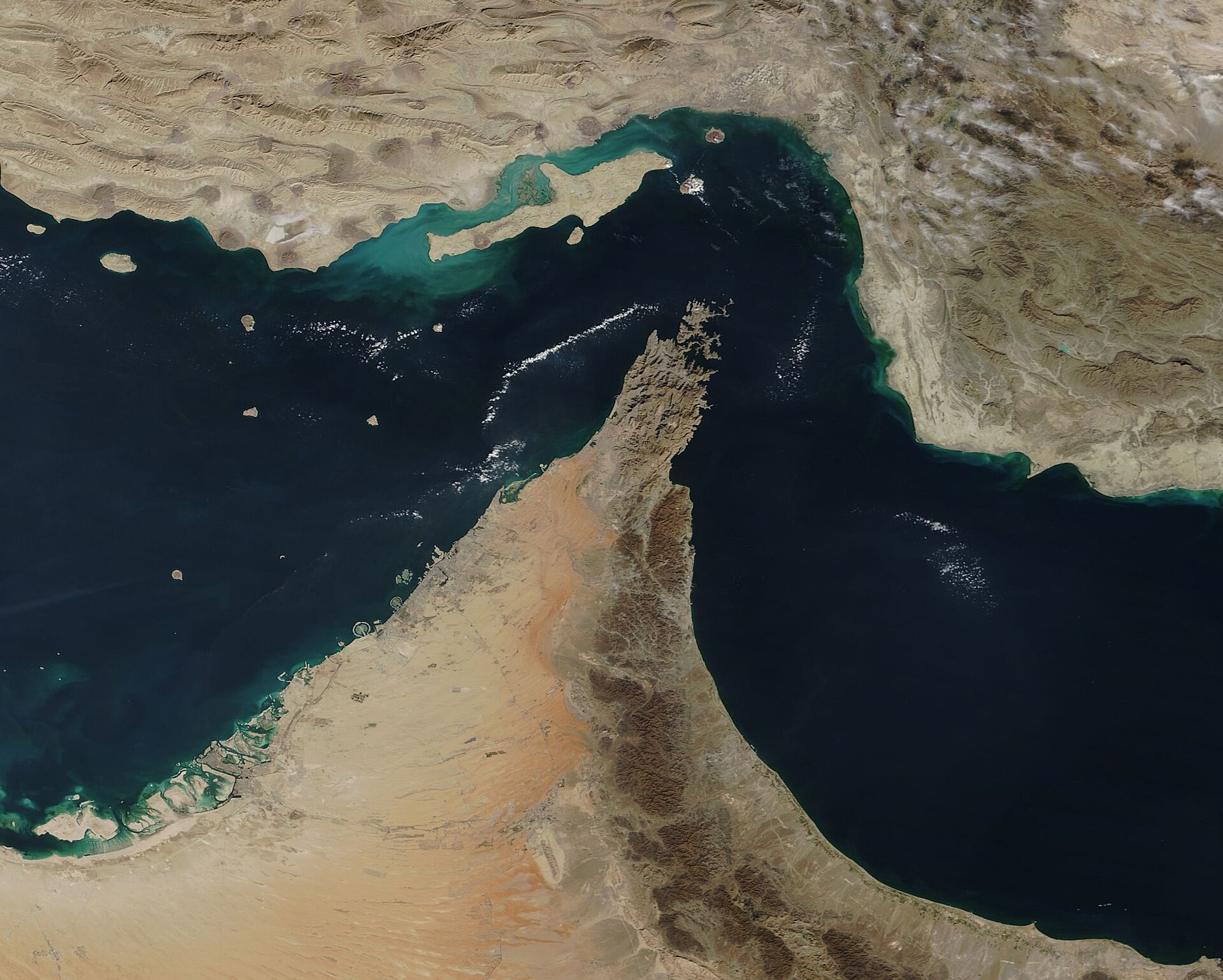
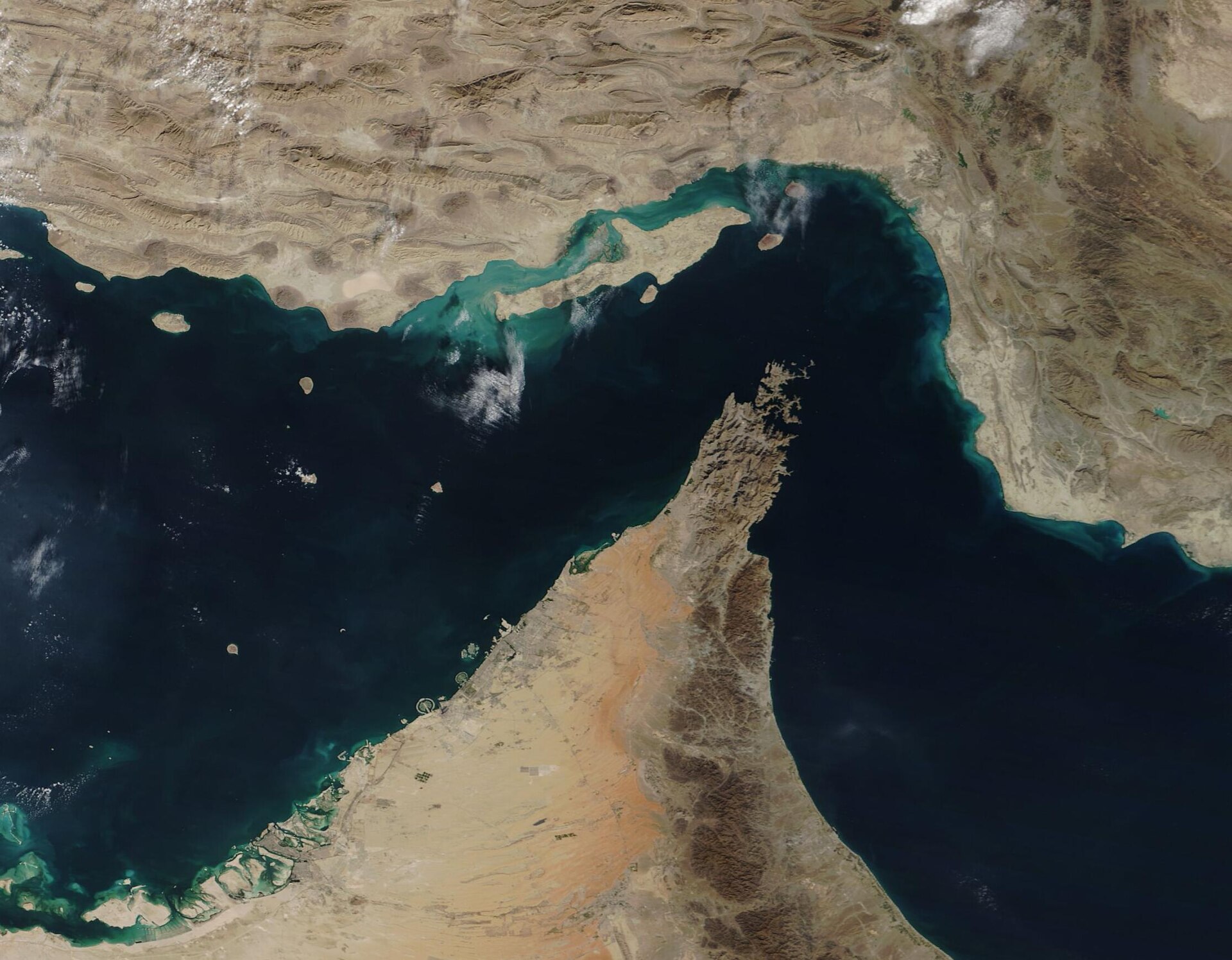
RIYADH — Saudi Arabia and Kuwait formally lifted restrictions on US military use of their bases and airspace on May 7-8, 2026, clearing the path for Washington to resume Project Freedom naval escort operations through the Strait of Hormuz within days, according to the Wall Street Journal citing US and Saudi officials. The reversal came after a second phone call between President Trump and Crown Prince Mohammed bin Salman, the terms of which remain undisclosed, and arrives while Iran has still not delivered its formal response to the US-drafted memorandum of understanding.
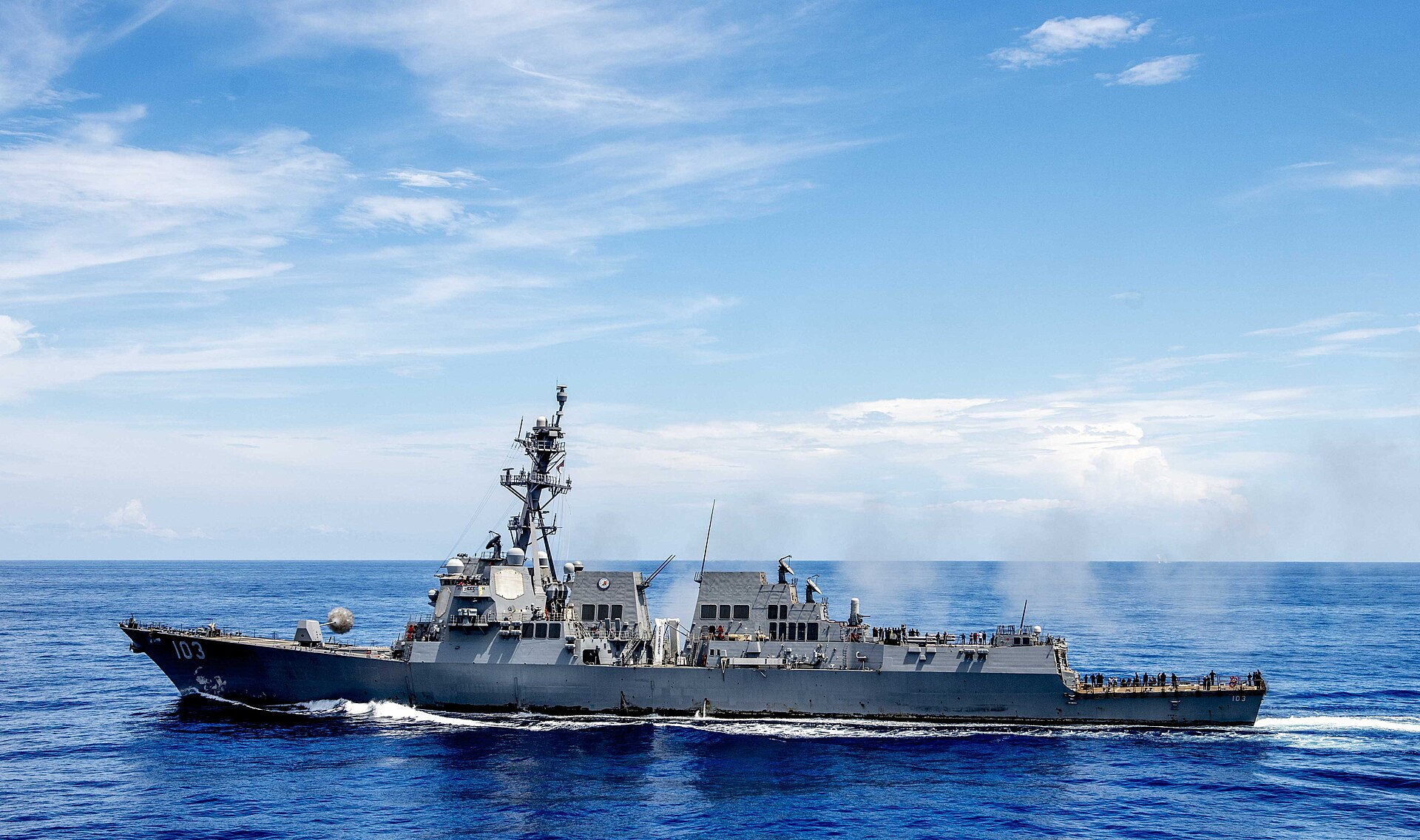
The restoration hands the Pentagon back operational access to Prince Sultan Airbase — where 43 aircraft sat grounded during the four-day suspension — and Camp Arifjan in Kuwait, forward headquarters for Army Central Command and home to roughly 13,500 US personnel. Pentagon officials told reporters that escort operations could resume “as early as this week,” with three destroyers — the Truxtun (DDG-103), Rafael Peralta (DDG-115), and Mason (DDG-87) — engaged in combat with Iranian forces as recently as May 7.
Table of Contents
What Changed Between the First Call and the Second
Trump announced Project Freedom on Truth Social on May 4, 2026, without notifying Saudi Arabia, Kuwait, or any Gulf state in advance, NBC News reported citing three US officials. MBS was described as “furious.” The Kingdom suspended basing and overflight access within hours, and the operation — which had successfully escorted US-flagged commercial vessels through Hormuz — ground to a halt in fewer than 36 hours.
A first Trump-MBS phone call failed to resolve the dispute, NBC reported. A second call, the substance of which neither Washington nor Riyadh has disclosed, produced the reversal. The gap between the two calls was approximately 48 hours — long enough for the Pentagon to publicly acknowledge that Gulf basing was “operationally irreplaceable” and for Iran to create an entirely new maritime regulatory body.
One US official told NBC News that “Saudi and Jordanian basing, Kuwaiti overflight rights and Omani naval logistics are operationally irreplaceable for Gulf operations.” The admission — extraordinary from a military that maintains Diego Garcia, Djibouti, and carrier strike groups as alternatives — registered in Riyadh as confirmation of a position the Kingdom had demonstrated rather than merely claimed.
The Saudi Denial Architecture
A Saudi source close to the government told AFP on May 7 that reports of an airspace ban were “not true,” stating the US still has “regular access to Saudi bases and airspace.” The denial contradicts multiple US official accounts to NBC News, WSJ, and other outlets confirming the suspension, and arrives after — not before — access was restored.
The Middle East briefing 3,000+ readers start their day with.
One email. Every weekday morning. Free.
The structure of the denial matters. Riyadh is not contesting what happened. It is contesting the public framing of what happened. If no ban existed, then no concession was made, no position was revealed, and MBS never publicly defied a US president. The Kingdom simultaneously told Radio Pakistan on May 5 that it was “very supportive of the diplomatic efforts” underway through Pakistani mediation — positioning itself as facilitator, not obstacle.
This is the pattern Saudi diplomacy has followed throughout the war: private coercion paired with public alignment. The denial preserves the relationship’s surface while the undisclosed terms of the second Trump-MBS call reshape its substance.
The Operational Picture: What the Pentagon Gets Back
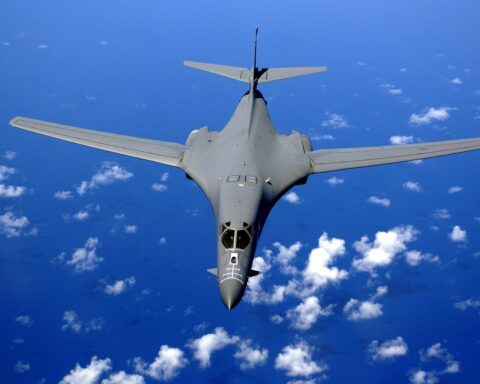
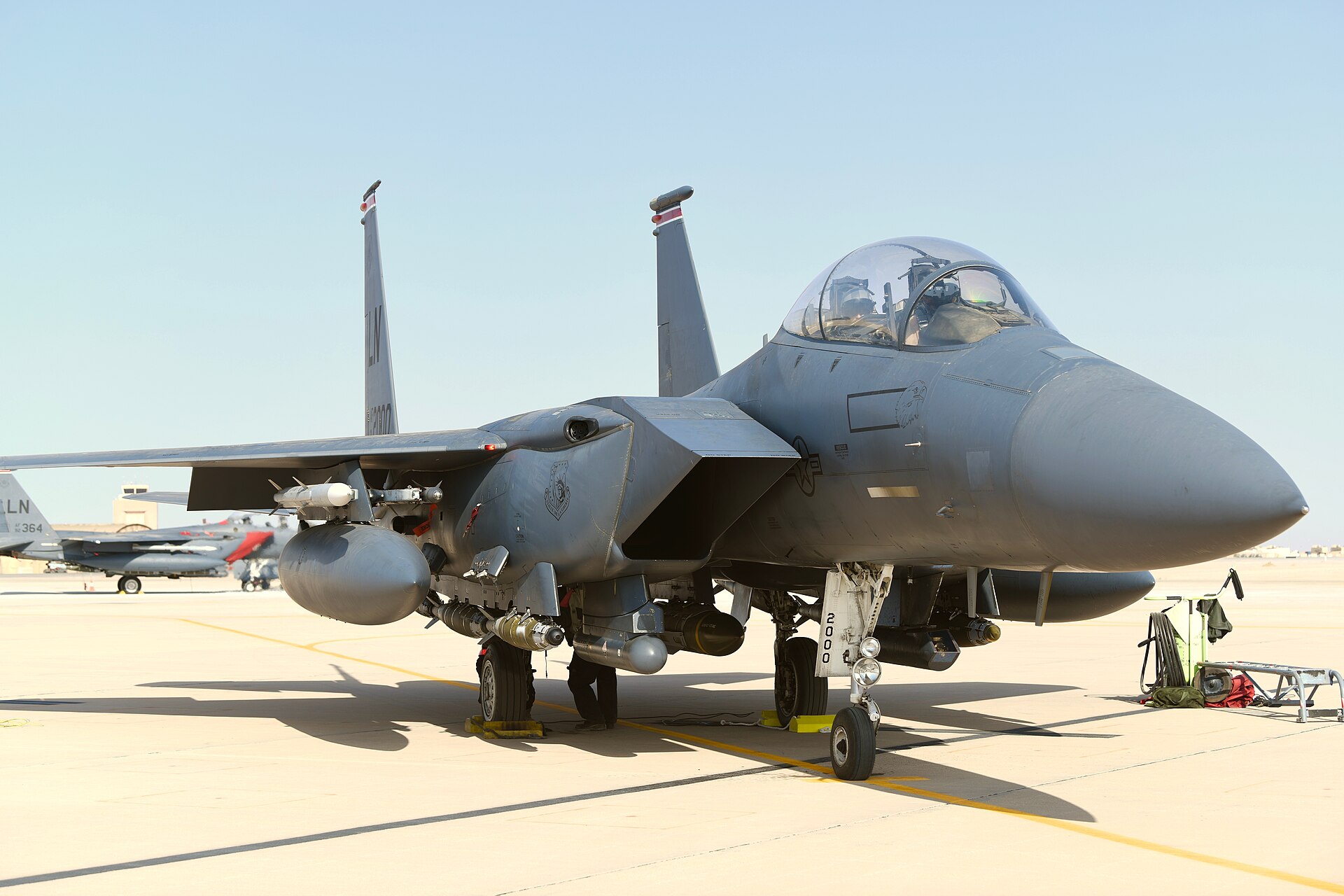
Prince Sultan Airbase, southeast of Riyadh, housed 43 aircraft as of February 2026 satellite imagery published by Al-Monitor and Defence Security Asia — 13 KC-135 Stratotankers and 6 E-3G AWACS among them. The base suffered an Iranian strike on March 27 that damaged multiple tankers, destroyed one E-3 Sentry valued at approximately $500 million, and injured 15 US soldiers, five critically, per CENTCOM. The surviving tankers are essential for extending the combat radius of carrier-based fighters operating over the Gulf of Oman.
Camp Arifjan in Kuwait hosts the largest US troop concentration in the Middle East. It serves as ARCENT’s forward headquarters, coordinating logistics across 21 nations in CENTCOM’s area of responsibility. Kuwait’s overflight corridor connects Arifjan to naval assets in the Arabian Sea without routing through Iranian-monitored airspace over the Gulf.
The PAC-3 MSE sale to Saudi Arabia — approved January 30, 2026, valued at approximately $9 billion — complicates any clean separation between US force protection and Saudi air defense. The systems are interoperable. Their operators train together. A US basing suspension does not disable the missiles, but it degrades the integrated air picture that makes them effective against the salvos Iran has demonstrated it can deliver.
Why Did Riyadh Restore Access Before Iran Signed?
Three readings of the timing compete. The first: coordinated coercive pressure. Iran’s Foreign Ministry said on May 7 that it “strongly rejected” certain MOU terms while describing contacts as “active through Pakistani mediation.” The MOU framework reported by Axios on May 6 includes a 12-year enrichment moratorium (a compromise between Washington’s demand of 20 years and Tehran’s offer of 5), US sanctions relief plus release of $20 billion in frozen assets, and Hormuz reopened within 30 days of signing.
Restoring US operational reach at the precise moment Iran is weighing these terms compresses Tehran’s decision space. An Iranian lawmaker dismissed the MOU as “more of an American wish-list than a reality,” per NPR — but wish-lists backed by 12 destroyers and restored basing access read differently than wish-lists backed by a grounded air force.
The second: MBS received private assurance the MOU closes. Trump told Fox News on May 5 that he paused Project Freedom “for a short period of time to see whether or not the agreement can be finalized and signed,” and told reporters on May 6 that talks were “very good” and “war will be over quickly.” If Riyadh has intelligence — from Pakistani mediators, from its own FM’s April 13 call to Araghchi, or from Trump directly — that Iran’s response is affirmative, then restoring access before the announcement positions MBS as enabler of a peace deal rather than obstacle to US force projection.
The third, and the one that accounts for the denial architecture: Saudi Arabia restored access on its own terms. The Kingdom cannot endorse an operation framed as unilateral American coercion in the Gulf — not while Iran retains the capacity to strike Saudi oil infrastructure, not while 22,500 mariners remain trapped in the double blockade, and not while Riyadh’s own position holds that Hormuz should reopen through negotiation. But it can endorse escort-only operations that protect commercial shipping without expanding into strikes on Iranian territory. The undisclosed terms of the second call may be precisely this distinction — basing restored, offensive operations excluded.
The May 7 Engagement and Its Timing
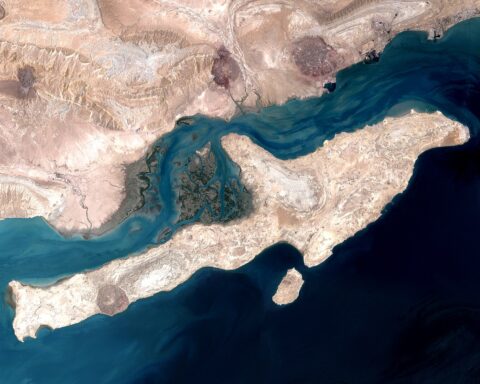
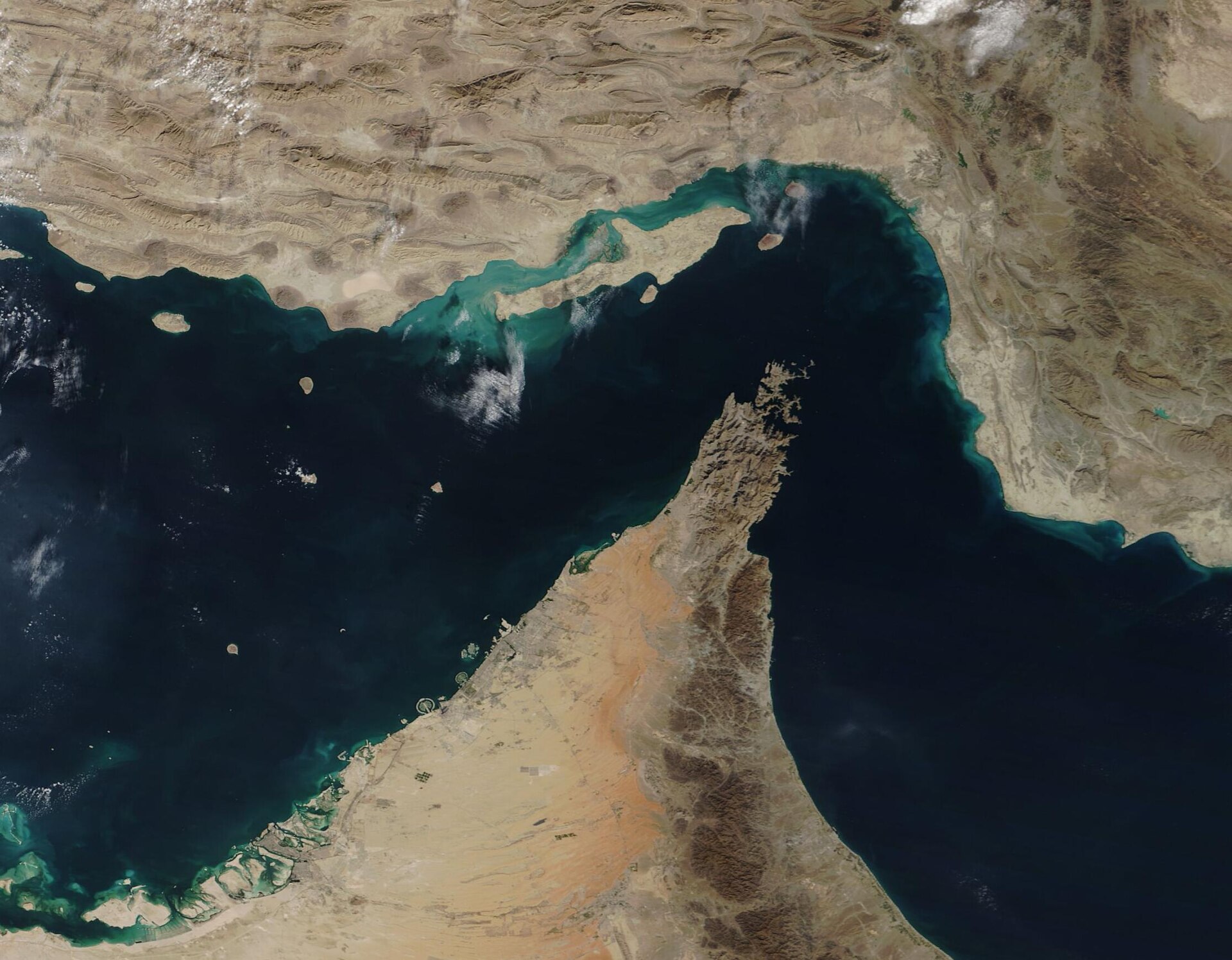
Hours before the basing restoration was confirmed, three US destroyers transiting Hormuz came under Iranian attack. CENTCOM reported that the Truxtun, Rafael Peralta, and Mason were targeted by missiles, drones, and small boats. US forces destroyed six Iranian fast-attack craft and struck missile and drone launch sites, command-and-control nodes, and intelligence-surveillance-reconnaissance assets at Qeshm, Bandar Khamir, and Sirik.
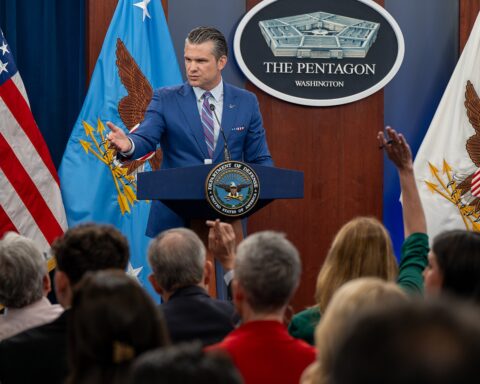
Joint Chiefs Chairman Gen. Dan Caine told reporters at a May 7 briefing that Iran had conducted “10-plus attacks” on US forces since the April 8 ceasefire. Defense Secretary Pete Hegseth, asked whether the engagement voided the ceasefire, said: “the ceasefire is not over.” Iran’s Fars News claimed Iranian forces fired “cruise missile warning shots” at the US ships and that a US frigate was struck; CENTCOM rejected the claim.
The engagement changes the framing. Project Freedom on day one was a show of force through a contested strait. Project Freedom after May 7 is force protection for vessels already under fire. For Riyadh, hosting defensive operations requires no political explanation beyond self-evident necessity.
The background to what the Saudi position was defending — and how its red line was mapped by the Iranian engagement — is detailed in Saudi Arabia’s three-day suspension of Project Freedom.
IRGC Countermoves: The Persian Gulf Strait Authority
On May 5 — the same day Trump paused Project Freedom — Iran launched the Persian Gulf Strait Authority, a unilateral administrative body requiring all vessels to submit 40-plus data points for transit authorization and pay up to $2 million per vessel in tolls, per the Maritime Executive. The IRGC via Tasnim had announced a new maritime control zone in Hormuz on May 4, the same day Project Freedom launched, framing IRGC authority over the strait as established fact before the first US-escorted vessel passed through.
IRGC Navy messaging via PressTV on May 6 stated that safe transit through Hormuz “will be ensured” once US threats end, under “new procedures.” The formulation treats IRGC permission as the operating condition for passage — exactly the framing the MOU’s 30-day reopening clause is designed to displace but which the PGSA’s institutional existence may outlast any deal.
The PGSA also creates a problem for restored US escort operations. If commercial vessels under US naval escort must still submit to PGSA administrative requirements to load or discharge cargo at Iranian-adjacent ports, the escort protects hulls but not commerce. Roughly 1,600 commercial ships remained stranded in or near the strait as of May 6, per CNN Business. Brent crude stood at $101.96 per barrel on May 7, per ICE — elevated but off its war-era highs, suggesting markets priced in the MOU’s probability rather than Hormuz’s current throughput.
What Comes Next
The Pentagon’s “as early as this week” timeline for resumed escort operations places the next transit attempt between May 8 and May 10 — before Iran’s MOU response deadline and with the May 7 CENTCOM strikes still reverberating. Saudi and Kuwaiti basing provides the tanker support, ISR overflight, and logistics chain the theater’s 12 destroyers require to sustain operations beyond a single transit.
Saudi Arabia privately told Iran it “would not be involved in US attacks” under Project Freedom, per a Saudi source cited by multiple outlets on May 7. The assurance — delivered while simultaneously restoring the access that makes those operations possible — is the diplomatic expression of Riyadh’s structural position: the Kingdom wants Hormuz open, prefers it opened by negotiation, and will not publicly associate itself with coercion, but will not prevent the coercion from occurring.
Iran’s MOU response remains outstanding. The authorization ceiling that has blocked Iranian concessions throughout the war — the IRGC’s structural veto, Khamenei’s prolonged absence from decision-making, Vahidi’s control of the SNSC — has not been dismantled by the MOU framework. What has changed is the operational environment in which Tehran must decide. Four days ago, the US had no Gulf basing. Today it has basing, combat-validated destroyers in the strait, and a Saudi partner that publicly denies enabling the pressure while privately ensuring it can proceed.
Background: US Basing in the Gulf Since 2003
The US withdrew most forces from Prince Sultan Airbase in 2003, relocating to Al Udeid in Qatar. Between 2003 and early 2026, only a skeletal force — estimates ranged from 200 to 400 — remained at PSAB, primarily in training and advisory roles. The February 2026 pre-war buildup returned the base to operational significance — the 43-aircraft deployment captured in satellite imagery represented the largest US presence at PSAB since the 2003 Iraq invasion.
Camp Arifjan’s role is distinct. Where PSAB provides air power projection, Arifjan is a logistics and command node. Its personnel coordinate sustainment across CENTCOM’s theater. The base has operated continuously since 1999 without interruption — including during periods of Kuwaiti parliamentary opposition to US operations. Kuwait’s May 4-8 suspension was, by that measure, unprecedented.
The operational dependency is asymmetric. Qatar’s Al Udeid houses CENTCOM’s combined air operations center but lies 550 nautical miles from Hormuz — at the limit of unrefueled fighter combat radius. Saudi tankers at PSAB extend that radius. Bahrain’s NSA hosts the Fifth Fleet but has had SATCOM terminals destroyed since February 28 and airspace closed. Oman provides naval logistics at Duqm but has maintained careful neutrality on combat operations. The NBC-sourced admission that Gulf basing is “irreplaceable” reflects a geographic reality that no amount of carrier repositioning can substitute.
FAQ
What specific restrictions did Saudi Arabia and Kuwait impose?
Both nations suspended US military use of their bases for Project Freedom-related operations and denied overflight rights for missions connected to the Hormuz escort campaign. The suspension did not extend to defensive operations, base maintenance, or non-combat logistics — US personnel remained at both Prince Sultan Airbase and Camp Arifjan throughout the four-day period. Kuwait’s suspension covered all military overflight connected to offensive Gulf operations, effectively grounding ARCENT’s ability to coordinate air support from its forward headquarters.
Has Saudi Arabia ever previously denied US basing access during active operations?
Not at this speed or in this manner. During the 2003 Iraq invasion, Saudi Arabia prohibited offensive sorties from PSAB — but that restriction was negotiated in advance and reflected a standing agreement, not a reactive suspension. The 2026 case is distinct: access was revoked within hours of a unilateral US announcement, without prior diplomatic signaling, and restored only after head-of-state intervention. The closest precedent may be Turkey’s March 2003 refusal to allow the US 4th Infantry Division to transit Turkish territory into northern Iraq — but that was a parliamentary vote, not an executive decision reversed within days.
What is the MOU’s proposed mechanism for reopening Hormuz?
The framework reported by Axios requires Hormuz to be “reopened within 30 days” of signing. The MOU does not specify how reopening would be verified or enforced, nor whether the IRGC’s Persian Gulf Strait Authority — which began operating May 5 with its own transit authorization process — would be dissolved, subordinated to an international body, or simply rendered moot by restored free passage. The 30-day clock creates ambiguity: it could mean IRGC withdrawal, mine clearance commencement, or merely administrative deregulation. The mine clearance timeline alone, based on the 1991 Kuwait benchmark, would require approximately 51 days for 200 square miles — exceeding the MOU’s own deadline before a single device was removed.
How does the $20 billion frozen-assets component work?
The figure represents Iranian funds held in restricted accounts across multiple jurisdictions — primarily oil revenues frozen under sanctions. The MOU proposes releasing these funds in exchange for Iran’s enriched uranium stockpile, which as of June 2025 (the last verified IAEA measurement before access was terminated February 28, 2026) stood at 440.9 kg at 60% enrichment. The exchange mechanism has not been disclosed. Previous Iranian asset releases — the $6 billion unfrozen in 2023 for a prisoner swap — used Qatari-held accounts and were subsequently re-frozen after October 7, establishing a precedent Tehran views as evidence of American unreliability.
What is the current status of the April 8 ceasefire?
Nominally intact. Hegseth stated on May 7 that “the ceasefire is not over” even after CENTCOM struck Iranian positions at Qeshm, Bandar Khamir, and Sirik. Gen. Caine’s acknowledgment of “10-plus” Iranian attacks on US forces since April 8 suggests both sides treat the ceasefire as a framework governing strategic escalation thresholds rather than a prohibition on tactical engagement. No party has formally withdrawn from the ceasefire, and Pakistani mediation continues. The ceasefire’s original expiration date of April 22 passed without renewal or formal extension — its current legal status is ambiguous, sustained by mutual reference rather than binding mechanism.
The broader question of what the basing reversal means for the May 13 Trump–MBS summit — and whether Riyadh can hold its diplomatic position after CENTCOM went around the veto entirely — is examined in Riyadh’s Veto Stopped at the Waterline — and CENTCOM Noticed. The broader picture of how the Trump-Riyadh-Beijing sequence plays out — and why Xi’s incentive to delay harms Saudi Arabia more than any other state at the table — is analysed in Trump’s Riyadh-Beijing Sprint and the Clock Only Xi Controls. The May 8 MOU deadline produced its own answer before Pakistan’s intermediaries received a written one: three acts of maritime coercion at Hormuz — Iran seizing the Ocean Koi and the US disabling two Iranian-flagged tankers — that define the real terms of any basing-restoration dividend.
The diplomatic follow-through on basing restoration unfolded in parallel: Riyadh’s diplomatic sequencing before the May 13 summit shows how Saudi Arabia used the same week to pre-position Hormuz framing with Russia and Egypt before Trump landed.