
RIYADH — Twenty-three days into the Iran war, the Gulf states have intercepted more than 90 percent of the ballistic missiles and roughly 85 percent of the drones fired at their territory, according to the International Institute for Strategic Studies. By any historical standard, that interception rate is extraordinary. It is also, by every measure that matters, insufficient. Iran has fired more than 2,500 missiles and drones at Gulf Cooperation Council member states since February 28, and even a conservative 10 percent leakage rate means hundreds of warheads have struck refineries, desalination plants, airports, and residential neighbourhoods across six sovereign nations. The Gulf spent more than $100 billion on air defense over the past decade. The shield works. The problem is that the threat it was built to stop bears almost no resemblance to the threat that arrived.
Table of Contents
- How Much Did the Gulf Actually Spend on Air Defense?
- What Did Pre-War Planners Assume About Iran?
- What Did Iran Actually Do?
- Why Is a 90 Percent Interception Rate Not Enough?
- How Are $20,000 Drones Defeating $4 Million Interceptors?
- The Integrated Gulf Shield That Never Materialized
- Did Anyone See This Coming?
- The Pre-War Threat Assessment Scorecard
- Why the Civilian Infrastructure Gap Matters More Than Military Targets
- The $100 Billion Was Not Wasted. It Was Misallocated.
- What Must Change Before the Next Conflict?
- Frequently Asked Questions
How Much Did the Gulf Actually Spend on Air Defense?
Saudi Arabia’s defense budget alone reached $78 billion in 2025, up from $53.9 billion in 2021, reflecting a compound annual growth rate of 7.7 percent over four years, according to a January 2026 report by ResearchAndMarkets.com. That spending trajectory made the Kingdom the world’s fifth-largest military spender, behind only the United States, China, Russia, and India. Across the six GCC member states, cumulative defense expenditure exceeded $500 billion over the decade from 2015 to 2025, with air defense procurement consuming an outsized share.
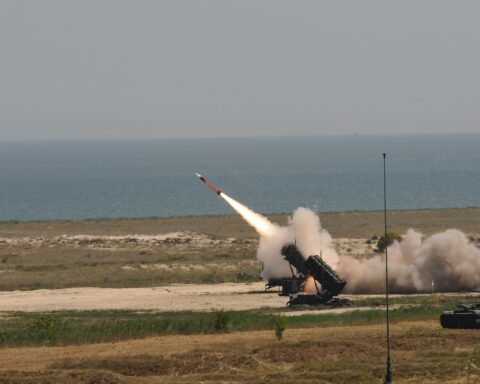
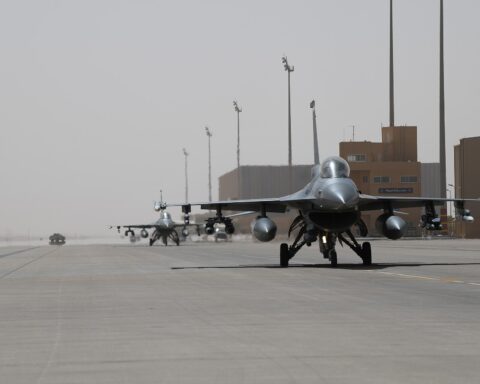
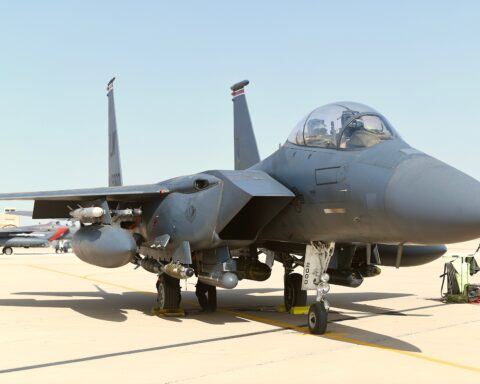
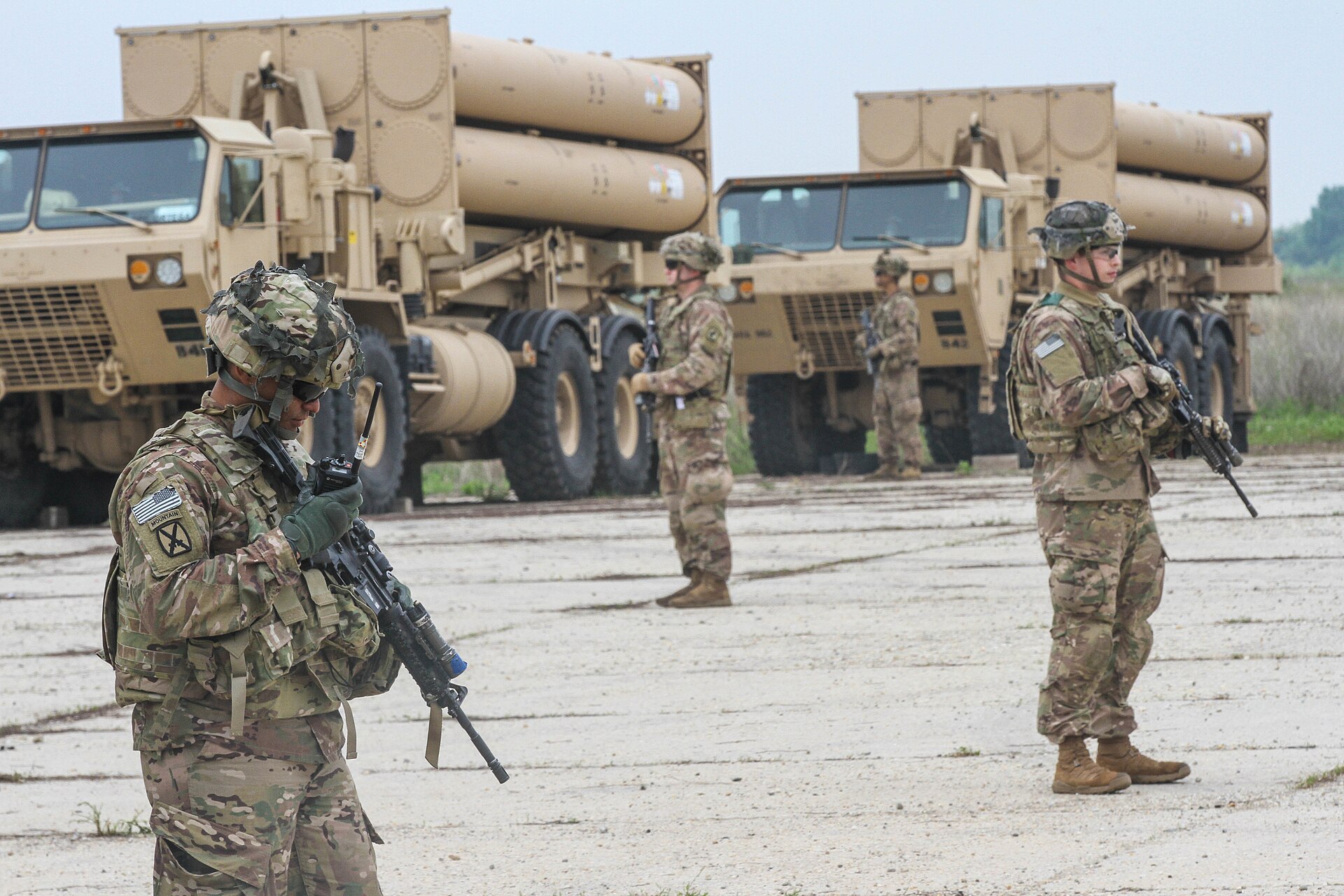
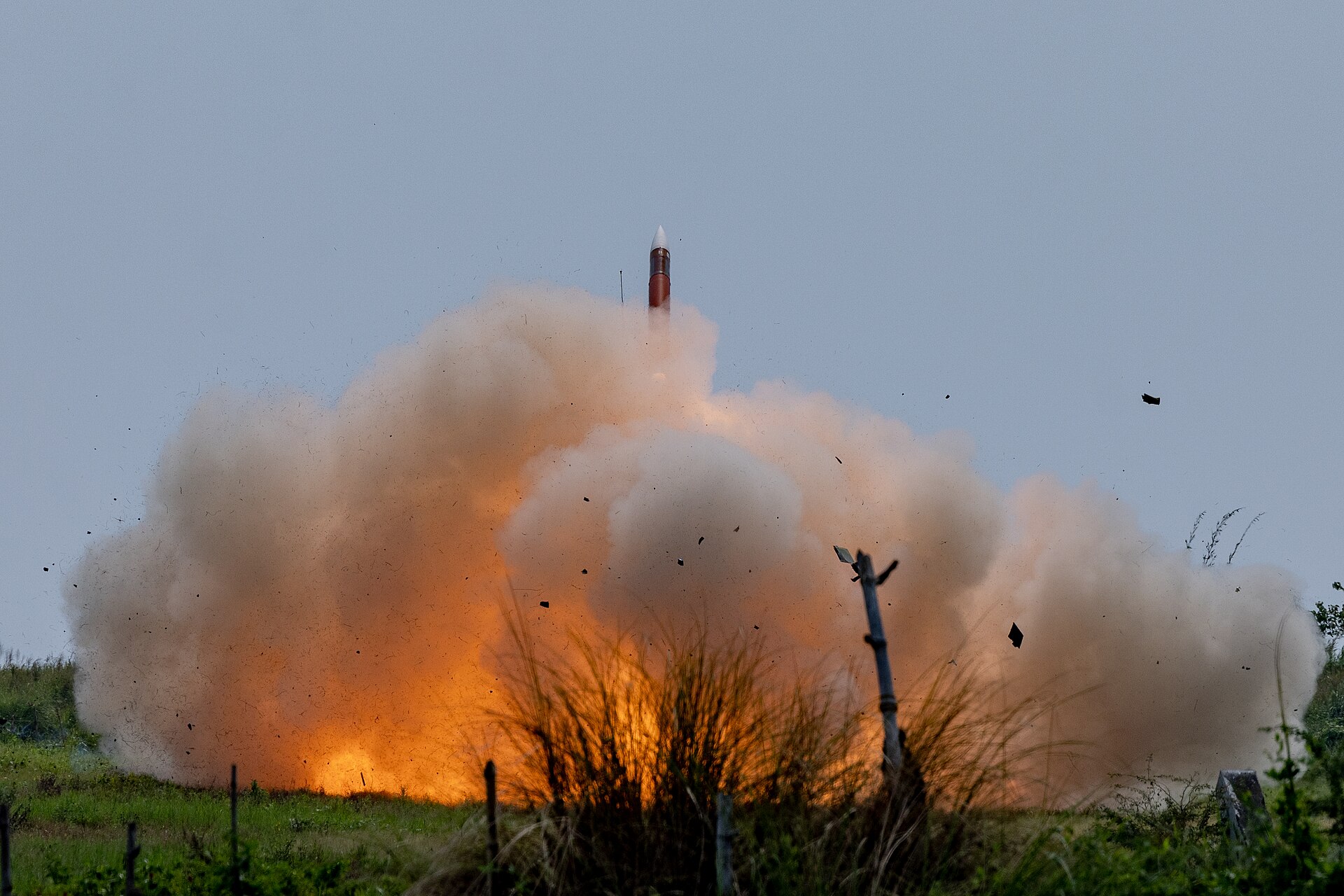
The crown jewel of that investment was a layered air defense architecture anchored by American-made systems. Saudi Arabia operates the Gulf’s largest Patriot Advanced Capability-3 (PAC-3) network, with an estimated 16 fire units distributed across critical infrastructure. The Kingdom activated its first Terminal High Altitude Area Defense (THAAD) battery in mid-2025, adding an exoatmospheric intercept layer capable of engaging ballistic missiles at altitudes above 150 kilometres. In February 2024, Riyadh signed a $3.2 billion contract for the South Korean Cheongung II medium-range system, designed to fill the gap between short-range point defense and the long-range Patriot umbrella.
The United Arab Emirates invested approximately $3.5 billion in its own THAAD battery, becoming the first Arab state to deploy the system in 2016. Qatar purchased the Patriot system in a $2.4 billion deal in 2014. Bahrain, Kuwait, and Oman each maintain Patriot or Hawk batteries at various levels of modernization. Collectively, the GCC air defense network represents the densest concentration of missile defense hardware outside the continental United States and the Korean Peninsula.
| Country | Primary Systems | Est. Air Defense Spend | Interceptor Cost Per Unit |
|---|---|---|---|
| Saudi Arabia | Patriot PAC-3, THAAD, Cheongung II | $40-50 billion | $4-15 million |
| UAE | THAAD, Patriot PAC-3, Pantsir-S1 | $15-20 billion | $4-15 million |
| Qatar | Patriot PAC-3 | $5-7 billion | $4-12 million |
| Kuwait | Patriot PAC-2/3 | $3-5 billion | $3-12 million |
| Bahrain | Patriot (US-operated), Hawk | $1-2 billion | $3-12 million |
| Oman | Hawk, short-range systems | $1-2 billion | $1-3 million |
The aggregate figure depends on how broadly “air defense” is defined. If the calculation includes only dedicated missile defense systems, procurement, training, and maintenance, the total exceeds $70 billion. If it encompasses the integrated command-and-control infrastructure, radar networks, fighter interceptor fleets, and associated base construction, the figure approaches or exceeds $120 billion. The midpoint, roughly $100 billion, represents a conservative but defensible estimate of what the Gulf invested in the specific capability now being tested daily by Iranian drones and missiles.
What Did Pre-War Planners Assume About Iran?
The defense architecture that the Gulf states built over the past decade rested on a set of assumptions about what a conflict with Iran would look like. Those assumptions shaped everything from procurement decisions to force posture to alliance structures. Nearly all of them turned out to be wrong.
The Middle East briefing 3,000+ readers start their day with.
One email. Every weekday morning. Free.
The first and most consequential assumption was that Iran’s primary threat vector would be ballistic missiles. The Centre for Strategic and International Studies published extensive analyses between 2019 and 2024 tracking Iran’s ballistic missile inventory and arguing that the Gulf’s principal vulnerability was a conventional missile barrage targeting oil infrastructure and military bases. The Patriot and THAAD systems were procured specifically to counter this threat. Ballistic missile defense drove procurement budgets, training programmes, and the entire layered defense concept.
The second assumption was that Iran would be unable to sustain a prolonged campaign. Pre-war intelligence assessments estimated Iran’s ballistic missile inventory at between 2,000 and 3,000 systems, with a production rate of roughly 40 to 60 per month. The working theory, validated during the June 2025 Twelve-Day War with Israel, was that Iran would exhaust its missile stocks within two to three weeks of intensive operations. The implied planning conclusion was that the Gulf merely needed to survive an initial salvo, after which Iran’s conventional striking power would be spent.
The third assumption was that the Strait of Hormuz was a theoretical vulnerability, not an operational one. Despite decades of Iranian threats, the dominant assessment among Western defense planners was that Iran would never actually close the strait because doing so would be economically suicidal. A 2024 Chatham House paper described a full Hormuz closure as “the nuclear option Iran will never use.” The Dallas Federal Reserve published pre-war scenario analyses that treated a sustained Hormuz blockade as a tail risk with a probability below 15 percent.
The fourth assumption was that civilian infrastructure would be off-limits. The laws of armed conflict and the Geneva Conventions prohibit targeting civilian infrastructure, and pre-war assessments assumed that Iran, seeking to maintain some level of international legitimacy, would limit its strikes to military targets and clearly dual-use energy infrastructure. Desalination plants, commercial airports, hotels, and residential areas were not considered primary targets in any major pre-war scenario.
The fifth assumption was that the Gulf states would fight as an integrated coalition. The United States spent more than a decade promoting the concept of a Gulf Integrated Air and Missile Defense network. The vision was a single shared radar picture, coordinated fire solutions, and seamless handoff between national air defense sectors. The 2017 Arab-Israeli rapprochement and the Abraham Accords accelerated these discussions. By 2024, Pentagon briefings routinely described the Gulf air defense posture as “integrated and interoperable.”
What Did Iran Actually Do?
Iran did almost nothing that the defense planners expected, and almost everything they had dismissed as unlikely or impractical.
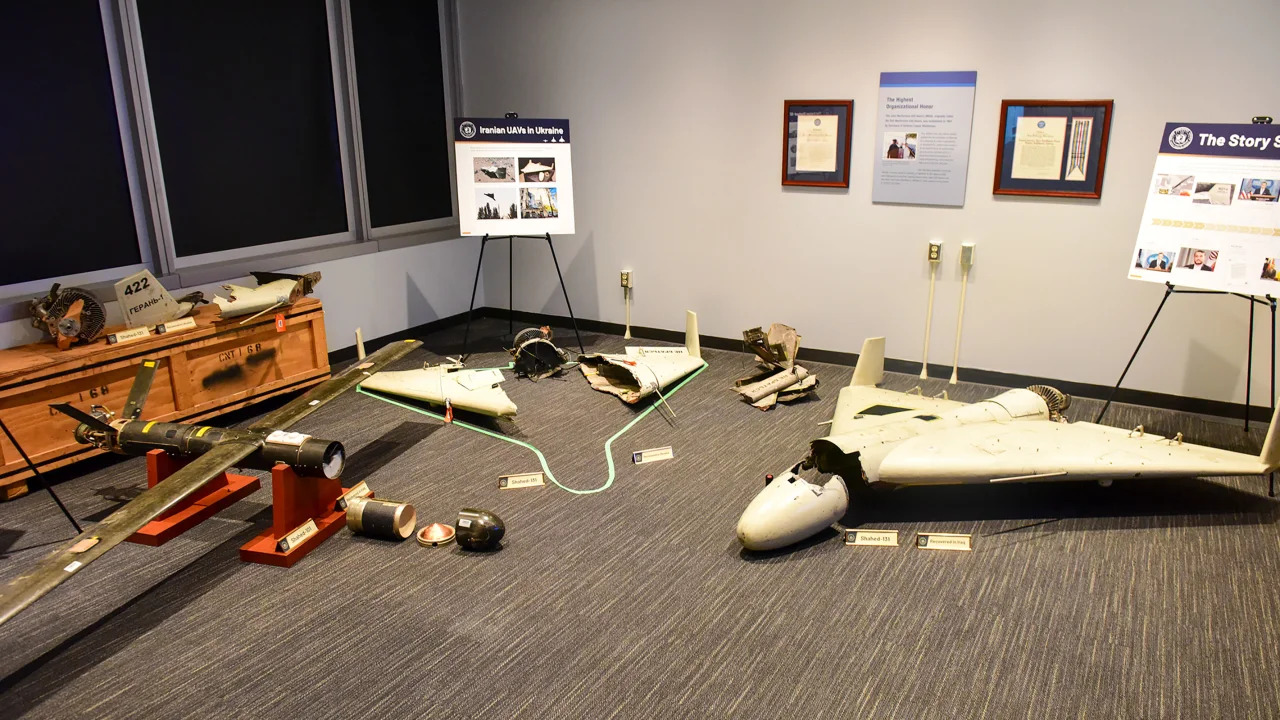
Instead of leading with ballistic missiles, Iran led with drones. In the first week of retaliatory strikes following the US-Israeli attack on February 28, drones accounted for approximately 71 percent of all recorded strikes on Gulf states, according to data compiled by CSIS. The UAE alone reported facing 1,422 detected drones and 246 missiles in just the first eight days. The Shahed-136 and its variants, costing Tehran between $20,000 and $50,000 per unit, became the primary weapon of the campaign, not the medium-range ballistic missiles that the entire Gulf defense architecture was built to intercept.
Instead of exhausting its arsenal, Iran demonstrated a production capacity that pre-war estimates had dramatically underestimated. A March 2026 analysis published by War on the Rocks argued that counting daily launch rates fundamentally misread Iran’s drone capacity, noting that the pattern of Iranian attacks was more consistent with deliberate inventory management than capacity constraints. Iran was not firing everything it had. It was calibrating, probing, and sustaining a tempo designed to outlast the interceptor supply chains of its adversaries.
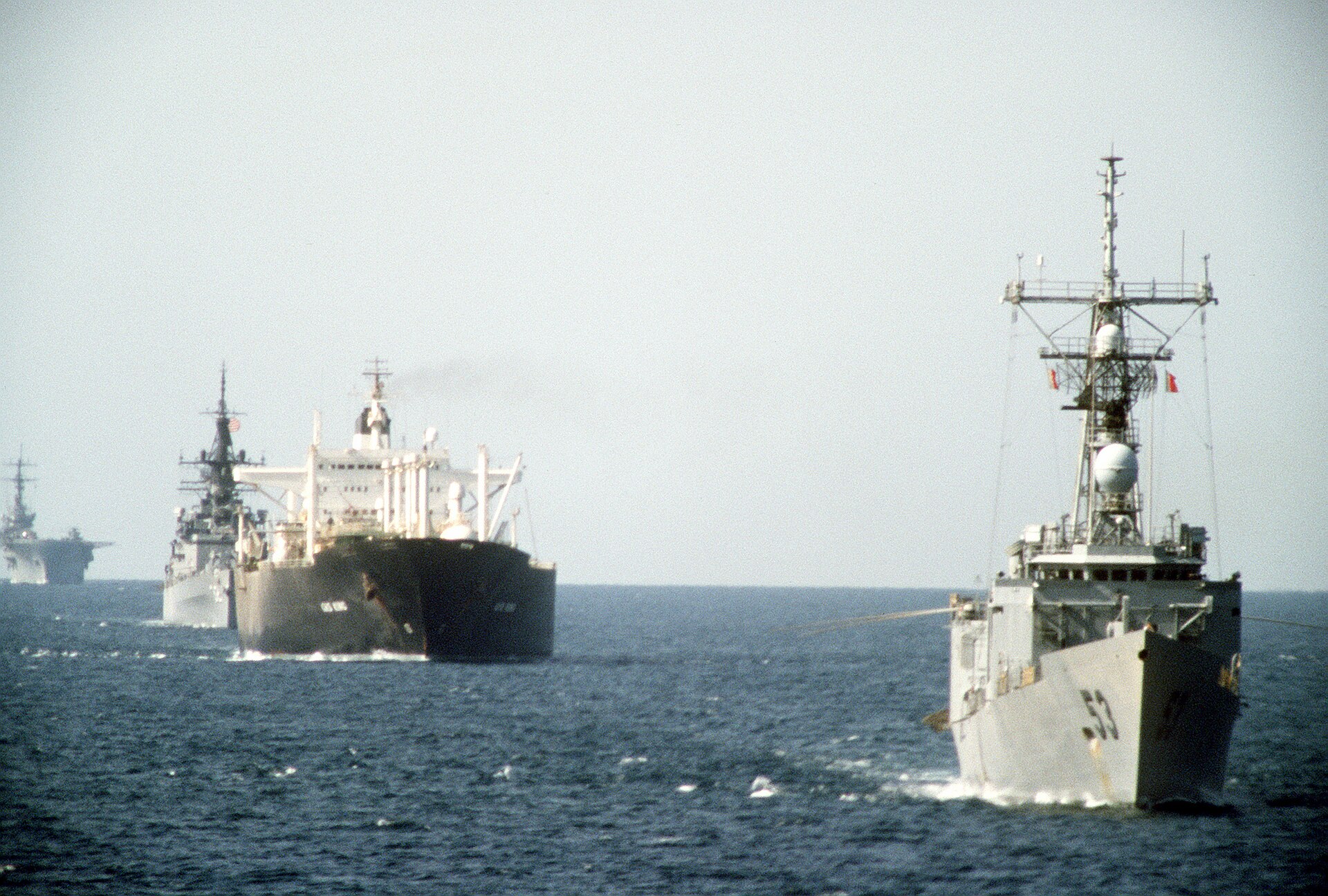
Instead of keeping Hormuz open, Iran closed it. Not with a dramatic naval blockade that would have invited immediate overwhelming retaliation, but through a combination of naval mines, fast-attack boats, electronic warfare, and sustained drone strikes on commercial vessels. Transits through the strait collapsed by 81 percent within 48 hours, according to Lloyd’s List tracking data. By March 4, the strait was effectively shut. The IRGC did not need to park a destroyer across the shipping lane. It simply made the waterway ungovernable.
Instead of respecting civilian infrastructure, Iran targeted it systematically. Desalination plants in Bahrain, Kuwait, and the UAE were hit in the first ten days. Qatar’s Ras Laffan LNG terminal, the largest in the world, sustained what QatarEnergy chief Saad al-Kaabi described as damage that could take three to five years to repair, wiping out roughly 17 percent of global LNG supply. Dubai International Airport was shut down by a drone-sparked fuel tank fire. Hotels, residential compounds, and commercial areas across the Gulf were struck, killing civilians in at least five countries.
Why Is a 90 Percent Interception Rate Not Enough?
The IISS estimate of a 90 percent ballistic missile interception rate and approximately 85 percent drone interception rate sounds reassuring in isolation. Applied to the actual volume of the Iranian campaign, the mathematics become alarming.
If Iran fires 100 drones per day, an operational tempo it has already sustained, an 85 percent interception rate means 15 drones reach their targets every 24 hours. Over a week, that is 105 successful strikes. Over a month, it is 450. Each of those strikes carries a warhead designed to destroy infrastructure, kill personnel, or simply impose fear on a civilian population that had never experienced sustained aerial bombardment.
The interception rate is also not uniform across threat types. Low-flying cruise missiles and terrain-hugging drones are harder to detect and engage than high-altitude ballistic missiles, which present large radar signatures and predictable trajectories. The Saudi Ministry of Defense reported intercepting and destroying 47 drones in a single concentrated barrage on March 22, including 38 within just three hours. That barrage was part of the largest single-day aerial assault on Saudi Arabia since the war began, in which sixty Iranian drones and three ballistic missiles targeted Riyadh and the Eastern Province simultaneously. That represents extraordinary performance under saturation conditions. It also means that a determined adversary need only increase the volume of each wave to overwhelm even a world-class defense network.
Pre-war planning assumed that interception rates would be the primary metric of success. The degree to which AI-driven simulations reinforced these overconfident planning assumptions is now under intense scrutiny. The reality is that in a sustained conflict against a mass-producing adversary, the relevant metric is not percentage intercepted but absolute number leaked. A 95 percent interception rate against 50 missiles is 2.5 successful strikes. A 90 percent interception rate against 200 drones is 20 successful strikes. The Gulf defense posture was optimised for the first scenario. Iran delivered the second.
| Scenario | Daily Incoming | Interception Rate | Daily Leakage | Monthly Strikes |
|---|---|---|---|---|
| Pre-war assumed (missiles only) | 30-50 | 95% | 1.5-2.5 | 45-75 |
| Actual (drones + missiles combined) | 100-200 | 85-90% | 10-30 | 300-900 |
| Peak day (March 13, all GCC) | 250+ | ~85% | 37+ | N/A |
How Are $20,000 Drones Defeating $4 Million Interceptors?
The cost disparity between Iranian drones and Gulf interceptors represents the single most consequential miscalculation in pre-war defense planning. A PAC-3 Missile Segment Enhancement (MSE) interceptor costs between $4 million and $12 million per unit, with international buyers like Saudi Arabia typically paying toward the higher end of that range. A THAAD interceptor costs between $12 million and $15 million. Even the less expensive Cheongung II interceptors run approximately $1 million to $2 million each.
Against these systems, Iran is fielding Shahed-136 drones that cost roughly $20,000 to $50,000 to produce. The exchange ratio is staggering. Shooting down a single $30,000 drone with a $8 million interceptor represents a cost ratio of approximately 267 to 1 in Iran’s favour. Over thousands of engagements, this asymmetry becomes existential. As the Washington Post editorial board noted on March 20, the Iran conflict has exposed “the new arithmetic of war” in which the economics of defense have been inverted.
The pre-war assumption was that cost asymmetry would favour the defender because precision-guided munitions are expensive and Iran’s economy was constrained by sanctions. The reality is that Iran found a way to mass-produce a weapon that is cheap enough to be expendable, accurate enough to be dangerous, and slow enough to exhaust interceptor inventories designed for fast-moving ballistic targets. The Patriot system was designed to shoot down Scud missiles, not clouds of slow, low-flying kamikaze drones that arrive in waves of 50.
NPR reported on March 18 that there are already indications the United States may run out of interceptors before Iran depletes its drone supply. Lockheed Martin’s PAC-3 production line operates at a rate of approximately 500 interceptors per year. At the current consumption rate in the Gulf, that annual production capacity could be exhausted in months. Secretary of State Marco Rubio’s emergency $16 billion arms package to the Gulf, bypassing normal congressional review, was an implicit acknowledgment that the interceptor supply chain cannot keep pace with Iran’s drone factory.
The Integrated Gulf Shield That Never Materialized
The United States invested more than a decade of diplomatic and military capital promoting an integrated Gulf air and missile defense network. The concept, modelled on NATO’s Integrated Air and Missile Defence System, envisioned a shared early-warning radar picture across all GCC states, coordinated fire-control solutions that would allow interceptors from one country to engage threats heading toward another, and a unified command structure capable of managing the complexity of multi-layered defense in depth.
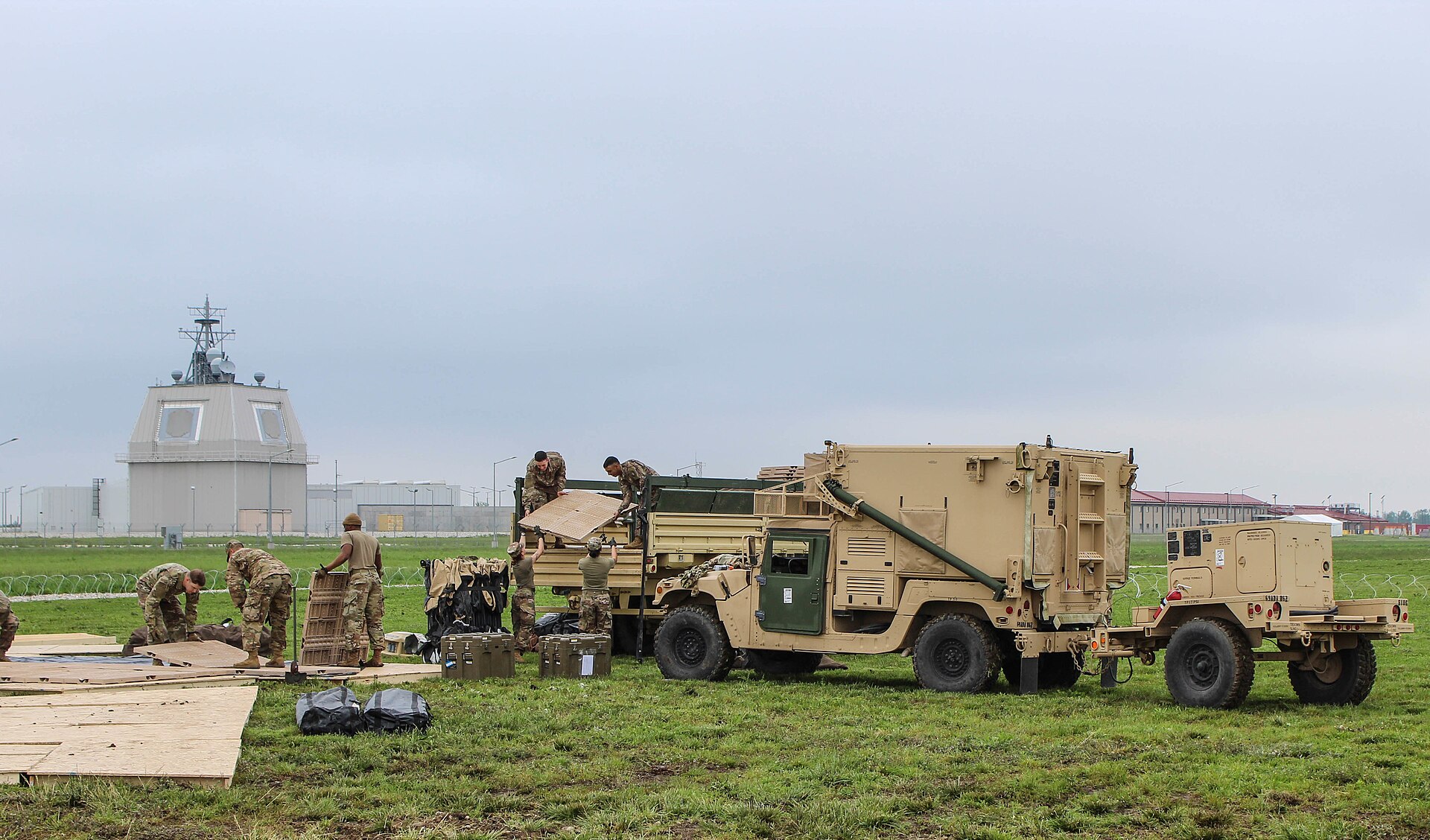
When the war began, that integration did not exist in any operationally meaningful form. Each GCC state fought its own air defense battle with its own systems, its own radar picture, and its own rules of engagement. Saudi Arabia’s Patriot batteries did not share targeting data in real time with the UAE’s THAAD system. Qatar’s air defense sector operated independently of Bahrain’s, despite the two countries being separated by a 25-kilometre causeway. Kuwait’s aging Patriot PAC-2 batteries were not compatible with the PAC-3 systems operated by Saudi Arabia and Qatar.
The reasons for this failure are political, not technical. The 2017-2021 Qatar blockade, in which Saudi Arabia, the UAE, Bahrain, and Egypt severed diplomatic and economic ties with Doha, destroyed the trust necessary for shared military networks. Even after the Al-Ula agreement restored relations in January 2021, defence cooperation remained superficial. No GCC state was willing to allow another to see its full radar picture, let alone control its fire solutions. The result was six national air defense bubbles operating in parallel rather than a single integrated shield.
Iran exploited this fragmentation ruthlessly. Drones launched from Iranian territory or from positions in Iraq flew through gaps in national radar coverage, following routes that skirted the edges of individual defense sectors. A drone heading toward a target in Qatar’s Eastern Sector could fly through unmonitored airspace between Saudi and Bahraini coverage zones. The seams in the defense architecture, precisely the problem that integration was meant to solve, became Iran’s preferred attack corridors.
Did Anyone See This Coming?
The honest answer is that many analysts warned about precisely these vulnerabilities, but their assessments were not incorporated into procurement decisions or operational planning.
The Soufan Center published a March 20 analysis titled “Misplaced Assumptions Have Plagued U.S. War Efforts Against Iran,” arguing that the possibility of Iran pursuing a strategy of attrition through economic warfare was “eminently knowable and openly debated amongst scholars, analysts, and military strategists.” The paper contended that planners underestimated Iran’s willingness to absorb punishment and its capacity to sustain operations well beyond the two-to-three-week window that most pre-war scenarios assumed. The IRGC’s mosaic defense doctrine and its thirty-one autonomous provincial armies exemplify the attrition strategy the Soufan analysts described.
Ukraine provided the most relevant warning. From 2022 onward, Iran supplied Russia with thousands of Shahed-136 drones for use against Ukrainian cities and infrastructure. Ukraine’s experience demonstrated three facts that should have fundamentally reshaped Gulf defense planning. First, that Shahed drones could be produced in essentially unlimited quantities. Second, that they were effective against civilian infrastructure even at modest accuracy rates. Third, that intercepting them with expensive missile systems was economically unsustainable.
The lessons from Ukraine’s drone defense experience were studied extensively by Gulf defense establishments. Saudi Arabia, the UAE, and Qatar all sent military delegations to Kyiv between 2023 and 2025 to observe Ukrainian air defense operations. Yet the procurement pipeline continued to prioritise ballistic missile interceptors over the electronic warfare systems, directed-energy weapons, and low-cost counter-drone solutions that Ukraine found most effective against the Shahed threat.
The explanation is institutional inertia. Patriot and THAAD contracts run into the billions of dollars and take years to negotiate, manufacture, and deploy. Redirecting that pipeline toward unproven counter-drone technologies would have meant cancelling or delaying systems that military bureaucracies had spent a decade justifying. The procurement cycle, optimised for a threat assessment that was already obsolete by 2023, could not pivot fast enough to match the threat that actually arrived in 2026.
The Pre-War Threat Assessment Scorecard
A systematic comparison of pre-war assumptions against the reality of Day 23 reveals the scale of the planning failure. Across nine critical dimensions, planners got two broadly right, four partially wrong, and three catastrophically wrong.
| Dimension | Pre-War Assumption | Day 23 Reality | Verdict |
|---|---|---|---|
| Primary threat vector | Ballistic missiles (70-80% of attacks) | Drones (71% of strikes in Week 1) | WRONG |
| Iran’s sustain capacity | 2-3 weeks before arsenal depleted | 23 days, no sign of depletion; deliberate pacing | WRONG |
| Strait of Hormuz | <15% probability of sustained closure | 81% transit collapse within 48 hours; effectively closed since March 4 | CATASTROPHICALLY WRONG |
| Civilian infrastructure | Off-limits; military/energy targets only | Desalination plants, airports, hotels, residences hit across 6 nations | CATASTROPHICALLY WRONG |
| GCC integration | Integrated air defense; shared radar picture | Six independent national systems; no real-time coordination | WRONG |
| Interception effectiveness | 95%+ against missiles; adequate capacity | 90% missiles / 85% drones — but volume overwhelms | PARTIALLY WRONG |
| Interceptor supply | Sufficient stockpiles for 30-day conflict | Consumption rate exceeding production; emergency resupply needed | WRONG |
| Economic impact | Contained; reserves sufficient | Largest oil supply disruption in history; 10-15% GDP contraction forecast | CATASTROPHICALLY WRONG |
| Coalition response | Rapid US/allied military intervention to reopen Hormuz | Limited coalition; 22 nations demanding but not acting on Hormuz reopening | PARTIALLY WRONG |
The scorecard reveals a pattern. The assumptions that proved most catastrophically wrong were those concerning Iran’s strategic choices rather than its tactical capabilities. Planners accurately assessed Iran’s missile accuracy, its air defense vulnerabilities, and the quality of its military personnel. What they failed to predict was Iran’s willingness to cross lines that conventional strategic theory said rational actors would not cross: closing a waterway essential to its own economy, attacking the civilian infrastructure of nations it was not formally at war with, and choosing attrition warfare over the decisive military campaigns that Western planners themselves preferred.
This is the core lesson of the first 23 days. The Gulf did not misunderstand Iran’s weapons. It misunderstood Iran’s strategy.
Why the Civilian Infrastructure Gap Matters More Than Military Targets
Pre-war defense planning focused overwhelmingly on protecting three categories of assets: military installations, oil production facilities, and government buildings. These priorities shaped everything from the placement of Patriot batteries to the positioning of radar systems to the allocation of interceptor inventories. The assumption was that if these high-value targets were defended, the Gulf states could absorb whatever Iran threw at them.
Iran’s targeting of civilian infrastructure exposed a vulnerability that no amount of Patriot batteries could have addressed. The destruction of desalination plants threatens the water supply for populations that depend on desalinated seawater for approximately 70 percent of their drinking water. The Gulf states operate more than 400 desalination plants along the Arabian Gulf coast, producing roughly 60 percent of the world’s desalinated water. Defending every one of them against drone and missile attack is a geometric impossibility with current technology.
The Ras Laffan attack in Qatar demonstrated the catastrophic fragility of concentrated infrastructure. A single facility producing 17 percent of the world’s LNG supply was damaged severely enough to require years of repair, according to QatarEnergy. The global gas market price impact was immediate and severe. No pre-war scenario had modelled the economic consequences of losing Ras Laffan because no scenario had assumed Iran would attack a Qatari civilian facility in retaliation for a war between the United States, Israel, and Iran.
The Yanbu SAMREF refinery attack on March 19 carried a different but equally alarming implication. Yanbu sits at the western terminus of the East-West Pipeline, Saudi Arabia’s strategic bypass route that was supposed to provide resilience if Hormuz was closed. Iran’s ability to strike targets on the Red Sea coast, more than 1,200 kilometres from Iranian territory, demonstrated that the geographic buffer many planners relied upon does not exist against a determined adversary with sufficient drone range.
Prince Faisal bin Farhan’s declaration on March 21 that “what little trust there was before has completely been shattered” was not merely diplomatic rhetoric. It was an acknowledgment that the entire framework of Saudi-Iranian engagement, including the 2023 Beijing-brokered rapprochement, was built on assumptions about Iranian restraint that the war has demolished.
The $100 Billion Was Not Wasted. It Was Misallocated.
The contrarian reading of the Gulf’s defense performance requires separating two distinct questions: Did the money produce capable systems? And were those systems deployed against the right threat?
The answer to the first question is unambiguously yes. Saudi Arabia’s Patriot and THAAD batteries have performed at or above their design specifications. The interception of three ballistic missiles near Prince Sultan Air Base on March 6, the successful engagement of 31 drones and three missiles in a single assault on March 12, and the extraordinary 47-drone interception on March 22 all represent world-class air defense performance. No other country outside the United States and Israel has demonstrated comparable capability under sustained combat conditions. Defence Minister Khalid bin Salman has presided over a military that, in purely operational terms, has exceeded every pre-war expectation of Saudi combat effectiveness.
The answer to the second question is more uncomfortable. The systems work brilliantly against the threats they were designed to counter. They were not designed to counter the threat that Iran chose to deliver. The Gulf spent $100 billion preparing for a high-end conventional missile exchange and got a low-end drone attrition campaign. The Patriot PAC-3, optimised for fast, high-altitude ballistic targets, is being used to shoot down slow, low-flying $30,000 drones because nothing else in the inventory can do the job. It is the military equivalent of using a Formula One car to deliver groceries: the vehicle is superlative, but the mission is wrong.
This distinction matters because the policy response to “the money was wasted” is fundamentally different from the policy response to “the money was misallocated.” If the systems were defective, the answer would be to stop buying American weapons. If the systems were aimed at the wrong threat, the answer is to restructure the entire Gulf defense portfolio toward counter-drone warfare, electronic warfare, directed-energy weapons, and the kind of cheap, expendable interceptors that can engage mass drone swarms at sustainable cost ratios.
The new security pact between Turkey, Saudi Arabia, Egypt, and Pakistan that took shape in Riyadh on March 19 reflects this reorientation. Turkey’s MKE signed a $350 million ammunition export agreement with Egypt during the same visit. The pact is not about replacing American defense systems. It is about building a parallel architecture that addresses the threats American systems were not designed to stop.
The possibility of Iran pursuing a strategy of attrition through economic warfare was eminently knowable and openly debated amongst scholars, analysts, and military strategists, yet planners appear to have underestimated this approach.
The Soufan Center, March 20, 2026
What Must Change Before the Next Conflict?
The lessons of the first 23 days point toward five structural changes that the Gulf defense establishment must implement if it is to be prepared for the next iteration of this threat.
The first is a radical rebalancing of procurement away from high-end interceptors and toward low-cost counter-drone systems. The South Korean Cheongung II and the Israeli Iron Dome represent the right direction: interceptors priced in the hundreds of thousands rather than the millions. Directed-energy weapons, which can engage drones at pennies per shot, must move from research programmes to deployed systems within 24 months. Saudi Arabia’s $5 billion deal to produce Chinese combat drones domestically, signed on March 11, suggests that Riyadh has already begun this pivot.
The second is genuine air defense integration across the GCC. Not the aspirational integration described in Pentagon PowerPoint briefings, but the kind of real-time data sharing and coordinated fire control that NATO has operated for decades. The political barriers are real. The 2017 Qatar blockade and lingering intra-Gulf rivalries make trust difficult. But the war has demonstrated that the alternative to integration is defeat in detail, with Iran picking off national air defense sectors one at a time.
The third is civilian infrastructure hardening. The Gulf states invested billions in protecting oil facilities and military bases while leaving desalination plants, power stations, telecommunications nodes, and commercial airports essentially undefended. The next generation of Gulf defense planning must treat civilian infrastructure as a primary defensive priority, not an afterthought.
The fourth is indigenous manufacturing capacity. Saudi Arabia’s Saudi Arabian Military Industries (SAMI) has accelerated its drone production programme since the war began, but the Kingdom remains dependent on foreign supply chains for virtually every major weapons system it operates. The interceptor shortage that NPR flagged on March 18 would not exist if the Gulf states could manufacture their own ammunition. The Turkey-Saudi-Egypt-Pakistan security pact includes industrial cooperation provisions that, if implemented, could create a non-Western defense manufacturing ecosystem within five years.
The fifth is doctrinal. Gulf military doctrine, heavily influenced by decades of American training and advisory relationships, is built around decisive operations: identify the threat, engage it with overwhelming force, and destroy it. Iran’s strategy of attrition, economic warfare, and civilian infrastructure targeting does not present a target that can be destroyed with overwhelming force. Defeating a drone swarm is not a military problem. It is an industrial problem, a logistical problem, and ultimately a political problem. The Gulf defense establishment needs a doctrine that accounts for all three.
| # | Reform | Current State | Required Action | Timeline |
|---|---|---|---|---|
| 1 | Counter-drone rebalancing | 90%+ budget on high-end interceptors | 50/50 split with low-cost counter-drone systems and directed energy | 18-24 months |
| 2 | GCC air defense integration | Six independent national systems | Shared radar, coordinated fire control, unified command | 3-5 years |
| 3 | Civilian infrastructure hardening | Military/oil targets prioritised | Point defense for all critical civilian infrastructure | 2-3 years |
| 4 | Indigenous manufacturing | Near-total import dependency | Domestic interceptor and drone production capacity | 5-7 years |
| 5 | Doctrinal reform | Decisive operations doctrine | Attrition-resilient, multi-domain, industrial-base doctrine | Ongoing |
Frequently Asked Questions
How much did the Gulf states spend on air defense before the Iran war?
Cumulative Gulf Cooperation Council spending on dedicated air defense systems, including procurement, training, maintenance, and associated infrastructure, exceeded $100 billion between 2015 and 2025. Saudi Arabia alone accounted for roughly $40-50 billion of that total, driven by Patriot PAC-3, THAAD, and Cheongung II acquisitions. The UAE’s THAAD purchase and Qatar’s Patriot deal added approximately $6 billion. This figure does not include broader defense spending, which exceeded $500 billion across the GCC during the same period.
What was the pre-war interception rate assumption for Gulf air defenses?
Pre-war planning assumed interception rates of 95 percent or higher against ballistic missiles, based on performance data from Patriot and THAAD systems in controlled test environments and limited combat engagements. The actual rate in the Iran war has been approximately 90 percent for ballistic missiles and 85 percent for drones, according to IISS estimates. While these rates are impressive by historical standards, the sheer volume of Iranian attacks means that even small leakage percentages translate into hundreds of successful strikes over a sustained campaign.
Why were Iran’s drone capabilities underestimated before the war?
Western intelligence agencies focused primarily on Iran’s ballistic missile inventory, which is larger, more visible, and easier to track through satellite imagery. Drone production occurs in smaller, dispersed facilities that are harder to monitor. Iran’s supply of Shahed drones to Russia for use in Ukraine from 2022 onward should have signalled the scale of production capacity, but pre-war assessments treated the Ukraine deliveries as a one-time export rather than evidence of sustained mass production capability. The Soufan Center concluded that Iran’s attrition strategy was “eminently knowable” but was underestimated by planners who assumed rational cost-benefit analysis would deter Iran from a prolonged campaign.
Can the Gulf states sustain their interceptor supply at current consumption rates?
Current consumption rates pose a serious sustainability challenge. Lockheed Martin produces approximately 500 PAC-3 MSE interceptors per year globally. The Gulf theatre alone is consuming interceptors at a rate that could exhaust annual production within months. Secretary Rubio’s emergency $16 billion arms package includes accelerated interceptor deliveries, but expanding production lines requires 12-18 months of industrial ramp-up. The immediate solution being pursued is a shift toward lower-cost counter-drone systems, including South Korean Cheongung II interceptors and directed-energy prototypes, which can engage threats at a fraction of the cost per engagement.
What is the most important lesson from the Gulf defense failure?
The most consequential lesson is that the Gulf did not misunderstand Iran’s weapons. It misunderstood Iran’s strategy. Defense planners accurately assessed the technical capabilities of Iranian missiles and drones. What they failed to predict was Iran’s willingness to wage a sustained attrition campaign targeting civilian infrastructure, close the Strait of Hormuz despite the economic self-harm, and prioritise cheap expendable drones over the expensive precision missiles that the Gulf’s defense architecture was designed to intercept. The failure was strategic, not technical, and the remedy must be equally strategic: restructuring Gulf defense doctrine, procurement, and alliance architecture for the war Iran chose to fight rather than the war the Gulf prepared for.