
JEDDAH — Ukraine and Saudi Arabia signed a defense cooperation agreement on Friday during a surprise visit by President Volodymyr Zelenskyy to the Kingdom, establishing the first formal military partnership between Kyiv and a Gulf state. The agreement, announced ahead of talks between Zelenskyy and Crown Prince Mohammed bin Salman in Jeddah, covers future defense contracts, technological collaboration, and investment in air defense capabilities that both nations consider urgent.
The deal arrives on day 28 of the Iran war, with Saudi Arabia having faced 824 Iranian projectiles since the conflict began on February 28 — comprising 58 missiles and 766 drones, according to Saudi defense ministry tallies. Ukraine, which has spent five years developing counter-drone technologies against Russian Shahed attacks, has already deployed more than 200 air defense experts across the Gulf to advise on intercepting the same Iranian-manufactured munitions now striking Saudi oil infrastructure.
Table of Contents
- What Does the Ukraine-Saudi Defense Deal Cover?
- Zelenskyy’s Surprise Visit to Jeddah
- Why Does Saudi Arabia Want Ukraine’s Drone-Killing Expertise?
- Two Hundred Ukrainian Experts Already in the Gulf
- The Weapons Swap at the Heart of the Agreement
- Washington Watches as Its Two Allies Strike Their Own Deal
- Eight Hundred Projectiles and Counting
- What Comes After the Framework Agreement?
- Frequently Asked Questions
What Does the Ukraine-Saudi Defense Deal Cover?
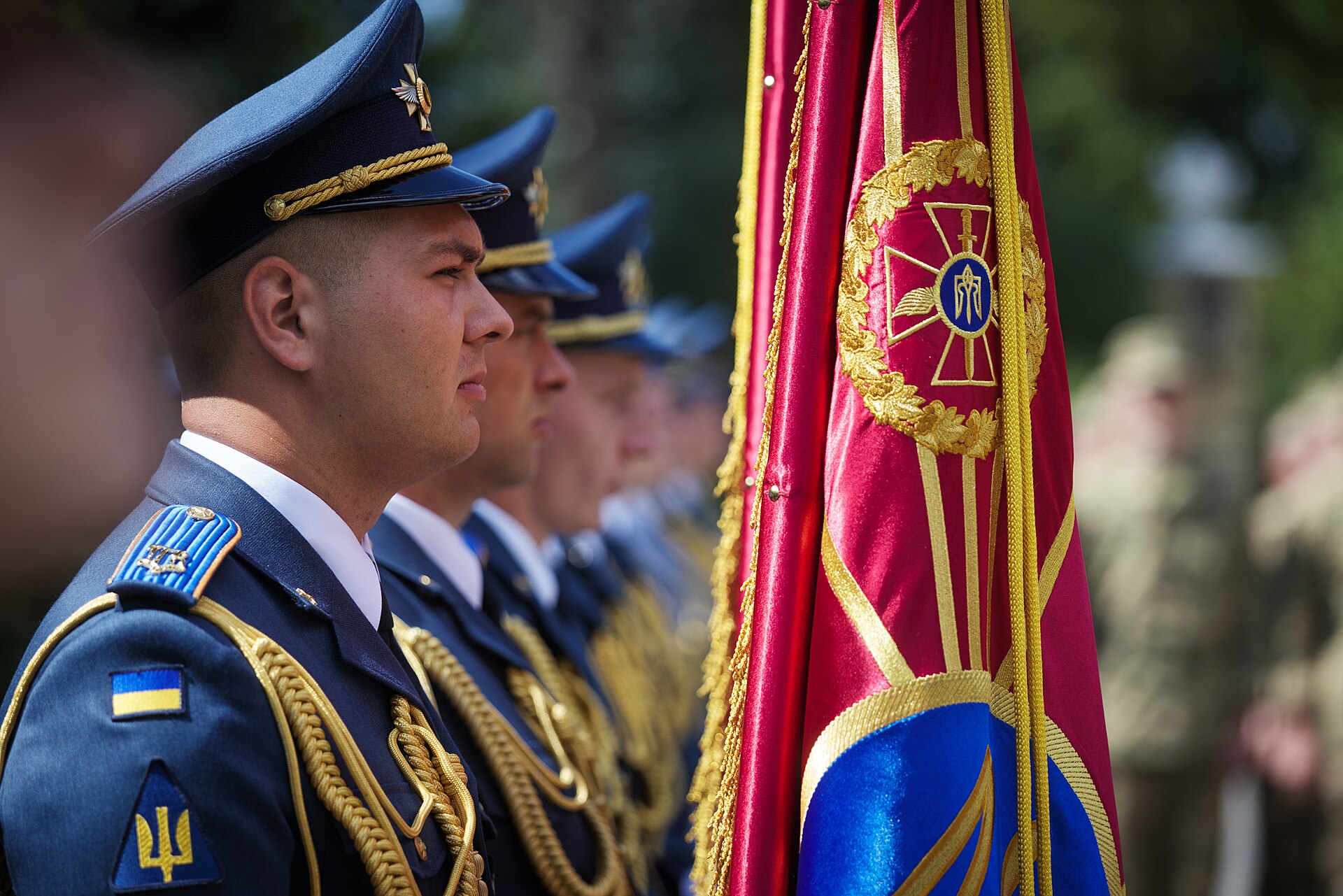
The defense cooperation agreement signed in Jeddah on March 27 establishes a framework for three pillars of military collaboration between Ukraine and Saudi Arabia. According to statements from both sides and reporting by Euronews and CNBC, the deal encompasses future defense contracts for specific weapons systems, technological cooperation on air defense research and development, and mutual investment in defense manufacturing capacity.
Zelenskyy described the agreement as “laying the foundation” for deeper engagement. “We are ready to share our expertise and systems with Saudi Arabia and to work together to strengthen the protection of lives,” the Ukrainian president said in a statement released by his office. He added that Saudi Arabia “also has capabilities that are of interest to Ukraine, and this cooperation can be mutually beneficial.”
An unnamed Ukrainian official told reporters that the core purpose of the agreement is for Ukraine to “support them in developing all the necessary components of air defence, which they currently lack.” The official was referring to Saudi Arabia’s gaps in countering low-cost drone swarms — a problem the Kingdom’s existing Patriot and THAAD batteries were not designed to address.
The agreement does not disclose financial terms or name specific weapons systems, following the pattern of framework defense agreements that establish the legal and diplomatic architecture for subsequent procurement contracts. A separate deal reported by the Kyiv Independent in early March revealed that a Saudi arms company had already signed a contract for Ukrainian-made interceptor missiles, suggesting the framework agreement formalizes a procurement relationship already underway.
The Middle East briefing 3,000+ readers start their day with.
One email. Every weekday morning. Free.
The deal also covers artificial intelligence technology and data analysis systems for drone detection, according to Free Malaysia Today, which cited defense industry sources familiar with the agreement’s scope. Ukrainian defense companies have developed proprietary algorithms for tracking and predicting drone swarm flight paths — technology refined through years of defending against nightly Russian drone attacks on Ukrainian cities.
Zelenskyy’s Surprise Visit to Jeddah
Zelenskyy’s visit to Saudi Arabia was unannounced until hours before his arrival, following the security protocols the Ukrainian president has maintained since Russia’s 2022 invasion. The trip represented Zelenskyy’s most significant diplomatic engagement with a Gulf state since the Iran war began and came amid growing uncertainty about the future of Western military aid to Ukraine.
Crown Prince Mohammed bin Salman received Zelenskyy in Jeddah for talks that covered the defense agreement, the regional security situation, and the broader relationship between Ukraine and the Gulf Cooperation Council states. The Saudi Press Agency confirmed the meeting took place but offered limited detail on the substance of discussions, stating only that the two leaders “discussed regional and international developments.”
The visit carries significant diplomatic weight beyond the defense agreement itself. Saudi Arabia maintained a position of studied neutrality between Russia and Ukraine for most of the conflict’s first three years, hosting prisoner exchanges and peace formula discussions while avoiding actions that would antagonize Moscow. The signing of a formal defense cooperation agreement marks a shift in that calculus — driven, according to analysts, by the practical reality that Ukrainian technology is now essential to Saudi Arabia’s survival against Iranian aerial bombardment.
Zelenskyy framed the deal as contributing to global energy security and European stability. “For five years now, Ukrainians have been resisting the same kind of terrorist attacks,” he said, drawing a direct parallel between Russian drone strikes on Ukrainian power stations and Iranian drone strikes on Saudi oil facilities. “Ukraine’s expertise is unique, and recognised as such.”
Why Does Saudi Arabia Want Ukraine’s Drone-Killing Expertise?
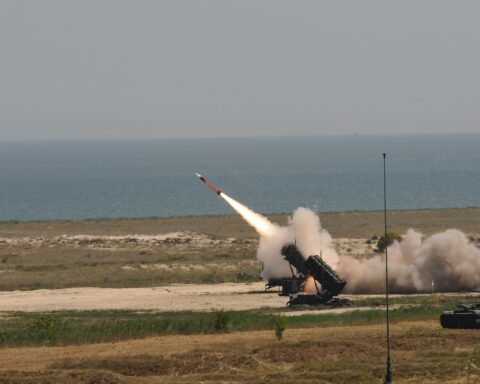
Saudi Arabia’s interest in Ukrainian defense technology stems from a specific operational problem that the Kingdom’s existing Western-supplied air defense systems cannot efficiently solve. The Patriot missile system, which forms the backbone of Saudi air defense, was designed to intercept ballistic missiles and high-performance aircraft. Each Patriot interceptor costs between $2 million and $4 million. An Iranian Shahed-136 drone costs an estimated $20,000 to $50,000.
The cost asymmetry is unsustainable. Saudi Arabia has intercepted more than 760 drones since the war began, according to defense ministry figures. Even if the Kingdom used its cheapest available interceptors for every engagement, the expenditure on defeating Iranian drones already runs into billions of dollars — to neutralize weapons that cost Iran a fraction of that sum to produce and launch.
Ukraine has spent five years solving exactly this problem. Facing nightly barrages of the same Iranian-manufactured Shahed drones that now target Saudi infrastructure, Ukrainian forces developed a layered counter-drone approach that combines electronic jamming, mobile anti-aircraft gun teams, interceptor drones, and networked acoustic detection systems. Yurii Ihnat, a Ukrainian Air Force spokesperson, has stated that Ukraine manufactures “some of the best, and among the most cost-effective, air defense tools” available.
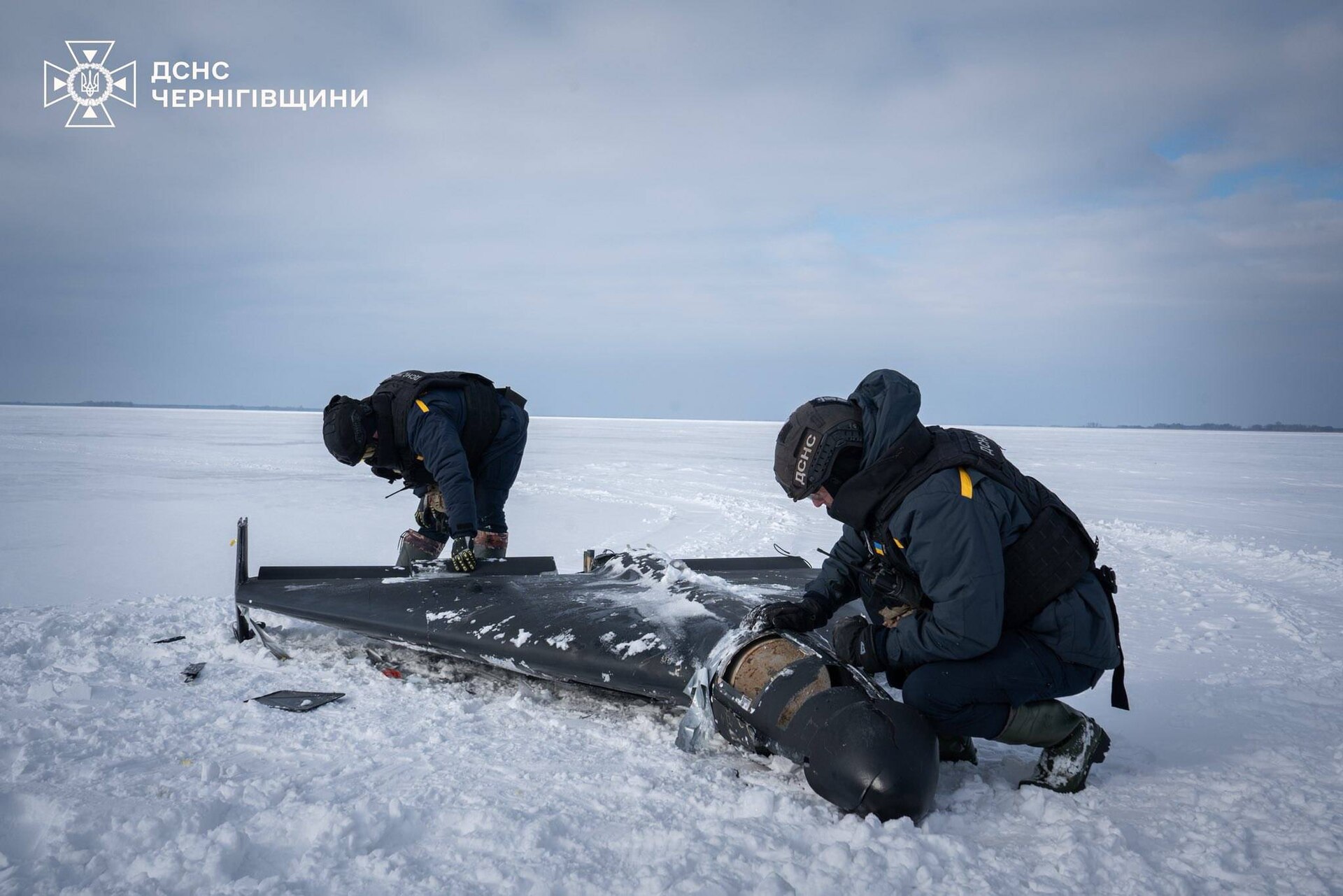
Ukrainian companies including SkyFall and Wild Hornets have developed interceptor drones capable of engaging Shaheds at a fraction of the cost of a conventional missile. Saudi Aramco has previously expressed interest in these systems, according to United24 Media, viewing them as a potential solution for defending sprawling oil facility perimeters that conventional point-defense systems cannot economically cover.
The defense agreement provides the legal framework for transferring these technologies and the operational knowledge behind them. Saudi Arabia is not merely purchasing hardware — it is acquiring access to Ukraine’s institutional knowledge of how to organize, train, and sustain counter-drone operations at national scale.
Two Hundred Ukrainian Experts Already in the Gulf
The framework agreement formalizes an advisory deployment that began almost immediately after the Iran war started. According to Euronews, Ukraine has dispatched more than 200 drone-countering experts to Saudi Arabia, the United Arab Emirates, and Qatar, with an additional 30 specialists heading to Jordan and Kuwait. The deployment represents the largest Ukrainian military advisory mission outside of its own conflict zone.
The experts are advising Gulf military forces on drone detection, electronic warfare countermeasures, and the integration of low-cost interception systems alongside existing Western-supplied air defense batteries. Their presence reflects a recognition across the Gulf that the collective defense posture of GCC states has a critical gap in counter-drone capability — one that only Ukraine possesses the combat-proven expertise to fill.
The advisory mission operates under bilateral agreements with individual Gulf states rather than a unified GCC framework. Each host nation has negotiated separate terms for the scope of Ukrainian assistance, the access granted to national defense installations, and the intelligence-sharing arrangements that underpin effective counter-drone operations.
For Ukraine, the deployment serves a dual purpose. Beyond strengthening Gulf defenses against Iranian aerial attacks, Zelenskyy is using the advisory mission to build diplomatic capital with wealthy Gulf nations whose financial and political support Kyiv needs in its own war against Russia. “Our country is open to supporting those who support us,” Zelenskyy said during the Jeddah visit, making the transactional nature of the arrangement explicit.
The Weapons Swap at the Heart of the Agreement
The defense cooperation agreement includes a proposed exchange mechanism that defense analysts describe as unprecedented in the current conflict landscape. According to reporting by Free Malaysia Today, the deal envisions Ukraine providing low-cost interceptor drone systems and counter-drone expertise to Saudi Arabia, while Saudi Arabia would supply Ukraine with more expensive conventional air defense missiles that Gulf states possess in significant quantities.
The logic of the swap addresses each nation’s most acute vulnerability. Saudi Arabia faces a drone saturation problem — too many cheap targets and not enough affordable ways to shoot them down. Ukraine faces a ballistic missile defense problem — Russian Iskander and Kh-47 Kinzhal missiles require advanced interceptors that Kyiv cannot produce domestically and that Western allies supply in insufficient quantities.
Saudi Arabia operates extensive stocks of Patriot PAC-3 and THAAD interceptors, supplied under decades of American foreign military sales. The Kingdom also holds inventories of European-made short-range air defense systems. While these systems are essential for Saudi Arabia’s own defense, the proposed exchange suggests Riyadh may be willing to release some inventory to Ukraine in return for the counter-drone technology and training that addresses its more pressing current threat.
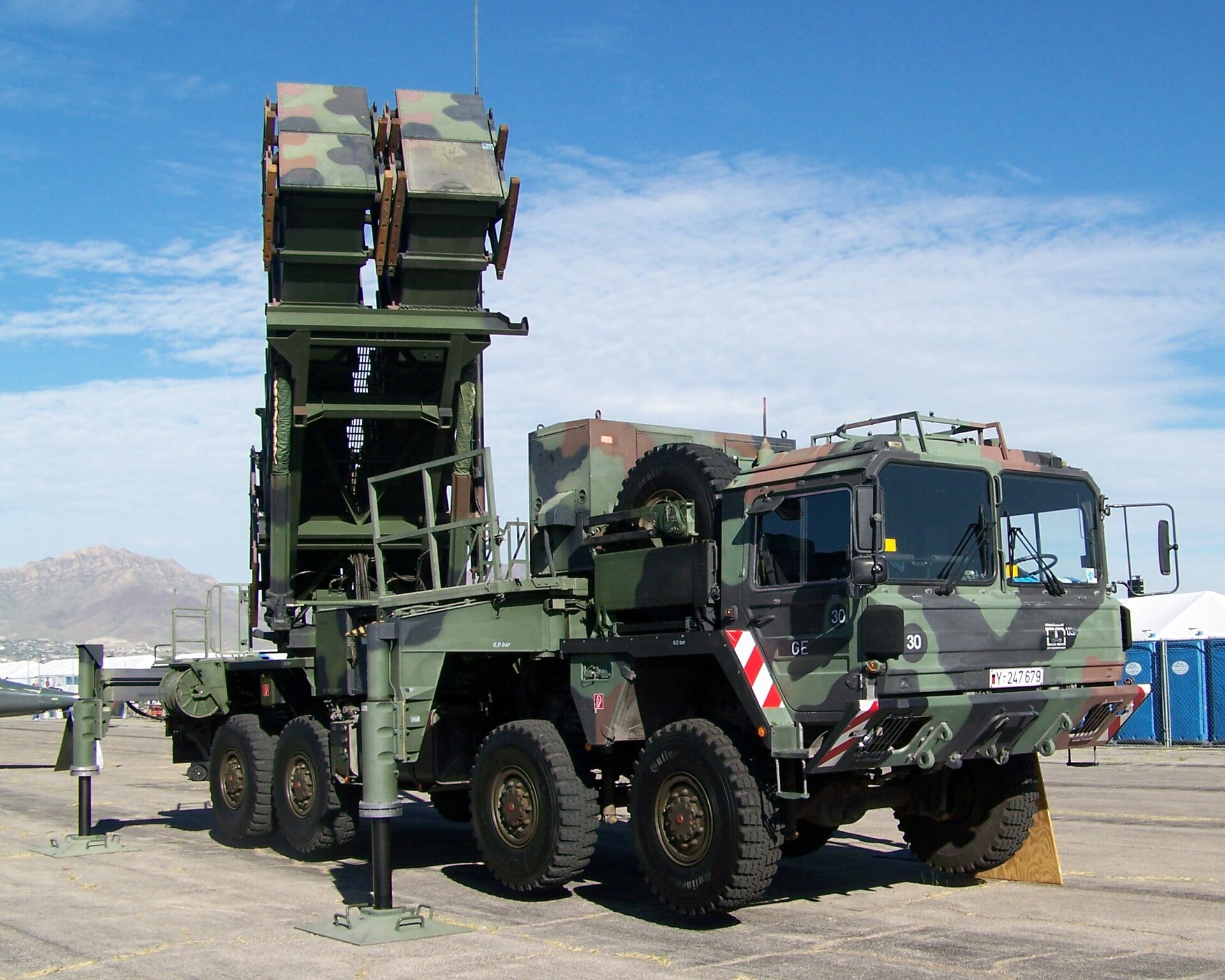
The swap concept also carries political implications. Any transfer of American-made weapons systems from Saudi Arabia to Ukraine would likely require Washington’s approval under end-user agreements that govern US foreign military sales. This creates a triangular dynamic in which the Pentagon’s own consideration of redirecting Ukraine-bound air defenses to the Gulf intersects with a bilateral Saudi-Ukrainian arrangement that could move weapons in the opposite direction.
Washington Watches as Its Two Allies Strike Their Own Deal
The Ukraine-Saudi defense agreement was signed on the same day that multiple US media outlets reported the Pentagon is weighing whether to redirect air defense systems originally earmarked for Ukraine toward Gulf states now facing Iranian bombardment. The coincidence underscores the complexity of American defense commitments across two simultaneous conflicts that draw on the same finite pool of advanced weapons systems.
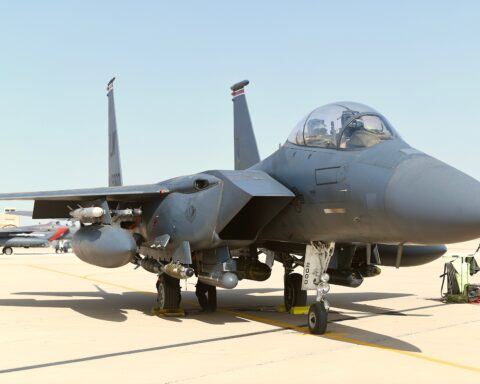
The United States approved a $3 billion F-15 sustainment package for Saudi Arabia in February, and the broader $142 billion US-Saudi defense agreement signed during the Trump administration’s first months remains the largest single arms deal in American history. Washington has a deep strategic interest in Saudi Arabia’s air defense capability — but also faces pressure to maintain its commitments to Ukraine as the war with Russia enters its fifth year.
The bilateral Ukraine-Saudi deal represents a partial solution that neither Washington nor Kyiv could have anticipated a year ago. By exchanging complementary defense capabilities directly, Ukraine and Saudi Arabia reduce their mutual dependence on American intermediation while still operating within the framework of their separate alliance relationships with the United States.
Zelenskyy’s visit to Jeddah also reflects growing concern in Kyiv that American military aid may face new constraints. CNBC reported that the US was “reportedly weighing redirecting Kyiv aid” — a development that, if confirmed, would accelerate Ukraineaccelerate Ukraine’s push to diversify its defense partnerships beyond NATO and the European Union.
#8217;s push to diversify its defense partnerships beyond NATO and the European Union. Saudi Arabia faces a parallel dilemma: the political sustainability of American military commitments is increasingly uncertain in both theatres. The deal also underlines Beijing’s failure to offer Saudi Arabia meaningful security support during the crisis, pushing Riyadh toward non-traditional defense partners.
Eight Hundred Projectiles and Counting
The urgency behind the defense agreement is measured in the daily tallies issued by Saudi Arabia’s defense ministry. Since the Iran war began on February 28, the Kingdom has faced 824 Iranian projectiles — 51 ballistic missiles, seven cruise missiles, and 766 drones. The attacks have targeted oil refineries in the Eastern Province, the Red Sea port of Yanbu, military installations, and residential areas including a strike on Al-Kharj that killed two civilians of Indian and Bangladeshi nationality.
Saudi air defenses have intercepted the majority of incoming threats, but the sustained tempo of attacks has raised questions about interceptor ammunition stocks and the long-term sustainability of the Kingdom’s defensive posture. The defense ministry issued four separate interception statements on March 27 alone, reporting the destruction of at least 18 drones over the Eastern Province in successive waves.
The drone threat is particularly acute because Iran can produce Shaheds at industrial scale for a fraction of the cost of the interceptors used to defeat them. The Islamic Revolutionary Guard Corps has maintained a sustained launch cadence despite 28 days of US and Israeli strikes on Iranian military infrastructure, demonstrating that the drone production capability is either more distributed than intelligence assessments assumed or that pre-war stockpiles were larger than estimated.
For Saudi Arabia, the Ukraine deal represents an acknowledgment that the current interception model — using Western-supplied missiles designed for high-end threats — cannot be the primary answer to a mass drone campaign. The Kingdom needs a layered defense that pairs expensive Patriot and THAAD interceptors for ballistic missile threats with cheaper, more expendable counter-drone systems for the swarm attacks that constitute the majority of Iranian sorties.
The scale of the threat is without precedent in modern Gulf security. The International Energy Agency described the current disruption as the most significant supply shock in the history of the oil market, with oil exports from the region falling 60 percent from pre-war levels of 25 million barrels per day to approximately 10 million by mid-March. Brent crude has oscillated between $98 and $114 per barrel since the conflict began, with each Iranian drone salvo sending prices higher and each diplomatic signal pulling them lower. On March 25, oil crashed more than 5 percent in a single session on reports of a potential diplomatic breakthrough, only to rebound above $105 by March 27 as talks stalled.
Gulf states issued a joint statement on March 26 asserting their “full and inherent right to self-defense” under Article 51 of the United Nations Charter, condemning what they called Iran’s “blatant” and “criminal” attacks on their energy infrastructure. Bloomberg reported on March 24 that Gulf states are weighing offensive military options against Iran — a posture shift that makes defense cooperation agreements like the one signed with Ukraine part of a broader Gulf mobilization.
What Comes After the Framework Agreement?
Defense framework agreements typically precede specific procurement contracts by weeks or months. The timeline for converting the Ukraine-Saudi deal into operational weapons deliveries will depend on several factors, including the pace of technical evaluations, the resolution of end-user certificate questions for any American-origin equipment involved in the proposed swap, and the trajectory of the Iran war itself.
The Kyiv Independent reported in early March that a Saudi arms company had already signed a contract for Ukrainian-made interceptor missiles ahead of the framework agreement. If accurate, this suggests that technical evaluations of Ukrainian systems are already underway and that the framework agreement is formalizing a procurement process that began informally within days of the war’s outbreak.
The deal also opens a potential pathway for Ukrainian defense companies to establish a permanent manufacturing presence in the Gulf. Saudi Arabia’s Crown Prince Mohammed bin Salman has made defense industrialization a pillar of Vision 2030, with the Saudi Arabian Military Industries (SAMI) and the General Authority for Military Industries (GAMI) tasked with localizing 50 percent of defense spending by 2030. Ukrainian drone and electronic warfare firms could find opportunities to establish joint ventures under this framework.
For Ukraine, the immediate deliverable is access to air defense missiles it cannot produce domestically. The country’s forces expend interceptors faster than Western production lines can resupply them, and any additional source of Patriot-compatible ammunition or equivalent systems would directly affect Ukraine’s ability to defend its cities and power infrastructure against Russian missile strikes.
Frequently Asked Questions
What did Ukraine and Saudi Arabia sign on March 27, 2026?
The two nations signed a defense cooperation agreement during President Zelenskyy’s surprise visit to Jeddah. The deal establishes a framework for future defense contracts, technological cooperation on air defense systems, and mutual investment in defense manufacturing. It is the first formal defense agreement between Ukraine and a Gulf Cooperation Council state.
How many Ukrainian military experts are deployed in the Gulf?
More than 200 Ukrainian drone-countering experts have been deployed to Saudi Arabia, the United Arab Emirates, and Qatar, with an additional 30 specialists heading to Jordan and Kuwait. They advise Gulf military forces on drone detection, electronic warfare, and the integration of low-cost interception systems alongside existing Western-supplied air defense batteries.
What weapons systems does the deal involve?
The framework agreement does not name specific systems, but reporting indicates the deal covers Ukrainian interceptor drones, AI-based drone detection technology, and electronic warfare equipment. A proposed exchange mechanism would see Ukraine provide low-cost counter-drone systems while Saudi Arabia supplies conventional air defense missiles that Ukraine needs against Russian attacks.
Why does Saudi Arabia need Ukrainian drone defense technology?
Saudi Arabia’s existing Patriot and THAAD air defense systems cost millions of dollars per interceptor, making them economically unsustainable against Iranian Shahed drones that cost between $20,000 and $50,000 each. Ukraine has developed combat-proven, cost-effective counter-drone methods during five years of defending against identical drone types launched by Russia, including interceptor drones, electronic jamming, and networked acoustic detection. A comprehensive breakdown of Ukraine’s first Gulf defense deal maps the full scope of counter-drone systems being deployed, from $1,000 SkyFall interceptors to the UK-built Octopus night-fighting drone. These Ukrainian capabilities address critical gaps in Saudi Arabia’s six-layer intelligence and surveillance architecture, particularly at the counter-UAS level where drone detection depends on short-range sensors rather than the satellite and radar systems designed for missiles.
Does the United States need to approve the deal?
The bilateral framework agreement itself does not require US approval. However, any transfer of American-made weapons systems from Saudi Arabia to Ukraine — such as Patriot interceptors — would need Washington’s consent under end-user agreements governing US foreign military sales. The Pentagon is simultaneously weighing its own proposal to redirect some Ukraine-bound air defenses to the Gulf.