
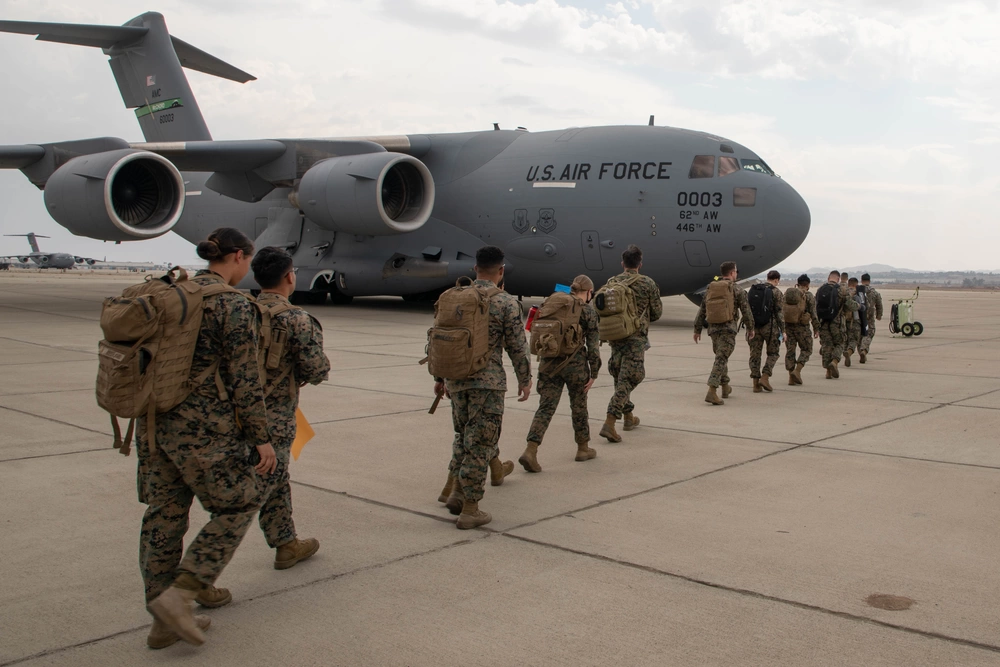
WASHINGTON — The 82nd Airborne Division is loading onto C-17s with orders to seize Iran’s oil infrastructure by force. Thirteen thousand paratroopers and 2,500 Marines are moving into strike positions within range of the Iranian coast, and the White House has told Tehran it has until Sunday to reopen the Strait of Hormuz or the United States will take it. The last time the 82nd made a combat jump at this scale, it was Normandy.
President Trump’s April 6 deadline is no longer a negotiating position. With 13,000 targets already struck across Iran and the country’s air defence network effectively destroyed, the deployment of America’s premier rapid-reaction force signals something the air campaign never did: the US is prepared to put soldiers on Iranian soil. The mission isn’t regime change. It’s simpler and more brutal than that — seize the oil, open the strait, come home.
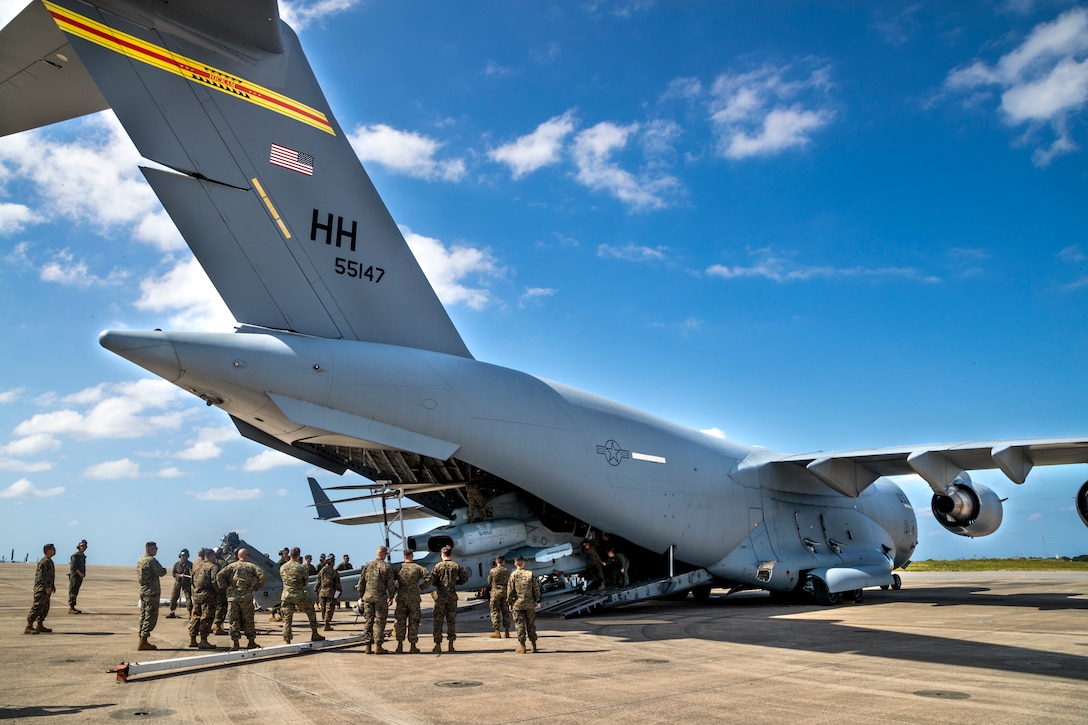
Table of Contents
Six Days to the Strait
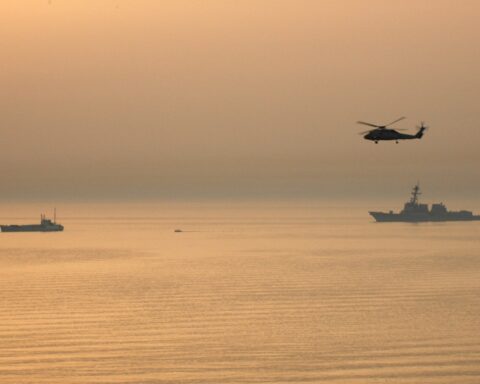
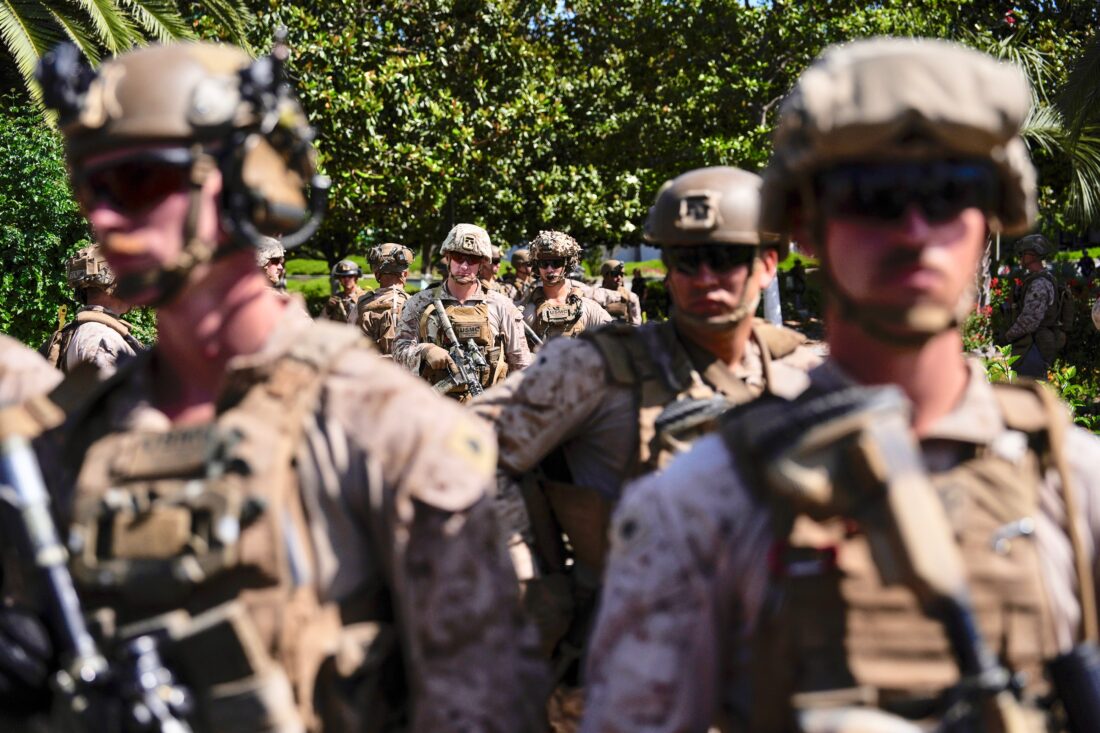
Major General Brandon Tegtmeier, commanding the 82nd’s 1st Brigade Combat Team, has established a forward command post within striking distance of the Iranian coast. The C-17 transports started landing at forward operating bases on March 30. The 15th Marine Expeditionary Unit is already in theatre aboard amphibious assault ships in the Gulf of Oman. None of this is being hidden — the deployments were announced publicly, the aircraft tracked by open-source flight monitors, the Marines photographed boarding landing craft.
That visibility is the point. Every previous phase of Operation Epic Fury was conducted from the air or the sea, at arm’s length, deniable in scale if not in intent. Paratroopers are different. You don’t fly the 82nd Airborne halfway around the world to stand around. You fly them in because someone is about to get their door kicked in, and you want the person on the other side to hear the boots in the hallway first.
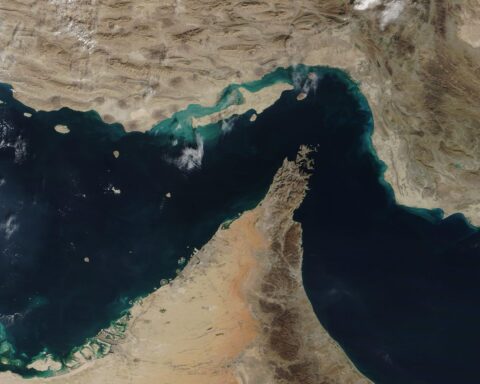
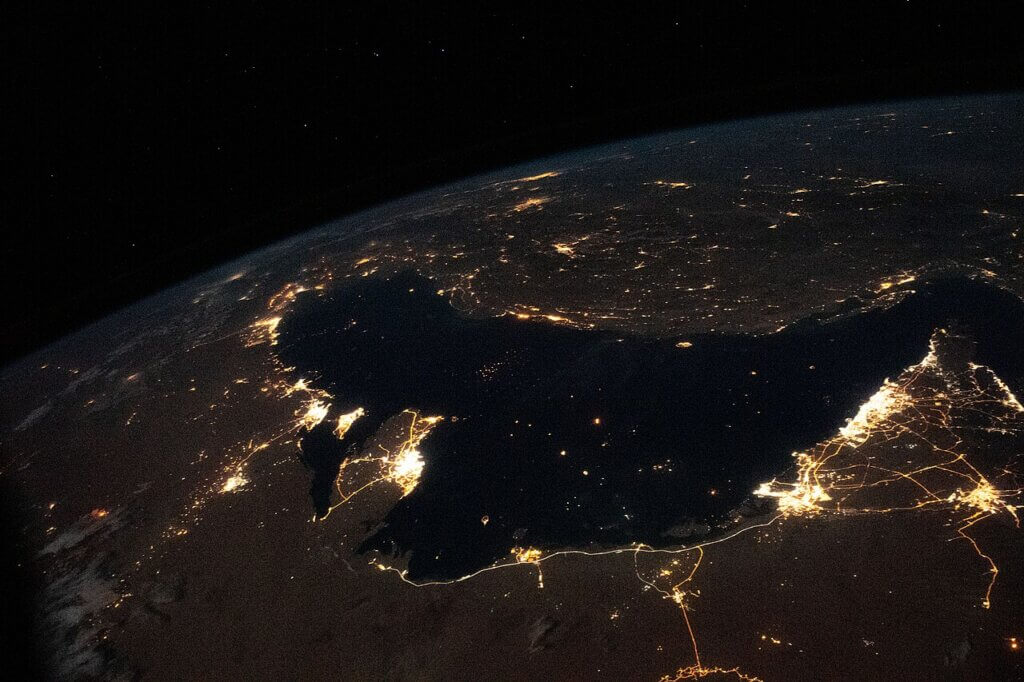
The Strait of Hormuz is twenty-one miles wide at its narrowest point. Before the war, roughly 20 million barrels of oil passed through it every day — one-fifth of the world’s liquid petroleum. Iran mined the shipping lanes in mid-March and threatened to “set the sea on fire.” For thirty-one days, the bet has been that Washington wouldn’t escalate to a ground war over a shipping lane. The 82nd Airborne is the answer to that bet.
The Middle East briefing 3,000+ readers start their day with.
One email. Every weekday morning. Free.
Why Washington Sent Paratroopers, Not Diplomats
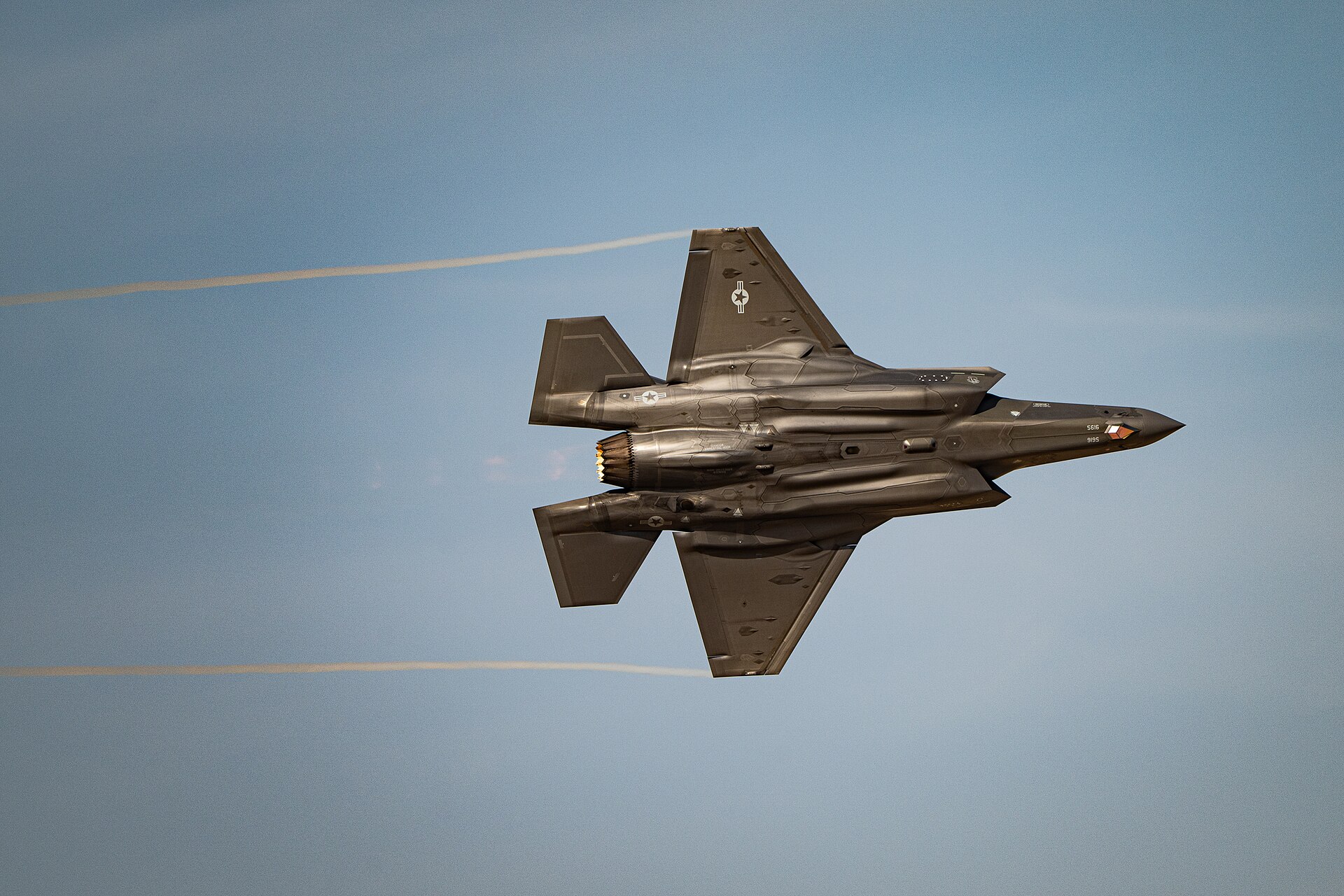
The 82nd Airborne exists for one scenario: get somewhere fast, seize something important, hold it until heavier forces arrive. The division can deploy anywhere on earth within 18 hours carrying enough organic firepower to take an airfield or a port against a numerically superior defender. In the Pentagon’s internal language, they are the “breach force” — the unit designed to punch through a defended perimeter and establish a foothold before the enemy can organise a response.
Secretary of Defense Pete Hegseth described the 82nd’s role in terms that left little room for diplomatic interpretation: “vertical envelopment” — the ability to drop soldiers behind coastal defences from the air, bypassing the shore-based anti-ship missiles that Iran has spent years positioning along the strait. While the Navy finishes off what remains of Iran’s surface fleet, the paratroopers are the ones who will physically stand on the piers and the pumping stations. The Navy clears the water. The 82nd takes the land.
The choice of unit is also a message to Tehran about what this isn’t. The 82nd is not the 1st Armored Division. It doesn’t bring tanks, supply depots, and the logistics tail of a long-term occupation. It brings rifles, Javelins, and enough ammunition to hold a perimeter for seventy-two hours. This is designed to be fast, violent, and finite — a seizure operation, not an invasion. The White House is betting it can take what it needs without inheriting a country of 88 million people, which is the bet that went wrong in Iraq and the one nobody in Washington wants to make twice.
The Kharg Island Problem
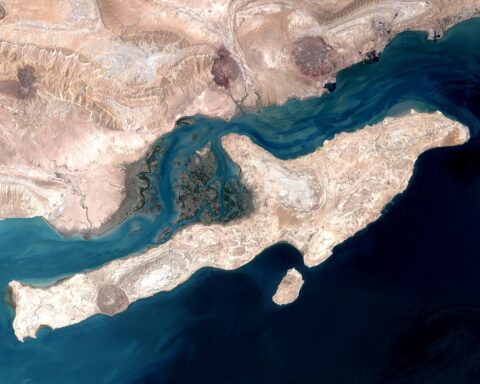
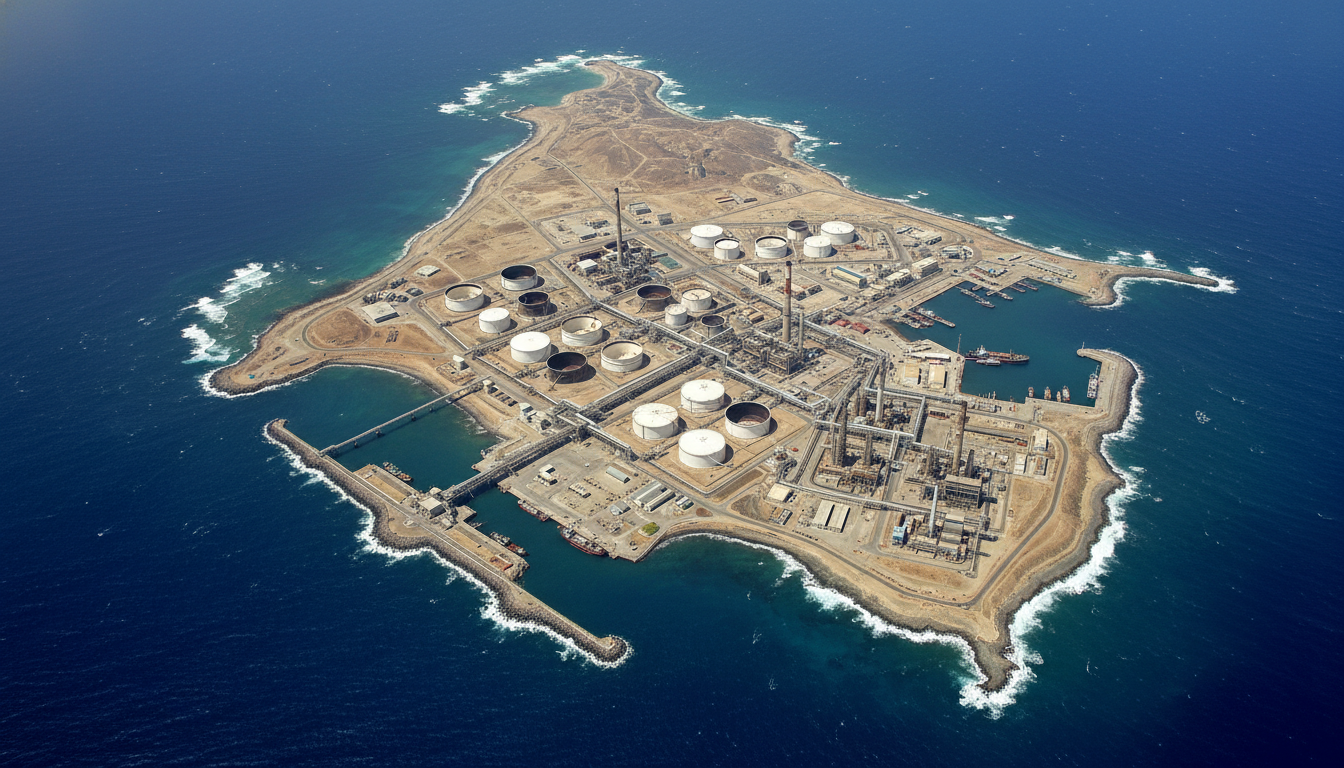
If the order comes on April 6, the map points to one target above all others: Kharg Island. It sits in the northern Persian Gulf, roughly 25 kilometres off Iran’s coast, and handles approximately 90% of Iran’s crude oil exports. Whoever controls Kharg controls Iran’s ability to sell oil, which means whoever controls Kharg controls the only revenue stream keeping the regime in Tehran solvent.
Seizing Kharg doesn’t require marching on Tehran or occupying Iranian cities. The island is small, isolated, and accessible by both airborne and amphibious assault — exactly the kind of target the 82nd Airborne and the 15th MEU train for. Military analysts at the Institute for the Study of War have assessed that holding Kharg would effectively bankrupt the Iranian government within days, cutting off the oil revenue that funds the IRGC, Hezbollah’s remaining operations, and whatever is left of Iran’s conventional military.
The strategic logic is Trump’s own language made operational: “Take the Oil.” Not as a slogan this time, but as a literal military objective. Control Kharg, and the US holds a $100 billion bargaining chip that can be offered back in exchange for the permanent reopening of Hormuz, the dismantlement of the mine fields, and whatever else Washington decides to put on the list. The island becomes leverage that compounds by the day — every 24 hours Iran can’t export crude, the regime gets weaker and the American negotiating position gets stronger.
“Take the Oil.”
President Donald Trump — the phrase that started as a campaign slogan and is now a military objective with 13,000 paratroopers attached to it
How Long Can the Global Economy Survive This?
The urgency behind the 82nd’s deployment isn’t geopolitical. It’s the price at the pump. Since the start of Operation Epic Fury, US gas prices have climbed 41%, with West Coast stations reporting prices approaching $9.50 per gallon. In the Philippines, fuel costs have surged 54%, threatening national strikes and food shortages. The Strait of Hormuz has been closed for thirty-one days, and the global economy is running out of room to absorb the hit.
The numbers that matter aren’t the ones on the battlefield — they’re the ones in the grocery store and on the fuel gauge. The Hormuz closure has already removed roughly 3 million barrels per day from the global market. The Dallas Federal Reserve estimated that prolonged closure puts $3.5 trillion in economic output at risk — 3.15% of global GDP. Market analysts expect that the world economy cannot survive a closed strait for more than another two weeks without triggering a systemic collapse that would make 2008 look contained.
This is why the 82nd is moving with visible aggression rather than quiet preparation. The deployment isn’t just a military signal to Tehran — it’s an economic signal to markets, to allies burning through strategic petroleum reserves, and to an American public that is watching gas prices climb toward double digits. Trump needs the strait open not because of Iran’s navy but because the midterms are in seven months and $10 gasoline will end Republican majorities in both chambers faster than any Iranian missile.
What Happens If Iran Goes Nuclear?
As the 82nd loads its chutes, the rhetoric from Tehran has shifted from defiance to desperation. Iran’s conventional forces are in ruins — the air force grounded, the navy scattered, the air defence network dismantled target by target over thirty-one days of sustained American strikes. What remains is the one capability the US has spent two decades trying to prevent: a nuclear programme that intelligence agencies believe is closer to producing a weapon than at any point in its history.
IRGC hardliners are reportedly pushing for the assembly and testing of a nuclear device as the ultimate deterrent against a ground invasion. Intelligence reports cited by multiple Western outlets indicate that Iran has moved its remaining centrifuges to deep underground facilities to shield them from ongoing airstrikes. The question that hangs over the April 6 deadline is whether a regime facing the loss of its oil revenue, the destruction of its military, and the physical occupation of its most valuable asset would decide that crossing the nuclear threshold is the only card it has left to play.
The 82nd Airborne’s paratroopers don’t get to factor that calculation into their planning. Their mission is the strait and the island. What Tehran decides to do with its centrifuges while American soldiers are in the air is a problem for the National Security Council, the CIA, and the handful of people who sit in the Situation Room when the lights go dim. For the soldiers currently checking their gear at forward operating bases across the Gulf, the calculus is simpler: six days, one objective, and the knowledge that what happens after Sunday will be in the history books one way or another.
FAQ
Why April 6 specifically?
The date marks 48 hours after the expiration of the final UN safe passage window for commercial shipping in the strait. It also aligns with the arrival of the full carrier strike group reinforcements, which gives the 82nd total air cover for any landing operation. Trump extended the original negotiating deadline to this date after envoy Steve Witkoff reported that Iranian intermediaries had shown “willingness to discuss” — but no concrete proposal has materialised. That channel appears to have closed entirely: on April 1, Araghchi publicly denied any negotiations were taking place and pledged six months of Iranian war readiness, eliminating the diplomatic premise on which the deadline was extended.
Will the 82nd Airborne march on Tehran?
No. Current mission parameters for Operation Epic Fury are defined as “coastal denial and infrastructure seizure.” The Pentagon has repeatedly briefed that the objective is control of the oil exits and the strait, not occupation of Iran’s interior. The force package — light infantry and Marines rather than armoured divisions — confirms the scope. This is designed to be measured in weeks, not years.
How has Iran responded to the paratrooper deployment?
The IRGC has repositioned “swarm boat” units and mobile shore-to-ship missile launchers into concealed positions along the Iranian coastline. Iran’s primary air defences have been destroyed, but the IRGC retains thousands of one-way attack drones capable of contesting an amphibious or airborne landing. Iran’s UN ambassador called the deployment “an act of war against a sovereign nation” and demanded an emergency session of the Security Council, which has not been scheduled.
What happens to oil prices if the mission succeeds?
Market analysts surveyed by Bloomberg expect an immediate relief drop of $15 to $20 per barrel the moment the US declares Hormuz secure for commercial transit. However, physical damage to Iranian oil terminals — particularly if fighting occurs on or near Kharg Island — could mean months of supply volatility even after the strait reopens. Goldman Sachs estimated in a March 28 note that full restoration of pre-war Hormuz shipping volumes would take 60 to 90 days under optimistic assumptions.
The 82nd Airborne hasn’t conducted a massed combat jump since World War II. On Sunday, if the deadline passes without a deal, that changes. Thirteen thousand soldiers, six days of preparation, and the most consequential airborne operation in eighty years — all for a twenty-one-mile stretch of water that the world’s economy cannot function without. The soldiers of the 1st Brigade are writing letters home tonight. By this time next week, either the strait is open or the war has entered a phase that nobody in Washington or Tehran can walk back from.