
DHAHRAN — Saudi Aramco earned $18.6 billion in free cash flow last quarter and owes $21.89 billion in dividends on June 9 — a $3.3 billion gap between what the world’s most profitable oil company generated and what it has contractually committed to distribute, the first time since the pandemic borrowing of 2020-2021 that the quarterly payout exceeds the quarterly cash. The dividend, set at SAR 0.3393 per share across 241.9 billion eligible shares, was locked in under a post-2024 framework that commits $87.6 billion annually with a 3.5% growth escalator, a structure designed when Brent traded above $100 and now landing with oil at $91 after a 19% monthly decline — the steepest since COVID.
The shortfall is not a quarterly fluctuation but the first mechanical failure in a fiscal loop Saudi Arabia built over the past decade — Aramco revenue to government and PIF dividends, PIF dividends to Vision 2030 megaproject capital expenditure, megaproject spending to economic diversification — a loop that, on June 9, runs at a visible loss, with PIF liquid cash at a six-year floor of $15 billion and the national borrowing plan already at 90% of its annual capacity before the second quarter has begun. No official statement from Aramco, PIF, or the Ministry of Finance has reconciled the simultaneous pressure points — the coverage shortfall, the depleted sovereign fund reserves, and the borrowing plan consumed in a single quarter — with the public narrative that Saudi fiscal architecture remains sound.
Table of Contents
- What Exactly Does Aramco Owe on June 9?
- The Arithmetic of a Dividend That Exceeds Cash Flow
- Where Does the $21.9 Billion Go?
- Has Aramco Borrowed to Pay Dividends Before?
- Why Is PIF Cash at a Six-Year Low?
- The Double Compression
- Can the NDMC Borrow Its Way Out?
- The Loop That Was Built to End Oil Dependency
- The Breakeven the War Destroyed
What Exactly Does Aramco Owe on June 9?
The precise obligation is SAR 82.08 billion ($21.89 billion), payable across 241,929,365,684 eligible shares at SAR 0.3393 per share, with record date June 1 and disbursement nine days later — a schedule Aramco published on May 10, when Brent still held above $96, and which now arrives in a month that has seen crude drop from its May 4 peak of $114.97 to $91. The per-share figure sits within the post-2024 base dividend framework that commits $87.6 billion annually, with a 3.5% growth escalator that raises the floor regardless of price — replacing the original IPO-era commitment of $75 billion per year, the guarantee that survived COVID, negative WTI, and the deepest demand destruction in a generation.
That $75 billion floor was the price of the December 2019 Tadawul listing, a promise to retail and institutional investors that the Saudi state’s revenue extraction from Aramco would never come at the cost of the shareholder return — a promise that required the company to borrow approximately $14 billion in bonds during 2020 and 2021 when free cash flow fell to $49 billion against the annual commitment. The post-2024 escalation to $87.6 billion did not change the logic of the guarantee but raised the denominator, creating a larger mandatory outflow from a revenue base that Aramco’s management assumed would remain above $100, and which has instead collapsed $23 from peak to trough in three weeks on the same MOU optimism that has failed to produce an actual signature after three months of negotiation.
The Arithmetic of a Dividend That Exceeds Cash Flow
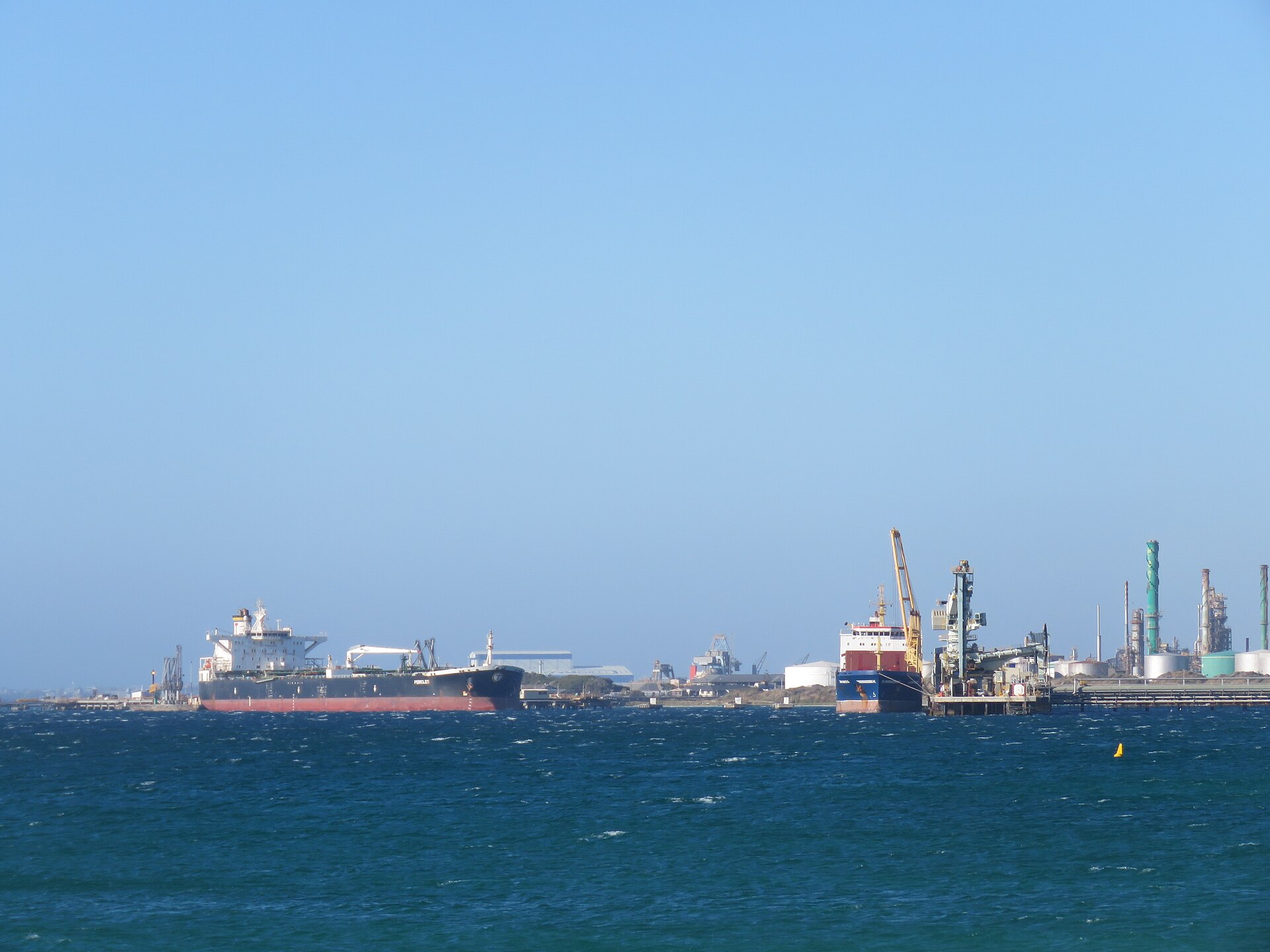
Aramco’s Q1 2026 interim report contains the number that makes June 9 untenable as business-as-usual: free cash flow of $18.6 billion, produced against a quarterly dividend obligation of $21.9 billion, yielding a coverage ratio of 0.85x — meaning Aramco generated eighty-five cents of cash for every dollar it was contractually required to distribute. The $3.3 billion gap was driven primarily by a $15.8 billion working capital build, itself a consequence of the Hormuz disruption to tanker scheduling, collapsing Asian term-contract nominations as Chinese refiners switched to Russian ESPO crude, and the Sinopec drawdown that took Chinese liftings from ten million barrels per month to two million between February and the end of the quarter.
The strain is visible on Aramco’s balance sheet through the gearing ratio, which rose from 3.8% at end-2025 to 4.8% at March 31, 2026 — a level that, while low by international major standards, represents a 26% deterioration in a single quarter for a company whose investment-grade credit narrative rests precisely on minimal debt. That increase reflects the mechanical reality of paying a dividend larger than free cash flow while simultaneously sustaining $12.1 billion in quarterly capital expenditure, spending Aramco has held even as the revenue justifying it has eroded beneath the commitment. Annualized, the arithmetic compounds: at $91 Brent, Aramco’s estimated full-year free cash flow falls to approximately $74 billion against the $87.6 billion base commitment — a structural gap of $13.6 billion that cannot close without either a sustained price recovery above $100 or a return to the pandemic-era borrowing playbook CFO Ziad Al-Murshed has spent two years insisting was not about dividends at all.
The Middle East briefing 3,000+ readers start their day with.
One email. Every weekday morning. Free.
Where Does the $21.9 Billion Go?
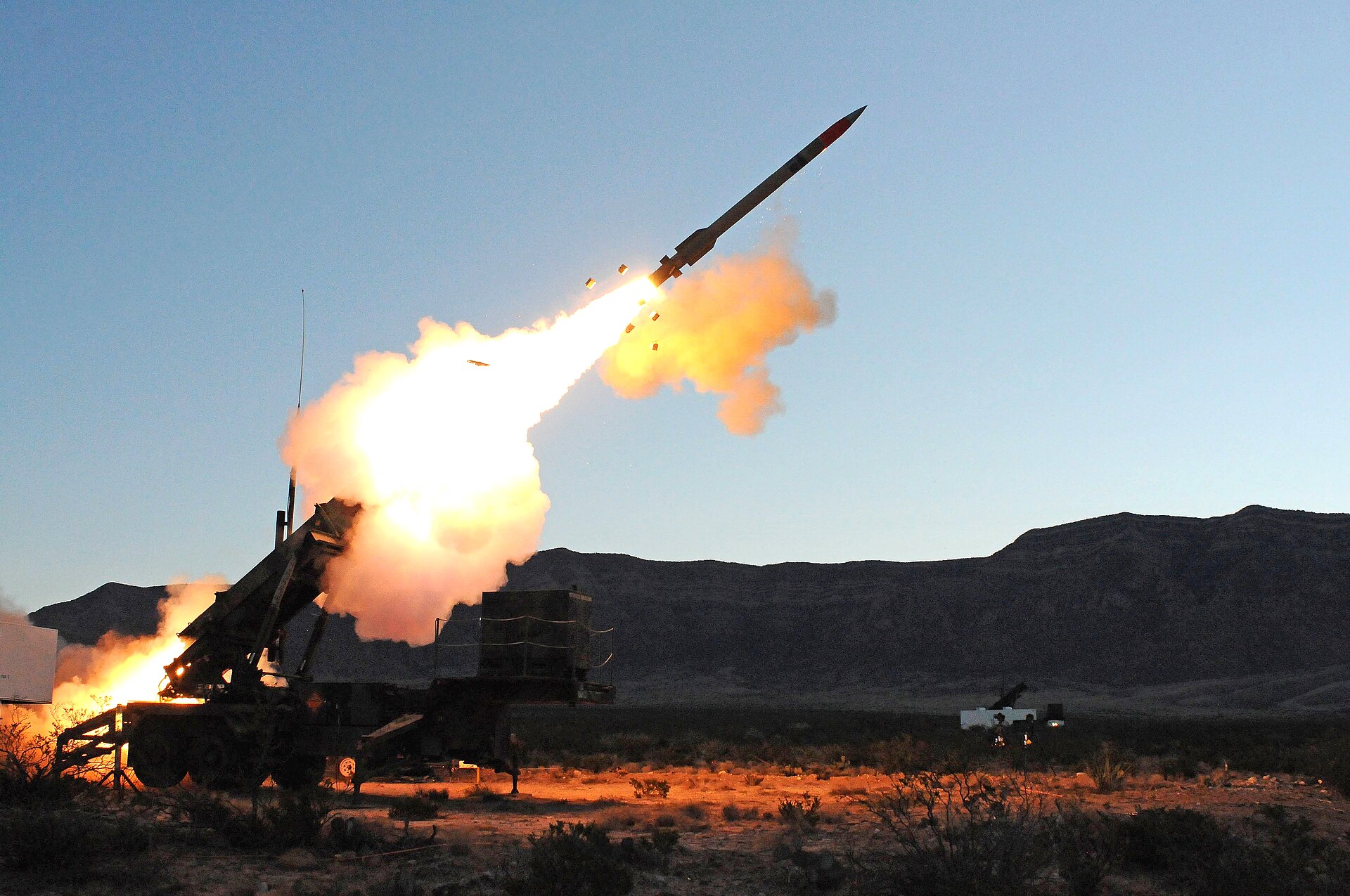
The distribution follows Saudi Arabia’s ownership structure, which splits Aramco equity three ways and sends each tranche into a fiscal channel under its own pressure. The Saudi government holds approximately 81.5% of Aramco directly through the Ministry of Finance, collecting roughly $17.8 billion from the June 9 payment — revenue that arrives in a quarter where government spending hit SAR 387 billion ($103.2 billion), up 20% year-on-year, driven by a military budget of SAR 64.7 billion that rose 26% from Q1 2025’s SAR 51.4 billion as the Iran war consumed PAC-3 interceptors at a rate requiring 2,400 rounds through Saudi and Kuwaiti launchers in 38 days. PIF, which raised its stake to approximately 16% after the government transferred 8% of Aramco equity to the fund in 2024, receives about $3.5 billion — an inflow that lands at a fund whose liquid cash has fallen to $15 billion, its lowest since 2020, representing 1.6% of $930 billion in assets under management.
| Shareholder | Approximate Stake | Estimated Q2 Payout | Fiscal Context |
|---|---|---|---|
| Ministry of Finance (direct) | ~81.5% | ~$17.8B | Q1 spending up 20% YoY; military up 26% |
| Public Investment Fund | ~16% | ~$3.5B | Liquid cash at six-year low ($15B) |
| Public shareholders (free float) | ~2.5% | ~$550M | IPO guarantee structure still operative |
| Total | 100% | $21.89B | Q1 FCF coverage ratio: 0.85x |
The $550 million flowing to public shareholders — the 2.5% free float created by the 2019 IPO and subsequent secondary offering — is the smallest slice but the one that binds the entire structure, because the base dividend commitment exists as a contractual obligation to those investors, not as a discretionary state policy. Aramco cannot selectively reduce the government or PIF payout without reducing the public payout, and reducing the public payout triggers the repricing risk that the Tadawul listing was designed to prevent. The June 9 payment is not optional in any direction.
Has Aramco Borrowed to Pay Dividends Before?
The answer is yes, and the precedent is the closest thing Aramco’s balance sheet has to a stress-test template. When COVID drove free cash flow to $49 billion in 2020 against a $75 billion annual commitment, Aramco issued approximately $8 billion in bonds that year and another $6 billion in 2021, maintaining the payout while adding the only substantial debt the company had carried since its corporatization. The borrowing was framed not as dividend financing but as capital structure optimization — a distinction CFO Al-Murshed maintained through the most recent public discussion of Aramco’s debt strategy.
It’s nothing to do with the dividend, it is optimizing our capital structure so that we end up with a lower weighted average cost of capital.
Ziad Al-Murshed, Aramco CFO, Bloomberg, November 24, 2024
The 2026 situation is structurally worse than the COVID stress test in two respects that compound rather than offset. The dividend floor is $12.6 billion higher annually ($87.6 billion versus $75 billion), and the growth escalator means the commitment climbs every year regardless of the price environment — a ratchet that did not exist during the pandemic, when the $75 billion was a fixed ceiling as well as a floor. And the revenue destruction this time is not a demand shock that recovered within quarters but a supply-route disruption — the Hormuz closure, the PGSA toll system that charges $2 million per transit for Saudi crude, and the collapse in Asian nominations — compounded by a price decline driven by diplomatic optimism about an MOU that remains unsigned after three months. COVID oil demand recovered in eighteen months; Saudi Arabia’s access to its primary export route through the Strait has not recovered in three.
Why Is PIF Cash at a Six-Year Low?
The Public Investment Fund entered 2026 with approximately $15 billion in liquid cash against $930 billion in assets under management — a 1.6% cash-to-asset ratio that is the product of four pressures no one in Riyadh has publicly reconciled. PIF’s 2026-2030 strategy cut capital expenditure plans by roughly 15% on top of a 20% reduction announced in December 2024, shrinking the infrastructure spending envelope by approximately one-third from its mid-2024 peak — a retreat visible in the NEOM terminations that now exceed $8.45 billion in cancelled contracts, including the EUR 1.4 billion Connector high-speed rail link with Webuild and the EUR 2.8 billion Trojena ski-resort dam. Total construction commitments across the Vision 2030 portfolio have fallen from $71 billion to $30 billion, a $41 billion contraction that reflects not project deferrals but the evaporation of the revenue assumptions that underwrote them. PIF’s 2026-2030 strategy formalized the retreat by reclassifying NEOM as a standalone pillar — separating its write-downs from the fund’s other domestic portfolios.
In May 2026, PIF raised $7 billion in bonds — its largest-ever single issuance, generating a $23.8 billion order book across three, seven, and thirty-year tranches — in the same month its cash hit the six-year floor, a sequence that transforms the bond from a strategic financing instrument into an emergency liquidity measure however Riyadh chooses to describe it. The fund that was designed to deploy sovereign oil wealth into a post-oil economy is borrowing at scale to maintain cash reserves while the quarterly Aramco dividend that feeds it arrives at a coverage ratio below one. PIF Governor Yasir Al-Rumayyan told an April 15 conference that “no projects have been cancelled” — a statement contradicted by the Webuild terminations that followed within weeks, by the $8 billion PIF writedown on The Line (whose construction has reached 2.4 kilometers of its planned 170), and by the population target revision from 1.5 million residents to fewer than 300,000.

The Double Compression
Saudi Arabia is caught in a fiscal pincer that no amount of borrowing resolves on its own: the wartime Hormuz disruption has destroyed its export logistics, while the diplomatic optimism about ending that same war has cratered the price of the crude it cannot fully ship. Brent shed $24 in three weeks, driven by market expectations that a US-Iran MOU would reopen the Strait, release 800,000 barrels per day of sanctioned Iranian supply under Goldman Sachs’ Daan Struyven return model, and collapse the war premium that had held crude above $100 for most of the spring. Saudi Arabia absorbs both the wartime supply penalty and peace-priced revenue simultaneously, because markets have already priced in a deal that has not been signed while the Strait remains functionally closed. The escalation deepened on June 1, when CENTCOM struck Iranian drone facilities at Goruk and Qeshm Island inside the same diplomatic window — adding fresh war-premium pressure to a Brent already 17 percent below Saudi’s fiscal breakeven. On the same morning of that strike, Iran allowed the MV KSL XINYANG — the first inbound commercial vessel since February — through Hormuz while the IRGC simultaneously struck Ali Al-Salem Air Base in Kuwait: a compression of dual-track leverage that arrived eight days before the June 9 payment, analysed in Iran Opened Hormuz for Iraq and Bombed Kuwait for America on the Same Morning. Later that same morning, Iran suspended MOU talks and declared Bab al-Mandab a resistance front, threatening the Yanbu bypass that carries 70–75% of Saudi Arabia’s Red Sea export capacity — closing the escape route Riyadh had spent three months quietly opening.
The AGSI — the Arab Gulf States Institute in Washington, the closest thing the Gulf monarchies have to an independent fiscal monitor — published a finding before the May collapse that reads as a clinical description of what $91 oil means for the dividend architecture. The assessment predated the price slide, the Q1 interim results, and the PGSA toll system — and it was already a warning.
Aramco is unlikely to be able to sustain its current dividend payout absent a strong rebound in oil revenue.
AGSI, 2025
That assessment was written when Brent averaged above $80; the rebound AGSI described as necessary has moved in the opposite direction, and the June 9 payment lands in the trough. Goldman Sachs projects a Saudi deficit of 6.6% of GDP for 2026, a total fiscal shortfall of $80-90 billion that dwarfs the NDMC’s original SAR 165 billion deficit assumption. Bernstein, writing in February before the May collapse had even begun, estimated that Aramco payouts would drop roughly 30% from 2024 levels, “creating a potential $40 billion gap for Saudi state finances” — a projection that has already materialized: FY2025 total dividends fell to $85.5 billion from $124.3 billion in FY2024, a 31% decline that exhausted the variable performance-linked component entirely, leaving only the $87.6 billion base floor that cannot follow it down.
Can the NDMC Borrow Its Way Out?
The National Debt Management Centre published its 2026 Annual Borrowing Plan targeting SAR 217 billion ($57.8 billion) in gross funding — SAR 165 billion for the projected deficit plus SAR 52 billion for maturing obligations — and secured approximately 90% of that capacity before the fiscal year was three months old. The January sovereign bond alone raised $11.5 billion across four tranches, generating a $31 billion order book at 2.7x oversubscription, demonstrating that international appetite for Saudi paper remains intact at current spread levels. The problem is not demand for Saudi debt but the arithmetic underneath it: the Q1 deficit of SAR 125.7 billion consumed 76% of the full-year SAR 165 billion target in 90 days, and the plan was calibrated before Brent fell from $114 to $91, before the Hormuz disruption severed Aramco’s access to its primary export route, and before Goldman revised the full-year shortfall to $80-90 billion — a figure the original borrowing plan was never designed to absorb.
The residual borrowing capacity — roughly $5.8 billion that had not been drawn by end of Q1 — must now absorb a deficit Goldman projects at more than three times what the NDMC planned for, leaving Saudi Arabia with three paths for the second half of 2026, none of them costless. It can draw down reserves in a pattern that echoes the 2015-2016 oil crash, when the Kingdom burned through $145 billion in foreign reserves over 18 months. It can issue additional sovereign debt beyond the NDMC framework, which would require revising the borrowing plan and conceding publicly that the fiscal position has deteriorated beyond what the original assumptions anticipated. Or it can direct Aramco to borrow on the state’s behalf, as it did during COVID — laundering sovereign fiscal stress through a corporate balance sheet that still carries an investment-grade rating precisely because it has avoided doing so at scale since 2021.
The Loop That Was Built to End Oil Dependency
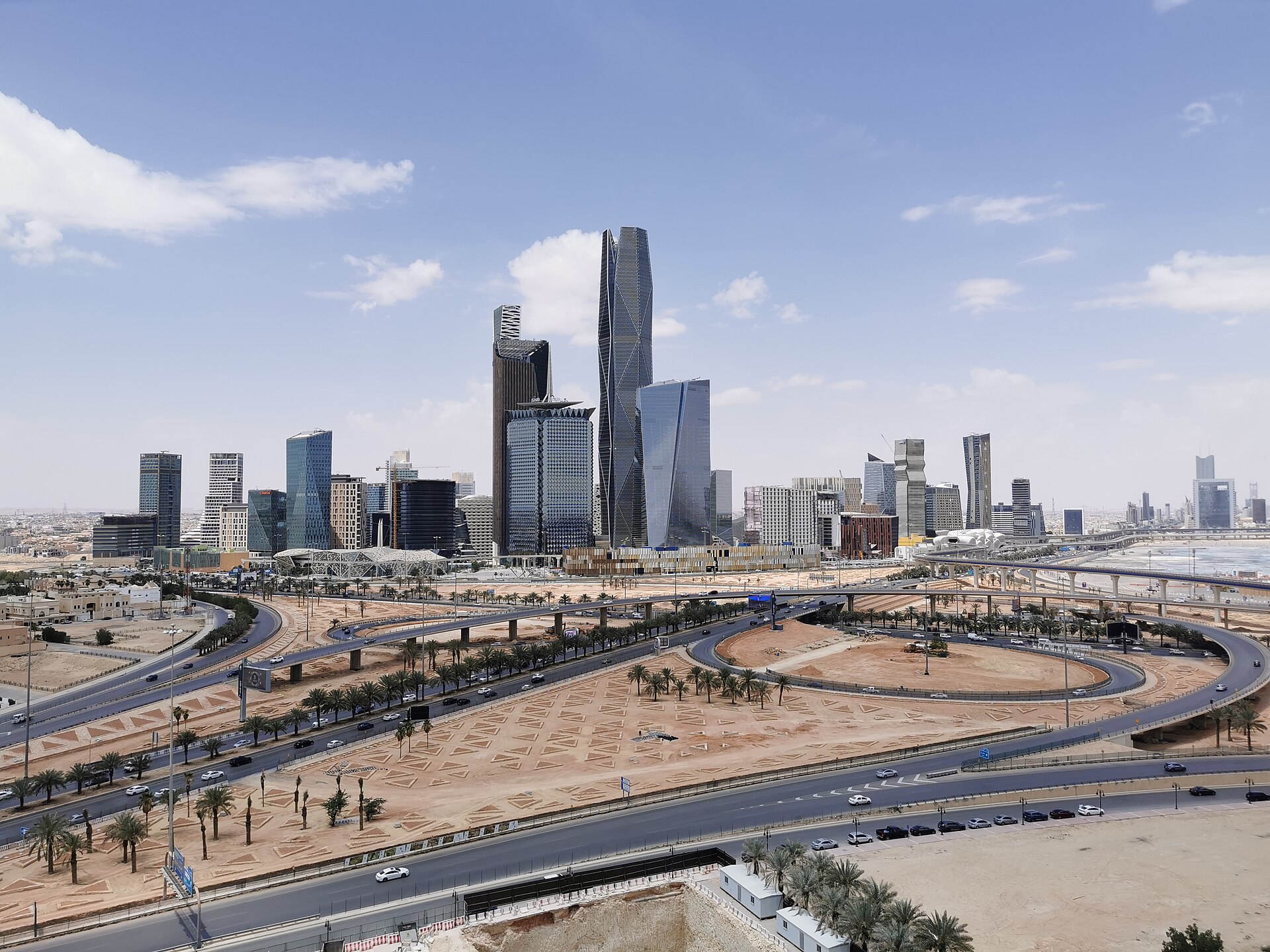
The fiscal architecture Saudi Arabia constructed over the past decade follows a single circuit: Aramco produces and exports crude, pays royalties and income taxes to the Ministry of Finance to fund civil service salaries, military operations, and subsidies, and distributes quarterly dividends — approximately $71.4 billion per year to the government directly, $14 billion to PIF, and $2.2 billion to public shareholders at full-year base rates. PIF then deploys its share alongside bond proceeds into Vision 2030 megaprojects — NEOM, the Red Sea tourism corridor, HUMAIN’s AI compute infrastructure, the Expo 2030 facilities, the FIFA 2034 stadiums — projects meant to build an economic base that does not depend on crude exports. The design was self-liquidating: oil revenue today funds the non-oil economy of tomorrow, and the dividend commitment ensures PIF receives predictable cash flow to execute the transition.
June 9 exposes the circularity in that design. PIF’s $3.5 billion quarterly Aramco inflow arrives at a fund with $15 billion in liquid cash, fixed-date commitments that cannot be deferred — Expo 2030 and FIFA 2034 carry contractual infrastructure milestones imposed by the Bureau International des Expositions and FIFA years before the events — and a portfolio of megaprojects whose construction budget has already been cut to $30 billion from $71 billion at mid-2024 peak. The 8% equity transfer from the government to PIF in 2024, which AGSI observed “helps the Public Investment Fund, hurts the Saudi government budget,” made the dividend stream a larger share of PIF’s income while simultaneously reducing the government’s direct take — a trade-off that assumed stable or rising oil prices would keep both sides whole, and which at $91 Brent leaves neither side whole. The June 9 date on which the dividend landed alongside Iran’s formal rejection of the Trump MOU — two simultaneous fiscal and diplomatic cliffs converging on a single calendar date — is examined in Trump Said Next Week. June 9 Said Otherwise.
The Breakeven the War Destroyed
Saudi Arabia’s fiscal breakeven is not a single number but a stack of progressively honest estimates, each adding a layer of obligation that Riyadh would prefer investors not aggregate. The IMF’s standalone budget breakeven of $86.60 per barrel captures only central government operations and ignores PIF expenditure; Brent at $91 still clears that floor by $4.40, which is the number Saudi officials prefer to cite. Bloomberg Economics’ consolidated breakeven of $94, which includes government-related entities, was breached when Brent closed at $91.37 on May 29 — the first sustained close below that threshold since the Iran war began in February. The AGSI and Goldman Sachs PIF-inclusive estimate of $108-111, which accounts for PIF’s capital deployment and the full scope of Vision 2030 spending, has been underwater since mid-May, with the gap widening to $17-20 per barrel at current prices.
The urgency behind any US-Iran deal is partly explained by Washingtonâs own reserve depletion: the administration has drawn 58 million barrels from the Strategic Petroleum Reserve since February, accelerating its timeline toward a Phase 1 Hormuz agreement — the same agreement that would remove the war premium holding Brent above Riyadhâs breakeven.
The war did not create Saudi Arabia’s fiscal fragility — the decision to commit $87.6 billion annually in base dividends while simultaneously funding a sovereign wealth fund’s trillion-dollar construction ambitions did that — but the war destroyed the price environment in which those commitments could coexist without visible strain. Brent peaked at $114.97 on May 4, when the Hormuz disruption was tightening supply and the PGSA toll system was in its first week of operations. Three weeks of MOU optimism later, the Strait remains functionally closed — zero routine commercial transits, the toll still operative, the OFAC SDN designation still in force — but the market has priced in a reopening that has not occurred. Saudi Arabia is paying wartime costs at peacetime prices, and June 9 is the first date that contradiction becomes a line item rather than a projection.
The September quarterly payment will require approximately the same $21.9 billion from a company whose annualized free cash flow at $91 Brent covers less than 85 cents of every dollar committed, and the 3.5% escalator will compound the base again in 2027 regardless of what happens to Hormuz, the MOU, or the price of crude. PIF will receive its $3.5 billion — less than half of what it borrowed in May to keep its reserves above the floor. The fund built to end Saudi Arabia’s oil dependency is now borrowing at twice the rate of its oil-derived income, from a company that earns less than it distributes, at a price the war was supposed to prevent and the peace has failed to restore.
Frequently Asked Questions
What is Aramco’s cash position heading into the June 9 payment?
Aramco reported $75.2 billion in cash and cash equivalents at the end of Q1 2026. The $21.89 billion June 9 disbursement will reduce that to approximately $53.3 billion before Q2 operating inflows, placing Aramco below the cash level it held at end-2018. AGSI tracked the longer trajectory — from $135 billion in liquid assets at end-2022 to $74 billion by mid-2024 — and warned that holdings would “fall below their level at the end of 2018 during 2025 if dividends are maintained at their 2024 level, suggesting 2025 will be the last year the higher dividend can be paid in the absence of higher oil prices, asset sales, or debt issuance.” The June 9 outflow pushes that timeline forward by at least a fiscal year.
Could Aramco reduce or defer the base dividend?
The $87.6 billion base dividend floor carries a 3.5% contractual growth escalator — the variable performance-linked component was eliminated entirely after FY2025, leaving only this inviolable floor. That means the 2027 annual commitment rises to approximately $90.7 billion regardless of price. Any formal reduction would require Aramco board and government approval and would likely trigger a repricing of the Tadawul-listed equity, which still trades on the assumption that the base is inviolable — a risk Saudi Arabia has not been willing to take even during the COVID crash, when it chose $14 billion in bonds over a $1 reduction in the per-share payout.
How does the NDMC plan to bridge the gap between planned and actual borrowing needs?
The NDMC’s 2026 framework targets private-market instruments — sukuk placements, bilateral loans, and private credit facilities — for up to 50% of its SAR 217 billion gross funding plan, a ratio designed to reduce exposure to public international bond-market volatility. The NDMC stated that “The Kingdom aims to maintain debt sustainability, diversify funding sources” in the borrowing plan’s introductory framework — language drafted before Q1 spending overran projections by the widest margin in the Kingdom’s modern fiscal history. The January $11.5 billion sovereign bond consumed a substantial share of the public-market allocation in a single transaction, leaving the private-market channel as the primary untested mechanism for absorbing a deficit the original plan was not built to cover.
How does the Hormuz disruption compound the dividend pressure?
Iran’s PGSA toll system charges $2 million per transit for Saudi crude through the Strait, compressing Aramco’s export revenue from the demand side while the dividend obligation remains fixed from the supply side. RBC Capital Markets’ Helima Croft observed on CNBC on May 5 that “companies are still saying it is not safe to traverse the Strait of Hormuz” — a statement that predated the Strait’s decline to zero routine commercial transits by late May. Each day without a signed US-Iran MOU widens the spread between what Aramco can ship and what it owes to shareholders, making the June 9 payout a function not just of oil price but of physical access to market — a constraint that did not exist during the COVID precedent, when Aramco could ship freely at any price.
What fixed-date commitments limit PIF’s ability to redirect the dividend inflow?
Expo 2030 (Riyadh) and FIFA 2034 (multi-city) are sovereign-hosted events with contractual deadlines that PIF cannot defer, delay, or cancel without international consequences and reputational damage to the Crown Prince’s signature agenda. The Bureau International des Expositions and FIFA impose binding infrastructure milestones years before each event, and those milestones consume a growing share of PIF’s remaining $30 billion construction envelope. The discretionary portion of Vision 2030 capex — the projects that can absorb cuts without triggering host-agreement violations — has shrunk faster than the headline reduction suggests, because the fixed commitments are the last items that can be cancelled and therefore consume an increasing proportion of what remains.
The June 9 dividend payment does not arrive in isolation: the OPEC+ ministerial on June 7 precedes it by 72 hours, and as documented in what the June 7 OPEC+ meeting will and will not deliver, no production decision available to the cartel can close the $14/bbl gap between Brent spot and the $108–$111 breakeven before the dividend obligation falls due on Monday.
The IMF’s 2026 Article IV concluding statement, published June 3, formally ties Saudi GDP recovery to Hormuz normalisation — the IMF’s formal verdict on Saudi fiscal vulnerability makes explicit what the dividend arithmetic implies: the Kingdom’s recovery baseline requires an adversary-held strait to reopen on schedule.