
RIYADH — Saudi Arabia’s thirty-year investment in GCC cohesion — the scaffolding behind the Islamabad Quadrilateral, the F-35 deal, and the kingdom’s wartime posture toward Washington — is fracturing in public. The UAE skipped the March 29 Islamabad summit. That absence was the visible edge of a rupture Saudi officials labelled “highly dangerous” three months before the first Iranian missile struck GCC territory.
The absence was not incidental. Saudi Arabia, Turkey, Egypt, and Pakistan formed a four-nation committee at Islamabad to mediate US-Iran talks — the most concrete diplomatic architecture assembled since the war began on February 28. The UAE was not in the room, and no public explanation was offered.
The two monarchies have disagreed before — over OPEC+ quotas in 2021, over Yemen strategy since 2019, over Riyadh’s aggressive campaign to poach corporate headquarters from Dubai. But those disputes stayed behind closed doors. What changed is that Saudi jets bombed a UAE-linked weapons shipment at Mukalla port on December 30, 2025, and Riyadh’s foreign ministry publicly declared Saudi security a “red line” that it would defend with “all necessary measures.” One Gulf capital threatened military force against assets backed by another Gulf capital. That is new.
The question facing Riyadh is not whether the relationship can be repaired — it probably can, eventually, as the Qatar blockade was resolved after three years. The question is whether Saudi Arabia can sustain a wartime coalition, a diplomatic offensive, and a credible deterrent posture while its most capable Gulf partner operates on a different strategic logic. The answer, five weeks into the Iran war, is that Riyadh is discovering the limits of a strategy built on unity it no longer controls.
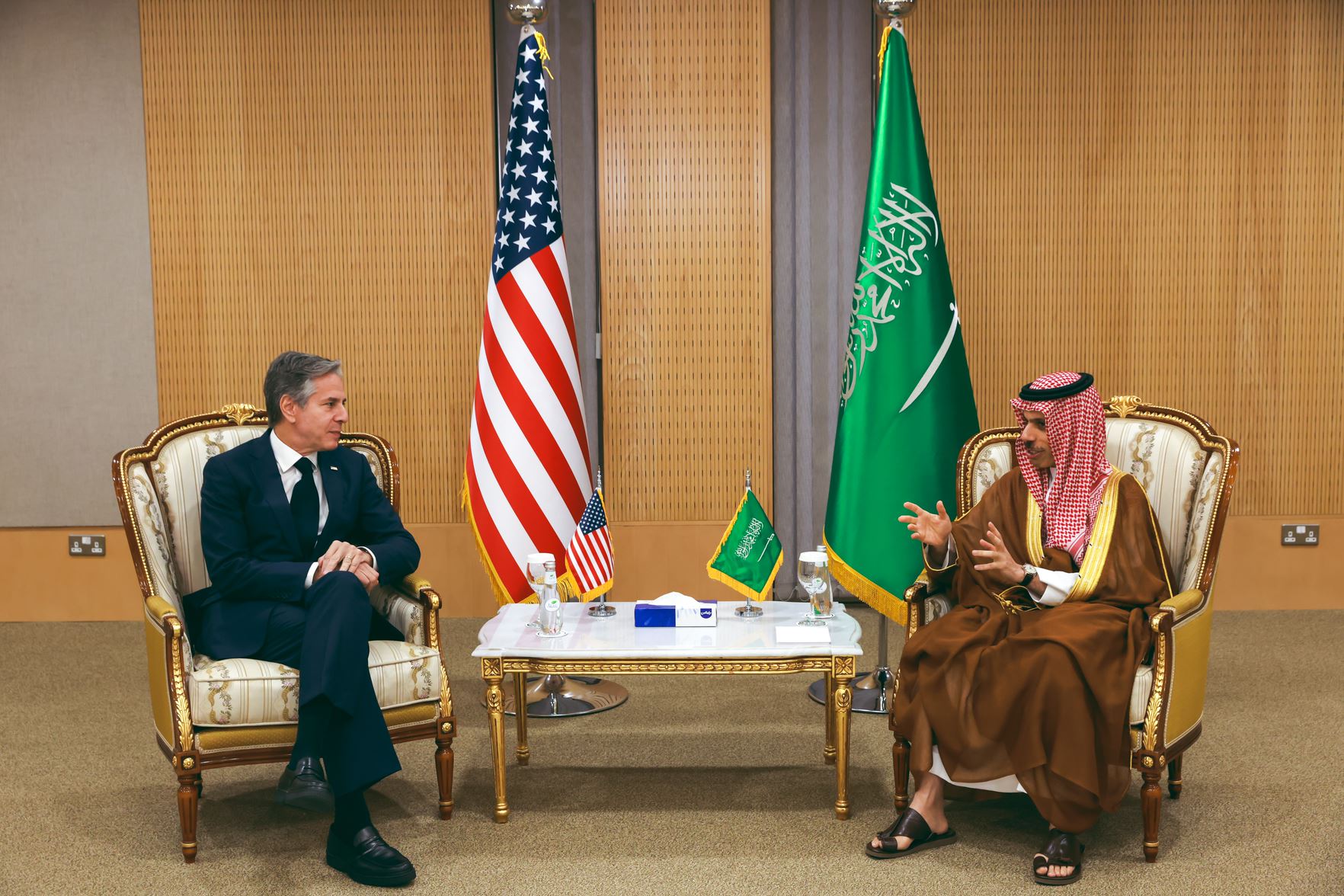
Table of Contents
- Yemen: Where the Fracture Became Kinetic
- Why Did the Saudi-UAE Rift Surface Before the Iran War?
- The Islamabad Absence
- What Does the UAE Actually Want?
- How Exposed Is the UAE to Iranian Retaliation?
- The Hormuz Divergence
- How Will Iran and the Houthis Exploit the Gap?
- The GCC’s Institutional Failure
- The F-35 and the Price of Coalition
- Frequently Asked Questions
Yemen: Where the Fracture Became Kinetic
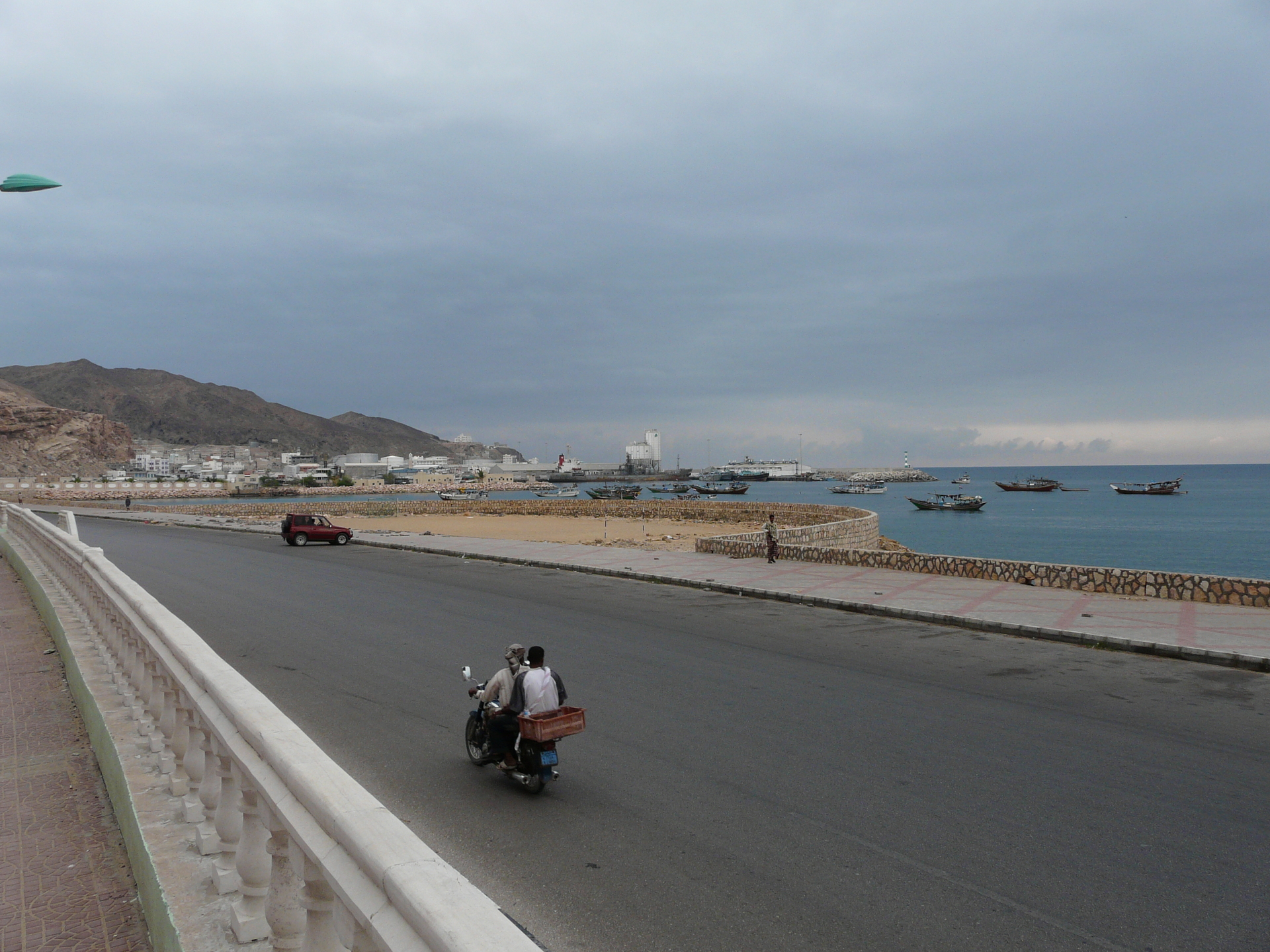
The December 30 Saudi airstrike on Mukalla port did not come from nowhere. In early December 2025, UAE-backed Southern Transitional Council forces had seized Hadramawt province, Mahra, and the entire southern Yemeni coastline — oil fields and port infrastructure included — along the Saudi border. Riyadh watched a proxy militia aligned with Abu Dhabi take control of territory that Saudi Arabia had spent years and billions trying to stabilize under the internationally recognized Yemeni government.
The STC’s sweep gave Abu Dhabi effective control of the Arabian Sea approaches and positions around Bab al-Mandab. Maher Abu al-Majd, an Istanbul-based Yemeni journalist, described the Saudi reaction in strategic terms: the kingdom felt “boxed in strategically, particularly in relation to Jeddah, the Red Sea, and Saudi Arabia’s maritime security.” For a country that had just begun routing its oil exports through the Red Sea via Yanbu to bypass Hormuz vulnerability, having a rival’s proxy control the southern chokepoint was not a minor irritation.
The Middle East briefing 3,000+ readers start their day with.
One email. Every weekday morning. Free.
Saudi Arabia’s response was sequential and escalatory. The Mukalla airstrike destroyed a UAE-linked weapons shipment. The foreign ministry statement used language — “highly dangerous,” “red line,” “all necessary measures” — that Gulf states typically reserve for Iran, not each other. When STC leader Aidarous al-Zubaidi fled Yemen on January 7, 2026, Saudi Arabia alleged the UAE smuggled him out to prevent his falling into Saudi custody. The STC announced its dissolution two days later, on January 9.
That dissolution was a concession, but not a resolution. The forces the STC had built, the positions they held, the port infrastructure they controlled — none of that dissolved with the organization’s name. Saudi Arabia deployed National Shield Forces to Aden, Hadramawt, and al-Mahrah, effectively replacing UAE-backed units with Saudi-backed ones. The two countries were now occupying overlapping territory in a country they had ostensibly entered together in 2015.
Why Did the Saudi-UAE Rift Surface Before the Iran War?
The split became public because UAE-backed forces seized the entire southern Yemeni coastline in early December 2025, crossing a threshold Riyadh could not absorb quietly. Saudi jets struck a UAE-linked weapons shipment at Mukalla on December 30 — an acknowledgment that diplomatic management had failed.
The timeline matters because the rift predates the Iran war by two months. By the time Iranian missiles began striking GCC targets on February 28, 2026, the Saudi-UAE relationship was already damaged in ways that limited wartime coordination. CNN reported on January 5, 2026 that MBS had lobbied Washington to impose sanctions on Abu Dhabi. Saudi officials denied the report. The denial did not undo the damage: Abu Dhabi’s national security establishment now had reason to question whether Riyadh would use American leverage against a fellow GCC member.
Layered beneath Yemen was the Somaliland question. On December 26, 2025, Israel formally recognized Somaliland — a move reportedly facilitated by UAE diplomacy. The UAE had invested $440 million in Somaliland’s Berbera Port and begun accepting Somaliland passports while blocking Somali passport holders from new UAE visas. Saudi security circles viewed this as Abu Dhabi normalizing the redrawing of recognized borders in the Horn of Africa. Tsega’ab Amare, writing for the Horn Review, characterized the pattern as an “Axis of Secessionists” strategy — empowering fragmented entities to bypass centralized governments, mirroring UAE support for the STC in Yemen and the RSF in Sudan.
The structural divergence runs deeper than any single episode. Saudi Vision 2030 requires regional stability and foreign direct investment. The UAE’s economic model depends on being a neutral global business hub — a position that requires maintaining relationships with all sides, including Iran. These models, as analysts at the Soufan Center and CSIS have observed, are mutually exclusive under wartime conditions. One demands coalition discipline. The other demands optionality.
The Islamabad Absence
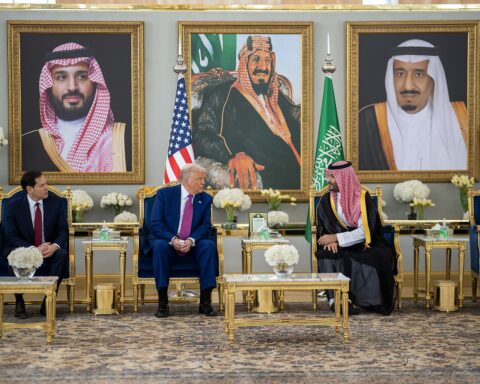
On March 29, 2026, Saudi Arabia, Turkey, Egypt, and Pakistan convened in Islamabad and established a “Committee of Four senior officials” tasked with working out modalities for US-Iran talks. The meeting was the most concrete diplomatic architecture MBS had assembled since the war began — a framework designed to position Riyadh as the indispensable mediator between Washington and Tehran, with enough regional weight to make the offer credible.
The UAE was not there. No public explanation was offered. The absence was consistent with Abu Dhabi’s posture since the war began: participating in joint statements of condemnation — MBS and MBZ issued one early in the conflict declaring Iranian attacks on the GCC “a dangerous escalation that threatens the region’s security and stability” — while avoiding the binding commitments that would constrain future maneuver.
For Riyadh, the Islamabad Quadrilateral was more than a peace initiative. It was the diplomatic complement to the military architecture MBS had been building — the coalition assembled at Jeddah and Islamabad, the F-35 acquisition, the major non-NATO ally designation. GCC unity was the force-multiplier that gave these components coherence. Four nations condemning Iran carries a different weight than six Gulf monarchies plus four regional powers presenting a unified front. The UAE’s empty chair at Islamabad subtracted more than one country’s diplomatic weight; it subtracted the appearance of Gulf consensus.
David Des Roches, a defense and strategic expert, assessed the dynamic from Washington’s perspective: the split is viewed as “internal Arabian Peninsula business” rather than a core U.S. interest. That framing is itself a problem for Riyadh. MBS had spent the war’s first month arguing that Gulf security and American security were inseparable — the basis for the F-35 deal, the non-NATO ally status, the entire rewriting of the US-Gulf bargain. A GCC that cannot agree on a common diplomatic position makes that argument harder to sustain in Congress.
The fragility of that argument sharpened hours later, when an airstrike in northern Tehran left Kamal Kharazi — the former foreign minister coordinating Iran’s back-channel to Washington through Pakistan — gravely wounded. The targeting of Iran’s diplomatic class in the April 1 Kharazi strike removed the Iranian official who Riyadh had privately counted on to eventually convert back-channel contacts into a framework the Islamabad Quadrilateral could endorse — the same day the Quadrilateral’s logic was already collapsing in Araghchi’s Al Jazeera interview.
What Does the UAE Actually Want?
Abu Dhabi wants to preserve its position as the Gulf’s premier commercial hub and maintain the diplomatic flexibility to resume trade with Iran after the war ends. Before February 28, UAE-Iran non-oil trade reached a record $29.1 billion annually, with the UAE facilitating nearly one-third of Iran’s total foreign purchases.
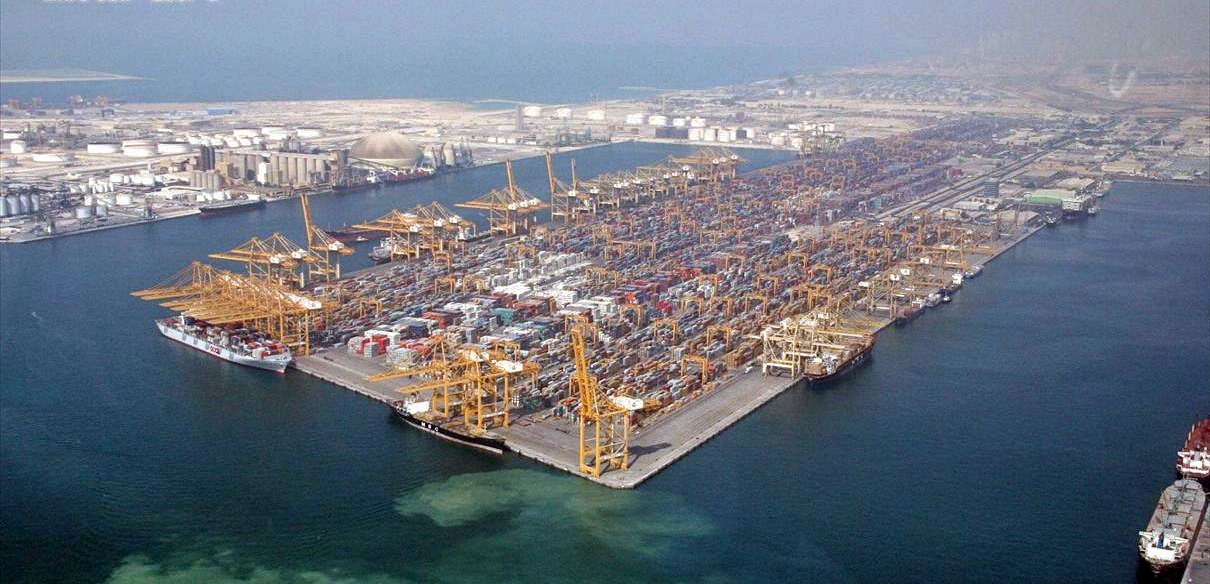
That trade has now stopped. Since February 28, no container ships have crossed from Emirati ports to Iran, according to Kpler analyst Rebecca Gerdes. Iran has directed more than 1,400 attacks on UAE territory — 400 missiles, approximately 2,000 drones — killing 4 civilians and wounding 114. Jebel Ali, which handled an average of $530 million per day in non-oil trade, has halted operations following Iranian strikes.
| Metric | Pre-War Figure | Wartime Status (as of April 1, 2026) |
|---|---|---|
| UAE-Iran non-oil trade (annual) | $29.1 billion | Halted — zero container crossings |
| UAE share of Iran’s imports | $21.9 billion (~33% of Iran total) | Suspended |
| Jebel Ali daily non-oil trade | $530 million/day | Operations halted |
| Iranian attacks on UAE since Feb 28 | N/A | ~1,400 (400 missiles, ~2,000 drones) |
| UAE civilian casualties | N/A | 4 killed, 114 wounded |
The numbers reveal a paradox at the center of Abu Dhabi’s position. The UAE is absorbing Iranian attacks, losing hundreds of millions in daily trade revenue, and watching its port infrastructure degrade — and yet it will not commit to the multilateral diplomatic framework Riyadh is building. Bijan Khajehpour of Eurasian Nexus Partners captured the pre-war scale: “In the past few years, trade between the UAE and Iran was significant…Obviously, we are now in uncharted waters.” Dalga Khatinoglu, an economic analyst, was blunter: “No country can realistically replace the UAE’s role in trade with Iran.”
This is the leverage Abu Dhabi is protecting. When the war ends — and wars end — someone will need to be Iran’s gateway back into global commerce. The UAE intends to be that gateway again. Committing to a Saudi-led mediation framework, with its implicit alignment against Tehran, would compromise that future position. Justin Alexander of Khalij Economics noted that the trade loss would “hurt Dubai but is more damaging for Iran…It doesn’t really have any clear alternatives.” Abu Dhabi knows this. The post-war commercial relationship is the asset it is preserving by withholding full coalition participation now.
How Exposed Is the UAE to Iranian Retaliation?
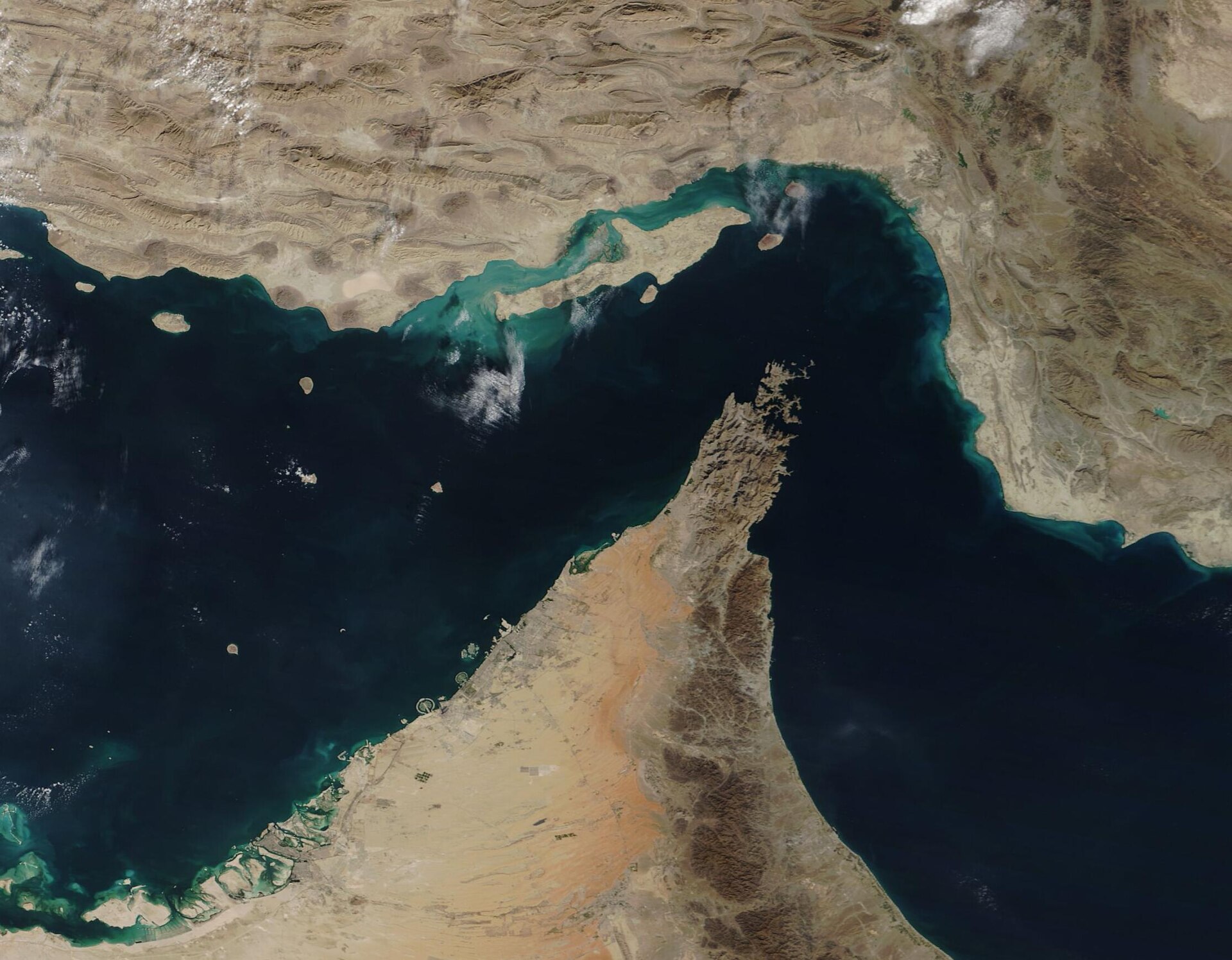
The UAE is structurally more vulnerable than Saudi Arabia. Riyadh routes crude through the East-West Pipeline to Yanbu, bypassing Hormuz. The UAE’s ADCOP pipeline provides a partial crude bypass to Fujairah, but refined products from Ruwais and the entire Jebel Ali re-export trade still depend on Hormuz transit.
Across the GCC, Iranian restrictions on Hormuz have removed approximately 10 million barrels per day from normal production flows — roughly 10 percent of global supply. But the burden is not evenly distributed. Saudi Arabia’s Yanbu route, while operating at capacity constraints, provides a functioning alternative. The UAE has no equivalent bypass for its refined product exports or its massive re-export trade, which depends on functioning ports accessible through the Strait.
| Factor | Saudi Arabia | UAE |
|---|---|---|
| Primary crude export bypass | East-West Pipeline to Yanbu (Red Sea) | ADCOP Pipeline to Fujairah (partial) |
| Refined product Hormuz dependency | Low — limited refining exposure | High — Ruwais complex output transits Hormuz |
| Port disruption | Yanbu operational | Jebel Ali halted ($530M/day lost) |
| Pre-war Iran trade exposure | Minimal direct trade | $29.1 billion annually |
| Missile/drone attacks absorbed | Multiple (air defense intercepts) | ~1,400 attacks; 4 killed, 114 wounded |
The asymmetry creates a perverse incentive structure. The UAE is paying a higher economic price for a war it did not choose, while Saudi Arabia — which has positioned itself as the coalition leader — has better insulated its core revenue streams. Abu Dhabi’s reluctance to subordinate its diplomatic posture to Riyadh’s framework becomes more comprehensible in this light, even if it compounds the coalition’s problems.
The Hormuz Divergence
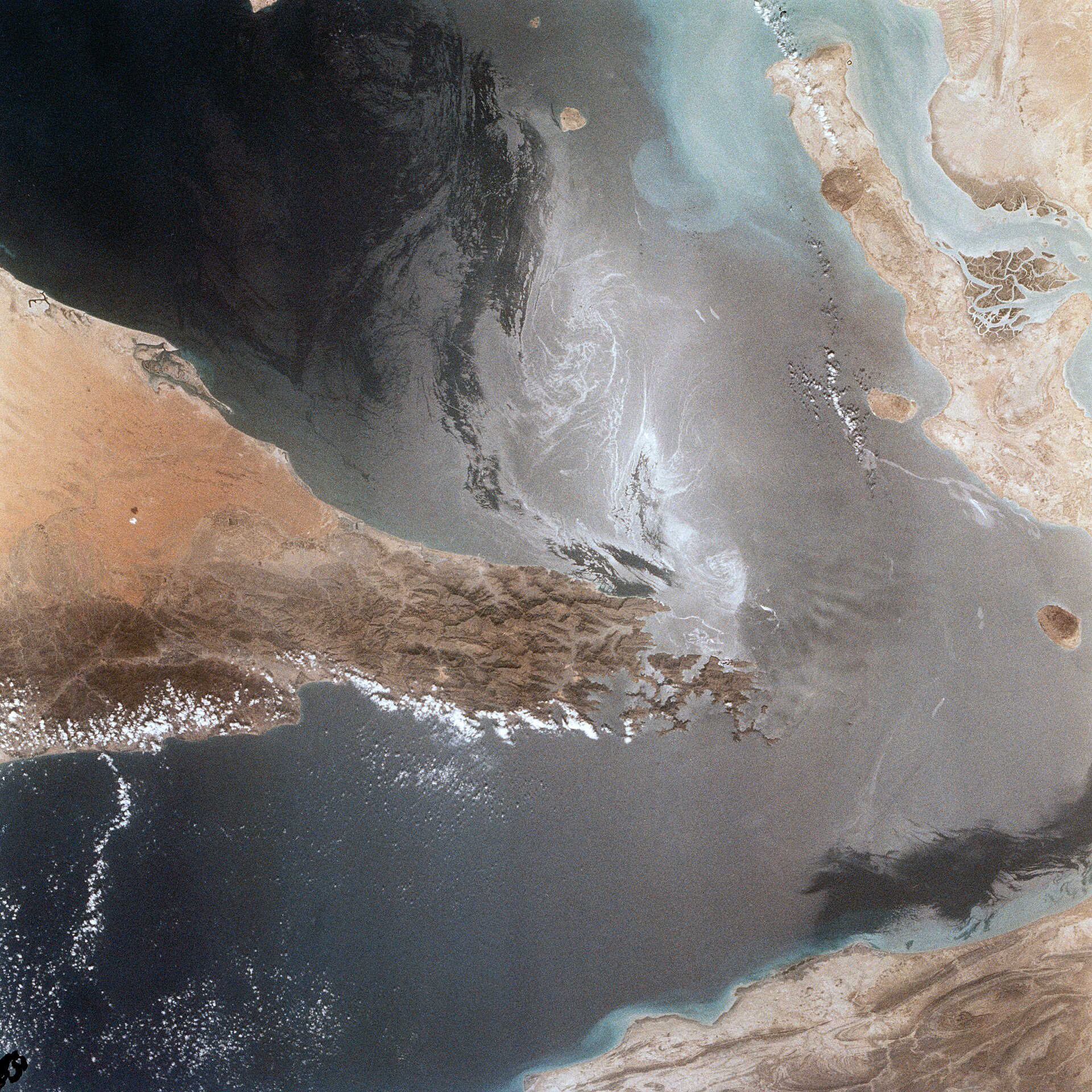
The Strait of Hormuz has always been the Gulf’s shared vulnerability. Iran’s ability to threaten transit through the waterway was the original reason the GCC was established in 1981, during the Iran-Iraq War — a fact that Hesham Alghannam of the Carnegie Endowment has noted with pointed relevance. Forty-five years later, the same threat is exposing the same fault lines, except that Saudi Arabia and the UAE now have divergent abilities to mitigate it.
Saudi Arabia’s East-West Pipeline carries crude from the Eastern Province to Yanbu, providing a functioning — if capacity-constrained — alternative to Hormuz. The pipeline was built in the 1980s precisely for this contingency. That it is now operational during an active Iranian campaign to restrict Hormuz traffic vindicates four decades of Saudi infrastructure planning.
The UAE’s ADCOP pipeline, completed in 2012, carries crude from Abu Dhabi’s Habshan field to Fujairah, south of Hormuz. It provides a partial bypass for crude exports. But the UAE’s economic model is not primarily about crude. Dubai’s re-export trade, Abu Dhabi’s downstream refining at Ruwais, the logistics infrastructure that made Jebel Ali the Middle East’s largest port — all of this depends on maritime access through or near the Strait. Iran does not need to close Hormuz completely to cripple the UAE’s commercial model. It needs only to make insurance premiums, shipping schedules, and port operations unreliable. Five weeks into the war, it has achieved that.
The divergence in vulnerability maps onto the divergence in wartime posture. Saudi Arabia can sustain a prolonged confrontation with Iran while maintaining oil revenue. The UAE cannot sustain one without accepting structural damage to the commercial hub model that defines its economy. This is not a difference of opinion between MBS and MBZ. It is a difference of geography and infrastructure that makes the two countries’ rational wartime strategies incompatible.
How Will Iran and the Houthis Exploit the Gap?
Iran does not need an overt Saudi-UAE break — only the appearance of disunity. PressTV framed the war on March 26 as triggering a “review of GCC countries’ investment pledges to Washington,” casting Gulf states as reluctant American proxies. The Houthis entered the war around March 29-30, facing less coordinated opposition than at any point since 2015.
Any division between Saudi Arabia and the UAE directly benefits the Houthis. While their opponents are fragmented, the Houthis remain unified and disciplined.
David Des Roches, defense and strategic expert — Jerusalem Post
Gulf International Forum analysts have stated the strategic logic plainly: “Iranian leaders likely believe there is value for them in fracturing the GCC, in the same way that Iran has sought to exploit differences in interests and values between the United States and its other traditional partners and allies.” The mechanism is not covert. Iran’s regional strategy has always depended on identifying seams between opposing states and inserting proxies, media campaigns, and economic incentives into those gaps.
The Houthis are the most immediate vector. Analysts at the Soufan Center have observed that the coalition architecture that once united Gulf powers against Iranian proxies is now divided, “leaving the Houthis facing less coordinated pressure than at any point since their Red Sea campaign began.” The Houthi movement had already “gleefully covered every detail” of the STC’s collapse in January as evidence that the Saudi-UAE-backed order in Yemen had failed. The war gives them both Iranian material support and a propaganda narrative in which Gulf unity is a fiction.
For Iran, the gap between Riyadh and Abu Dhabi offers something more durable than a tactical advantage. If the UAE positions itself as a future commercial bridge to Tehran — the neutral party that kept channels open — Iran gains a mechanism to circumvent whatever post-war sanctions or containment regime Saudi Arabia and the United States attempt to construct. The war will end. The question of who rebuilds the Iran trade corridor will shape the Gulf’s balance of power for a decade after it does.
The GCC’s Institutional Failure
The Gulf Cooperation Council was established in 1981 to address precisely the scenario now unfolding: an Iranian military threat to Gulf Arab states that none of them could manage alone. Hesham Alghannam of the Carnegie Endowment has warned that without structural reform, the GCC risks “sliding into irrelevance” — tested by its most severe crisis in the same security frame that justified its creation.
The institution’s record does not inspire confidence. The 2017 Qatar blockade — imposed by Saudi Arabia, the UAE, Bahrain, and Egypt — required over three years and Kuwaiti and U.S. mediation to resolve. Qatar emerged, as Carnegie analysts noted, “less reliant than ever” on fellow Gulf states. The blockade did not strengthen GCC cohesion. It demonstrated that member states would weaponize the institution against each other when interests diverged.
Michael Ratney, former U.S. Ambassador to Saudi Arabia, has assessed the current rift in that context: it may be “more profound than the GCC rupture with Qatar in 2017.” The Qatar dispute was about regional alignment — Doha’s relationship with Turkey and the Muslim Brotherhood, its tolerance of Al Jazeera’s editorial line. The Saudi-UAE fracture is about territorial control, military assets, and competing visions of the post-war regional order. Divisions of this kind, Ratney warned, create “own-goals — opportunities for Iran to exploit.”
Bader Al Saif, a Kuwaiti political scientist, has argued that “only collective action among the GCC states is likely to get them out of this dilemma.” The statement reads as prescription. As description, the GCC’s current trajectory points the other direction: a Saudi-led war effort that Turkey, Egypt, and Pakistan are supporting more visibly than the UAE — a member of the very institution designed for this contingency.
The MBS-MBZ personal relationship, once described by Western diplomats as a mentorship — MBZ, 64, and MBS, 40, were called the “MBS-MBZ axis” — has, as CSIS analysts have documented, “degenerated in recent years into something more like a rivalry.” The UAE sees itself “20 years ahead” and resents Saudi competition via Riyadh Air, the 2021 regional headquarters decree that compelled multinationals to relocate from Dubai to Riyadh, and the aggressive campaign for Western investment that Vision 2030 demands.
The OPEC+ dispute of 2021 offered a preview. The UAE refused to extend Saudi-led production cut agreements, demanding its quota baseline be raised from 3.2 million barrels per day to 3.8 million. A compromise at 3.65 million was reached, but a comprehensive quota review was postponed to 2027 over UAE objections. That dispute was about market share. The current fracture is about whether the two countries share a common threat assessment — and, if so, whether they are willing to subordinate individual advantage to a collective response.
The F-35 and the Price of Coalition
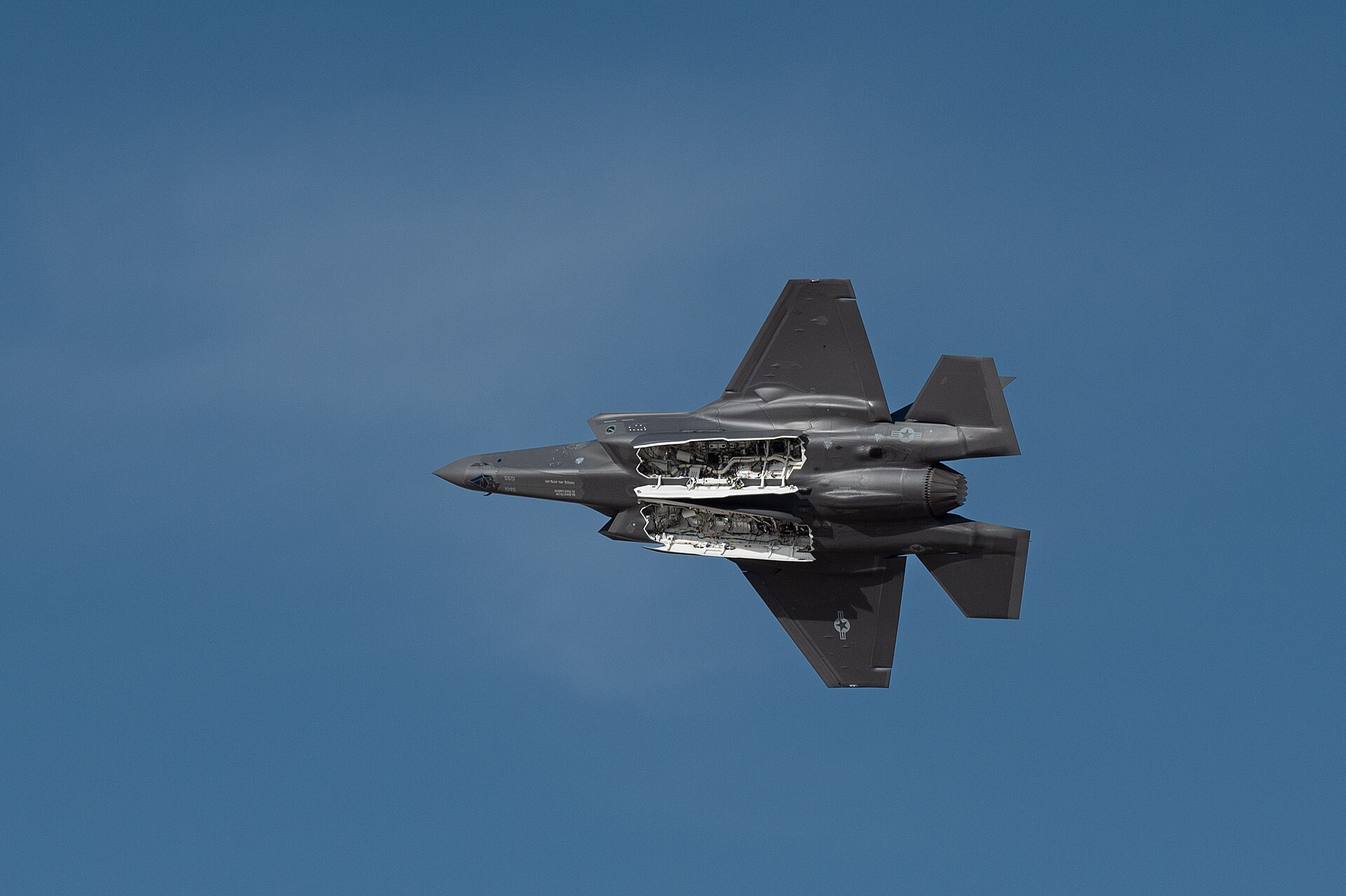
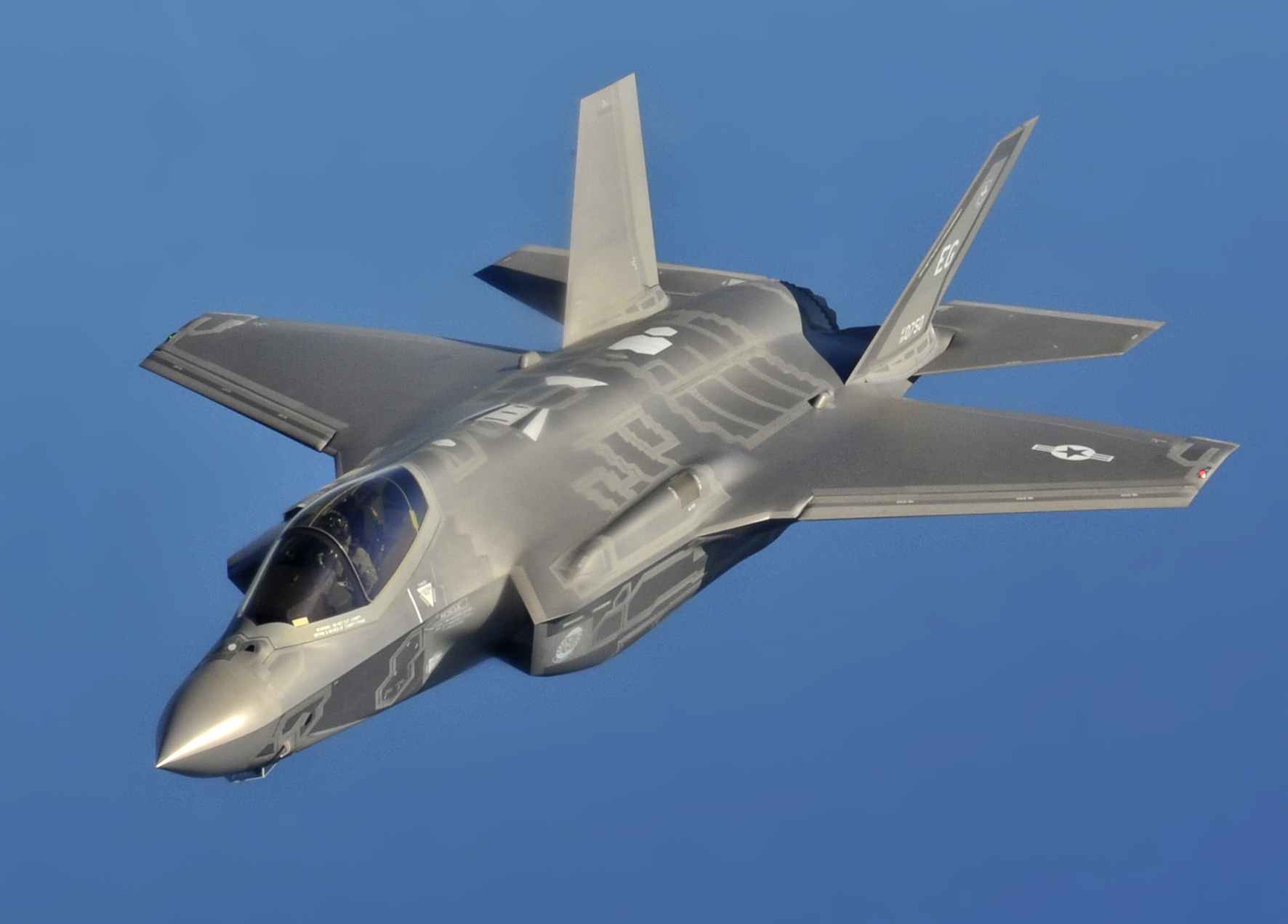
On approximately March 28, 2026, the Trump administration approved the sale of 48 F-35A fighters to Saudi Arabia — a $5.7 billion deal embedded in a $142 billion arms arrangement, with delivery not expected until 2029. Saudi Arabia simultaneously received designation as a major non-NATO ally. The F-35 acquisition was the military capstone of the wartime relationship MBS had been constructing with Washington: a signal that the United States viewed Saudi Arabia as a permanent strategic partner in the Gulf, not a transactional oil supplier.
The deal’s logic depended, in part, on the premise that Saudi Arabia spoke for a coalition. The Islamabad Quadrilateral, the GCC joint statements, the diplomatic positioning that framed Riyadh as both war leader and peace broker — all of this made the F-35 sale politically viable in Washington. A kingdom that leads a fractured coalition is a less compelling recipient of America’s most advanced fighter aircraft than one that commands genuine Gulf consensus.
The delivery timeline — 2029 — means the F-35s will not affect the current war. Their value is deterrent and diplomatic: a marker of long-term American commitment. But deterrence depends on the credibility of the alliance it backs. If the GCC cannot present a unified front during the war that justified the sale, the F-35s become an expensive symbol of a bilateral relationship rather than a multilateral security architecture. Congress approved the sale on the understanding that Saudi Arabia was anchoring regional defense. The UAE’s absence from Islamabad complicates that narrative.
Riyadh’s dilemma is that the military tools it is acquiring cannot substitute for the diplomatic cohesion it is losing. Forty-eight F-35s, delivered in three years, do not replace the immediate strategic value of a GCC that functions as a bloc. Iran does not need to defeat Saudi air defenses — as analysts have observed, it is trying to exhaust them — and a divided Gulf makes the exhaustion strategy more viable, because the burden of interception, logistics, and political coordination falls on fewer shoulders.
Frequently Asked Questions
Has Saudi Arabia or the UAE formally withdrawn from the GCC?
Neither country has withdrawn from the GCC or threatened to do so. The institution continues to function at a bureaucratic level, and MBS and MBZ issued a joint statement early in the Iran war condemning Iranian attacks. The fracture is operational and strategic rather than institutional — Abu Dhabi participates in declarations but has avoided binding commitments to Saudi-led diplomatic frameworks, including the Islamabad Quadrilateral. The GCC’s 1981 founding charter contains no mechanism for expulsion, and both states retain an interest in the institution’s symbolic value even as they diverge on substance.
What role did the 2021 OPEC+ dispute play in the current fracture?
The 2021 OPEC+ disagreement — in which the UAE demanded its production quota baseline be raised from 3.2 to 3.8 million barrels per day — was a commercial dispute that exposed a deeper structural problem: the UAE’s unwillingness to accept Saudi leadership as a default condition of Gulf cooperation. The compromise at 3.65 million barrels per day papered over the disagreement, but the comprehensive quota review was pushed to 2027 over UAE objections. The pattern — Abu Dhabi demanding recognition of its distinct interests rather than deferring to Riyadh — is the same one now visible in Yemen, at Islamabad, and in the divergent wartime economic postures of the two countries.
Could the UAE re-enter the Saudi-led coalition framework?
Re-entry is possible but would require concessions from both sides. Abu Dhabi would need assurances that its commercial interests — particularly the post-war reconstruction of the Iran trade corridor — would not be sacrificed to Saudi diplomatic objectives. Riyadh would need visible UAE participation in multilateral frameworks, not just joint statements. The 2017-2021 Qatar blockade took over three years and U.S. and Kuwaiti mediation to resolve, and that dispute did not involve one GCC member bombing another’s proxy forces. The Mukalla airstrike of December 30, 2025, created a precedent that will take longer to walk back than a diplomatic communique can achieve.
How does the fracture affect Houthi operations in the Red Sea?
The Saudi-UAE split removes coordinated pressure on the Houthis at a time when they have entered the broader Iran war, launching operations from approximately March 29-30, 2026. The coalition that conducted Operation Decisive Storm in 2015 depended on Saudi air power and funding combined with UAE ground forces and intelligence networks in southern Yemen. With UAE-backed forces now replaced by Saudi National Shield units in Aden and Hadramawt, and with no shared command structure operating against the Houthis, the movement faces what Soufan Center analysts describe as “less coordinated pressure than at any point since their Red Sea campaign began.” The Houthis’ unity and discipline — which David Des Roches contrasted with the fragmented opposition — is a direct tactical advantage derived from their opponents’ political division.
What is the UAE’s “Axis of Secessionists” strategy?
The term, coined by Horn Review writer Tsega’ab Amare, describes a pattern in which the UAE empowers sub-state and secessionist entities to create leverage over centralized governments. In Yemen, this took the form of the Southern Transitional Council, which controlled southern territory until its dissolution in January 2026. In the Horn of Africa, the UAE invested $440 million in Somaliland’s Berbera Port and facilitated Israel’s recognition of Somaliland in December 2025 — a move Riyadh views as endorsing the redrawing of internationally recognized borders. In Sudan, Saudi security circles have linked the pattern to UAE support for the Rapid Support Forces. The strategy allows Abu Dhabi to project influence without deploying conventional military forces, but it directly conflicts with Saudi Arabia’s preference for dealing with recognized sovereign governments.