
Saudi Arabia is one of the easiest destinations in the world for halal-conscious travellers. Every restaurant, street stall, supermarket and hotel kitchen in the Kingdom serves exclusively halal food — there is no pork, no alcohol in cooking, and all meat is slaughtered according to Islamic law. Whether you are visiting for the first time as part of a wider Saudi Arabia travel itinerary or arriving on pilgrimage, you can eat with complete confidence from day one. This guide covers the dishes you should not miss, the regional specialties worth travelling for, dining etiquette that will earn you respect, and the practical details — from Ramadan rules to food costs — that make eating in Saudi Arabia a genuine highlight of any trip.
Best Time to Visit: October to March (cooler weather, peak dining season; Ramadan offers unique iftar experiences)
Getting There: Direct flights to Riyadh (RUH), Jeddah (JED), and Dammam (DMM) from most international hubs
Visa Required: Yes — tourist e-visa available for 63 nationalities
Budget: SAR 50–150/day ($13–$40) for food; fine dining SAR 300+ ($80+)
Must-Try: Kabsa, mandi, Arabic coffee with dates
Avoid: Assuming all restaurants close during prayer times — many now stay open, though service pauses briefly
Everything Is Halal — What That Means in Practice
Saudi Arabia operates under Sharia law, and the Saudi Food and Drug Authority (SFDA) enforces strict halal compliance across the entire food supply chain. This means:
- All meat — beef, lamb, chicken, goat, camel — is slaughtered according to Islamic rites. There is no non-halal option anywhere in the country.
- Pork is completely absent. You will not find bacon, ham, pepperoni, or pork-derived gelatine in any product sold in Saudi Arabia. Imported goods containing pork byproducts are rejected at customs.
- Alcohol is prohibited. No restaurant, bar, hotel, or shop sells alcohol. Cooking with wine or beer-based marinades does not occur. Non-alcoholic beer and mocktails are widely available.
- International chains comply fully. McDonald’s, KFC, Starbucks, Pizza Hut, and every other global franchise operating in Saudi Arabia uses halal-certified ingredients. Pepperoni pizza is made with beef pepperoni; gelato uses plant-based stabilisers.
- Shawarma wraps — SAR 5–15 ($1.30–$4). Chicken or beef, garlic sauce, pickles, fries tucked inside. The best shawarma spots often have a queue.
- Mutabbaq — SAR 10–20. Folded, fried stuffed bread. Get the meat version with egg. Jeddah’s Al Balad and Riyadh’s Souk Al-Thumairi are the best spots.
- Falafel sandwiches — SAR 3–8. Crispy chickpea fritters in flatbread with tahini, pickles, and salad.
- Fresh juices — SAR 5–15. Mango, pomegranate, avocado, sugarcane. Juice bars are on every commercial street.
- Samboosa — SAR 1–3 each. Fried triangular pastries with spiced meat or cheese. Especially abundant during Ramadan.
- Daytime: Eat in your hotel room. Many hotels maintain discreet daytime dining areas for non-fasting guests. Food delivery apps (HungerStation, Jahez, Careem) operate throughout the day.
- Iftar (sunset): The fast-breaking meal is a major social and culinary event. Restaurants open at sunset, and many offer special iftar menus. Non-Muslim visitors are warmly welcome at public iftar gatherings — joining one is a memorable cultural experience.
- Suhoor (pre-dawn): The meal before the fast begins. Restaurants stay open until 2–3 AM during Ramadan, and suhoor dining is a social occasion. Traditional suhoor dishes include foul medames, eggs, cheese, flatbread, and dates.
- Vegetarian and vegan: Traditional Saudi cuisine is meat-centric, but vegetarian options exist — foul medames, hummus, falafel, fattoush, tabbouleh, and vine leaves are widely available. Indian and Lebanese restaurants (abundant in every Saudi city) offer extensive vegetarian menus. Fully vegan restaurants are emerging in Riyadh and Jeddah, though they remain uncommon.
- Gluten-free: Rice-based dishes (kabsa, mandi) are naturally gluten-free. However, cross-contamination is possible at casual restaurants. Higher-end restaurants and hotels are increasingly gluten-aware.
- Nut allergies: Many Saudi dishes contain almonds, pine nuts, or cashews as garnish. Always ask — the Arabic phrase is “hal yujad mukassarat?” (are there nuts?).
- Dairy-free: Ghee (clarified butter) and yoghurt are used extensively. Specify your needs clearly, especially with jareesh and saleeg, which contain dairy.
- Panda — the largest Saudi chain, found everywhere
- Tamimi Markets — upscale, with imported goods and organic sections
- Danube — mid-range with excellent fresh produce
- Carrefour — familiar to European visitors, well-stocked hypermarkets
- LuLu Hypermarket — popular with the South Asian community, excellent spice and ingredient selection
- Everything is halal — no need to check or ask at any restaurant.
- Eat with your right hand in traditional settings.
- Accept Arabic coffee and dates when offered — it is a gesture of hospitality.
- Carry cash for street food stalls.
- During Ramadan, eat privately during daylight hours.
- Download HungerStation or Jahez (Saudi food delivery apps) — they work in every city.
- Water is safe to drink from bottles; tap water is desalinated and safe but tastes flat.
- Most restaurants have family sections (mixed-gender) and singles sections (traditionally men-only), though this distinction is fading in major cities since 2019 reforms.
- Ensure you have a valid Saudi tourist visa before planning your trip.
- Saudi Arabia Food Guide — Traditional dishes, restaurant recommendations, and dining tips across the Kingdom
- Saudi Kabsa Guide — Everything about the national dish and where to eat the best version
- Mandi in Saudi Arabia — Best mandi restaurants city by city
- Saudi Coffee Culture — From traditional qahwa to third-wave specialty cafes
- Saudi Dates Guide — Best varieties, where to buy, and how to gift them
- Saudi Arabian Breakfast — What to eat and where every morning
- Saudi Arabia Travel Guide 2026 — The complete guide to visiting the Kingdom
- Saudi Arabia Visa Guide — Every visa type explained
For Muslim travellers, this removes a layer of anxiety that exists in almost every other travel destination. For non-Muslim visitors, the practical impact is minimal — the food is excellent, and the only real adjustment is the absence of alcohol.
The Dishes You Must Try
Saudi cuisine draws on Bedouin traditions, ancient spice routes, and the cooking of the Hejaz, Najd, and Eastern Province. These are the dishes that define the Kingdom’s table — and the ones you will find on virtually every restaurant menu. For a deeper dive into the full culinary landscape, see our Saudi Arabia food guide.
Kabsa — The National Dish
Kabsa is Saudi Arabia’s signature dish: aromatic basmati rice cooked in a spiced broth of tomato, onion, cardamom, cloves, cinnamon, black lime (loomi), and bay leaf, topped with roasted or braised meat — typically chicken, lamb, or goat. The rice absorbs the meat juices during cooking, turning golden and deeply fragrant. It is garnished with fried raisins, toasted almonds, and caramelized onions, and served on a large communal platter.
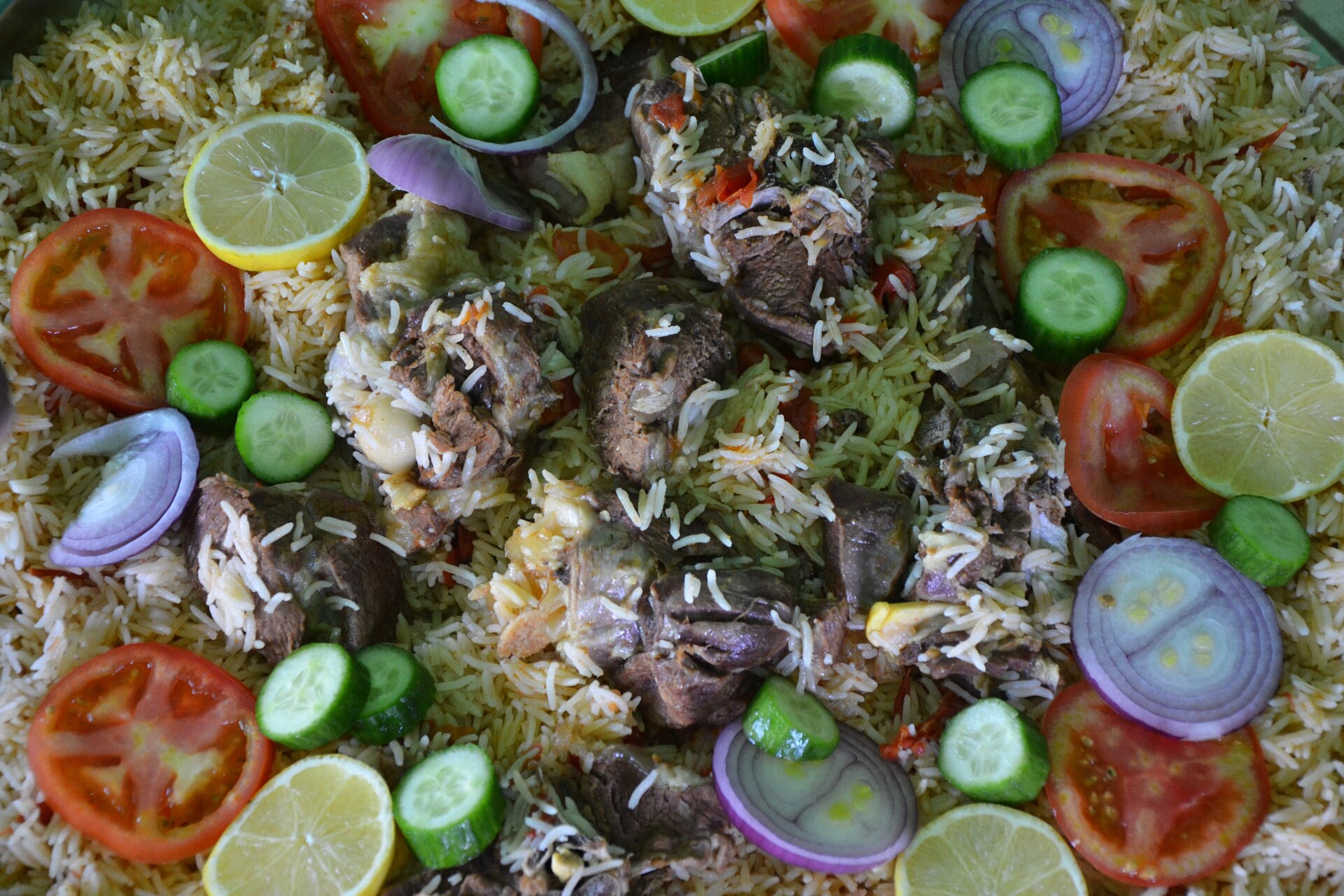
Every region has its own variant. In Riyadh, kabsa tends to be drier and more heavily spiced; in Jeddah, the Hejazi version is often lighter. The best restaurants for authentic kabsa include Al Romansiah (a beloved chain across Saudi Arabia with consistently good quality), Najd Village in Riyadh for a traditional Najdi setting, and Shawaya House for a modern take. Read our full kabsa guide for city-by-city restaurant recommendations.
Mandi — Smoky, Slow-Cooked Perfection
Mandi originated in the Hadhramaut region of Yemen but has been thoroughly adopted across Saudi Arabia, particularly in Jeddah, Mecca, and the southern Hejaz. What sets mandi apart from kabsa is the cooking method: the meat (usually a whole lamb leg or chicken) is slow-cooked in an underground pit oven called a tandoor or taboon, giving it a distinctive smoky flavour and fall-off-the-bone tenderness. The rice is cooked separately in the meat’s broth.
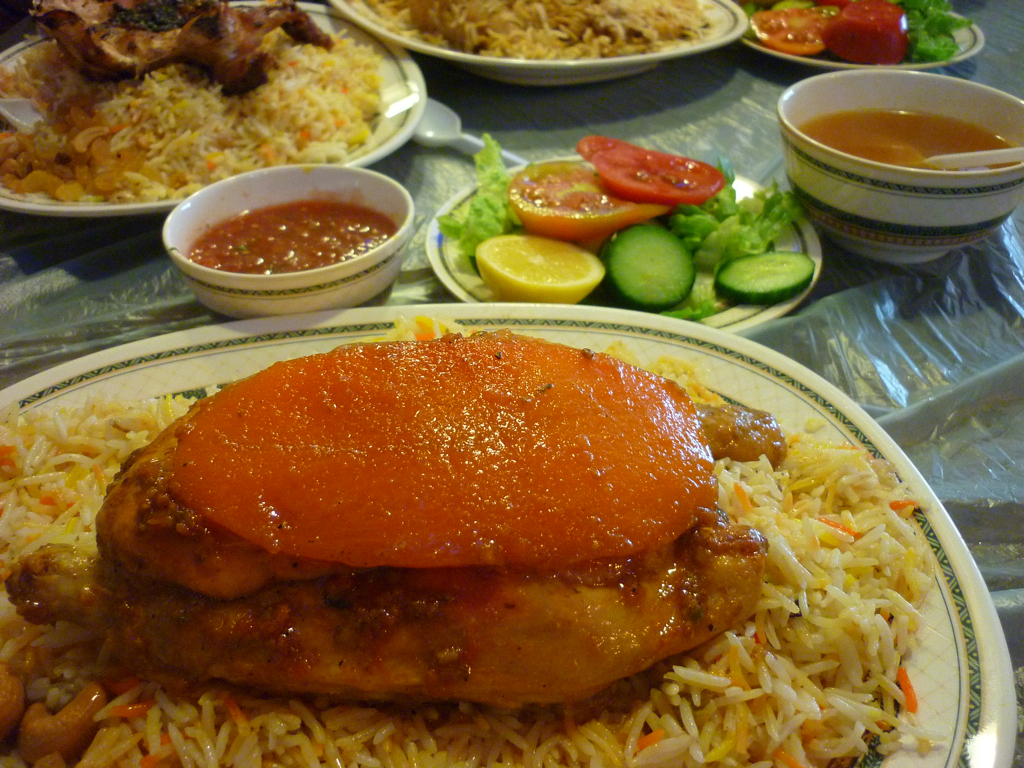
For the best mandi, head to Al Baik (Saudi Arabia’s most famous fast-food chain, which also serves excellent broasted chicken alongside rice dishes), Al Khodariyah in Riyadh, or Al Jazeera Mandi in Jeddah. See our dedicated mandi restaurant guide for top picks in every city.
Jareesh — The Heritage Dish
Jareesh is made from crushed wheat cooked slowly with yoghurt or broth until it becomes thick, creamy, and deeply savoury — somewhere between risotto and porridge. In 2024, Saudi Arabia’s Culinary Arts Commission officially recognised jareesh as a national heritage dish. It is particularly associated with the Najd region (central Saudi Arabia, including Riyadh) and is served at family gatherings and during Ramadan. Thara in Riyadh serves one of the best refined versions, while Najd Village offers a more traditional preparation.
Saleeg — Hejazi Comfort Food
Saleeg is the Hejazi answer to comfort food: rice cooked in chicken broth and milk until it becomes soft and creamy (similar to congee), topped with roasted chicken. It is seasoned simply with cardamom, mastic, and black pepper. Saleeg is most popular in Jeddah, Mecca, and Medina, and is the dish Hejazi families cook when someone needs warming up. Try it at any traditional Hejazi restaurant in Jeddah’s Al Balad historic district.
More Dishes Worth Seeking Out
| Dish | What It Is | Where to Find It |
|---|---|---|
| Mutabbaq | Stuffed pancake with spiced minced meat, onions, and eggs, folded and shallow-fried until golden | Street stalls in Jeddah’s Al Balad and Riyadh’s Souk Al-Thumairi |
| Shawarma | Thinly sliced marinated chicken or beef from a rotating spit, wrapped in flatbread with garlic sauce | Everywhere — budget SAR 5–15 per wrap |
| Foul Medames | Slow-cooked fava beans with olive oil, lemon, and cumin — a classic Saudi breakfast | Every neighbourhood bakery and breakfast spot |
| Samboosa | Crispy fried pastry triangles filled with spiced meat or cheese — especially popular during Ramadan | Street vendors and supermarket delis |
| Harees | Wheat and meat slow-cooked for hours into a smooth, porridge-like consistency | Traditional restaurants, especially during Ramadan |
| Kharoof Mahshi | Whole baby lamb stuffed with rice, raisins, and nuts — a Najdi celebration dish | Special-order at traditional restaurants; served at weddings |
| Samak Mashwi | Grilled fish marinated in spices — an Eastern Province speciality | Dammam and Al Khobar seafood restaurants |
Arabic Coffee and Dates — The Sacred Ritual
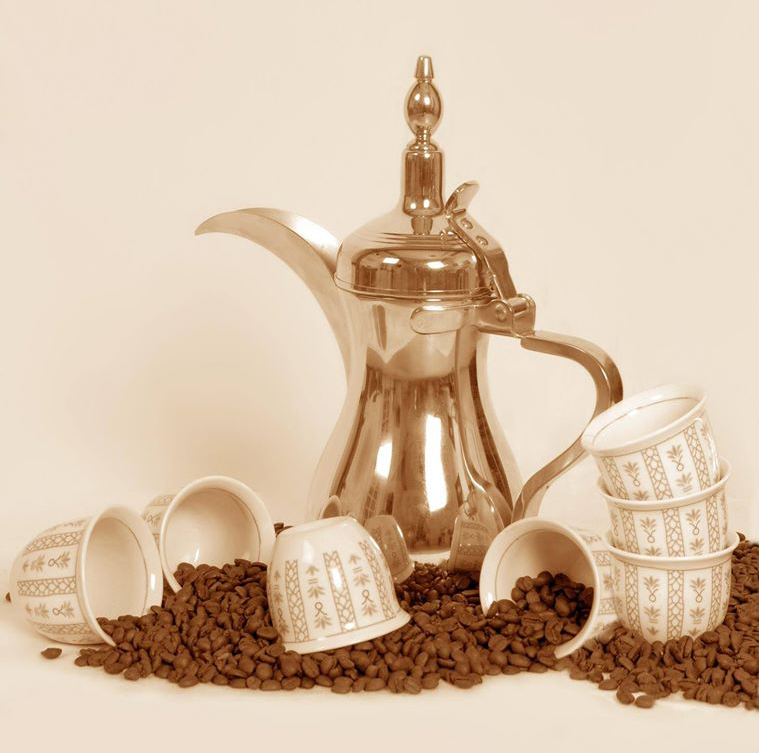
No guide to eating in Saudi Arabia is complete without understanding qahwa — Saudi Arabic coffee. This is not espresso. Qahwa is a light, golden-green coffee brewed from lightly roasted beans with cardamom and sometimes saffron or cloves. It is served in tiny handleless cups called finjans from a long-spouted pot called a dallah.
Coffee and dates are inseparable in Saudi culture. When you enter a home, hotel lobby, government office, or even a car dealership, you will almost certainly be offered qahwa and dates. This is not a commercial transaction — it is a gesture of hospitality rooted in Bedouin tradition. Refusing it outright can be seen as impolite.
Coffee etiquette tip: Your host will keep refilling your finjan until you signal you have had enough. The traditional signal is to gently shake the cup from side to side or cover the mouth of the cup with your hand and say “bas” (enough). Two or three cups is the polite minimum.
Saudi Arabia’s coffee culture has expanded dramatically in recent years. Riyadh and Jeddah now have world-class specialty coffee scenes — for the best third-wave cafes, see our Riyadh cafe guide. But the traditional qahwa-and-dates ritual remains the heart of Saudi hospitality, and experiencing it is one of the most memorable parts of any visit.
As for dates, Saudi Arabia is one of the world’s largest producers. The most prized variety is Ajwa from Medina — dark, soft, and intensely sweet, with religious significance in Islam. Other excellent varieties include Sukkari (golden, caramel-like), Safawi (semi-dry, from Medina), and Khudri (affordable everyday dates). Our Saudi dates guide covers the best varieties and where to buy them.
Regional Food Differences
Saudi Arabia is a vast country — roughly the size of Western Europe — and its cuisine varies significantly by region. Understanding these differences will help you eat your way through the Kingdom with more intention.
Hejaz (West — Jeddah, Mecca, Medina)
The Hejaz has historically been Saudi Arabia’s most cosmopolitan region, shaped by centuries of Hajj pilgrims bringing their culinary traditions from across the Muslim world. Hejazi cuisine features saleeg, mandi, and dishes with South Asian, East African, and Levantine influences. Jeddah’s street food scene is the most diverse in the Kingdom, particularly around the Al Balad historic district. For fine dining, see our Jeddah fine dining guide.
Najd (Central — Riyadh)
Najdi cuisine is hearty, meat-heavy, and built around wheat and rice. This is the home of kabsa, jareesh, qursan (torn flatbread in broth), and muraqooq (thin pasta-like bread in stew). Portions are enormous and communal dining is the norm. Riyadh’s street food leans more traditional than Jeddah’s, with excellent mutabbaq stalls at Souk Al-Thumairi.
Eastern Province (Dammam, Al Khobar, Dhahran)
The Eastern Province’s coastal location means seafood dominates — grilled hammour (grouper), shrimp machboos, and samak mashwi. The region also has a distinct rice variety: Hassawi rice, a reddish-brown grain grown in the Al-Ahsa oasis, prized for its nutty flavour and often served with seafood. The best seafood restaurants are along the Dammam and Al Khobar corniche — see our Al Khobar restaurant guide and Dammam restaurant guide.
Asir and the South (Abha, Jizan)
Southern Saudi cuisine is distinct: heavier use of herbs, honey, ghee, and flatbreads. Aseedah (a wheat-flour dough served with honey and ghee) is the signature dish. The highlands around Abha produce some of Saudi Arabia’s best honey, and the terraced farms grow coffee, herbs, and grains not found elsewhere in the Kingdom.
Street Food — Where to Start
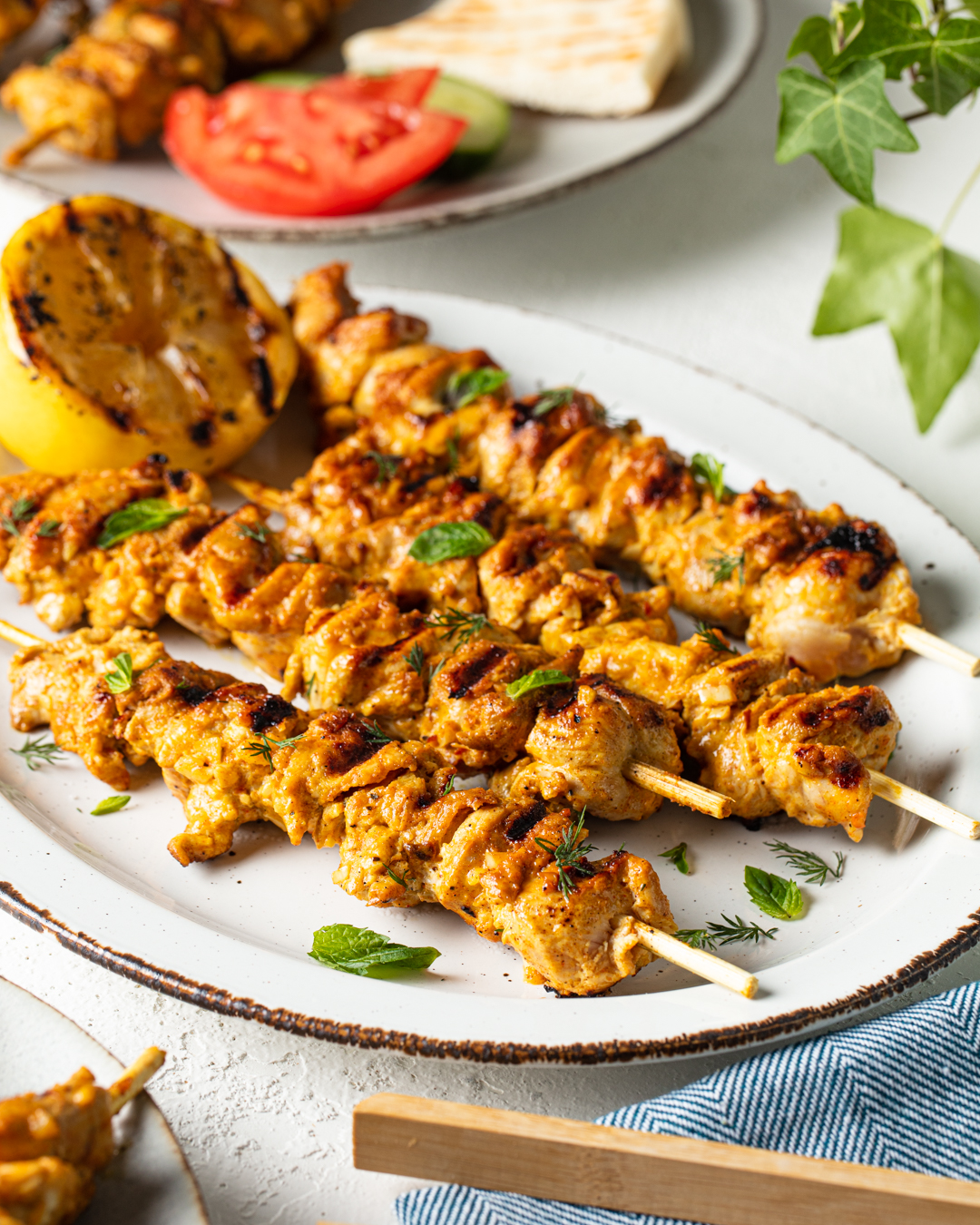
Street food in Saudi Arabia is affordable, fresh, and entirely halal. Most stalls open in the late afternoon and stay busy until well past midnight. Here is what to look for:
Practical tip: Many street food vendors do not accept cards. Carry small bills in Saudi riyals (SAR). Most stalls open after 5 PM, especially in summer when daytime temperatures exceed 40°C.
Dining Etiquette for Visitors
Saudi dining culture is warm and generous, but there are customs worth knowing — particularly if you are invited to eat in a Saudi home or at a traditional restaurant.
Eating with Your Hands
In traditional settings, food is served on a large communal platter placed on the floor or a low table. Eat with your right hand only — the left hand is considered unclean in Arab culture. Scoop rice and meat into small balls with your fingers. This takes practice, and no one will judge a visitor who struggles. Cutlery is always available if you ask, and modern restaurants serve food plated individually.
Communal Dining
Sharing food is deeply embedded in Saudi culture. When eating from a communal platter, eat from the section directly in front of you — do not reach across to the other side. Your host may tear off the best pieces of meat and place them in front of you as a gesture of respect.
Prayer Time Breaks
Saudi Arabia observes five daily prayers, and historically all restaurants closed during prayer times (roughly 20–30 minutes each). Since the 2019 tourism reforms, many restaurants — especially in malls, hotels, and tourist areas — now remain open during prayers, though service may pause briefly and music is turned off. Smaller traditional restaurants and street stalls may still close. Plan around Maghrib (sunset) prayer, as this is the longest pause and coincides with peak dinner hours.
Tipping
Tipping is appreciated but not obligatory. A 10–15% service charge is often included in restaurant bills at higher-end establishments. For good service at a casual restaurant, rounding up the bill or leaving SAR 10–20 is standard. Street food vendors do not expect tips.
Eating During Ramadan
Ramadan transforms the Saudi dining landscape. During the holy month, eating, drinking, and smoking in public during daylight hours is prohibited — this applies to all visitors regardless of religion. Violations can result in fines.
In practice, here is how to manage:
Ramadan is one of the best times to experience Saudi food culture — the iftar spreads are lavish, the atmosphere is communal, and the generosity of strangers offering food to visitors is extraordinary. For more details, see our Ramadan 2026 guide.
Food Costs and Budgeting
Saudi Arabia offers excellent value for food at every price point. Here is a realistic breakdown:
| Meal Type | Cost (SAR) | Cost (USD) |
|---|---|---|
| Shawarma wrap from a street stall | 5–15 | $1.30–$4 |
| Falafel sandwich | 3–8 | $0.80–$2 |
| Kabsa plate at a casual restaurant | 25–45 | $7–$12 |
| Mandi platter (half chicken + rice) | 30–50 | $8–$13 |
| Al Baik meal (chicken + fries + drink) | 15–25 | $4–$7 |
| Mid-range restaurant dinner | 80–150 | $21–$40 |
| Fine dining (Riyadh/Jeddah) | 250–500+ | $67–$133+ |
| Specialty coffee | 15–30 | $4–$8 |
| Fresh juice | 5–15 | $1.30–$4 |
| 1 kg Ajwa dates (premium) | 80–200 | $21–$53 |
Budget travellers can eat well for SAR 50–80/day ($13–$21) by focusing on street food and casual restaurants. Mid-range budgets of SAR 100–200/day ($27–$53) allow for sit-down lunches and dinners. For fine dining options in the capital, see our Riyadh food guide.
Dietary Restrictions Beyond Halal
While halal compliance is universal, visitors with other dietary requirements should be aware of the following:
Where to Eat by City
Riyadh
The capital has Saudi Arabia’s deepest restaurant scene, from heritage Najdi dining rooms to Michelin-level fine dining. Key areas for food exploration include Tahlia Street (upscale dining), Al Malaz (traditional restaurants), and Souk Al-Thumairi (street food). Top Saudi restaurants include Thara (refined Najdi cuisine), Najd Village (traditional setting), and Maiz (modern Saudi). See our Riyadh street food guide for budget options.
Jeddah
Jeddah’s food scene reflects its position as the gateway to Hajj — centuries of pilgrims have left a culinary legacy that blends Hejazi, South Asian, East African, and Levantine flavours. The Al Balad historic district is the epicentre of traditional food, while the Corniche and Tahlia Street offer waterfront dining. Yaza serves reimagined Saudi cuisine, while traditional spots like Tofareya serve authentic Hejazi dishes. See our Jeddah street food guide and Jeddah fine dining guide.
Dammam and Al Khobar
The Eastern Province is seafood territory. The best fish restaurants line the Khobar Corniche and Half Moon Bay. Hassawi rice with grilled hammour is the local signature. For full restaurant recommendations, see our Dammam restaurant guide and Al Khobar restaurant guide.
AlUla
The ancient oasis city has a small but growing dining scene with restaurants serving traditional food alongside its dramatic Nabataean landscape. For dining options near the heritage sites, see our AlUla restaurant guide.
Supermarkets and Self-Catering
If you are staying in a serviced apartment or prefer to cook, Saudi supermarkets are well-stocked and entirely halal. Major chains include:
All imported products are inspected by SFDA for halal compliance. Products containing pork-derived ingredients (certain gelatins, E-numbers) are rejected at the border. You will not accidentally buy a non-halal product in a Saudi supermarket.
Practical Tips for Eating in Saudi Arabia
Key takeaways for visitors: