Table of Contents
- Thirteen Days from Veto to Coordination
- What Changed in the April 20 Call?
- The Economic Arithmetic Behind the Alignment
- Why Does the US Blockade Threaten Saudi Arabia More Than Iran?
- The 123 Agreement: What Saudi Arabia Stands to Lose
- How Will Congress Read the Xi-MBS Readout?
- China as Broker: The 2023 Precedent and Its Limits
- What Beijing Bought for a Phone Call
- The Threat Riyadh Won’t Say Out Loud
- Frequently Asked Questions
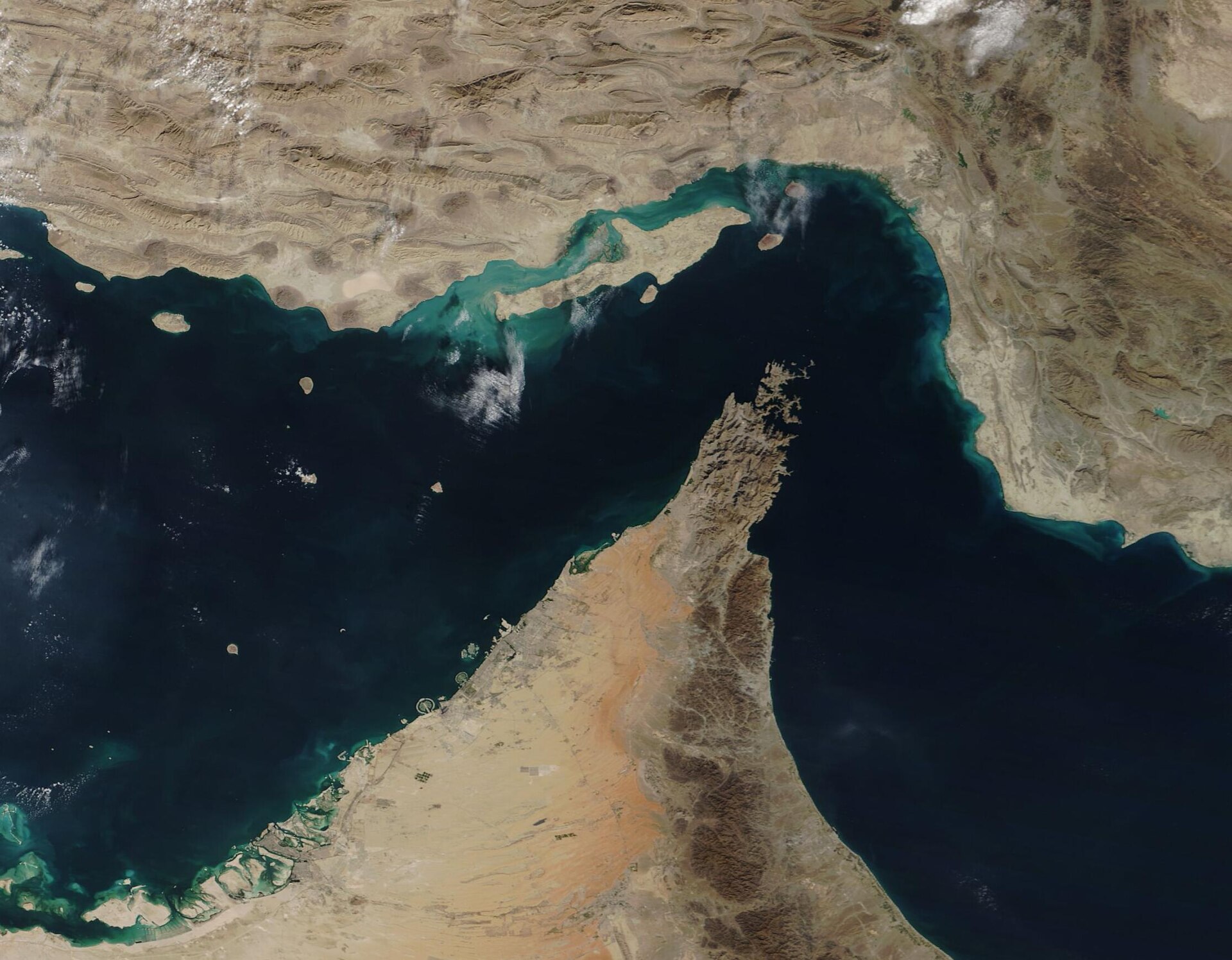
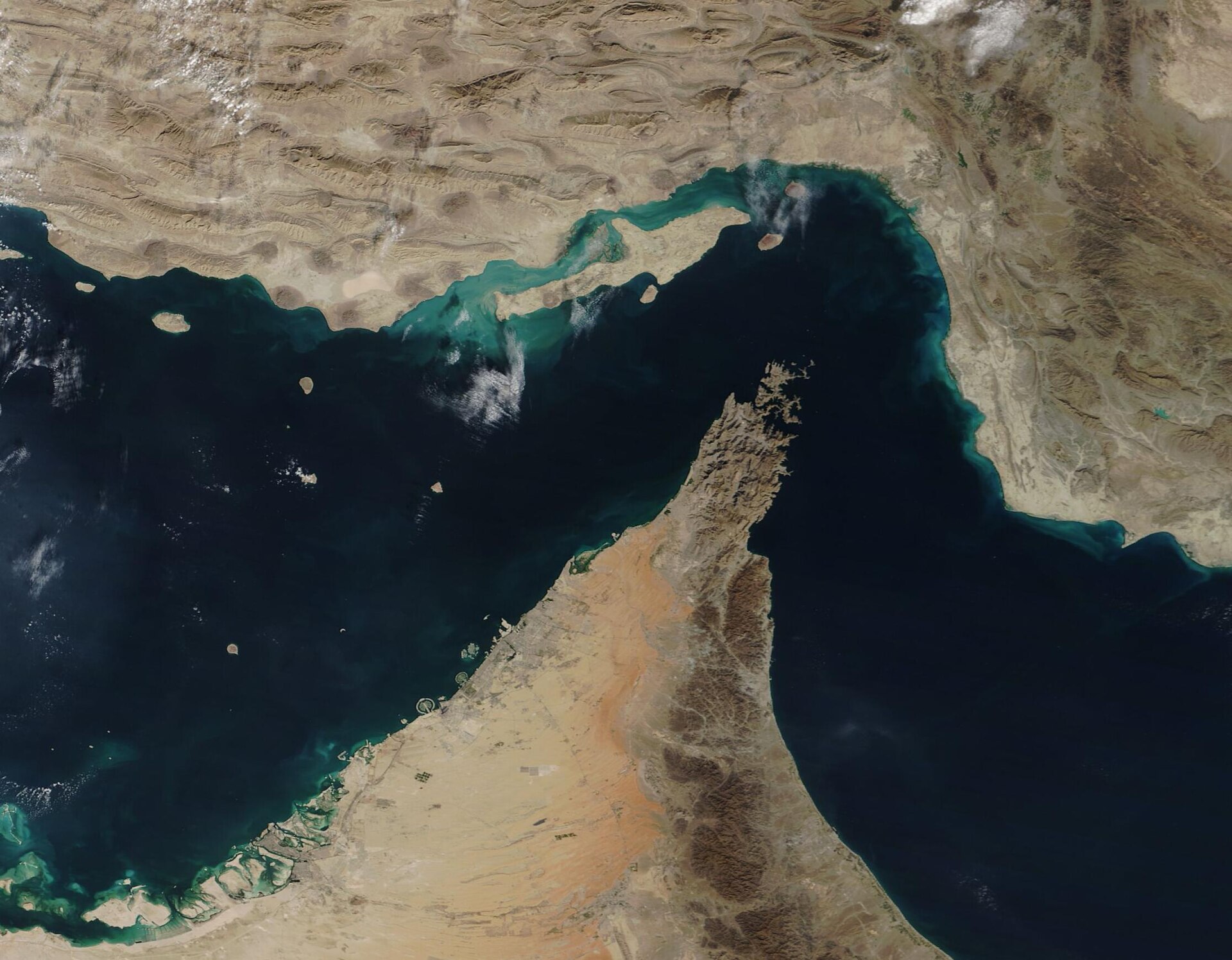
RIYADH — Saudi Arabia has publicly co-signed China’s demand that the Strait of Hormuz be reopened to normal shipping — aligning Riyadh with the state that blocked its own UN resolution on exactly that question thirteen days earlier, and placing the Kingdom’s pending nuclear cooperation agreement with Washington directly in the congressional crosshairs. The April 20 phone call between Crown Prince Mohammed bin Salman and President Xi Jinping produced language that no amount of diplomatic hedging can walk back: Saudi Arabia “stands ready to strengthen communication and coordination with China” on Hormuz navigation, a formulation that names Beijing — not Washington, not the United Nations — as the partner of choice on the most contested waterway on earth.
This is not hedging. Hedging is what Saudi Arabia did in March, when it argued for Hormuz freedom of navigation through multilateral channels and international law. What happened on April 20 is a public operational alignment with China on a specific demand that directly contradicts the coercive logic of the American blockade — the same blockade that has turned back 31 ships and that General Dan Caine, Chairman of the Joint Chiefs, has promised to enforce with force. The question is not whether Riyadh meant it. The question is what it costs.
Thirteen Days from Veto to Coordination
On April 7, China and Russia vetoed a GCC-backed UN Security Council resolution on freedom of navigation through the Strait of Hormuz. Chinese Ambassador Fu Cong explained, with the kind of diplomatic understatement that doubles as an insult, that the draft “failed to capture the root causes and the full picture of the conflict in a comprehensive and balanced manner.” The resolution was Saudi Arabia’s preferred vehicle — multilateral, legally grounded, precisely the kind of institutional approach that Washington could tolerate because it preserved American freedom of action while formally condemning Iranian obstruction.
Beijing killed it. Then, thirteen days later, Mohammed bin Salman picked up the phone and called Xi Jinping to coordinate on the same issue bilaterally. The Chinese MFA readout — which both sides allowed to stand as the authoritative account — records Saudi Arabia pledging to “strengthen communication and coordination with China to maintain the ceasefire, prevent the resumption of hostilities, ensure the safety and freedom of navigation in the Strait of Hormuz.” Not with the Security Council. Not with a coalition. With China, the country that vetoed the multilateral path.
The contradiction is structural, not rhetorical. Saudi Arabia spent political capital at the UN arguing that Hormuz required a collective international response. When that effort failed because China and Russia blocked it, Riyadh pivoted within two weeks to the bilateral track with the blocker. What changed was not Saudi Arabia’s position on Hormuz — the Kingdom has consistently demanded the strait be open, because its economy depends on it — but its theory of who can deliver that outcome. And that theory now names Beijing.
What Changed in the April 20 Call?
The shift is visible in the language itself. Saudi diplomatic communications on Hormuz have moved through three distinct phases since the war began. In March, Riyadh framed Hormuz as a matter of international law and UNCLOS-based multilateral consensus — generic, institutional, designed to offend no one. In early April, Saudi Arabia escalated to co-sponsoring the GCC’s UN Security Council draft resolution, which was specific enough to require a vote and therefore specific enough to be vetoed. The April 20 formulation — bilateral coordination with China — is qualitatively different from both.
The Middle East briefing 3,000+ readers start their day with.
One email. Every weekday morning. Free.
This was also the first time Xi Jinping publicly named the Strait of Hormuz in a call with Riyadh. The Chinese readout quotes Xi: “The Strait of Hormuz should remain open to normal transit, which is in the common interest of regional countries and the international community.” Previous Xi-MBS conversations, including during the December 2022 Riyadh summit where dozens of agreements were signed, discussed energy security in the abstract. Naming Hormuz by name transforms the Chinese position from a general principle into an operational demand — and Saudi Arabia endorsed it publicly.
The Saudi cabinet session on April 21 — the day after the call — reinforced the alignment. The cabinet backed “diplomacy, energy security, and stability,” reviewed Hormuz navigation developments, and emphasized the Kingdom’s “decades-long investments in energy security and alternative export routes.” The language pointedly avoided endorsing the US blockade. In a cabinet communiqué drafted by people who choose every word with the care of a bomb-disposal technician, the absence of any reference to the American naval operation is the reference.
The Economic Arithmetic Behind the Alignment
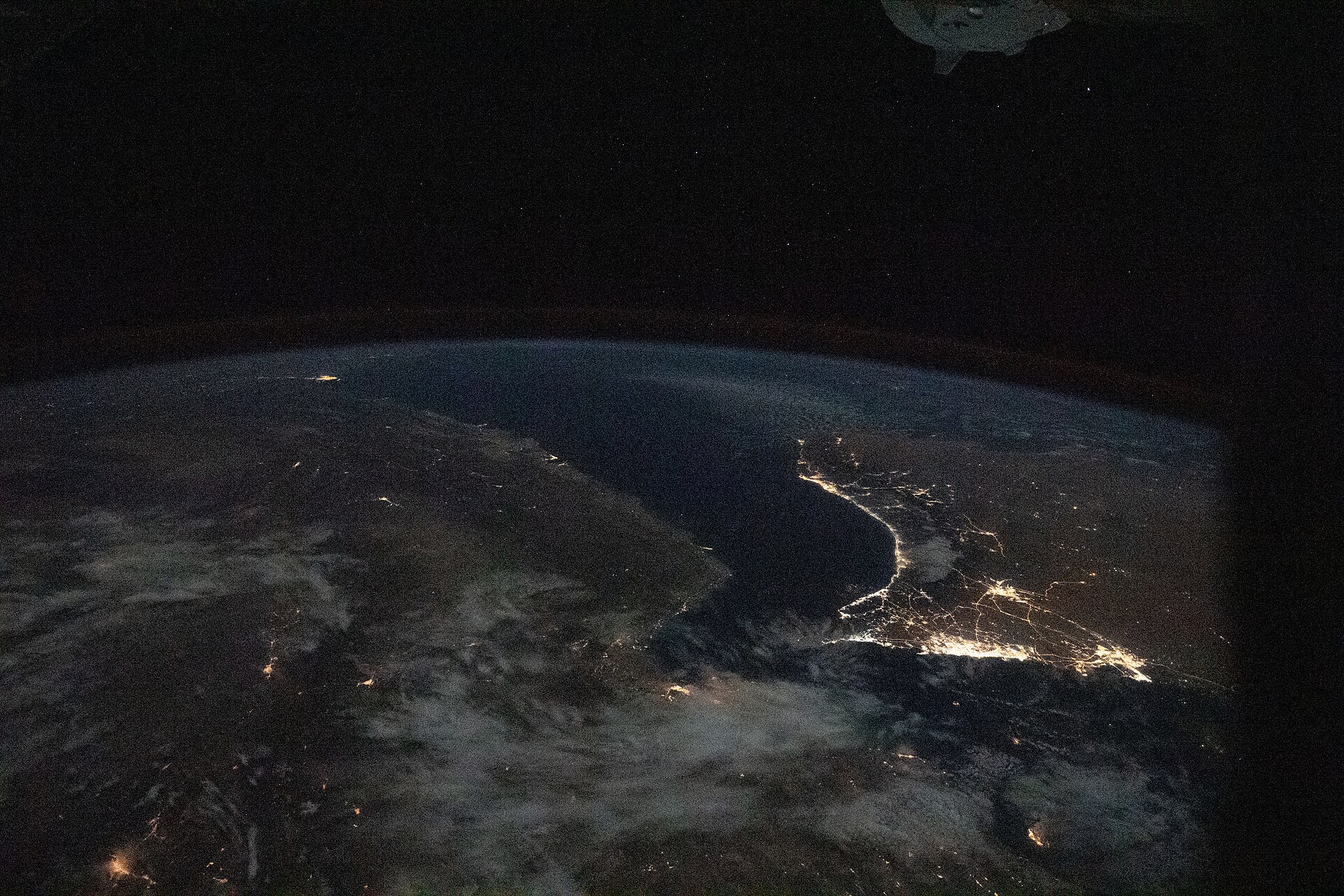
The numbers explain the phone call better than any diplomatic theory. Saudi March production hit 7.25 million barrels per day, according to the IEA — down from 10.4 million bpd before the war, a 30 percent collapse that represents the single largest sustained disruption in the Kingdom’s production history. The fiscal break-even price is $108 to $111 per barrel, per Goldman Sachs estimates that incorporate PIF spending. Brent closed at approximately $101.73 on April 22. Saudi Arabia is producing less oil than it has in years, at a price below what it needs to balance its budget, while running what Goldman estimates is a war-adjusted deficit of 6.6 percent of GDP — double the official 3.3 percent figure.
The China-specific trade data is worse. Saudi Arabia will ship approximately 20 million barrels of crude to China in May 2026, according to Bloomberg — down from 40 million barrels in April and 45 million barrels per month in the January-February pre-escalation baseline. That is a 56 percent reduction in Saudi crude deliveries to its largest single customer in under four months. Bilateral trade between the two countries runs at approximately $107 billion annually, and 2026 marks the tenth anniversary of the China-Saudi Comprehensive Strategic Partnership established in 2016. The economic relationship is not a side arrangement. It is load-bearing.
| Metric | Pre-War Baseline | Current (April 2026) | Change |
|---|---|---|---|
| Saudi production (bpd) | 10.4M | 7.25M (IEA, March) | -30% |
| Saudi crude to China (barrels/month) | ~45M (Jan-Feb) | ~20M (May est.) | -56% |
| Brent crude ($/bbl) | ~$82 (Jan 2026) | ~$101.73 (April 22) | +24% |
| Saudi fiscal break-even ($/bbl) | $108-111 | $108-111 | Below by $6-9 |
| Goldman war-adjusted deficit (% GDP) | 3.3% (official) | 6.6% (Goldman est.) | Doubled |
| Petroline capacity (bpd) | 5M (pre-restoration) | 7M (restored April 12) | +40% |
The Petroline restoration on April 12 — which brought the East-West pipeline back to its full 7 million bpd capacity — gave Riyadh the confidence to make the political move. Two days after the pipeline was restored, Saudi Arabia publicly pressed the United States to lift the blockade, as the Wall Street Journal reported on April 14. The sequence matters: Riyadh waited until it had a physical alternative to Hormuz before publicly opposing the American position. The move was a calculated bet made from a position of restored — though not full — infrastructure capacity, given that Yanbu’s practical loading ceiling remains 4 to 5.9 million bpd against the pipeline’s 7 million bpd nameplate.
Why Does the US Blockade Threaten Saudi Arabia More Than Iran?
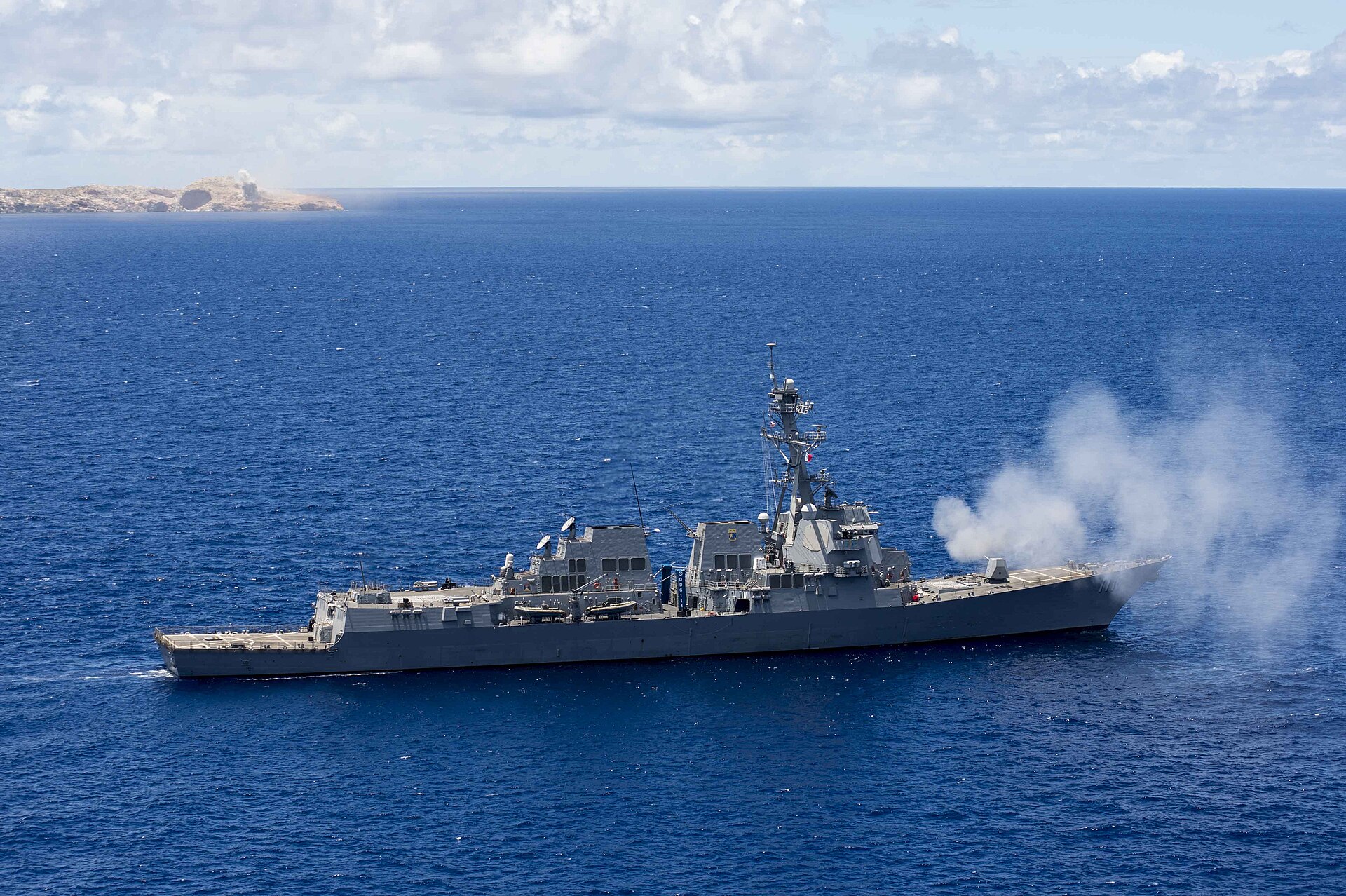
The American naval blockade of Iranian ports, effective since April 13, was designed to coerce Tehran into accepting ceasefire terms by choking its remaining export revenue. Thirty-one ships have been turned back as of April 23. General Caine told reporters on April 16 that vessels not complying “we will use force.” The blockade is, by any measure, an escalation — and it is an escalation that Saudi Arabia has publicly opposed, not because Riyadh sympathises with Tehran but because the blockade’s second-order effects fall disproportionately on Gulf exporters.
Vali Nasr, the Johns Hopkins SAIS scholar who remains one of the sharpest observers of Saudi strategic calculations, put the core fear plainly on April 14: “Saudi Arabia is voicing a broader international concern that U.S. blockade is a dangerous escalation. It further closes all trade in the Persian Gulf, could lead to more violent conflict there but also lead to disruption of trade in the Red Sea. It could bring the global economy [to its knees].” The Red Sea reference is not incidental. It is the mechanism that makes the blockade an existential Saudi problem rather than merely an Iranian one.
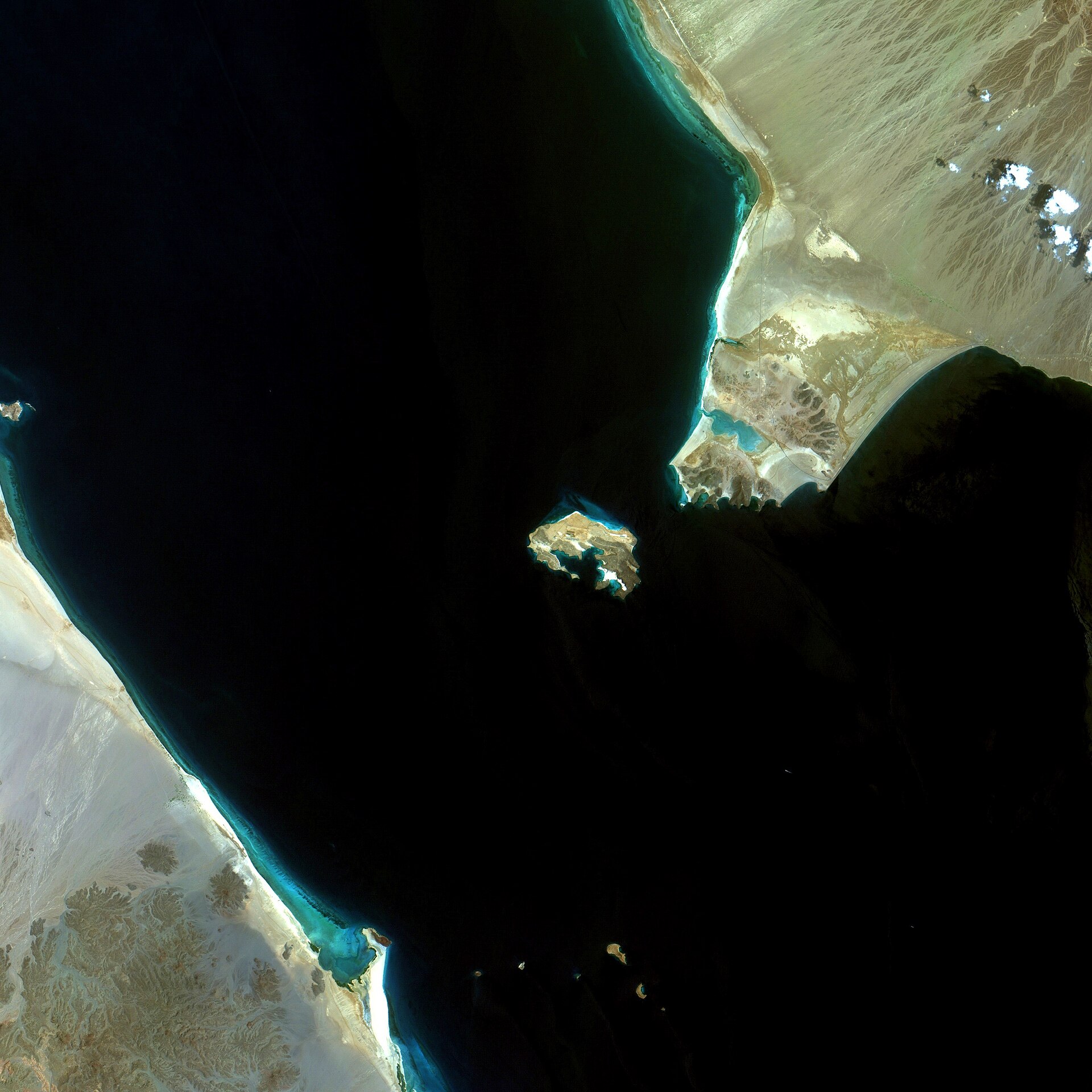
Saudi Arabia’s restored Petroline bypasses Hormuz entirely, routing crude westward to Yanbu on the Red Sea coast. But Yanbu’s viability depends on Bab el-Mandeb — the narrow strait at the southern end of the Red Sea — remaining open. Iran has the capacity to activate Houthi interdiction of that chokepoint, which would cut Saudi Arabia’s bypass route and leave the Kingdom with no viable high-volume export corridor. The Wall Street Journal reported on April 14 that Saudi Arabia warned Washington explicitly: lift the blockade or risk Red Sea escalation. In other words, the more the US squeezes Iran at Hormuz, the more likely Iran retaliates at the one chokepoint Saudi Arabia cannot route around.
“Saudi Arabia is voicing a broader international concern that U.S. blockade is a dangerous escalation. It further closes all trade in the Persian Gulf, could lead to more violent conflict there but also lead to disruption of trade in the Red Sea. It could bring the global economy [to its knees].”
Vali Nasr, Johns Hopkins SAIS, April 14, 2026
The 123 Agreement: What Saudi Arabia Stands to Lose
The single most valuable asset in the US-Saudi bilateral relationship right now is not arms sales, not intelligence sharing, and not diplomatic cover at the United Nations. It is the 123 nuclear cooperation agreement — the framework that would give Saudi Arabia access to civilian nuclear technology, including enrichment rights that President Trump conceded during MBS’s November 2025 Washington visit, breaking with decades of American nonproliferation orthodoxy. A Joint Declaration on completion of negotiations was signed during that visit. The agreement is pending congressional review. Congress can block it with a resolution of disapproval.
This is the trade-off that no amount of diplomatic language can obscure. Saudi Arabia needs Hormuz open to survive economically in the near term — every month the strait remains contested costs the Kingdom billions in foregone exports and depressed production. But Saudi Arabia needs the 123 agreement to secure its long-term energy transition, its nuclear hedging capacity against Iran, and its status as a sovereign state that does not depend on a single American security umbrella for regime survival. The Stimson Center’s Nour Eid has noted that Saudi Arabia’s nuclear path “will not depend on Iran or the war’s outcome” — the driver, in Eid’s framing, is “eroding U.S. security guarantees,” which means the 123 agreement is precisely the mechanism Riyadh is using to compensate for declining American reliability.
Publicly aligning with China on Hormuz — on the specific operational question where Washington has deployed naval force and threatened to use it — gives every congressional opponent of the 123 agreement a ready-made argument. The CSIS assessment of Saudi nuclear cooperation already flagged the geopolitical quandaries inherent in the deal; a Saudi-Chinese bilateral coordination framework on the most sensitive maritime chokepoint in the world adds a new one. The South China Morning Post’s April analysis concluded that “deep US ties in defence would restrict Saudi Arabia’s broader cooperation with China,” but Riyadh appears to have decided that the immediate economic crisis outweighs the risk to a nuclear agreement that has not yet cleared Congress.
How Will Congress Read the Xi-MBS Readout?
Washington’s official response to the April 20 call has been silence — or more precisely, the specific kind of silence that substitutes for a response when no good one exists. The State Department issued no direct pushback on the Xi-MBS readout. Trump, on April 15, said he was “permanently opening” Hormuz while simultaneously maintaining the blockade of Iranian-port vessels, a contradiction that the administration has not resolved and that Saudi Arabia’s public alignment with China now makes harder to ignore.
The congressional dynamics are where the damage accrues. The 123 agreement requires a period of congressional review during which either chamber can pass a resolution of disapproval. The Arms Control Association noted in February 2026 that Trump’s concession of Saudi enrichment rights already broke with prior nonproliferation standards, generating opposition from legislators who would normally defer to the executive on nuclear cooperation agreements. The Saudi-China Hormuz coordination gives those legislators — and any colleague looking for a reason to oppose the deal — a national security argument that is harder to dismiss than nonproliferation concerns, because it touches the active conflict.
The argument writes itself: Saudi Arabia is coordinating with China on the same waterway where American sailors are enforcing a blockade and where General Caine has authorized the use of force. Any senator or representative voting to approve nuclear cooperation with Riyadh will now face the question of whether that cooperation rewards a partner that publicly sided with Beijing over Washington on the defining military operation of the war. The fact that Saudi Arabia’s position is economically rational — the Kingdom genuinely needs Hormuz open — does not make the congressional politics any easier. Rationality and politics occupy different rooms in the Capitol.
China as Broker: The 2023 Precedent and Its Limits
China brokered the Saudi-Iran normalisation agreement in March 2023 — the diplomatic achievement that made Beijing, for the first time, a structural guarantor of a Gulf security arrangement. The war has shattered that normalisation, but the institutional memory of China’s brokering role is precisely what makes the April 20 call legible as something more than a diplomatic courtesy. When Saudi-Iranian relations hit a structural crisis, Beijing is where Riyadh has turned before.
The limits of Chinese brokerage, however, are visible in the same data. In 2024, before the war, an estimated 84 percent of crude and condensate shipped through Hormuz went to Asian markets, according to Bloomberg data, with China receiving approximately one-third of its oil through the strait. China has as much interest in Hormuz remaining open as Saudi Arabia does — arguably more, given that Chinese strategic petroleum reserves, at 1.2 billion barrels per IEA estimates, provide roughly 109 days of cover but not indefinite insulation. Beijing’s Hormuz demand is not altruistic diplomacy. It is self-interest dressed in the language of international responsibility, which is what all great-power diplomacy looks like when it works.
The Global Times — which functions as a weather vane for Chinese foreign policy messaging rather than an independent editorial voice — framed the Xi-MBS call on April 22 as evidence that China is “different from the US,” offering diplomacy where Washington deploys naval force. Xinhua had already called the American blockade “dangerous and irresponsible” on April 14. The Chinese messaging architecture is clear: position Beijing as the reasonable alternative to American coercion, and let Saudi Arabia’s economic desperation do the persuading. What China cannot do, and what the 2023 normalisation proved, is enforce the outcomes it brokers. The normalisation collapsed when Iran chose war over the diplomatic architecture China had guaranteed.
What Beijing Bought for a Phone Call
The strategic value of the April 20 call to China is disproportionate to its cost. Xi made a phone call. What he received in return was Saudi Arabia — the world’s largest oil exporter, the custodian of Islam’s two holiest cities, and the anchor of the American security architecture in the Gulf — publicly naming China as its coordination partner on the most contested waterway in the world, thirteen days after China blocked Saudi Arabia’s preferred multilateral approach to the same issue. In the grammar of great-power competition, that is a down payment on something considerably larger than a phone call.
Nasr, writing in Foreign Affairs in April 2026, argued that Saudi Arabia “will continue to look to the United States for some support, but it will have to complement that by deepening its regional alliance with Egypt, Pakistan, and Turkey — and pursuing a greater reliance on China.” The article’s framing — “Can Saudi Arabia Keep Hedging?” — uses a word the evidence no longer supports. Hedging implies equidistance, maintained ambiguity, the preservation of options without committing to any of them. Publicly co-signing a Chinese demand that contradicts an active American military operation is not equidistance. It is a choice, made under economic duress, with consequences that will outlast the duress.
The tenth anniversary of the China-Saudi Comprehensive Strategic Partnership, which falls in 2026, provides Beijing with a narrative frame for deepening the relationship that predates the war and will survive it. That trade relationship gives the bilateral arrangement material weight. And China’s role as the only external power to have successfully brokered a Saudi-Iran agreement — however briefly — gives Beijing a diplomatic credential that Washington, for all its military dominance in the Gulf, cannot match. The phone call cost Xi nothing. Its value to Chinese strategic positioning in the Gulf will compound for years.
The Threat Riyadh Won’t Say Out Loud
There is a reason the Saudi cabinet communiqué on April 21 emphasised “decades-long investments in energy security and alternative export routes” — a phrase that refers to the Petroline and the Yanbu terminal without naming them. The emphasis is defensive. Saudi Arabia has spent billions building the infrastructure to bypass Hormuz, and the Petroline’s restoration to 7 million bpd on April 12 is the physical proof that the investment works. But the bypass has a vulnerability that Riyadh discusses in private and almost never in public: Bab el-Mandeb.
The Yanbu corridor routes Saudi crude westward to the Red Sea and then south through Bab el-Mandeb to reach Asian markets via the Suez Canal or the Cape of Good Hope. If Iran activates Houthi interdiction of Bab el-Mandeb — which the Houthis demonstrated the capacity to do during the 2023-2024 Red Sea crisis, disrupting commercial shipping for months — the Petroline bypass becomes a pipeline to nowhere. Saudi Arabia would have two export corridors, both compromised: Hormuz by Iranian naval control, and Bab el-Mandeb by Iranian proxy operations. The Kingdom’s warning to Washington, reported by the Wall Street Journal on April 14, was not a diplomatic protest. It was a threat assessment delivered as policy advice: lift the blockade, or Iran will close the Red Sea too, and then nobody exports anything.
This is the context that makes the Xi-MBS call intelligible as something other than a diplomatic snub to Washington. Saudi Arabia is not choosing China over America for ideological reasons or because MBS has decided to reorient the Kingdom toward Beijing. Saudi Arabia is trying to get Hormuz open before Iran decides to close Bab el-Mandeb, and it is willing to coordinate with whichever power can deliver that outcome. The problem is that the power most capable of pressuring Iran — the United States — is the one whose blockade is creating the escalation risk in the first place. The Araghchi call to the Saudi foreign minister on April 13, the day the blockade began, confirms that Riyadh is running a parallel diplomatic track with Tehran as well. Saudi Arabia is not picking sides. It is trying to keep two chokepoints open simultaneously, and it will talk to anyone — Beijing, Washington, Tehran — who can help.
Frequently Asked Questions
Did Saudi Arabia formally break with the US on the Hormuz blockade?
Not formally, and the distinction matters. Saudi Arabia has not recalled its ambassador, voted against the US at any international body, or denied basing rights to American forces operating the blockade from Gulf installations. What Saudi Arabia has done is publicly demand the blockade be lifted (Wall Street Journal, April 14), publicly coordinate with China on Hormuz reopening (April 20 call), and pointedly refuse to endorse the blockade in the April 21 cabinet communiqué. In diplomatic terms, this is opposition expressed through parallel action rather than confrontation — Riyadh is building an alternative diplomatic track without formally severing the existing one. The Saudi ambassador to Washington has continued regular consultations with the State Department throughout April, according to diplomatic sources, which suggests the channel remains open even as the public positions diverge.
Could the Saudi-China Hormuz alignment affect the 123 nuclear agreement timeline?
The agreement’s congressional review period has not been formally triggered as of April 23, which means the clock on a potential resolution of disapproval has not started. However, the Trump administration’s decision on when to submit the agreement for formal review is itself a political calculation — and the Xi-MBS call makes that calculation harder. Administration officials pushing for early submission now face the argument that sending the agreement to Congress while Saudi Arabia is publicly coordinating with China on Hormuz would guarantee a contentious review and risk a disapproval vote. The more likely effect is delay rather than cancellation: the agreement remains on the table but the submission timing gets pushed until the Hormuz crisis resolves or the Saudi-China coordination becomes less visible.
What is the Petroline and why does its restoration matter for this story?
The East-West Petroline is a 1,200-kilometre pipeline running from the Eastern Province oil fields to the Yanbu terminal on Saudi Arabia’s Red Sea coast, bypassing the Strait of Hormuz entirely. Originally built in the 1980s during the Iran-Iraq war — the last time Hormuz was seriously threatened — it was damaged during the current conflict and restored to full 7 million bpd capacity on April 12, 2026. The restoration gave Saudi Arabia the physical infrastructure to export crude without Hormuz, which in turn gave Riyadh the political confidence to publicly oppose the American blockade two days later. Without the Petroline, Saudi Arabia would have been too dependent on Hormuz reopening to risk antagonising Washington; with it, the Kingdom has enough export capacity to make the political bet that aligning with China will accelerate a diplomatic resolution faster than the American blockade will.
Why did MBS initiate the call rather than waiting for Xi to reach out?
The initiation signal matters because it reverses the pattern of the 2023 normalisation, where China approached both Saudi Arabia and Iran with the brokerage proposal. MBS calling Xi indicates that Riyadh is actively seeking Chinese involvement rather than passively accepting it — a distinction that gives Beijing greater diplomatic standing and that signals to Washington and Tehran alike that Saudi Arabia considers the bilateral US track insufficient. The timing — eight days after the ceasefire between the US and Iran nominally took effect on April 12, with the broader ceasefire framework still fragile — suggests MBS wanted to lock in Chinese commitment to Hormuz reopening before the diplomatic situation shifted again. Saudi Arabia’s experience with the OFAC GL U expiry and the White House’s reinterpretation of ceasefire terms has taught Riyadh that American positions can change overnight; Chinese ones, at least on Hormuz, have been consistent.
Is China capable of actually reopening Hormuz?
Not militarily — China has no naval force in the Gulf capable of challenging either the IRGC Navy’s Hormuz operations or the US Fifth Fleet’s blockade enforcement. What China has is economic pull over Iran that no other external power, including the United States, can match. China was Iran’s largest oil customer before the war and remains the primary destination for whatever Iranian crude moves through sanctions-evasion networks. Chinese banks — particularly Kunlun Bank, which operates outside SWIFT — provide Iran’s most important remaining financial channel. And China demonstrated in the Al Daayen LNG transit that it can negotiate vessel-specific passage through IRGC-controlled waters when it chooses to. China cannot reopen Hormuz by force, but it may be the only power that can persuade Iran to reopen it voluntarily — which is why Saudi Arabia is coordinating with Beijing rather than waiting for the American blockade to coerce a result that, fifty days into the war, it has not yet delivered.
The deeper problem with any externally brokered Hormuz reopening — including one China facilitates — is that it may entrench the governance architecture Riyadh most fears. The Deal Saudi Arabia Can’t Afford to Win examines why a successful US-Iran Hormuz agreement that locks in IRGC administrative authority over transit could be worse for Saudi Arabia than continued closure.