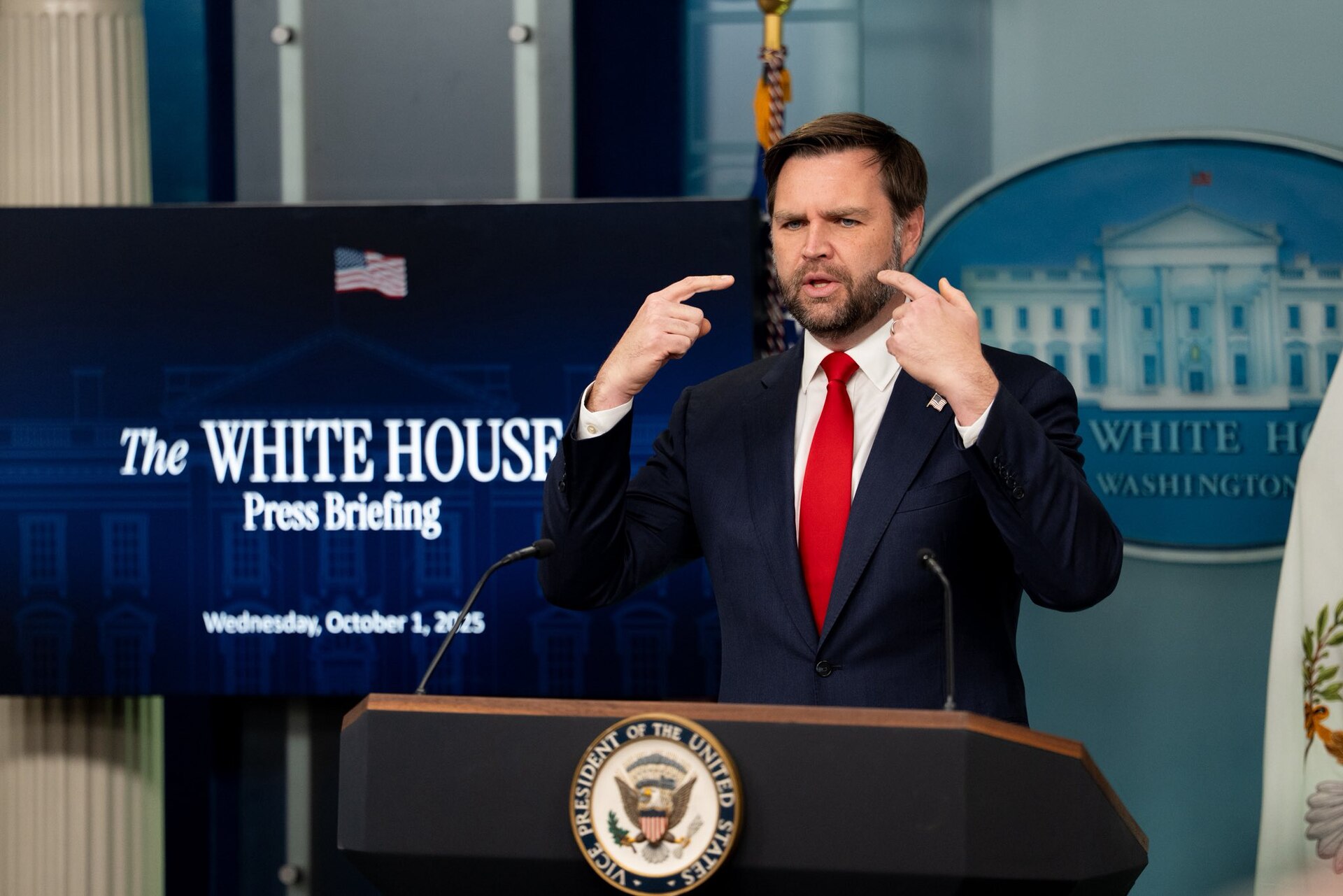
TEHRAN — On May 14, 2026, Vice President JD Vance told reporters at the White House that the United States is “making progress” in its negotiations with Iran. On the same day, Iran’s judiciary spokesman Asghar Jahangiri declared that Iranian courts possess “clear domestic and international legal authority” to seize US-linked tankers — and that ongoing seizures rest on “firm and final rulings issued by competent Iranian courts.” Hours later, a Honduras-flagged vessel anchored in international waters off the UAE coast was boarded and directed toward Iran.
These were not contradictory signals from a factional government. They were the outputs of an institutional system in which the body conducting diplomacy and the body asserting sovereign enforcement over the Strait of Hormuz answer to different constitutional principals and cannot bind each other. The judiciary, under Chief Justice Gholam-Hossein Mohseni-Ejei, is appointed directly by the Supreme Leader under Article 157 of the Iranian constitution. No elected official confirms him. No negotiator speaks for him. And the 14-point MOU framework that Vance described as advancing contains no clause, mechanism, or precedent for incorporating the institution that just declared a standing legal mandate over the waterway Vance says must be “fully open.”
Table of Contents
- What Did Iran’s Judiciary Declare on May 14?
- Article 157 and the Architecture of Insulation
- Who Is Mohseni-Ejei and What Has His Court Done Since February?
- What Is the Legal Theory Behind the Tanker Seizures?
- The Hui Chuan and the Operational Logic
- What Vance Called Progress and What Congress Called Unacceptable
- Can the 14-Point MOU Survive Contact with the Judiciary?
- The JCPOA Precedent That Does Not Exist
- Frequently Asked Questions
What Did Iran’s Judiciary Declare on May 14?
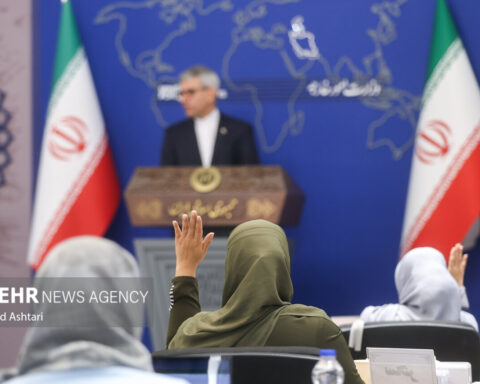
Iran’s judiciary spokesman Asghar Jahangiri declared on May 14, 2026, that the seizure of US-linked tankers is “grounded in domestic and international laws” and based on “firm and final rulings issued by competent Iranian courts after legal procedures have been completed.” The statement framed tanker seizures not as wartime improvisation but as routine judicial enforcement — a standing legal authority that requires no diplomatic authorization and no approval from the foreign ministry or elected government.
Jahangiri invoked the 1982 UN Convention on the Law of the Sea as legal basis, claiming coastal states may seize ships violating regulations “within their territorial waters or on the high seas.” He characterized the United States — which had itself seized the Iranian tanker Touska in April — as “engaging in piracy,” positioning the judiciary’s actions as reciprocal enforcement rather than escalation.
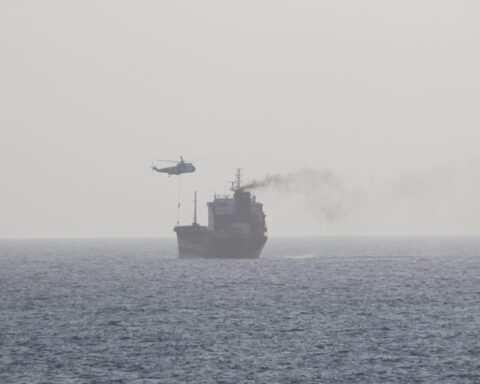
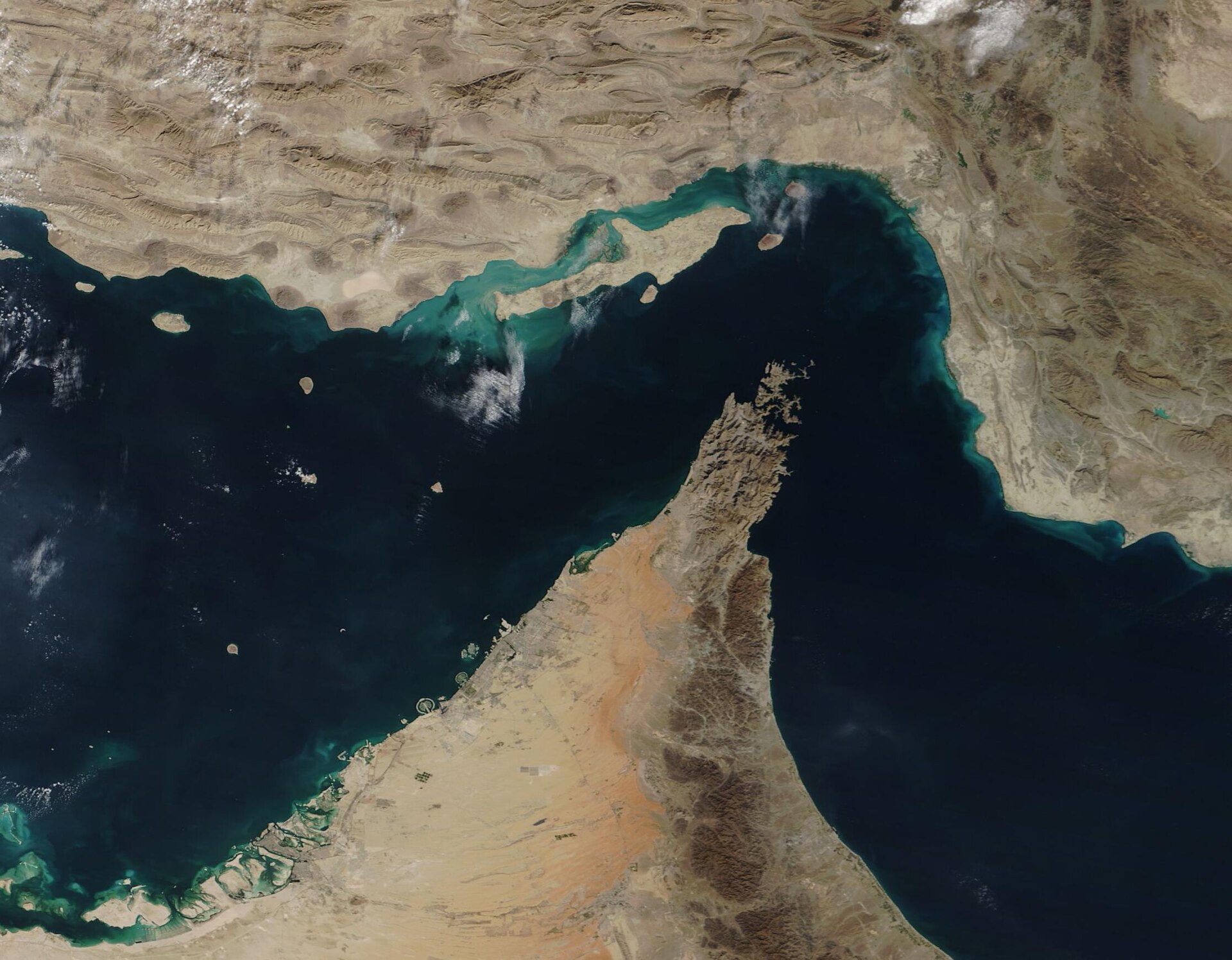
The statement arrived the same morning UKMTO confirmed a vessel had been boarded by “unauthorized personnel” while anchored 38 to 44 nautical miles northeast of Fujairah, UAE, and was heading toward Iranian territorial waters. A second vessel was attacked and sunk in the same area. The seized ship was identified by maritime security sources as the Hui Chuan, a Honduras-flagged floating armory storing weapons for private maritime security firms — one of the defensive nodes commercial shipping depends on to transit the Hormuz approach zone.
The convergence was not incidental. First Vice President Mohammad Reza Aref had set the frame the previous day: “Our right to the Strait of Hormuz is established, and the matter is closed.” What Jahangiri added was institutional infrastructure: court orders, legal process, and a declared jurisdictional claim that operates independently of whatever Araghchi agrees to in any MOU. PressTV, Iran’s English-language state broadcaster, headlined the statement as proof that the US is “engaging in piracy” — a frame the IRGC-aligned outlets Tasnim, Fars, and Mehr had been constructing since March. The judiciary was not joining a media campaign. It was providing the legal architecture the campaign needed.
The Middle East briefing 3,000+ readers start their day with.
One email. Every weekday morning. Free.
Article 157 and the Architecture of Insulation
Article 157 of the Iranian constitution provides that the Supreme Leader “appoints a just mujtahid well versed in judiciary affairs” as head of the judiciary for a five-year term. There is no parliamentary confirmation. No cabinet vote. No elected body plays a role. The appointment is direct, personal, and revocable only by the same authority that made it.
Article 156 declares the judiciary “an independent power.” But independent of whom? Not of the Supreme Leader — Articles 57 and 110 place all three branches under the Leader’s supervision and grant him authority over “the general policies of the Islamic Republic” and resolution of disputes between branches. The judiciary’s independence is independence from the elected executive. From President Masoud Pezeshkian. From Foreign Minister Abbas Araghchi. From anyone Vance can meet across a negotiating table.
This structure creates a constitutional zone in which the judiciary can issue binding legal rulings — property confiscations, vessel seizures, asset freezes — that the foreign ministry has no authority to reverse and no mechanism to override. When Araghchi negotiates, he negotiates on behalf of a government that does not control the institution now asserting legal authority over the Strait of Hormuz. The judiciary’s chain of command runs through the Supreme Leader’s office — currently Mojtaba Khamenei, who was named Supreme Leader on March 8 after his father’s death, has not appeared publicly since sustaining injuries in the February 28 attack, and who, according to Time magazine, functions as a “rubber stamp” for hardline decisions rather than an independent authority capable of overriding them.
Who Is Mohseni-Ejei and What Has His Court Done Since February?
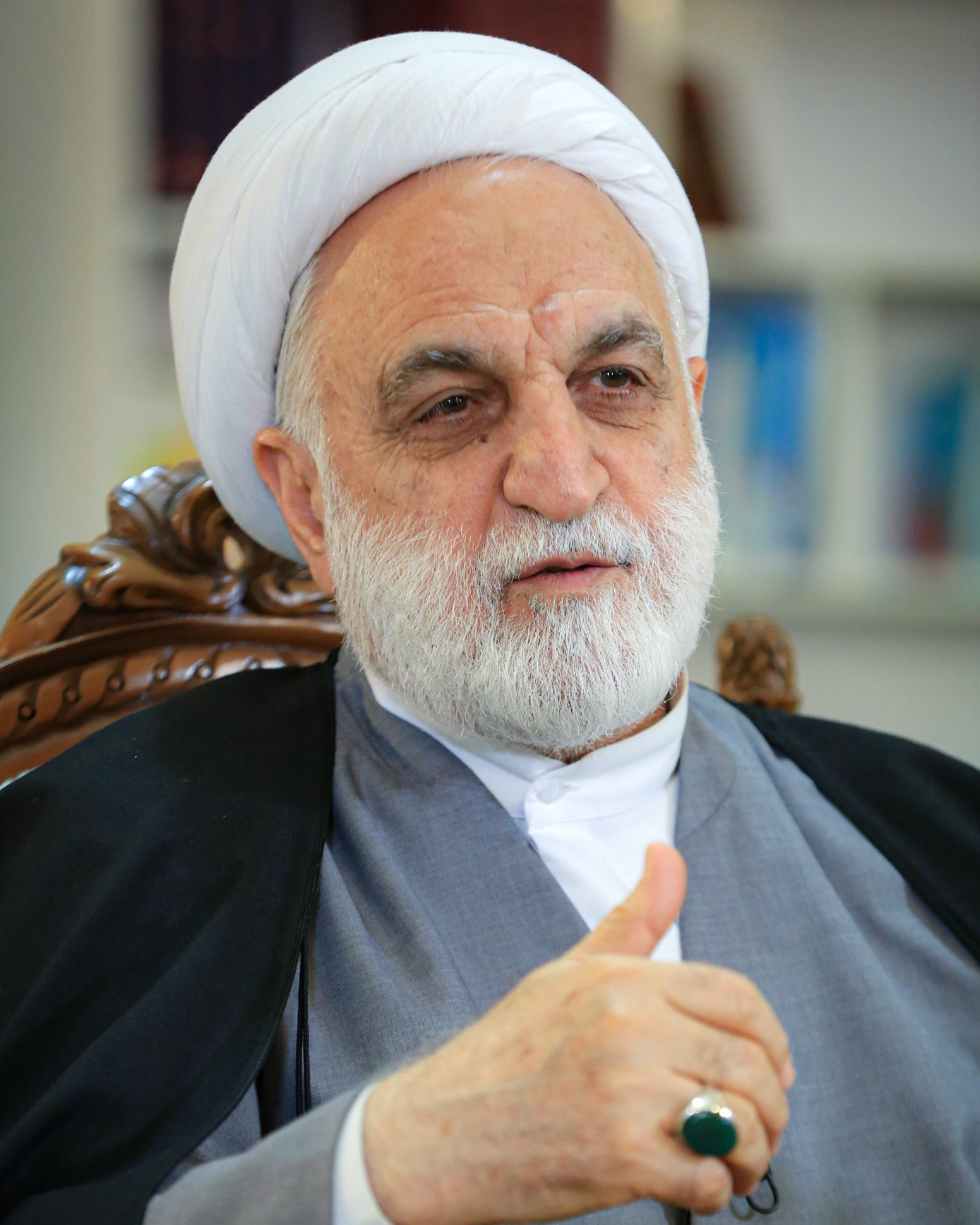
Gholam-Hossein Mohseni-Ejei has served as Chief Justice since 2021, appointed by Ali Khamenei. He is under both EU and US sanctions for human rights violations. When Khamenei was killed on February 28, 2026, Mohseni-Ejei was one of three members of the Interim Leadership Council that governed Iran from March 1 to 8 — a constitutional role under Article 111 that placed him at the center of the state during the most volatile transfer of power in the Islamic Republic’s history.
Since February, Mohseni-Ejei’s office has not retreated to peacetime functions. It has expanded. The expansion follows a pattern that is institutional, not reactive.
On April 18, Mohseni-Ejei called publicly for the prosecution of the United States and Israel through international mechanisms for “war crimes,” stating: “Do not let the enemy go.” In early May, he issued a directive ordering “extraordinary and special” prosecution of anyone spreading “despair” or rumors weakening public resolve, explicitly directing courts to bypass normal procedures “at all stages.” By May 8, Shabtabnews reported the directive was being applied to “foot soldiers and collaborators of the invading enemy” — a category broad enough to encompass civil society, journalists, and business figures with any foreign contacts.
By May 9, the judiciary announced the confiscation of 262 properties under charges of “colluding with the enemy.” The Voice of Emirates reported the seizures covered real estate, commercial assets, and holdings of diaspora Iranians — an extraterritorial claim backed by domestic court orders that mirrors, in its legal logic, the tanker seizures the judiciary is now defending in the Strait of Hormuz.
| Date | Action | Legal Basis Cited |
|---|---|---|
| March 1–8 | Mohseni-Ejei sits on Interim Leadership Council | Article 111 |
| April 18 | Call for prosecution of US/Israel for war crimes | International mechanisms |
| Early May | “Wartime posture” directive — fast-tracked death sentences | Chief Justice order |
| May 8 | “Extraordinary prosecution” of enemy collaborators ordered | Chief Justice directive |
| May 9 | 262 properties confiscated | “Colluding with the enemy” |
| May 14 | Legal authority over tanker seizures publicly declared | UNCLOS (selectively), domestic law |
| May 14 | Hui Chuan seized in international waters | “Court rulings” per spokesman |
The trajectory runs from crisis governance (Interim Leadership Council) through domestic enforcement (property seizures, fast-tracked executions) to external sovereignty claims (tanker seizures, Hormuz jurisdiction). Each step was built on court orders, constitutional articles, and formal rulings — instruments that insulate the judiciary’s actions from reversal by any body except the Supreme Leader’s office.
What Is the Legal Theory Behind the Tanker Seizures?
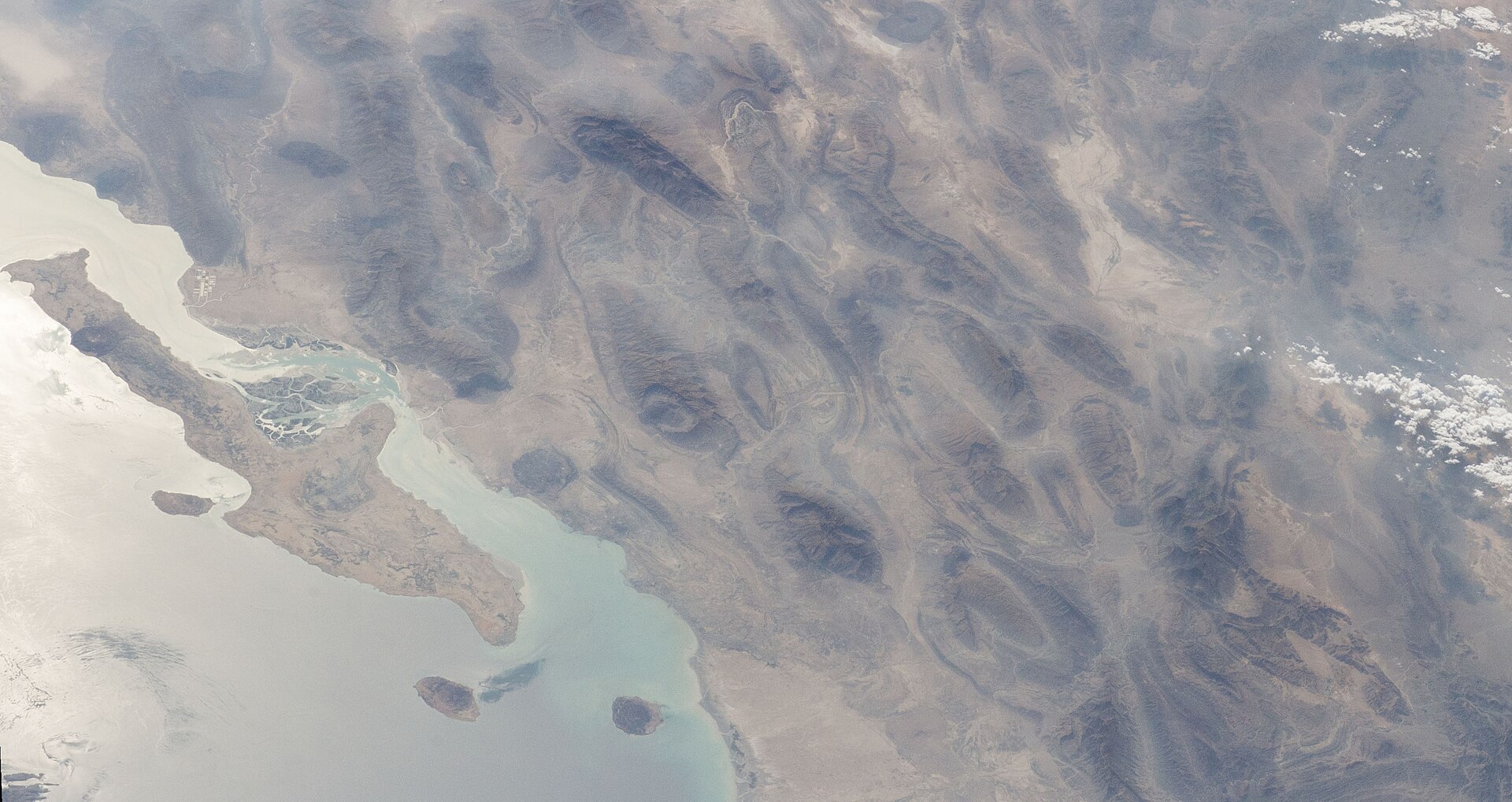
Iran’s judiciary spokesman invoked the 1982 UN Convention on the Law of the Sea to justify tanker seizures, claiming coastal states may seize vessels violating regulations “within their territorial waters or on the high seas.” The legal theory fails on three levels: Iran has signed but not ratified UNCLOS; the May 14 seizure occurred 38 to 44 nautical miles from Fujairah, well beyond any state’s 12-nautical-mile territorial sea and its 24-nautical-mile contiguous zone; and legal scholars analyzing Iran’s UNCLOS posture, including assessments published by ResearchGate and Lawfare, characterize Iran’s position as treating transit passage provisions as “quid pro quo bargains” between treaty parties rather than customary international law — a posture that selectively disclaims UNCLOS when convenient and invokes it when useful.
The legal theory does not need to survive international scrutiny. It needs to survive inside Iran.
What the judiciary is constructing is a domestic legal record — Iranian court orders that render seizures lawful under Iranian law regardless of their status under UNCLOS, regardless of where the vessel was at the time of boarding, and regardless of any agreement the foreign ministry might reach. Those orders exist. They are, as Jahangiri stated, issued after “legal procedures have been completed.” No bilateral MOU between Vance and Araghchi can vacate an Iranian court ruling without the judiciary’s participation — and the judiciary’s constitutional insulation from the elected government makes that participation structurally unavailable to the diplomatic track.
Iran has deployed this same framework in the opposite direction. When the US seized the Iranian tanker Touska in April, Iran’s UN envoy stated that Iran “has every right to counter US’s state-sponsored piracy, terrorism,” and urged the United Nations to compel its release. The reciprocal piracy framework — each side calling the other’s seizures illegal while asserting its own as lawful — has been the operating logic in the Strait since March. What the judiciary’s May 14 statement added was not a new argument but a new institutional actor: a constitutional body with binding legal authority claiming jurisdiction over the waterway, using domestic court orders as instruments that any future agreement would need to address but has no mechanism to reach.
The failed UNSC Hormuz resolution that Saudi Arabia co-sponsored attempted to establish an international legal frame for the Strait. It did not pass. The judiciary is filling the vacuum — not with international consensus but with domestic fiat, one court order at a time.
The Hui Chuan and the Operational Logic
The vessel seized on May 14 was not an oil tanker. The Hui Chuan, Honduras-flagged, was operating as a floating armory — a weapons storage platform for private maritime security firms that provide armed escorts to commercial vessels transiting the Hormuz approach zone. UKMTO confirmed it had been boarded by “unauthorized personnel” and was heading toward Iranian territorial waters. A second vessel was attacked and sunk in the same area on the same day.
Floating armories are the last layer of defense available to commercial shipping in zones where naval escorts are insufficient or unavailable. They store weapons that security teams collect before entering high-risk areas and return after transit. Seizing one removes the defensive infrastructure that enables commercial ships to move through the corridor — a more precise form of disruption than mining shipping lanes or confronting naval escorts directly.
The judiciary’s post-hoc legal cover — court orders, UNCLOS invocation, sovereignty claims — arrives after the operational fact. The IRGC or its proxies conduct the seizure. The judiciary provides the ruling. The foreign ministry is party to neither step. This division of labor is not a separation of powers in any conventional sense. It is a distribution of functions within a unified revolutionary establishment — the IRGC providing the operational arm, the judiciary providing the legal membrane, both answering to the same authority the elected president cannot reach.
Three days before the Hui Chuan seizure, on May 11, a swarm of approximately 200 IRGC fast-attack boats operated inside the northern Hormuz Corridor, halting all large-hull commercial movement. On May 13 itself — the same day Vance cited “very sensitive” negotiations — Windward AI tracked 342 fast-attack boats deployed across five monitored zones, a surge that preceded the Haji Ali sinking by hours. Pentagon comptroller Jules Hurst testified to Congress on May 13 that the US war against Iran had cost approximately $29 billion. The operational pattern on the water told a story distinct from the one Vance described on May 14 — one in which Iran is constructing a Hormuz enforcement apparatus while negotiations continue, not waiting for their outcome.
What Vance Called Progress and What Congress Called Unacceptable
Vance’s three stated demands, articulated to Fox News on May 13 and reiterated to reporters on May 14, are precise: first, “We must have the enriched material out of Iran”; second, “We must have their conclusive commitment to not develop a nuclear weapon”; third, “We need to see the Strait of Hormuz fully open.” On the third point, Vance was explicit: “This is, frankly, one of the things where the Iranians tried to move the goalposts during the negotiation.”
The MOU framework under discussion — a one-page, 14-point memo reported by Axios on May 6 — would require Iran to halt all enrichment for at least 12 years and surrender its 440.9 kg stockpile of 60%-enriched uranium, the last IAEA-verified figure from June 2025. IAEA access to Iranian nuclear facilities was terminated on February 28, 2026, meaning the current stockpile quantity — and its enrichment level — is unknown. In return: gradual sanctions relief, release of frozen assets, and withdrawal of the US naval blockade imposed on April 13. The memo would open a 30-day window for detailed negotiations on implementation.
Iran’s public position on the MOU, stated by its negotiators to Al Jazeera in early May: “At this stage, we are not negotiating our nuclear programme; it’s only about ending the war.” This formulation accepts the MOU as a ceasefire instrument while rejecting its nuclear provisions — the provisions that constitute all three of Vance’s stated red lines.
“Our right to the Strait of Hormuz is established, and the matter is closed.” — Mohammad Reza Aref, Iranian First Vice President, May 13, 2026
Vance did not address the judiciary’s May 14 statement in his remarks. He did not name Mohseni-Ejei. He did not explain which Iranian institution would guarantee that the Strait of Hormuz is “fully open” once an MOU is signed — or how a document agreed to by Araghchi could bind an institution that Araghchi’s government does not control and that Pezeshkian has publicly admitted he cannot override.
On the same day, 52 US senators and 177 House members wrote to President Trump opposing any deal that would allow Iran to continue uranium enrichment. The letter arrived while Vance was describing “progress” on a framework that requires Iran to halt enrichment for 12 years — a demand the congressional signatories would presumably support but that Iran has publicly refused to discuss. The congressional letter did not mention Hormuz. In Washington, the nuclear file and the Hormuz file are treated as connected but operationally distinct. In Tehran’s institutional architecture, they are administered by different constitutional actors with different chains of command and different conceptions of what sovereignty requires.
Can the 14-Point MOU Survive Contact with the Judiciary?
The MOU is being negotiated with Iran’s foreign ministry, which operates under the elected president. The institution asserting legal authority over the Strait — the judiciary — operates under the Supreme Leader. No provision in the MOU framework, as publicly described, addresses how a foreign ministry commitment would bind a judiciary that claims independent legal jurisdiction over the same waterway and has already issued court orders enforcing that claim.
This is the authorization ceiling that has defined every stage of this war’s diplomacy. The foreign ministry can negotiate. It cannot authorize. The IRGC Navy — operating without a named commander since Admiral Tangsiri was killed on March 30 — can enforce. It does not negotiate. The judiciary has now inserted itself as a third institutional veto, issuing court orders that create legal facts on the water before any agreement is signed and that no agreement has a mechanism to vacate.
Pezeshkian himself has named this problem. In April, he publicly accused IRGC commanders Vahidi and Abdollahi of deviating from the negotiating delegation’s mandate at Islamabad — an extraordinary admission from a sitting president that his own government does not control the actors determining war and peace. Article 110 of the constitution confirms the structural reality behind Pezeshkian’s complaint: the president has zero authority over the IRGC, which reports directly to the Supreme Leader.
Mohseni-Ejei, like the IRGC commanders, reports to the same office. Mojtaba Khamenei is described by Time magazine as “approving rather than formulating military decisions” — providing “legitimacy for their decisions” rather than directing them. A Supreme Leader who rubber-stamps hardline positions cannot instruct the judiciary to reverse its court orders to accommodate a diplomatic track the hardliners oppose. The authorization ceiling is not one person declining to authorize. It is an institutional architecture in which no single actor can commit all the actors whose cooperation a deal requires.
That institutional architecture has a specific vacancy at its center: Ali Shamkhani, killed on February 28, was the one figure inside Iran’s decision-making machinery who possessed both the standing to transmit an authorized nuclear signal and the personal willingness to do so — as his May 2025 NBC interview demonstrated. How Shamkhani’s absence turned Washington’s 14-point nuclear proposal into a message with no valid recipient is examined in a companion analysis.
The broader diplomatic architecture being assembled around this war — multilateral frameworks, Saudi-brokered channels, UNSC resolutions — assumes a coherent Iranian counterparty that can deliver on commitments made at the table. The judiciary’s May 14 statement is a declaration that no such counterparty exists, at least not for Hormuz. The CSIS fragile ceasefire brief captured the trajectory: “It is possible that the ceasefire itself will be the settlement: The United States, Israel, and Iran will not come to a final deal, but the ceasefire will continue indefinitely, with the risk of a flare-up hovering over the region.” What the judiciary’s intervention suggests is something more specific — that even the ceasefire-as-settlement model requires the acquiescence of an institution that is actively constructing an alternative legal reality.
The JCPOA Precedent That Does Not Exist
During the 2015 JCPOA negotiations, the Iranian judiciary did not make comparable public assertions about legal authority over foreign commercial vessels or maritime enforcement. The opposition to JCPOA was concentrated among IRGC commanders, former president Ahmadinejad, nuclear hardliner Saeed Jalili, and conservative clerics. The judiciary’s Majlis commission conducted hearings — inviting then-SNSC secretary Shamkhani and military chief Bagheri — but this was legislative oversight of a political process, not an independent institutional claim to sovereignty over a negotiated outcome.
The judiciary’s silence during JCPOA is what makes its 2026 assertion legible. In 2015, the institutional opponents of the nuclear deal operated through political channels: Majlis votes, Friday sermons, IRGC public statements, street protests. They did not use the judiciary as a vehicle for creating binding legal facts that would foreclose diplomatic outcomes before the ink dried. The choice not to invoke the one branch of government capable of issuing court orders immune from executive reversal was itself a form of restraint — a restraint that reflected Ali Khamenei’s decision to permit the deal while maintaining deniability about supporting it.
In 2026, that restraint has dissolved. The judiciary is not objecting to negotiations through political channels. It is building a parallel legal architecture — court orders authorizing seizures, property confiscations under “enemy collaboration” charges, wartime prosecution directives, and now a public claim to jurisdiction over the Strait of Hormuz. Each element is a legal fact that outlasts any ceasefire. Court orders do not expire when guns stop firing. Confiscated properties do not revert when an MOU is signed. The domestic legal infrastructure the judiciary is constructing during the war will persist after it, embedding Hormuz sovereignty as settled Iranian law rather than a negotiable position.
When Araghchi described captured IRGC personnel as “citizens” in April — distancing the foreign ministry from the IRGC’s operational posture — he was performing a separation of institutional identity that the judiciary’s May 14 statement makes structural and permanent. The foreign ministry negotiates. The judiciary issues court orders. No US-Iran diplomatic session since the war began has included a representative of the judiciary, and no framework under discussion provides for one.
Frequently Asked Questions
How does Iran’s judiciary differ structurally from Western judicial systems?
In most Western democracies, the judiciary is independent of both the legislature and the executive, with appointment processes that involve multiple branches. In Iran, the judiciary is independent of the elected government but directly subordinate to the Supreme Leader under Articles 57, 110, and 157. The Chief Justice cannot be removed by the Majlis or the president. The judiciary’s budget is submitted directly to the Majlis by the Chief Justice without executive review. Additionally, the Guardian Council — which vets all legislation for constitutional and Islamic compliance — includes six jurists appointed by the Chief Justice, giving the judiciary indirect veto power over legislation. This means the judiciary can both block laws that might constrain its authority and issue rulings that the elected government has no mechanism to reverse.
Has Iran’s judiciary or IRGC seized foreign vessels before the 2026 war?
Yes. Iran has a documented record of tanker seizures predating the current conflict. In July 2019, IRGC forces seized the British-flagged Stena Impero in the Strait of Hormuz after the UK detained the Iranian tanker Grace 1 off Gibraltar. In 2023, Iran seized the Marshall Islands-flagged Advantage Sweet and the Panamanian-flagged Niovi, both in international waters near the Gulf of Oman. In each pre-war case, Iranian authorities cited domestic law enforcement rather than wartime authority, establishing a legal template that the judiciary’s May 2026 statements now formalize. The 2019 and 2023 seizures relied on IRGC Navy enforcement without explicit judiciary legal cover; the 2026 seizures add formal court orders as a new institutional layer — a distinction that makes the current claims harder to reverse diplomatically because they exist as binding judicial rulings, not ad hoc military actions.
What would it take to incorporate the judiciary into a nuclear or Hormuz deal?
Any mechanism to bind the judiciary would require either a direct order from the Supreme Leader instructing the Chief Justice to vacate existing court orders and refrain from issuing new Hormuz-related rulings, or a constitutional amendment altering the judiciary’s independence from the elected government — which would itself require approval by the Guardian Council, where the Chief Justice’s appointed jurists hold half the seats. In practice, incorporating the judiciary would require Mojtaba Khamenei to overrule Mohseni-Ejei on a matter where the judiciary’s position aligns with the IRGC’s. No prior Iranian diplomatic agreement, including the JCPOA, has included the judiciary as a signatory or required the Chief Justice’s assent.
Could international courts challenge Iran’s tanker seizures?
The International Tribunal for the Law of the Sea (ITLOS) can issue provisional measures ordering the release of seized vessels, and the International Court of Justice has jurisdiction over state-to-state disputes. However, ITLOS jurisdiction generally requires both parties to have accepted it, and Iran’s non-ratification of UNCLOS complicates access. In 2022, ITLOS issued provisional measures against Russia regarding seized Ukrainian naval vessels despite jurisdictional objections, but enforcement required Russian compliance — compliance that was not forthcoming. Iran has previously ignored ICJ orders: in 2018, the ICJ directed Iran not to interfere with humanitarian trade, a ruling that had no practical effect. Flag states of seized vessels could theoretically bring cases, but Honduras — the Hui Chuan’s flag state — lacks the diplomatic weight to press claims against Iran during an active war. The legal remedies exist on paper; the enforcement mechanisms do not. The enforcement gap extends beyond legal proceedings: Saudi Arabia is now floating a Helsinki-style non-aggression pact with Tehran whose Human Rights Basket — the mechanism that ultimately destabilized the Soviet Union — has been conspicuously omitted from the current Riyadh framework.