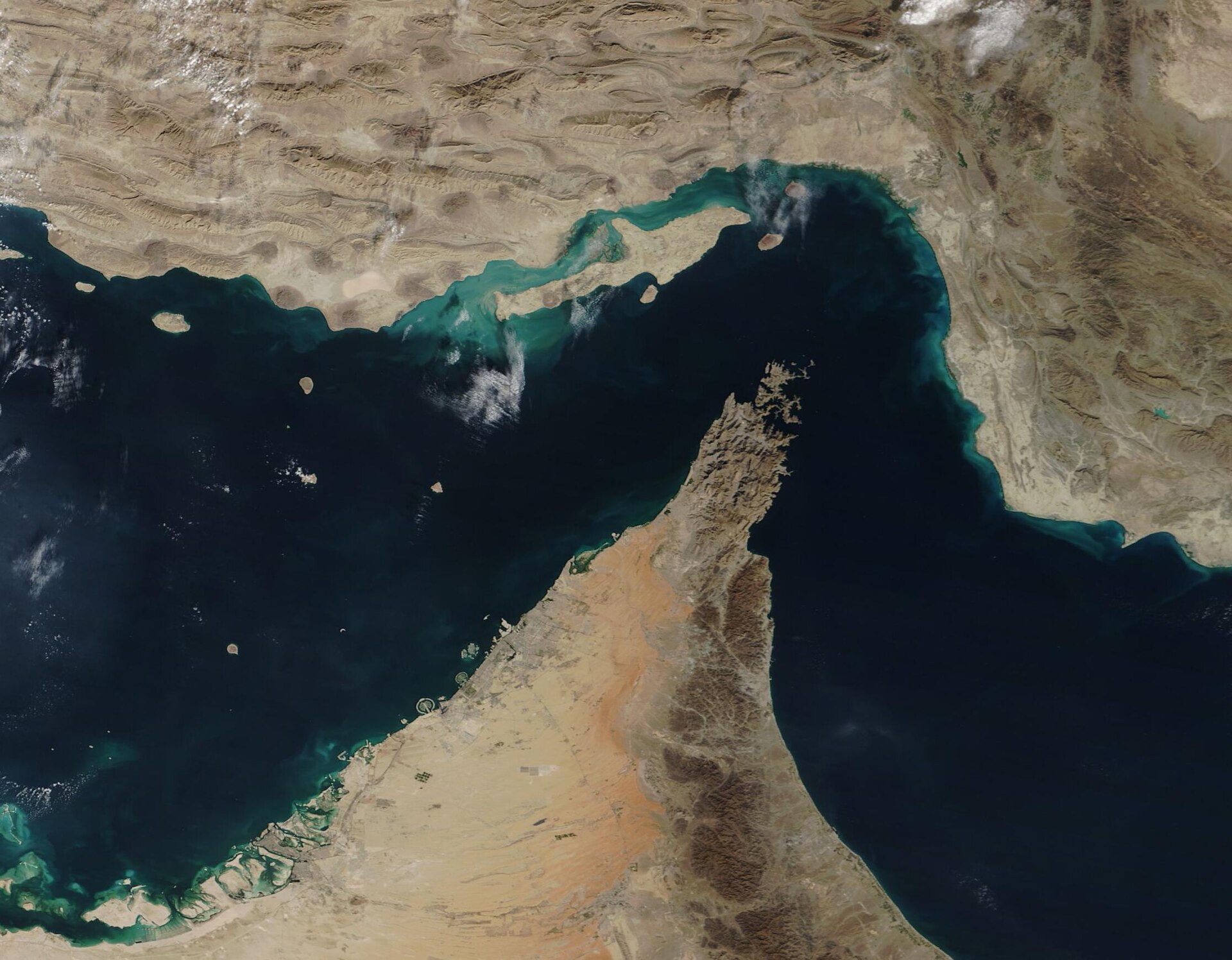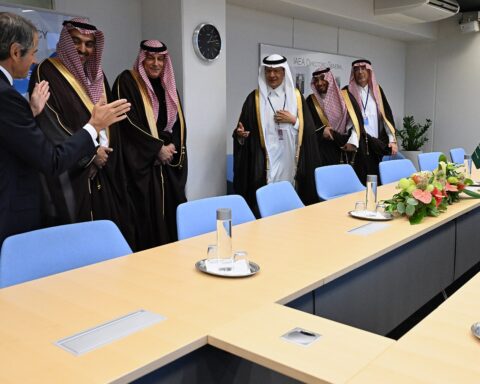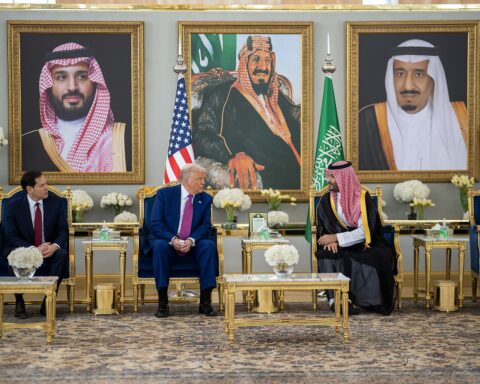

RIYADH — Saudi Arabia is shopping a non-aggression pact between Iran and its Arab neighbours that explicitly invokes the 1975 Helsinki Accords, the diplomatic framework that handed Moscow recognition of its empire and, two decades later, helped dismantle it. The Financial Times confirmed the proposal on May 14, with corroborating reporting from Middle East Eye, Iran International and Haaretz. What Riyadh appears to be offering Tehran is the parts of Helsinki that worked for the Soviet Union, with the part that destroyed it conspicuously left out.
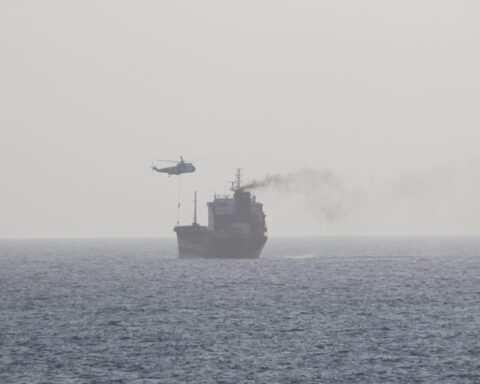
The pitch arrives at a moment when Mohammed bin Salman has burned through 86% of his Patriot interceptor stockpile, when zero tankers have transited Hormuz since May 4, and when Donald Trump has declared the ceasefire to be on “massive life support.” A senior Arab diplomat told the FT the framework would be “embraced by most Arab and Muslim states, as well as by Iranian leaders.” That last clause is the one to read twice. The question is what Tehran would be embracing. On May 15, that question became sharper still: Trump flew from Beijing aboard Air Force One and retroactively disowned the ceasefire Trump later called a favour to Pakistan, leaving the Helsinki framework floating above a diplomatic foundation its own author had just disavowed.
Table of Contents
- What Is Saudi Arabia Actually Proposing?
- The Helsinki Architecture — and What It Quietly Drops
- Why Did Basket III Destroy the Soviet Union?
- Why Basket III Cannot Destroy the Islamic Republic
- The 2023 Beijing Deal Already Tested This Premise
- What Does Tehran’s Silence Mean?
- The MBS Double Hedge — Helsinki Plus 123
- Why Helsinki Cannot Be Lifted Into the Gulf
- What MBS Is Actually Buying
- FAQ
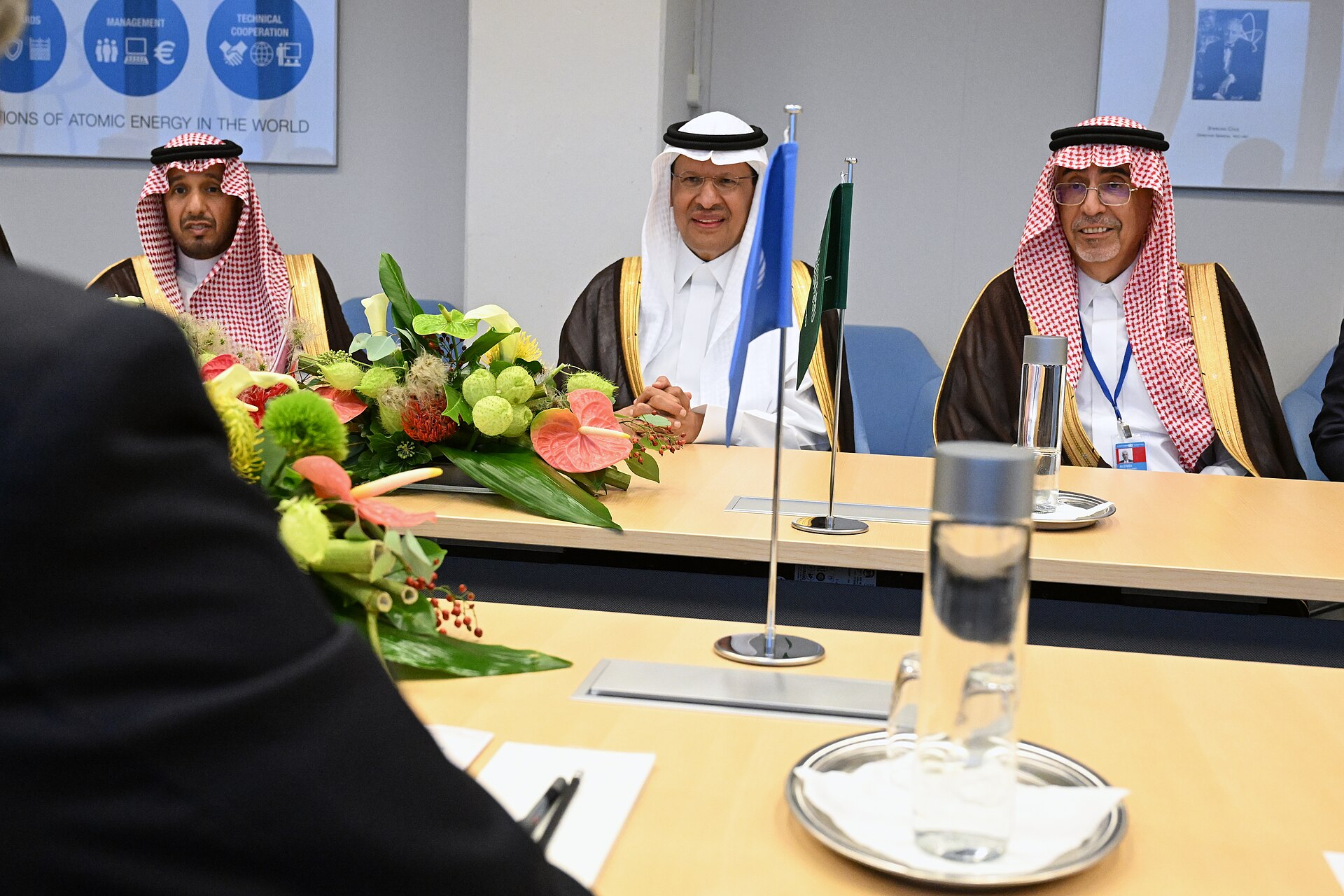
What Is Saudi Arabia Actually Proposing?
Saudi Arabia is floating a regional non-aggression pact, modelled on the Helsinki Final Act of August 1, 1975, that would bind Iran and its Arab neighbours to a set of confidence-building measures, hotlines, verification mechanisms and ministerial dialogues. The framework would be a political instrument rather than a treaty, mirroring Helsinki’s deliberate decision to avoid ratification or enforcement machinery. The Financial Times reported it on May 14; Middle East Eye, Iran International and Haaretz carried the same story within hours, with Western diplomatic sources cited across all four outlets.
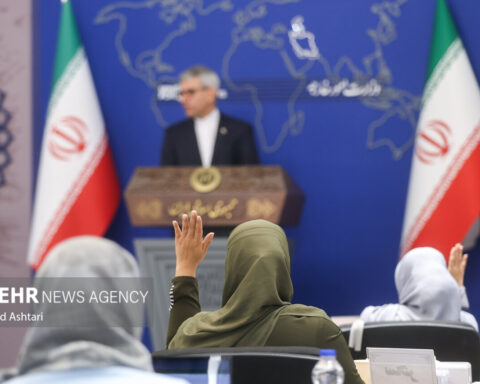
The Arab diplomat who briefed the FT framed the proposal as something Iranian leaders would also accept. That phrasing matters because Tehran has not publicly endorsed or rejected it as of May 15. The silence is not absence — it is a bargaining position held in reserve while Esmail Baghaei, the foreign ministry spokesman, repeats Iran’s sequencing demand: ending the war and lifting the Hormuz blockade come first, security architecture comes after.
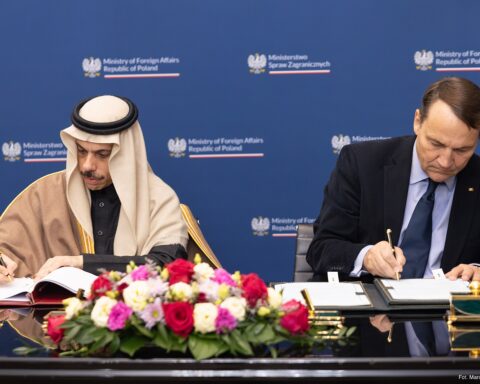
Prince Faisal bin Farhan was in Madrid on May 13 signing a Strategic Partnership Council MoU with Spain, and in Athens on May 14 sealing the Saudi-Greek Strategic Partnership Council and lodging a Patriot extension request. The same 48-hour window that produced the Helsinki story produced two European bilateral instruments and a request for the interceptors that would matter most if the Helsinki story does not produce a deal. Reading those three things together gives a clearer picture than reading any one of them alone.
The framework’s reported elements track Helsinki’s procedural inventory closely — military de-confliction lines, advance notification of major exercises, observer exchanges at manoeuvres, code-of-conduct provisions on cross-border interference. None of these were original to Helsinki either; they were drawn from the Conference on Security and Cooperation in Europe process that ran for two years before the Final Act was signed. What Riyadh appears to be proposing is the procedural skeleton without the political substance that gave the original its weight on either side.
The Middle East briefing 3,000+ readers start their day with.
One email. Every weekday morning. Free.
The Helsinki Architecture — and What It Quietly Drops
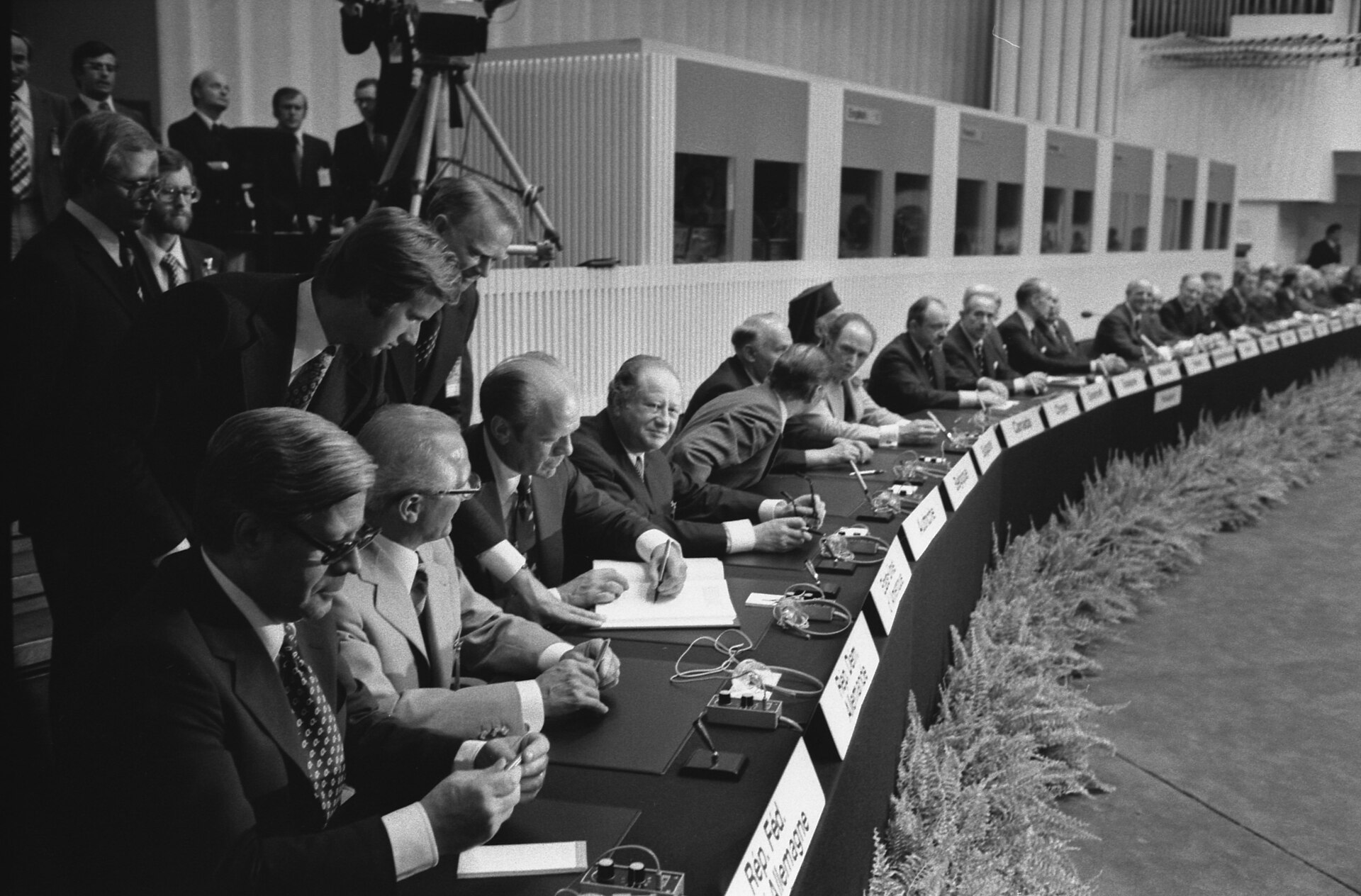
The original Helsinki Final Act was signed by 35 states and divided into four baskets. Basket I codified the inviolability of post-WWII European borders, which is the clause that gave the USSR de facto Western recognition of its hegemony over Eastern Europe. Basket II covered economic and scientific cooperation. Basket III committed signatories to human rights — emigration freedom, family reunification, free movement of people and ideas, press freedom.
The instrument was, on paper, almost nothing. The Vanderbilt Journal of Transnational Law analysis preserved by LegalClarity is blunt about its legal weight: the expressions “determination to respect” and “put into practice” were “seen to represent moral commitments only; nowhere did the participants provide for enforcement machinery.” This is what Soviet negotiators thought they were buying — a moral framework with no bite, in exchange for the Western signature on their map of Europe.
A non-aggression pact modelled along the lines of the Helsinki process is something likely to be embraced by most Arab and Muslim states, as well as by Iranian leaders.Senior Arab diplomat to the Financial Times, May 14, 2026
What Riyadh has reportedly drafted preserves the structural features of Baskets I and II — borders, sovereignty, economic cooperation, hotlines, verification, ministerial channels. The reporting from MEE, FT and the Caspian Post aggregations contains no equivalent of Basket III. There is no human rights clause, no emigration provision, no free-movement language for citizens or ideas across the Gulf. The mechanism that turned Helsinki into a Soviet death sentence has been engineered out of the Saudi version.
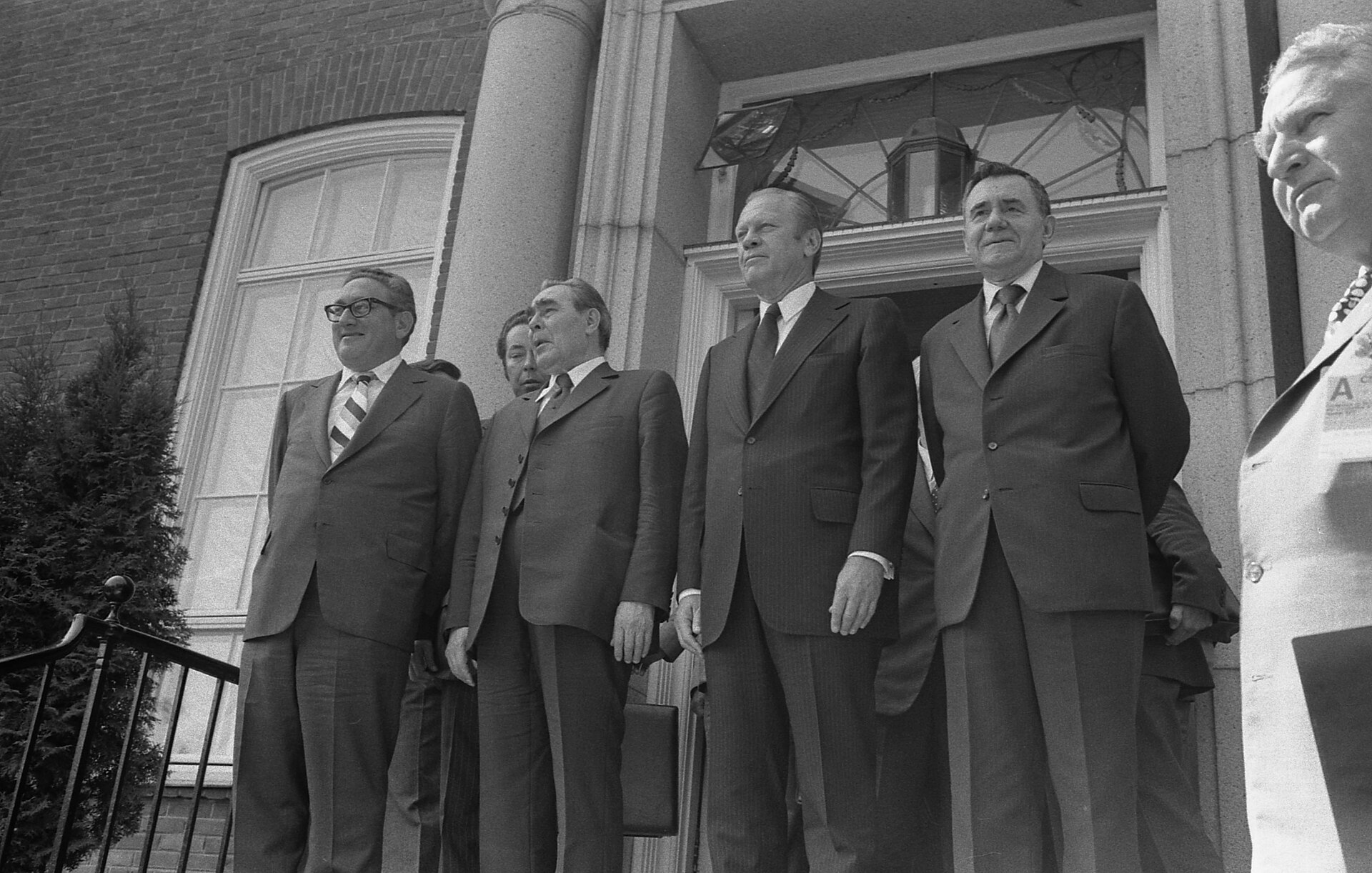
Why Did Basket III Destroy the Soviet Union?
Basket III destroyed the Soviet Union because it gave dissidents inside a closed ideological system a piece of paper their own government had signed. The physicist Yuri Orlov read the Final Act, took the human rights language at face value, and in May 1976 founded the “Public Group to Promote Fulfillment of the Helsinki Accords in the USSR.” The model spread across the Warsaw Pact, producing Helsinki monitoring committees in Moscow, Kyiv, Vilnius, Warsaw and Prague, and eventually Charter 77 in Czechoslovakia.
The Atlantic Council and CSCE.gov histories converge on the same finding: Basket III became the legal scaffolding around which dissident networks organised the slow internal collapse of the Soviet bloc. The Kremlin had treated it as the price of admission for Basket I. It turned out to be the price of the system itself.
Orlov was arrested within ten months of forming the Moscow Helsinki Group. He spent nine years in labour camps and internal exile, and the Soviet authorities believed they had killed the project. They had not. The arrest converted Orlov from a physicist into an international symbol, and the language of the Final Act gave Western governments a legitimate diplomatic vocabulary for raising his case at every subsequent CSCE follow-up meeting. Helsinki had created the legal pretext for permanent Western interference in Soviet domestic governance, and the Soviets had signed it themselves.
The Helsinki framework worked against the USSR because two structural conditions were present. Soviet legitimacy rested on a Marxist-Leninist claim that was internally falsifiable — a regime that promises proletarian liberation cannot easily explain why it imprisons the workers who organise. And the Soviet system was institutionally closed in ways that made any external legal commitment to openness corrosive. Basket III did not need to be enforced. It needed only to exist as a document Soviet citizens could quote.
Why Basket III Cannot Destroy the Islamic Republic
Even if a hypothetical Basket III were welded onto the Saudi proposal, the mechanism would not replicate against Iran. The Velayat-e Faqih system rests on theological claims about the guardianship of the jurist, not on falsifiable promises about material liberation. A regime whose legitimacy comes from Khamenei’s interpretive authority over Shia jurisprudence does not collapse the way a regime whose legitimacy comes from delivering communism collapses.
The Iranian state is also structurally less closed than the late USSR in the ways that mattered to Helsinki. There are elections, parliamentary debates, factional press wars, public protests that the regime survives by absorbing rather than denying. What looks like openness functions as pressure release. Dissident monitoring of paper commitments does not corrode a system that has already routinised its own dissent into Friday prayer denunciations.
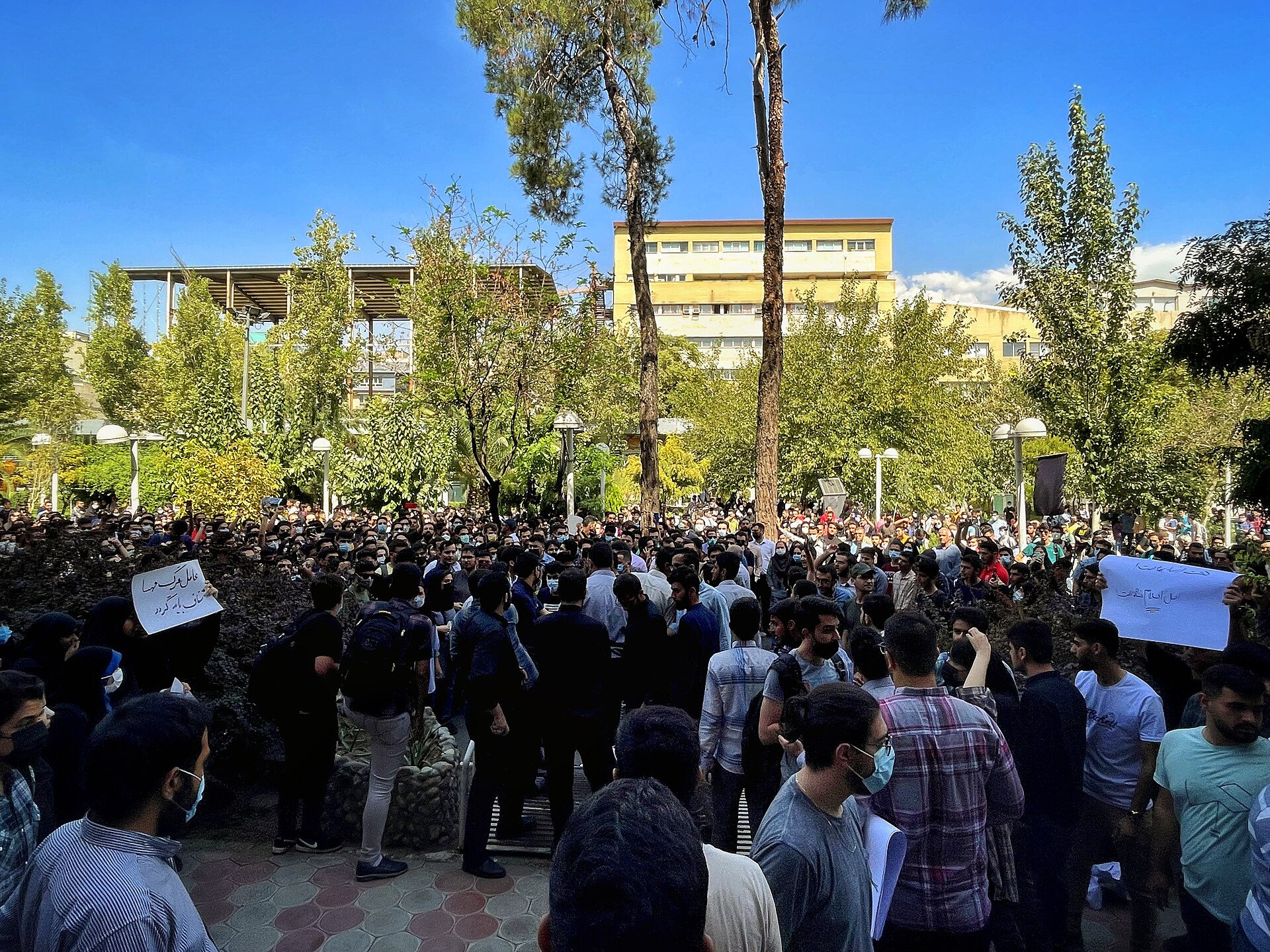
Iran has also lived under sanctions, human rights resolutions and UN Special Rapporteurs continuously for decades. The Islamic Republic has rehearsed every form of external normative pressure that Helsinki Watch generated for the Soviet Union, and the regime is still in place. The Mahsa Amini protests of 2022-2023 produced what was arguably the largest organic civil mobilisation in the Republic’s history, and the security architecture absorbed it without structural concession. The infrastructure for processing Basket III pressure already exists in Tehran. It does not exist in 1976 Moscow.
This is the deeper problem with the Helsinki analogy. The mechanism that made Helsinki dangerous for Moscow does not exist in Tehran’s institutional architecture, even before you consider that Riyadh has not included it in the proposal. The Saudi framework is therefore Helsinki without its only proven lethal feature, applied to a target that the lethal feature could not have killed anyway.
The 2023 Beijing Deal Already Tested This Premise
The empirical baseline for what happens when Iran signs a high-profile rapprochement with Saudi Arabia is the Beijing-brokered normalisation of March 2023. Iran agreed to halt weapons supplies to the Houthis as part of the deal. Within months, Foreign Policy reported in June 2023 that the IRGC, which the Stimson Center and FPRI both describe as “largely in charge of the Yemen file,” had continued weapons cooperation with what one analyst called “certain inertia.” The proxy commitment — the part most relevant to the new Helsinki pitch — failed within a single news cycle.
Iranian state doctrine on this question has not changed. Tehran insists Hezbollah, the Houthis and the Iraqi muqawama factions are independent actors over which the Islamic Republic exerts ideological sympathy but no operational control. This is the position Iran would carry into any Helsinki framework. A non-aggression pact would commit the Iranian state to behaviours the Iranian state already claims it does not authorise.
The IRGC-Quds Force model was designed for plausible deniability. Helsinki tried to regulate state-to-state behaviour between adversaries that operated through their own uniformed forces. The Gulf adversary operates through forces it constitutionally describes as belonging to someone else. Araghchi’s framing of captured IRGC colonels in Kuwait as “citizens” is the same loophole in real time, deployed inside another GCC state’s territorial waters within the same week the Helsinki proposal surfaced.
The Beijing precedent matters in a second way that is rarely cited. The 2023 deal had something the proposed Helsinki framework lacks — a single great-power broker with simultaneous deep economic exposure over both signatories. Beijing held energy import contracts with Iran, infrastructure investment commitments with Saudi Arabia, and the only publicly demonstrated diplomatic relationship trusted by both. The new framework is being floated without that broker, with Beijing instead writing parallel terms with Trump on May 14 that did not mention Riyadh’s proposal at all.
What Does Tehran’s Silence Mean?
Iran has not publicly endorsed or rejected the Saudi proposal as of May 15, and that gap is the most informative thing Tehran has said. A regime that wanted to kill the framework would have killed it through PressTV within hours. A regime that wanted to embrace it would have leaked an enthusiastic foreign ministry response. Instead, Baghaei has restated the sequencing demand — end the war, lift the blockade, then we talk about architecture.
This is a card being held. Tehran reads the proposal as confirmation that Riyadh wants a paper peace badly enough to pay for it, and is using the silence to extract the substantive concession before the procedural one. PressTV’s framing on May 13 described Iran as consolidating “power on various fronts, positioning it at the heart of regional security.” Iranian state media is not reading this as containment. It is reading it as recognition.
Iran’s ambassador to China has separately floated a competing framework — international guarantees involving China, Pakistan, Turkey and Russia rather than the Gulf states. That proposal would institutionalise Iranian legitimacy without binding Tehran to bilateral Gulf constraints. Riyadh would be a participant in its own region’s security order rather than the architect of it. The two proposals are now sitting on the same table, and they are not compatible.
The MBS Double Hedge — Helsinki Plus 123
Read the Helsinki proposal alone and it looks like de-escalation. Read it next to the November 2025 US-Saudi 123 Agreement and a different shape appears. The 123 instrument, as the Arms Control Association noted in February 2026 and Brookings has confirmed, does not expressly forbid Saudi uranium enrichment. That is a deliberate and historic departure from the “gold standard” non-proliferation framework Washington has demanded of every other partner.
Mohammed bin Salman has stated publicly, and the Arms Control Association has documented, that Saudi Arabia “would seek to acquire nuclear weapons if Iran were to develop a nuclear bomb.” Place that statement next to the enrichment right Saudi Arabia secured from Washington while Washington was demanding Iran destroy its own enrichment capacity, and the architecture becomes legible. Riyadh is hedging on two tracks simultaneously.
The Helsinki pact is the diplomatic track and the 123 enrichment carve-out is the kinetic track. If the diplomatic track holds, MBS becomes the architect of the post-war Gulf security order. If it fails, Saudi Arabia retains a treaty-sanctioned right to develop the fuel cycle that ends in a weapon. The two instruments hedge against each other, which is not what de-escalation looks like. Part of what drives the non-nuclear framing of Riyadh’s outreach is the recognition that the nuclear bilateral track is itself structurally closed: Trump’s May 16 proposal reached an SNSC that has cycled through three secretaries in four months, each drawn from deeper within the IRGC core, with no figure currently in place who combines the institutional standing to authorize concessions with any diplomatic inclination to make them.
Why Helsinki Cannot Be Lifted Into the Gulf
Helsinki worked, to the extent it worked, because two symmetric blocs sat across from each other with mutually assured destruction holding the floor. NATO and the Warsaw Pact each had nuclear arsenals, integrated command structures and agreed adversary identities. Compliance with the Final Act was enforced by the structural certainty that violation could escalate to nuclear exchange.
The Gulf has none of these features. There is no opposing bloc to Iran that operates with shared command. The IISS noted in May 2026 that “a new Middle Eastern quadrilateral is taking shape” — Saudi Arabia, Egypt, Turkey and Pakistan, with a combined population of around 500 million and one nuclear-armed member. But that grouping is structurally asymmetric to Iran, and its members do not yet share doctrine, planning or alliance commitments. Pakistan’s nuclear arsenal is aimed at India, not at Iran.
Egypt and Turkey are not aligned on Libya, on the Eastern Mediterranean gas dispute or on the Muslim Brotherhood file. The quadrilateral that the IISS describes is a population sum and a diplomatic posture, not yet an alliance with shared planning cells, force-generation timelines or pre-committed escalation ladders. Brezhnev sat across from a NATO that ran joint exercises continuously through the 1970s. Khamenei would sit across from four states whose only common doctrine is that they would prefer not to fight him alone.
Chatham House framed the underlying problem in 2020: any regional security process “would need to arrive at a shared set of principles to guarantee objectives and commit to non-aggression and non-interference,” and confidence-building without enforcement remains aspirational. Brookings has gone further, proposing what it calls a “security condominium in the Persian Gulf” — a structurally more ambitious instrument than what Saudi Arabia is currently floating. The Riyadh proposal is the lighter version of an idea that even its more developed forms have not been able to deliver.
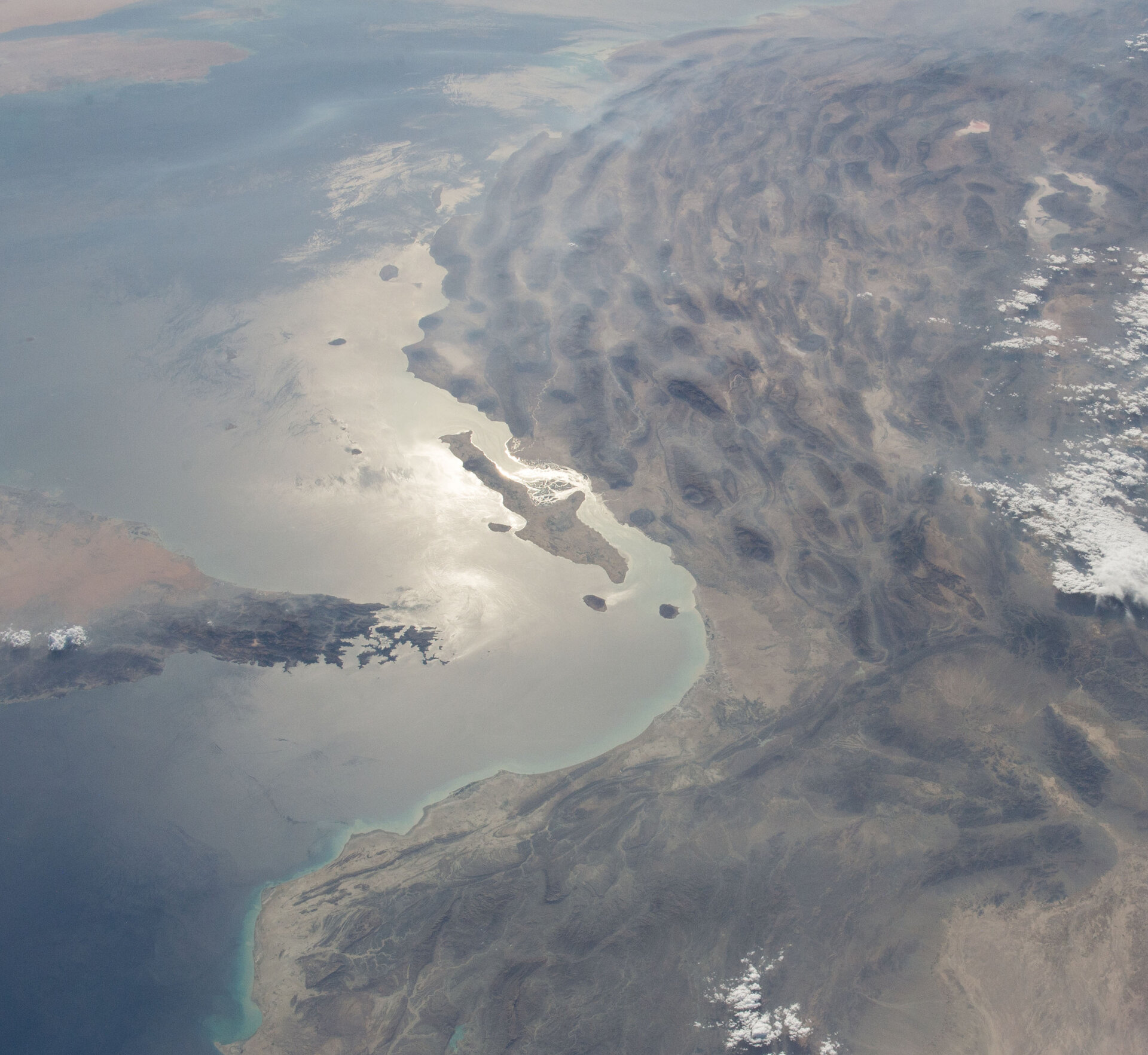
What MBS Is Actually Buying
Strip the Helsinki language away and the substance of the proposal is recognition. Iran would receive Arab acknowledgement of its place in the regional order, formal channels, hotlines and economic cooperation. Saudi Arabia would receive a paper commitment to non-aggression that does not bind the IRGC, a verification mechanism that does not cover proxies, and the diplomatic standing of having authored the framework. That authorship ambition is inseparable from the founding Saudi-UAE fracture: MBS rejected MBZ’s call for a joint Gulf strike, then struck Iran unilaterally, producing a Gulf order in which Riyadh authors its own strategic decisions and Abu Dhabi builds its own — the precise condition that makes a Saudi-branded Helsinki framework structurally contested before it is even tabled.
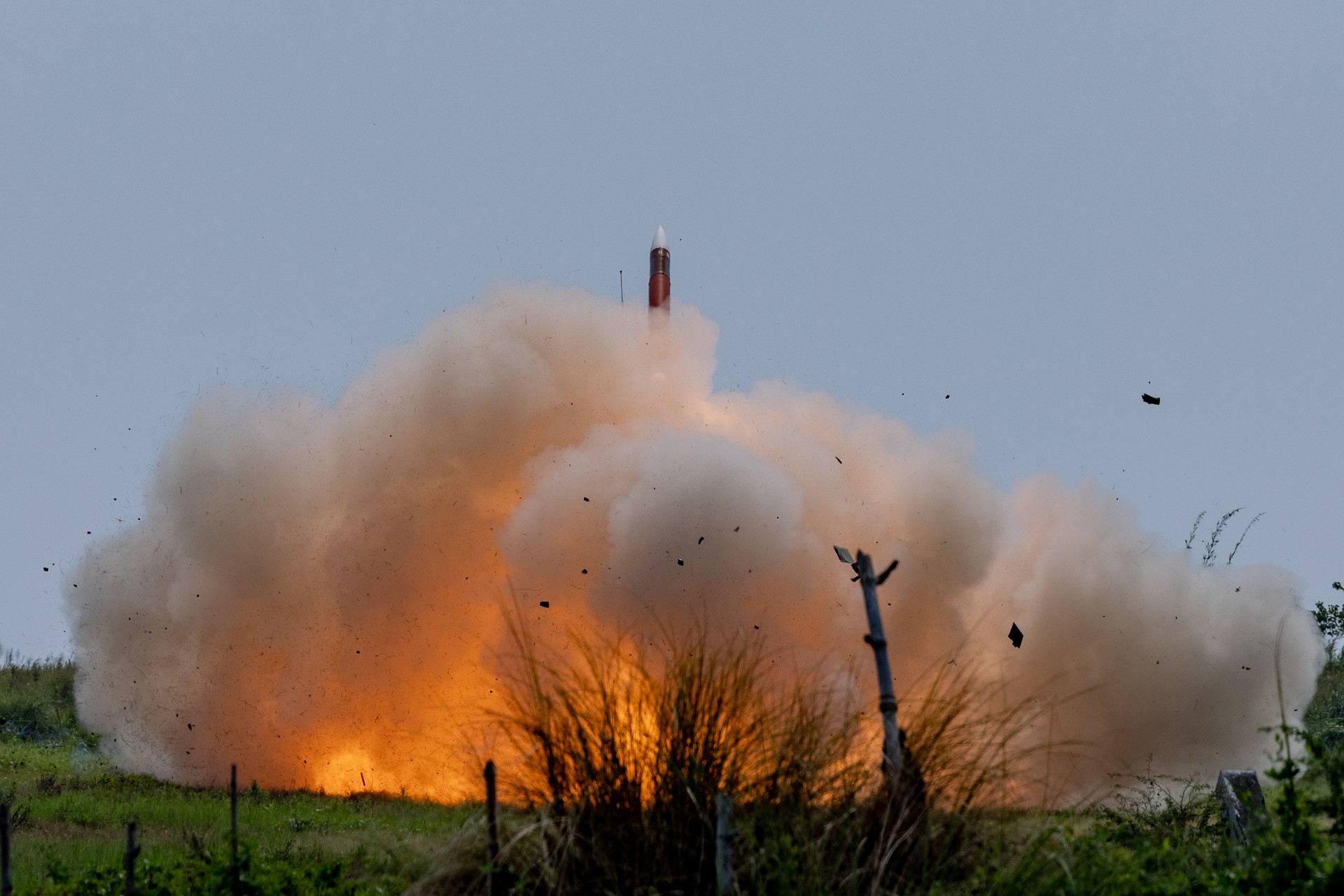
The timing makes the trade legible. Saudi Arabia has approximately 400 PAC-3 interceptors remaining after 38 days of high-intensity combat, with no US resupply scheduled before mid-2027 under the DoD contract signed January 30. Iran threatened weapons-grade enrichment on May 12 if talks collapse.
Operation Epic Fury is over, the arsenal that powered it is spent, and the Pentagon’s own munitions math tells Riyadh that the next phase cannot be conducted with American interceptors. The Helsinki proposal arrives in that vacuum.
Helsinki bought Moscow recognition of an empire it could no longer hold militarily without the West fighting for it. Brezhnev’s calculation in 1975 was that he needed the paper because the tanks would not be enough on their own. The structural logic of the Saudi proposal in May 2026 is uncomfortably similar — Riyadh needs the paper because the interceptors are running out, the Hormuz blockade has been quietly punctured by China, and the Trump-Xi summit froze Saudi Arabia out of the Hormuz endgame on May 14. The framework is being shopped not from a position of post-victory consolidation but from one of strained capacity.
The Trump-Xi joint statement that day demanded Hormuz remain open, with no tolls and no militarisation, and ruled out an Iranian weapon. Xi offered to broker peace and pledged no Chinese military equipment to Iran. None of it mentioned the Saudi framework. The architect of the proposed Helsinki architecture was not in the room when the two larger powers wrote the parameters his architecture would have to fit inside.
| Helsinki 1975 (USSR) | Helsinki 2026 (Riyadh proposal) |
|---|---|
| Basket I: border inviolability — recognition of Soviet hegemony in Eastern Europe | Sovereignty / non-aggression — recognition of Iranian regional standing |
| Basket II: economic and scientific cooperation | Economic cooperation, ministerial dialogues |
| Basket III: human rights, emigration, free movement, press freedom | No equivalent reported |
| 35 signatories, two symmetric blocs (NATO / Warsaw Pact) with nuclear deterrence enforcing compliance | No bloc symmetry; asymmetric quadrilateral (Saudi-Egypt-Turkey-Pakistan) opposite Iran |
| USSR was institutionally closed; Marxist legitimacy internally falsifiable | Iran politically absorptive; Velayat-e Faqih theologically grounded |
| Adversary state acted through uniformed forces | Adversary state acts through proxies it formally disowns (IRGC-Quds Force model) |
| Failed for the USSR over 14 years | 2023 Beijing precedent failed within months on the proxy clause |
The Helsinki Final Act was a Western trap that the Soviet Union walked into willingly because it could not see the Basket III mechanism for what it was. The Saudi proposal is a framework that Iran can walk into with its eyes open, because the Basket III mechanism is not in the document and would not work against Iran’s regime structure even if it were. What MBS is offering to author is the legitimisation half of Helsinki, with the destabilisation half stripped out, applied to a target the destabilisation half could not have reached anyway. Khamenei would get something he wants in 2026, keep his system, and leave Riyadh holding the paper.
Saudi Arabia’s first-quarter fiscal confession — a record $33.5 billion deficit consuming 76% of the full-year projection in ninety days — makes the Helsinki framework’s urgency legible as economics rather than strategy alone. At a monthly deficit burn rate of $11.2 billion, Riyadh is not floating a diplomatic concept; it is pricing a necessity.
What the Helsinki framework requires, however, is an Iranian counterparty capable of delivering on what is agreed — a structural problem that predates the Saudi proposal. The man who could have transmitted an authorized nuclear signal from inside Iran’s decision-making architecture died on February 28, and his absence shapes every parallel track, including Riyadh’s. How the authorization ceiling left Washington’s 14-point nuclear proposal without a valid recipient is examined in a companion analysis.
For a detailed account of the full bilateral architecture that emerged — from the covert RSAF strikes and the 76 percent attack reduction to the Enayati diplomatic backchannel and the Helsinki non-aggression framework — see Saudi Arabia Built a Private De-Escalation Track With Iran. The MOU’s Death Makes It the Only One Left. That analysis documents the complete picture of what Riyadh has been running in parallel with the US-Iran negotiating track.
FAQ
Has Iran formally responded to the Saudi Helsinki proposal?
No Iranian official has publicly endorsed or rejected the framework as of May 15. Tehran has deliberately split the response across institutions: the foreign ministry (Baghaei) issued a sequencing demand — war ends, blockade lifts, then architecture — while the ambassador to China promoted a rival guarantor framework (China, Pakistan, Turkey, Russia) through a separate channel. Routing the counter-proposal through Beijing rather than Tehran signals Iran wants a competing architecture on the table, not a rejection of the concept itself.
How is the Saudi framework legally distinct from a treaty?
The 1975 Helsinki Final Act was deliberately drafted as a political instrument rather than a treaty, requiring no ratification and providing no enforcement machinery. The Vanderbilt Journal of Transnational Law analysis describes its core obligations as “moral commitments only.” Reproducing this structure means the Saudi proposal would not be subject to the US Senate’s two-thirds ratification rule, would not bind successor governments through standard treaty mechanisms, and would have no compliance court — features Iran would consider essential and that Riyadh appears willing to provide.
What is the difference between the Saudi proposal and Brookings’ “security condominium”?
Brookings has proposed a Persian Gulf “security condominium” that would include shared crisis-management protocols, joint maritime patrols, integrated air-defence transparency and structured great-power guarantees. The Saudi Helsinki framework, as reported, is substantially lighter — confidence-building, hotlines and ministerial dialogues without integrated military mechanisms. The condominium model assumes parity of obligation; the Helsinki model historically traded recognition for paper commitments. Riyadh has chosen the cheaper instrument.
Could a future Basket III be added to the Saudi framework?
Politically improbable on either side. Riyadh would have to accept human rights monitoring of its own internal practices, which the kingdom has consistently refused in every prior bilateral instrument including the Strategic Partnership Councils signed with Madrid on May 13 and Athens on May 14. Tehran would have to accept emigration, press freedom and free-movement clauses incompatible with Velayat-e Faqih jurisprudence. The asymmetry that makes Basket III politically toxic is bilateral, not unilateral.
What does Pakistan’s nuclear status add to the IISS quadrilateral framing?
Pakistan brings declared warheads — roughly 170 by SIPRI’s most recent estimate — but its arsenal is doctrinally aimed at India under the Strategic Plans Division’s targeting framework, not at Iran. The IISS quadrilateral therefore does not produce nuclear deterrence vis-a-vis Tehran in the way NATO’s arsenal produced deterrence vis-a-vis the Warsaw Pact. Pakistan’s contribution to a Gulf Helsinki would be conventional and diplomatic; its nuclear weight remains structurally unavailable to enforce a regional non-aggression instrument.