Changed: True -> False
{“content”: “
ISLAMABAD u2014 The United States transmitted a new draft peace agreement to Iran on May 21 via Pakistan u2014 a country that simultaneously maintains 8,000 troops and Chinese-manufactured HQ-9 long-range surface-to-air missile systems on Saudi Arabian soil under a mutual defence pact that treats any attack on the Kingdom as an attack on Islamabad. The choice of courier is the story.
n
Iran confirmed through Tasnim News Agency that it had begun “studying” the proposal. The leak was calibrated: Tehran, not Washington or Islamabad, chose to announce the transmission u2014 positioning itself as the deliberate party examining terms, not one being pressured. The draft is structured as a one-page letter of intent that both parties would sign to formally end the war, triggering a 30-day negotiation window on uranium enrichment and the Strait of Hormuz.
On May 22, before Munir reached Tehran, Al-Arabiya published a purported “final draft” of that letter of intent — an eight-point document framed as imminent. Neither Washington nor Tehran confirmed it. The publication, by a broadcaster 54 percent controlled by PIF, placed Riyadh’s media apparatus inside a diplomatic process its officials cannot enter directly.
The Middle East briefing 3,000+ readers start their day with.
One email. Every weekday morning. Free.
n
Its terms remain unresolved on every point that matters. The US demands a 20-year enrichment moratorium; Iran offers five. The US demands the transfer of 440 kilograms of 60%-enriched uranium to a third country; Iran’s parliament has declared enrichment a “sovereign right” that is “categorically rejected” as a subject of external restriction. And on May 20, when Donald Trump briefed Benjamin Netanyahu on the letter’s framework, a US source described Netanyahu’s response as having “hair on fire.”
n
Saudi Arabia holds no vote in either conversation u2014 and is the most exposed party if either track fails.
n
Table of Contents
n
- n
- Why Did Washington Choose Pakistan as the Channel?
- The April 11 Convergence
- What the Letter of Intent Contains
- What Did Netanyahu Say When Trump Told Him?
- The Enrichment Gap Nobody Has Closed
- How Does Iran’s Hormuz Toll Authority Complicate the Deal?
- Saudi Arabia’s Impossible Geometry
- The Quadrilateral Architecture
- What Happens If the Letter Fails?
- Frequently Asked Questions
- n
n
n
n
n
n
n
n
n
n
n
n
n
n
n
Why Did Washington Choose Pakistan as the Channel?
n
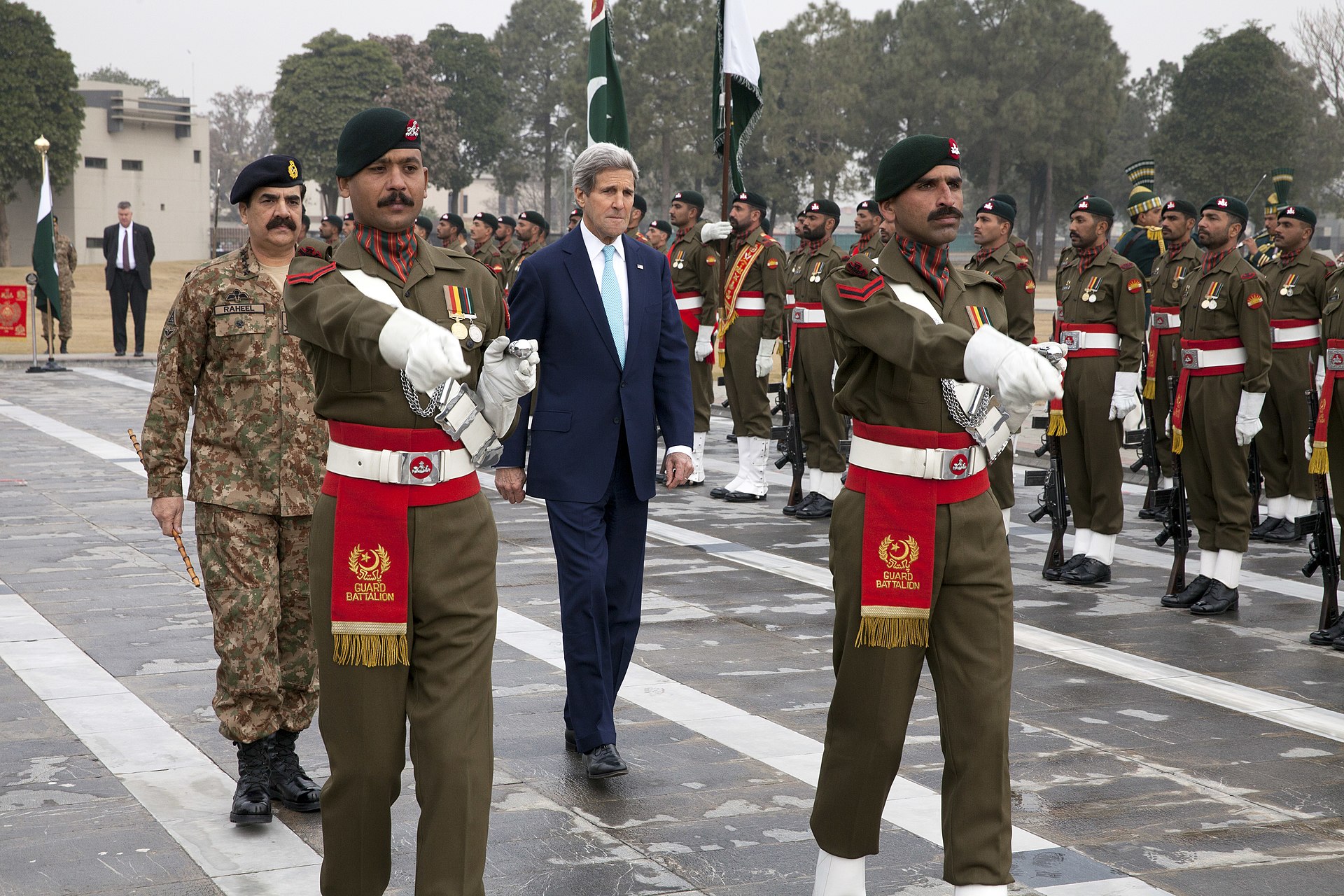
Pakistan holds diplomatic relations with both the United States and Iran, shares a 959-kilometre land border with Iran’s Sistan-Baluchestan province, and maintains the only active military deployment on Saudi soil capable of integrated air defence. No other state occupies all three positions simultaneously. Washington did not select Pakistan for convenience u2014 it selected the one country whose structural incentives make abandoning the process costlier than completing it.
n
The logic is older than the current war. Pakistan’s General Yahya Khan facilitated the Nixon-China backchannel in 1971-72. Islamabad mediated the 1988 Geneva Accords that extracted the Soviet Union from Afghanistan. In both cases, Pakistan’s utility derived from the same quality: geographic exposure that made neutrality impossible and engagement inevitable.
n
Tehran calculated that Islamabad’s border vulnerability and its domestic financial dependence on Gulf remittances rendered it “structurally incapable of serving as Washington’s instrument,” as one regional diplomat framed it during the April talks. Turkey had credibility from Gaza ceasefire negotiations but lacked direct Washington access at the required level. Qatar had the backchannel but no military weight. Pakistan had all three u2014 and, as of September 17, 2025, a mutual defence agreement with Saudi Arabia containing a clause that “any aggression against either country shall be considered aggression against both.” Qatar’s backchannel role has since evolved into something more structurally ambiguous: on May 22, Doha co-signed the GCC’s IMO protest against Iran’s Hormuz jurisdiction map and dispatched a negotiating team to Tehran on the same day — adding Qatar as a second active mediator in the Gulf track alongside Pakistan, but one operating without Pakistan’s military weight or Washington’s direct trust.
n
Sina Azodi, assistant professor of Middle East politics at George Washington University, identified the constraint directly: “I don’t believe that Pakistan will jeopardise its relationship with Iran, given both religious ties and ethnic and linguistic affinity.” Pakistan’s mutual defence pact with Saudi Arabia and its financial dependence on Gulf remittances sit on one side of that relationship. A shared land border and Shia minority politics sit on the other.
n
The April 11 Convergence
n
On April 11, 2026, US Vice President JD Vance sat in an Islamabad hotel conducting the first extended direct-adjacent negotiations between Washington and Tehran since the war began. The same day, a deployment of Pakistani military aircraft landed at Saudi Arabia’s King Abdulaziz Air Base.
n
The simultaneity was not accidental. Pakistan’s Prime Minister Shehbaz Sharif and Field Marshal Asim Munir led the Pakistani delegation at the Islamabad Talks on April 11-12. Sharif described Pakistan’s role as demonstrating “unwavering resolve to facilitate a negotiated settlement.” He did not mention the aircraft that had departed Pakistani airspace that morning for a Saudi military installation.
n
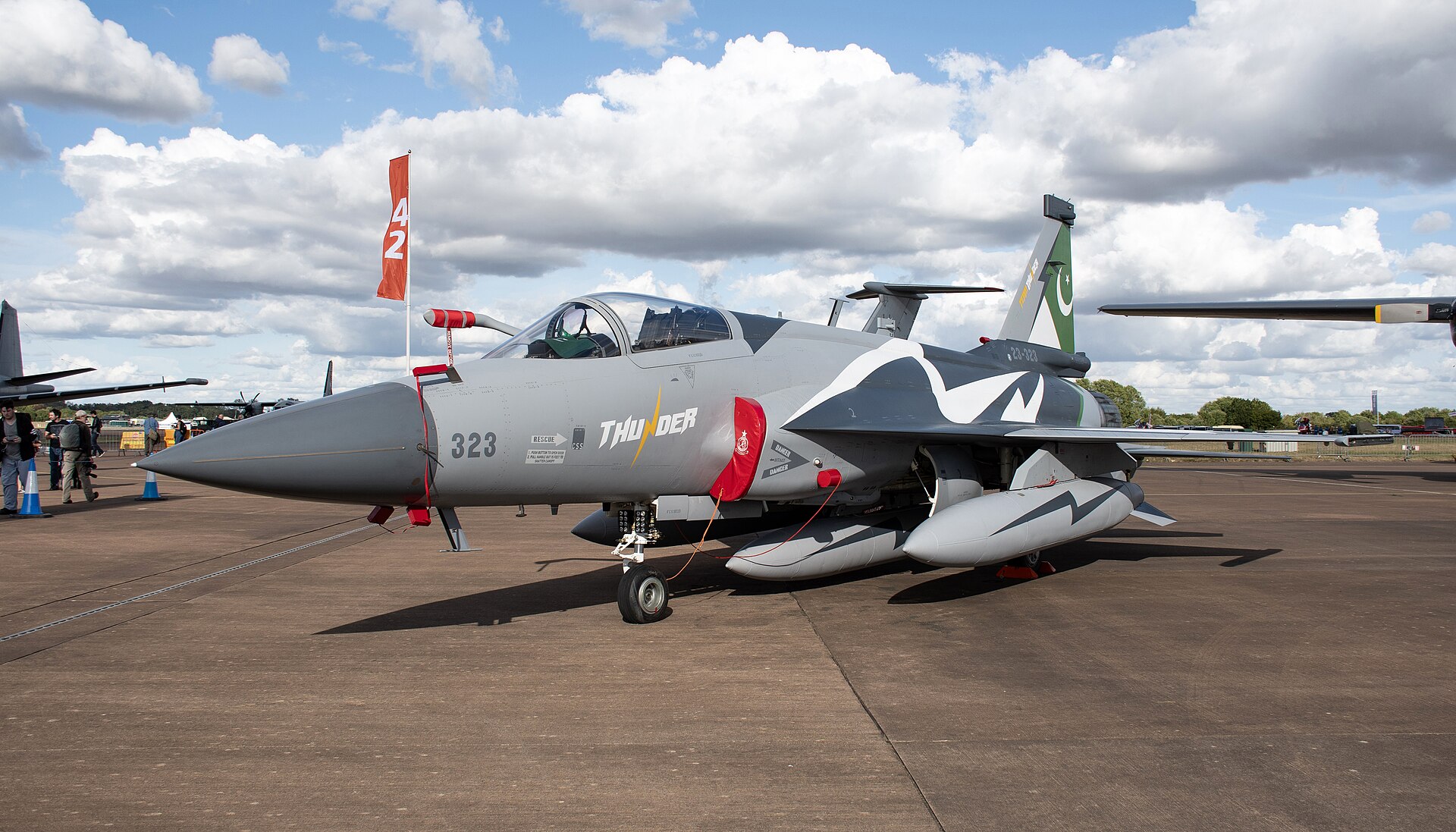
The deployment that began in early April 2026 under the Strategic Mutual Defence Agreement placed approximately 8,000 Pakistani troops, a squadron of JF-17 fighter jets, military UAVs, and Chinese-manufactured HQ-9 long-range surface-to-air missile systems on Saudi soil. The HQ-9 is a system with a 200-kilometre engagement envelope, operated by Pakistani crews but positioned to defend Saudi airspace against the very country Pakistan was simultaneously mediating with.
n
Pakistan’s channel role is not neutral logistics. It is a treaty-bound military ally of one party’s closest Gulf partner, hosting another great power’s weapons systems on that partner’s territory, while carrying messages between the two belligerents. Every participant in the talks knew this on April 11. The deployment had begun the same morning.
n
What the Letter of Intent Contains
n
The draft transmitted on May 21 evolved through several iterations. The US began with a 15-point proposal passed to Iran via Pakistan in March 2026. That was refined to 14 points and presented formally: a 20-year enrichment moratorium, transfer of Iran’s entire 440-kilogram stockpile of 60%-enriched uranium to a third country, and dismantling of centrifuge infrastructure at Natanz, Fordow, and Isfahan. Iran rejected these terms on May 10.
n
What emerged by May 20 u2014 drafted jointly by Qatar and Pakistan with input from Saudi Arabia, Turkey, and Egypt u2014 is a stripped-down framework. Axios described it as a “one-page memo” or “letter of intent” that both the US and Iran would sign to formally end hostilities, triggering a 30-day negotiation window on the unresolved nuclear and maritime questions.
n
| Issue | US Position | Iran Position | Reported Floor |
|---|---|---|---|
| Enrichment moratorium duration | 20 years | 5 years | 12 years |
| 60%-enriched uranium stockpile (440 kg) | Transfer abroad | Retain domestically | Unresolved |
| Strait of Hormuz | Unconditional reopening | PGSA toll authority retained | Unresolved |
| Moratorium violation consequence | Automatic extension | Not accepted | Under discussion |
| War reparations | Not offered | Demanded (May 11 draft) | Unresolved |
| US troop withdrawal | Not offered | Demanded (May 11 draft) | Unresolved |
n
n
The letter of intent sidesteps all of this. It is procedural u2014 a commitment to negotiate, not a negotiated outcome. The 30-day window it creates is the concession. Trump described the rationale on May 20: things are “right on the borderline” and it is worth giving diplomacy “a few more days if it saves lives.”
n
Iran’s May 11 counter-proposal, submitted through the same Pakistani channel, demanded war reparations, full US troop withdrawal from the region, and the end of the Lebanon war as preconditions. On May 12, Iran’s chief negotiator issued an ultimatum: accept Iran’s terms or face “failure.” Tehran simultaneously threatened weapons-grade uranium enrichment u2014 90% purity u2014 if talks collapsed.
n
The letter of intent exists because neither side can accept the other’s substantive terms but both need a framework that prevents the alternative. For Trump, that alternative is the military strike he cancelled on May 19. For Iran, it is the Israeli unilateral action that Netanyahu has spent six weeks signalling.
n
n
What Did Netanyahu Say When Trump Told Him?
n
Trump briefed Netanyahu on the letter-of-intent framework during what multiple outlets described as a “lengthy and tense” phone call on Tuesday, May 20. The Israeli prime minister’s reaction was immediate and multi-channel: Netanyahu’s ambassador to Washington separately briefed US lawmakers on Jerusalem’s concerns u2014 a formal diplomatic signal indicating Israel was lobbying Congress to constrain the deal before it existed.
n
n
“Bibi’s hair was on fire after the call.”
n
u2014 US source briefed on the Trump-Netanyahu conversation, May 20, 2026 (Axios)
n
n
Netanyahu’s objection is strategic, not procedural. CNN and Axios reported that the Israeli prime minister wants to resume military operations to further degrade Iran’s military capabilities and destroy infrastructure that the ceasefire has left intact. Trump wants to test the diplomatic track. The gap between “a few more days” and “we still have goals to complete” is the distance between a signed letter of intent and a resumed war.
n
This rupture has structural origins. The April 8 ceasefire is explicitly a US-Iran bilateral arrangement brokered by Pakistan. Netanyahu immediately clarified on the day of announcement that it “does not include Lebanon.” Israeli opposition leader Yair Lapid stated it more bluntly: “Israel wasn’t even at the table when decisions were made concerning the core of our national security.”
n
The pattern established on April 8 now repeats with the letter of intent. Israel is not a party. Israel was not consulted on the drafting u2014 Qatar, Pakistan, Saudi Arabia, Turkey, and Egypt refined the text. Israel learned the terms when Trump called Netanyahu to inform him, not to consult. The ceasefire that Netanyahu never signed is being upgraded to a framework he was never asked to co-author.
n
Netanyahu’s congressional lobbying via his Washington ambassador transforms the dispute from a bilateral disagreement into a domestic constraint on Trump’s freedom of action. If enough senators signal opposition to the framework’s enrichment terms, Trump’s 30-day negotiation window narrows before it opens.
n
The Enrichment Gap Nobody Has Closed
n
The distance between 20 years and 5 years is not a negotiating gap u2014 it is a category difference. Twenty years extends past Iran’s current Supreme Leader’s actuarial expectancy. Five years barely outlasts a US presidential term. The reported 12-year floor u2014 a figure that has circulated in European diplomatic circles as the arithmetic midpoint u2014 splits the difference without resolving the strategic logic of either position.
n
Iran’s stance is doctrinal. Foreign Ministry spokesman Esmaeil Baghaei stated on May 18 that uranium enrichment “is a right that already exists” u2014 framing any agreement as recognition of pre-existing sovereignty, not a concession extracted under pressure. The Iranian parliament’s National Security Committee declared the enrichment file “non-negotiable” on May 11, using language u2014 “sovereign right that is not open to compromise” u2014 that forecloses the kind of face-saving formula that made the 2015 JCPOA possible.
n
The 440 kilograms of 60%-enriched uranium is the material expression of this doctrinal position. At 60% enrichment, the separative work required to reach 90% weapons-grade is a fraction of what was needed to get to 60% u2014 meaning the stockpile already contains most of the strategic value of a weapons-grade program. The US demand for physical transfer abroad u2014 removing the stockpile from Iranian territory entirely u2014 is a demand for strategic reversal. Iran’s refusal is categorical.
n
The letter of intent does not resolve this gap. It creates a 30-day window within which to resolve it u2014 with an automatic moratorium extension clause if Iran violates whatever terms emerge. Iran has not accepted the extension clause. The framework is, in its current form, a commitment to commit, with the substance deferred to a timeline that Iran’s own May 12 ultimatum suggests it will not honour.
n
The US-Saudi 123 Agreement that Washington negotiated u2014 allowing Saudi enrichment under constraints Iran would never accept u2014 forms the silent backdrop. Riyadh secured nuclear cooperation terms that assumed an Iranian program permanently capped. If the letter of intent produces a 12-year moratorium rather than the 20 years Washington told Riyadh to expect, Riyadh’s nuclear planning assumptions erode u2014 and Riyadh had no seat at the table when that number moved.
n
How Does Iran’s Hormuz Toll Authority Complicate the Deal?
n
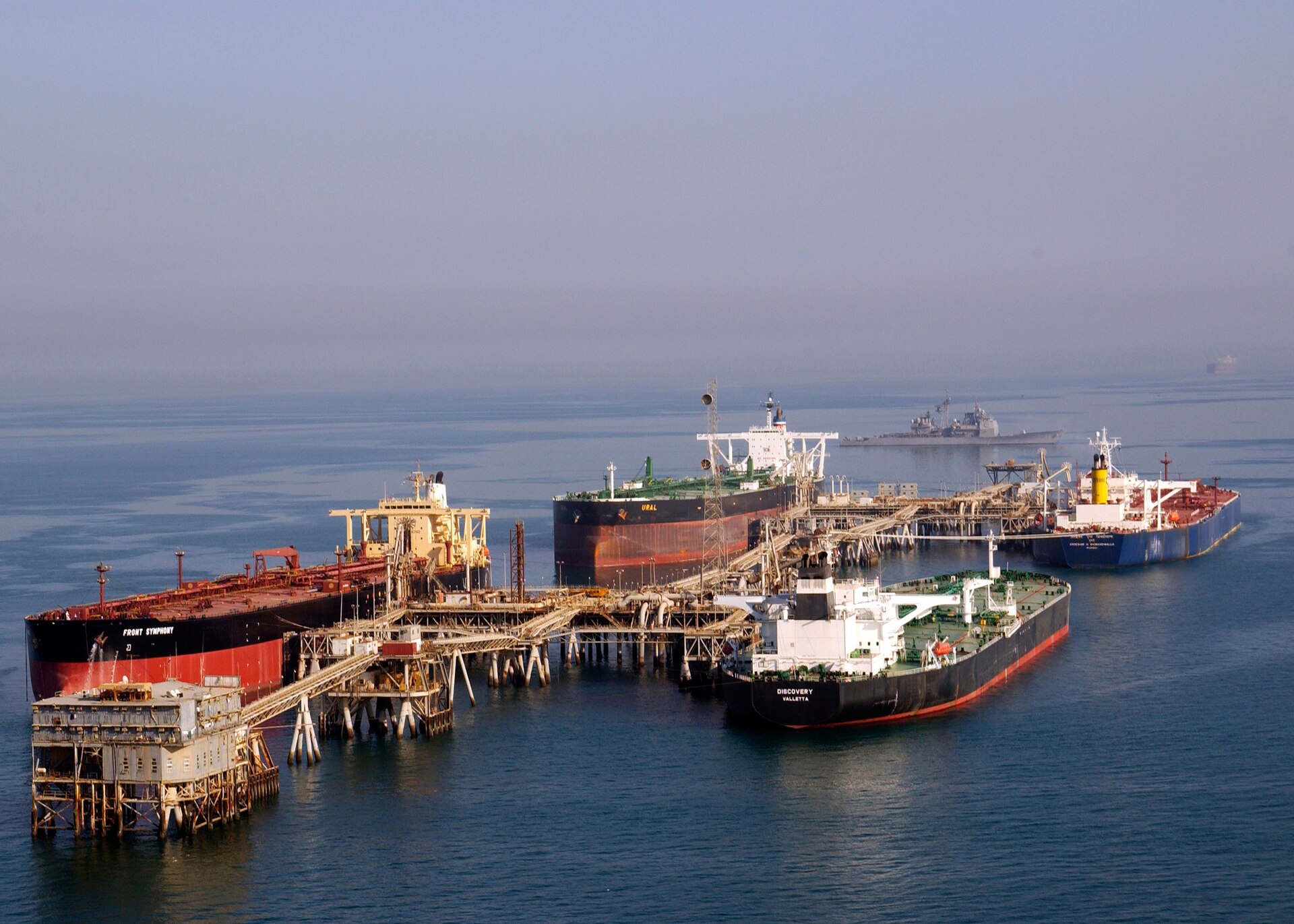
Iran formally launched the Persian Gulf Strait Affairs Authority in May 2026, asserting state-administered governance over Strait of Hormuz transits. The PGSA charges per-transit tolls of up to $2 million per vessel, denominated in Chinese yuan and Bitcoin routed to IRGC-linked wallets. It is a customs authority built on a chokepoint u2014 and it has been operating for weeks without any party to the peace process demanding its dismantlement as a precondition.
n
The US position demands “unconditional reopening” of the Strait. Iran’s position retains the PGSA as a permanent institution. The letter of intent defers this to the 30-day window u2014 but the PGSA has been collecting revenue and issuing transit permissions for weeks. Every day the framework remains unsigned, the Authority accumulates operational precedent.
n
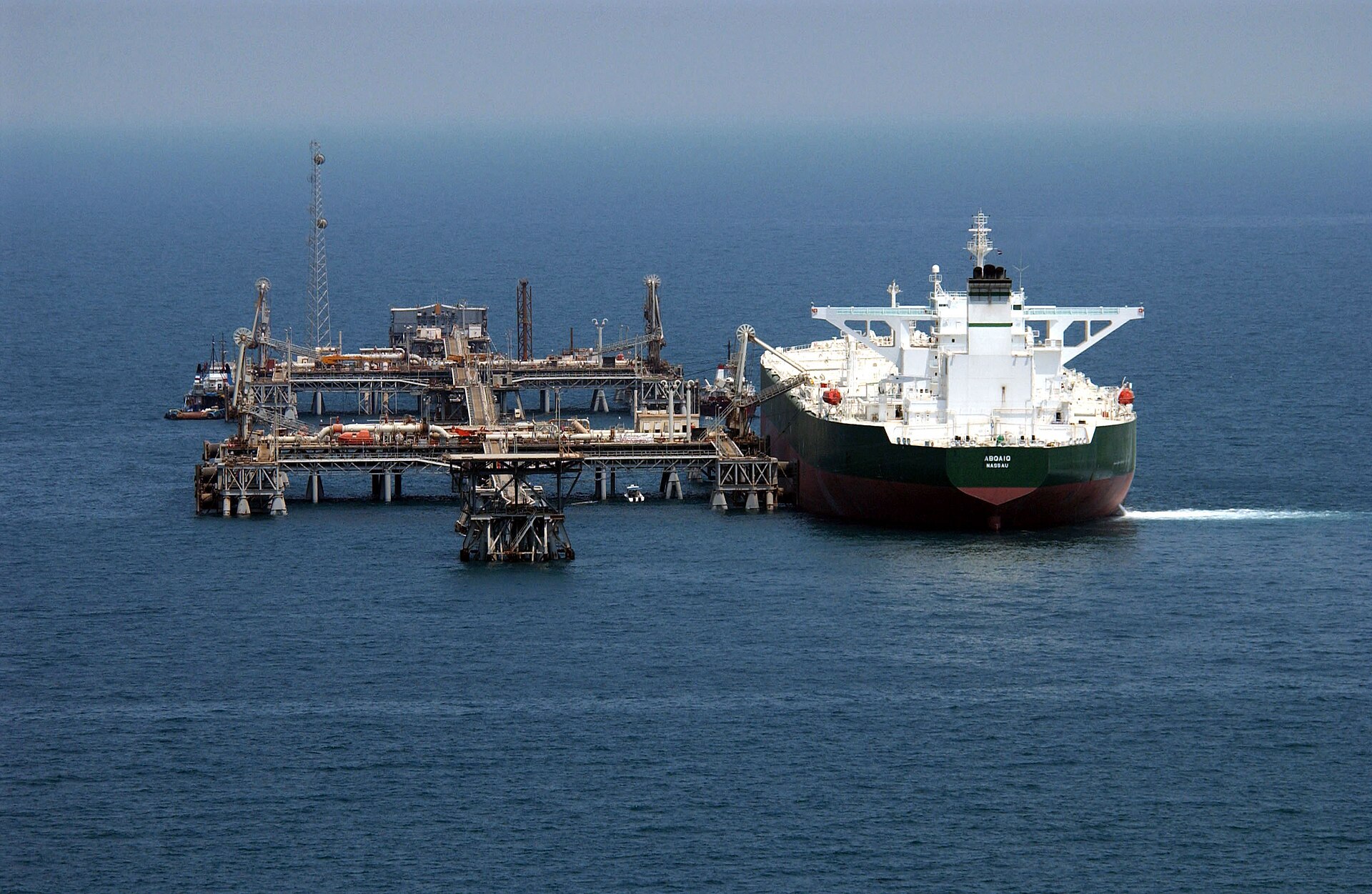
Forty-five vessels have transited the Strait since the April 8 ceasefire u2014 3.6% of pre-war baseline traffic. The Strait remains effectively closed as a functioning global trade route. The PGSA has not reopened Hormuz; it has converted closure into a managed toll regime that generates revenue for the IRGC while maintaining the chokepoint pressure that closure provides.
n
For Saudi Arabia, the PGSA is an existential infrastructure problem. Crude exports that once transited Hormuz freely now require Iranian permission and Iranian fees u2014 or do not transit at all. What was once 21 million barrels per day in throughput has been reduced to a toll-controlled trickle. Any peace framework that leaves the PGSA intact leaves Iran holding a permanent toll gate over Saudi Arabia’s primary revenue stream. Iran has not waited for the letter of intent to consolidate that position: in Muscat, Iranian and Omani legal teams are actively negotiating a bilateral Hormuz governance treaty that would embed Iran’s transit authority in treaty law, creating a parallel legal architecture the Pakistan-mediated peace track does not address and Saudi Arabia has no mechanism to enter.
n
The denomination of PGSA tolls in Chinese yuan and Bitcoin u2014 rather than dollars u2014 is a structural fact the letter of intent does not address. It means that even if the framework produces a nominal reopening, the financial architecture of Hormuz transit has already been de-dollarised. Unwinding that requires engaging China’s interests in the toll revenue, which no current framework assigns to any negotiating party.
n
n
Saudi Arabia’s Impossible Geometry
n
Riyadh contributed to drafting the letter of intent u2014 Axios lists Saudi Arabia among the quintet of mediators refining the text. But Saudi Arabia is not a signatory and has no seat in the 30-day negotiation window the letter would create. It helped write a framework for a process from which it is excluded.
n
The geometry is compounding. Saudi Arabia suspended US military use of Prince Sultan Air Base for Hormuz escort operations in May 2026 u2014 an attempt to avoid direct co-belligerent status that Washington accepted without public objection. That posture of non-belligerence becomes untenable if the ceasefire collapses and Iran targets Saudi infrastructure, which is precisely what the 80,000-troop ceiling in the Pakistani mutual defence pact contemplates.
n
Saudi Arabia’s Q1 2026 deficit reached $33.5 billion u2014 194% of the full-year target u2014 driven by oil revenue losses from the Hormuz closure. PIF cash reserves have fallen to approximately $15 billion, the lowest since 2020. The Khurais oil field remains offline at 300,000 barrels per day with no restoration timeline. Every week the letter of intent remains unsigned costs Riyadh revenue it cannot recover.
n
Bloomberg reported in May 2026 that the UAE attempted and failed to get Saudi Arabia to join a coordinated military response to Iranian strikes u2014 revealing GCC fracture lines that the peace process has not healed. Riyadh refused. The refusal was consistent with the Prince Sultan Air Base suspension: Saudi Arabia is betting everything on the diplomatic track succeeding without Saudi participation in its terms.
n
The Trump-Netanyahu rupture adds a second vector of exposure. If Trump signs the letter of intent and Israel rejects it u2014 resuming operations against Iran that the framework was designed to prevent u2014 Saudi Arabia faces the impossible choice between its US alliance (which supports the framework), its de facto alignment with Israel on Iran containment (which opposes it), and its physical vulnerability to Iranian retaliation (which requires the framework to hold).
n
| Saudi Exposure Point | If Letter Succeeds | If Letter Fails |
|---|---|---|
| Hormuz revenue | PGSA may persist under negotiated terms | Full closure resumes; $33.5B/quarter losses continue |
| Nuclear balance | 12-year moratorium (not 20); Saudi 123 assumptions erode | Iran threatens 90% enrichment; regional arms race accelerates |
| Israeli alignment | De facto US-Iran bilateral excludes Israel and Saudi equally | Netanyahu resumes operations; Saudi forced to choose sides |
| Pakistani deployment | 8,000 troops remain as insurance; no escalation trigger | Mutual defence clause potentially activated; 80,000-troop ceiling in play |
| Prince Sultan Air Base | Non-belligerent posture vindicated | Posture untenable if Iran targets Saudi infrastructure |
n
n
The Quadrilateral Architecture
n
The Egypt-Pakistan-Saudi Arabia-Turkey quadrilateral bloc held its first deputy-ministers meeting on April 14 in Islamabad u2014 three days after the Vance-Iran talks in the same city. Foreign ministers convened on April 17 at the Antalya Diplomacy Forum. The bloc’s formation was not announced as a response to the war, but its timing and composition make the relationship self-evident.
n
Pakistan’s position within this architecture is singular. It is simultaneously the mediator carrying US proposals to Iran, the military ally deploying troops and Chinese air defence systems to Saudi Arabia, a member of the quadrilateral bloc coordinating Gulf security policy, and the host country for the talks themselves. No other state in the quintet of mediators (Qatar, Pakistan, Saudi Arabia, Turkey, Egypt) occupies all four roles.
n
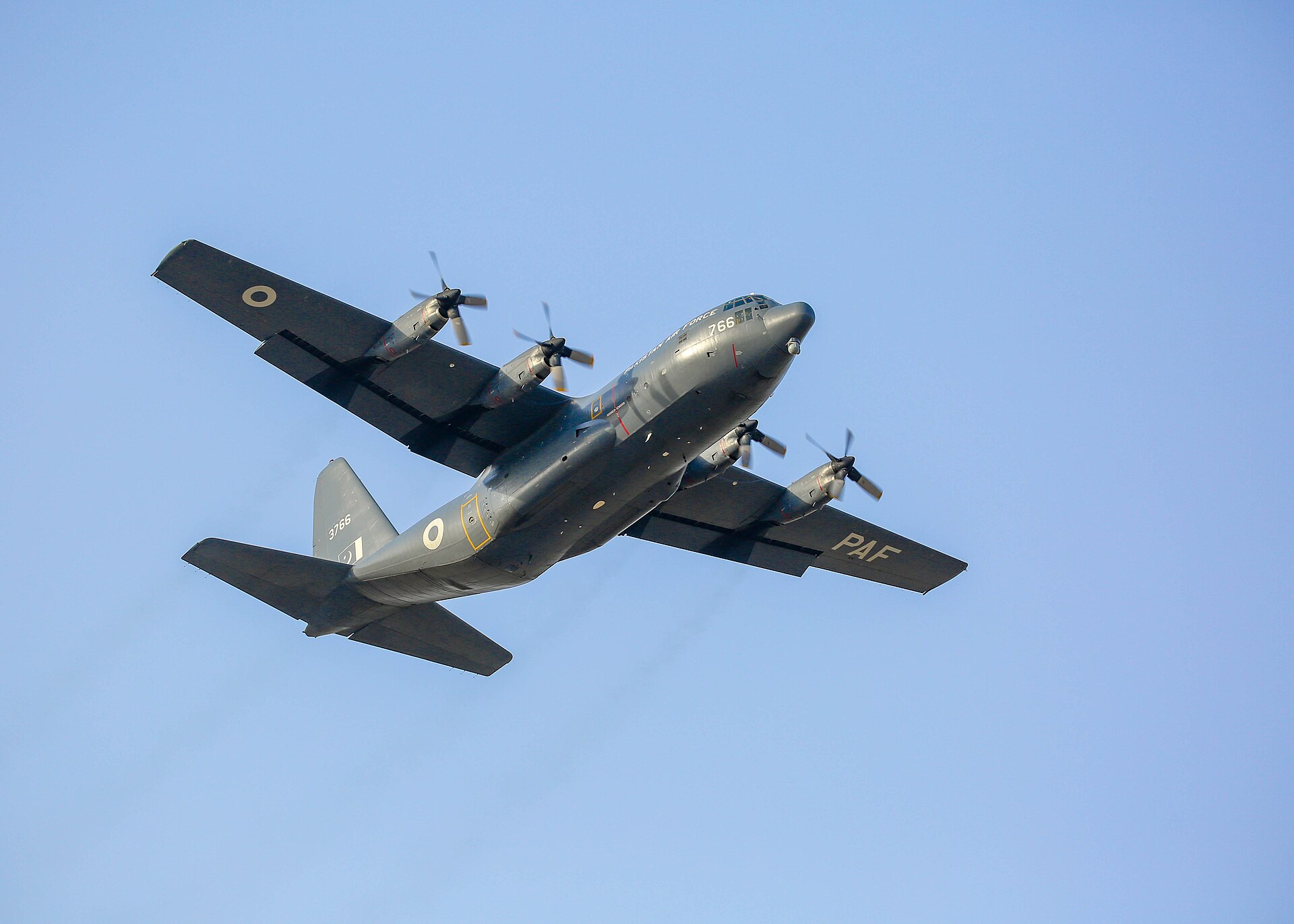
The quadrilateral has no Article 5 and no integrated command. But the Pakistani mutual defence pact with Saudi Arabia u2014 signed September 17, 2025, months before the war u2014 contains language that functions as a bilateral substitute: aggression against either is aggression against both. The 8,000 troops on Saudi soil are its first material expression. The provision permitting deployment of up to 80,000 if conditions deteriorate is its implied ceiling.
n
Turkey’s role in the bloc is mediation credibility derived from the Gaza negotiations. Egypt’s role is Suez Canal proximity and Sunni institutional weight. Saudi Arabia’s role is financing and geographic centrality. Pakistan’s role is everything else u2014 the border with Iran, the military capacity, the Washington channel, and the nuclear expertise that makes it the only quadrilateral member capable of understanding Iran’s enrichment infrastructure from a technical rather than diplomatic perspective.
n
The IRGC presence on Kuwaiti soil in the weeks before the quadrilateral’s formation adds context to its urgency. The bloc did not emerge from strategic planning documents u2014 it emerged from the recognition that existing Gulf security architecture (GCC, US bilateral agreements, CENTCOM) had failed to prevent Iranian penetration of the immediate neighbourhood.
n
n
What Happens If the Letter Fails?
n
Iran’s May 12 ultimatum from its chief negotiator was explicit: accept Iran’s terms or face “failure.” The threat was coupled with an escalation signal u2014 weapons-grade enrichment at 90% purity u2014 that would place Iran at the threshold of a nuclear weapon without formally crossing it. The letter of intent is Washington’s attempt to prevent that timeline from activating.
n
If the letter fails u2014 if Iran rejects it, or if Congressional opposition constrains Trump’s ability to sign, or if Netanyahu’s lobbying attaches conditions Iran cannot accept u2014 each party faces the scenario they used the letter to defer.
n
For Pakistan, failure means its mediation role collapses and its mutual defence obligations to Saudi Arabia potentially activate. The 8,000 troops currently serving as insurance against escalation become participants in it u2014 with HQ-9 batteries engaging the Iranian missile salvos a ceasefire collapse would produce.
n
For Saudi Arabia, failure means the non-belligerent posture maintained since April becomes a fiction. The Prince Sultan Air Base suspension assumed a peace process would succeed. Without that process, the US will need Saudi basing to protect Hormuz u2014 and Riyadh will face the choice it has spent two months deferring.
n
For Israel, failure is opportunity. Netanyahu told the Israeli public on April 8 that “we still have goals to complete.” A collapsed peace framework removes the last diplomatic constraint on Israeli unilateral action against Iranian nuclear infrastructure u2014 action that would trigger the very escalation the letter was designed to prevent, with Saudi Arabia directly in the blast radius.
n
Trump said on May 20 that the situation is “right on the borderline.” The letter of intent is an attempt to keep it there u2014 a 30-day container for a problem, transmitted through a country that is arming one side while talking to the other.
n
As of May 21, Iran has not replied. Netanyahu’s ambassador is briefing Congress. The HQ-9 batteries at King Abdulaziz Air Base are operational. And the PGSA collected another day of tolls on the Strait of Hormuz.
n
Frequently Asked Questions
n
Has Iran officially responded to the new US peace draft?
n
As of May 21, Iran has confirmed receipt and stated it is “studying” the proposal but has not issued a formal reply. Iranian state media has used passive, reciprocal language throughout u2014 describing the process as “exchanging revised proposals” rather than receiving an ultimatum u2014 framing any eventual agreement as recognition of pre-existing Iranian sovereignty rather than a concession extracted under pressure. This mirrors Tehran’s approach during the 2015 JCPOA negotiations, where the Supreme Leader’s office insisted publicly that Iran was “permitting” inspections rather than “submitting” to them. Foreign Ministry spokesman Esmaeil Baghaei used exactly this framing on May 18, stating that enrichment “is a right that already exists.”
n
What is the legal basis for Pakistani troops on Saudi soil?
n
The deployment operates under the Strategic Mutual Defence Agreement signed September 17, 2025, between Pakistan and Saudi Arabia. The pact contains a collective defence clause u2014 “any aggression against either country shall be considered aggression against both” u2014 and a provision permitting escalation to 80,000 Pakistani troops if conditions deteriorate. The current deployment of 8,000 troops, JF-17 jets, and Chinese HQ-9 missile systems represents the first operational activation of this agreement. Pakistan’s parliament approved the deployment, distinguishing it from the 2015 refusal to join the Saudi-led Yemen coalition.
n
Why is Israel not a party to the US-Iran peace process?
n
The structural exclusion dates to the ceasefire’s architecture: Pakistan brokered the April 8 arrangement as a US-Iran bilateral, and no mechanism exists to add parties after the fact. The letter of intent follows the same template. What makes Israel’s exclusion politically volatile is that it unites Israeli domestic politics in opposition u2014 Lapid’s criticism from the opposition mirrors Netanyahu’s from the government, producing rare consensus that the US is negotiating away Israeli security equities without Israeli consent. Netanyahu’s congressional lobbying campaign through his Washington ambassador represents an attempt to work around the exclusion by constraining Trump’s domestic authority to sign. The precedent Netanyahu fears is not this letter specifically but the formalisation of a US-Iran diplomatic track that operates permanently without Israeli participation u2014 a bilateral channel, staffed and institutionalised, that Washington can use again.
n
Could the PGSA survive a successful peace agreement?
n
This depends entirely on the 30-day negotiation window. The US position demands “unconditional reopening” of Hormuz, which would require PGSA dismantlement. Iran’s position retains the PGSA as a permanent state institution governing strait transits. The letter of intent does not resolve this u2014 it defers it. But the PGSA has been operational for weeks, collecting revenue in Chinese yuan and Bitcoin, establishing staffing and procedural norms, and issuing transit permissions. Each day of operational continuity strengthens Iran’s negotiating position that the Authority is a fait accompli rather than a wartime expedient. The yuan/Bitcoin denomination also means Iran is already generating precedent for Hormuz as a non-dollar financial zone u2014 which is structurally distinct from, and harder to reverse than, the transit-permission question the letter of intent’s 30-day window is designed to address.
n
What is Saudi Arabia’s financial exposure if the peace process collapses?
n
The EIA’s May 2026 Short-Term Energy Outlook projects Brent crude declining to $89/barrel by Q4 2026 and averaging $79/barrel through 2027 u2014 a forecast that already assumes Middle East production normalises and Hormuz reopens. If the letter fails and closure continues, neither assumption holds. Against that backdrop, Saudi Arabia’s existing losses u2014 a Q1 2026 deficit of $33.5 billion (194% of the full-year budgeted figure), PIF cash at approximately $15 billion (lowest since 2020), and Khurais offline at 300,000 barrels per day u2014 compound without a floor. Brent’s 5.16% single-day drop on May 20 on ceasefire optimism, followed by recovery to approximately $111 on May 21, illustrates how tightly price now tracks diplomatic signals Riyadh does not control. That positioning was confirmed publicly on May 20, when Saudi FM bin Farhan publicly endorsed Trump’s decision to cancel the Iran strike u2014 the first attributable Saudi statement naming the non-strike outcome as the Kingdom’s preferred outcome.
Through that same silence, how the IRGC built a permanent toll regime at Hormuz over the 39 days since Islamabad illustrates what institutional entrenchment looks like when diplomacy stalls.
That entrenchment assumed new strategic weight on May 21: when Trump publicly credited MBS as the person who stopped him striking Iran, the IRGC issued a formal threat to expand operations “beyond the region.” The collapse of Saudi strategic ambiguity — and what it means for the IRGC’s targeting calculus — is a direct consequence of the diplomatic dynamic Naqvi’s shuttle helped produce.
n”}
The same day Pakistan’s shuttle diplomacy produced Bin Farhan’s public statement, Saudi Arabia endorsed a Trump HEU position that had already been softened. The five-day gap between Trump’s Hannity concession and Riyadh’s public praise of his “firmness” illustrates the information lag now structurally embedded in Saudi Iran diplomacy.
Pakistan’s shuttle diplomacy extended through the fifth round of US-Iran talks in Rome on May 23, where Munir’s framework remained the operative letter-of-intent document — though Rome ended without breakthrough, as it had in each of the four preceding venues. The five-round sequence and the structural gaps no mediator has yet bridged.
On May 23, Munir was simultaneously present in Tehran and his framework was the operative document in Rome — a dual-track simultaneity that crystallised Saudi Arabia’s structural position: Pakistan carried the Saudi defence pact into both rooms; Saudi Arabia carried nothing into either.