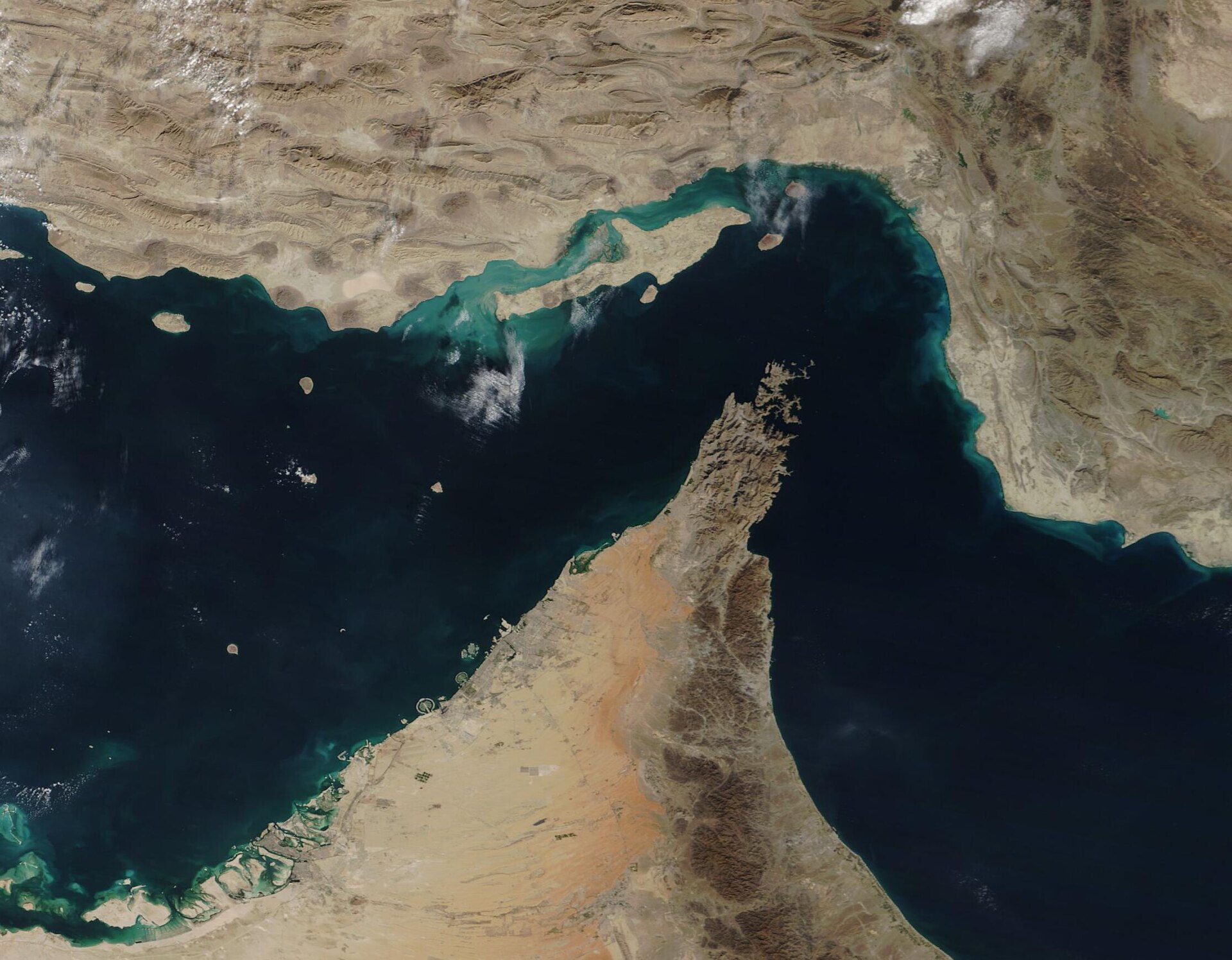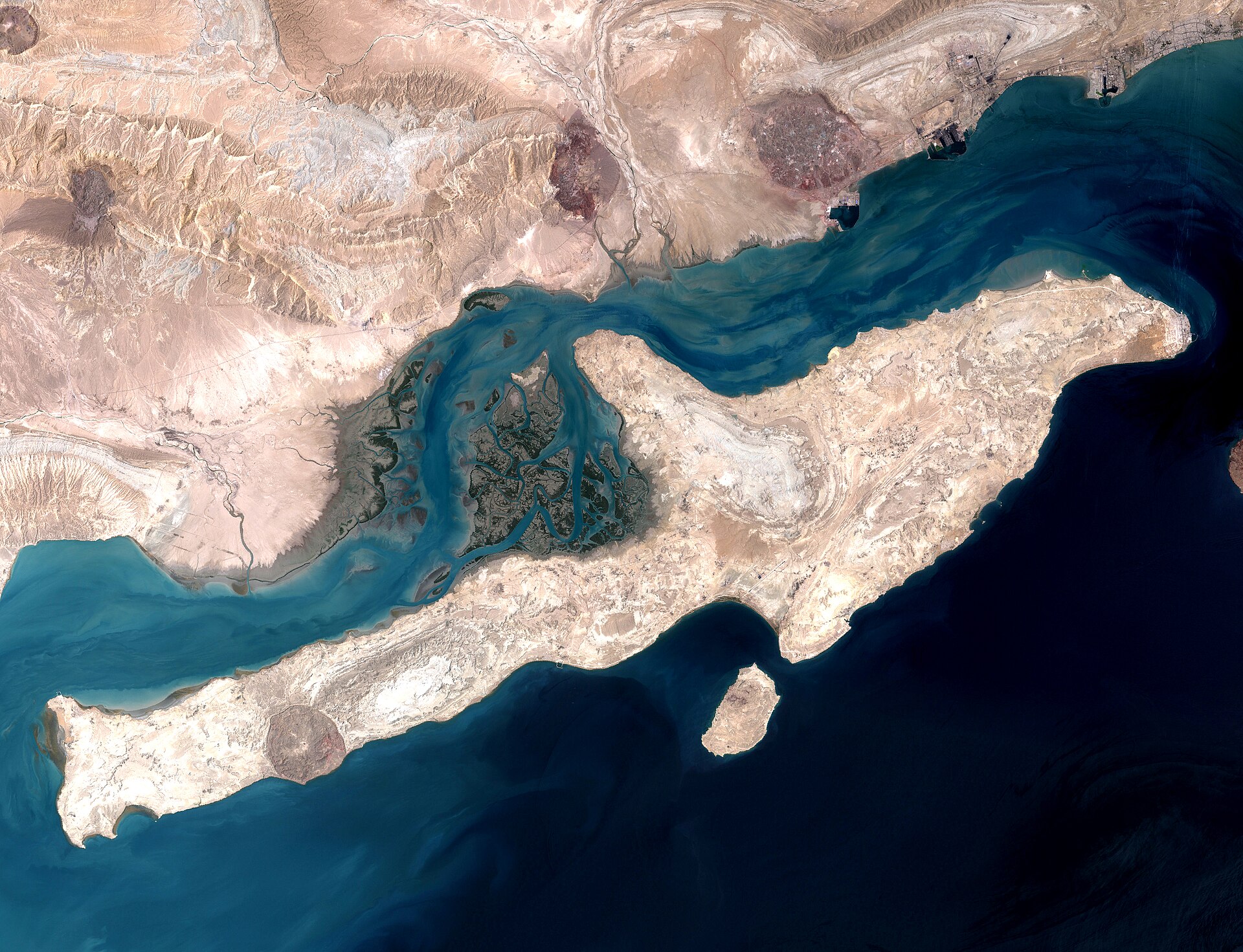

TEHRAN — The United States Central Command confirmed on July 21 that its tenth consecutive night of airstrikes against Iran struck the submarine and ship maintenance facility at Bandar Abbas Naval Base, destroyed at least six highway bridges in Hormozgan province, severed a railway junction west of the city, and hit airport infrastructure at Iranshahr. CENTCOM described the strikes as “designed to further degrade Iranian military capabilities used to attack commercial shipping in the Strait of Hormuz.” Iranian state media reported explosions across Bandar Abbas, Sirik Island, Qeshm, and as far north as Shiraz and Isfahan.
For Saudi Arabia, the target list marks a phase shift. IRGC Navy submarines and fast-attack craft operating from Bandar Abbas remain the primary mechanism of Hormuz interdiction after Operation Epic Fury destroyed Iran’s conventional surface fleet in late February. Night 10 struck the maintenance facility that services those vessels while severing the overland routes — highway, rail, air — that resupply the base. Total Strait transits have fallen to 10 per day from a pre-crisis baseline of 88, an 89 percent reduction, and degrading the infrastructure that keeps the IRGC Navy’s asymmetric fleet operational extends the timeline for any restoration of normal traffic.
Table of Contents
What Did Night Ten Target?
CENTCOM’s Night 10 target package divided into two categories: military infrastructure at Bandar Abbas Naval Base and transport connections linking the city to Iran’s interior. The military component returned to the submarine and ship maintenance facility first struck on July 12-13 in the first combat use of a US one-way attack sea drone.
The transport component struck at least six bridges in Hormozgan province — one of them still under construction — along with a highway bridge on the Bandar Abbas-Shiraz route, a railway junction station west of the city, and airport infrastructure at Iranshahr. NBC News and Israeli media reported that the bridge and railway strikes were aimed at severing Bandar Abbas from overland routes toward Tehran. Iranian media reported eight killed and 20 injured in the bridge strikes, with two additional civilians wounded at the railway junction.
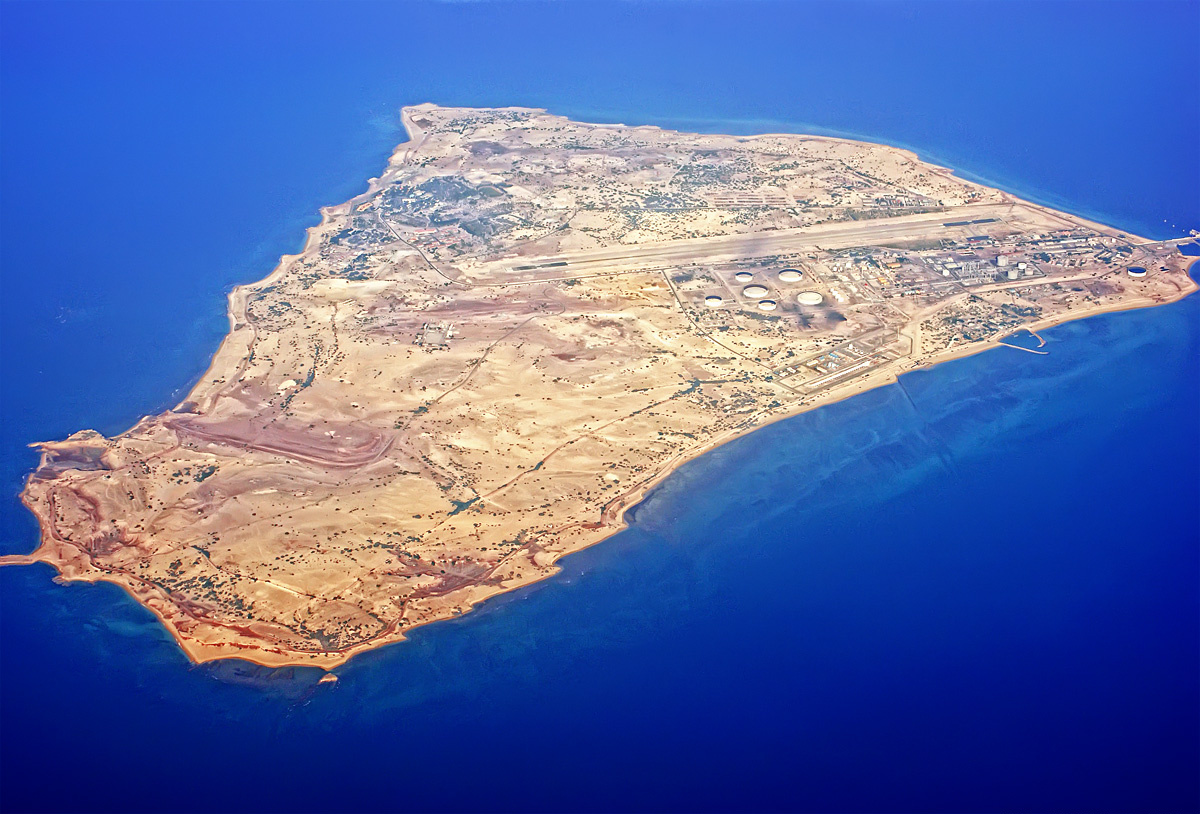
Return to the Naval Pier
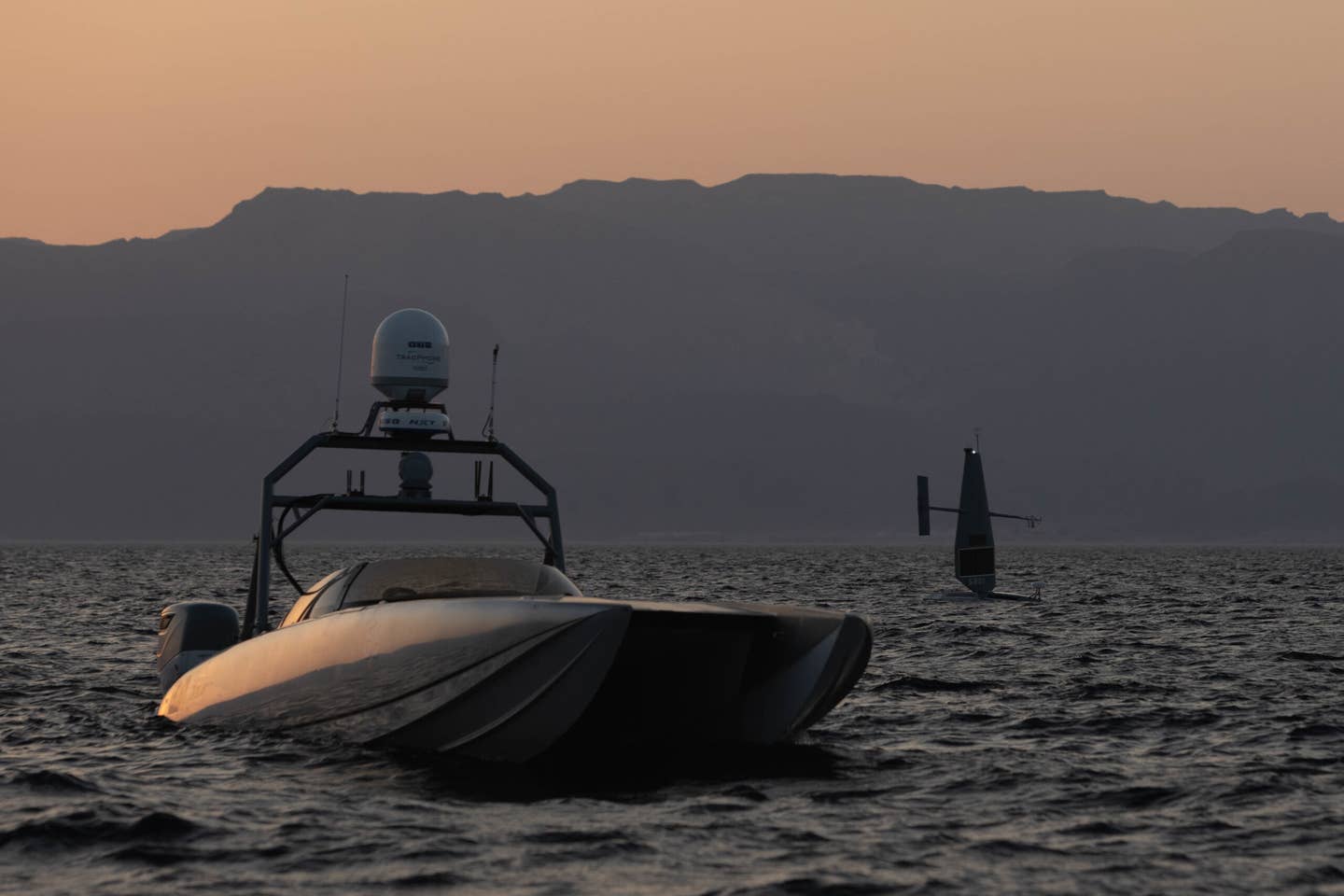
The submarine and ship maintenance facility at Bandar Abbas had already sustained a strike on July 12-13 during what CENTCOM described as a “precision engagement” using unmanned surface vessels. Three Saronic Corsair USVs — each 24 feet long, capable of 35 knots, carrying a 1,000-pound warhead over a 1,000-nautical-mile range — approached the naval pier and detonated against the maintenance gantry. One Ghadir-class submarine was suspended in the hoist at the time of the strike and was confirmed destroyed.
The Ghadir class forms the core of Iran’s submarine-based Hormuz enforcement. Rear Admiral Shahram Irani, the Iranian Navy commander, confirmed in May 2026 that Ghadir-class boats were deployed inside the Strait of Hormuz during a naval exercise. Pre-campaign fleet counts placed the type at approximately 23 vessels — 120-tonne boats armed with two 533mm torpedo tubes, capable of firing Valfajr torpedoes and Jask-2 anti-ship missiles, and designed for the shallow waters of the Persian Gulf. At least one has been confirmed destroyed.
The Middle East briefing 3,000+ readers start their day with.
One email. Every weekday morning. Free.
Night 10’s return to the same facility suggests that either the July 12 strike did not fully disable the complex or that CENTCOM assessed additional maintenance infrastructure — berths, dry-dock sections, equipment stores — as requiring a second pass. The IRGC Navy’s posture after Epic Fury makes the maintenance question operational rather than academic: with no surviving major surface combatants, the service’s residual capability rests on submarines, fast-attack craft, and drones, all of which require periodic maintenance that Bandar Abbas is best positioned to provide.
Six Bridges, a Railway, and No Road North
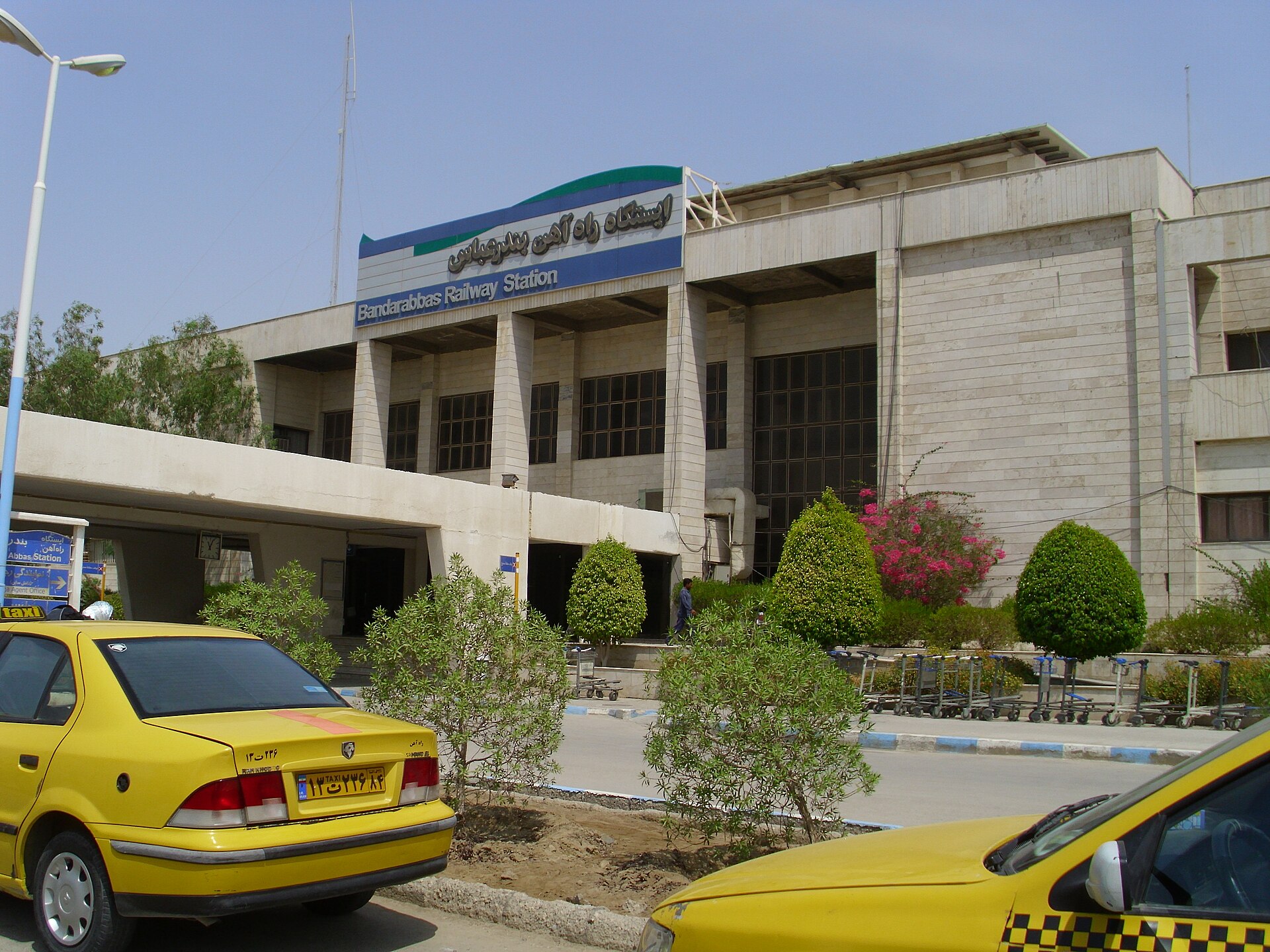
The infrastructure strikes expanded a pattern that began during Night 7 on July 17, when CENTCOM first targeted transport links in Hormozgan province. By Night 10, at least six bridges had been destroyed, including one still under construction. The highway bridge on the Bandar Abbas-Shiraz corridor — the primary overland route connecting the port city to central Iran — was among those confirmed struck. A railway junction west of Bandar Abbas, the southern terminal of Iran’s national rail network and the western branch of the International North-South Transport Corridor, was also hit.
The pattern follows established US military doctrine. During Desert Storm in 1991, coalition forces systematically destroyed bridges, roads, and logistics nodes to isolate Iraqi forces in the Kuwait Theater of Operations before the ground phase. Analysts at the Middle East Monitor, writing on July 20, invoked “the Normandy logic behind Trump’s escalation against Iran” — isolation of the battlefield prior to any anticipated next phase. ISW and Critical Threats both noted the shift in Night 7 and Night 10 target sets — from missile launchers and air defenses toward logistics infrastructure.
Iran’s Deputy Foreign Minister Kazem Gharibabadi, announcing the suspension of the June 17 MOU on July 18, cited US strikes on “critical infrastructure” — a characterization that groups the bridge and railway attacks with the military target set. The airport at Iranshahr, approximately 600 kilometres southeast of Bandar Abbas near the Pakistani border, was struck separately. A maritime control tower in Chabahar — Iran’s Indian Ocean port and the entry point for India’s investment in the INSTC — was also targeted.
Does Bandar Abbas Still Function as a Port?
Shahid Rajaei Port at Bandar Abbas handles approximately 85 percent of Iran’s container traffic, according to LogCluster data cited by NBC News. It serves as the primary southern terminal for the International North-South Transport Corridor’s western branch — the trade route linking India to Russia via Iran that Moscow and New Delhi have backed as an alternative to the Suez Canal. The railway junction struck on Night 10 connects the port to this corridor.
With highway bridges on the Bandar Abbas-Shiraz route destroyed, rail access severed, and airport infrastructure at Iranshahr hit, the port’s connection to Iran’s interior has been degraded across every transport mode except maritime — and maritime access through the Strait of Hormuz is itself operating at 11 percent of baseline. Approximately 490 vessels remained anchored or stopped in the region as of mid-July, according to United Against Nuclear Iran tracking data, which also recorded supertanker crossings averaging two per day, down from eight in late June.
The isolation of Bandar Abbas also affects Iran’s ability to resupply the IRGC Navy units operating from the base. Spare parts, fuel, munitions, and replacement personnel move through the same road and rail corridors now severed. Saudi Arabia’s interest is direct: the East-West Pipeline expansion under negotiation with Kuwait, Bahrain, and Qatar assumes an extended Hormuz disruption, and the longer Bandar Abbas remains isolated, the longer IRGC submarine and fast-attack operations in the strait degrade without replacement.
Three Dead and a Presidential Directive
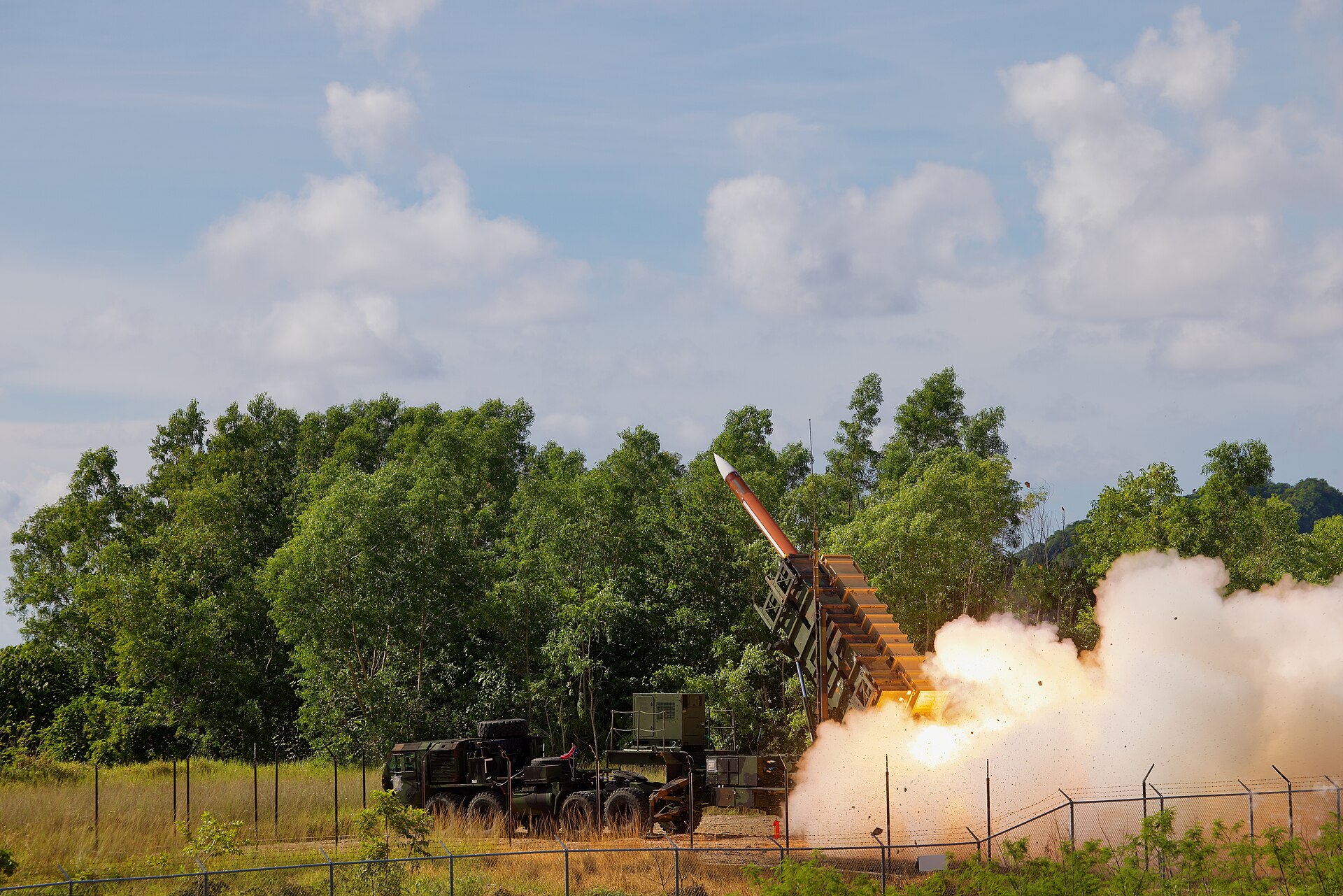
The Night 10 strikes followed the confirmation of three US service members killed in Iranian attacks. First Lieutenant Tyler James Feehan, 25, from Hawaii, assigned to the 2nd Battalion, 55th Air Defense Artillery Regiment at Fort Bragg, and Private Isabella Gonzales, 19, from Carrollton, Texas, assigned to the 1st Battalion, 57th Air Defense Artillery Regiment at Ansbach, Germany, were killed in an Iranian missile and drone attack on Muwaffaq Salti Air Base in Jordan between July 17 and 18. A third service member was killed during controlled detonation of unexploded ordnance in northern Iraq. Feehan and Gonzales were both air defense artillery specialists — the troops who operate the interceptor systems that have been depleting at 86 percent across the theater.
“Every time Iran kills an American Soldier they will pay for that killing many times over! This directive has been passed on to Secretary of War, Pete Hegseth, Chairman of the Joint Chiefs of Staff, Daniel Caine, and every Leader in the Military.” — President Donald Trump, Truth Social, July 21, 2026
Trump’s post, reported by UPI and Mediaite, establishes a multiplier without specifying what it multiplies. The language — “many times over” — frames Night 10’s expanded target set as retaliatory, though the infrastructure isolation campaign predates the confirmed US casualties. Whether the expanded scope of Night 10 represents a response to the deaths or a pre-planned escalation in the campaign’s targeting doctrine is unclear from the public timeline. The distinction matters for forecasting Night 11.
IRGC Claims Waves 21 and 22
The IRGC reported its own strikes concurrent with Night 10. Operation Nasr-2 Waves 21 and 22 claimed hits on 20 hangars at al-Azraq and Muwaffaq Salti Air Base in Jordan and an early-warning radar at Ali al-Salem Air Base in Kuwait, according to PressTV and Gulf News. The IRGC separately reported striking two air defense systems and a radar installation at US outposts in Bahrain, plus missile defense systems, radars, and satellite reception systems in Kuwait. CENTCOM has not confirmed damage from any of these claims.
On July 20, PressTV reported that two “deviant” oil tankers “exploded and were immobilised” in the southern Hormuz route after attempting to bypass IRGC checkpoints. CENTCOM denied the report, calling it false. The claim fits a pattern of IRGC assertions about Hormuz enforcement that have grown more difficult to verify independently as AIS-visible transits have fallen to 27 ships per day against an 84-ship baseline, with much of the remaining traffic moving on state-flagged or dark-AIS tankers.
The IRGC’s target selection — air defense radars, early-warning systems, and missile defense installations — follows its own logic: degrade the interceptor infrastructure that protects US and allied bases before the next wave of ballistic missiles arrives. Six missiles struck Abha on July 20 without acknowledged Saudi interception. CENTCOM struck Iran twice in one day on July 20 for the second time in five days. The operational tempo on both sides has moved past the point where either’s strikes measurably deter the other’s.
Background
The US-Iran military campaign followed the breakdown of the June 17 MOU. Trump declared the agreement “over” on July 8. The United States reimposed a shipping blockade on July 14. The IRGC’s Operation Nasr-2 has now conducted 22 waves of strikes against US and allied installations across the Gulf since hostilities began.
Iran’s conventional naval capability was destroyed during Operation Epic Fury in late February and early March 2026, when US forces sank both Moudge-class frigates, the Alvand-class frigate Sabalan, both Bayandor-class corvettes, and the forward-deployed logistics vessel Makran at Bandar Abbas and Konarak naval bases. What survived — the IRGCN’s asymmetric fleet of Ghadir-class submarines, fast-attack craft, and maritime drones — now constitutes Iran’s only mechanism of Hormuz interdiction. The Houthis have separately declared a maritime blockade of Saudi Arabia, closing Bab al-Mandeb as a second chokepoint.
Frequently Asked Questions
What is the Petroleum and Gas Services Agreement and when does it expire?
The PGSA is a bilateral agreement covering US force protection costs in the Gulf theater. It costs $5.5 million per day, with $253 million outstanding as of mid-July, and expires on August 18 — 28 days from Night 10. The agreement’s expiration creates a decision point for both Washington and Riyadh on cost-sharing for the expanded US military posture in the region, particularly as PAC-3 interceptor stocks have fallen to approximately 400 of 2,800 original units across the theater.
How many projectiles has Jordan intercepted during the campaign?
Muwaffaq Salti Air Base in Jordan, where First Lieutenant Feehan and Private Gonzales were killed, has intercepted 49 total projectiles including 13 ballistic missiles since the campaign began. The base is defended by MIM-23 Hawk systems. During the IRGC’s 10-missile salvo that struck the base around July 9, eight of the missiles were intercepted, though the IRGC claimed four targets destroyed — a claim CENTCOM has not confirmed.
Can Iran reroute military logistics around Bandar Abbas?
Chabahar, approximately 600 kilometres east on the Gulf of Oman coast, is the only alternative deepwater port, but its maritime control tower was struck during Night 10. Overland routes through Sistan-Baluchestan province are limited to secondary roads through mountainous terrain. Iran’s rail network south of Shiraz has no alternative junction to bypass the severed Bandar Abbas connection. Jask, a smaller naval facility approximately 300 kilometres east of Bandar Abbas, could theoretically receive submarine transfers but lacks the gantry and dry-dock capacity for Ghadir-class maintenance.
What is the International North-South Transport Corridor?
The INSTC is a multi-modal trade corridor connecting India to Russia via Iran, established under a trilateral agreement signed in 2000. Bandar Abbas serves as the primary southern sea terminal, and the struck railway junction provides the overland connection northward to Tehran and onward to Azerbaijan and Russia. India invested in Chabahar port separately as an INSTC entry point bypassing Pakistan, but Chabahar’s maritime control tower was also hit during Night 10. The corridor’s western branch — the route running through Bandar Abbas — depends on exactly the rail and road infrastructure that the Night 10 campaign targeted. The same Wave 24 operation that severed Bandar Abbas also included the IRGC’s cruise missile strike on Amazon’s Bahrain data center, extending the target set from physical logistics to digital infrastructure in a single coordinated sequence.