
DHAHRAN — Saudi Arabia is negotiating a 2 million barrel-per-day expansion of the East-West Pipeline with Kuwait, Bahrain, and Qatar at the same moment the Houthis have declared a maritime embargo on Yanbu — the only port the expanded pipeline can reach. The expansion would raise the Petroline’s capacity from 7 million to 9 million barrels per day. Yanbu’s combined terminals can load approximately 4.5 million barrels per day under nominal conditions, and closer to 4 million under wartime berth scheduling. The pipeline already exceeds the port.
Kuwait Petroleum Corporation CEO Sheikh Nawaf Al-Sabah told Bloomberg on June 9 that KPC is “already discussing additional pipeline capacity with Saudi Arabia.” Aramco declined to comment. The sequencing is instructive: the expansion was conceived as a Hormuz bypass. The July 20 embargo has retroactively turned the bypass route into a contested corridor, and the port bottleneck that existed before the expansion was proposed remains unchanged.
Table of Contents
- What Is the East-West Pipeline Expansion?
- Can Yanbu Handle the Barrels the Pipeline Already Carries?
- Who Proposed the Expansion — and When?
- Why Are Kuwait, Bahrain, and Qatar at the Table?
- The Houthi Threat to Yanbu
- How Long Would It Take to Build?
- Abu Dhabi Is Already Building Its Own Bypass
- The Fiscal Arithmetic
- Frequently Asked Questions
What Is the East-West Pipeline Expansion?
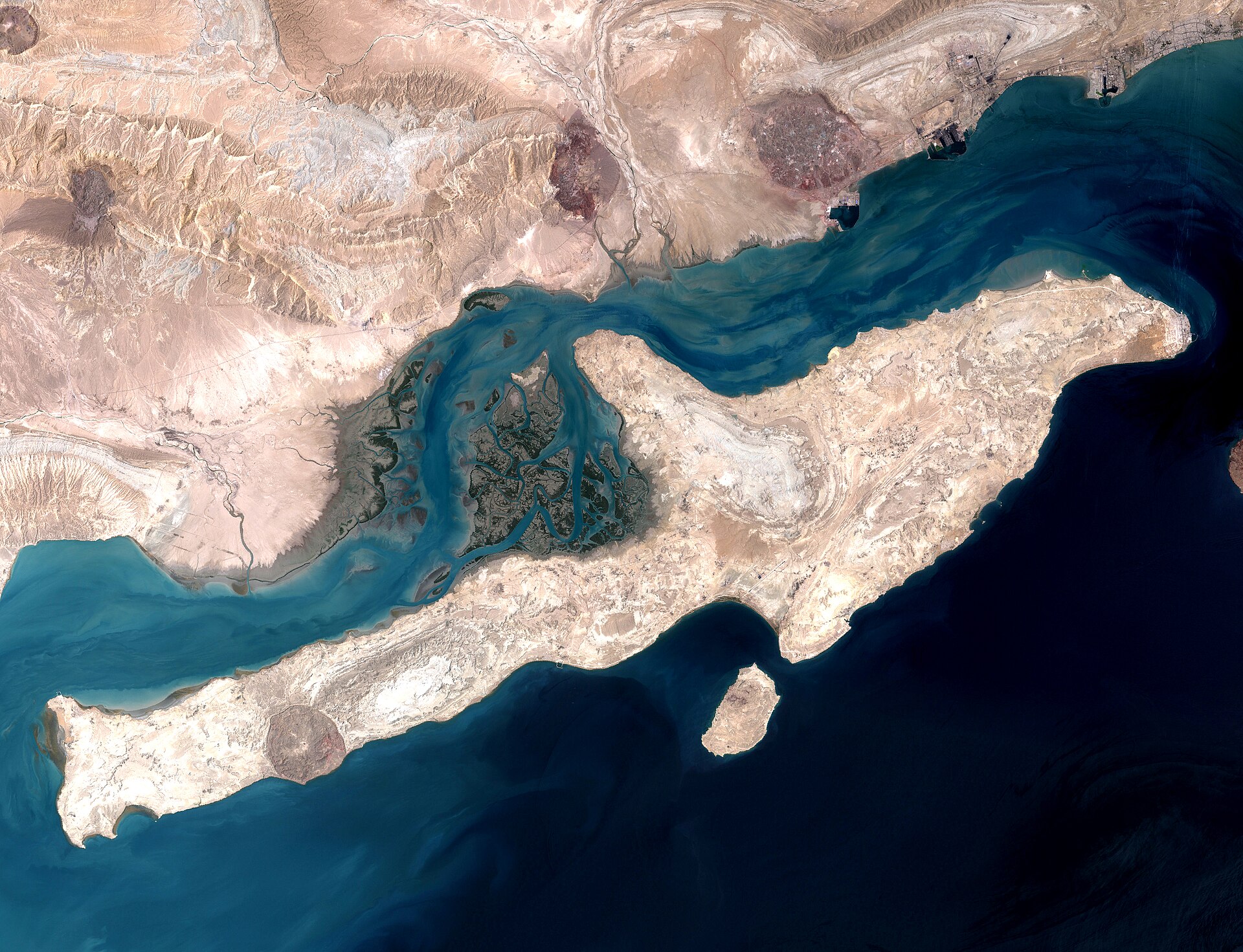
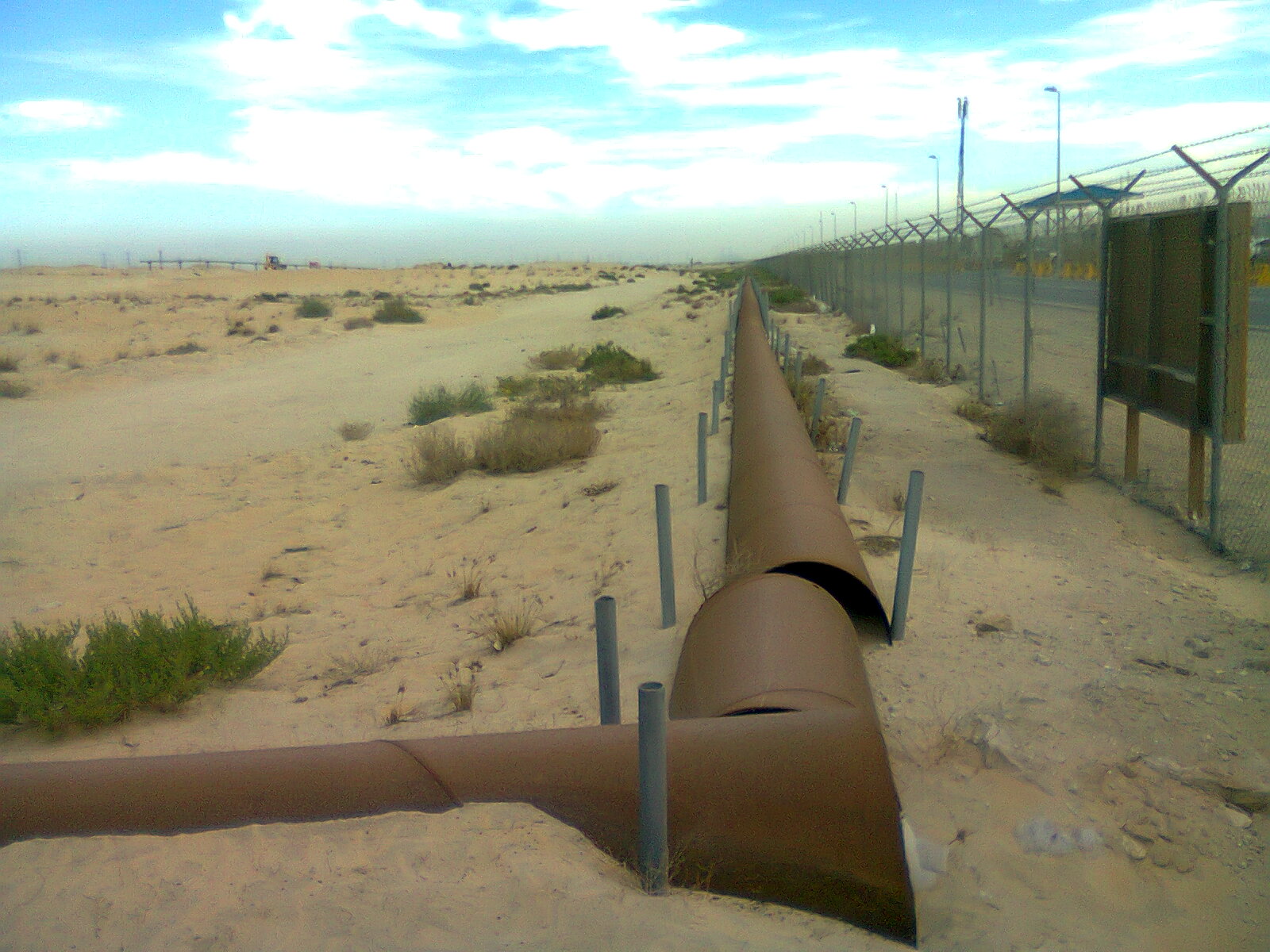
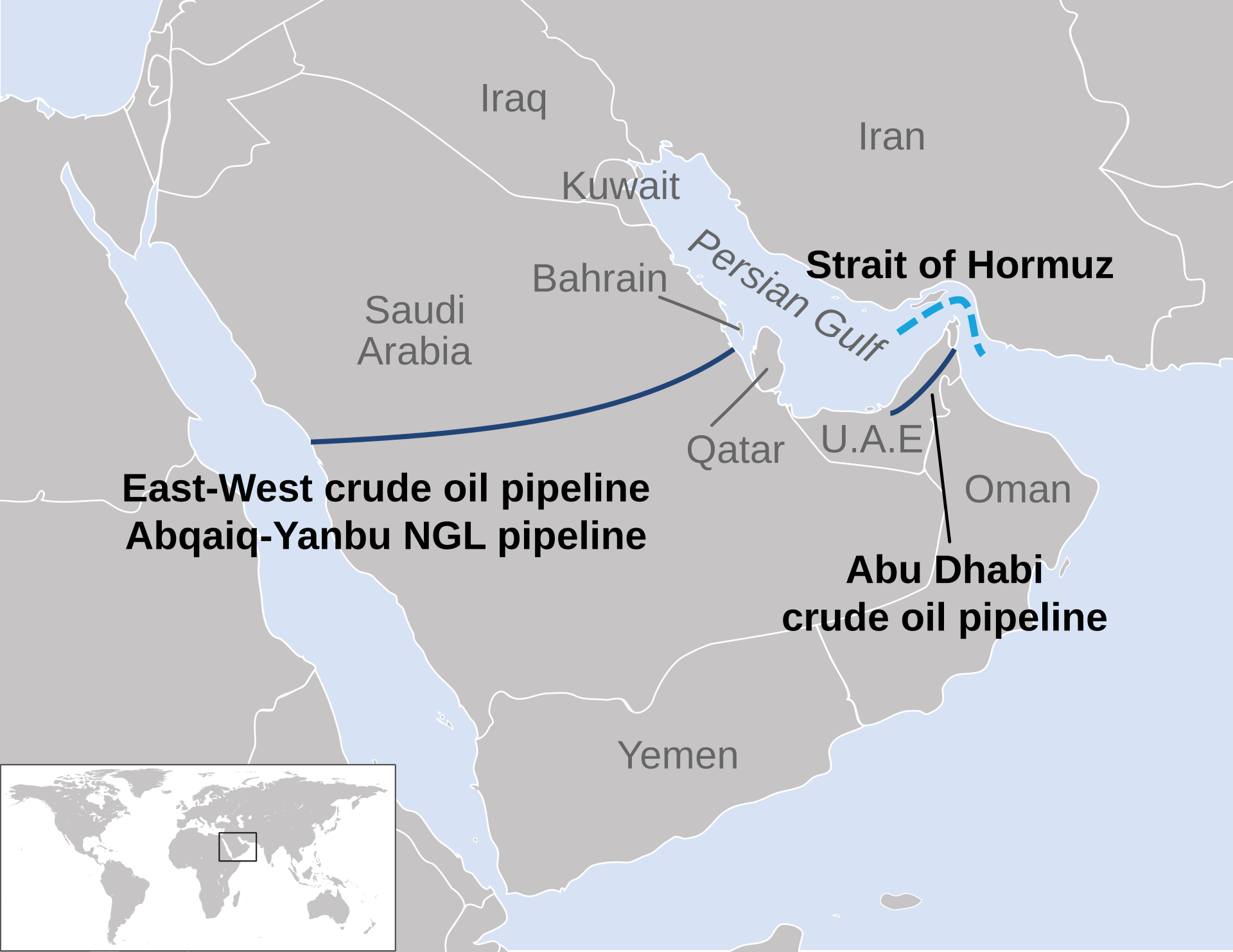
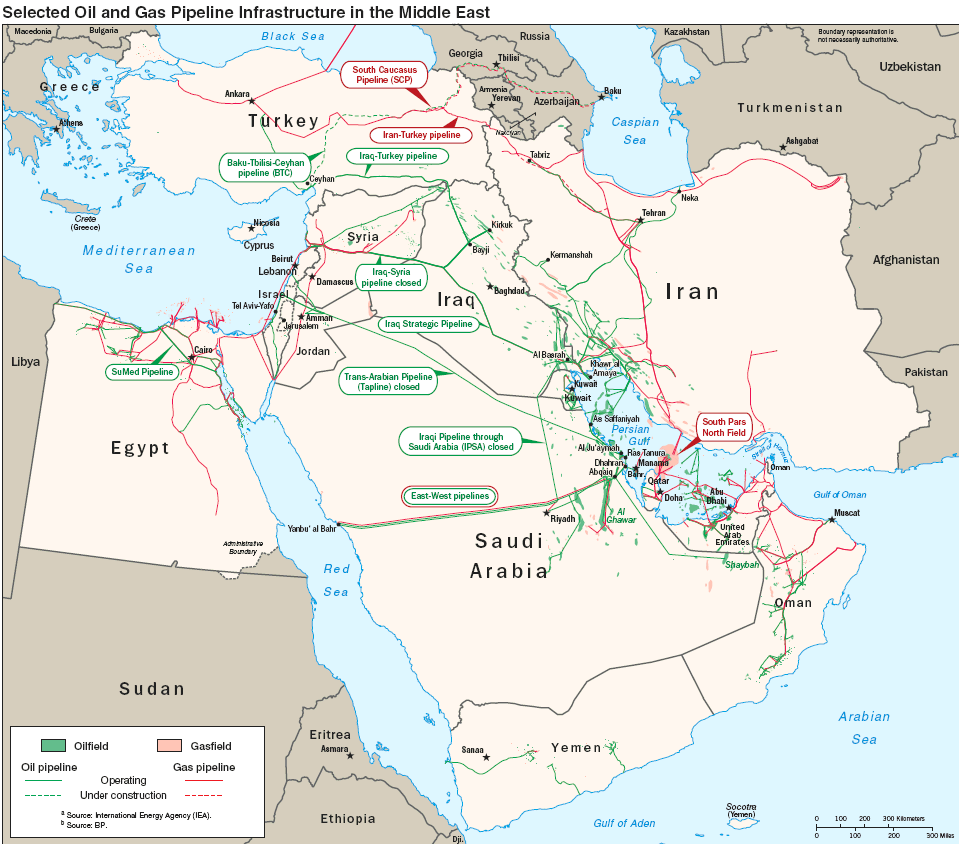
The East-West Pipeline, known commercially as the Petroline, is a 1,200-kilometre twin pipeline system running from Abqaiq on Saudi Arabia’s eastern coast to Yanbu on the Red Sea. King Khalid authorised its construction in 1979, after the Iranian Revolution and the Soviet invasion of Afghanistan first exposed the vulnerability of the Strait of Hormuz as a single point of failure for Gulf crude. The pipeline was completed in 1981 at a cost of approximately $2.5 billion. Its original capacity was 5 million barrels per day.
Capacity was raised to 7 million bpd in 2019, after the September 14 drone and missile strikes on Abqaiq and Khurais temporarily shut down 5.7 million bpd of Saudi production. That expansion required no new steel in the ground. Aramco converted parallel natural gas liquids lines to crude oil service — a process involving valve and pump modifications rather than pipeline construction. It was fast because the infrastructure already existed in the same corridor.
The current proposal is structurally different. According to Arab News, citing five sources close to the matter, Saudi Arabia is in preliminary talks with Kuwait, Bahrain, and Qatar to add up to 2 million bpd of new capacity, raising the system’s ceiling from 7 million to 9 million bpd. No unused parallel lines remain. The expansion would require new pipe across part or all of the 1,200-kilometre route.
Aramco CEO Amin Nasser confirmed in March 2026 that the existing pipeline was operating at full capacity, with approximately 5 million bpd earmarked for export through Yanbu and roughly 2 million bpd feeding west coast refineries. The expansion, Arab News reported, “would take years to complete, cost billions of dollars, and require adjustments to Saudi crude’s pricing mechanism.” No specific budget, engineering contract, or target date has been disclosed.
The Middle East briefing 3,000+ readers start their day with.
One email. Every weekday morning. Free.
Can Yanbu Handle the Barrels the Pipeline Already Carries?
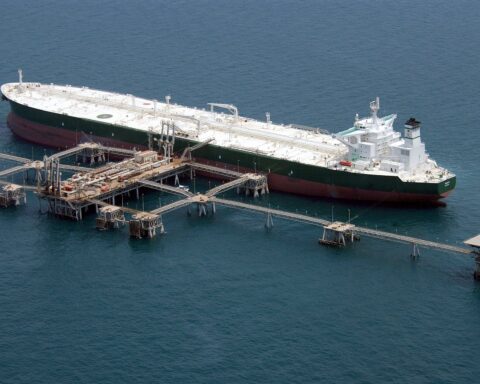
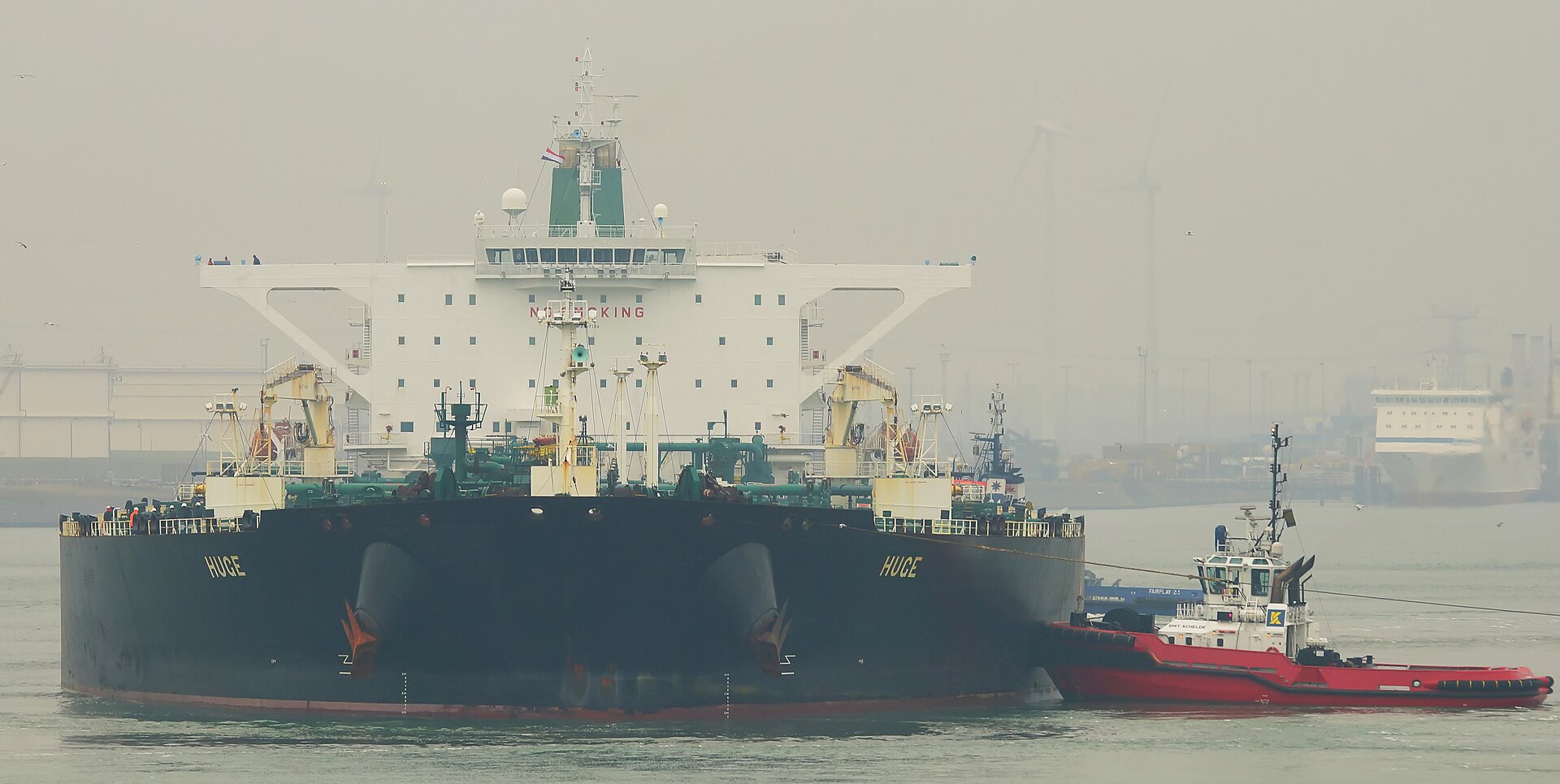
Yanbu’s combined terminal infrastructure has a nominal loading capacity of approximately 4.5 million barrels per day — roughly 1.5 million bpd through the North Terminal and 3 million bpd through the South Terminal. During wartime conditions, berth scheduling constraints and tidal windows reduce effective throughput to between 3 and 4 million bpd. The pipeline’s current 7 million bpd capacity already exceeds what the port can physically ship.
Adding 2 million bpd to a pipeline whose terminus cannot load its existing flow widens a bottleneck at the wrong end. The constraint is not the diameter of steel between Abqaiq and Yanbu. It is the number of tanker berths, the tidal depth at approach channels, and the rate at which very large crude carriers can be loaded, turned, and cleared for departure. None of these variables change by adding pipeline capacity inland.
| Facility | Nominal Capacity | Wartime Effective Capacity | Status (July 2026) |
|---|---|---|---|
| East-West Pipeline (current) | 7 million bpd | 7 million bpd | Operational at full capacity |
| East-West Pipeline (proposed) | 9 million bpd | 9 million bpd | Preliminary talks |
| Yanbu North Terminal | ~1.5 million bpd | Constrained | Operational; under Houthi embargo |
| Yanbu South Terminal | ~3.0 million bpd | Constrained | Operational; under Houthi embargo |
| Yanbu combined | ~4.5 million bpd | ~3–4 million bpd | Under Houthi maritime embargo |
The operational numbers confirm the strain. In the first half of July 2026, approximately 75 percent of Saudi crude and condensate exports were routed through Yanbu, according to Seatrade Maritime. The port handled 47 VLCC loadings in March 2026, four times its pre-war monthly average of 11 to 12, according to Kpler data cited by Fortune. Yanbu is already operating near its physical ceiling with the existing pipeline. The expansion would deliver barrels to a port that cannot load them.
If Riyadh simultaneously plans to expand Yanbu’s terminal infrastructure — new berths, dredged approaches, additional tank farms — the pipeline capacity increase would be a prerequisite, not a solution. But no port expansion has been announced. Aramco declined to comment on the pipeline talks. The Saudi government communications offices and Bahrain’s government did not respond to Arab News’s inquiries. The mismatch between pipeline ambition and port reality sits unaddressed in the public record.
Who Proposed the Expansion — and When?
The talks predate the Houthi blockade by at least six weeks. Sheikh Nawaf Al-Sabah, CEO of Kuwait Petroleum Corporation, told Bloomberg on June 9 that KPC was “already discussing additional pipeline capacity with Saudi Arabia.” The Arab News report, citing five unnamed sources, ran on July 7 — thirteen days before Yahya Saree’s July 20 embargo declaration. PGJ Online and Egypt Oil & Gas separately confirmed the expansion discussions.
When these conversations began, Yanbu was an uncontested export route. The Strait of Hormuz was the problem: commercial ship transits had dropped from a pre-crisis baseline of 84 per day to approximately 12. Saudi crude loadings from eastern terminals had collapsed. The pipeline was the answer to Hormuz, and expanding it was a way to give the corridor Saudi Arabia had built to outlast Hormuz the capacity to replace the strait entirely.
The Houthi blockade changed the arithmetic overnight. Yanbu exports bound for Asian buyers — the destination for the majority of Saudi crude — must transit south through the Bab al-Mandeb strait. Oil transit through Bab al-Mandeb fell 36 percent in the two weeks preceding the formal declaration, dropping from a peak of 9.5 million bpd to 6.1 million bpd — the largest share Saudi crude, according to The National. The formal embargo, announced by Saree on July 20, placed an estimated 4.5 to 5 million bpd of Saudi crude at direct risk via the Yanbu-to-Bab al-Mandeb corridor.
“A maritime embargo against the criminal Saudi enemy, based on the equation of ‘an eye for an eye,’ effective immediately upon the issuance of this statement.”
— Yahya Saree, Houthi military spokesman, July 20, 2026
Saree explicitly cited Saudi Arabia’s July 13 strike on Sanaa airport as the trigger. The expansion talks were designed for a world in which Yanbu was the safe route. That world lasted six weeks before the Houthis declared the maritime blockade that placed Yanbu under the same category of contested corridor that the pipeline was built to avoid at Hormuz.
Why Are Kuwait, Bahrain, and Qatar at the Table?
Kuwait, Bahrain, and Qatar share one structural vulnerability: none possesses an export route that bypasses the Strait of Hormuz. Every barrel they ship must transit the strait, where Iranian naval capabilities and the collapse in commercial traffic have created conditions that leave tanker fleets exposed to interdiction, insurance withdrawal, or outright closure. A connection to the East-West Pipeline would give each state, in theory, access to the Red Sea corridor — routing their crude west through Saudi territory to Yanbu.
Iraq’s Kirkuk-Ceyhan pipeline to Turkey provides the only other functional overland bypass in the region. It runs well below its nominal 900,000 bpd capacity due to unresolved disputes between Baghdad and the Kurdistan Regional Government. The pipeline that exists is underused. The pipeline that is proposed does not yet exist. For Kuwait, Bahrain, and Qatar, the Saudi option is the only option.
The participation of all three states in the same preliminary talks indicates a level of GCC energy coordination that has not been publicly acknowledged through any other channel. Saudi Foreign Minister Faisal bin Farhan has been calling his Bahraini and Qatari counterparts daily throughout July, according to diplomatic readouts. Indian National Security Adviser Ajit Doval arrived in Riyadh on July 20 to discuss maritime corridors and energy security — the same day as the blockade declaration. The pipeline talks and the diplomatic calls involve the same parties and address the same underlying problem: the survival of Gulf energy exports when both sea lanes are compromised.
Qatar’s involvement carries a specific political charge. Doha hosts the only active ceasefire mediation track between the United States and Iran. Qatar’s prime minister spoke directly with Iranian Foreign Minister Araghchi during the July 9 escalation, urging Tehran to “commit to diplomacy.” The same government that is mediating a potential ceasefire with Iran is simultaneously negotiating pipeline access through Saudi territory — an arrangement that structurally aligns Qatar’s energy infrastructure with Riyadh’s.
This is not a contradiction so much as a description of what small-state survival requires when both maritime corridors are functionally closed. Qatar cannot mediate its way out of Hormuz dependence. If the strait remains at 12 transits per day, Doha needs a physical alternative regardless of whether its diplomacy succeeds. The pipeline talks represent a parallel track — economic security running beneath the public diplomatic layer, involving the same capitals, serving the same governments that appear on opposite sides of the mediation table.
Bahrain faces an additional layer of exposure. The island kingdom depends on a submarine pipeline from Saudi Arabia for the majority of its domestic gas supply. Its crude exports are modest relative to Kuwait or Qatar, but its energy dependence on Saudi infrastructure is existential rather than commercial. Bahrain’s participation in the pipeline expansion talks is less about routing export barrels to Yanbu than about formalising an energy relationship with Riyadh that is already the country’s structural foundation.
The Houthi Threat to Yanbu
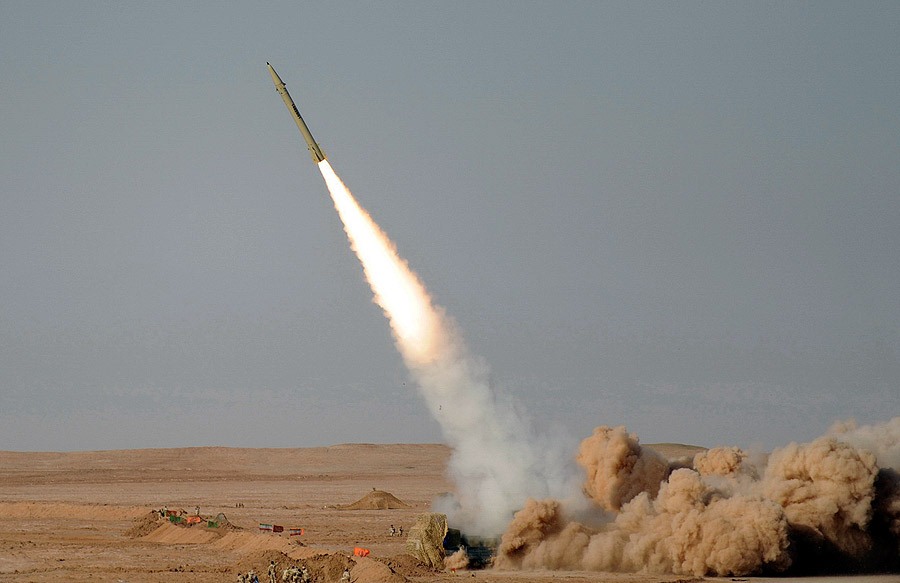
Yanbu lies approximately 930 kilometres by missile trajectory from Houthi launch positions in northern Yemen. The Burkan-2H, a liquid-fuelled ballistic missile with a stated range exceeding 1,000 kilometres, was publicly tested against Yanbu’s oil refinery in 2017 — the first confirmed Houthi strike attempt on the facility. The Burkan-3, also designated the Zulfiqar, carries a stated range above 1,200 kilometres. Houthi drone systems have claimed operational ranges up to 2,500 kilometres, according to the U.S. Institute of Peace.
The Petroline was built to route crude away from the Strait of Hormuz and the Iranian missile threat to eastern Saudi terminals. Ras Tanura, the kingdom’s largest eastern export facility, sits approximately 200 kilometres from Iranian launch positions across the Gulf. Yanbu was supposed to provide distance. At 930 kilometres from northern Yemen, the margin is real but not decisive — particularly against an adversary that has demonstrated willingness to fire at extreme range and absorb interception losses over a sustained campaign.
Ansarallah leader Abdulmalek al-Houthi, in a televised address on July 17, broadened the target set explicitly.
“All Saudi oil facilities and vital installations are targets for our missiles and drones if it gets itself involved in a full-scale aggression.”
— Abdulmalek al-Houthi, Ansarallah leader, July 17, 2026
Saree reinforced the threat three days later, warning of “complete readiness for all options” and a “comprehensive and harsh response” to any Saudi military counter-move. The threat envelope now explicitly includes oil infrastructure — not only Yanbu’s port but the pipeline’s western segments that run through open terrain before reaching the terminal.
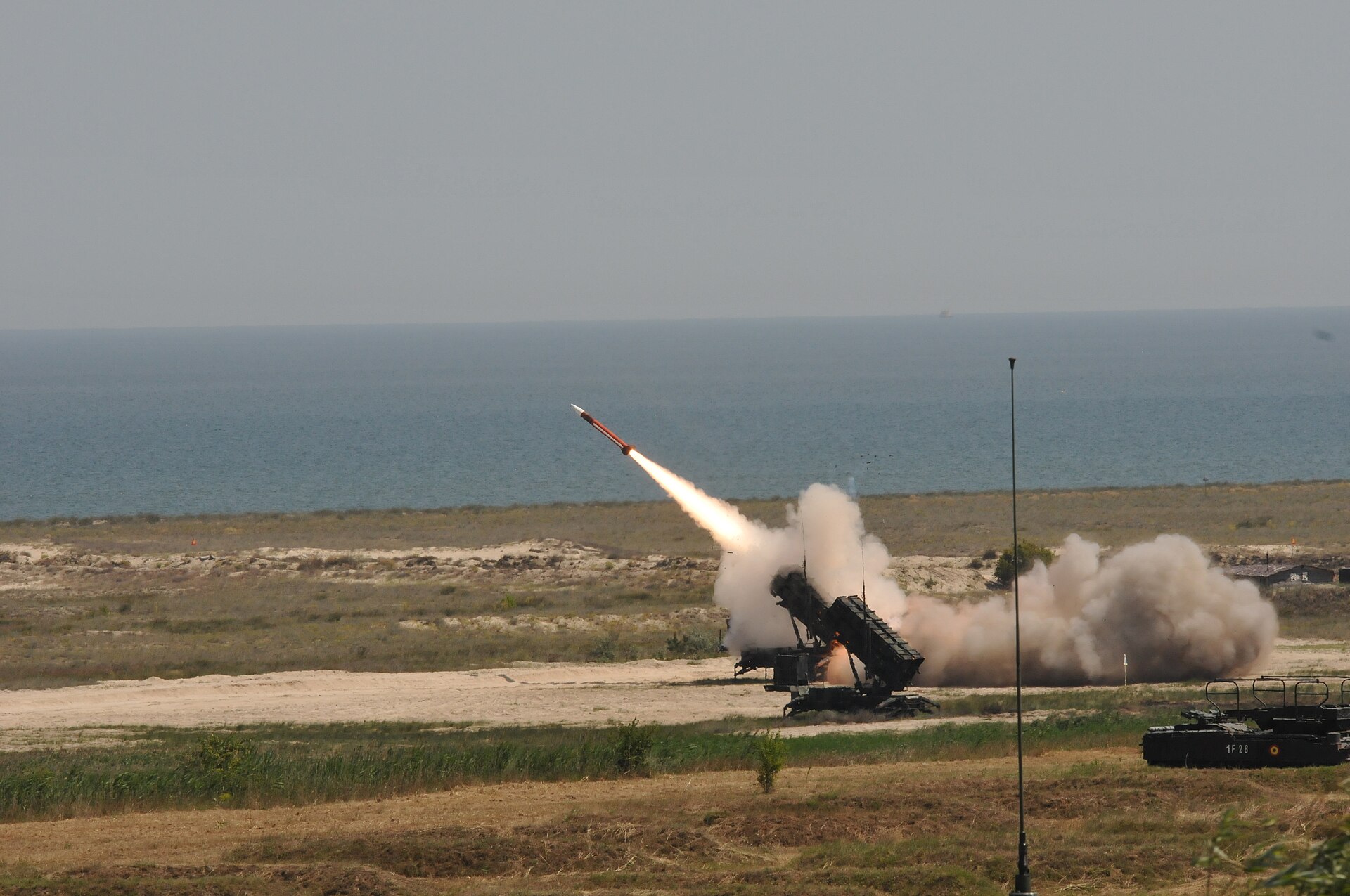
The Saudi defence posture offers limited reassurance. The Saudi-led coalition has not fired an airstrike in Yemen in four years. PAC-3 interceptor stocks stand at approximately 400 rounds of an original 2,800 — 86 percent depleted, with no resupply expected before mid-2027. The six ballistic missiles that struck Abha on July 20 drew no acknowledged Saudi military response. In July alone, Houthi strikes closed four Saudi airports within a single NOTAM window. Air defence allocation between eastern terminals, western terminals, and population centres is not publicly disclosed, but the arithmetic of 400 interceptors across multiple threat axes is not forgiving.
The pipeline’s eastern origin point compounds the vulnerability. The Petroline begins at Abqaiq — the same processing facility that was struck by drones and cruise missiles on September 14, 2019, temporarily shutting down 5.7 million bpd. Abqaiq is within range of both Iranian and Houthi weapons systems. A strike on the facility would shut the pipeline regardless of its expanded capacity, cutting off both the 5 million bpd export flow and the 2 million bpd feeding western refineries. The bypass route depends on the same node that demonstrated its vulnerability seven years ago.
CNN Business captured the dynamic in a headline published on March 30, 2026 — four months before the blockade declaration: “The Saudi port of Yanbu is an escape hatch for some of the world’s oil. The Houthis could slam it shut.”
How Long Would It Take to Build?
Goldman Sachs analysed nine comparable Gulf pipeline projects and found a median construction time of 2.5 years, according to a Kpler research note dated July 10. The Saudi expansion proposal remains at the preliminary-talks stage — no engineering contract has been awarded, no environmental approval has been issued, no budget has been disclosed. If negotiations conclude this quarter and construction begins in early 2027, the expanded capacity would arrive no earlier than mid-2029 under Goldman’s median estimate.
The Houthi blockade is operational now. Hormuz has been disrupted since late May. The expansion addresses none of these timelines. It is an infrastructure investment premised on the persistence of chokepoint risk beyond the current crisis — a bet that the conditions of 2026 will still obtain in 2029.
The 2019 precedent misleads anyone who treats it as a template. That expansion — from 5 million to 7 million bpd — took months, not years, because Aramco converted existing NGL lines that already ran through the same corridor. The valves and pumps changed. The steel did not. An additional 2 million bpd of capacity would require new pipeline segments, new pump stations, and new right-of-way agreements across some or all of the 1,200-kilometre route. This is construction on one of the longest crude oil pipelines in the world. It is not a conversion.
Arab News reported that the expansion would “require adjustments to Saudi crude’s pricing mechanism” — a detail that passed without significant analysis but that carries broad implications. Yanbu-loaded crude is priced differently from crude loaded at Ras Tanura or Ju’aymah on the east coast. Adjusting the pricing formula for a 9-million-bpd pipeline feeding a Red Sea port would affect the benchmark references used by every Gulf producer whose crude competes with Arab Light in Asian spot markets. Kuwait and Qatar, as expansion partners, would be directly implicated in those adjustments. The pricing renegotiation may prove as complex as the engineering.
Abu Dhabi Is Already Building Its Own Bypass
The UAE offers an instructive comparison. ADNOC’s expanded Abu Dhabi Crude Oil Pipeline — running 360 kilometres from Habshan to Fujairah on the Gulf of Oman, bypassing the Strait of Hormuz entirely — is 50 percent complete and targeting early-to-mid 2027 for its expanded capacity of 3.6 million bpd, according to CNBC and Gulf Business. Unlike Yanbu, Fujairah faces neither a maritime embargo nor a demonstrated missile threat from a proximate adversary. The port sits on the Indian Ocean side of the chokepoint, not within the approaches of another.
| Pipeline | Route | Current / Target Capacity | Bypass Target | Status |
|---|---|---|---|---|
| Petroline (East-West) | Abqaiq → Yanbu (1,200 km) | 7 million / 9 million bpd | Strait of Hormuz | Expansion in preliminary talks |
| ADCOP (Abu Dhabi) | Habshan → Fujairah (360 km) | 1.5 million / 3.6 million bpd | Strait of Hormuz | 50% complete; early-to-mid 2027 |
| Kirkuk-Ceyhan | Iraq → Turkey (970 km) | ~450,000 bpd / 900,000 bpd nominal | Persian Gulf entirely | Below capacity; Baghdad-KRG disputes |
Abu Dhabi’s pipeline is one-third the length of the Petroline. Its exit port, Fujairah, is approximately 2,500 kilometres from Houthi launch positions — well beyond even the most generous drone range claims. The ADNOC bypass is designed to survive the specific threats that are materialising in 2026. Saudi Arabia’s bypass routes around one chokepoint and into the contested approaches of another.
Bloomberg Intelligence analysts, writing in July, concluded that “the 2026 U.S.-Iran war and Strait of Hormuz disruption may ultimately be remembered less for triggering an immediate oil crisis than for accelerating global efforts to reduce dependence on the world’s most important energy chokepoint.” The acceleration is visible across the Gulf. The difference is that Abu Dhabi’s version will be operational before the Saudi expansion clears the negotiating table.
The Fiscal Arithmetic
Saudi Arabia’s first-quarter 2026 deficit of SAR 126 billion — $33.5 billion — was the largest quarterly deficit in the kingdom’s history. Full-year projections now run to SAR 165 billion, approximately $44 billion. Brent crude is above $90 per barrel, roughly 30 percent above its July lows, but the war premium has not translated into fiscal relief because of the volume problem: Saudi exports through eastern terminals have been curtailed by the Hormuz disruption, and the Yanbu corridor that absorbed the redirected flow now faces the Houthi embargo.
The expansion would cost “billions of dollars” — the only cost guidance available from reporting. The original 1981 pipeline cost $2.5 billion in contemporary dollars. Adjusted for construction cost inflation and the complexity of adding capacity to an operating system rather than building on a greenfield right-of-way, the project sits in a cost environment where comparable Gulf infrastructure runs between $4 billion and $8 billion based on industry benchmarks for projects of similar length and diameter.
Aramco’s free cash flow coverage ratio dropped to 0.85x in the first half of 2026 — the company is paying out more in dividends and government obligations than it generates in free cash. The war premium that was supposed to buoy revenues has been offset by the volume losses the war itself created. Aramco’s August Arab Light official selling price for Asian buyers was set at negative $1.50 versus the Oman/Dubai benchmark — the first negative differential since the pandemic, a signal that even with crude above $90, Saudi barrels are being discounted to compete for cargoes that can no longer follow their traditional shipping routes.
The expansion, then, is capital expenditure that will not generate a single additional barrel of revenue for at least 2.5 years, committed at a moment when the kingdom is running its largest deficit on record, its national oil company is cash-flow negative on a coverage basis, and the port at the far end of the pipeline cannot load what the pipeline already carries. Riyadh is either betting that the Houthi embargo will fail and the Red Sea corridor will reopen as the primary Saudi export route — a bet with fiscal consequences if it is wrong — or it is proceeding with an infrastructure plan that predates the blockade and has not been re-evaluated in light of it.
The GCC participation suggests the former reading. Four states do not enter preliminary pipeline talks unless someone has assessed the Red Sea corridor as viable over a multi-year horizon. The port bottleneck suggests the latter. A pipeline expansion without a port expansion is a planning document that has not been updated.
Both readings terminate at the same place: the next barrel the expansion carries is, at the earliest, a 2029 barrel. Every barrel between now and then must move through infrastructure that either already exists and is contested, or that was built for a threat environment two chokepoints simpler than the one Saudi Arabia faces in July 2026.
The ceiling this article documents has direct implications for Saudi Arabia’s ceasefire calculus: a full analysis of what the East-West Pipeline ceiling means for Saudi export revenue places the 7-million-barrel-per-day throughput limit inside the broader context of the 10-day ceasefire proposal, where a Hormuz reopening condition is worth approximately $1.1 billion per day — a sum Saudi Arabia stands to lose or recover but cannot negotiate directly.
Frequently Asked Questions
Has Saudi Arabia expanded the East-West Pipeline before?
Yes. After the September 14, 2019 Abqaiq-Khurais strikes, Aramco converted parallel NGL lines within the existing pipeline corridor to crude service by modifying valves, pumps, and metering equipment. The conversion raised capacity from approximately 5 million to 7 million bpd within months. No new pipeline was laid — the infrastructure already existed in the same right-of-way. The current 2 million bpd proposal cannot replicate this approach because no unused parallel lines remain. The expansion requires new steel in the ground across part or all of the 1,200-kilometre route, placing it in a fundamentally different construction category with a correspondingly longer timeline and higher cost.
Could Saudi Arabia build a new Red Sea export port to relieve the Yanbu bottleneck?
The Red Sea coast between Yanbu and Jeddah includes deep-water approaches that could theoretically support a greenfield crude terminal. King Abdullah Economic City at Rabigh, approximately 130 kilometres south of Yanbu, was originally designed with an industrial port component. Environmental assessments, land acquisition, breakwater construction, and tank farm development for a new crude export terminal of comparable scale would take an estimated five to seven years from authorisation to first loading — roughly twice the timeline for the pipeline expansion alone. No such project has been announced or, based on available reporting, discussed in the current round of negotiations.
What happens to Kuwaiti or Qatari crude loaded at Yanbu under the Houthi embargo?
Saree’s July 20 declaration specifically named “the criminal Saudi enemy,” but Houthi maritime interdiction operations in the Red Sea and Bab al-Mandeb have not historically distinguished by flag state or cargo origin. Since October 2023, Houthi attacks have struck vessels flagged in the Bahamas, Liberia, the Marshall Islands, Panama, and other states with no Saudi connection. A Kuwaiti or Qatari cargo loaded at Yanbu and transiting Bab al-Mandeb southbound would be operationally indistinguishable from a Saudi one in terms of route, transit profile, and AIS signature. The embargo risk transfers to any GCC producer that uses the Yanbu corridor.
What is the Iraqi Pipeline in Saudi Arabia, and could it supplement the Petroline?
The Iraqi Pipeline in Saudi Arabia, known as IPSA, runs roughly parallel to the Petroline for part of its route with a nominal capacity of 1.65 million bpd. Built in the 1980s to give Iraq a non-Gulf export route during the Iran-Iraq War, it was shut down in August 1990 when Riyadh severed relations with Baghdad following the invasion of Kuwait. The pipeline has been closed for 36 years. Reactivation would require comprehensive inspection, probable segment replacement along corrosion-affected sections, and a bilateral agreement between Saudi Arabia and Iraq that has not materialised despite intermittent discussions. Iraqi crude exported via IPSA would also exit through Yanbu, adding volume to a port already operating at its loading ceiling.
The tanker U-turns on July 21 — a VLCC carrying 2 million barrels for China and an Aframax with 700,000 barrels bound for India both reversing for Suez — provided the first commercial evidence that the Yanbu bypass had been neutralised.