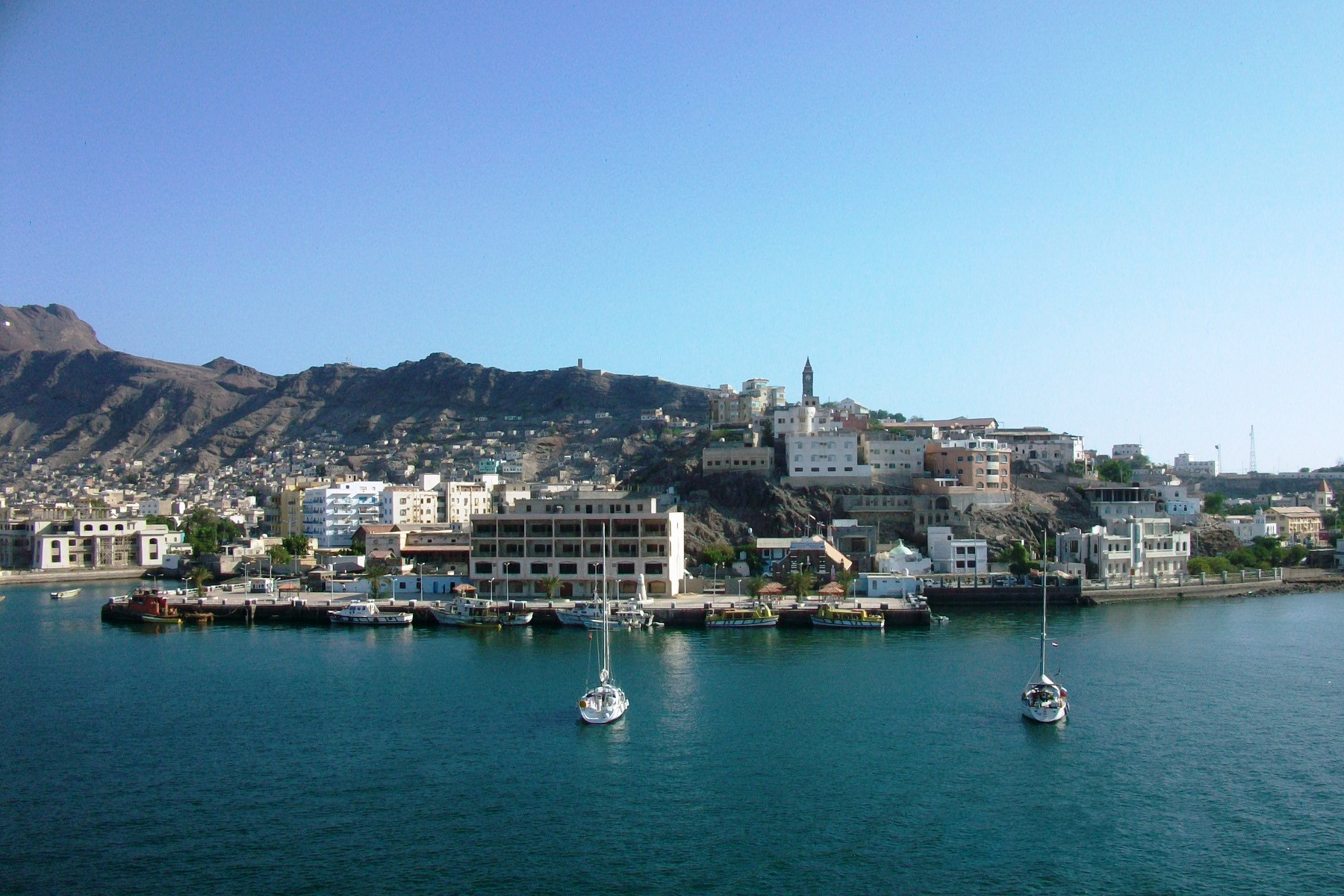

ADEN — The Saudi-led coalition declared Aden a “red line” on November 29, with coalition spokesman Major General Turki al-Maliki telling Reuters that Saudi Arabia would do whatever it takes to protect the port city where Yemen’s internationally recognized government is based. Houthi forces remain approximately 60 km north of Aden, according to a November 24 briefing by Yemeni army spokesman Colonel Majed al-Nuzaily to the Associated Press.
The declaration carried weight beyond rhetoric. Aden handles a critical share of the humanitarian aid reaching government-held Yemen, its airport serves as the government’s primary air link to the outside world, and the United Nations has warned that 5.4 million people in government-controlled areas face crisis-level hunger by December. A Houthi advance on the city would threaten the last major supply corridor outside Houthi control — and the political survival of the government the coalition was formed to support in 2015.
The House of Saud Daily Briefing
Saudi Arabia's news in 3 minutes, every morning. Free. See today's issue
Al-Maliki’s comments came on a day when the coalition also struck the Ras Isa oil terminal in Hodeidah province, intercepted three Houthi ballistic missiles aimed at Riyadh and the Eastern Province, and drew a Houthi threat to target Jeddah and all Saudi Red Sea ports. The convergence of events underscored the multi-front character of the Yemen war and the coalition’s sustained operations across multiple fronts.
Table of Contents
- What Did al-Maliki Say About Aden?
- Ras Isa Strikes and Houthi Retaliation Threats
- How Close Are the Houthis to Aden?
- Coalition Intercepts 3 Missiles Targeting Riyadh and Eastern Province
- What Does the Humanitarian Crisis Around Aden Look Like?
- Aden’s Strategic Role in Yemen’s War
- Frequently Asked Questions
What Did al-Maliki Say About Aden?
Major General Turki al-Maliki, the coalition spokesman, told Reuters on November 29 that the coalition had drawn a “red line” around Aden and would do whatever it takes to defend the city.
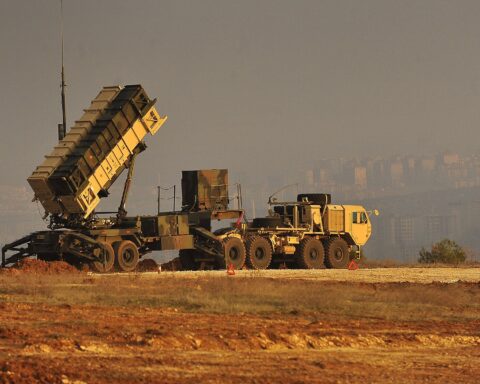
He addressed persistent questions about Saudi Arabia’s interceptor missile stockpiles. “I assure you that we have the capability to defend our country,” al-Maliki told Reuters. “We are buying our weapons … and we don’t have a shortage.” He acknowledged that “some gaps happened two times in the last three months” on the battlefield but did not elaborate on the specific incidents.
Al-Maliki ruled out deploying coalition ground troops to Yemen, telling Reuters: “The best solution is the political solution. But we have to support the Yemeni government to achieve their objective.”
He framed the conflict’s resolution as contingent on Houthi willingness to engage with the United Nations peace process. “If the Houthis decided to go for the road map with the Yemeni government, the war can end … tomorrow,” al-Maliki told Reuters.
The combination — Aden as a red line, no coalition ground troops, and a public offer of peace conditional on Houthi engagement — defined the coalition’s position on a single day. It committed Saudi Arabia to defending Aden from the air while publicly placing the burden of continued war on the Houthis. It also set limits: the coalition would strike from above but would not send soldiers into Yemen, leaving Yemeni government forces to hold the ground the coalition declared it would protect.
Ras Isa Strikes and Houthi Retaliation Threats
The coalition’s Joint Forces Command posted an evacuation warning for the Ras Isa oil terminal in Hodeidah province on November 29. The coalition spokesman said coalition forces struck five targets at Ras Isa in response to Houthi attacks, Reuters reported.
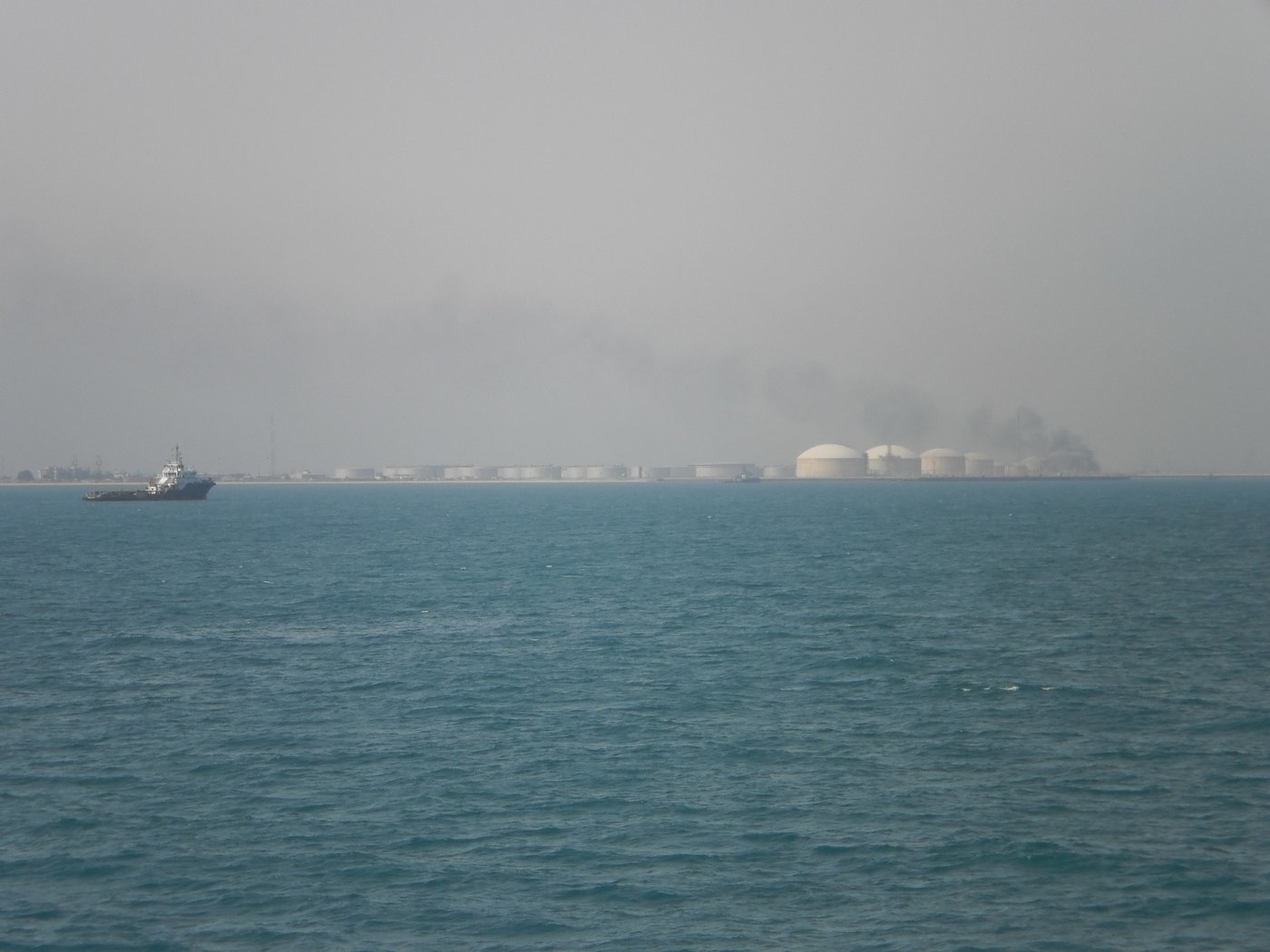
The Ras Isa warning was the third coalition port-area evacuation notice in 10 days. The coalition issued Hodeidah evacuation warnings on November 20 and November 25, both preceding airstrikes in the area. The November 29 warning covered Ras Isa specifically — a distinct oil terminal within Hodeidah province. No evacuation order of any kind has been issued for Aden.
Houthi military spokesman Yahya Saree responded by expanding the group’s threat list. “Jeddah port and all Saudi enemy ports on the Red Sea coast will be targets for our forces in retaliation for the Saudi enemy’s targeting of Ras Isa port,” Saree said, according to ANI News on November 29. He called on port workers to evacuate Saudi Red Sea facilities and urged shipping companies to remove vessels.
Iran’s state-aligned Kayhan newspaper framed the Houthi response under the headline “Yemen Expands Retaliation to Jeddah, Saudi Red Sea Ports” on November 29. The full scope of the Houthi threat to Saudi Red Sea ports was reported separately. No confirmed strikes on Jeddah or other Saudi Red Sea ports had materialized as of November 29.
How Close Are the Houthis to Aden?
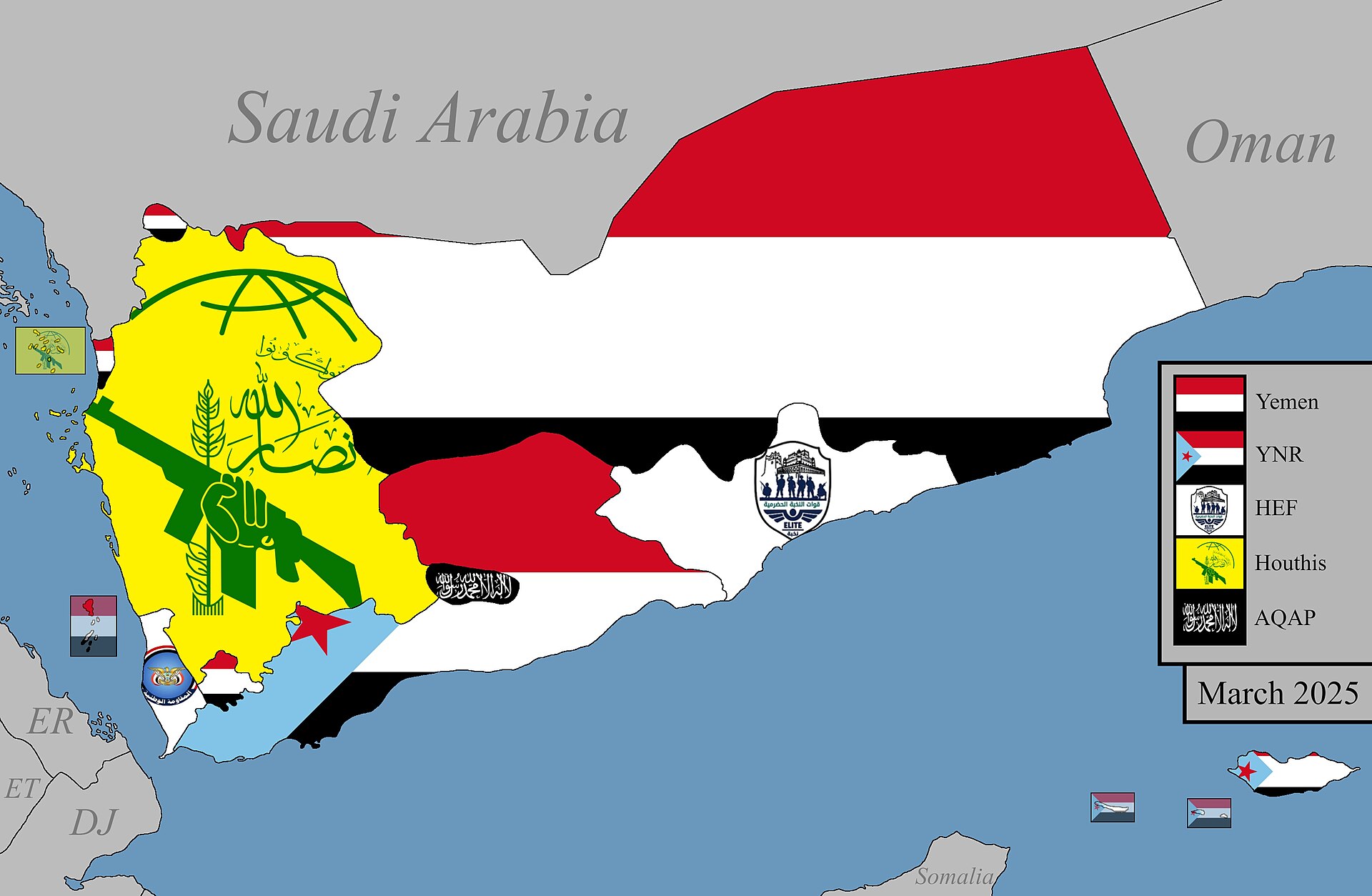
Houthi forces hold positions approximately 60 km (37 miles) north of Aden, according to Colonel Majed al-Nuzaily, the Yemeni army spokesman, who briefed the Associated Press on November 24.
“Aden is a red line. It was a red line in 2015, when the Houthis came to the city and its people drove them out,” al-Nuzaily told AP. He said Yemeni government forces north and west of Aden were stationed “on a defense line built to stop the Houthi advance.”
The Houthis retook the Bab el-Mandeb coast on November 15, according to AP, and government forces withdrew to defensive positions concentrated around Aden. That withdrawal reversed gains the coalition-backed forces had made during the October 5 offensive, when Yemeni government forces said they had secured the Bab al-Mandeb strait and the port city of Mokha.
The Houthis have not publicly announced a plan or timeline to assault Aden. No source as of November 29 confirmed such a statement from Houthi leadership. The group’s military spokesman, Saree, focused his November 29 remarks on threatening Saudi Red Sea ports rather than signaling any intent to push toward Aden.
Al-Maliki’s public designation of Aden as a red line elevated the city’s defense from a Yemeni military position to an explicit coalition commitment — but the coalition has not specified what military measures the designation entails beyond continued airstrikes and the exclusion of ground troops.
Coalition Intercepts 3 Missiles Targeting Riyadh and Eastern Province
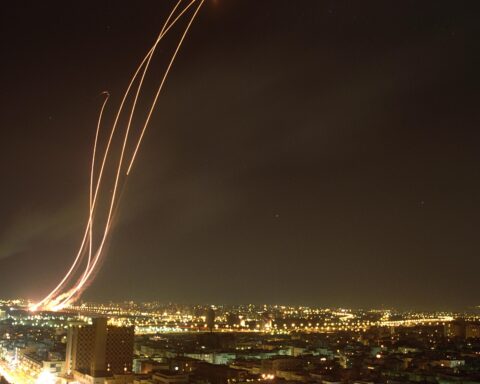
The coalition intercepted three Houthi ballistic missiles targeting Riyadh and the Eastern Province on November 29, according to Kuwait Times. Coalition forces also destroyed a missile launch platform in Saada province, northern Yemen, the outlet reported.
The interceptions came on the same day al-Maliki publicly denied any interceptor shortage. The intensifying pattern of Houthi strikes on Saudi territory has tested the coalition’s air defenses across multiple fronts. Earlier in the week, the coalition struck Sanaa after Houthi missiles targeted Riyadh, continuing a cycle of exchange that has persisted through November.
Al-Maliki’s acknowledgment of “some gaps” in the previous three months, combined with his insistence that stockpiles were adequate, reflected a coalition aware of skepticism about its defensive capacity under sustained Houthi fire. The specific incidents he alluded to remain unclear — he did not name dates, locations, or outcomes. The November 29 interceptions, if his account is accurate, would demonstrate that the air defense network is still functioning across Saudi Arabia’s most populated regions.

What Does the Humanitarian Crisis Around Aden Look Like?
Ibrahim El Haddad, the head of OCHA’s information division, told Al Jazeera on November 29 that “Aden is a vital hub for the humanitarian response in Yemen. Its port and airport are key entry points for aid supplies and humanitarian staff.”
About 80% of Yemen’s commercial and humanitarian imports enter through Hodeidah, which is under Houthi control, according to Al Jazeera. Aden’s port and airport handle a critical share of the remaining supply flow into government-held areas.
The United Nations projected that 5.4 million people in government-held areas face crisis-level hunger by December, with 1.8 million at emergency level, Al Jazeera reported, citing UN data.
Al Jazeera correspondent Hadeel al-Yamani, reporting from Aden, said government hospitals in the city had not received international aid in more than a month. The gap predates the current front-line crisis and points to supply-chain failures already affecting medical care in government-held areas.
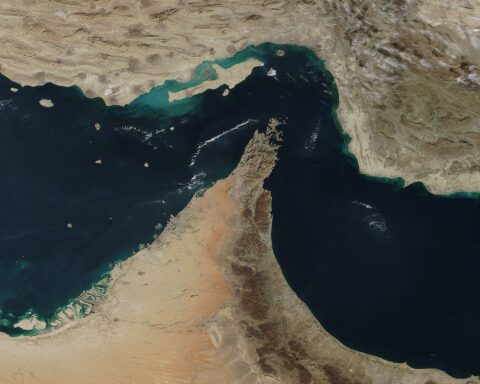
The disruption extends beyond Yemen’s internal front lines. The reduced throughput at the Strait of Hormuz has strained regional shipping capacity since the Iran war began, affecting both energy exports and humanitarian logistics across the Gulf.
The Makkah Alliance’s military deployment has focused on Saudi territorial defense rather than humanitarian operations inside Yemen. If Aden’s port were disrupted by fighting, the remaining aid corridor into government-held Yemen would narrow further at a time when UN agencies describe the need as acute.
Aden’s Strategic Role in Yemen’s War
Aden has served as the seat of Yemen’s internationally recognized government since the Houthis seized the capital Sanaa in 2014 and 2015, according to Al Jazeera. Government forces and local resistance fighters expelled Houthi forces from Aden in 2015 with coalition air support — the battle al-Nuzaily referenced in his AP briefing.
The November 15 recapture of the Bab el-Mandeb coast reversed gains the coalition-backed October 5 offensive had achieved, leaving government forces defending a contracted perimeter north and west of the city.
The pattern — offensive, overextension, withdrawal — has repeated itself in the southern theater. Coalition airpower can slow a Houthi advance but has not held territory without ground forces willing to stay. That dynamic is what made al-Maliki’s simultaneous commitment to Aden and refusal to deploy ground troops a statement that invited scrutiny about how, specifically, the red line would be enforced.
Al-Maliki’s framing on November 29 — Aden as a red line, airpower as the tool, peace as the preferred outcome — set the terms of a defense that depends on Yemeni government ground forces holding a line the coalition will support from the air but not reinforce on the ground. Whether those forces can sustain the position under pressure from an adversary that has already retaken the Bab el-Mandeb coast once this autumn is a question the coalition’s statement did not answer.
Frequently Asked Questions
What did al-Maliki say about gaps in Saudi Arabia’s missile defenses?
Al-Maliki told Reuters that Saudi Arabia has no interceptor shortage but acknowledged that “some gaps happened two times in the last three months.” He did not identify the dates, locations, or outcomes of the incidents. His statement came hours after the coalition intercepted three Houthi ballistic missiles targeting Riyadh and the Eastern Province on November 29 — a sequence he offered as evidence that air defenses remain functional across Saudi Arabia’s most populated regions.
What is the UN peace roadmap al-Maliki referenced?
Al-Maliki’s reference to “the road map with the Yemeni government” points to UN-mediated efforts to negotiate a political settlement in Yemen. The framework envisions a ceasefire, confidence-building measures including prisoner exchanges, and eventual power-sharing negotiations. The Yemeni government has engaged with the process, but the Houthis have not accepted its terms while they hold military momentum on the ground.
Why did the Houthis retake territory after the October offensive?
The coalition-backed October 5 offensive saw Yemeni government forces claim to recapture Mokha and the Bab al-Mandeb coast, but holding the extended front line required ground forces the coalition was unwilling to provide. Saudi Arabia has consistently ruled out deploying coalition troops inside Yemen. By November 15, the Houthis had retaken the Bab el-Mandeb coast, and government forces fell back to a tighter defensive perimeter closer to Aden.
How significant is Aden’s port for Yemen’s food supply?
With about 80% of Yemen’s imports flowing through Houthi-held Hodeidah, Aden is the primary alternative port for government-controlled areas. The city’s port and airport also serve as the main entry point for international humanitarian staff and medical supplies. Any disruption to Aden’s port would leave the UN and aid agencies with no major supply route into areas home to millions of people the UN says are already at crisis-level hunger.
The House of Saud Daily Briefing
Saudi Arabia's news in 3 minutes, every morning. Free. See today's issue