
RIYADH — More than a third of Saudi Arabia’s scheduled flights were cancelled at the height of the disruption, with at least 25 airlines suspending or curtailing service to the kingdom after two months of Houthi missile and drone attacks on its airports, and widespread cancellations continuing through 9 November. Emirates, Etihad, British Airways, Cathay Pacific and Delta are among the carriers that have pulled back, some into 2027, while the European Union Aviation Safety Agency’s airspace advisory for the Jeddah flight information region remains in force through 16 November.
The disruption, the worst to Saudi aviation since the kingdom opened to international tourism, has left passengers scrambling for refunds, reroutings and overland alternatives. King Khalid International Airport in Riyadh — the country’s busiest hub — has operated under a prior-permission NOTAM since reopening on 18 October, and several airlines treat it as effectively closed. Carriers serving Jeddah have largely continued, but Dammam, Abha and Riyadh remain partially or fully suspended depending on the operator.
Table of Contents
Which Saudi Airports Are Operating on 9 November?
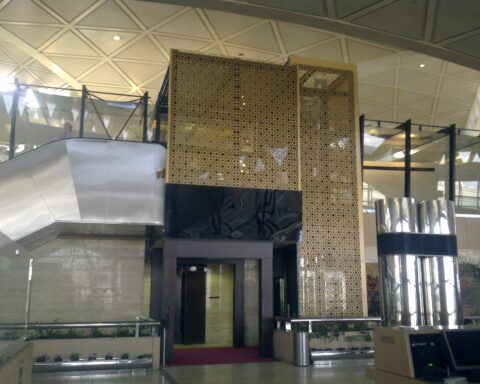
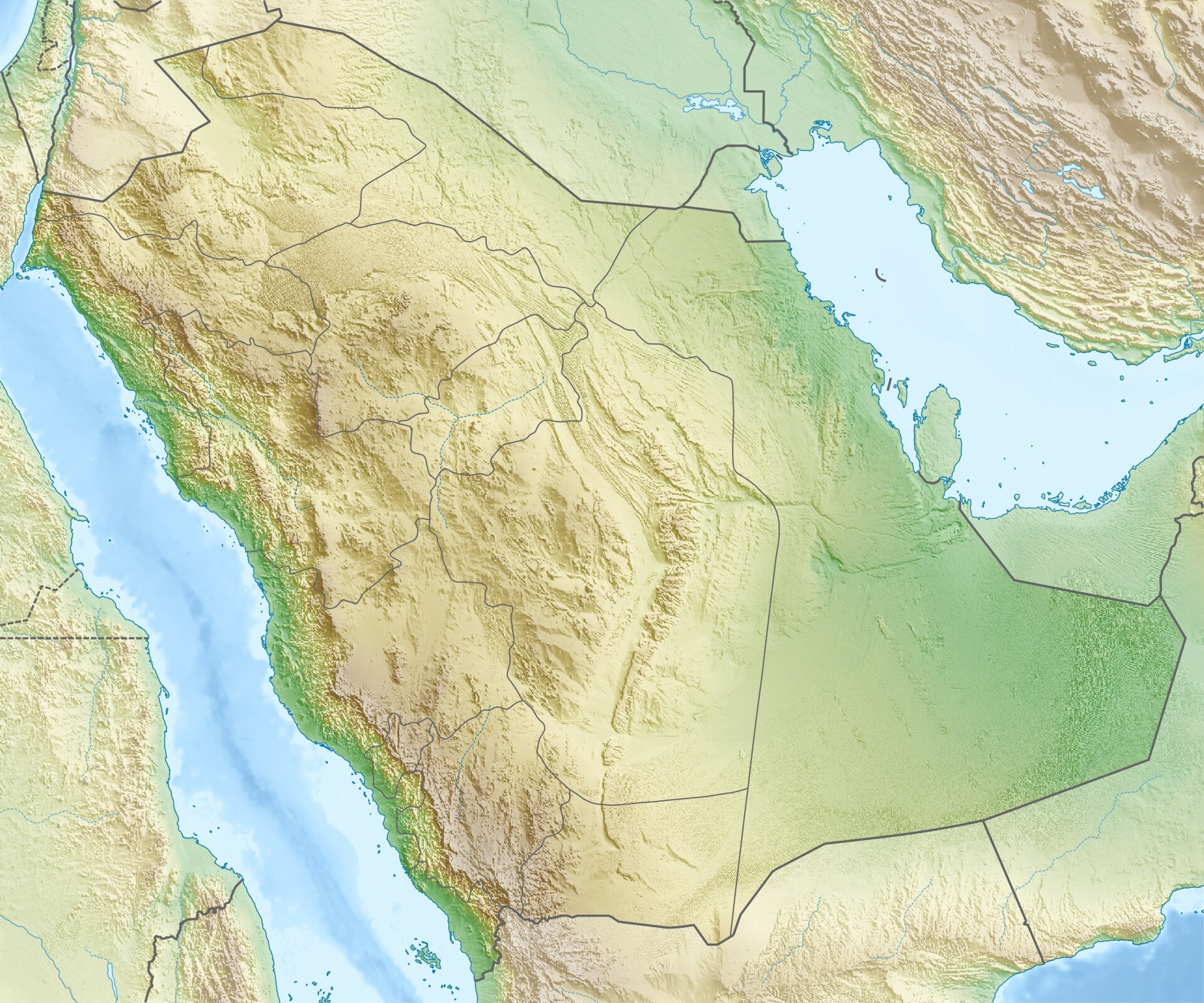
Saudi Arabia’s four major commercial airports are in different states of readiness, and the picture shifts daily. The General Authority of Civil Aviation suspended operations at KKIA on 10 October “pending a full damage assessment,” according to Asharq Al-Awsat, after a Houthi strike killed 12 and wounded 309 that day, per Al Jazeera. The BBC put the injured toll at 308. An Indian national’s death on 11 October raised the toll to 13, the BBC reported.
The House of Saud Daily Briefing
Saudi Arabia's news in 3 minutes, every morning. Free. See today's issue
KKIA formally reopened on 18 October with a prior-permission requirement for every flight under a NOTAM issued by GACA, according to Semafor. Most scheduled international flights stayed cancelled in the days after reopening. Domestic flights restarted on 25 October, ch-aviation reported, though operators still needed advance permission. Kuwait Airways, as of 9 November, described its Riyadh service as suspended “until airport operations resume,” according to Gulf News — language that suggests some carriers do not regard the airport as fully operational.
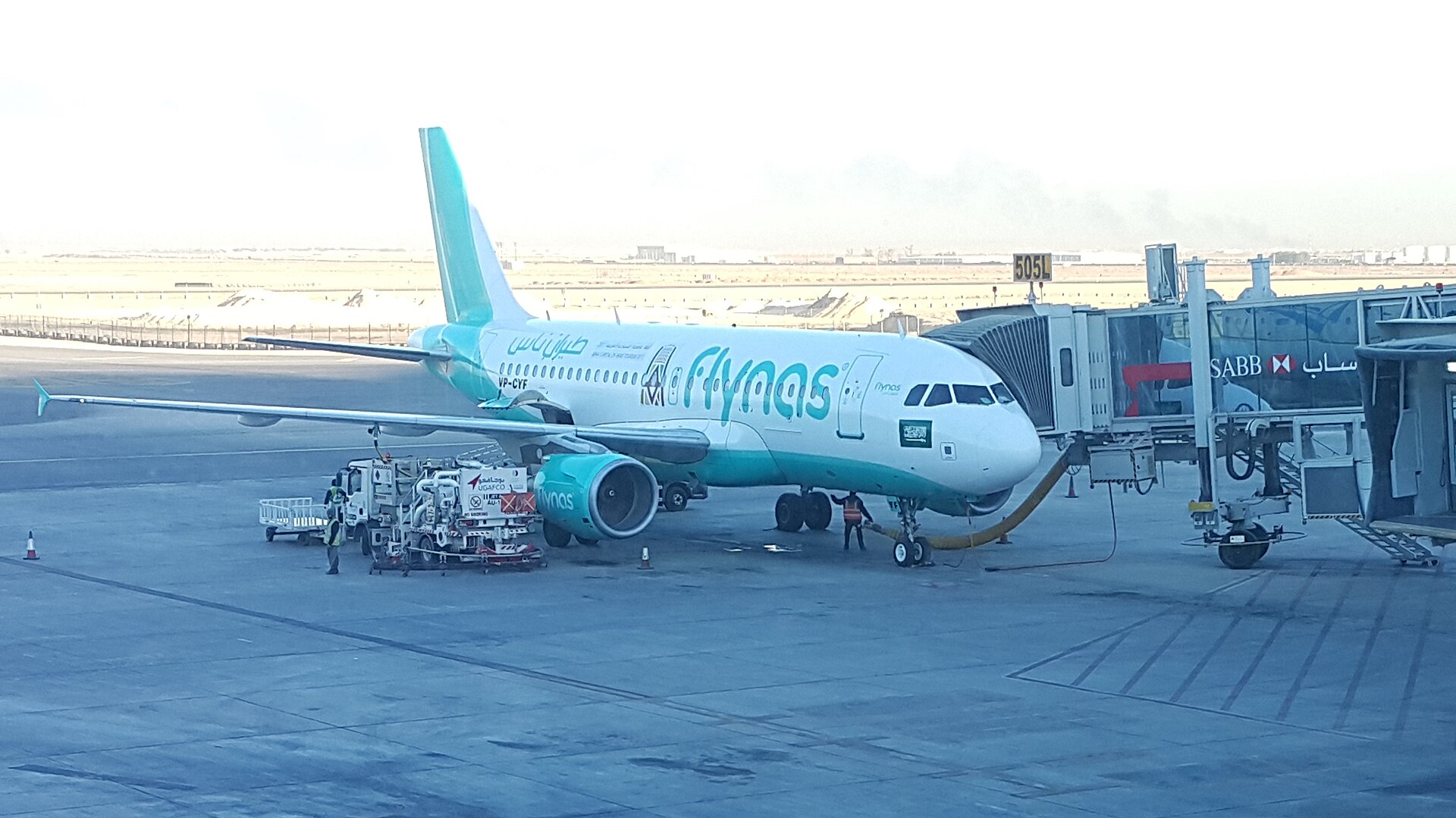
Flynas cancelled flights XY 201, XY 209, XY 215, XY 216 from Riyadh and XY 210 to Riyadh on 9 November, Gulf News reported. Riyadh Air cancelled RX 241 and RX 243 the same day, according to the same outlet. Saudia has been rerouting some Riyadh-bound passengers via Al Qassim or Dammam with onward ground transport, The National reported on 6 November.
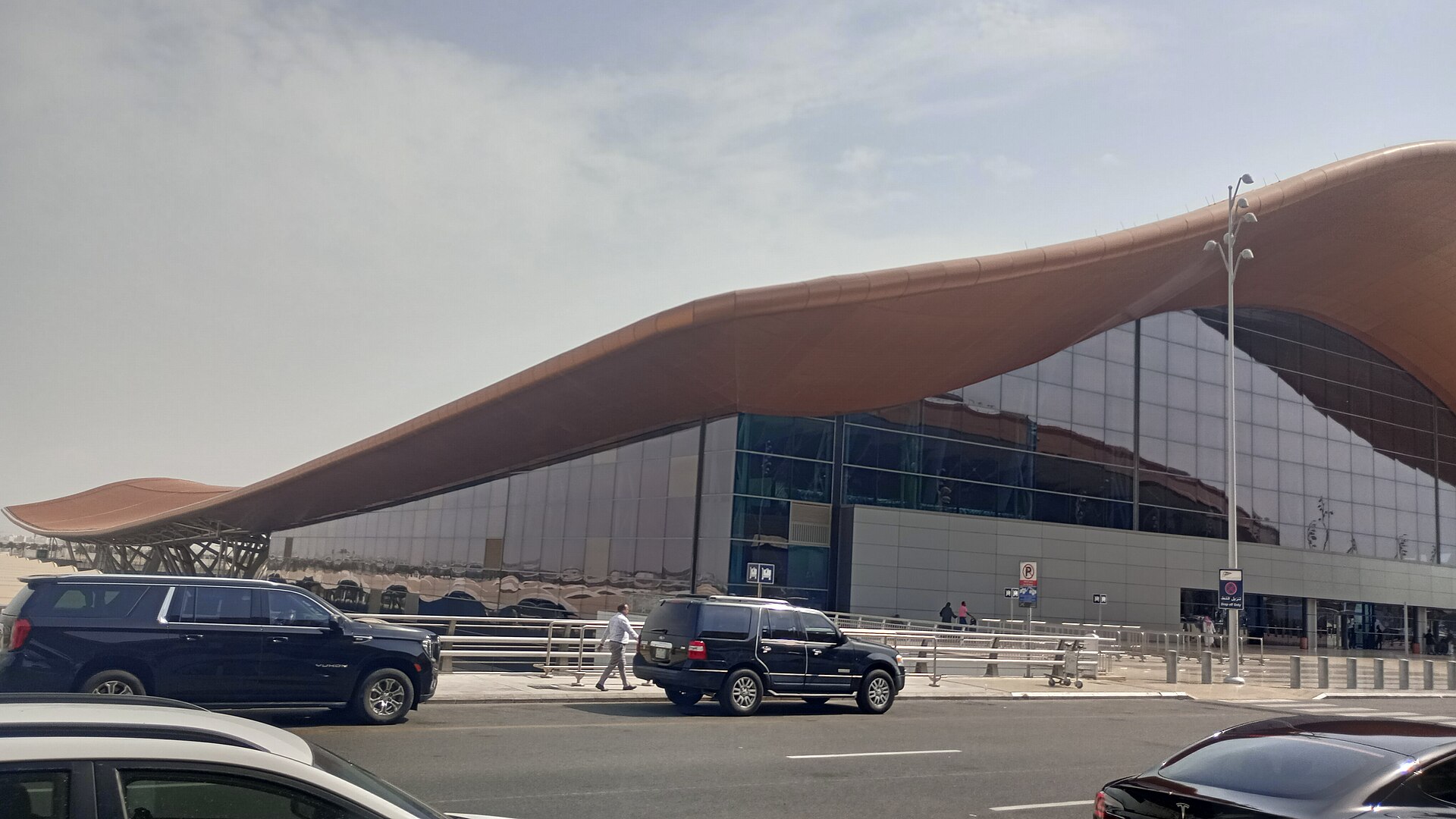
King Fahd International Airport in Dammam was attacked on 21 October, killing a Saudi citizen and an Indian national and injuring eight, according to Reuters. GACA confirmed operations resumed after safety checks. The Houthis claimed drone attacks on Dammam airport again on 2 November, Reuters reported. Jeddah’s King Abdulaziz International Airport has continued operating, though carriers must comply with EASA’s Jeddah FIR advisory. Abha airport was last confirmed attacked during the 6–7 October strikes that killed three and wounded 36, per the BBC.
Airline-by-Airline Cancellations and Restart Dates
At least 15 airlines suspended or cancelled flights to Saudi Arabia after the October strikes, according to Siasat and AirlineGeeks. That number has since grown. Below is the status of major carriers as of 9 November, drawn primarily from The National’s 6 November tracker and Gulf News reporting from 6–9 November.
| Airline | Routes Suspended | Planned Restart | Source |
|---|---|---|---|
| Emirates | Dubai–Riyadh, Dubai–Dammam | 8 Nov restart cancelled; no new date | RusTourism News, 8 Nov |
| Etihad | Riyadh, Dammam | 19 Nov; Jeddah resumed 6 Nov | Gulf News, 9 Nov |
| flydubai | Riyadh, Abha | 16 Nov; Dammam resumes 10 Nov | Gulf News, 6 Nov |
| British Airways | Riyadh | 11 Jan 2027; London–Jeddah discontinued | The National, 6 Nov |
| Cathay Pacific | Riyadh | 31 Jan 2027 (3rd postponement) | SCMP |
| Delta | Atlanta–Riyadh (launch delayed) | Mar 2027 | Semafor, 20 Oct |
| Air France | Riyadh | 12 Dec | The National, 6 Nov |
| Lufthansa | Riyadh; Dammam | 18 Nov; 30 Nov | The National, 6 Nov |
| KLM | Riyadh, Dammam | 27 Nov | The National, 6 Nov |
| Air India / Air India Express | Riyadh, Jeddah, Dammam | 14 Nov | Gulf News |
| IndiGo | Riyadh, Jeddah, Dammam, Madinah | 14 Nov | The National, 6 Nov |
| Akasa Air | Jeddah; Riyadh | 18 Nov; 30 Nov | The National, 6 Nov |
| Philippine Airlines | Riyadh | 29 Nov | The National, 6 Nov |
| Scoot | Singapore–Jeddah | 28 Feb 2027 | The National, 6 Nov |
| PIA | Riyadh | No date given | The National, 6 Nov |
| SalamAir | Riyadh, Dammam | 30 Nov | The National, 6 Nov |
| Kuwait Airways | Riyadh | “Until airport operations resume” | Gulf News, 9 Nov |
| Air Arabia | Sharjah–Riyadh, Abha | No end date | The National, 6 Nov |
| ITA Airways | Riyadh | 18 Nov | Gulf News, 9 Nov |
Riyadh is the hardest-hit route: every carrier listed above has suspended it. Dammam suspensions are widespread but generally shorter. Jeddah, located on the Red Sea coast and farther from the Houthi launch zones in northern Yemen, has remained operational for most airlines, with Etihad resuming its Abu Dhabi–Jeddah service on 6 November, according to Gulf News. The exception is Scoot, which has pulled its Singapore–Jeddah route through February 2027, and British Airways, which permanently discontinued London–Jeddah, The National reported.
Emirates had planned to restart Dubai–Riyadh and Dubai–Dammam service on 8 November, but flights EK815, EK817, EK819 to Riyadh and EK821, EK823, EK827 to Dammam were all cancelled with no new restart date announced, RusTourism News reported. Delta’s Atlanta–Riyadh route, originally set to launch on 23 October as part of the carrier’s Middle East expansion, has been pushed to March 2027, according to Semafor.
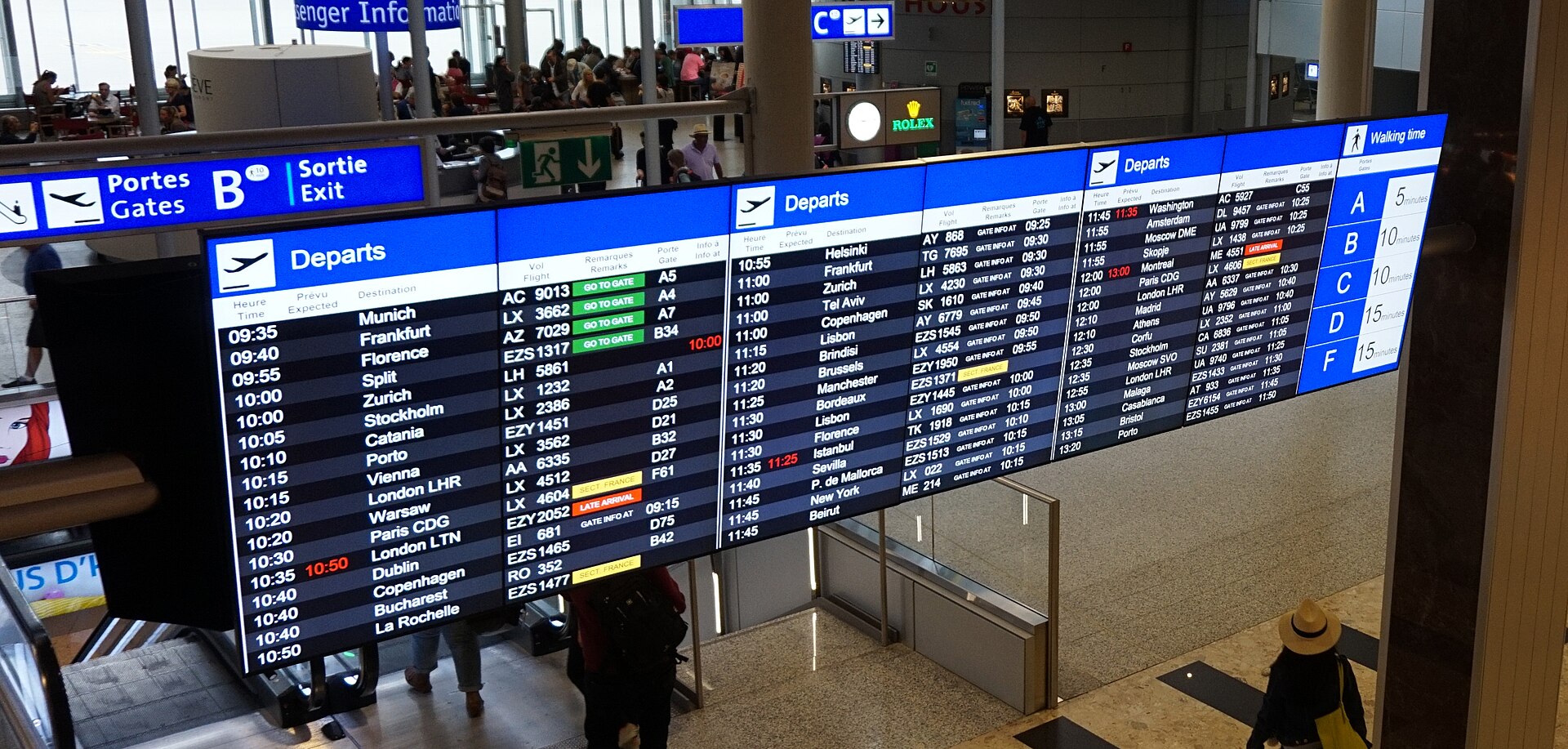
Cathay Pacific’s suspension of its Riyadh service through 31 January 2027 marks its third postponement, according to the South China Morning Post. British Airways’ decision to push its Riyadh restart to 11 January 2027 and drop Jeddah entirely represents the most decisive pullback by a European flag carrier.
What Has EASA Told Airlines About Saudi Airspace?
The European Union Aviation Safety Agency issued Conflict Zone Information Bulletin CZIB-2026-09 on 30 September, revised it on 9 October, and as of 9 November it remains in force through 16 November, according to DeepArrival.com’s reporting on the bulletin. The advisory tells EU-regulated carriers to avoid a named corridor inside the Jeddah flight information region at all altitudes. Across the broader Jeddah FIR, it recommends heightened caution, extra fuel reserves and alternate airport plans.
The bulletin is a safety recommendation, not a mandatory closure order. EASA does not have the authority to close Saudi airspace. But for EU-regulated airlines — including Air France, Lufthansa, KLM and ITA Airways — it functions as a strong deterrent. The advisory’s 16 November expiry date is the next inflection point: if EASA renews or widens it, the European carriers’ suspension windows will extend accordingly. The UK Foreign, Commonwealth and Development Office separately warned of possible cancellations and airspace closures in travel advice updated on 27 October, Gulf News reported.
The Attacks That Grounded the Flights
The flight disruptions trace to a two-month campaign of Houthi strikes on Saudi airports that began in September and escalated sharply in October. On 19 September, smoke rose near KKIA and the Houthis claimed what appeared to be their first strike on Riyadh in the current escalation, the Kathmandu Post reported, citing Reuters. Strikes on KKIA and Abha on 6–7 October killed three and wounded 36, according to the BBC.
Two attacks on KKIA on 8 October killed three Saudi nationals, including Saudia captain Hamoud Ali Al Kalthami, and damaged a parked Saudia aircraft, the Gulf Daily News reported. The deadliest single-day strike came on 10 October, when Al Jazeera reported 12 killed and 309 wounded; the BBC put the injured at 308. An Indian national’s subsequent death raised the toll to 13, according to the BBC. On 11 October, a projectile hit Terminal 4, killing a Pakistani resident and injuring 11, CNN reported. Dammam’s King Fahd International Airport was attacked the same day.
GACA had suspended KKIA on 10 October — following the deadliest strike, before the Terminal 4 hit — and the airport remained shut. When it reopened on 18 October under the prior-permission NOTAM, most carriers stayed away. “The reopening was procedural, not operational in the way passengers would understand it,” was how Semafor characterised the situation on 20 October, noting that the majority of scheduled international flights remained cancelled.
The attacks did not stop. Dammam was hit on 21 October, killing two and injuring eight, Reuters reported. The Houthis claimed drone attacks on Dammam airport again on 2 November. On 4 November, Houthi military spokesman Yahya Saree claimed a ballistic missile strike on KKIA, saying the weapon “hit their intended target” and caused “significant damage and casualties,” according to Siasat. Saudi authorities had not confirmed any hit, damage or fresh casualties from that claim at the time of reporting.
Houthi Warning to Airlines
Saree’s 4 November statement went beyond the missile claim. He warned international airlines, airport employees and travellers to avoid Saudi airspace, according to Siasat, exempting only the skies over Makkah and Madinah. The Houthis had issued a similar declaration on 19 October, when they called Saudi airspace “unsafe” with the same two holy-city exemptions, the Middle East Monitor reported.
The warnings carry no legal force in international aviation, but they have had a practical effect. Airlines making risk assessments weigh them alongside the EASA bulletin, the GACA NOTAM, their own insurers’ positions and the visible pattern of attacks. For carriers already on the fence about resuming service, the Houthi declarations have provided a reason — or a pretext — to extend suspensions. The coalition’s ongoing strikes on Houthi launch infrastructure in Sanaa have not, so far, produced a pause in the group’s targeting of Saudi airports.
What Should Passengers With Tickets Do Now?
Passengers holding tickets on cancelled Saudi flights have limited but clear options, which vary by carrier. Air India is offering passengers whose Riyadh, Jeddah or Dammam flights are cancelled a one-time complimentary rebook for travel up to 29 November or a full refund, Gulf News reported. Flydubai said “further changes to scheduled flights to Saudi Arabia are expected,” according to Gulf News on 6 November, and its booking platform showed Riyadh flights resuming from 16 November.
For travellers who need to reach Riyadh, the overland option exists: Saudia has been routing some passengers via Al Qassim or Dammam with bus connections onward, according to The National. Jeddah remains the most accessible Saudi gateway by air, with Etihad, most Indian carriers and several Gulf airlines still serving it. Passengers should check their carrier’s latest travel advisory page directly, as restart dates have already slipped multiple times — Emirates’ 8 November restart, for instance, was cancelled the day it was supposed to happen.
The EASA bulletin expires on 16 November. If it is not renewed, European carriers may begin resuming Riyadh service within days. If it is renewed or widened, the disruption will extend through at least late November for airlines under EU regulation. Passengers on Lufthansa, KLM, Air France or ITA Airways routes should watch for EASA’s decision, which will likely come in the days before 16 November.
FAQ
Is Jeddah airport open and safe to fly into?
Jeddah’s King Abdulaziz International Airport has remained operational throughout the crisis. Most airlines serving Jeddah have continued their routes, including Etihad, which resumed Abu Dhabi–Jeddah on 6 November, according to Gulf News. The EASA advisory recommends heightened caution across the Jeddah FIR but restricts a specific corridor, not the airport itself. Passengers should confirm their specific airline’s status, as Scoot has suspended Singapore–Jeddah through February 2027 and British Airways has discontinued London–Jeddah permanently, per The National.
Can I get a refund for cancelled Saudi Arabia flights?
Most carriers are offering either rebooking or full refunds for cancelled Saudi routes, though policies differ. Under EU Regulation 261/2004, passengers on EU-regulated carriers are entitled to a full refund or rerouting when flights are cancelled regardless of the cause. Gulf and Asian carriers have generally offered similar terms voluntarily — Air India’s policy, for instance, covers a complimentary rebook for travel up to 29 November or a full refund, Gulf News reported. Passengers should file their claim directly with the operating carrier, not through third-party booking agents, to avoid delays.
Are Hajj and Umrah flights affected?
The Houthis have explicitly exempted the skies over Makkah and Madinah from their airspace warnings, both on 19 October and 4 November, according to the Middle East Monitor and Siasat. Jeddah airport — the main gateway for Hajj and Umrah pilgrims — remains operational. The 2027 Hajj season begins in mid-May, and no source has reported disruption to Umrah flights through Jeddah as of 9 November. Pilgrims should monitor GACA and their carrier’s updates as the situation remains fluid.
When will Riyadh flights fully resume?
No single date applies across all carriers. The earliest planned restarts among European airlines cluster around mid-to-late November: Lufthansa on 18 November, ITA Airways on 18 November, KLM on 27 November, and Air France on 12 December, per The National. Gulf carriers like flydubai are targeting 16–17 November for Riyadh, according to Gulf News. Whether these dates hold depends on the security situation and EASA’s decision on renewing its bulletin past 16 November. Previous restart dates have been postponed — the conflict continues to escalate — and passengers should treat published dates as provisional.
The House of Saud Daily Briefing
Saudi Arabia's news in 3 minutes, every morning. Free. See today's issue