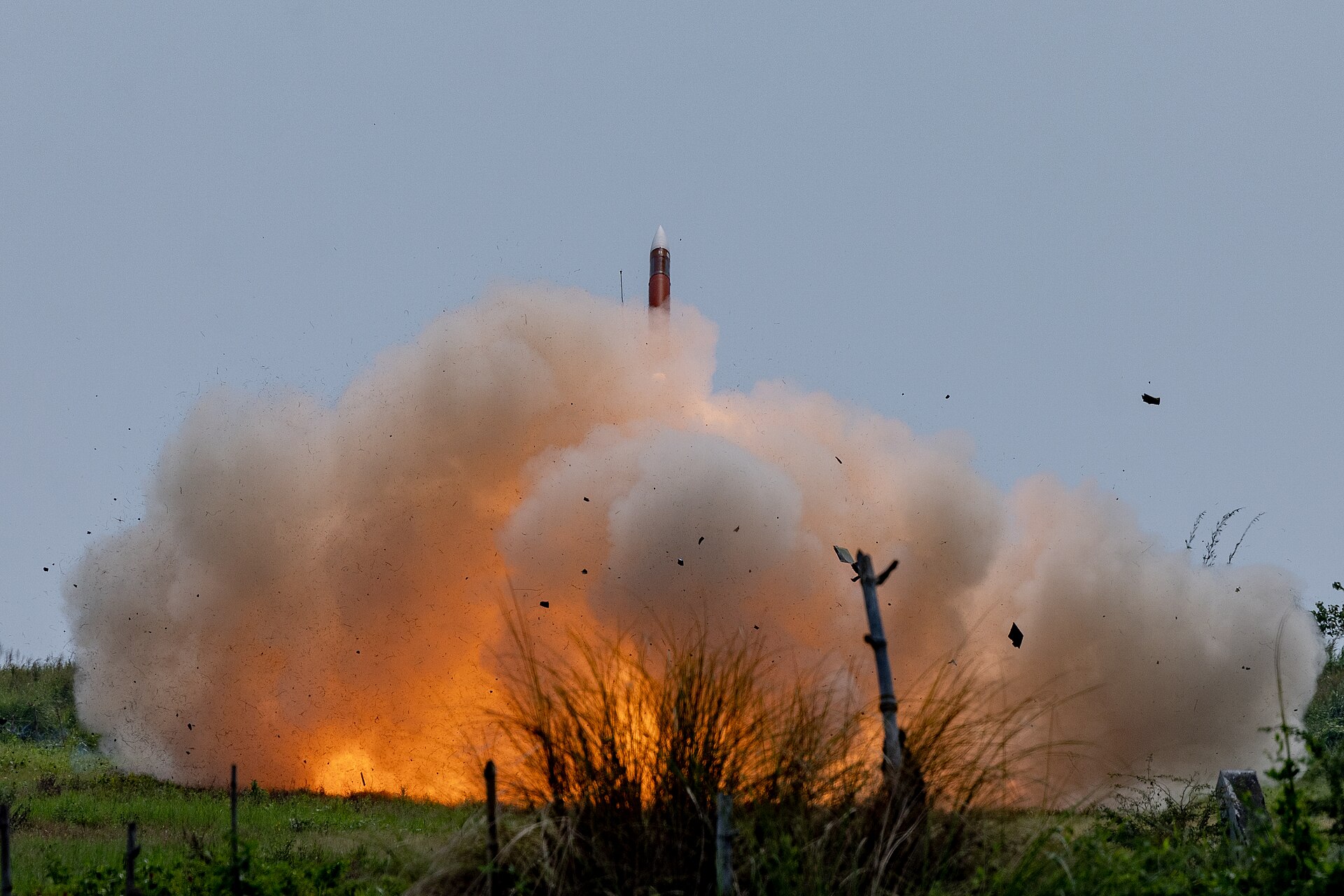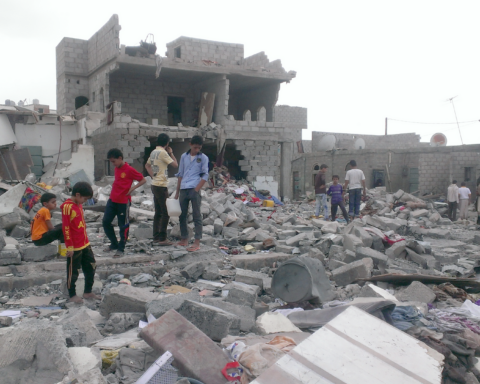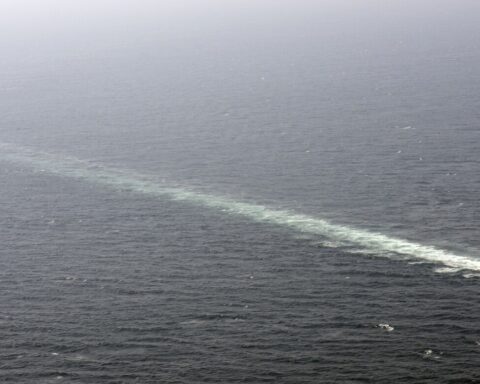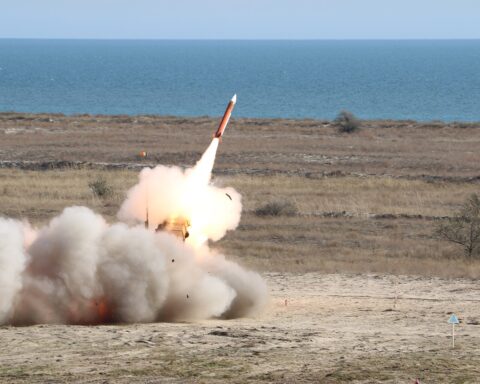

RIYADH — A projectile damaged a Saudi Aramco administrative building in Riyadh’s King Abdullah Financial District on the morning of November 8, 2026, blowing out windows across several floors of the tower in what AFP reported was the first targeting of the capital’s financial core since the current escalation began in July.
Saudi Arabia’s Energy Ministry said the building “sustained minor damage after falling shrapnel struck it” during what it called “an attempted attack,” and reported no injuries or fatalities. But witnesses interviewed by AFP, Reuters, and CNN described extensive damage spanning multiple stories, and one AFP witness said they saw a projectile hit the building directly — an account the Saudi government’s characterization does not address.
The House of Saud Daily Briefing
Saudi Arabia's news in 3 minutes, every morning. Free. See today's issue
The damage coincided with a Houthi missile barrage in which the Saudi-led coalition intercepted four projectiles — two ballistic missiles and two cruise missiles — fired at Riyadh and the southern region, according to coalition spokesman Maj-Gen Turki al-Malki. Whether the Aramco building was struck by an unintercepted missile or by falling debris from a successful interception has not been established by any of the reporting agencies.
Table of Contents
- What Did Saudi Arabia Say About the Damage?
- Witnesses Describe Blown-Out Windows Across Several Floors
- Was the Building Hit Directly or by Interception Debris?
- Coalition Reports 4 Houthi Missiles Intercepted on November 8
- Houthis Claim 6 Operations Against Saudi Targets
- KAFD and the Escalation Since July 2026
- Frequently Asked Questions
What Did Saudi Arabia Say About the Damage?
The Saudi Energy Ministry, speaking through the Saudi Press Agency, confirmed that “an administrative building belonging to Saudi Aramco in Riyadh” had been targeted in what it described as “an attempted attack.” The ministry said the building “sustained minor damage after falling shrapnel struck it” and that there were “no injuries or deaths,” Al Jazeera, France 24, and Middle East Eye reported on November 8.
The phrase “falling shrapnel” — used consistently across Saudi state media — frames the damage as the byproduct of a successful interception rather than a direct missile impact. The ministry did not specify which of the four missiles intercepted that morning produced the debris, or when the damage occurred relative to the coalition’s formal interception announcement.
Saudi Civil Defense issued an early-warning alert for Riyadh during the attacks and subsequently posted an all-clear: “Alert: The danger has passed in Riyadh City,” Khaleej Times and Middle East Eye reported. No Civil Defense statement named the specific building or district affected.
The coalition’s formal interception statement came at approximately 09:42 UTC, according to an updated report by The National. The National’s first report on the building damage, however, was timestamped 08:03 UTC — roughly an hour and 40 minutes earlier. The gap reflects the difference between when damage was observed on the ground and when the coalition completed its public accounting of the morning’s engagements, though it does not by itself indicate a separate attack wave.
Witnesses Describe Blown-Out Windows Across Several Floors
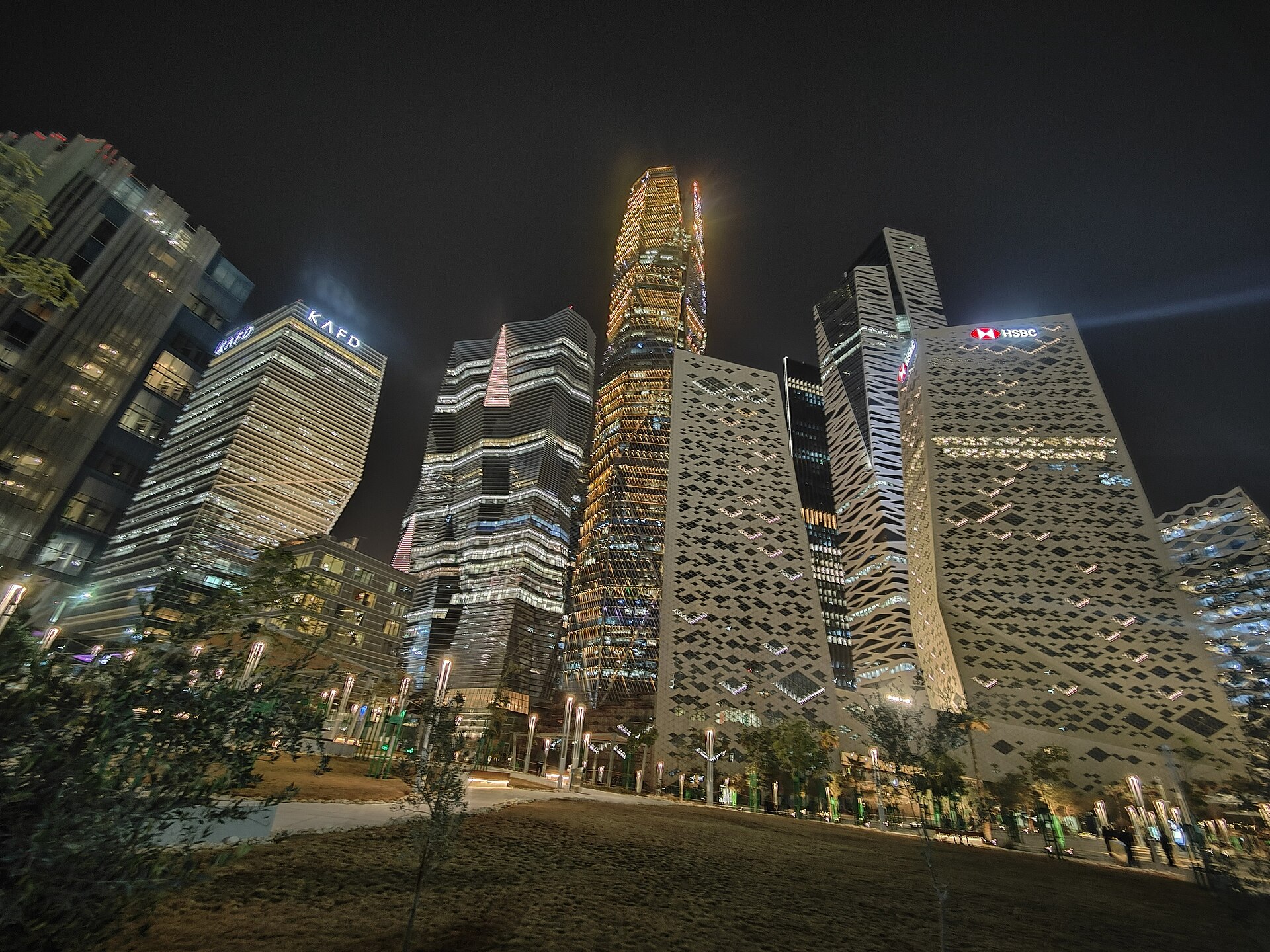
Multiple AFP witnesses said several floors of the Aramco building appeared damaged, with “shattered glass and damage visible on part of the tower’s facade,” France 24 reported. A separate AFP witness said they “saw a projectile hit the building but could not identify its type.”
A Reuters witness described hearing “multiple loud booms in Riyadh” before seeing “blown-out windows across several floors” of what they called “one of the tallest buildings in the district,” the Times of Israel reported, citing Reuters. Reuters’ own dispatch, carried by Dawn under the headline “Tower in Riyadh damaged by projectile, four people say,” cited one eyewitness and three people briefed on the matter. The dispatch did not establish the projectile’s origin.
CNN reported the building “has been damaged in a missile attack” and said it had verified video showing window damage across multiple floors, according to a report carried by LocalNews8. One unnamed CNN witness reported seeing ambulances heading toward the area — a detail the Saudi government has not addressed, beyond its statement that no one was injured.
“The building sustained minor damage after falling shrapnel struck it. There were no injuries or deaths.”
— Saudi Energy Ministry, via Saudi Press Agency, November 8, 2026
The gap between the official characterization — “minor damage” from “falling shrapnel” — and the witness accounts of blown-out windows spanning multiple stories has not been reconciled by Saudi authorities. Gulf News separately reported the Aramco building had been “targeted in attack” with no casualties.
Was the Building Hit Directly or by Interception Debris?
This question remains unresolved. International news outlets have adopted different framings, and none has published physical evidence confirming either explanation.
Saudi Arabia’s Energy Ministry said “falling shrapnel” caused the damage — language consistent with interception debris. The Times of Israel’s headline attributed the damage to “debris.” CNN led its coverage with “Missile strikes multi-story Aramco building in Riyadh’s financial district, witnesses say.” L’Orient Today stated explicitly that it was “not immediately clear whether the damage to the Aramco building was caused by falling debris from an intercepted missile or a direct hit.”
Reuters maintained neutral framing throughout, reporting a “projectile” without specifying its type or origin. AFP reported that one witness said they saw a projectile hit the building directly but could not identify what type it was — a formulation that does not resolve the question.
The coalition announced intercepting four missiles on November 8: two ballistic missiles targeting Riyadh and two cruise missiles targeting Riyadh and the southern region. Both outcomes are plausible. Warhead fragments and airframe debris from a ballistic missile intercept can fall over a wide area and damage buildings below. But a missile that evaded interception, or one whose warhead survived a partial intercept, could also produce the damage pattern witnesses described.
No independent structural assessment of the Aramco building has been published. The Saudi government has not released photographs or video from inside the tower, and no engineering evaluation of the impact pattern has been made available to the press.
Coalition Reports 4 Houthi Missiles Intercepted on November 8
Coalition spokesman Maj-Gen Turki al-Malki announced on the social media platform X that “air defences intercepted and destroyed two ballistic missiles launched by the Houthi terrorist militia towards Riyadh,” The National reported. Al-Malki separately confirmed the interception of two cruise missiles targeting Riyadh and the southern region, bringing the day’s total to four missiles intercepted.
The interceptions continued a pattern that has intensified over the preceding 48 hours. On November 7, the coalition intercepted a Houthi cruise missile over Riyadh. On November 6, coalition forces intercepted a drone over the capital. In those prior engagements, projectiles were destroyed before making contact with any structure on the ground. No building damage in Riyadh was recorded.
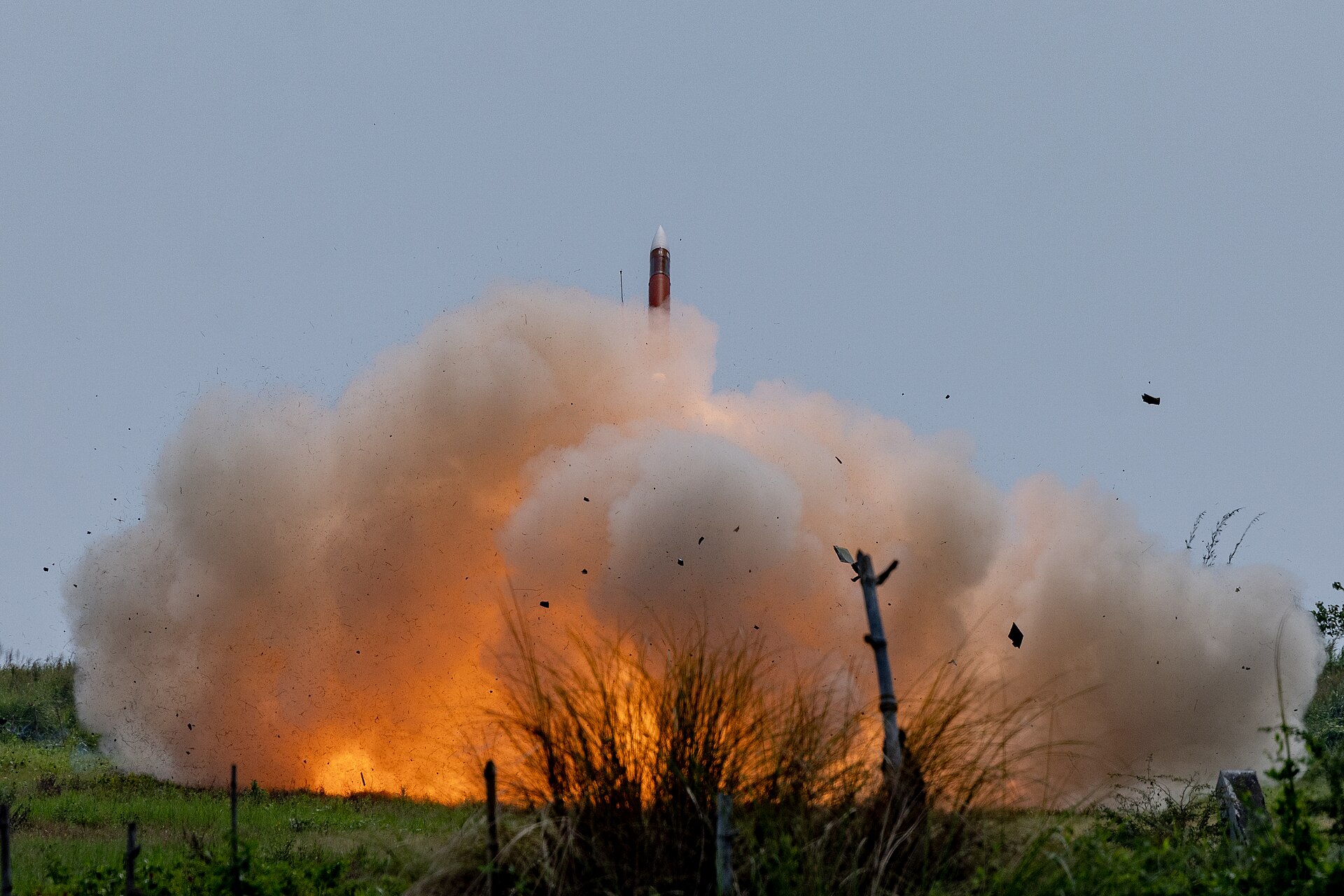
The November 8 KAFD damage breaks that pattern. Whether by debris or direct impact, a projectile or its fragments reached a high-rise tower in Riyadh’s financial core — the first time material from an attack has visibly damaged a building in the district since the escalation began, according to AFP via the Malay Mail.
Al-Malki’s statements addressed the interceptions but did not reference the building damage or identify which engagement, if any, produced debris that struck the Aramco tower.
Houthis Claim 6 Operations Against Saudi Targets
Houthi military spokesman Yahya Saree claimed “six operations” on November 8 using ballistic missiles, cruise missiles, and drones, ANI and the Tribune India reported. Saree listed the targets as King Khalid International Airport, Aramco facilities in Riyadh and Khurais, and Pumping Station No. 8 in Dawadmi. He also claimed casualties among Saudi troops in Najran, Al-Jawf, and Ma’rib.
Saree did not specifically name the King Abdullah Financial District or the Aramco Tower. His reference to “Aramco facilities in Riyadh” was the broadest match to the reported damage, though it could encompass other Aramco installations in the capital.
The November 8 claims echoed a similar announcement 24 hours earlier. On November 7, the Houthis claimed six operations targeting Aramco, King Khalid International Airport, and a National Guard camp in Najran. Senior Houthi official Mahdi al-Mashat said that day that the Houthis would punish the Saudi regime for its crimes against the Yemeni people, Yemeni state media reported.
“We will punish the Saudi regime for its crimes against the Yemeni people.”
— Mahdi al-Mashat, senior Houthi official, November 7, 2026, via Yemeni state media
Saree cited a running total of 4,369 coalition air and missile strikes on Yemen since the escalation began, with 105 strikes in a single 24-hour period on Sanaa and seven governorates, Al Jazeera reported. The Houthis have framed each wave of attacks on Saudi territory as retaliation for the coalition air campaign — a cycle of escalation that has intensified since the United States launched strikes on Iran’s Qeshm Island and the broader regional conflict deepened.
KAFD and the Escalation Since July 2026
The King Abdullah Financial District occupies approximately 1.6 million square meters in northern Riyadh. Owned by Saudi Arabia’s Public Investment Fund, the complex comprises 95 buildings and hosts more than 140 office tenants, including 25 regional headquarters, according to KAFD’s published project data.
Previous Houthi attacks on Riyadh since the UN-brokered ceasefire collapsed in July 2026 have struck King Khalid International Airport, military installations, and residential areas — but not the financial district that Saudi Arabia has promoted as the centerpiece of its economic diversification agenda.
Saudi Aramco’s main headquarters complex in Dhahran suffered extensive damage in a separate October 2026 attack, the Times of Israel reported. The KAFD damage marks a second direct impact on Aramco-occupied infrastructure in two of Saudi Arabia’s most prominent urban centers within weeks.
The deadliest single Houthi strike on Saudi territory during the current escalation hit King Khalid International Airport on October 10, 2026. At least 14 people have been killed — including two Indian nationals, the second of whom died on November 4 from injuries sustained in the attack, ANI reported — and more than 300 were wounded, according to Saudi authorities cited by Al Jazeera.
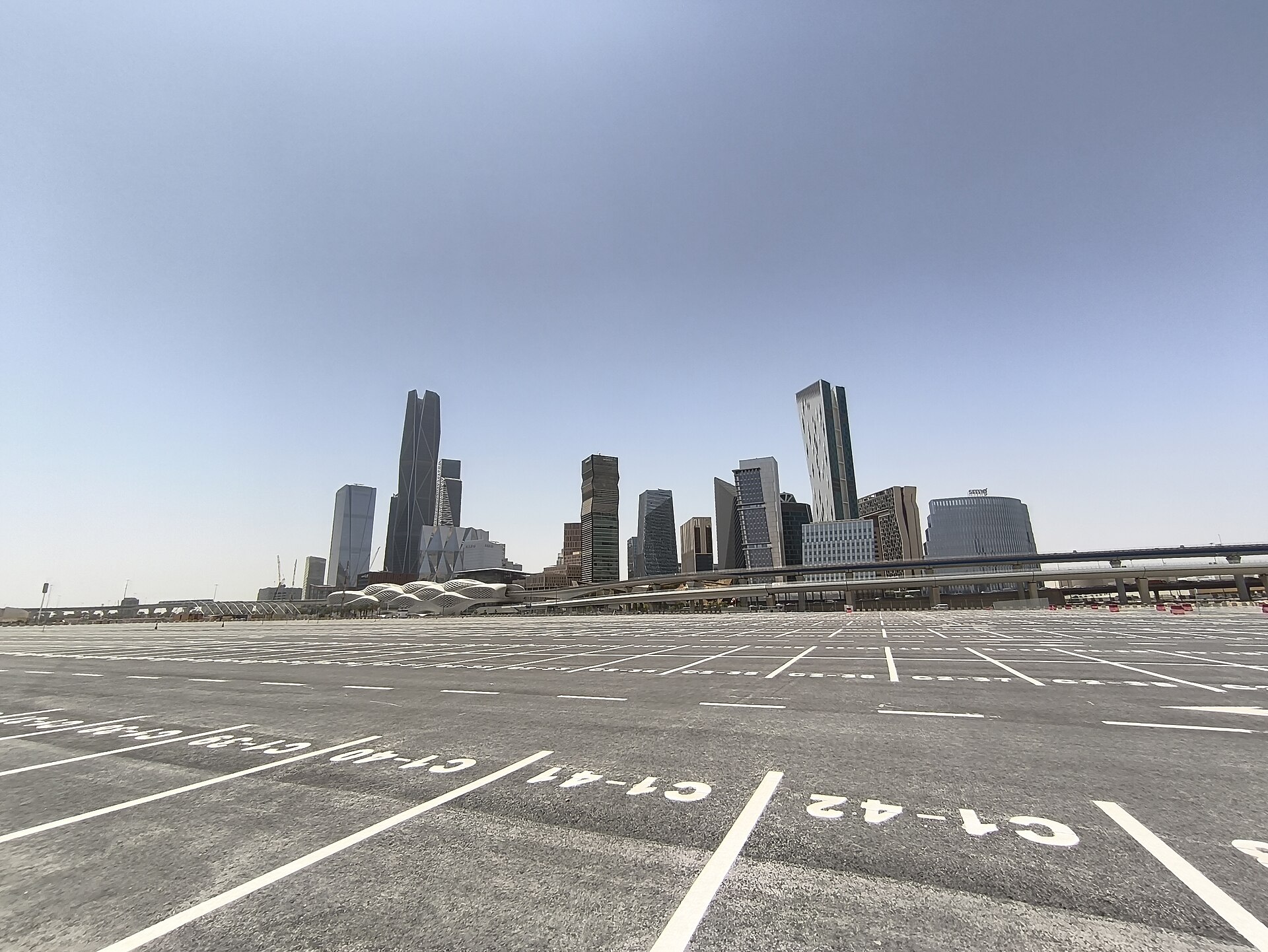
The escalation has unfolded against the backdrop of a widening regional conflict, with Turkey ratifying the Makkah Defence Pact on November 5 and Gulf states navigating the security and economic consequences of the Strait of Hormuz closure.
Frequently Asked Questions
Which specific building was damaged?
The damaged building has been identified across news reports as a “Saudi Aramco administrative building” or “Aramco Tower” within the King Abdullah Financial District. No specific tower name beyond these descriptors has been confirmed by Saudi authorities or reporting agencies. The Saudi Energy Ministry referred only to “an administrative building belonging to Saudi Aramco in Riyadh.” KAFD contains 95 buildings, and Saudi Aramco — whose operational headquarters are in Dhahran — maintains administrative offices in Riyadh as part of its corporate presence in the capital.
What types of projectiles have the Houthis fired at Riyadh in November 2026?
The Houthis have used three distinct weapon categories against Riyadh in November 2026: ballistic missiles, cruise missiles, and armed drones. On November 8 alone, the coalition reported intercepting two ballistic missiles and two cruise missiles. On November 7, a cruise missile was intercepted over Riyadh; on November 6, a drone was intercepted. Each weapon type requires a different interception approach — ballistic missiles follow a high-arc trajectory and are typically engaged at altitude, while cruise missiles fly low and are harder to detect early, and armed drones present a distinct challenge because of their small radar cross-section. The simultaneous use of multiple weapon types may be designed to complicate layered air defense responses.
Has Saudi Aramco been targeted elsewhere during the 2026 escalation?
On November 8, Houthi military spokesman Yahya Saree claimed operations targeting Aramco facilities in both Riyadh and Khurais, as well as Pumping Station No. 8 in Dawadmi, though no independent confirmation of damage at those sites was immediately available from wire agencies. Aramco infrastructure — oil processing facilities, pipelines, pumping stations, and now administrative buildings — has been a recurring target throughout the escalation.
What is the current status of Saudi civil defense alerts in Riyadh?
Saudi Civil Defense issued an early-warning alert for Riyadh on the morning of November 8 and subsequently posted an all-clear: “Alert: The danger has passed in Riyadh City,” Khaleej Times and Middle East Eye reported. The alert system has become a regular feature in the Saudi capital since the escalation began in July, with warnings issued during each reported missile or drone attack wave. Saudi Civil Defense has not published guidance specific to KAFD tenants or residents following the November 8 building damage, and no evacuation orders for the financial district have been reported.
How many Houthi missiles has the coalition intercepted over Riyadh?
The coalition has reported a series of interceptions over Riyadh in November 2026 alone, including two ballistic missiles on November 8, two cruise missiles on November 8, a cruise missile on November 7, and a drone on November 6. The coalition does not publish a cumulative interception count for Riyadh specifically. Houthi military spokesman Yahya Saree has claimed multiple operations targeting the capital on consecutive days, and the pace of reported attacks has increased since early November. Prior to the November wave, the coalition intercepted missiles targeting Riyadh in October, including debris that struck residential homes on October 13 and October 14, Saudi Civil Defence said, as reported by Sabq.
The House of Saud Daily Briefing
Saudi Arabia's news in 3 minutes, every morning. Free. See today's issue