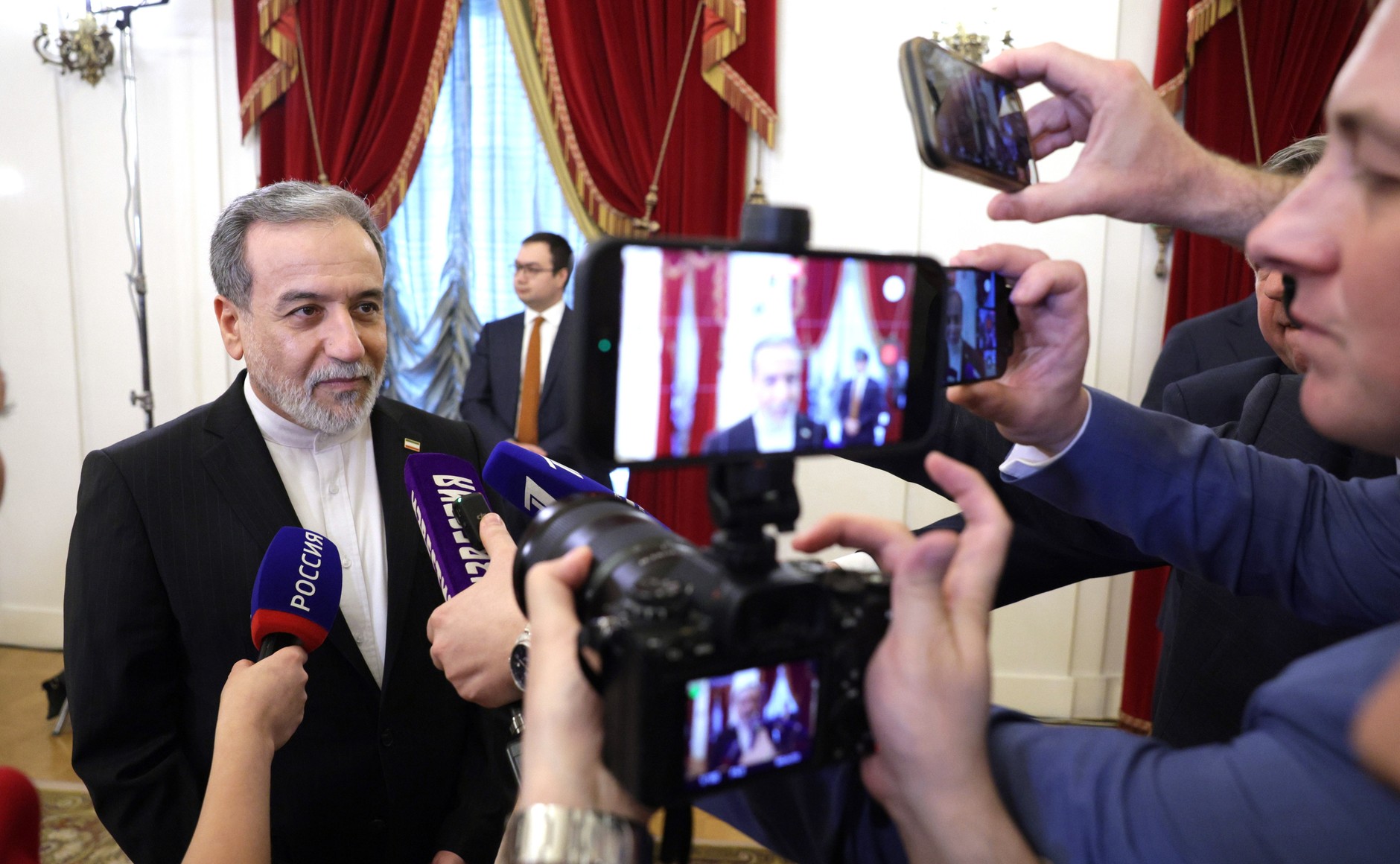

TEHRAN — Iran’s Foreign Minister Abbas Araghchi declared the Islamabad Memorandum of Understanding with the United States “no longer on the table” on Saturday, then in the same breath signalled that a new deal remains within reach — hours after Iranian drones and missiles struck Bahrain and Houthi projectiles targeted Saudi cities including Riyadh, Mecca and Medina. The contradiction — talking peace in a Tehran newspaper interview while waging war across the Persian Gulf — captures the impossible position Iran has staked out nine months into a conflict that has killed at least 26 people in Saudi Arabia and more than 1,600 in Yemen.
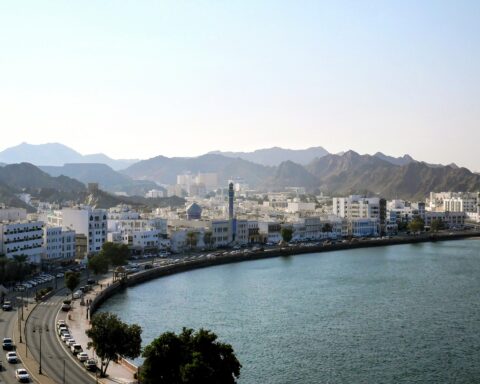
What makes this moment different from earlier Iranian overtures is the speed of the diplomatic back-channel running underneath the violence. Saudi Arabia has no seat at the table where any of it is being negotiated. A Qatari delegation visited Tehran on Friday evening for approximately two hours of talks, according to Iranian Deputy Foreign Minister Kazem Gharibabadi, who told Tasnim news agency that Iran remains in contact with Qatari mediators “both in person and virtually.” On November 17, Araghchi met Oman’s foreign minister in Muscat and left without an agreement. The mediation channel that Qatar and Oman operate between Washington and Tehran excludes Saudi Arabia entirely. The kingdom absorbs the most physical damage from Iran’s proxy network while having the least influence over whether and when the fighting stops.
Table of Contents
- The Islamabad MOU Is Dead, but Iran Says a Deal Is Not
- What Did the Qatari Delegation Discuss in Tehran?
- Missiles and Drones Hit Bahrain and Saudi Arabia on the Same Day
- What Are Iran’s Conditions for Reopening Hormuz?
- Trump Says He Wants a Permanent Deal
- Why Is Saudi Arabia Absent From the Negotiations?
- Background and Context
- Frequently Asked Questions
The Islamabad MOU Is Dead, but Iran Says a Deal Is Not
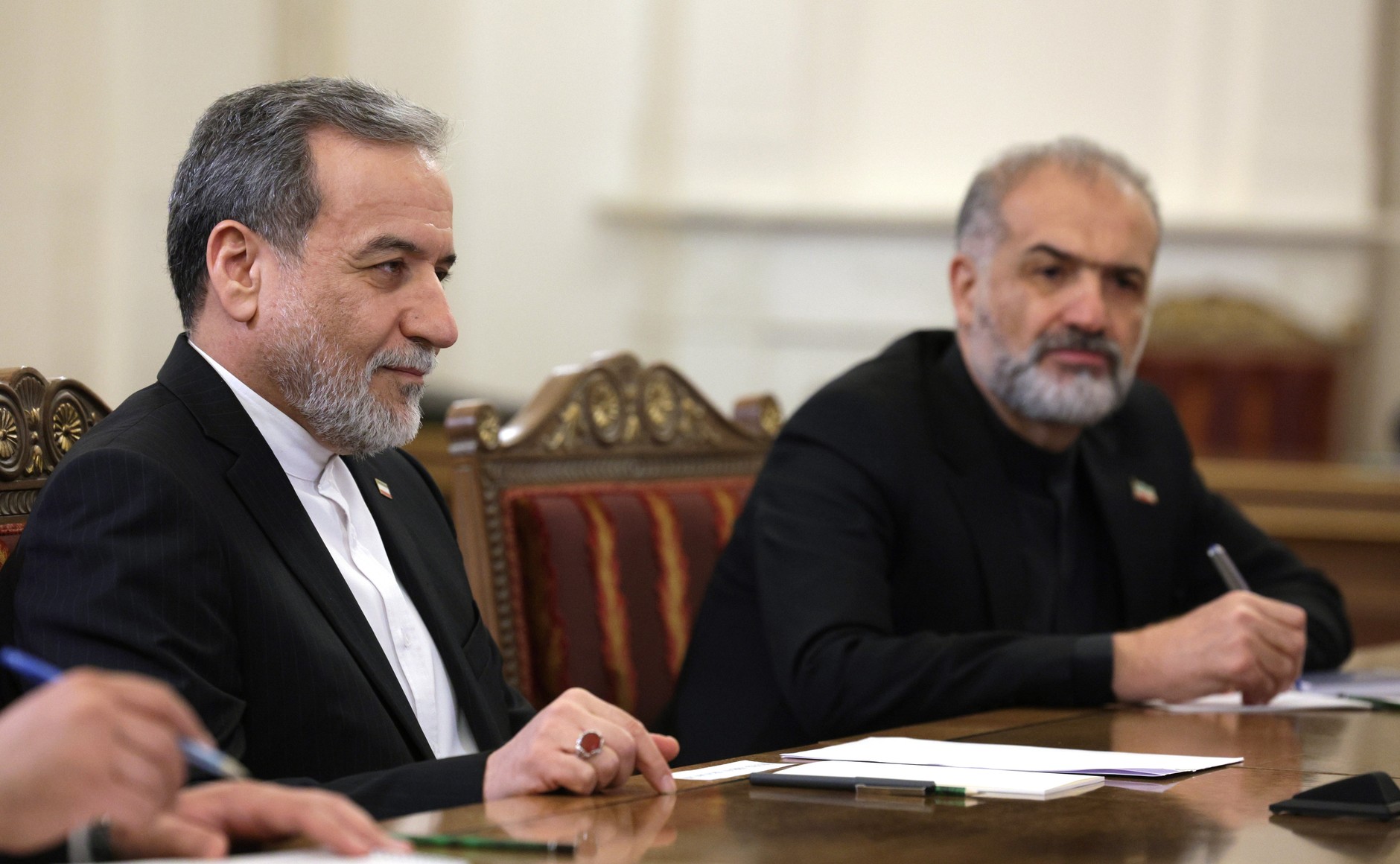
Araghchi’s statement to the Iranian newspaper “Iran” on Saturday was carefully calibrated to close one door while propping another open. “The Islamabad Memorandum of Understanding is no longer on the table and has no implementation relevance,” he told the paper, according to a CNBC report republished by commondef.com on November 22. That MOU, signed in Islamabad on June 17, had promised 60 days of toll-free passage through the Strait of Hormuz, the lifting of the US naval blockade within 30 days, and a $300 billion reconstruction plan. Those terms collapsed on July 8 when CENTCOM struck more than 80 targets after three ships were hit in the strait.
The House of Saud Daily Briefing
Saudi Arabia's news in 3 minutes, every morning. Free. See today's issue
But Araghchi did not stop at declaring the MOU dead. He said both sides still accept the commitments Washington made in that document, and that fulfilling those commitments “can pave the way for reaching a final agreement,” per the CNBC report. It was a distinction with a difference — the framework is gone, but the American promises embedded in it are still the basis for future talks, in Tehran’s framing at least. The day before, Araghchi told Al Jazeera: “We have always affirmed our readiness for dialogue, just as we are ready to defend ourselves,” and added that “the talks must be given a chance, and the blockade must be lifted rationally.”
Iran’s Majlis Speaker Mohammad Bagher Ghalibaf reinforced the signal from a different angle, saying in parliamentary remarks that Iran is ready for “either negotiations or war” and that an agreement is possible if Washington accepts Iran’s “seven conditions.” Ghalibaf’s statement, reported on November 22, echoed the dual-track posture Tehran has maintained since the conflict began — projecting military resolve while keeping the diplomatic window cracked open just wide enough for mediators to work.
“The Islamabad Memorandum of Understanding is no longer on the table and has no implementation relevance.”
— Abbas Araghchi, Iranian Foreign Minister, to the newspaper “Iran,” November 22, 2026 (via CNBC)
What Did the Qatari Delegation Discuss in Tehran?
The Qatari visit to Tehran on Friday evening lasted about two hours, Deputy FM Gharibabadi told Tasnim, with Al Jazeera reporting the talks on November 21. It was the most direct diplomatic contact between Gulf mediators and Iranian officials since Araghchi left Muscat empty-handed on November 17. Gharibabadi described the discussions as contacts rather than formal negotiations, telling Al Jazeera that any formal track “would put the nuclear programme on the table,” though Iran insists enriched uranium must stay in the country.
The distinction between contacts and negotiations matters because Iran’s Supreme National Security Council Secretary Mohsen Rezaei told Al-Mayadeen on November 10 that “I particularly stress that we are not currently holding any negotiations with the Americans, and there are no ongoing talks between Tehran and Washington.” The Qatari channel — contacts, not formal negotiations — allows Iran to maintain that position while still engaging in substantive discussions about terms. Whether those discussions produce anything depends on whether Washington is willing to move on Iran’s preconditions, and so far the answer from the Trump administration has been no.
Gharibabadi also used the Al Jazeera interview to escalate Iran’s rhetoric on a separate front, calling the US economic blockade “an act of war” and warning of a “fierce military response” if Iran’s tanker convoy moving off Kharg Island is engaged, according to Euronews on November 21. More than 14 Iranian tankers are reportedly positioned near Kharg Island, per Iranian state claims reported by Euronews — a convoy that Tehran has framed as a test of whether the United States will enforce its blockade with force.
Missiles and Drones Hit Bahrain and Saudi Arabia on the Same Day
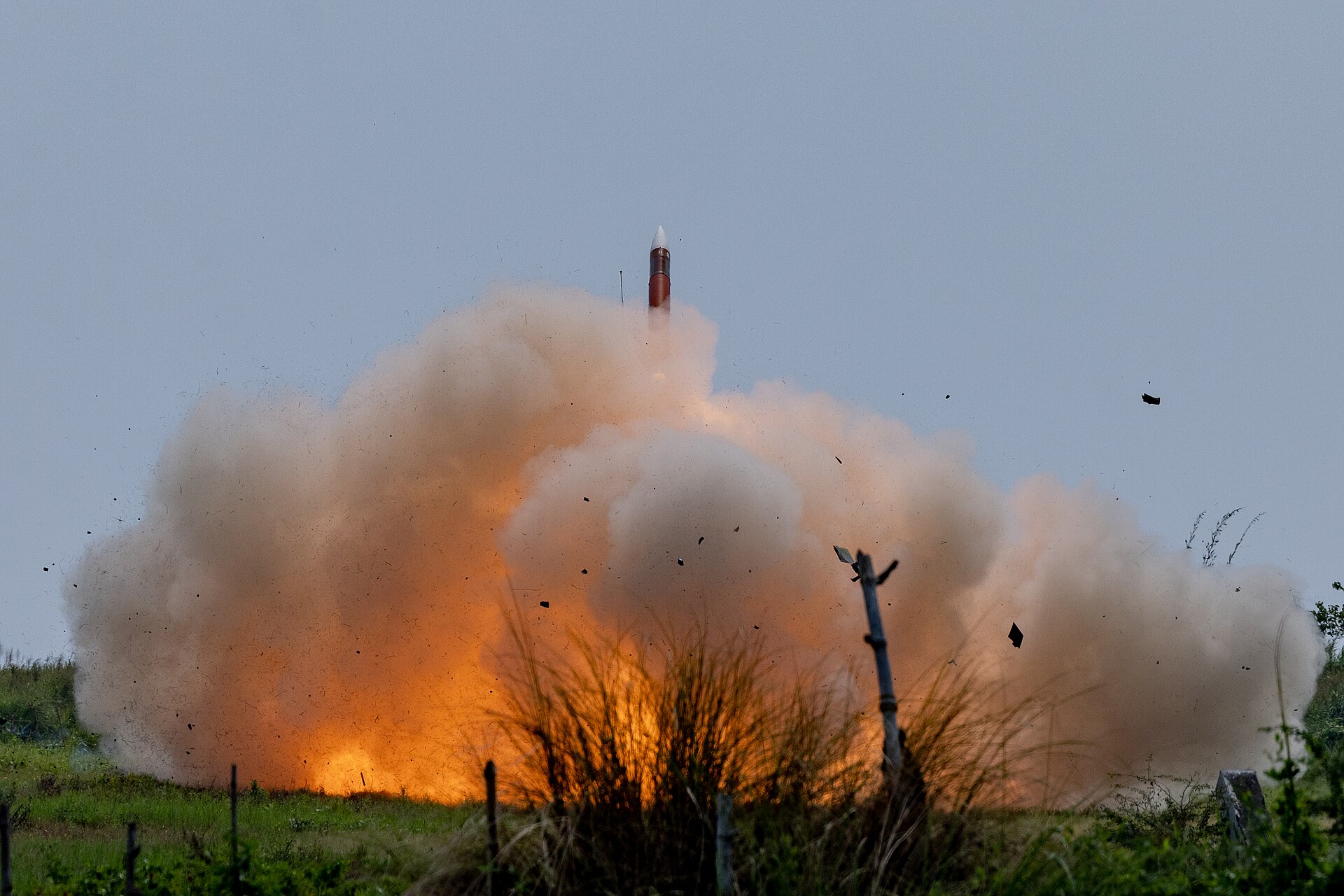
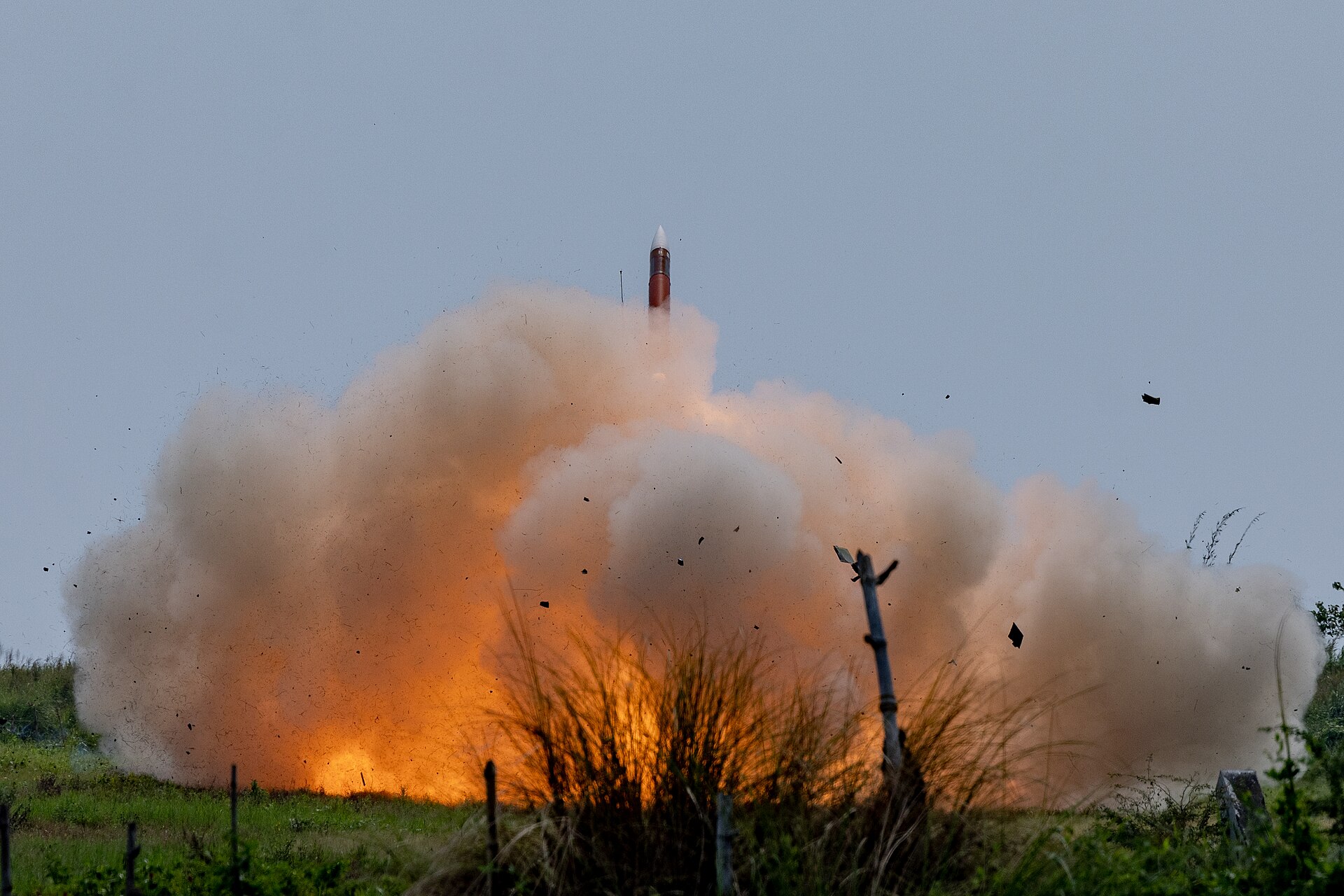
While Araghchi talked of dialogue, Iran’s Islamic Revolutionary Guard Corps launched two waves of drone and ballistic missile attacks on Saturday night against targets the IRGC described as US military facilities in Bahrain, according to Euronews reporting on November 21. The IRGC claimed it struck US Patriot air-defence radars at the Al-Rifaa and Awali bases — a claim neither Bahrain nor the United States confirmed. Bahrain’s Defence Force said its air defences “intercepted several Iranian aerial attacks” before they reached their targets, per Gulf News on November 22, while the Bahrain Foreign Ministry held Iran “fully responsible” and invoked Article 51 of the UN Charter.
The human cost on the ground was immediate if limited: Bahrain’s Ministry of Interior said an Iranian attack hit “a civilian industrial facility,” starting a fire that injured two people — a Bahraini citizen in stable condition and a Pakistani resident in critical condition, according to AFP via brecorder.com on November 22. Witnesses saw smoke above Sitra Island, east of Manama. The attacks were the latest in a series of Iranian strikes on Bahrain that resumed on November 13 after a lull since early September, per AFP.
Saudi Arabia, already absorbing daily Houthi attacks as part of a six-month military campaign extending into 2027, faced its own barrage on the night of November 21-22. Coalition spokesman Turki al-Malki said air defences “intercepted and destroyed three ballistic missiles launched by the Houthi terrorist militia toward Riyadh,” per Arab News and multiple outlets reporting al-Malki’s statement on November 21. Saudi Arabia’s foreign ministry expressed “the strongest condemnation and denunciation” of the attacks on Bahrain, accusing Tehran of “brutal aggression” against Gulf countries, according to AFP via brecorder.com.
What Are Iran’s Conditions for Reopening Hormuz?
Araghchi laid out three conditions for reopening the Strait of Hormuz in his Al Jazeera interview on November 21: ending the US blockade, lifting sanctions, and Washington acknowledging “past mistakes.” He said reopening is “not difficult” if the United States accepts “reasonable conditions that are in accordance with international law,” per Euronews reporting the same day. The conditions represent a repackaging of demands Iran has made since the conflict began, but Araghchi’s framing — that fulfilment is “not difficult” — was calibrated to sound more conciliatory than Tehran’s usual register.
Deputy FM Gharibabadi added a harder edge in a Gulf News interview published November 22, saying the IRGC “will not give the IAEA access to nuclear facilities until Iran’s conditions are met and the war is permanently ended, and the US gives guarantees first.” Gharibabadi accused Washington of “bad faith” at least three times in the past year and a half, per the same Gulf News report. That stance explains Tehran’s insistence on guarantees before any action — the same logic that left Araghchi’s September 25 seven-day roadmap, submitted via Qatar, rejected by Trump.
The roadmap had proposed reopening Hormuz in return for the US lifting its blockade, granting sanctions waivers, and releasing frozen Iranian assets, which Iran International reported at approximately $12 billion. Trump’s rejection left the mediation channel intact but the terms unresolved, and the Qatari delegation’s Friday visit to Tehran appears to have been an attempt to find new language for the same impasse. Oil markets, which might once have spiked on this combination of attacks and diplomatic signals, have instead drifted lower. Brent crude fell 3.4% for the week ending November 22, with US crude down 5.2% — a third consecutive weekly decline despite the ongoing violence, according to CNBC.
Trump Says He Wants a Permanent Deal
President Donald Trump told Fox News on November 21 that he intends to reach “a permanent deal with Iran that prevents them from obtaining nuclear weapons,” per Euronews reporting citing the Fox News interview. He called Iranian officials “very, very difficult” and accused Tehran of breaking deals it had previously made. The comments were Trump’s most direct public statement on the goal of negotiations since the Islamabad MOU collapsed in July, and they suggest Washington has not abandoned the idea of a comprehensive agreement even as the military situation in the Gulf deteriorates.
But Trump’s framing — permanent deal, nuclear focus, bad-faith accusation — reveals a gap between what Washington wants to negotiate and what Tehran is offering to discuss. Iran’s conditions centre on the blockade, sanctions and an American admission of fault, with the nuclear programme explicitly kept off the table until those preconditions are met. The UAE’s foreign ministry, meanwhile, called the attack on Bahrain a “flagrant violation” of its sovereignty, per Gulf News on November 22, adding to the chorus of Gulf states condemning Iran’s strikes while remaining peripheral to the diplomatic process. CENTCOM did not immediately respond to requests for comment, according to the CNBC report via commondef.com.
Why Is Saudi Arabia Absent From the Negotiations?
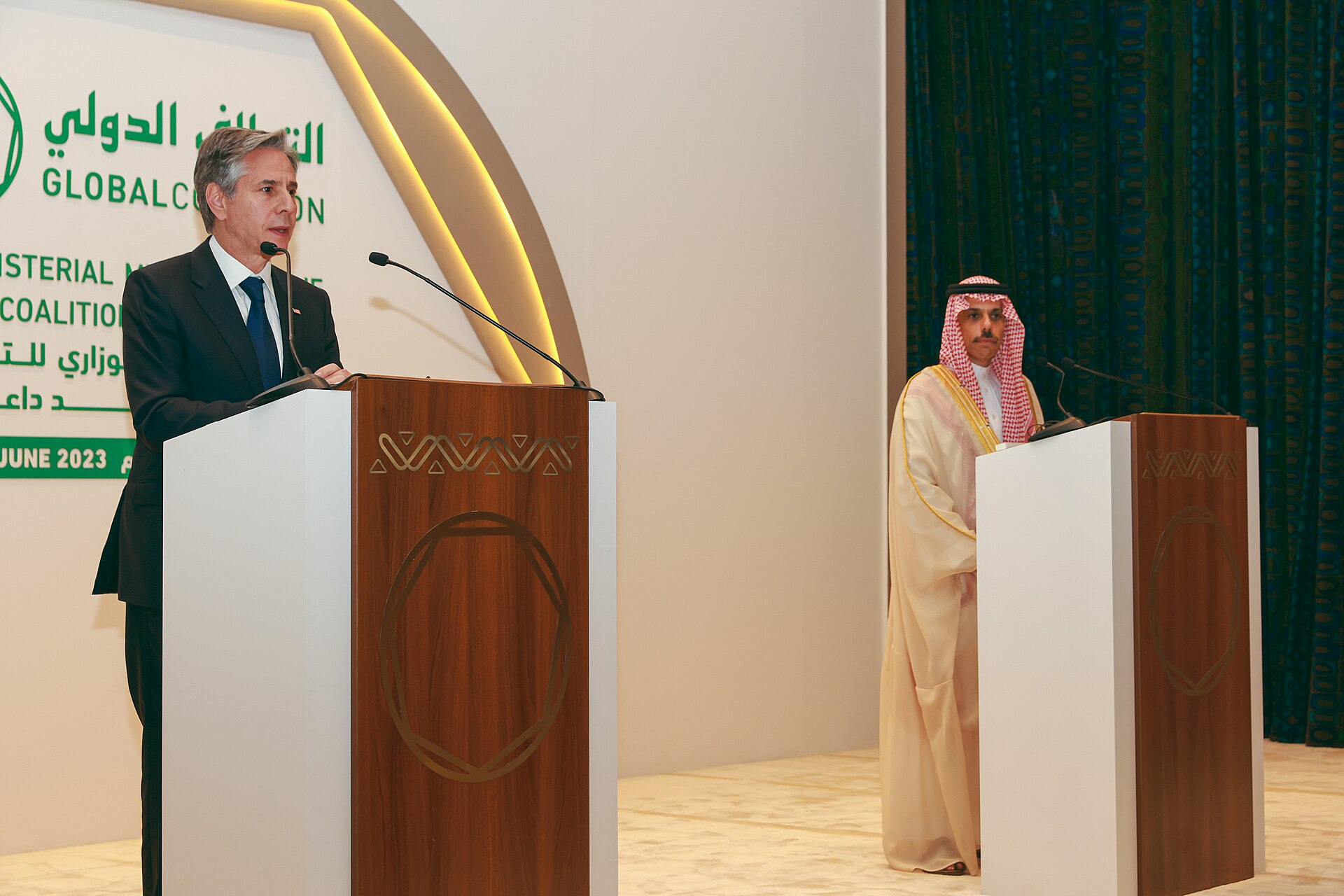
The mediation channel that Qatar and Oman run between Washington and Tehran treats Saudi Arabia as a co-belligerent, not a mediator — a structural exclusion that has persisted since the conflict’s earliest months. Saudi Arabia absorbs Houthi missile and drone attacks almost daily and has launched a military campaign that officials say will extend at least six months into 2027. At least 26 people have been killed in strikes, according to AFP via brecorder.com. Yet the kingdom has no representative in the room when Qatari diplomats sit across from Iranian officials in Tehran, and no confirmed role in the terms being discussed.
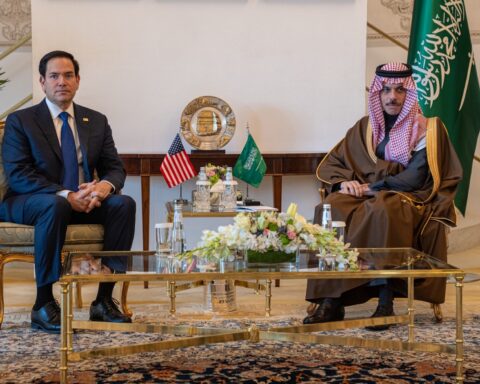
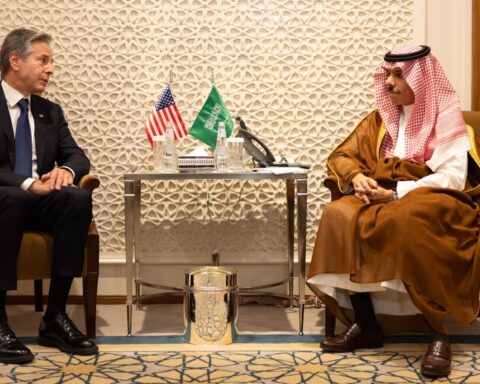
The Makkah Alliance’s secretary-general met Saudi Arabia’s foreign minister in Riyadh on November 21 to discuss the defence secretariat — a meeting that underscored Saudi Arabia’s focus on building a multilateral military architecture rather than a bilateral diplomatic track with Iran. Two tankers were struck by unidentified projectiles near Oman on Saturday, per UKMTO reporting via lavocedinewyork.com on November 22, with no casualties — a reminder that the Strait of Hormuz and its approaches remain active conflict zones regardless of what is said in Tehran’s newspaper interviews or Doha’s back-channels.
Background and Context
Iran first closed the Strait of Hormuz on February 28 and March 2-4, 2026, then re-closed it in July after the US reinstated its blockade; the IRGC declared it closed again on October 26. The Yemen conflict has killed more than 1,600 people and displaced more than 340,000 since July, according to UN figures cited by AFP via brecorder.com.
Frequently Asked Questions
What was the Islamabad MOU and why did it fail?
The Islamabad Memorandum of Understanding, signed June 17, 2026, was a framework covering 60 days of toll-free Hormuz passage, the lifting of the US naval blockade within 30 days, and a $300 billion reconstruction plan. The MOU contained no provisions on Iran’s nuclear programme — it dealt exclusively with shipping and sanctions — which is why Araghchi can declare it “no longer on the table” while still treating the American commitments embedded in it as valid. It collapsed on July 8 when CENTCOM struck more than 80 Iranian-linked targets after three commercial ships were hit in the strait.
Has Iran attacked Bahrain before November 22?
Iran’s strikes on Bahrain resumed on November 13, 2026, after a lull since early September, according to AFP. The IRGC has previously claimed to target the Al-Rifaa helicopter base and other facilities on the island; Bahrain’s Defence Force has consistently said it intercepted those attacks before they reached their targets. Bahrain’s foreign ministry invoked Article 51 of the UN Charter after the November 22 strikes — Article 51 preserves a member state’s right to individual or collective self-defence against armed attack, a legal framing that opens the door to formal UN Security Council action.
What role does Qatar play in the US-Iran mediation?
Qatar, alongside Oman, operates the primary mediation channel between Washington and Tehran. A Qatari delegation visited Tehran on Friday, November 20, for approximately two hours of talks with Iranian officials, according to Deputy FM Gharibabadi. Qatar previously transmitted Araghchi’s September 25 seven-day roadmap to Washington, which Trump rejected. The channel operates separately from the Makkah Alliance and GCC military structures, and Saudi Arabia is not part of these discussions. Iran’s simultaneous insistence — through Rezaei on November 10 — that it holds “no negotiations” with Washington allows Tehran to engage through Qatari contacts while maintaining that no formal process exists. That ambiguity serves Iran’s negotiating position.
Why are oil prices falling despite the attacks?
Brent crude fell 3.4% for the week ending November 22, with US crude down 5.2% — a third consecutive weekly decline, according to CNBC. The repeated weekly declines, despite escalating attacks, reflect a market judgment that the Hormuz closure will not fully cut off supply in the near term. That judgment could reverse sharply: any action that sustained a full blockade for more than a few days would typically be expected to send prices significantly higher, but the prevailing pattern has involved targeted strikes and partial interceptions rather than an unbroken cordon.
Could the US and Iran reach a deal without Saudi Arabia at the table?
Structurally, yes — the Qatar-Oman mediation channel operates as a bilateral US-Iran framework. Saudi Arabia’s foreign ministry has condemned Iran’s attacks but has not indicated it expects or demands a seat in negotiations. The risk for Riyadh is that any deal between Washington and Tehran could include terms on the blockade, sanctions relief, or Houthi-related provisions that directly affect Saudi security without Saudi input. Iran’s SNSC Secretary Rezaei insisted on November 10 that “we are not currently holding any negotiations with the Americans,” per Al-Mayadeen, leaving ambiguity about whether the Qatari contacts represent a prelude to formal talks or a holding pattern.
The House of Saud Daily Briefing
Saudi Arabia's news in 3 minutes, every morning. Free. See today's issue