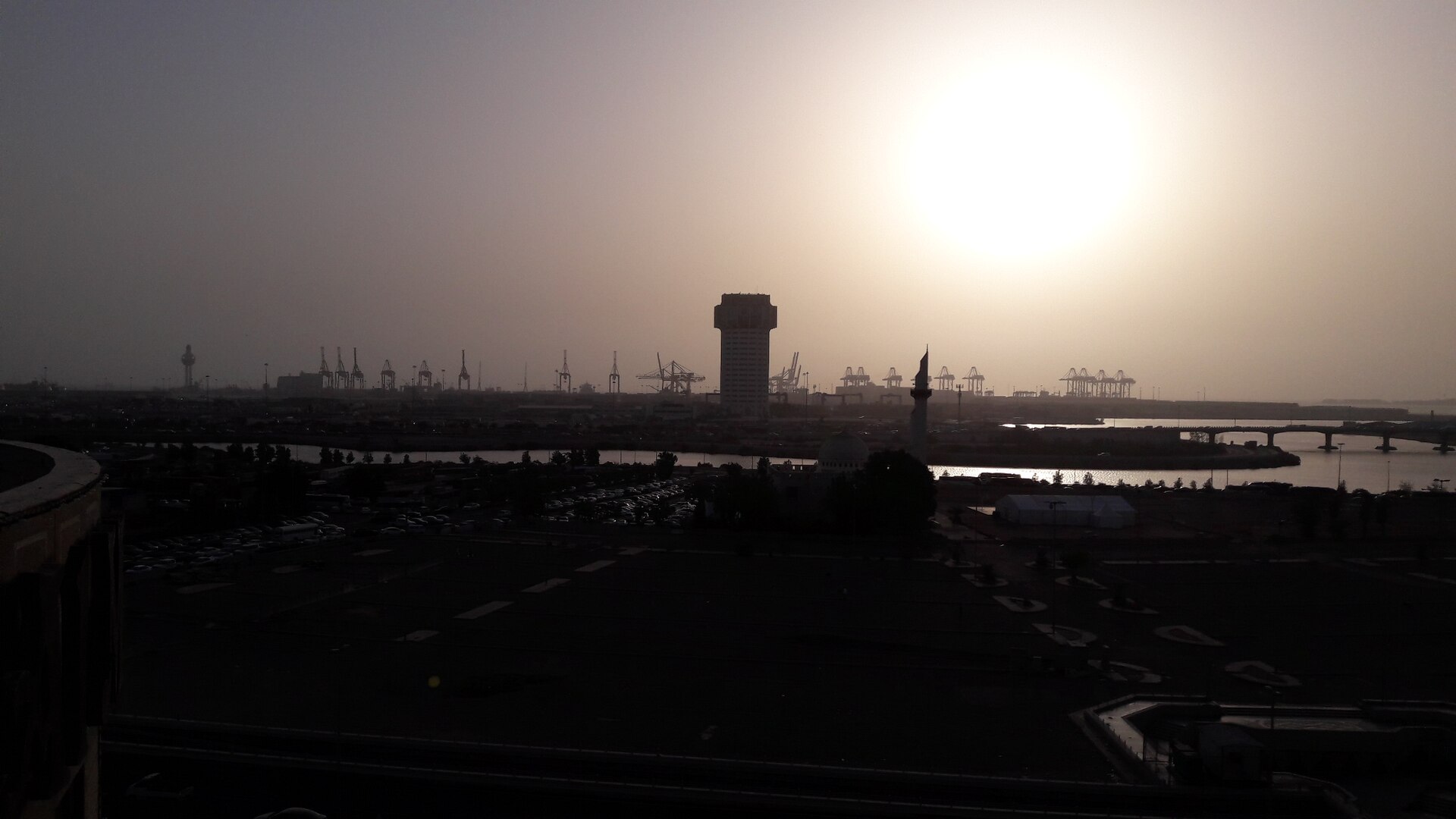

Houthis Threaten Jeddah and All Saudi Red Sea Ports as Coalition Strikes Yemen
JEDDAH — Houthi military spokesman Yahya Saree threatened on Sunday to target the port of Jeddah and all enemy Saudi ports along the Red Sea coast, hours after the Saudi-led coalition said it had destroyed Houthi military targets in Yemen and intercepted a ballistic missile aimed at Riyadh.
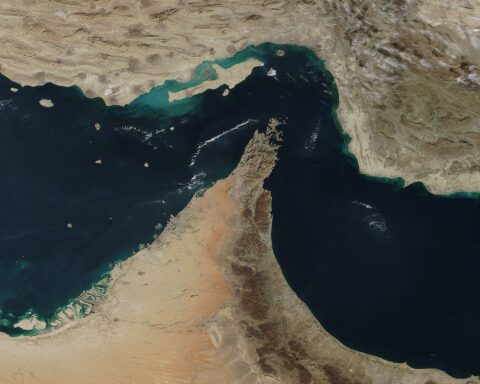
The threat strikes at Saudi Arabia’s remaining trade corridor. With the Strait of Hormuz largely closed to Saudi traffic since February, the kingdom’s Red Sea ports — Jeddah, Yanbu, and Rabigh — carry the bulk of its imports and a growing share of its exports. A disruption to any of them would compound an economic pressure the kingdom has spent months trying to contain.
The House of Saud Daily Briefing
Saudi Arabia's news in 3 minutes, every morning. Free. See today's issue
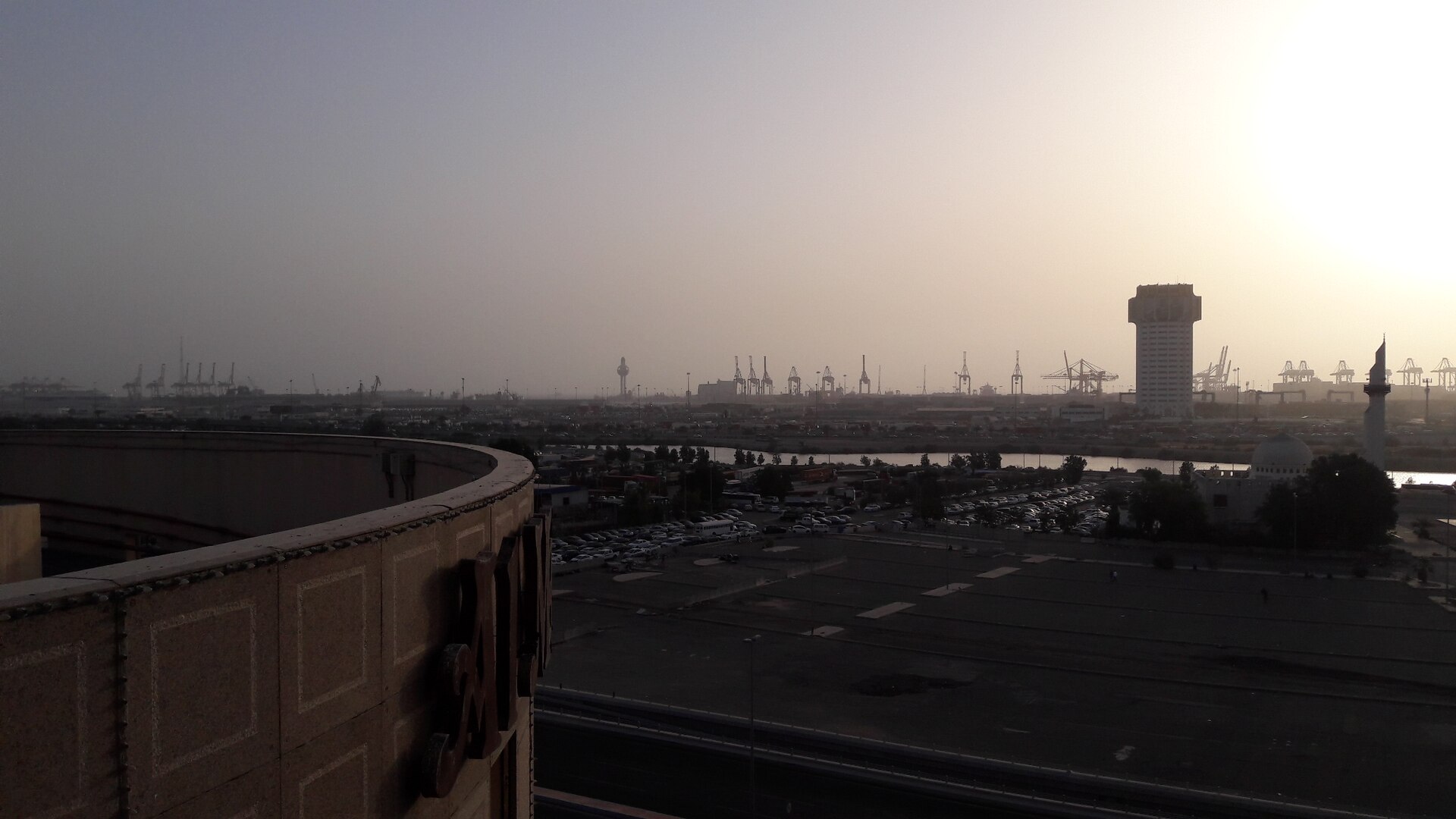
Table of Contents
What Did the Houthis Threaten?
Saree’s statement, posted on November 29, said the port of Jeddah and all Saudi ports on the Red Sea coast would be targeted, according to reports by Reuters, gCaptain, and Free Malaysia Today. He framed the threat as retaliation for what he described as a Saudi strike on the Ras Isa fuel terminal in Hodeidah province, RTÉ reported.
The Houthis characterised the Saudi Red Sea ports as “enemy” ports, Free Malaysia Today reported. The Jerusalem Post reported that Saree said all Saudi ports on the Red Sea coast would be targets.
Beyond the targeting declaration, the Houthis issued a direct operational warning to commercial shipping. Saree urged shipping companies to immediately withdraw their vessels from Saudi Red Sea ports and told workers and civilians nearby to evacuate, gCaptain and RTÉ reported. The demand went beyond past Houthi statements by coupling a broad geographic threat with a specific call for commercial entities to leave.
As of Sunday, no Houthi strike on Jeddah or any other Saudi Red Sea port had been confirmed, gCaptain and RTÉ reported. No casualties from any November 29 event were reported.
The November 29 statement followed a pattern of escalation. In July 2026, Saree declared a formal maritime blockade on Saudi Red Sea ports, calling any vessel entering or leaving them a potential target, Albawaba reported. After each round of coalition strikes on Hodeidah in November, the Houthis issued progressively more specific targeting statements against Saudi port infrastructure.
Coalition Military Response
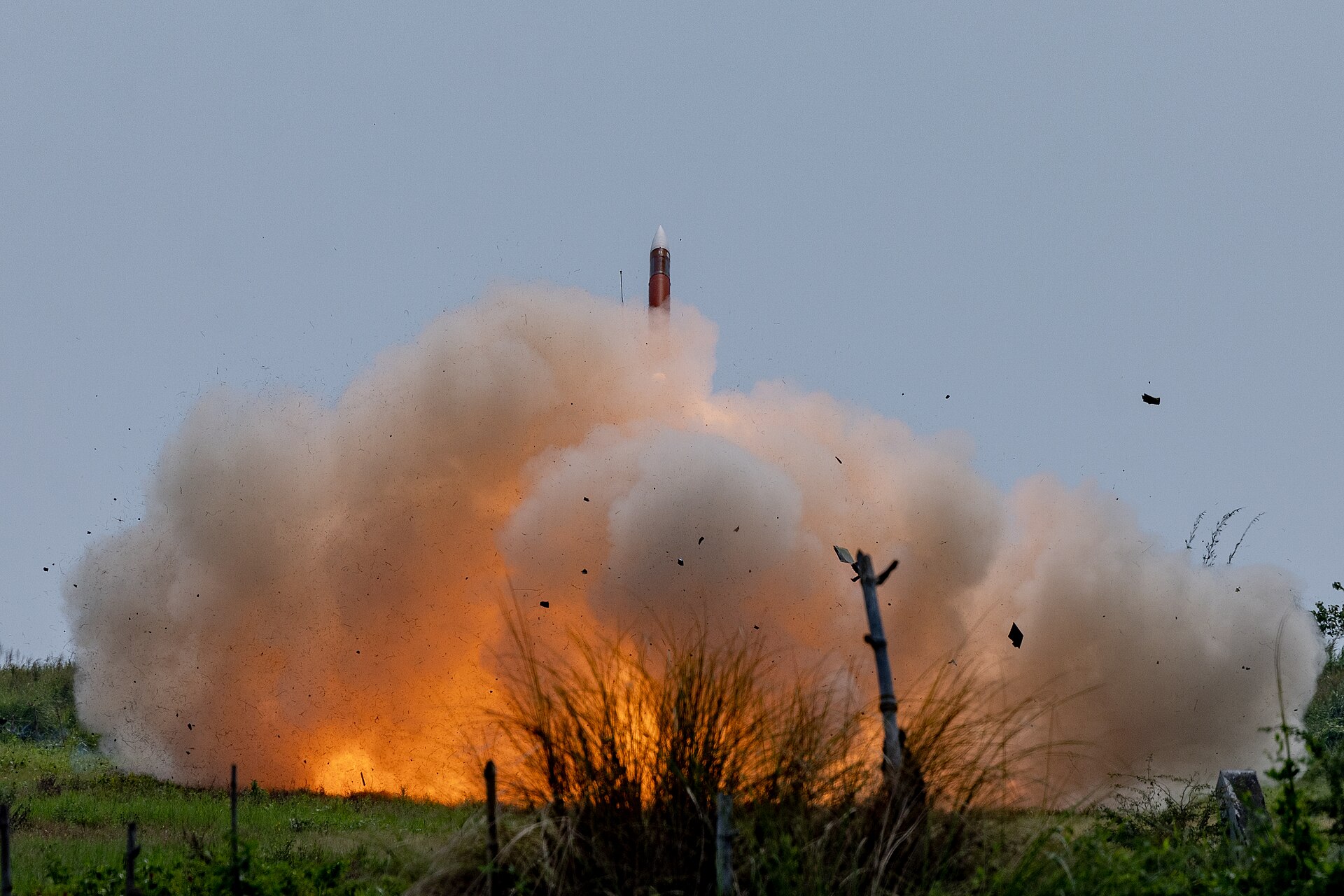
The coalition said on November 29 that it was carrying out a “military response” to Houthi attacks, RTÉ and gCaptain reported. It said it had destroyed “Houthi military targets used for attacks in Yemen and Saudi Arabia, and targets that threatened navigation in the southern Red Sea and Bab al-Mandab Strait,” according to RTÉ and gCaptain.
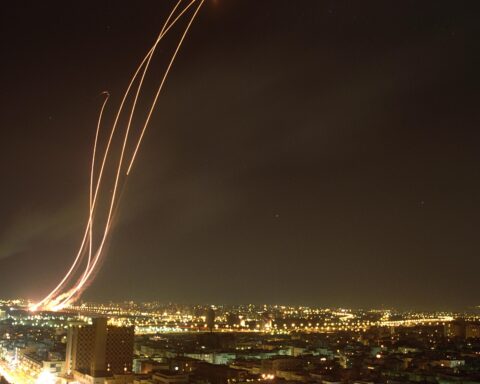
The coalition confirmed intercepting and destroying a Houthi ballistic missile launched toward Riyadh on Sunday, Free Malaysia Today reported. It also confirmed destroying a Houthi ballistic missile launcher in Saada province, Israel National News reported citing Reuters. The Saada strike eliminated launch infrastructure in the Houthis’ northern stronghold, where ballistic missile units have operated throughout the conflict.
Coalition spokesman Turki al-Malki posted an evacuation call for the Ras Isa area on X with a map, writing that civilians should leave “for their safety,” Free Malaysia Today reported. The coalition did not specifically confirm carrying out a strike on Ras Isa. Houthi-run Al Masirah TV reported a Saudi attack on the terminal, but independent confirmation was not available, according to RTÉ, gCaptain, and Free Malaysia Today.
The Riyadh intercept came on the same day the coalition intercepted Houthi missiles targeting the Eastern Province and Riyadh in a separate barrage. The Houthis claimed that barrage struck the Hawiyah gas plant, as House of Saud reported.
November 29 capped a week of intensifying coalition air operations. The coalition struck Sanaa on November 28 in what it described as the second capital exchange in four days. It struck Hodeidah on November 20, 25, and 26. After the November 26 Hodeidah strike, the coalition said it destroyed a ballistic missile launcher used in the Jazan refinery attack that the Saudi Energy Ministry said killed one person.
Why Is Jeddah Irreplaceable for Saudi Arabia?
Jeddah Islamic Port has absorbed a disproportionate share of Saudi trade since the Hormuz closure. A Kpler analyst described it as “the single load-bearing port for Saudi imports right now,” AGBI reported in March 2026.
The port’s share of Saudi ship calls rose from approximately 64 percent to 76 percent since the Iran war began, according to AGBI. Before the war, Dammam and Al Jubail on the Gulf coast handled more than 25 percent of Saudi imports combined, according to IMF PortWatch data cited by AGBI. Both Gulf-side ports are now severely constrained. Iran’s Hormuz blacklist has reached 266 vessels, with 608 ships waiting in queue.
In October 2026, Jeddah set a monthly container record of 582,900 twenty-foot equivalent units, a 27.45 percent increase over its previous peak, Saudi Gazette reported. An unnamed ocean-freight forecaster told AGBI that “the port of Jeddah is not at all sized to handle such import volumes and a port congestion situation is emerging.”
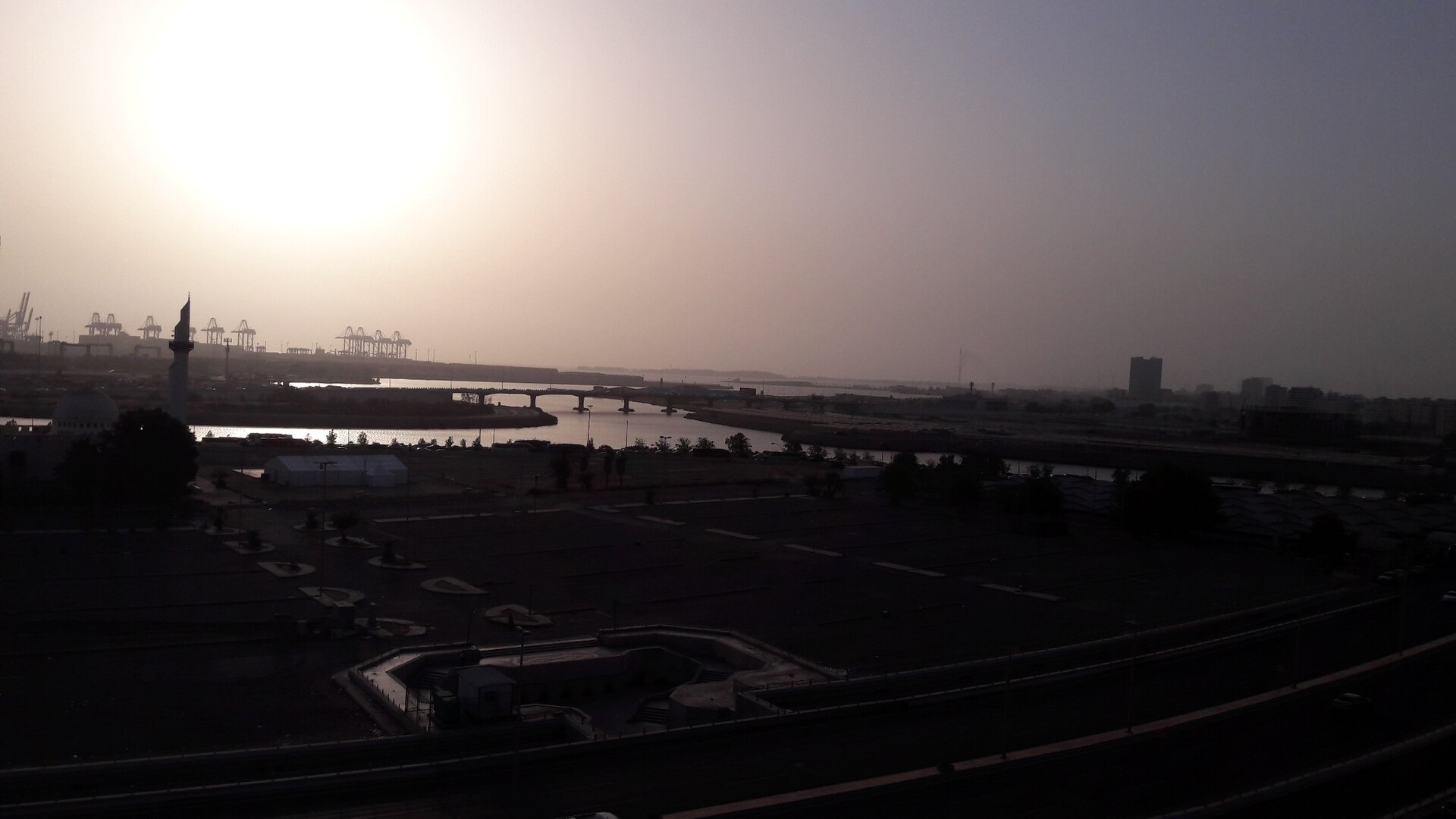
Jeddah, Yanbu, and Rabigh have been operating around the clock to compensate for the loss of Gulf-side capacity, MEES reported in July 2026. King Fahd Industrial Port at Yanbu handles crude and petrochemicals at a capacity of approximately 210 million tonnes annually and accounts for roughly 51 percent of Saudi exports by weight, Arab News and Hellenic Shipping News reported. Any sustained disruption to Yanbu would directly affect the kingdom’s ability to export oil and refined products through its Red Sea pipeline bypass route.
APM Terminals acquired a 37.5 percent stake in Jeddah’s South Container Terminal in February 2026, Food Business MEA reported. The investment reflected international commercial confidence in the port at a time when that confidence is now being tested by the most direct Houthi threat to date.
The convergence of record throughput and a constrained physical layout creates a vulnerability that the Houthis’ November 29 statement appeared designed to exploit. Even a threat that does not result in a kinetic strike can disrupt shipping schedules, raise insurance premiums, and slow the flow of goods through a port already operating beyond its design capacity.
Ras Isa and the Escalation Cycle
Saree explicitly framed Sunday’s threat as retaliation for the reported attack on Ras Isa. RTÉ described the terminal as “the main port for fuel imports into Houthi-controlled areas” and a former crude oil export terminal before the Yemen conflict began in 2014.
The terminal has been struck repeatedly during the broader conflict. US forces hit Ras Isa in April 2025, killing at least 74 people according to the Houthi-run health ministry; CENTCOM confirmed targeting the facility to cut Houthi revenue, RTÉ and US News reported. Israel struck the terminal in July 2025, RTÉ reported.
Each round of coalition strikes on Houthi infrastructure in November has drawn a retaliatory threat. The coalition struck Hodeidah on November 20, and the Houthis issued a second evacuation order for the port area early on November 25. The coalition struck again on November 25 and 26, after which the Houthis expanded targeting claims to include Saudi energy infrastructure in the Eastern Province. The November 29 threat against all Saudi Red Sea ports followed the coalition’s evacuation warning for Ras Isa.
The pattern creates a cycle in which strikes on Houthi supply infrastructure provoke threats against Saudi commercial infrastructure, and those threats in turn drive further coalition operations aimed at degrading Houthi launch capability.
Coalition spokesman Major General Turki al-Maliki told Reuters on November 29 that the Yemen war could end “tomorrow” if the Houthis accepted a UN peace plan. No Houthi response to the offer was reported.
How Are Saudi Red Sea Ports Defended?
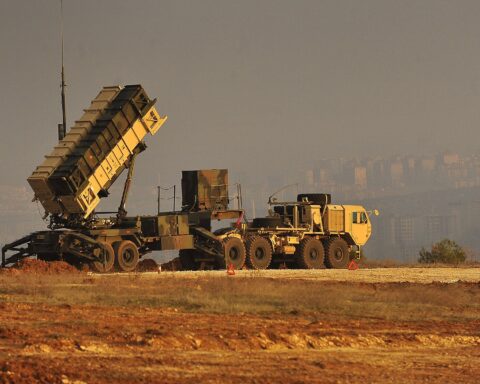
Saudi Arabia and its allies have deployed dedicated assets to protect Red Sea infrastructure. France confirmed in September 2026 that it had sent troops, radars, and air defences specifically for Yanbu, Al Jazeera reported on September 25.
The Makkah Alliance, whose full treaty entered force on November 14, has added further capability. Turkey has provided air defence and electronic warfare equipment to Saudi Arabia under the pact. Pakistan deployed troops to Saudi Arabia on November 29 under the alliance, a move that France 24 linked to the Houthi port threat.
The coalition has consistently intercepted Houthi ballistic missiles targeting Saudi population centres. On November 29 alone, it intercepted a missile aimed at Riyadh and destroyed a launcher in Saada, Free Malaysia Today and Israel National News reported. Earlier in the week, the coalition intercepted a Houthi cruise missile over Riyadh — the third projectile type intercepted in 72 hours.
Port infrastructure, however, presents a broader defensive challenge than a single ballistic missile intercept. The Houthi arsenal includes Tufan-1 unmanned attack boats, aerial explosive drones, anti-ship ballistic missiles, cruise missiles, and sea mines, according to The National and Maritime Executive. A coordinated attack using multiple weapon types against a sprawling port complex would test layered defences differently from an isolated launch aimed at a city.
The combination of allied air defences, electronic warfare capability, and the coalition’s demonstrated intercept record provides multiple layers of protection. Whether those layers are sufficient to defend every berth, crane, and anchorage at a port the size of Jeddah against simultaneous, mixed-weapon attack remains an untested question.
Background
The Iran war, which began in February 2026, has redrawn Saudi Arabia’s trade map. Iran’s closure of the Strait of Hormuz cut the kingdom off from Gulf-side export and import routes, pushing commercial traffic to Red Sea ports that were not built for the current volume.
The Houthis, who control much of northern Yemen including stretches of the Red Sea coast, have used the broader conflict to escalate attacks on Saudi territory. Coalition air strikes on Sanaa and Houthi-held areas — including strikes on November 25, 26, and 28 — have drawn retaliatory threats and attacks in an intensifying cycle.
Seven airlines have extended Gulf flight suspensions into 2027 after attacks in late November, further isolating the region’s commercial links.
The Houthis’ disputed recapture of parts of the Bab el-Mandeb coast, reported by Al Jazeera on October 17 and Forbes on November 17, has raised concerns about the group’s ability to threaten Red Sea shipping from closer range, though the extent of Houthi coastal control remains contested.
Frequently Asked Questions
Has any Houthi attack struck Jeddah port?
No confirmed Houthi strike on Jeddah Islamic Port has been reported as of November 29, 2026, according to gCaptain and RTÉ. Saree’s November 29 statement was a threat of future action, not a claim of a completed attack. The closest confirmed Houthi strikes to Saudi port infrastructure were at Jazan: a projectile hit Jazan port on November 25, with the coalition confirming minor damage, and the adjacent Jazan refinery was struck on November 26, killing one person according to the Saudi Energy Ministry. No confirmed attack has struck port infrastructure further north along the Red Sea coast.
Could Saudi Arabia reroute imports if Jeddah were disrupted?
Practical alternatives are extremely limited. Before the war, Dammam and Al Jubail handled more than 25 percent of Saudi imports combined, according to IMF PortWatch data cited by AGBI. Both Gulf-side ports are now constrained by the Hormuz closure. Yanbu and Rabigh handle primarily crude oil, petrochemicals, and industrial cargo rather than the containerised consumer goods that flow through Jeddah. With Jeddah processing a record 582,900 TEUs in October alone, Saudi Gazette reported, no other Saudi port could absorb that volume at short notice. Saudi Arabia’s import supply chain has a single point of concentration that did not exist before the war.
What is the Makkah Alliance and how does it protect Saudi ports?
The Makkah Alliance is a multilateral defence pact whose full treaty entered force on November 14, 2026. Turkey has provided air defence and electronic warfare equipment to Saudi Arabia under the pact, as House of Saud reported. Pakistan deployed troops to the kingdom on November 29 under the alliance. France, while not a Makkah Alliance member, has separately deployed troops, radars, and air defences specifically for Yanbu, Al Jazeera reported in September 2026.
What maritime weapons do the Houthis possess?
The Houthi arsenal includes Tufan-1 unmanned surface vessels — explosive-laden attack boats — as well as aerial explosive drones, anti-ship ballistic missiles, cruise missiles, and sea mines, according to The National and Maritime Executive. This diversity means that defences at any one port must guard simultaneously against threats from the air, the sea surface, and underwater. The Houthis have used these weapons to target shipping in the Bab el-Mandeb Strait and the Red Sea throughout 2025 and 2026, and their July 2026 blockade declaration, reported by Albawaba, formally extended those operations to Saudi port approaches.
The House of Saud Daily Briefing
Saudi Arabia's news in 3 minutes, every morning. Free. See today's issue