RIYADH — Saudi coalition air defences intercepted missiles targeting Riyadh and the Eastern Province on two consecutive days as the Houthi military spokesman claimed five separate operations across the kingdom, including an unverified strike on the Hawiyah gas plant — an Aramco facility inside the Ghawar field that has never been a confirmed target before.
The two-day barrage, running from Saturday November 28 through Sunday November 29, marked the broadest geographic spread in a single Houthi operational cycle since the war’s escalation began in mid-2026.
The House of Saud Daily Briefing
Saudi Arabia's news in 3 minutes, every morning. Free. See today's issue
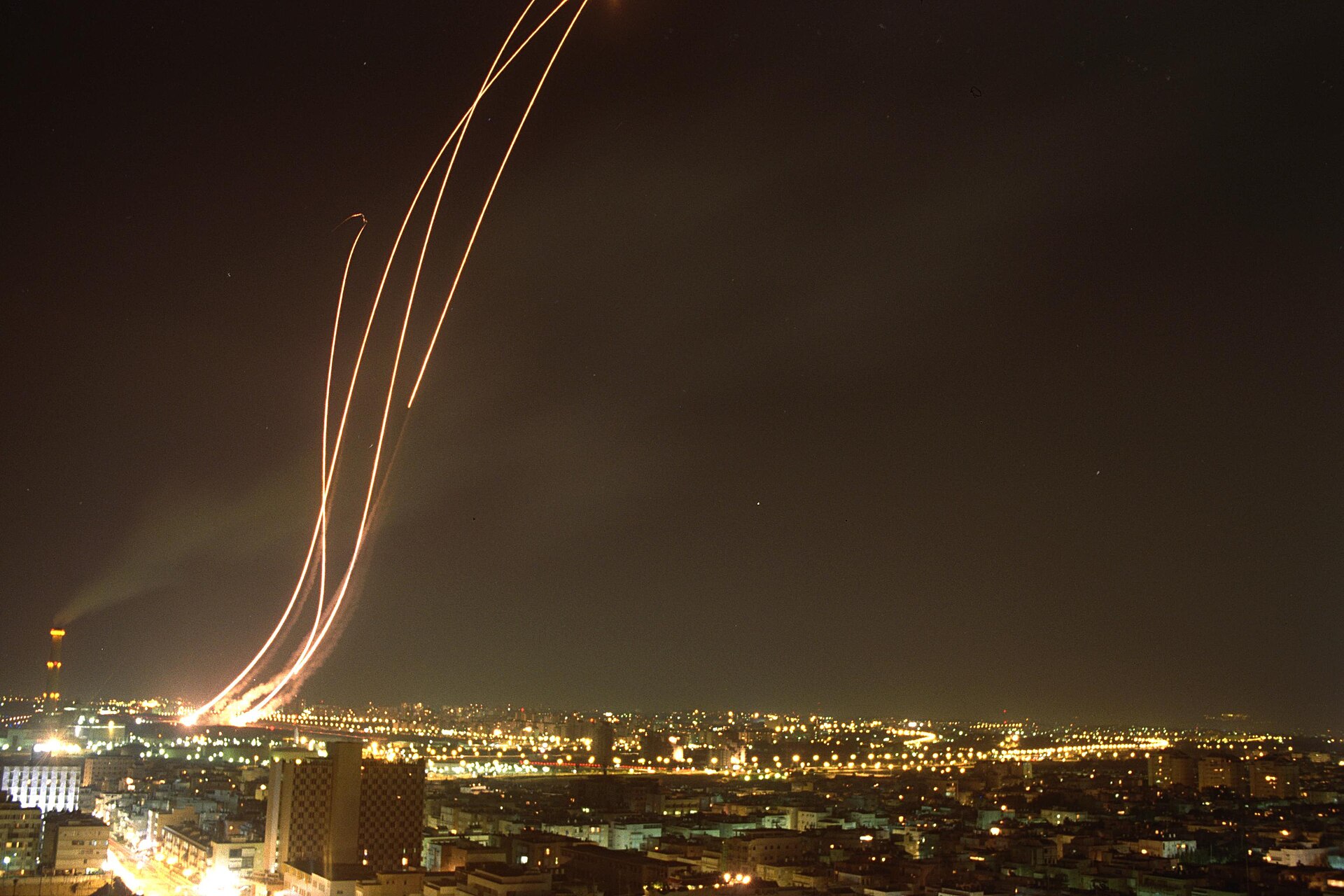
Table of Contents
- Confirmed Intercepts at Riyadh, Jazan and the Eastern Province, November 28–29
- Why Does the Hawiyah Gas Plant Claim Matter?
- What Did Yahya Saree Claim in the Five-Operation Statement?
- Riyadh Civil Defence Alarm and Eastern Province Alerts
- Coalition Strikes Houthi Launch Pad in Saada
- How Has the Jazan Refinery Been Affected This Week?
- Background: Houthi Strikes on Saudi Infrastructure Since October
- Frequently Asked Questions
Confirmed Intercepts at Riyadh, Jazan and the Eastern Province, November 28–29
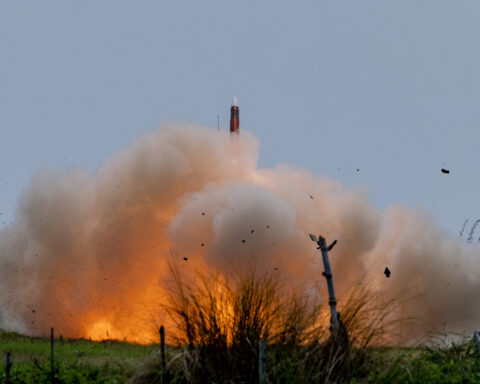
On Saturday November 28, Saudi coalition air defences destroyed a cruise missile heading toward Riyadh and a ballistic missile targeting the Al-Shuqaiq area in Jazan province, according to Arab News. The same day, security alerts were activated in Jazan and other parts of the kingdom, including the Eastern Province, according to Reuters.
On Sunday November 29, the coalition intercepted two ballistic missiles targeting the Eastern Province — specifically Al-Ahsa and Abqaiq governorates — and a separate ballistic missile targeting Riyadh, according to Arab News and Kuwait Times. Al-Maliki stated that debris from the intercepts “fell without causing any civilian casualties,” according to Arab News.
Al-Maliki warned that the coalition would continue to respond firmly to any attempt to target civilians or property in the kingdom, Kuwait Times reported. No damage to critical infrastructure was confirmed by Saudi authorities in connection with any of the November 28–29 intercepts.
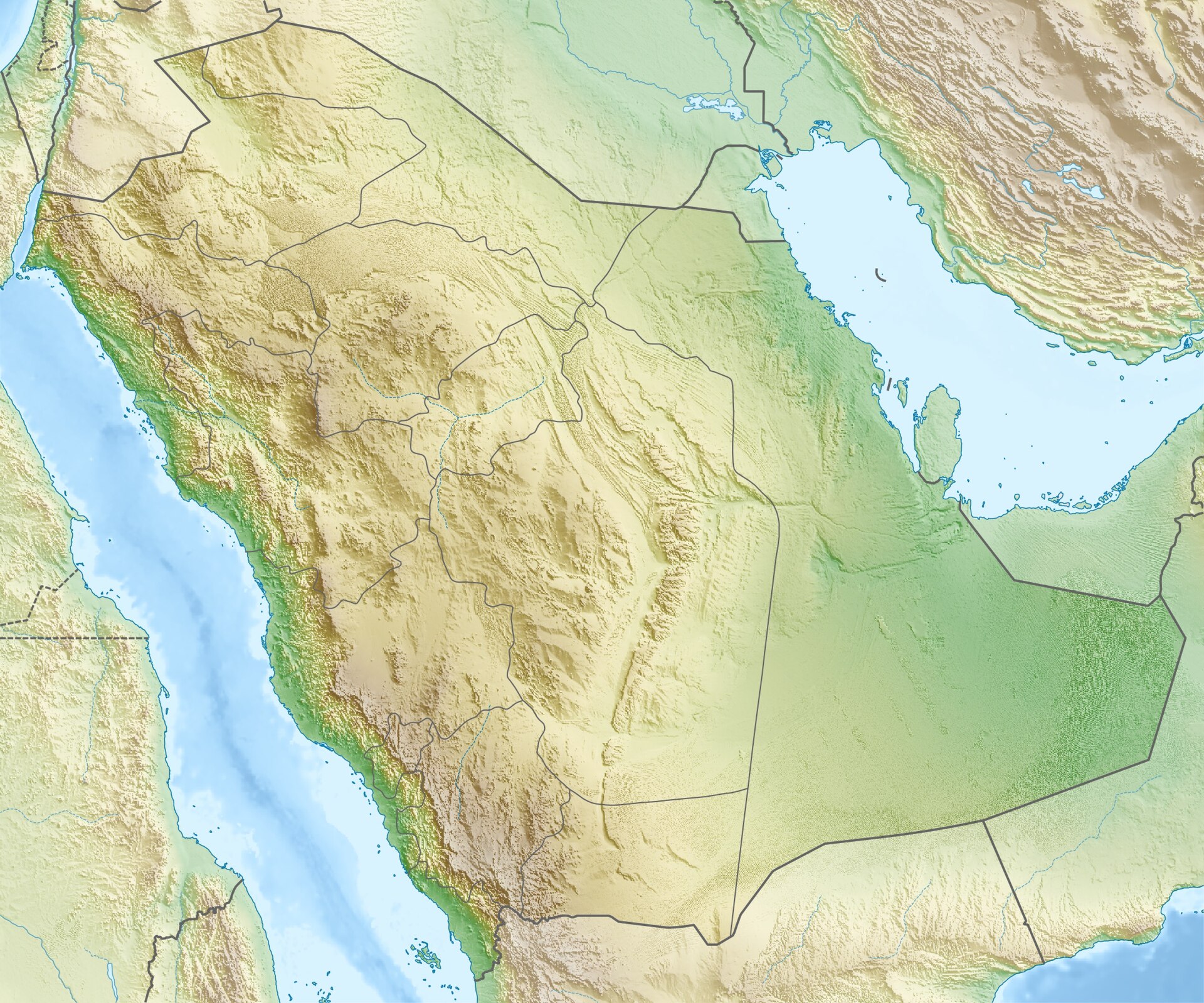
The confirmed intercept sites — Riyadh, Jazan and the Al-Ahsa/Abqaiq area of the Eastern Province — span three corners of the kingdom. The Eastern Province intercepts are particularly notable. Abqaiq governorate hosts some of Aramco’s most critical processing infrastructure, and Al-Ahsa sits at the southern edge of the Ghawar oil field. The coalition’s specific naming of both governorates, rather than a general “Eastern Province” designation, suggests the incoming weapons were tracked to precise corridors. The coalition’s intercept of two Houthi ballistic missiles targeting Riyadh on November 26 had already demonstrated that air defences were operating under sustained pressure.
Why Does the Hawiyah Gas Plant Claim Matter?
The most consequential element of the Houthi spokesman’s statement — if accurate — is the claimed strike on the Hawiyah gas plant. No prior documented Houthi attack on Hawiyah exists in any source reviewed. Saudi authorities have made no statement confirming or denying damage at the facility.
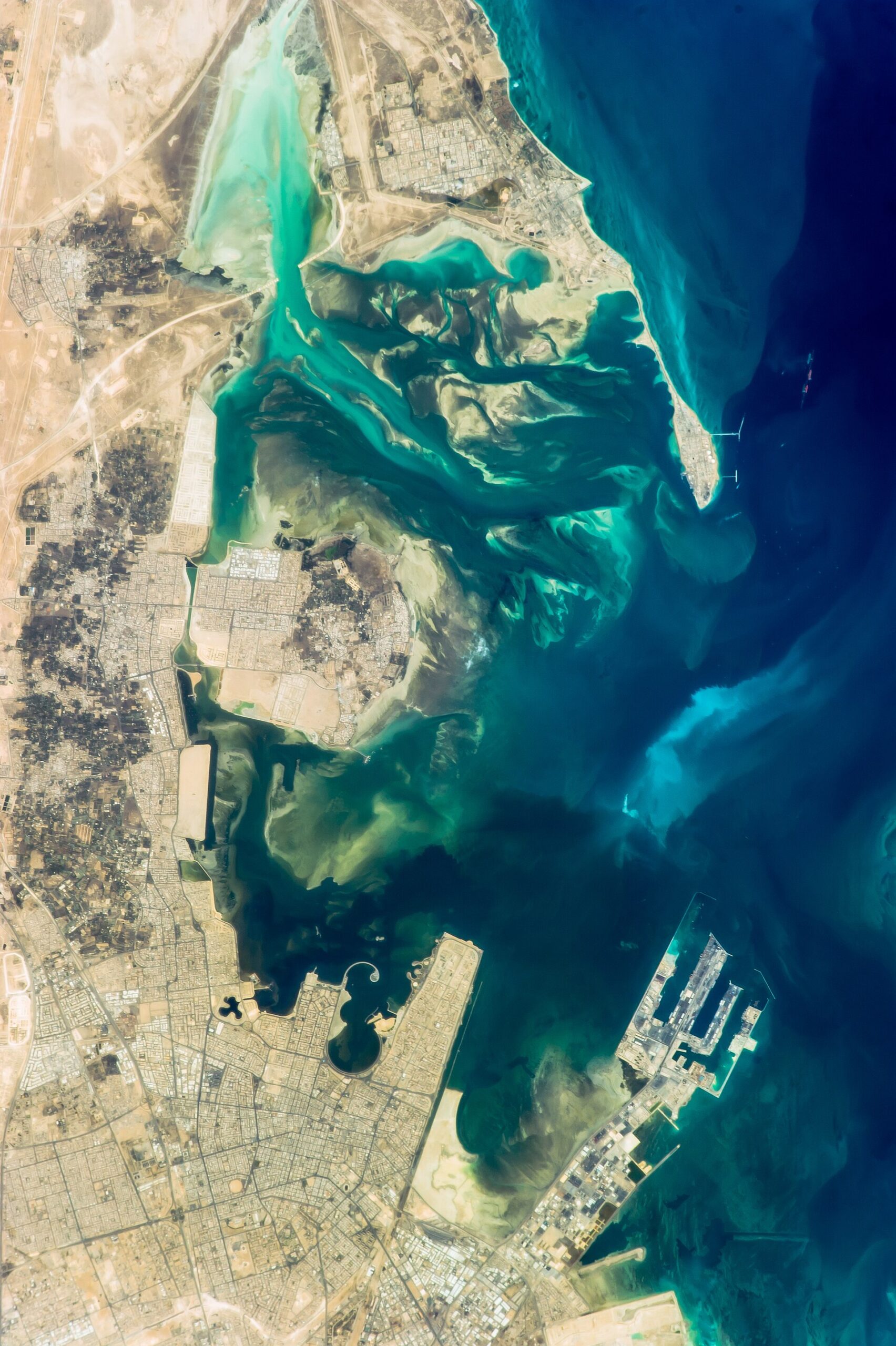
Hawiyah is an Aramco-operated facility within the Ghawar field in the Eastern Province, processing non-associated sour gas from deep Khuff and Jawf reservoirs. It is one of the world’s largest gas processing plants, with a capacity of approximately 3.5 to 3.6 billion standard cubic feet per day, according to Saudipedia. Its sales gas feeds an adjacent NGL recovery plant and the Master Gas System, which supplies power generation and desalination plants across Saudi Arabia. A CO₂ pipeline of approximately 85 kilometres connects Hawiyah to the Uthmaniyah oilfield for enhanced oil recovery.
The plant’s significance extends well beyond its gas output. The Master Gas System is the backbone of Saudi electricity generation and water desalination. A sustained disruption at Hawiyah would cascade through the domestic power grid in ways that an attack on an export terminal would not. The Eastern Province has seen other Aramco infrastructure targeted since October — including a drone strike on the Shaybah oilfield that killed two workers on October 21, according to World Oil — but Hawiyah’s gas processing role makes it a qualitatively different target from an oil export facility.
Houthi military spokesman Yahya Saree claimed fires broke out at Hawiyah, according to Xinhua and Daijiworld. This claim has not been independently verified. No satellite imagery, emergency response reports or Aramco statements have confirmed a fire or any damage at the site.
What Did Yahya Saree Claim in the Five-Operation Statement?
Saree aired a statement on Houthi-run al-Masirah TV on Saturday November 28 claiming five operations targeting Saudi Arabia over 48 hours, according to Xinhua. The claimed targets were:
- Operation 1: King Khalid International Airport (KKIA) in Riyadh — Saree claimed a “direct hit,” according to Xinhua. No damage, casualties or flight-suspension announcement from Saudi authorities has been found for November 29.
- Operation 2: Radar installations at Abha and Khamis Mushait — no Saudi confirmation or denial.
- Operation 3: Jazan refinery — Saree claimed fires broke out, according to Daijiworld. Saudi authorities have not confirmed this claim.
- Operation 4: Hawiyah gas plant in the Eastern Province — Saree claimed fires broke out, according to Xinhua. Not independently verified.
- Operation 5: Power plants at Al-Shuqaiq and Jazan — Saree claimed “significant damage” to both, according to Daijiworld. Saudi authorities have not confirmed this claim.
None of the five claims have been independently verified. Xinhua noted that the claims “could not be independently verified.” Saree framed the operations as retaliation for Saudi airstrikes on Yemeni power stations and civilian infrastructure, using the phrase “escalation with escalation,” according to Daijiworld and Xinhua.
The geographic spread of Saree’s claimed targets traces a triangle: south (Jazan refinery and power, Abha/Khamis Mushait radar), capital (KKIA in Riyadh), and east (Hawiyah in the Ghawar field). Whether this three-direction pattern reflects actual weapons delivery or a propaganda framing is not determinable from available evidence. What is confirmable is that the coalition intercepted weapons approaching from at least two of those directions — Riyadh and the Eastern Province — and confirmed the third (Jazan) through the Al-Shuqaiq ballistic missile intercept.
Riyadh Civil Defence Alarm and Eastern Province Alerts
Saudi Arabia’s General Directorate of Civil Defence sounded alarms in Riyadh shortly after 2:30 a.m. on Sunday November 29, advising the public to stay away from open areas and to call the 998 hotline, Kuwait Times reported. The directorate later deactivated the alarm, saying the danger had passed.
Security alerts were also activated in Jazan and the Eastern Province on Saturday November 28, according to Reuters. The Saturday alerts coincided with the first round of intercepts — the cruise missile toward Riyadh and the ballistic missile toward Al-Shuqaiq.
The 2:30 a.m. Sunday alarm in Riyadh followed the pattern of previous alerts during the conflict. The coalition’s exchange with Houthi forces targeting Riyadh on November 28 had already placed the capital’s civil defence apparatus on heightened readiness. Three types of Houthi munitions were intercepted over Riyadh within 72 hours earlier in the same week, underscoring the tempo of incoming fire.
KKIA — the target of Saree’s first claimed operation — has been attacked multiple times since October. Strikes between October 6 and 11 killed at least 14 people, according to BBC. The airport reopened on October 18 to prior-permission flights. No Saudi authority confirmed a strike on KKIA in connection with the November 28–29 events, and no flight disruptions were reported.
Coalition Strikes Houthi Launch Pad in Saada
The coalition carried out a strike on a Houthi ballistic missile launch pad in Saada governorate, northern Yemen, according to Kuwait Times and Arab News. Al-Maliki said the launch pad was used to fire ballistic missiles toward Jazan province.
No further details were provided regarding the specific location within Saada, the weapons used in the counter-strike or the results of the operation. The coalition statement tied the counter-strike directly to the Jazan-directed launches, not to the Riyadh or Eastern Province intercepts.
Saada has long served as a Houthi stronghold and a primary launch zone for ballistic missiles targeting Saudi Arabia’s southern provinces. The coalition’s intercept of two Houthi drones targeting Saudi Arabia on November 27 had preceded the broader barrage, suggesting the November 28–29 operations were part of a sustained Houthi campaign rather than an isolated event.
How Has the Jazan Refinery Been Affected This Week?
The Jazan refinery figured in both the confirmed record and Saree’s unverified claims during this period. On Thursday November 26, a confirmed Houthi strike on the refinery killed one Nepali worker and injured several others, temporarily disrupting some operations, according to Arab News and Reuters, citing Saudi Energy Ministry confirmation. The refinery has a capacity of approximately 400,000 barrels per day, Arab News reported.
The Houthi strike on the Jazan refinery confirmed by Saudi Energy Ministry was one of the deadliest single attacks on Saudi energy infrastructure in weeks. Saree’s subsequent claim of a second strike — with fires — during the five-operation statement has not been confirmed by Saudi authorities.
Al-Shuqaiq, also in Jazan province, hosts major desalination and power-generation facilities. The Shuqaiq 2 Independent Water and Power Project has a nameplate capacity of 850 MW and approximately 212,000 cubic metres per day of desalination capacity, according to publicly available project data. Saree claimed “significant damage” to both the Al-Shuqaiq and Jazan power plants, according to Daijiworld. The coalition confirmed intercepting a ballistic missile heading toward Al-Shuqaiq on Saturday but made no statement about damage to the IWPP.
A Houthi projectile hit Jazan port on November 25, with the coalition confirming only minor damage. The port and the refinery are separate facilities, but the concentration of strikes in the Jazan area during the final week of November points to a sustained Houthi effort against the province’s coastal infrastructure.
Background: Houthi Strikes on Saudi Infrastructure Since October
The November 28–29 barrage fits within a pattern of escalating Houthi attacks on Saudi economic and military infrastructure that has intensified since October. The deadliest single event remains the KKIA strike of October 10, which killed 12 and wounded 308–309, according to Al Jazeera and BBC. Combined with strikes from October 6 through 11, at least 14 people died in airport attacks alone, BBC reported.
Eastern Province infrastructure has been targeted since October, though the November 29 intercepts near Al-Ahsa and Abqaiq mark the first confirmed defensive engagement in that specific area during the recent escalation. A drone strike hit Aramco’s Shaybah oilfield on October 21, killing two workers, according to World Oil.
Turkey has confirmed it is providing air defence and electronic warfare assistance to Saudi Arabia under the Makkah Alliance framework. The alliance’s Strategic Political and Defence Committee held its second session in Islamabad on November 27–28, one day before the latest barrage. Pakistan and Turkey have both deployed forces to Saudi Arabia under the pact, which entered full force on November 14.
Seven airlines have extended Gulf flight suspensions into 2027 after the November 26 attacks, reflecting the operational disruption that sustained Houthi strikes have imposed on Saudi Arabia’s aviation sector. The combination of airport strikes, refinery attacks and now the claimed targeting of gas processing infrastructure represents a progressive widening of Houthi stated objectives — from military installations to civilian airports to energy supply chains.
Frequently Asked Questions
What weapons did the Houthis use in the November 28–29 attacks?
No specific weapons systems were named by either the coalition or Saree for the November 28–29 operations. The coalition described the intercepted munitions only as “cruise missile” (toward Riyadh, Saturday) and “ballistic missiles” (toward Al-Shuqaiq, Eastern Province and Riyadh). The Houthi arsenal includes Burkan and Badr-series ballistic missiles capable of reaching targets across Saudi Arabia from northern Yemen, but no attribution to a specific system has been made in any source for this barrage.
Has Saudi Aramco commented on the Hawiyah claims?
Saudi Aramco has issued no public statement regarding the Houthi claims about the Hawiyah gas plant as of November 29. The company typically does not comment on unverified attack claims. Aramco’s last public comment on infrastructure security came through CEO Amin Nasser, who said disruptions typically last “days, not weeks or months,” though that statement was made in September in a different context, according to Nikkei Asia.
How does the claimed Hawiyah strike compare to the confirmed Jazan refinery attack?
The Thursday Jazan refinery strike was confirmed by Saudi energy authorities and killed one worker; the Hawiyah claim is unverified with no Saudi statement. The key distinction: Jazan affects export refining capacity, while Hawiyah processes gas that feeds domestic power generation and desalination through the Master Gas System, making it structurally more critical to civilian supply chains.
Were any flights at KKIA disrupted on November 29?
No flight disruptions, diversions or closures at KKIA have been reported by Saudi aviation authorities in connection with the November 28–29 events. The General Authority of Civil Aviation has not issued any NOTAM or public advisory specific to this period. KKIA has been operating under modified conditions since it reopened on October 18 to prior-permission flights.
What is the coalition’s current intercept capability against Houthi missiles?
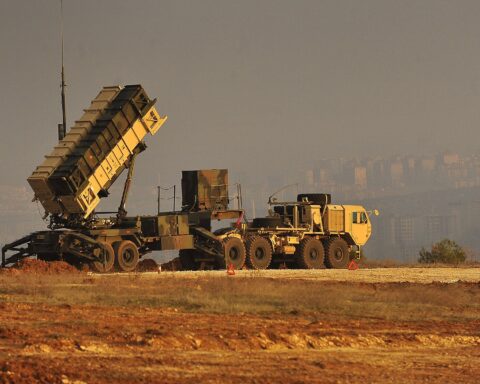
The coalition has not disclosed specific intercept rates or inventory figures for the current conflict period. The confirmed intercepts across three regions on November 28–29 demonstrate sustained multi-axis defensive operations, but no source has provided data on the total number of incoming weapons versus successful intercepts. Saudi Arabia operates Patriot PAC-3 and other air defence systems, supplemented by Turkish electronic warfare and air defence assistance under the Makkah Alliance, as confirmed by Turkey’s Defence Ministry.
The House of Saud Daily Briefing
Saudi Arabia's news in 3 minutes, every morning. Free. See today's issue