
{“content”: “
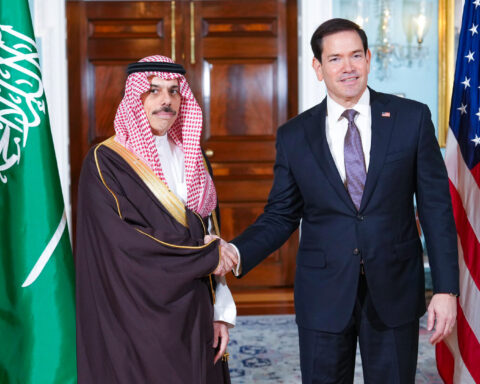
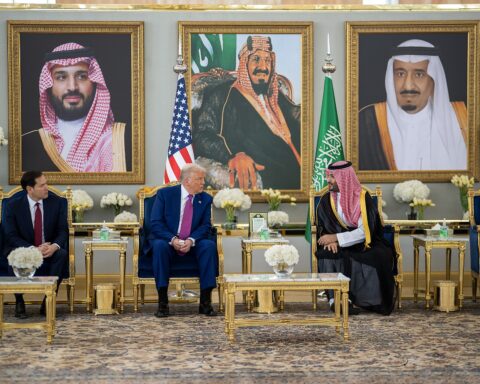
RIYADH u2014 “I have been asked by the Emir of Qatar, the Crown Prince of Saudi Arabia, and the President of the United Arab Emirates, to hold off on our planned Military attack of the Islamic Republic of Iran, which was scheduled for tomorrow, in that serious negotiations are now taking place.”
n
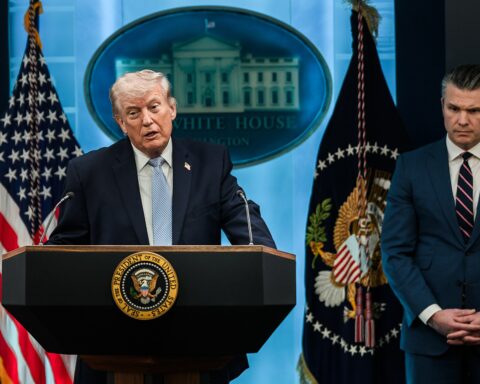
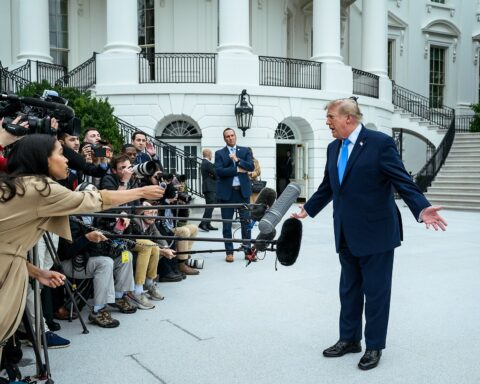
Donald Trump posted that statement to Truth Social on the evening of May 18, 2026. The National Security Council strike vote had been scheduled for Tuesday, May 19, according to Bloomberg u2014 the three Gulf phone calls pre-empted it by roughly 24 hours. Three leaders asked Trump to wait “two to three days” because they believed they were “close to a deal,” NBC News reported. Trump agreed, but appended a caveat that functions as its own deadline: he instructed Defense Secretary Pete Hegseth and Joint Chiefs Chairman General Dan Cain to “be prepared to go forward with a full, large scale assault of Iran, on a moment’s notice, in the event that an acceptable Deal is not reached.”
n
The result is a 72-hour window in which every participant u2014 Washington, Riyadh, Abu Dhabi, Doha, and Tehran u2014 faces a different clock. What the three Gulf leaders purchased with those calls is not peace, or even time in any durable sense. It is a postponement whose value degrades by the hour, bought at a price that has not been publicly disclosed, against a target that used every day of the existing ceasefire to reconstitute the arsenal the strike was meant to destroy.
The Middle East briefing 3,000+ readers start their day with.
One email. Every weekday morning. Free.
n
n
Contents
n
- n
- What Did Three Phone Calls Actually Buy?
- Why Project Freedom’s Collapse Made This Veto Credible
- Bypass Capacity and the Geometry of Gulf Vulnerability
- Why Can’t MBS Afford the Deal to Fully Succeed?
- How Will Tehran Exploit the Precedent?
- What Did Each Leader Extract?
- Can the Gulf Exercise This Veto Again?
- The 72-Hour Window
- n
n
n
n
n
n
n
n
n
n
n
n
What Did Three Phone Calls Actually Buy?
n
The May 18 veto purchased a postponement of approximately 48-72 hours, not a cancellation. Trump’s own language u2014 “on a moment’s notice” and “full, large scale assault” u2014 functions as both a deadline for the Gulf intermediaries and a signal to Tehran that the strike package remains loaded and authorized.
n
The Wall Street Journal subsequently reported that Gulf officials denied having advance knowledge that a strike was imminent, raising questions about whether the phone call veto was real or constructed.
n
The calls were placed on Monday, May 18, to pre-empt a National Security Council vote scheduled for Tuesday, May 19, Bloomberg reported. The timing was not accidental. Placing the calls after the vote would have meant overriding a formal institutional decision u2014 asking a president to reverse a policy his own security council had ratified. Placing them before meant the decision was never formalized, a distinction that matters inside Washington’s bureaucratic architecture because it allows the Pentagon to present the delay as presidential discretion rather than allied defiance.
n
What the calls did not accomplish is equally telling. As of May 17-18, the United States and Iran remained “far from a deal,” according to The National and Bloomberg. The core deadlock on Hormuz u2014 Iran demands US force withdrawal, compensation payments, and joint governance; Washington refuses to discuss any of these u2014 had not shifted. On the nuclear track, the US demanded Iran keep only one nuclear site operational and transfer its highly enriched uranium stockpile to American custody. Iran demanded frozen asset release and war reparations. The US refused to release “even 25 percent” of frozen assets, according to Fars News Agency via the Times of Israel. Iran offered a five-year enrichment moratorium; the US demanded twenty.
n
The three leaders sold Trump on a deal that does not yet exist in even single-page form. A day earlier, on May 17, Trump had posted a direct warning: “For Iran, the Clock is Ticking, and they better get moving, FAST, or there won’t be anything left of them.” The veto reset that clock. It did not stop it. The nuclear track running through Pakistan was not Iran’s only diplomatic instrument that weekend u2014 Tehran simultaneously dispatched deputy foreign ministers to Istanbul for E3 talks that were designed to make the Washington channel structurally harder to close, not to produce an agreement of their own.
n
Why Project Freedom’s Collapse Made This Veto Credible
n
The May 18 calls did not emerge from nothing. Two weeks earlier, Saudi Arabia had already demonstrated that it could unilaterally ground an American military operation in the Gulf.
n
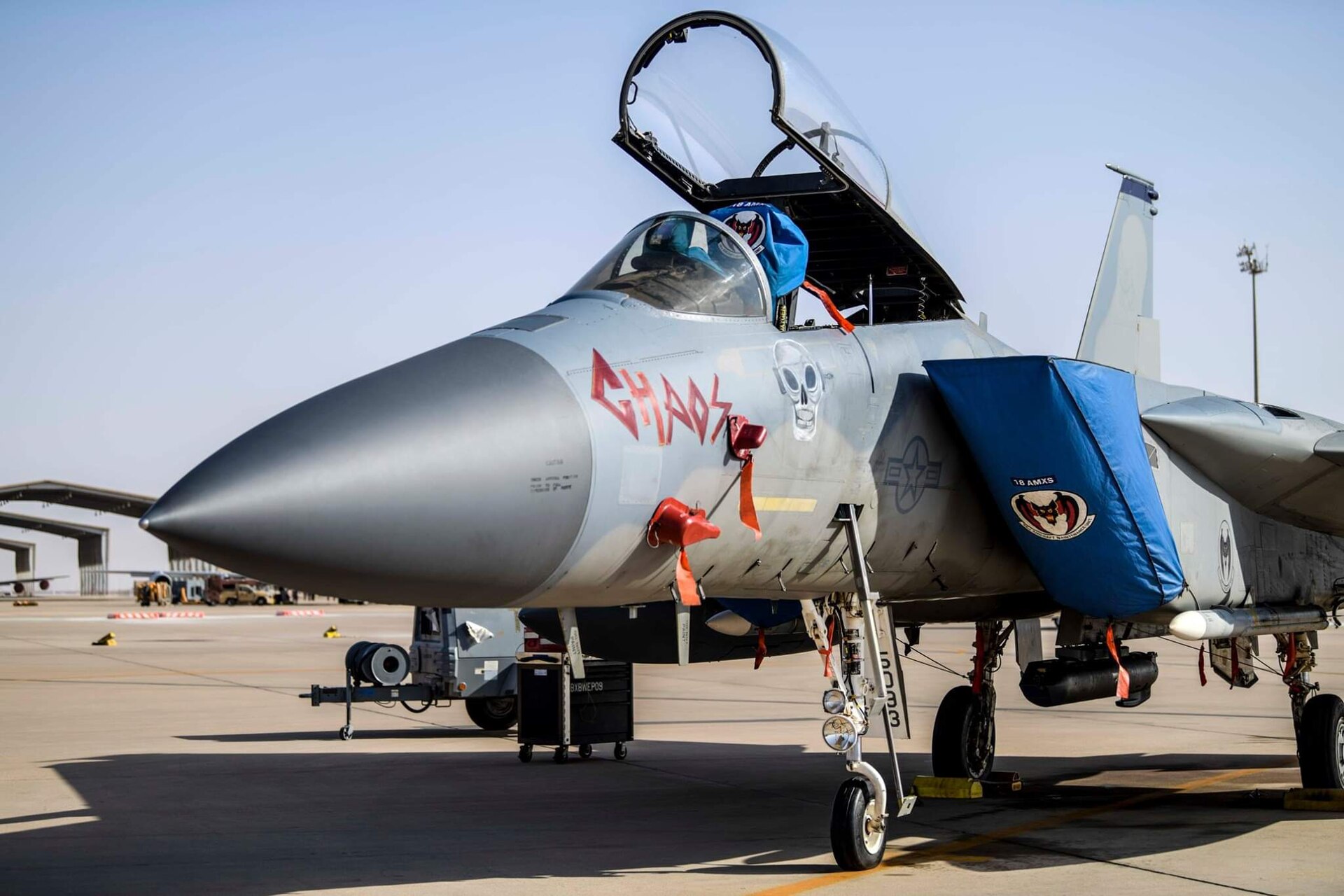
Around May 4-5, Trump announced “Project Freedom” u2014 a US military escort operation for commercial vessels transiting the Strait of Hormuz. Within 36 hours, Saudi Arabia and Kuwait suspended American access to Prince Sultan Airbase and Saudi airspace, according to NBC News, bne IntelliNews, and Middle East Eye. Trump abandoned the operation entirely. A direct Trump-MBS phone call failed to resolve the standoff, NBC News reported. The operation was not modified or scaled back. It was killed.
n
An anonymous Saudi official told NBC News that Riyadh opposed Project Freedom because “it felt it would just escalate the situation and would not work” and was “very supportive of the diplomatic efforts by Pakistan.” The language is diplomatic. The action was not. Base denial and airspace closure are sovereign infrastructure decisions, not negotiating positions. They cannot be overridden by presidential pressure or personal rapport, as the failed Trump-MBS call demonstrated. Project Freedom required Saudi cooperation to function physically. MBS withheld it, and the operation ceased to exist.
n
That episode established three precedents the May 18 veto relied upon. First, MBS had proven willingness to deny the United States operational access at the decisive moment. Second, Trump had shown he would yield to that denial rather than force the issue u2014 there was no public retaliation against Riyadh, no sanctions threat, no repositioning to circumvent Saudi airspace. Third, the mechanism was structural. Airspace and base access are binary: a country either grants them or does not. There is no half-measure, and there is no workaround that does not involve routing through contested territory.
n
The repetition converts what might have been read as a crisis-specific reaction into a standing tool of Saudi statecraft u2014 one that Tehran, Washington, and every other regional actor must now price into their calculations. Iran’s formal declaration on May 19 that nuclear talks are not on the table at this stage frames exactly what the three leaders bought time for: Iran’s nuclear bifurcation strategy treats the Gulf veto window not as an opening for comprehensive talks but as 72 hours to harden the PGSA’s institutional footing before any deal is struck.
n
n
Bypass Capacity and the Geometry of Gulf Vulnerability
n
The three veto calls conveyed a unified front. Behind that front, the three leaders face structurally different levels of exposure to both Iranian retaliation and prolonged Hormuz disruption. Those differences shaped what each was willing to risk u2014 and what each needs from any deal that emerges from the 72-hour window.
n
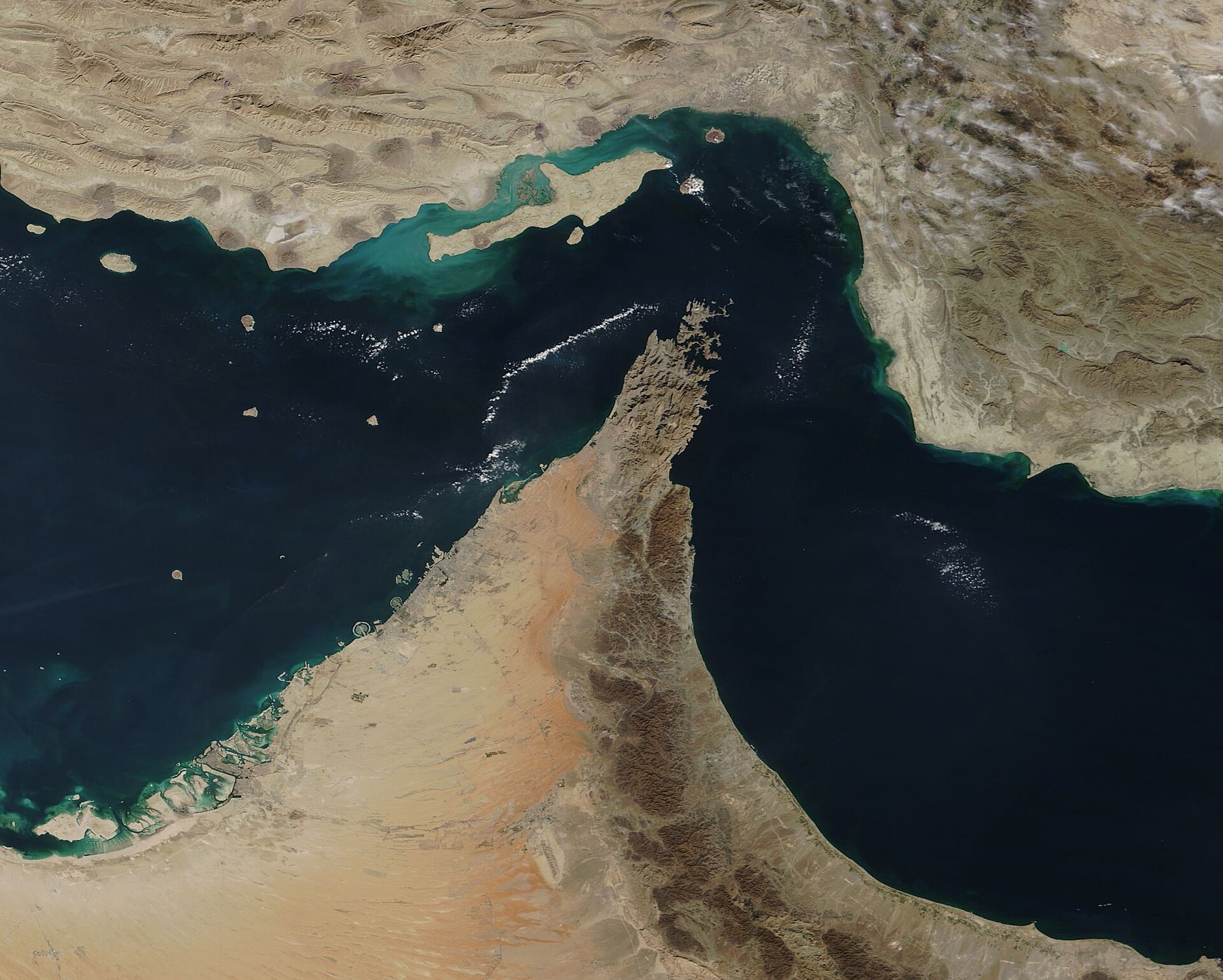
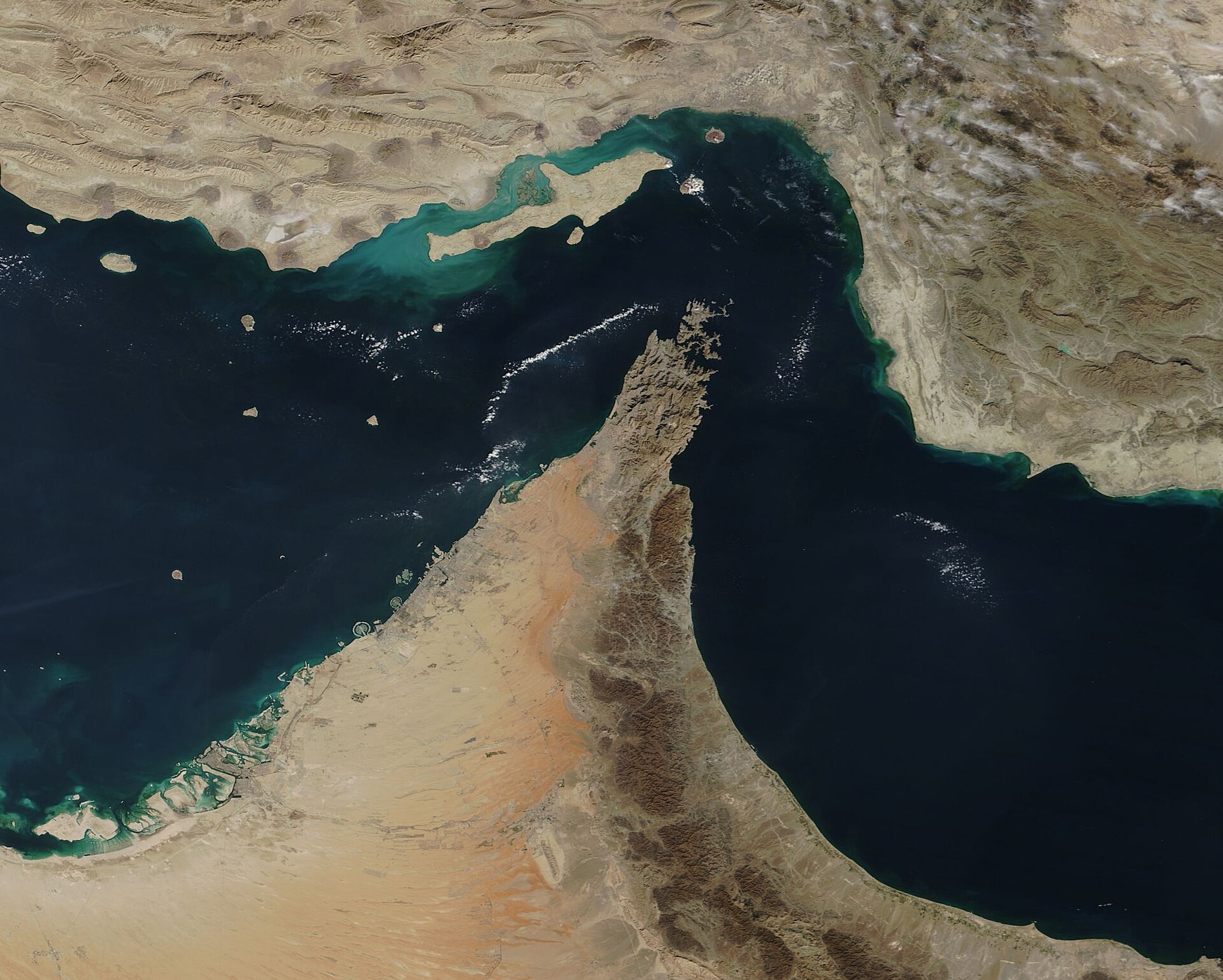
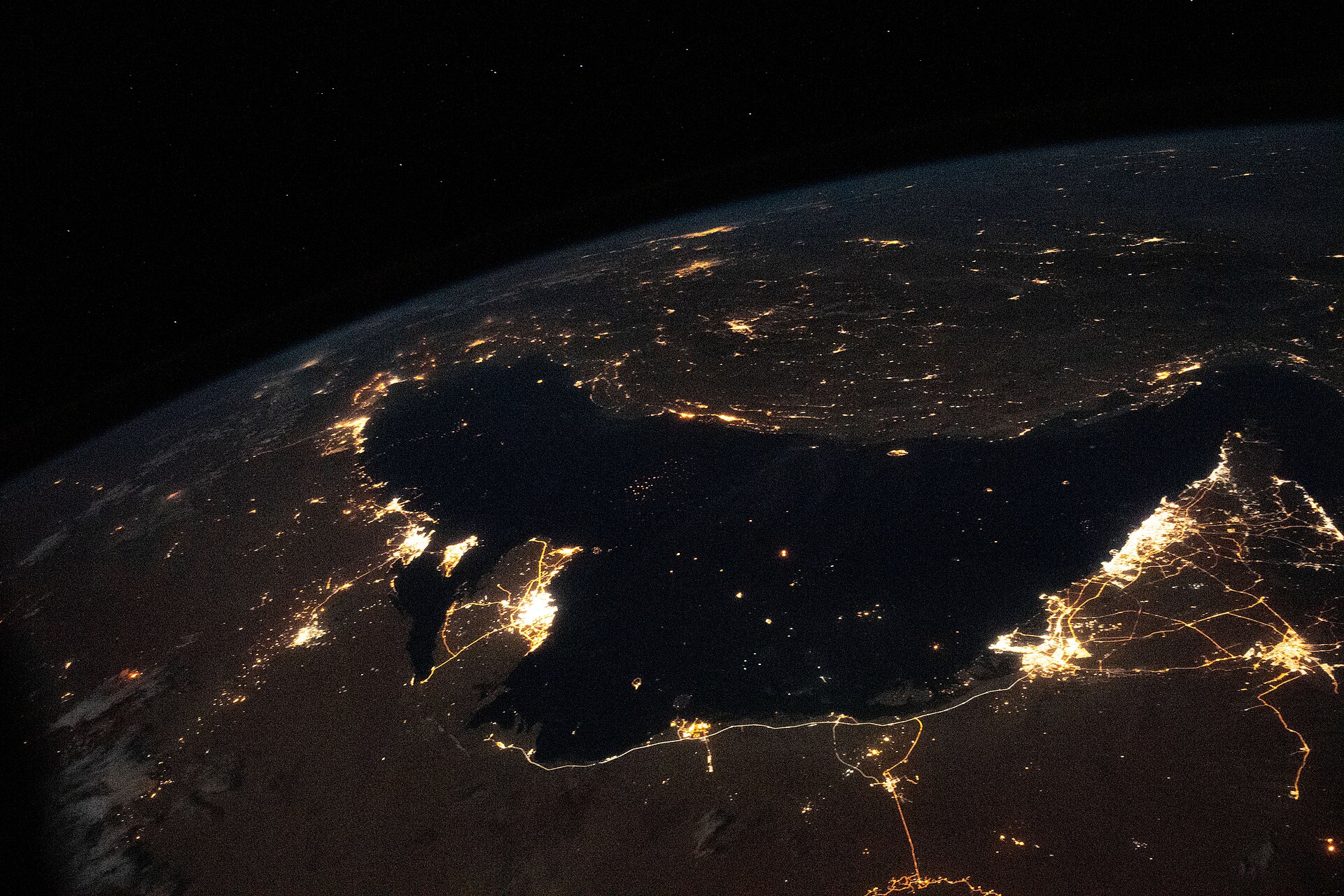
Pipeline bypass capacity differs sharply across the three states. Saudi Arabia can route crude through the East-West Pipeline to Yanbu on the Red Sea, bypassing Hormuz entirely. The pipeline’s theoretical capacity is 7 million barrels per day, though effective loading and storage constraints at Yanbu reduce throughput to an estimated 4-5.9 million bpd. The UAE has the Habshan-Fujairah pipeline with 1.5 million bpd capacity, providing Abu Dhabi a partial but meaningful alternative. Qatar has nothing. Liquefied natural gas u2014 Qatar’s sole major export commodity u2014 must transit the Strait of Hormuz by tanker. There is no pipeline, no overland route, and no alternative waterway. Every Qatari LNG cargo passes within range of IRGC coastal missile batteries that Tehran declared a “danger zone” in April.
n
The damage already absorbed deepens those asymmetries. Qatar’s Ras Laffan complex was struck on March 2, and the Pearl GTL facility was hit on March 18. Saudi Arabia lost an estimated 3.15 million bpd of production between February and March 2026 u2014 a 30% drop from 10.4 million to 7.25 million bpd u2014 according to the International Energy Agency, which called it “the largest disruption on record.” The UAE has sustained damage but retains a greater share of its pre-war military infrastructure, partly because of Israeli Iron Dome deployments reported by Axios in late April.
n
The Soufan Center’s May 14 IntelBrief identified the fault line behind those asymmetries: “The war has widened differences between Saudi Arabia, which favors accommodation with Iran and Iran-backed regional actors, and the United Arab Emirates, which believes military confrontation with Iran and its allies can produce transformative change.” The UAE’s May 1 exit from OPEC u2014 a unilateral move to punish Iran economically u2014 was, as the Atlantic Council wrote, “a stark expression of Abu Dhabi’s disagreement with Riyadh’s approach.” MBZ’s vision is a deal that dismantles IRGC missile and proxy infrastructure. MBS’s vision is a deal that restores commercial and diplomatic normalcy. Tamim’s vision is a deal that reopens Hormuz, full stop. These three outcomes are not variations on a theme. They are structurally incompatible end states that the unified veto temporarily conceals.
n
Why Can’t MBS Afford the Deal to Fully Succeed?
n
Saudi Arabia’s fiscal position creates a paradox at the center of MBS’s veto calculation: a deal that fully reopens Hormuz would collapse the war premium keeping the Saudi budget from catastrophic deficit, while a continued war suppresses the export volumes needed to rebuild it. MBS needs the war to end and needs its price effects to persist.
n
Saudi Arabia posted a record first-quarter 2026 deficit of $33.5 billion. Goldman Sachs estimates the war-adjusted full-year deficit at $80-90 billion, against Riyadh’s official forecast of $44 billion. The fiscal break-even price u2014 the Brent level at which the Saudi budget balances when Public Investment Fund commitments are included u2014 sits at $108-111 per barrel, according to Bloomberg’s PIF-inclusive methodology.
n
Brent stood at approximately $111 before the veto announcement on May 18 and fell toward $107 on reports of the stand-down, according to CNBC and Reuters. That $4 drop was triggered by a postponement, not a deal. A full reopening of Hormuz, restoring the pre-war transit baseline of roughly 21 million bpd of crude and petroleum products, would push prices sharply lower. Saudi production had already crashed 30% by March, and the Yanbu bypass ceiling constrains how much volume Riyadh can push even if production recovers.
n
MBS needs the war to end to restore export capacity and reduce the defense expenditures draining the treasury. But he needs the war’s price premium to survive the fiscal damage already inflicted. A deal that reopens Hormuz without an accompanying production agreement u2014 one that protects Saudi market share and prevents a price collapse u2014 would leave Riyadh worse off than the current constrained stalemate. The 72-hour window buys time not just for diplomacy but for attaching economic conditions to any security agreement. Whether Washington has the leverage or the inclination to enforce such conditions on Iran’s behalf is a separate question u2014 one the veto does not answer.
n
n
How Will Tehran Exploit the Precedent?
n
The IRGC’s most likely reading of the May 18 veto is operational: American military freedom of action in the Persian Gulf depends on Saudi permission, and that permission can be denied under pressure. From Tehran’s perspective, the veto is not a Gulf peace initiative u2014 it is confirmation that striking Saudi infrastructure has degraded the platform US strikes depend on.
n
The evidence for this reading was visible before the calls were placed. Iran’s targeting of Saudi infrastructure u2014 Ras Tanura, the East-West Pipeline pumping station, Khurais u2014 had already demonstrated that MBS would absorb strikes on his own territory rather than permit American retaliation. US intelligence assessments published May 12-13 confirmed that Iran had retained approximately 70% of its overall missile arsenal and restored access to 30 of 33 missile facilities along the Strait of Hormuz u2014 91% of its pre-ceasefire positions u2014 plus approximately 90% of underground storage and launch pads, according to Military Watch Magazine, the Defense Post, and GlobalSecurity.org. The three Gulf leaders placed their veto calls knowing this assessment was public. They asked Trump to stand down against a target that had spent the ceasefire reconstituting the very capabilities the strike was meant to eliminate.
n
IRGC messaging did not soften before, during, or after the veto. Khatam al-Anbiya commander Major General Ali Abdollahi warned on May 13 that the US and its allies should not commit another “strategic mistake or miscalculation,” telling PressTV that Iranian forces were “more prepared and stronger than in the past, with their hands on the trigger.” IRGC Aerospace Commander Sayyed Majid Mousavi stated on May 9 u2014 nine days before the veto u2014 that Iranian missiles and drones were “already locked onto enemy targets” awaiting launch orders, according to PressTV. Neither statement has been walked back. The same operational independence was on Kuwaiti soil on May 1: six armed IRGC officers landed on Bubiyan Island seventeen days before the veto calls were placed, testing the authorization ceiling in physical form while Araghchi remained in the negotiating rooms.
n
Meanwhile, Iran’s institutional architecture over Hormuz continues to consolidate. The Persian Gulf Strait Authority u2014 established by the Supreme National Security Council around May 5 u2014 requires vessels to file a Vessel Information Declaration before receiving a transit permit. No official tariff has been published, but reported informal tolls reach $2 million per transit, payable in Chinese yuan or Bitcoin, according to the Maritime Executive and Windward AI. The PGSA’s SNSC-linked social media account launched on May 16, two days before the veto calls. Iran’s semi-official Tasnim news agency reported that the US had offered an interim waiver on oil sanctions during negotiations u2014 a claim Bloomberg noted but Washington has not confirmed. Tasnim framed the offer as an American concession under pressure rather than a tactical tool, a reading consistent with Iran treating the entire veto period as evidence of US-Gulf irresolution.
n
The Atlantic Council’s May 2026 analysis quantified the stakes: if Iran controls the Strait of Hormuz, tolls could total $50 billion per year, with 80-95% of that burden falling on Gulf exporters. Every day of the veto window is a day in which the PGSA processes more traffic and accumulates more institutional weight. The three Gulf leaders bought 72 hours of diplomatic space. Tehran is using those hours to build administrative infrastructure whose permanence would make the next veto unnecessary.
n
What Did Each Leader Extract?
n
The specific quid pro quo for each leader’s call has not been publicly confirmed. What follows draws on reported positions, structural interests, and observable behavior u2014 distinguished from sourced dealmaking where the line is unclear. The three leaders did not have identical interests, and the unified call conceals separate asks.
n
MBS. Saudi Arabia’s stated position before and after the veto is consistent: opposition to military escalation, support for Pakistan-mediated diplomacy. The anonymous Saudi official’s characterization of the Project Freedom opposition u2014 “very supportive of the diplomatic efforts by Pakistan” u2014 suggests Riyadh’s demand is partly procedural: any deal should route through a framework where Saudi Arabia has influence, not a bilateral US-Iran channel that excludes Gulf equities. MBS’s fiscal exposure suggests he may also have sought assurances that any deal include production or pricing mechanisms that protect Saudi revenue. Whether Trump offered such assurances is unknown. What is observable is that Riyadh’s leverage is structural (base access and airspace), not contingent on any particular diplomatic framework u2014 meaning MBS’s demands can evolve without his leverage degrading.
n
MBZ. The UAE’s participation is the hardest to reconcile with its stated positions. Abu Dhabi had exited OPEC on May 1 to punish Iran economically, aligned openly with the US-Israeli maximalist position, and accepted Israeli Iron Dome deployments on its territory. The Atlantic Council noted that the UAE “rejected the Saudi approach to the Iran war, instead decisively aligning with the U.S. and Israel’s determination to force Tehran to accept their demands.” For MBZ to then join the stand-down call, he likely extracted commitments that the 72-hour diplomatic window would include specific conditions on IRGC missile constraints and proxy architecture u2014 terms closer to the UAE’s military-transformation thesis than Saudi Arabia’s accommodation preference. This is inference. The observable fact is that MBZ joined a call that contradicts his public posture, which means either the private terms are different from the public ones, or MBZ judged the political cost of breaking with MBS and Tamim on a high-visibility issue to be higher than the cost of temporary inconsistency.
n
Tamim. Qatar’s calculus is the most transparent and the most constrained. With no bypass capacity, a five-year Pearl GTL repair timeline, and only 45 commercial transits through Hormuz since the April 8 ceasefire u2014 3.6% of the pre-war baseline u2014 Tamim needs Hormuz reopened. His probable demand is the simplest: a deal that restores LNG tanker access without triggering Iranian retaliation against Qatari infrastructure. The irony is structural. Tamim’s vulnerability gives him the strongest emotional case for delay, but the weakest bargaining position in any subsequent negotiation. Iran knows Qatar cannot afford to walk away from a bad deal, which means Tamim’s leverage exists only as long as the veto coalition holds u2014 and the coalition fractures the moment specific terms are on paper.
n
Can the Gulf Exercise This Veto Again?
n
The veto’s future depends on whether Trump interprets the 72-hour delay as useful diplomatic cover or as allied interference he must overcome. Base-denial leverage depreciates on use: the first invocation surprised; the second imposed costs on a president already on record as having agreed to it. Historical precedent suggests the yield declines further with each application.
n
The closest structural parallel is the Turkish parliament’s March 1, 2003 vote refusing to authorize US ground force transit for the Iraq invasion. That veto forced real-time revision of the campaign plan u2014 the northern front through Turkey was abandoned, and the 4th Infantry Division rerouted to Kuwait. Turkey extracted specific economic side payments in the aftermath, including US financial aid packages. But the veto created lasting Pentagon bitterness, reduced Turkish influence over subsequent Iraq policy, and contributed to years of strained US-Turkish relations. The vetoing party stopped one operation and paid for it with a prolonged loss of influence over everything that followed.
n
The 2019 Abqaiq-Khurais attack cuts differently. After the September 2019 drone and cruise missile strikes on Saudi Aramco facilities u2014 for which Iran bore ultimate responsibility u2014 Trump chose restraint without any allied veto. His reasoning then was that the attack had not targeted American lives or assets directly. That precedent established that American restraint could be purchased with Gulf ambiguity about attribution. The current situation is different: Trump publicly announced the strike, publicly announced calling it off, and publicly named the three leaders who asked him to stop. Resuming the strike is a visible reversal of a visible reversal u2014 a level of public inconsistency that carries political costs Trump’s domestic opponents can exploit.
n
MBS has now used base-denial leverage twice in fourteen days. Project Freedom was fully killed. The May 19 strike was postponed. The yield is declining with each use. A third invocation u2014 particularly if the 72-hour window expires without meaningful diplomatic movement u2014 would face a Trump administration that has been publicly overridden twice by the same ally. The Gulf War-era experience reinforces this trajectory: after 1991, Saudi Arabia progressively restricted US attack mission authority from Prince Sultan Airbase over nearly a decade, according to Council on Foreign Relations backgrounders. Those restrictions worked because they accumulated gradually, leaving the relationship intact. The current pattern compresses a decade’s worth of erosion into two weeks. Whether it can sustain that pace without provoking a structural rupture in the US-Saudi relationship is the question the 72-hour window does not answer.
n
Saudi Arabia answered the 72-hour window with institutional language: the Kingdom’s Cabinet issued a formal deterrence statement on May 19 declaring “all measures deemed necessary” to protect Saudi security u2014 unilaterally, without GCC co-signatories, on the same day the strike pause was publicly confirmed. The sequence u2014 secure the pause, then immediately assert autonomous deterrence u2014 tells its own story about how Riyadh intends to use the time it bought.
n
The 72-Hour Window
n
The clock Trump set on May 18 contains several overlapping countdowns, each constraining a different participant.
n
Trump’s own deadline is the most explicit. His Truth Social language u2014 “on a moment’s notice” and “full, large scale assault” u2014 is unambiguous. He told NBC News: “There seems to be a very good chance that they can work something out. If we can do that without bombing the hell out of them, I’d be very happy.” That sentence gives Iran’s negotiators a precise reading of Trump’s preference u2014 he wants a deal u2014 and its limit: the preference has an expiration date that the three Gulf leaders set at approximately 48-72 hours.
n
The PGSA clock runs independently of any diplomatic timeline. Iran’s administrative machinery over Hormuz u2014 the Vessel Information Declaration requirement, the reported informal tolls, the SNSC institutional backing u2014 consolidates with each passing day. The Atlantic Council’s assessment that Gulf officials have absorbed Iranian retaliation under terms that are “no longer acceptable” applies to the PGSA as much as to the military situation. If Washington cannot bridge the gap on Hormuz first, the probability that a subsequent negotiation resolves Gulf security, missiles, and proxies approaches what the Atlantic Council called “close to zero.”
n
The reconstitution clock favors Tehran. The near-total restoration of Iranian missile facilities along Hormuz, documented in the May 12-13 intelligence assessments, means the military value of the postponed strike degrades daily. A strike on May 19 would have targeted a disposition US intelligence mapped as of May 12-13. A strike on May 22 u2014 the far end of the veto window u2014 targets a disposition that has had an additional week to disperse, harden, and relocate.
n
The coalition clock is the most fragile. Saudi Arabia favors accommodation. The UAE favors military transformation. Qatar needs Hormuz open at almost any price. These positions produced a unified call against a strike, but they cannot produce unified terms for a deal. Iran’s own authorization ceiling u2014 President Pezeshkian’s structural inability to commit the IRGC to any agreement, the obstacle that broke the Islamabad talks in April u2014 remains unaddressed by the veto. Abdollahi’s “hands on the trigger” was issued on May 13. The IRGC has not modified its posture since. The NSC session that convened the following morning reviewed Iran’s 14-point proposal and found it silent on nuclear concessions — what the Situation Room saw when it opened Iran’s modified proposal is documented in full.
n
On the evening of May 18, Trump gave the Gulf leaders their window. On May 16, Iran’s Supreme National Security Council had launched the Persian Gulf Strait Authority’s official account u2014 48 hours before the veto calls were placed, and 48 hours into a consolidation timeline that no 72-hour diplomatic window was designed to interrupt. Within the same 48-hour window, six Iraqi-origin drones struck Barakah u2014 the consent architecture MBZ built to shield the UAE from retaliation instead prevented its response.
n
n
Frequently Asked Questions
n
How does the May 18 Gulf veto differ from Turkey’s 2003 rejection of US forces?
n
Turkey’s veto was a parliamentary vote u2014 a formal institutional act with constitutional authority that required a new vote to reverse. The Gulf veto operated through private phone calls and sovereign infrastructure denial (base access, airspace closure), which are executive decisions reversible with a single instruction. The Turkish mechanism was slower to deploy and harder to undo. The Gulf mechanism is faster to deploy and structurally weaker as lasting precedent, because it depends entirely on the personal decisions of three rulers rather than legislative consensus.
n
Could Iran’s Persian Gulf Strait Authority survive a deal?
n
The PGSA was established by Iran’s Supreme National Security Council, not by the elected government, which means President Pezeshkian cannot unilaterally dissolve it even under the terms of a deal he signs. Iran’s parliament is simultaneously advancing a 12-article Hormuz sovereignty law, introduced by lawmakers Ahmadi and Rezayi Kouchi. Institutional and legislative entrenchment is proceeding in parallel with negotiations u2014 a pattern that mirrors how IRGC-linked entities in Iraq and Lebanon outlasted the international agreements designed to constrain them.
n
What would a US strike on Iran actually target?
n
US strike planning has focused on three overlapping sets: IRGC naval and missile facilities along the Strait of Hormuz, underground launch infrastructure in Khuzestan and Bushehr, and command nodes linked to Khatam al-Anbiya headquarters. Iran’s dispersal and hardening operations during the ceasefire period complicate all three target sets simultaneously, since hardened positions require bunker-penetrator munitions and dispersed assets require ISR coverage beyond what carrier-based aircraft can sustain without regional basing support.
n
What leverage does Washington have over Saudi Arabia if MBS continues to block US operations?
n
Washington’s formal options are limited but real: suspension of Patriot battery resupply, THAAD software update freezes, a pause in F-15 upgrade packages under the 2020 Advanced Saudi First Initiative, and potential reclassification of Saudi Arabia under arms export controls. None has been invoked. The restraint is deliberate u2014 the US-Saudi defense relationship is treaty-adjacent without being a formal treaty, which means the costs of rupture fall on both sides and cannot be cleanly assigned to either. The harder constraint on Washington’s leverage is that Israel falls outside it entirely — why Saudi Arabia has no veto over an Israeli strike on Iran, and the $34M Elbit contract that proves Netanyahu intends to go alone.
n
The relationship between MBS’s trillion-dollar investment in Trump’s political ecosystem and the personal dynamic that made the veto call possible — and humiliating — is documented in Trump’s public characterization of MBS as a supplicant at the FII Miami summit, fifty-two days before MBS stopped a planned Iran strike.
n”}