
Saudi Arabia celebrates two Eids each year — Eid al-Fitr at the end of Ramadan and Eid al-Adha during the Hajj pilgrimage season — and both transform the Kingdom into something visitors rarely expect. Streets empty for morning prayers, then erupt with fireworks, open-air concerts, family gatherings, and some of the most generous hospitality you will encounter anywhere on earth. For travellers planning a wider Saudi Arabia itinerary, arriving during Eid means witnessing a side of the country that no other time of year can replicate: a genuine, nationwide celebration that sweeps from Riyadh’s Boulevard City to Jeddah’s Red Sea corniche. It also means navigating closures, crowds, and price surges that can catch the unprepared off guard. This guide covers everything you need to know to make the most of Eid in Saudi Arabia — whether you are here by design or by happy coincidence.
Best Time to Visit: Eid al-Fitr (March/April in 2026) for city festivities; Eid al-Adha (late May 2026) for Hajj-adjacent cultural immersion
Getting There: Major airports in Riyadh (RUH), Jeddah (JED) and Dammam (DMM); domestic flights connect all cities
Visa Required: Yes — tourist e-visa
Budget: $120–250/day (Eid peak pricing adds 30–60% to hotel rates)
Must-See: Eid fireworks at Boulevard City Riyadh, Jeddah Corniche celebrations, Eid prayers at open-air musallas
Avoid: Booking flights or hotels less than three weeks before Eid — prices spike dramatically
Understanding the Two Eids
Saudi Arabia’s calendar revolves around two Eids, and they are very different experiences for travellers. Understanding which Eid you are visiting during — and what each one involves — is essential for planning.
Eid al-Fitr: The Festival of Breaking the Fast
Eid al-Fitr marks the end of Ramadan, the Islamic holy month of fasting. In 2026, Eid al-Fitr fell on Friday 20 March, following the official announcement by the Saudi moon-sighting committee that the Shawwal crescent was not sighted on the evening of 18 March, extending Ramadan to a full 30 days. The public holiday typically lasts three to five days.
For travellers, Eid al-Fitr is the more accessible of the two celebrations. The atmosphere is electric — a month of daytime abstinence gives way to uninhibited joy. Families pour into parks, malls reopen with extended hours, restaurants serve feasts late into the night, and cities stage fireworks displays that rival anything in the Gulf. If your March travel plans coincide with Eid al-Fitr, you are in for a memorable experience.
Eid al-Adha: The Festival of Sacrifice
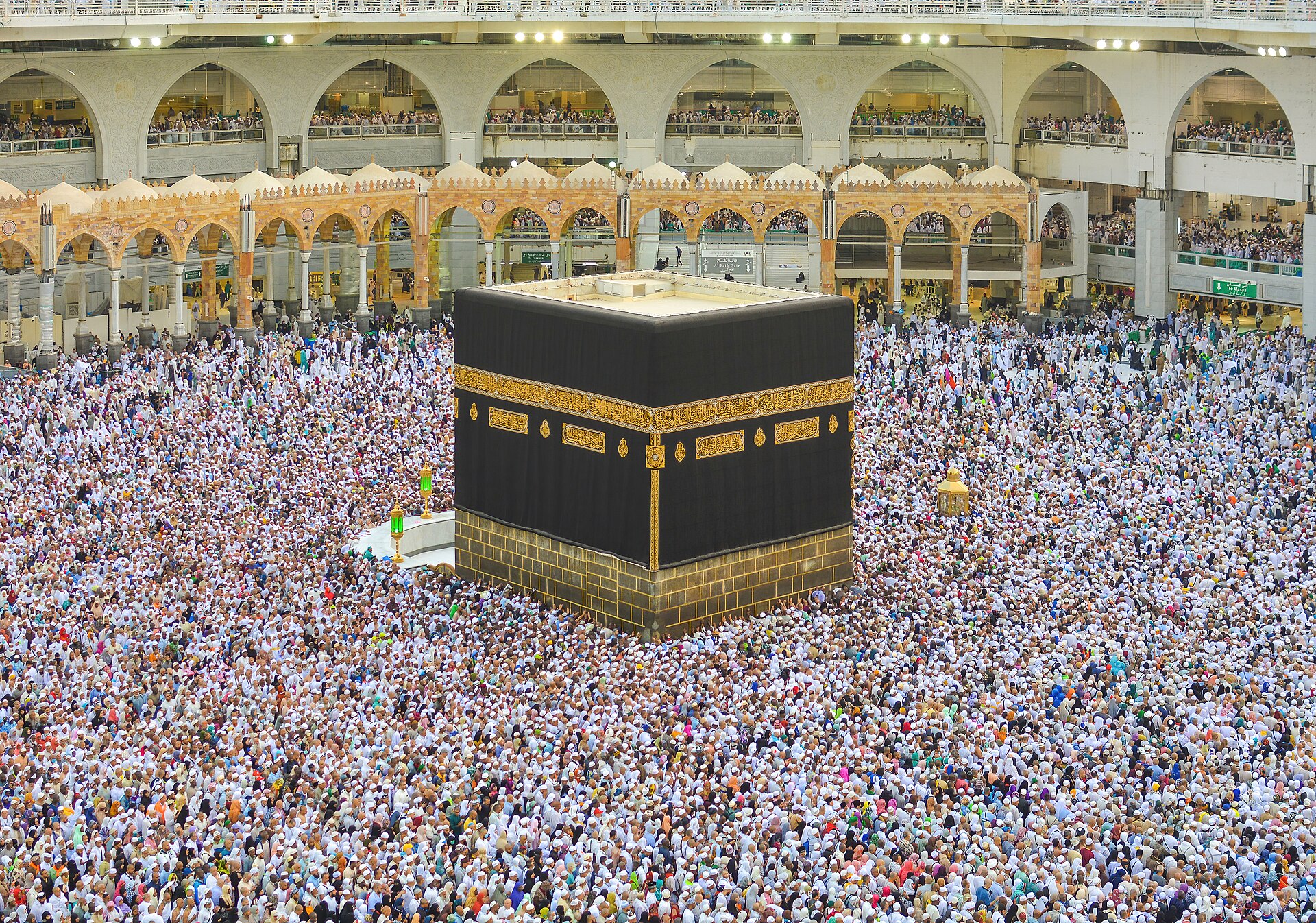
Eid al-Adha coincides with the Hajj pilgrimage and falls on 10 Dhul Hijjah in the Islamic calendar — expected to be Wednesday 27 May 2026, with the public holiday running through 30 May. This is the more solemn of the two Eids, commemorating the Prophet Ibrahim’s willingness to sacrifice his son Ismail. Families who can afford it perform qurbani, the ritual sacrifice of a sheep, goat, or camel, dividing the meat into three portions: one for the family, one for relatives and friends, and one for the poor.
While Eid al-Adha is deeply significant, it coincides with the Hajj season, which means Mecca and Medina are functionally off-limits to non-Hajj visitors. Jeddah’s airport operates at maximum capacity, and hotel prices in the Hejaz region reach their annual peak. If you are not performing Hajj, avoid Mecca, Medina, and Jeddah during this period and consider Riyadh, the Eastern Province, or the Asir highlands instead.
Eid Dates: Why You Cannot Plan to the Day
Both Eids follow the Islamic lunar calendar, and exact dates depend on the physical sighting of the crescent moon by the Saudi authorities. This means the holiday can shift by a day with less than 24 hours’ notice. In practice:
- Eid al-Fitr 2026: Confirmed as Friday 20 March (1 Shawwal 1447 AH)
- Eid al-Adha 2026: Expected Wednesday 27 May (10 Dhul Hijjah 1447 AH), subject to moon sighting
- Government offices: Closed for the entire Eid holiday (3–5 days for Eid al-Fitr, 4–5 days for Eid al-Adha)
- Banks: Closed throughout the Eid period. ATMs remain operational but can run low on cash in busy areas
- Schools and universities: Closed
- Small businesses and independent shops: Many close for 2–3 days minimum; some close for the entire week
- Pharmacies: Most close, though hospital pharmacies remain open. Stock up on prescription medication before Eid
- Public transport: SAPTCO buses run a reduced Eid schedule; the Haramain train operates but may have adjusted timetables
- Malls and shopping centres: Open, often with extended evening hours (typically 4 PM–2 AM). Expect massive crowds, especially on the first two evenings of Eid
- Restaurants: Most reopen for Eid with special menus and extended hours, though some smaller eateries close for the first day. Chain restaurants and hotel dining rooms are reliable
- Hotels: Fully operational
- Hospitals and emergency services: Open
- Petrol stations: Open
- Tourist attractions: Major sites typically open from the second day of Eid, though hours may vary. Check individual venues
- Ride-hailing apps: Uber and Careem operate normally but with surge pricing, especially on Eid evenings
- Mandi: Rice and meat slow-cooked in an underground tandoor, originally from Yemen but hugely popular across Saudi Arabia. The meat is exceptionally tender
- Jareesh: Crushed wheat cooked to a porridge-like consistency with meat, butter, and spices — a traditional Najdi dish served at family gatherings
- Saleeg: Creamy rice cooked in broth until it reaches a risotto-like texture, topped with roast chicken. A Hejazi speciality
- Greetings: Say “Eid Mubarak” (Blessed Eid) or “Kul ‘am wa antum bi-khayr” (May you be well every year). Both are universally appreciated
- Dress: Saudis wear their finest new clothes for Eid. As a visitor, dress modestly and neatly — this is not the time for beachwear or gym clothes in public. Women should follow the standard dress code guidelines
- Invitations: If invited to an Eid meal at a Saudi home, accept. Remove your shoes at the door, eat with your right hand, and compliment the food generously. Bring a small gift — sweets, dates, or chocolates are ideal
- Photography: Ask before photographing people, especially families. Photography rules apply as usual, but the festive atmosphere makes people generally more receptive to photos
- Eidiyyah: You are not expected to give cash gifts to Saudi children, but if you are close to a family and want to participate, small notes (SAR 10–50) will delight younger children
- Book 6–8 weeks ahead for the best balance of price and availability. Travellers who book at least five weeks in advance save approximately 22% compared to last-minute bookings
- Avoid peak departure days: For Eid al-Adha, flying on 25 or 26 May (the Day of Arafah) and returning after 31 May saves significantly compared to departing on the 27th
- Consider alternative hubs: Domestic flights from Dammam or Abha are often cheaper than from Riyadh or Jeddah. A domestic connection to a less congested hub can save more than flying direct
- Carriers: Saudia, flynas, and Riyadh Air all expand domestic capacity during Eid. Compare fares across all three
- Expect 30–60% price premiums during Eid in major cities. In Mecca and Medina during Eid al-Adha, rates can triple
- Book refundable rates where possible — the one-day date uncertainty means your Eid could shift, and rigid bookings become costly
- Highlands fill fast: Abha, Taif, and Al Baha are the domestic Eid al-Adha destinations of choice. Hotels reach near-full occupancy — book early or consider serviced apartments
- The Saudi Arabia hotels guide covers the full range of accommodation options by city and budget
- Mecca–Jeddah corridor: The worst congestion in the country during Eid al-Adha. Avoid unless performing Hajj
- Boulevard City area, Riyadh: Gridlocked every Eid evening. Use the Riyadh Metro (Line 1 stops near Boulevard) or ride-hailing — do not attempt to drive and park
- Taif–Abha mountain roads: Heavy family traffic during Eid al-Adha. Allow extra driving time and keep fuel topped up
- Mall car parks: Expect 30–60 minute waits for parking at major malls on Eid evenings
- Crowd density: Fireworks viewing points, mall entrances, and prayer grounds can get extremely packed. Identify exits before entering crowded areas, especially with children
- Heat: Eid al-Adha falls in late May, when daytime temperatures in Riyadh, Jeddah, and the Eastern Province regularly exceed 42°C (108°F). Outdoor celebrations shift to after sunset for good reason. Stay hydrated, use sunscreen, and refer to the weather guide for what to expect by region
- Pickpockets: Rare in Saudi Arabia, but large Eid crowds attract opportunists. Keep valuables secure in inner pockets
- Driving: Traffic accidents spike during Eid as tired families drive long distances at night. Avoid late-night highway driving, especially on intercity routes
- You may attend open-air Eid prayers as an observer. Stand or sit at the edges, dress modestly, and be respectful. Do not walk through the prayer area
- During Eid al-Adha, the ritual animal sacrifice is visible in some neighbourhoods. If this makes you uncomfortable, stay near commercial areas and hotels where it does not take place in public
- Alcohol is prohibited in Saudi Arabia at all times, including during Eid. There are no exceptions
- The tourist e-visa is valid during Eid periods with no restrictions, though non-Muslims cannot enter Mecca or Medina at any time of year
- Cash: Withdraw SAR before Eid begins. Banks close and ATMs can run dry in busy areas. The currency guide has exchange rate tips
- SIM/eSIM: Buy your eSIM or physical SIM before Eid — telecom shops may close or have long queues
- Medication: Stock up before the holiday. Pharmacies outside hospitals close during Eid
- Smart clothes: Pack at least one outfit suitable for a formal Eid dinner or family visit. Smart casual is fine — no need for a suit, but avoid shorts and flip-flops
- Power adapter: Saudi Arabia uses Type G (UK-style three-pin) plugs. The plug adapter guide has full details
- Patience: Services slow during Eid. Hotel check-ins take longer, restaurant service is stretched, and everything operates on a more relaxed timeline. Adjust your expectations and enjoy the pace
- Saudi Arabia Travel Guide 2026 — The complete guide to visiting the Kingdom
- Hajj 2026 Guide — Dates, registration, costs and everything pilgrims need to know
- Riyadh Season Calendar — Month-by-month events in the capital
- New Year’s Eve in Saudi Arabia — Events, celebrations and where to be
- Saudi Founding Day — How February 22 is celebrated across the Kingdom
- Saudi Arabia Visa Guide — Every visa type explained
Practical tip: Build at least two days of flexibility into your itinerary around Eid. If you have a fixed departure flight, do not book it for what you think is the last day of Eid — it may shift, and rebooking at peak prices is painful. Keep the Absher app installed for real-time government announcements.
What Opens, What Closes
The most common mistake travellers make during Eid is assuming Saudi Arabia operates on a normal schedule. It does not. Here is what to expect.
Closures During Eid
What Stays Open
Important: During both Eids, expect prayer-time closures to be more strictly observed than usual. All businesses pause during the five daily prayer times, but during Eid these pauses can extend to 30–45 minutes as staff and customers attend congregational prayers. Plan meals and shopping around prayer times — the Muslim Pro or Athan apps give exact timings for your location.
Eid Morning: The Prayers
Every Eid begins the same way across Saudi Arabia. Shortly after sunrise — typically 15 minutes after, according to the Umm al-Qura calendar — the entire country gathers for Eid prayers. In 2025, the Ministry of Islamic Affairs prepared over 15,900 mosques and 3,900 open-air prayer grounds (musallas) across the Kingdom for Eid al-Fitr prayers alone.
As a visitor, you are welcome to observe — and in many cases to join — the prayers. Men, women, and children attend, all wearing their best new clothes. The atmosphere is communal and joyful, with worshippers greeting one another with “Eid Mubarak” (Blessed Eid) and distributing sweets to children after the prayer. In Riyadh and Jeddah, the largest open-air prayer gatherings can draw tens of thousands to designated musallas in public parks and open squares.
After prayers, the day pivots to family. In Saudi tradition, extended families gather at the patriarchal home. Children line up before each adult relative to receive eidiyyah — cash gifts pressed into small hands — and the household prepares for an elaborate midday feast.
Eid Celebrations City by City
Riyadh
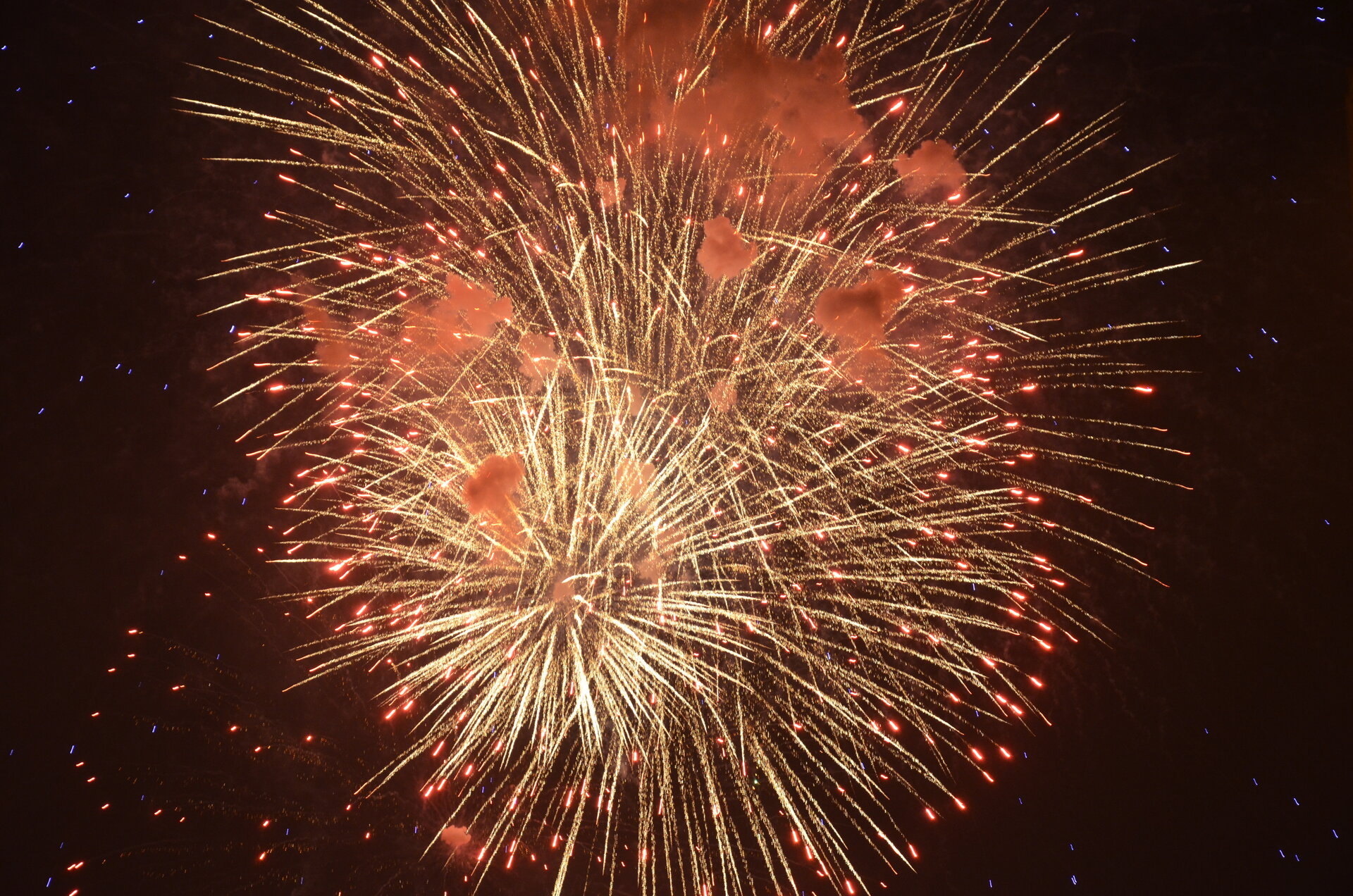
The capital stages Saudi Arabia’s largest Eid celebrations, anchored by Boulevard City, the 220-acre entertainment complex on Prince Turki al-Awwal Road in the Hittin neighbourhood. Opened in October 2019 as the centrepiece of the inaugural Riyadh Season, Boulevard City’s nine sub-zones fill with live performances, roaming entertainers, food stalls, and firework shows every evening during Eid. The nightly fireworks and drone shows at Boulevard Square, typically at 9 PM, have become a defining Eid ritual for Riyadh families.
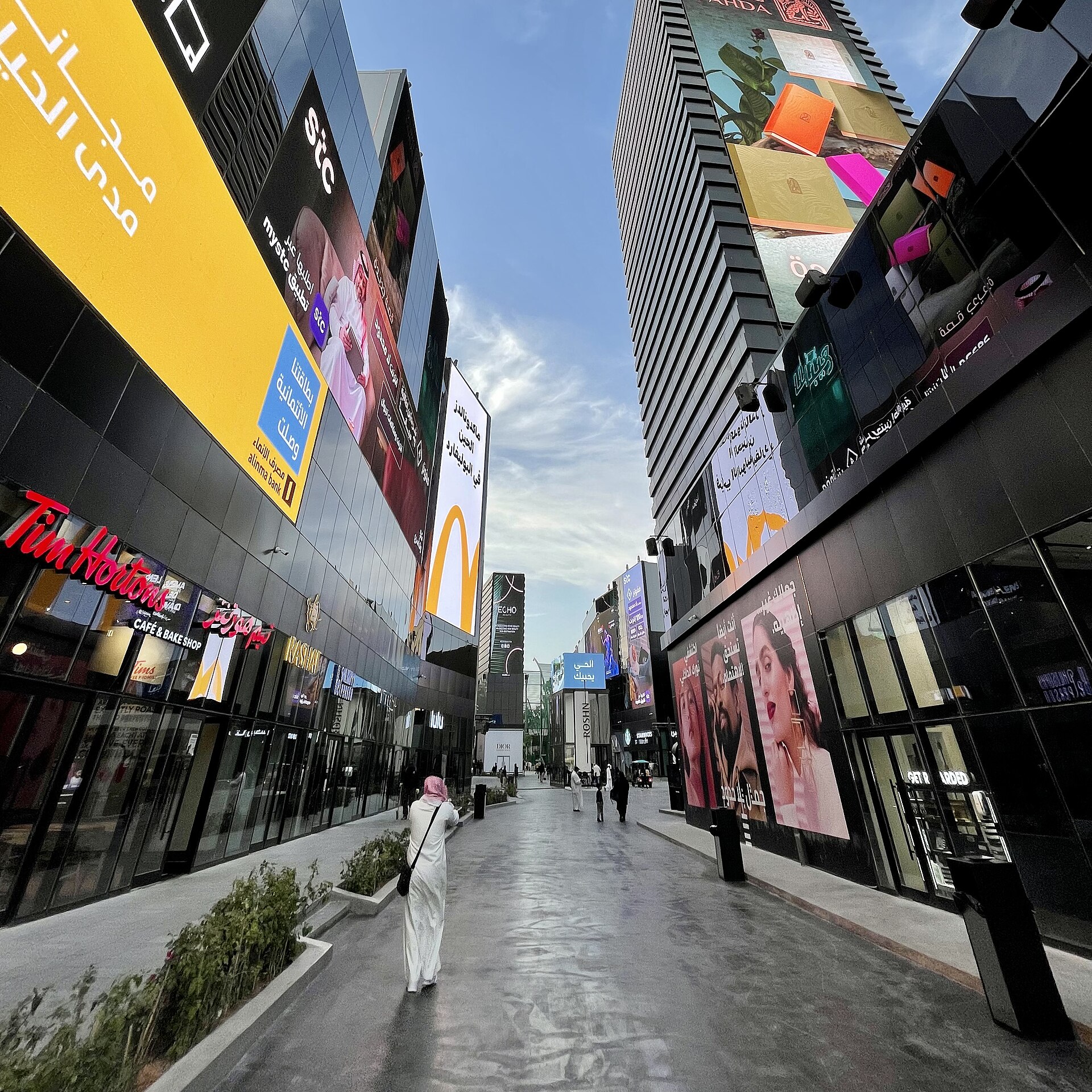
Beyond Boulevard City, U Walk on King Abdullah Road draws crowds with its open-air restaurant strip and live street performances. Kingdom Centre and other major malls see foot traffic spike on Eid evenings, and the Riyadh Zoo and King Abdullah Park are popular family destinations during the daytime. For a quieter Eid experience, head to the historic Diriyah district, where Eid decorations complement the mud-brick architecture of At-Turaif.
Jeddah
Jeddah’s Eid celebrations centre on the Corniche, the city’s sweeping Red Sea waterfront promenade. Large-scale fireworks illuminate the coastline, families spread picnics along the waterfront parks, and seasonal food stalls serve everything from shawarma to cotton candy. The Jeddah Waterfront area — stretching from the Floating Mosque past the Jeddah Yacht Club — fills with evening strollers, and the atmosphere is distinctly more relaxed than Riyadh’s organised mega-events.
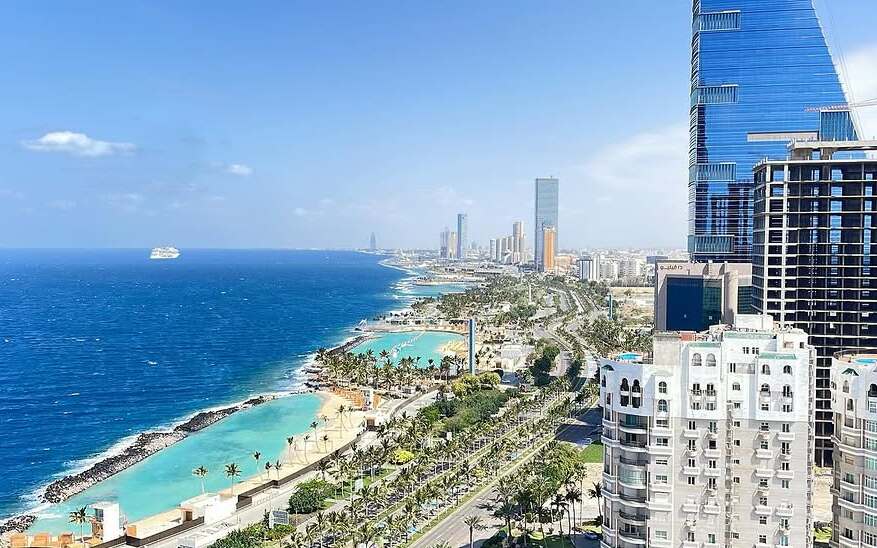
The historic Al Balad district — Jeddah’s UNESCO World Heritage-listed old town — takes on a festive atmosphere during Eid, with special decorations adorning the coral-stone merchant houses. The neighbourhood’s narrow alleyways and traditional souks are worth exploring, though they get busy. Jeddah’s malls, particularly Red Sea Mall and Mall of Arabia, run Eid-specific entertainment programmes including children’s shows and prize draws.
Eid al-Adha warning: During Eid al-Adha, Jeddah serves as the main arrival gateway for Hajj pilgrims. King Abdulaziz International Airport operates at maximum capacity, traffic around the city is severe, and hotel availability drops sharply. Unless you are performing Hajj, consider visiting Jeddah during Eid al-Fitr instead.
The Eastern Province
If you want a less crowded Eid experience, Dammam and Al Khobar in the Eastern Province offer a more relaxed pace. The Khobar Corniche hosts family gatherings and informal fireworks, and the cooler sea breezes make evening strolls pleasant even in the late-May heat of Eid al-Adha. The region’s large expatriate community means more restaurants stay open during the holiday than in other cities.
The Highlands: Abha, Taif, and Al Baha
Saudi families flock to the Asir highlands during Eid al-Adha, seeking relief from the lowland heat. Abha and Taif see hotel occupancy approach 100% during this period, and the mountain roads can be congested. If you plan to visit, book accommodation at least six weeks in advance. The payoff is significant: temperatures in the mid-20s Celsius, misty mountain scenery, and the chance to experience Eid celebrations in traditional highland Saudi communities where customs have changed little in generations.
Eid Food: What to Eat and Where
Eid in Saudi Arabia is inseparable from food. The holiday feasts are among the most elaborate meals in the Saudi calendar, and as a visitor you will almost certainly be invited to share one — Saudi hospitality during Eid reaches extraordinary levels.
The Eid Feast
Kabsa — Saudi Arabia’s national dish — anchors most Eid tables. Long-grain rice cooked with a complex spice blend of dried lime, cinnamon, cardamom, and cloves, served beneath slow-cooked lamb, goat, or chicken. During Eid al-Adha, lamb kabsa takes centre stage, using meat from the sacrificial animal. You will also find:
Eid Sweets
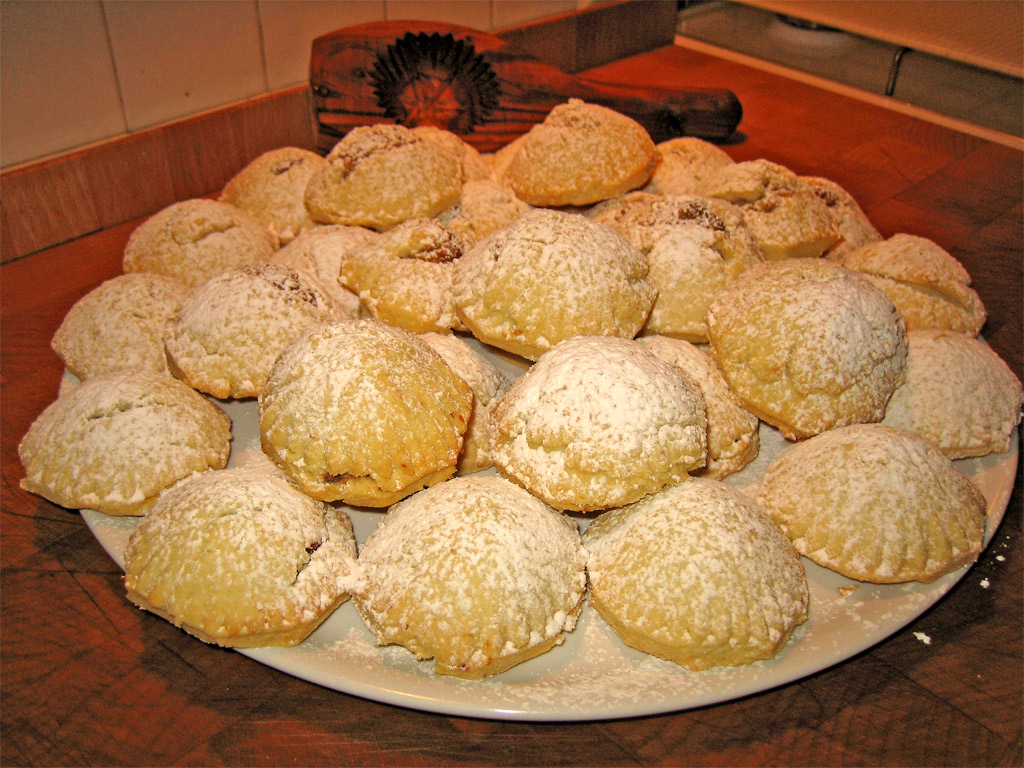
Maamoul are the quintessential Eid sweet: small shortbread pastries pressed into decorative moulds and filled with dates, pistachios, or walnuts, then dusted with powdered sugar. They are served with Arabic coffee in every household and are often exchanged as gifts. Other common Eid desserts include kunafa (semolina pastry layered with cream cheese and soaked in rose syrup), baklava, and debyaza (a fruit and nut dessert sweetened with sugar syrup).
For the best Eid dining outside of private homes, head to traditional Saudi restaurants — the food tour operators in Riyadh and Jeddah often run special Eid programmes. Hotel restaurants are a reliable fallback when smaller eateries are closed.
Eid Etiquette for Visitors
Saudi Arabia is generous to visitors during Eid, but there are cultural norms worth understanding. Following the basic Saudi customs and etiquette rules will serve you well:
Booking Strategy: Flights, Hotels, and Saving Money
Eid is the most expensive time to travel within and to Saudi Arabia. Domestic room-night bookings surge by approximately 39% year-on-year during Eid periods, and airlines deploy every available aircraft to meet demand. In 2026, Saudia added 20 extra flights between Riyadh, Jeddah, and Red Sea destinations just for Eid al-Fitr.
Flights
Hotels
Car Rental
Rental cars are in high demand during Eid, especially in highland destinations. Book in advance and be aware that return dates may need adjusting if the holiday extends. Fuel stations remain open, but expect longer queues in rural areas.
Traffic, Crowds, and Getting Around
Saudi traffic is notoriously intense during Eid, and certain areas become near-impassable:
Pro tip: Eid mornings (before noon) are surprisingly quiet on the roads — everyone is at prayers or family gatherings. This is the best time to drive between cities or visit attractions that open early. The chaos begins after 4 PM and peaks between 8 PM and midnight.
Safety Considerations
Eid is generally safe for tourists, but the sheer volume of people in certain areas requires awareness:
Eid for Non-Muslim Visitors
You do not need to be Muslim to enjoy Eid in Saudi Arabia. The public celebrations — fireworks, food, entertainment, and the general atmosphere of generosity — are open to everyone. Many Saudis will actively go out of their way to include foreign visitors in celebrations, offering food, explaining customs, and extending invitations.
A few things to keep in mind:
Packing and Practical Tips
Should You Visit Saudi Arabia During Eid?
If you want to see Saudi Arabia at its most joyful and hospitable, yes — emphatically. Eid is one of the few windows when the Kingdom’s private family culture opens up to outsiders. The fireworks are spectacular, the food is extraordinary, and the warmth of Saudi hospitality during Eid is unlike anything else in the region.
If you need efficient transport, reliable opening hours, and a full menu of tourist sites operating on a normal schedule, Eid is the wrong time. Come a week before or after instead — prices drop, crowds thin, and everything runs on schedule. The April travel guide covers what to expect in the weeks that typically follow Eid al-Fitr.
The best approach? Plan for the closures, embrace the celebrations, and let Eid show you a side of Saudi Arabia that the malls and megaprojects never will.