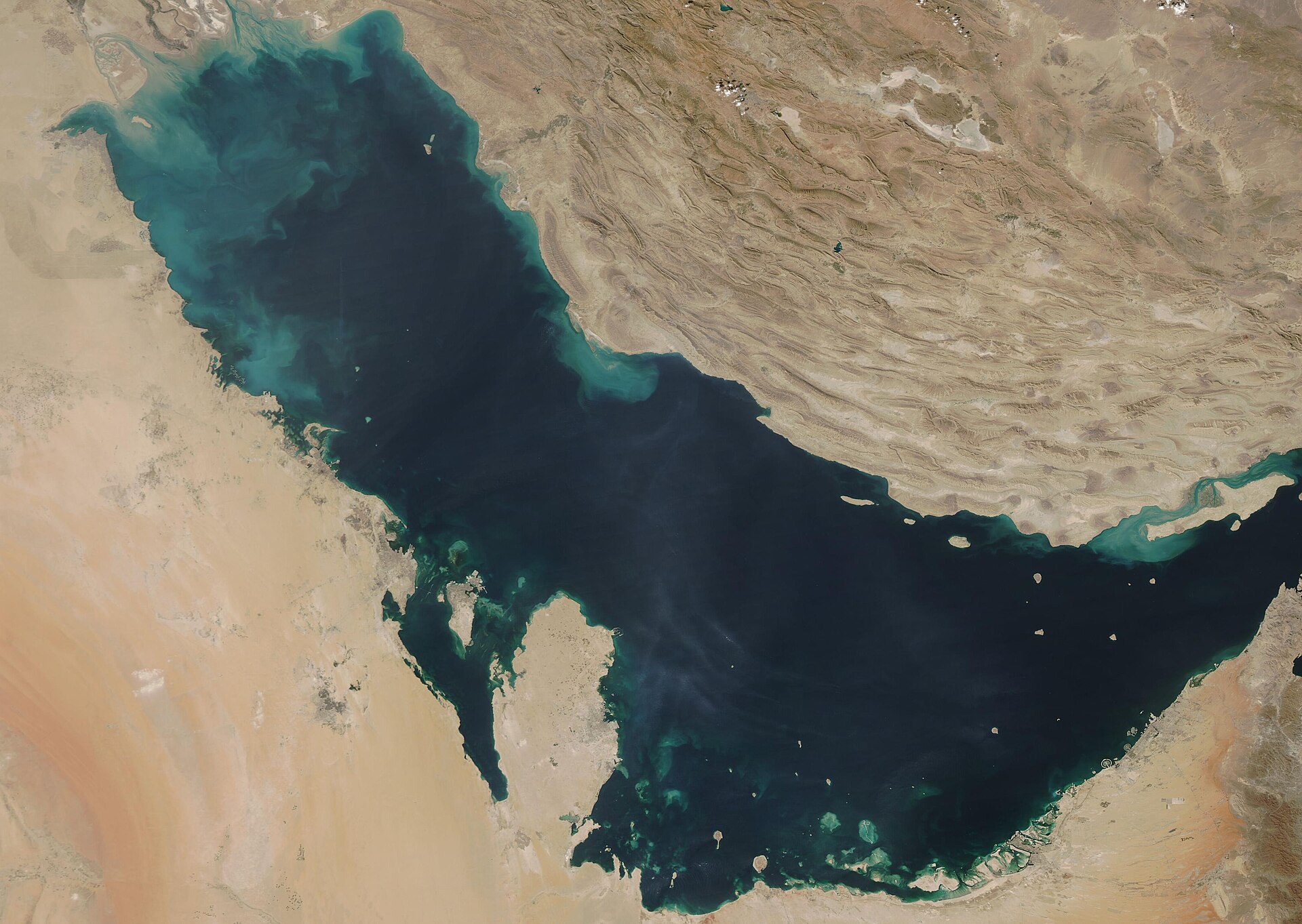
ISLAMABAD — President Donald Trump extended the Iran ceasefire indefinitely on Tuesday afternoon, reversing his own morning declaration that extension was “highly unlikely” and demanding that Iran’s “seriously fractured” government produce a “unified proposal” — a condition that Iran’s constitutional architecture, absent supreme leader, and warring factions make structurally impossible to meet. The announcement, delivered via two Truth Social posts after a White House meeting with his national security team, came less than 24 hours before the original April 22 expiry and 72 hours after the USS Spruance fired on and boarded the Iranian cargo ship Touska in a six-hour Gulf of Oman standoff that Iran called “maritime piracy and state terrorism.”
Trump’s language — “seriously fractured, not unexpectedly so” — marks the first time a sitting US president has publicly adopted what analysts have termed Iran’s authorization ceiling as stated diplomatic rationale, naming the internal fracture between Iran’s elected government and its IRGC military command not as an obstacle to overcome but as the condition upon which American strategy now explicitly depends. The ceasefire, declared April 8, now has no end date, no defined negotiating framework, and no US delegation en route to Pakistan — while Iran’s Foreign Ministry, its lead negotiator, and the commander of Khatam al-Anbiya all issued statements on the same day rejecting the premise of further talks under what Foreign Minister Abbas Araghchi called “an act of war.”
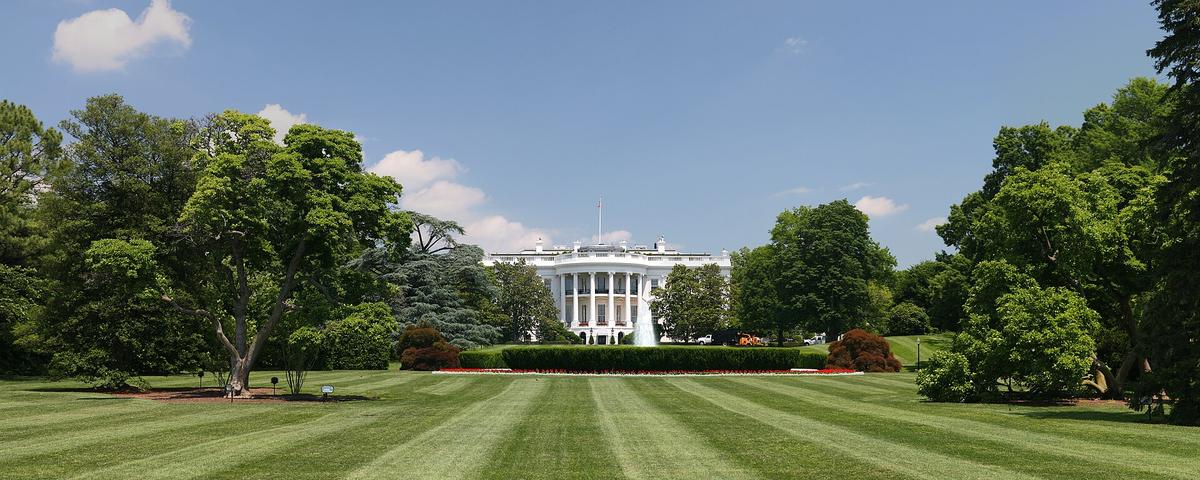
Table of Contents
The Six-Hour Reversal
Trump told CNBC’s Squawk Box on the morning of April 21 that extending the ceasefire was “highly unlikely,” adding that “we’re not going to open the strait until we have a final deal” — language consistent with the maximum-pressure posture his administration had maintained since the April 13 naval blockade turned back 25 commercial vessels from Iranian ports. Within four to six hours, after Witkoff and Kushner arrived at the White House around 2:30 p.m. ET following a flight from Miami, Trump posted the first of two Truth Social statements reversing that position entirely.
“Based on the fact that the Government of Iran is seriously fractured, not unexpectedly so and, upon the request of Field Marshal Asim Munir, and Prime Minister Shehbaz Sharif, of Pakistan, we have been asked to hold our Attack on the Country of Iran until such time as their leaders and representatives can come up with a unified proposal,” Trump wrote. The second post followed shortly: “I have therefore directed our Military to continue the Blockade and, in all other respects, remain ready and able, and will therefore extend the Ceasefire until such time as their proposal is submitted, and discussions are concluded, one way or the other.” None of the US delegation — Vance, Witkoff, or Kushner — departed for Pakistan, and unnamed Trump administration officials told Fortune that the posts “risk killing peace talks.”
The intra-day reversal mirrors the pattern established throughout the crisis: Trump’s April 6 deadline was extended to April 8, then reset by the Islamabad Accord, then allowed to drift toward an April 22 expiry — except this time there is no end date at all, and the stated condition for resolution is not a timeline but a structural demand placed on an adversary’s internal governance. Each previous extension carried at least a notional deadline; this one carries only a condition that the adversary’s constitutional architecture is designed to prevent from being met.
What Does “Unified Proposal” Actually Require?
The phrase “unified proposal” from Iran’s “leaders and representatives” presupposes that Iran’s government can produce a single, authoritative negotiating position — a presupposition that Iran’s constitutional architecture explicitly prevents. Under Article 110 of the Islamic Republic’s constitution, the Supreme Leader holds direct authority over the armed forces and the IRGC; the elected president, currently Masoud Pezeshkian, has zero command authority over the military institutions that control Hormuz, the nuclear program, and the missile arsenal. Pezeshkian publicly accused IRGC commander Ahmad Vahidi and Khatam al-Anbiya’s Ali Abdollahi on April 4 of wrecking the Islamabad ceasefire framework — a confession that the president cannot compel the compliance of the commanders whose forces are the subject of any deal.
The Middle East briefing 3,000+ readers start their day with.
One email. Every weekday morning. Free.
The Supreme Leader position, held by Mojtaba Khamenei since his election under IRGC pressure on March 7, has been functionally vacant for over 44 days — Mojtaba has communicated only via audio statement, has issued no public orders to the IRGC, and has not appeared in any visual medium since assuming office. Vahidi controls the IRGC operational command; Abdollahi commands Khatam al-Anbiya, the construction and engineering conglomerate that doubles as a military-industrial command structure; and the Supreme National Security Council, chaired by Ali Akbar Ahmadian with sanctioned deputy Amir Ali Hajizadeh’s replacement Zolghadr as secretary, operates under Article 176 as the constitutional body that coordinates military and diplomatic positions — except Zolghadr’s “deviation from delegation’s mandate” report on April 14 triggered the walkout from Islamabad that ended round two before it began.
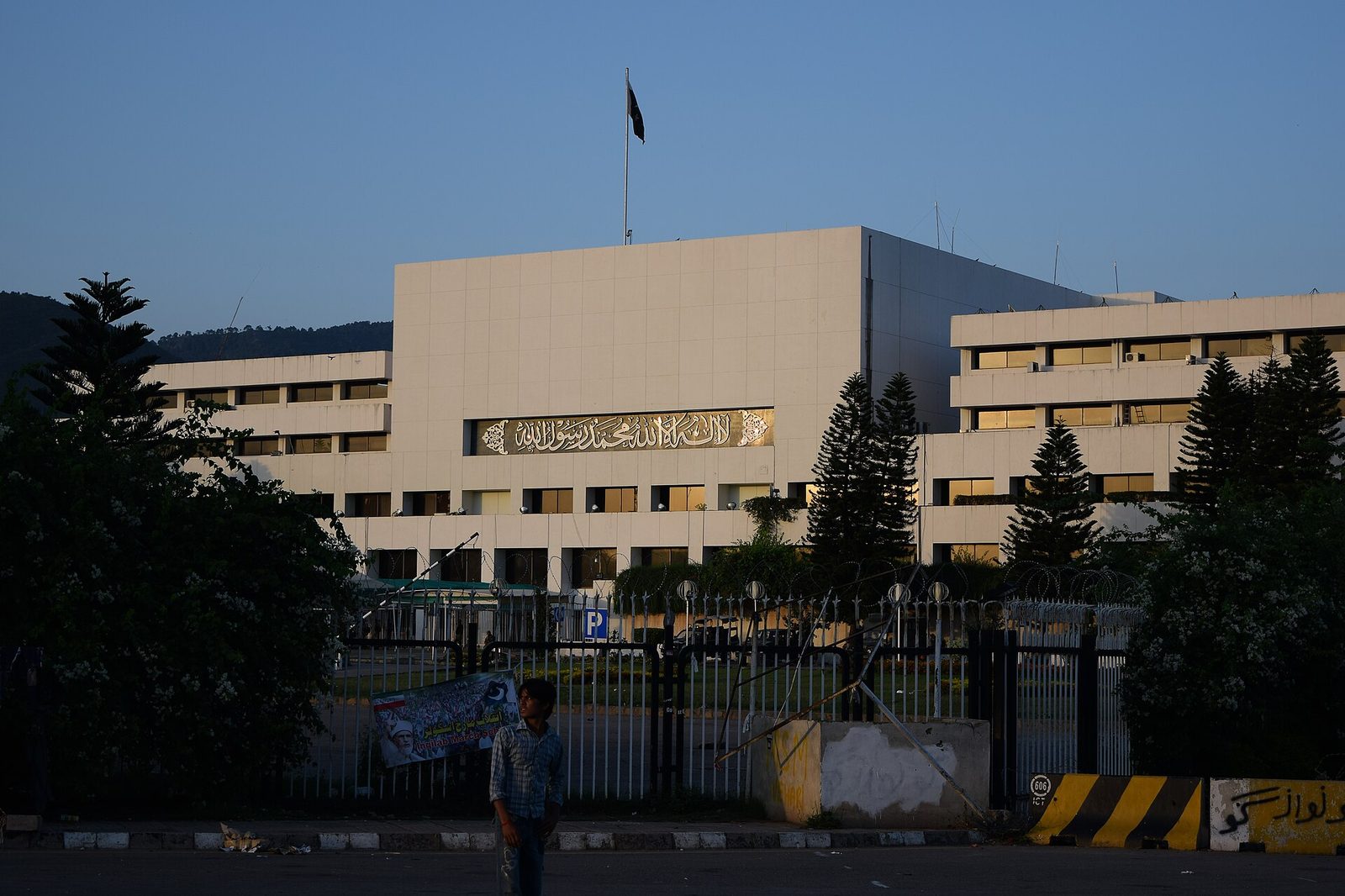
Trump’s demand therefore requires the alignment of at least four power centers — the presidency, the Supreme Leader’s office, the IRGC command, and the SNSC — that have been publicly and operationally at war with each other since the ceasefire’s first week. The Foundation for Defense of Democracies’ assessment that “five men run Iran” excludes Pezeshkian from the list, and the commander Trump’s condition implicitly addresses — Abdollahi — issued a threat on the same day Trump made the demand, warning that “we are ready to give a decisive response to the enemy’s breach of covenant.”
Iran’s Four Rejections in One Day
Iran’s response to the indefinite extension was not a single statement but a coordinated four-front rejection that itself illustrated the fracture Trump named. Foreign Ministry spokesperson Esmaeil Baghaei said Tehran’s hesitation in returning to talks was “because of contradictory messages, contradictory behaviors, and unacceptable actions by the American side,” adding that Iran would join negotiations “whenever they become results-oriented” — language that conditions return on American behavioral change rather than Iranian internal alignment. Araghchi, speaking separately, called the US naval blockade “an act of war” and a violation of the ceasefire itself, framing the “unified proposal” demand as illegitimate when made under military coercion.
Do not accept negotiations under the shadow of threats.
Mohammad Bagher Ghalibaf, lead Iranian negotiator, April 21, 2026
Ghalibaf — the lead Iranian negotiator who served as IRGC Aerospace Force commander from 1997 to 2000 and who reversed his own attendance decision at the Islamabad talks — told Al Jazeera on April 21 to “do not accept negotiations under the shadow of threats,” a statement that simultaneously rejected the US framework and positioned himself against those within Iran’s government who might accept it. IRGC-aligned Tasnim News Agency reported that Iranian negotiators had informed US counterparts through Pakistan that they would not appear for further talks — a channel choice confirming that the refusal extends beyond the Foreign Ministry to the IRGC-aligned media infrastructure, with Pakistan left as the sole remaining conduit. Abdollahi’s same-day warning of a “decisive response to the enemy’s breach of covenant” completed the picture: the military wing signaling non-compliance with any diplomatic process while the diplomatic wing refused to participate in one.
Why Did Pakistan Request the Extension?
Trump credited Pakistan by name — “upon the request of Field Marshal Asim Munir, and Prime Minister Shehbaz Sharif” — a level of personal attribution unusual in presidential statements on military operations and one that places Pakistan’s leadership visibly on the American side of a demand that Iran will interpret as hostile. Pakistan occupies a structurally impossible position in this conflict: it is simultaneously Iran’s interlocutor (Munir visited Khatam al-Anbiya headquarters on April 16, meeting with Abdollahi’s command staff), Saudi Arabia’s treaty ally under the September 2025 Saudi-Pakistan Mutual Defense Agreement, and Iran’s protecting power in the United States since 1992 — the diplomatic channel through which Iran communicates with Washington in the absence of bilateral relations.
The extension request makes strategic sense for Islamabad on multiple axes: the $5 billion Saudi loan maturing in June 2026 requires Riyadh’s continued goodwill; Pakistan’s 27th Constitutional Amendment concentrated foreign policy authority in the military establishment under Munir, making the ceasefire portfolio his personal operation rather than the elected government’s; and the original April 22 expiry coincided with the first departure of Indonesia’s 221,000 Hajj pilgrims, creating a scenario in which a ceasefire collapse could disrupt Muslim-majority nations’ most important religious obligation. Foreign Minister Ishaq Dar, the third member of Pakistan’s mediating team, has staked his diplomatic credibility on producing a framework — but the 21 hours of talks across three rounds in Islamabad on April 11-12 produced no agreement, and Iran’s refusal to send a delegation for the planned follow-up left Vance facing an empty table.
The Touska Seizure and the Blockade Escalation
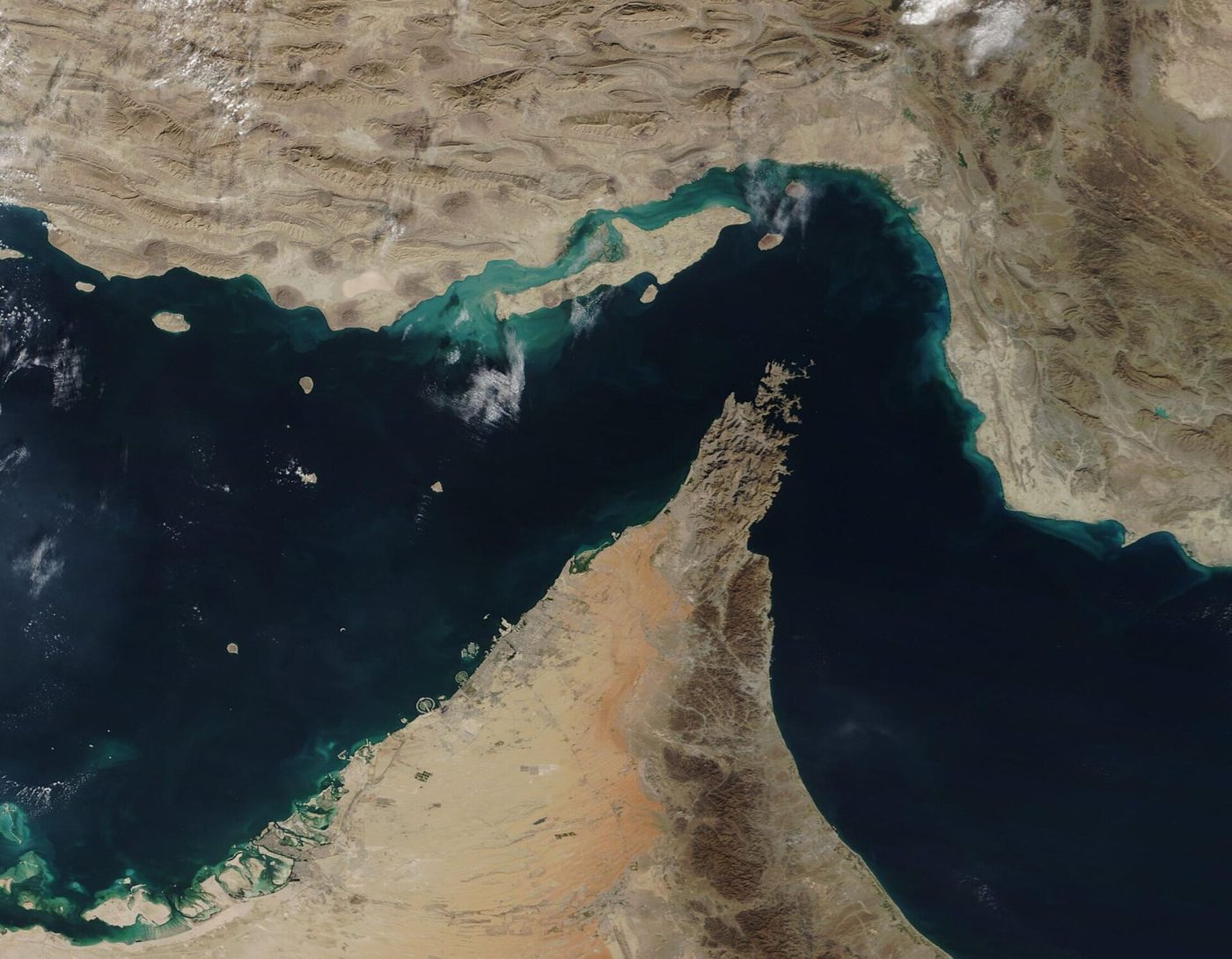
The proximate trigger for Iran’s refusal to return to Islamabad was not Trump’s rhetoric but the USS Spruance’s interdiction of the Iranian-flagged cargo ship Touska on April 19, two days before the ceasefire was due to expire and during what Iran’s Foreign Ministry described as the operative period of the cessation of hostilities. The Arleigh Burke-class destroyer engaged the Touska in a six-hour standoff in the Gulf of Oman before firing to disable the vessel, after which US Marines from the 31st Marine Expeditionary Unit boarded and seized it — an operation that Iran called “maritime piracy and state terrorism” and that Araghchi cited specifically as evidence that the blockade constitutes “an act of war” incompatible with ceasefire conditions.
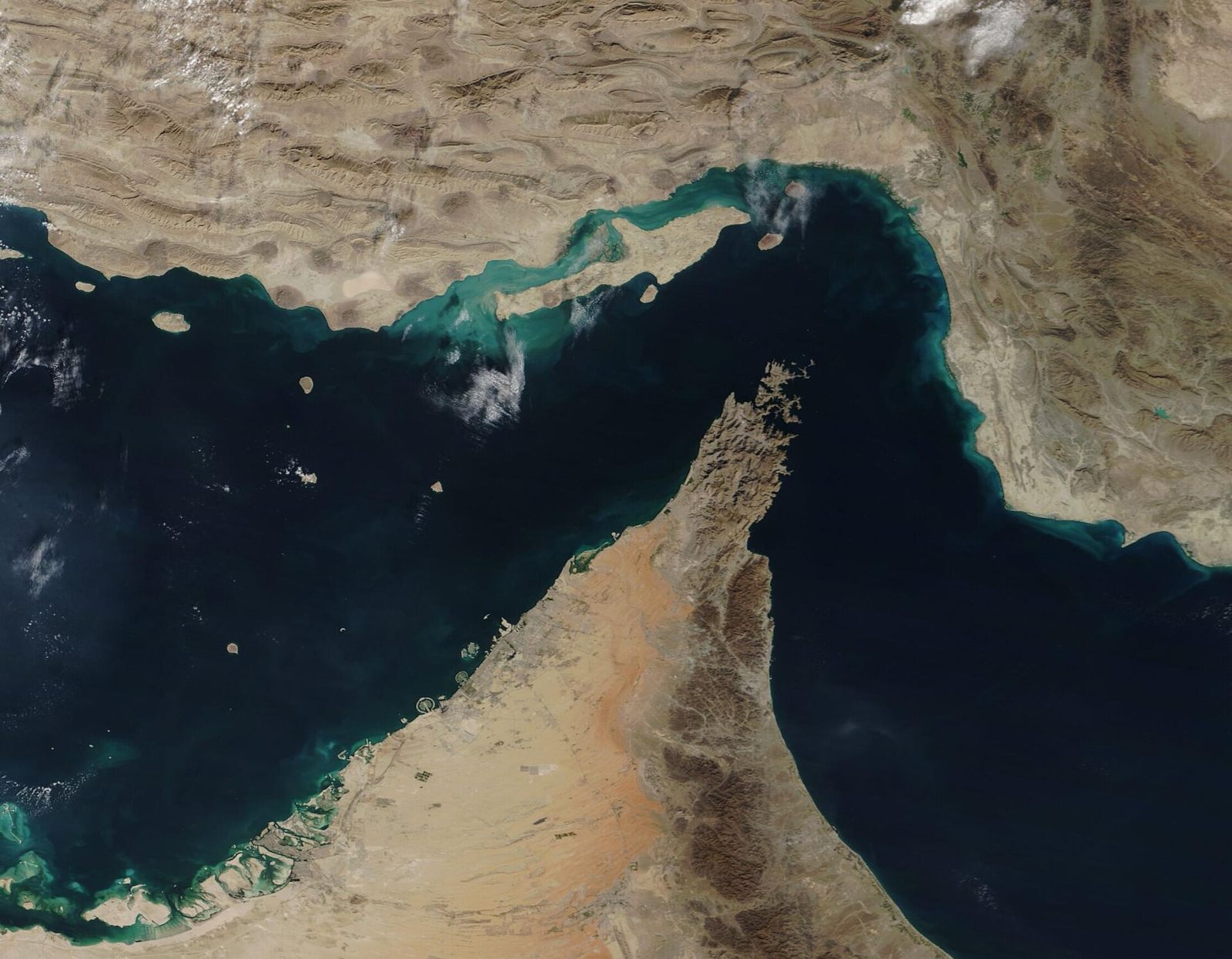
The blockade itself, effective since April 13, has turned back 25 commercial vessels from Iranian ports and applies to Iranian-flagged ships and vessels paying Iran’s unilateral Hormuz toll — a toll that has collected zero revenue in its first 36 days despite 60 permits issued and 8 payment requests sent. The IRGC’s declaration of the standard shipping lanes as a “danger zone” has funneled remaining traffic through a narrow five-nautical-mile corridor between Qeshm and Larak islands inside Iranian territorial waters. Trump’s second Truth Social post confirmed that the blockade would continue through the indefinite extension — meaning Iran faces an open-ended economic siege with no timeline for relief and a demand for internal political consensus as the price of its removal.
The Hajj Clock and the Saudi Fiscal Trap
Brent crude spiked to $99.78 intraday on April 21 when Trump signaled no extension, then settled at $98.48 after the reversal — still $10 to $13 below Saudi Arabia’s fiscal break-even of $108 to $111 per barrel as calculated by Bloomberg’s PIF-inclusive methodology, and still above the $90 threshold at which Goldman Sachs projects a Saudi war-adjusted budget deficit of 6.6 percent of GDP against the official 3.3 percent projection. WTI settled at $92.13, compressing the Brent-WTI spread to $6.35 and reflecting continued uncertainty about whether the blockade will hold.
Saudi production in March collapsed to 7.25 million barrels per day, down from 10.4 million in February — a 30 percent drop that the IEA called “the largest disruption on record” — and the East-West Pipeline bypass to Yanbu operates at a ceiling of 4 to 5.9 million bpd against the pipeline’s 7 million bpd design capacity, leaving a structural gap of 1.1 to 3.0 million bpd that no amount of diplomatic extension can close while the Strait remains functionally contested. The OPEC+ April quota of 10.2 million bpd for Saudi Arabia sits approximately 3 million barrels above actual output, a paper allocation that confirms the physical reality of the supply disruption.
The Hajj calendar compounds every dimension of the crisis: Indonesia’s first Hajj departure of 221,000 pilgrims was set for April 22, the original ceasefire expiry, and the pilgrimage window extends to the Day of Arafah on May 26 — 34 days past the original deadline. Saudi Arabia’s PAC-3 missile defense inventory stands at approximately 400 rounds, 14 percent of the pre-war stockpile of 2,800, defending an estimated 1.2 to 1.5 million pilgrims across a Hajj season during which the ceasefire’s only guarantee is a Truth Social post and a blockade that the adversary calls an act of war.
Background
The Iran-US conflict entered its active phase on February 28, 2026, with the first US strikes and Iran’s simultaneous closure of the Strait of Hormuz to hostile-linked traffic. The ceasefire declared April 8 followed 21 hours of talks in Islamabad between Ghalibaf’s Iranian delegation and Vance’s US team on April 11-12, which produced no binding agreement. Iran’s authorization ceiling — the structural inability of any single faction to commit the state to a deal — has been documented throughout the conflict, from Pezeshkian’s April 4 accusation of Vahidi and Abdollahi through Zolghadr’s April 14 walkout report to Mojtaba Khamenei’s functional absence since March 7. Pakistan emerged as the sole mediating power after Saudi Arabia was excluded from the Islamabad bilateral framework and Oman’s transport minister publicly rejected Iran’s toll demands. The OFAC General License U for Iranian oil purchases expired at 12:01 AM EDT on April 19 without renewal, while Russia’s equivalent GL 134A was quietly extended the same day — a carve-out that isolates Iran specifically as a coercive signal.
Trump’s public adoption of the “fractured government” thesis as diplomatic strategy draws on a pattern established across the crisis: Iran’s military commanders have repeatedly overridden diplomatic commitments, from the IRGC Navy’s Hormuz “full authority” declaration during the Islamabad talks to Ghalibaf’s citation of three ceasefire violations — Lebanon strikes, Lar drone operations, and enrichment restrictions — that fall outside Pakistan’s power to adjudicate. The indefinite extension, paired with the continued blockade, creates a framework in which the US position requires no active diplomacy and only sustained pressure — while the demand that Iran’s internal contradictions resolve themselves runs directly against the constitution those contradictions are built into.
FAQ
Has Iran accepted the ceasefire extension? Iran has not formally accepted or rejected the extension as a framework. The Foreign Ministry said Iran would join talks “whenever they become results-oriented,” while Araghchi called the blockade an “act of war” and Ghalibaf rejected “negotiations under the shadow of threats.” Tasnim reported that negotiators informed the US through Pakistan that they would not attend further talks, and Abdollahi issued a same-day military threat — meaning multiple Iranian power centers simultaneously rejected engagement without any single authority speaking for the state, which is itself evidence of the fracture Trump named.
What happened to the Witkoff and Kushner trip to Pakistan? Neither Witkoff nor Kushner departed for Pakistan. Both were seen arriving at the White House around 2:30 p.m. ET on April 21 after traveling from Miami, and Vance — whom Iran reportedly prefers as lead negotiator because Tehran considers Witkoff and Kushner “unserious and too close to Israel,” according to a former diplomat cited by Fortune — also remained in Washington. The indefinite extension means there is no scheduled next round and no US delegation assigned to conduct one.
What is the Touska and why does it matter? The Touska is an Iranian-flagged cargo vessel that the USS Spruance intercepted, fired upon, and boarded in the Gulf of Oman on April 19 after a six-hour standoff, with US Marines from the 31st Marine Expeditionary Unit seizing the ship. Iran cited the incident as the immediate reason for refusing to return to Islamabad — and Araghchi used it as the basis for his assertion that the US blockade constitutes “an act of war” that violates the ceasefire the US simultaneously claims to be extending.
Can Pakistan actually deliver a “unified” Iranian proposal? Pakistan’s leverage is real but structurally limited. Munir visited Abdollahi’s Khatam al-Anbiya headquarters on April 16 and has direct communication channels with both the IRGC command and the Iranian Foreign Ministry. Pakistan cannot resolve the Article 110 split between presidential and supreme leader authority, cannot compel Vahidi to accept constraints his forces reject, and cannot substitute for the absent Mojtaba Khamenei’s ratification of any SNSC decision — meaning Islamabad can broker meetings but cannot produce the internal Iranian consensus that Trump’s demand requires.
What is the next potential deadline? There is no formal deadline. The extension is open-ended (“until such time as their proposal is submitted”), and the blockade continues in parallel. The next structural pressure point is the Day of Arafah on May 26, the climax of Hajj, after which Saudi Arabia’s need to defend pilgrims diminishes and the US military calculus may shift. The $5 billion Saudi loan to Pakistan maturing in June 2026 creates a secondary timeline that constrains Islamabad’s freedom to break with Riyadh on mediation strategy.
Iran’s IRGC responded to the ceasefire extension within hours, seizing the MSC Francesca and Epaminondas in the Strait of Hormuz — the fourth documented tit-for-tat seizure cycle since 2019, and the first physical confirmation that the IRGC does not recognise the extension Trump announced.
A separate mechanism — how Trump’s own Truth Social posts turned a bridgeable 15-year enrichment moratorium gap at Islamabad into a categorical Iranian denial — is examined in Trump’s Truth Social Posts Killed an Iran Nuclear Deal That Was Closer Than Anyone Reported — and Saudi Arabia Is Paying the Price.