
{“content”: “
Table of Contents
n
- n
- The Courier Window That Closed on Television
- Who Was Managing the Principal Track?
- Iran’s Lebanon Precondition
- Can Saudi Arabia Reach Either Side?
- The Price of Going Silent
- Background
- Frequently Asked Questions
- n
n
The Middle East briefing 3,000+ readers start their day with.
One email. Every weekday morning. Free.
n
n
n
n
n
n
n
n
n
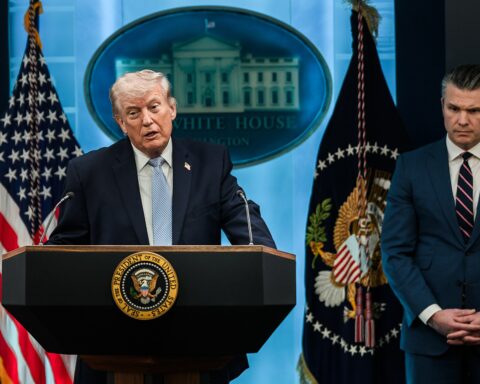
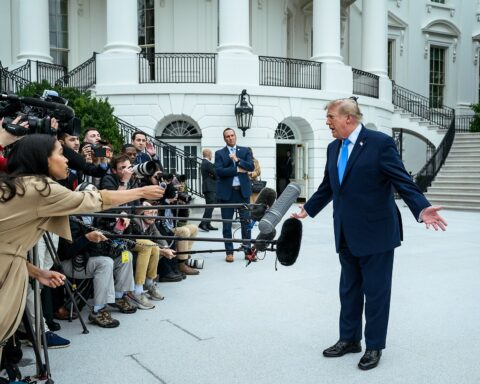
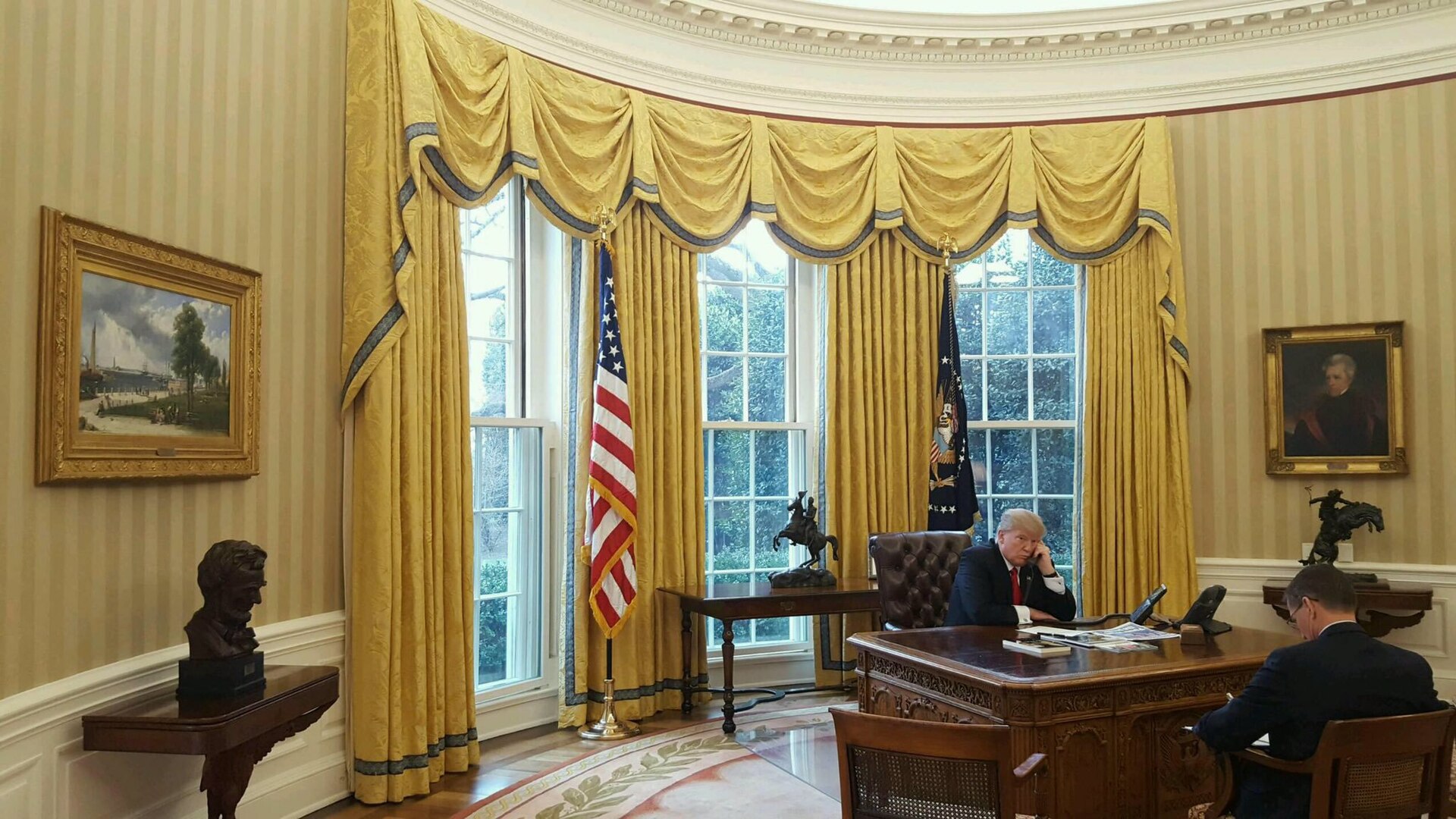
WASHINGTON u2014 President Donald Trump told NBC News on June 1 that he had “not been informed” Iran had suspended all mediator-channel negotiations over the memorandum of understanding, confirming that the White House learned of the collapse from a reporter’s question rather than from its own negotiating apparatus. Trump ruled out military escalation in response.
n
“But they haven’t informed us of that,” Trump said in a phone interview. He described the appropriate response as inaction: “It doesn’t mean we’re going to go and start dropping bombs all over there. We’ll just go silent. We’ll keep the blockade. Blockade is a piece of steel.”
n
Iran’s negotiating team announced the suspension through Tasnim News Agency, the IRGC-affiliated outlet, citing Israeli military operations in Lebanon as a ceasefire violation. “Considering that Lebanon was one of the preconditions for the ceasefire and that this ceasefire has now been violated on all fronts, including Lebanon, the Iranian negotiating team is suspending dialogues and exchange of texts through mediators,” the Tasnim report stated (Euronews, June 1). Brent crude jumped 6.7% to $97.23 per barrel within hours. WTI rose 7.8% to $94.20 (CNBC, June 1).
n
The suspension came on Day 94 of the Iran war, inside a 72-hour courier window that had opened May 31 when Trump dispatched hardened MOU amendments to Mojtaba Khamenei’s underground bunker via motorcycle courier through Pakistan. The courier’s return trip was supposed to carry a counter-amendment. Instead, the channel itself closed.
n
n
The Courier Window That Closed on Television
n
Trump’s May 31 amendments demanded that the US specify “how the US gets the material and the timing” for Iran’s 440.9 kg stockpile of 60% enriched uranium u2014 folding Phase 2 nuclear requirements into Phase 1 of the MOU’s 60-day framework. The amendments traveled to Mojtaba Khamenei via motorcycle courier through Pakistan, replacing the earlier Oman indirect channel. The 72-hour minimum response time reflected physical logistics: a courier rides to a handoff point, the message moves to Khamenei’s underground location, advisers draft a response, the courier returns.
n
Iran’s answer bypassed the courier entirely. Tasnim published the suspension announcement on June 1, hours before any courier return was plausible. The Pakistani channel u2014 the last remaining indirect mechanism for exchanging MOU text u2014 was not used to communicate the decision. Trump confirmed this when he told NBC he had received no notification through any channel.
n
As recently as May 31, Vice President JD Vance had told CBS the MOU was “going back and forth on a couple of language points.” Within 24 hours, there was no channel left to go back and forth on.
n
CENTCOM struck Iranian radar and drone sites at Goruk and Qeshm Island on June 1 (Al Jazeera). The IRGC retaliated by launching missiles and drones at Ali Al-Salem Air Base in Kuwait the same day (Al Jazeera). Neither event altered the diplomatic picture; both confirmed that military operations continued without reference to any negotiating channel.
n
Who Was Managing the Principal Track?
n
Trump has named at least four officials as participants in Iran negotiations u2014 Jared Kushner, Steve Witkoff, Marco Rubio, and JD Vance u2014 without designating a single authoritative lead (PBS NewsHour, 2026). The diffuse structure produced a pattern in which negotiating positions were advanced and then publicly disavowed by the president.
n
The Arms Control Association found in April 2026 that Witkoff “misunderstood key technical issues, including Iran’s Tehran Research Reactor, incorrectly claiming it was being used to secretly stockpile weapons-grade material.” His “lack of knowledge and mischaracterization of Iran’s positions likely informed Trump’s assessment that talks were not progressing,” the association concluded.
n
The gap between Witkoff’s commitments and Trump’s knowledge surfaced most visibly over the uranium-for-medicine offer. Witkoff floated a framework in which Iran would exchange enriched uranium for medical isotope purposes. Trump’s response, when told: “I wouldn’t have approved that. I’m not giving them anything” (MSNBC/NBC, 2026). Israel expressed anger at Witkoff for “pushing a deal at any cost” (ABC News/NBC, 2026).
n
The “hadn’t been told” admission on June 1 fits this pattern but represents something worse than a policy disagreement. The president was not briefed that Iran had suspended the channel through which his own amended terms were supposed to be under active review. Whether the breakdown occurred at the NSC, at the State Department, or in the courier infrastructure itself remains unclear. What Trump confirmed is that he learned from NBC’s own reporting, not from his government.
n
n
Iran’s Lebanon Precondition
n
Iran’s stated reason for suspending talks was not the MOU text itself, nor the hardened uranium-removal demands Trump sent on May 31. It was Lebanon.
n
Foreign Minister Abbas Araghchi framed the suspension in legal terms: “A violation on one front of the ceasefire is a violation on all fronts. The US-Iran ceasefire is unequivocally a ceasefire on all fronts, including in Lebanon” (The Hill, June 1). The formulation treats the original ceasefire as a single instrument covering Iran, its proxies, and their theaters of operation. Israeli military activity in Lebanon, by this reading, voids the entire agreement.
n
The precondition appears nowhere in the MOU text. The MOU’s 60-day framework allocated 30 days for Hormuz procedures and 60 days for nuclear talks (CNN, May 24). Araghchi described Lebanon as always having been part of the ceasefire; the US position holds it was not. Either way, resumption requires Israeli compliance with a ceasefire interpretation Israel has not accepted and the United States cannot guarantee. The Witkoff track, whatever its other failures, was a bilateral US-Iran negotiation. The Lebanon precondition converts it into a trilateral problem in which the third party u2014 Israel u2014 has no representative at the table and no incentive to comply.
n
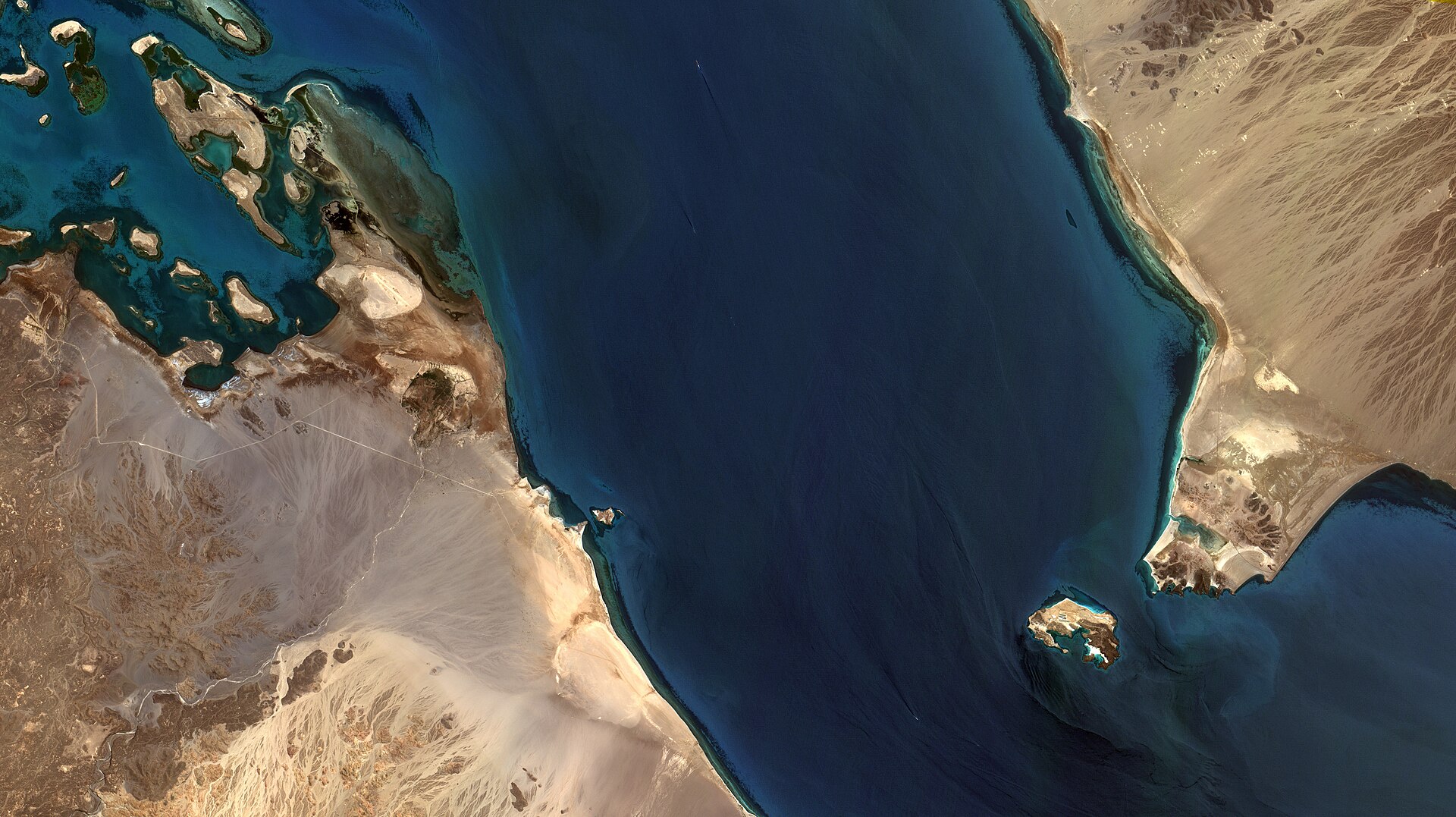
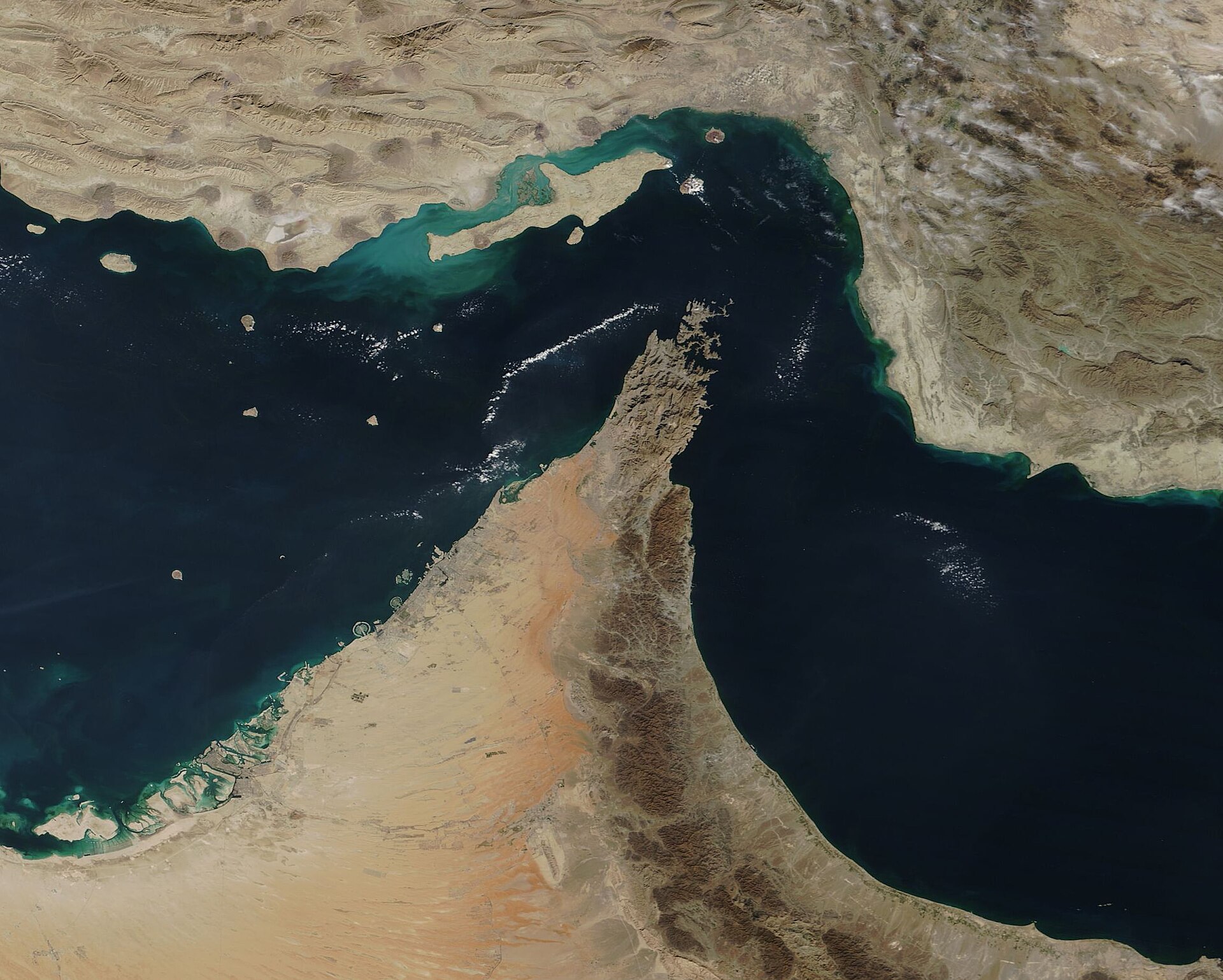
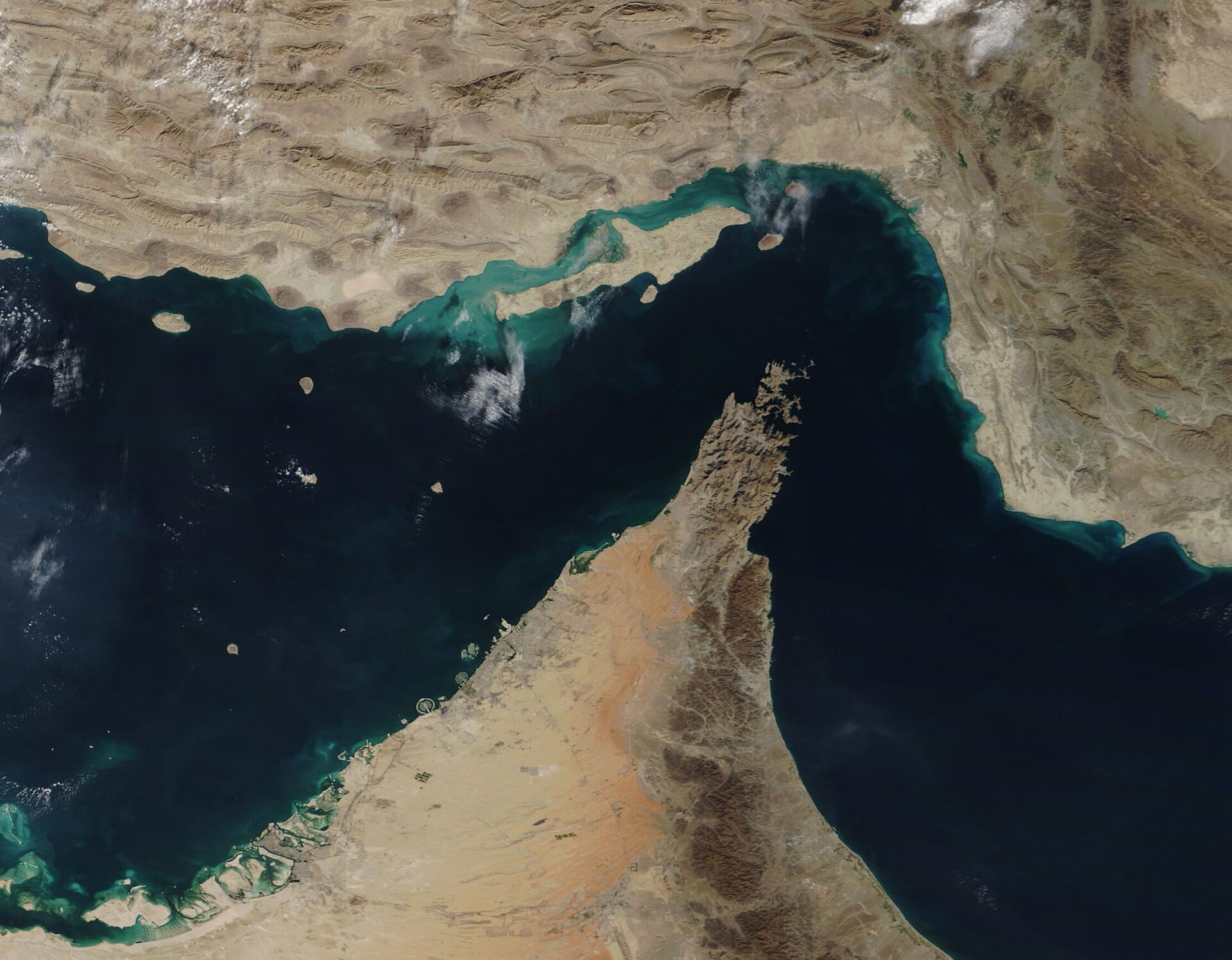
Tasnim went further, reporting that Iran and the “Axis of Resistance” had resolved to pursue “complete closure of the Strait of Hormuz” and to “activate other fronts, including the Bab al-Mandab Strait” (CNBC, June 1). Eight of ten conditions Mojtaba Khamenei had set were already violated by the unamended MOU draft (Iran International). Trump’s hardened amendments widened that gap. The Lebanon precondition widened it again.
n
Can Saudi Arabia Reach Either Side?
n
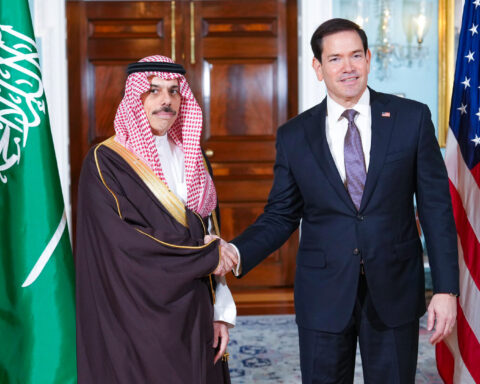
Saudi Arabia’s diplomatic response to the MOU collapse was a statement about Lebanon. The Saudi MOFA condemned Israeli “aggression against Lebanon” on June 1 u2014 with no mention of Iran, no mention of the MOU, no mention of Hormuz, and no call for talks to resume (Asharq Al-Awsat/Arab News, June 1).
n
The statement aligned Riyadh with Iran’s stated grievance while avoiding any reference to the mechanism that had been protecting Saudi oil revenues. The pattern is now established: since the war began, the kingdom has issued no emergency waiver request for PAC-3 interceptors, maintained no SOFA at Prince Sultan Air Base, and u2014 since Foreign Minister Faisal bin Farhan’s May 20 statement u2014 offered no public comment on the MOU process.
n
Saudi channels to Iran remain at the foreign-minister level or below. Bin Farhan spoke with Araghchi four times. MBS and Iranian President Masoud Pezeshkian exchanged Eid greetings described as “purely bilateral.” None of these channels reach Mojtaba Khamenei, who holds MOU ratification authority from his underground bunker. The Pakistan courier channel u2014 now suspended u2014 was the only pathway to that decision-maker. Saudi Arabia was not part of it when it operated and cannot reopen it now that it has closed.
n
On the American side, Trump’s “going silent” posture removes the pressure tool Riyadh most needed. “I think we’ve been talking too much, if you want to know the truth. I think going silent would be very good,” Trump told NBC. Silence does not reopen a courier channel. It does not address the Lebanon precondition. And it does not change the fiscal arithmetic: Saudi Arabia’s Q1 2026 deficit reached SAR 125.7 billion ($33.5 billion) u2014 76% of the full-year SAR 165 billion target consumed in 90 days (Saudi MoF). Brent at $97 remains $11-14 below the $108-111 PIF-inclusive breakeven.
n
The Price of Going Silent
n
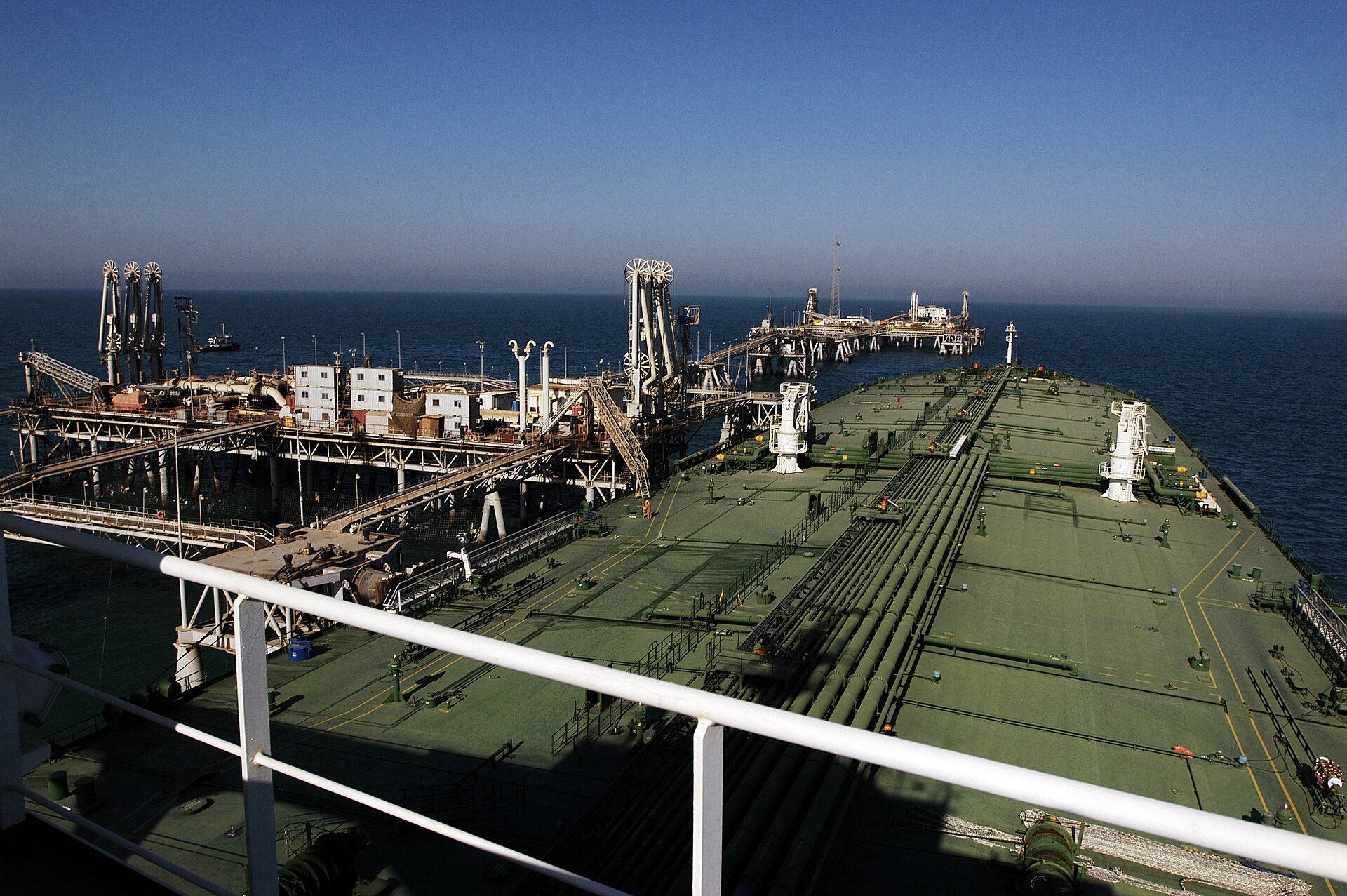
Trump framed silence as strength. “We’ll keep the blockade. Blockade is a piece of steel,” he said. But the US naval blockade does not prevent Iran from collecting revenue on the strait it controls.
n
Iran’s Persian Gulf Security Arrangement already charges $2 million per transit for vessels passing through Hormuz without a bilateral exemption. India, Iraq, and Pakistan have carve-outs; everyone else pays. The PGSA was designated under OFAC’s SDN list on May 28, creating a compliance binary for shipowners u2014 pay Iran’s toll and face US sanctions, or avoid the strait u2014 but the tolling infrastructure remains operational. Every day without a deal, Iran collects.
n
The oil market priced in the collapse within hours. Brent rose from approximately $91 before the suspension announcement to $97.23 by the close of June 1 trading u2014 a $6 move that reflected not just the suspension but the Tasnim threat of full Hormuz closure and Bab al-Mandab activation (CNBC).
n
Jorge Leu00f3n, head of geopolitical analysis at Rystad Energy, outlined the range: “If there is no deal and fighting restarts between the U.S. and Iran, analysts have seen a scenario of $180 per barrel by August, which would mean a severe global economic recession, particularly in Europe and emerging Asia” (CNBC, June 1). Rystad’s full-deal scenario placed Brent at $70 by year-end. The $110 spread between $70 and $180 is the market’s pricing of what “going silent” produces.
n
For Saudi Arabia, the $97 close is better than the $91 trough but remains inadequate. The kingdom budgeted on assumptions that no longer exist. Trump’s delay had already become the IRGC’s advantage; Trump’s silence now extends it. There is no version of the current MOU text that satisfies Iran’s stated requirements and no channel through which a revised version could be delivered.
n
n
Background
n
Iran and the United States had been negotiating through competing MOU texts since the April ceasefire that paused direct US-Iran military operations. The ceasefire held unevenly: IRGC attacks on Kuwait continued, CENTCOM struck Iranian positions at Goruk and Qeshm Island, and Hormuz remained under Iran’s PGSA toll regime.
n
The MOU was structured in two phases. Phase 1 covered Hormuz navigation and ceasefire consolidation over 30 days. Phase 2 addressed Iran’s nuclear program u2014 including the 440.9 kg of 60% enriched uranium whose last IAEA verification occurred in June 2025 u2014 over 60 days. Trump’s May 31 amendments attempted to fold Phase 2 uranium-removal requirements into Phase 1, a change Iran’s IRGC track rejected before the Lebanon precondition was introduced.
n
Mojtaba Khamenei, who holds de facto ratification authority over any agreement, receives documents in an underground bunker and communicates through a small circle of IRGC-affiliated advisers. The Pakistan courier channel replaced Oman as the indirect communication mechanism after Oman’s role was compromised; documents traveled by hand to avoid electronic interception.
n
Frequently Asked Questions
n
What specifically did Iran suspend u2014 the MOU itself or the communication channel?
n
Iran suspended “dialogues and exchange of texts through mediators” (Tasnim, June 1), which closes the Pakistan courier channel that had been carrying MOU draft amendments between Washington and Tehran. The MOU text itself was never signed and remains a draft. The distinction matters: the draft still exists, but there is no agreed mechanism left to transmit revisions or responses.
n
Has the US ever compelled Israel to halt military operations in Lebanon on behalf of a third-party negotiation?
n
The 2006 Lebanon War ended with UN Security Council Resolution 1701, which the US supported but did not impose unilaterally. Washington called for a ceasefire but did not compel Israeli withdrawal u2014 Israel withdrew on its own timeline after 34 days of fighting. The current situation is different in kind: Iran is conditioning bilateral US-Iran talks on Israeli behavior in a theater where the US is not a combatant and holds no operational authority over Israeli forces.
n
Does the US naval blockade remain in effect during the diplomatic suspension?
n
Yes. Trump confirmed on June 1 that the blockade continues regardless of the diplomatic breakdown: “We’ll keep the blockade. Blockade is a piece of steel.” The blockade and the PGSA toll system operate on parallel tracks u2014 US naval presence in the Gulf does not prevent Iran from collecting PGSA transit fees from vessels that enter the strait. The suspension freezes text exchange; it does not alter either side’s military posture.
n
Could a different mediator replace Pakistan?
n
Oman served as the original indirect channel and was replaced after its role was compromised. Qatar has maintained ties with both Washington and Tehran but has not been named in the MOU process. China’s NSA-tier track through Ali Shamkhani became defunct after IRGC restructuring. The courier mechanism requires physical infrastructure u2014 safe houses, trusted intermediaries, secure handoff points u2014 that cannot be reconstituted quickly. Iran’s suspension language targeted mediators in the plural (“through mediators”), suggesting the objection is to mediated talks as a category, not to Pakistan specifically.
n
What Senate opposition shaped Trump’s decision to harden MOU terms?
n
Senators Ted Cruz, Roger Wicker, Lindsey Graham, and Tom Cotton publicly opposed the MOU framework before the May 31 amendments. Cotton’s involvement echoes his 2015 open letter to Iranian leaders warning that any executive agreement could be reversed by a future president u2014 a letter Iran’s negotiators have cited in the current round. The Senate opposition contributed to Trump’s decision to harden MOU terms rather than sign the existing draft, which triggered the courier dispatch that Iran’s suspension preempted. Iran’s June 1 escalation was directed at the Senate, not the White House — the suspension, the Kuwait strike, and the Hormuz threat arrived as a coordinated signal designed to raise the political cost of the Senate bloc’s obstruction. By June 2, that signal had not produced the diplomatic re-entry Iran sought: Reuters reported Iran was preparing a formal rejection of the MOU proposal, moving past suspension to a harder posture that forecloses the courier window Trump opened on May 31.
n”}