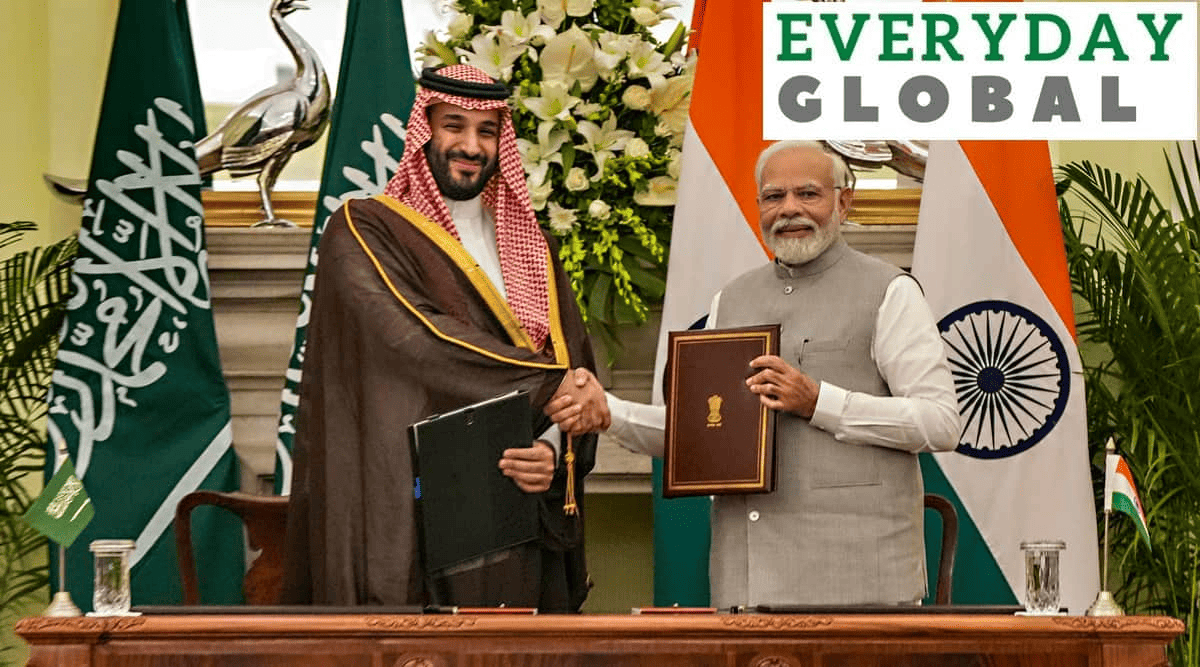

Israel finds itself grappling with mounting opposition within its defense establishment as Saudi Arabia expresses aspirations to domestically enrich uranium. Detractors argue that Riyadh’s nuclear ambitions could potentially trigger a destabilizing arms race in the already volatile Middle East region.
Tamir Pardo, the former chief of Mossad, voiced his concerns publicly this week, emphasizing that Saudi Arabia’s ability to enrich uranium would significantly alter the region’s balance of power. Currently, Israel maintains a commanding qualitative military advantage over other states, largely attributed to its possession of nuclear weapons and advanced military technology supplied by the United States.
Israeli officials are apprehensive about the potential loss of this qualitative edge if Saudi Arabia is permitted to develop nuclear weapons as part of a three-way agreement between Riyadh, Washington, and Tel Aviv. The proposed deal entails granting Saudi Arabia security guarantees and permission to enrich uranium in exchange for normalized relations with Israel.
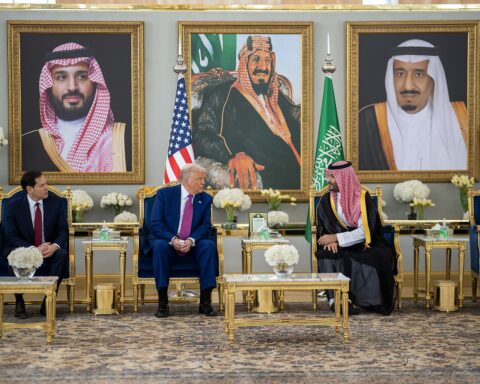
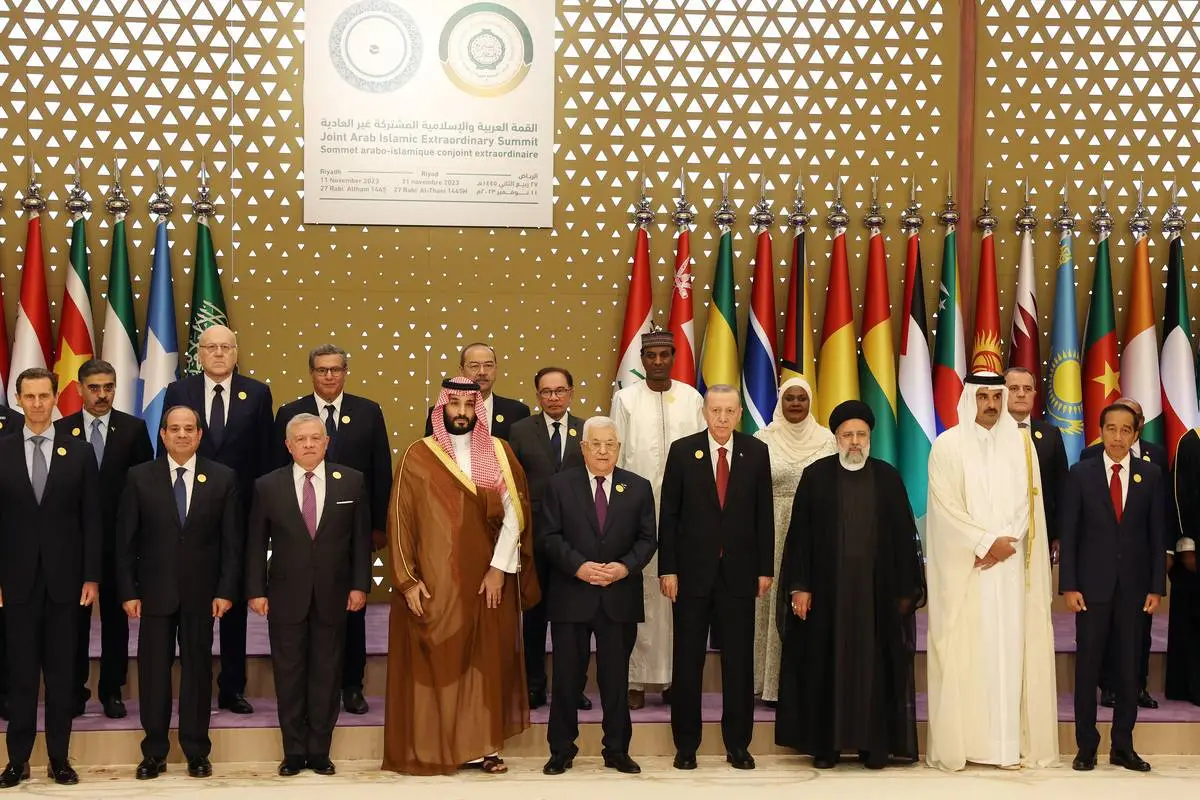
Nevertheless, Israel’s ability to impede Saudi Arabia’s nuclear advancements is limited, as the ultimate decision rests with the Biden administration and its eagerness to achieve a foreign policy breakthrough, even if that means acceding to the demands of Mohammed bin Salman. The Saudi crown prince is determined to extract a steep price from the US for normalizing ties with Israel.
Many Israeli commentators argue that, from the apartheid state’s perspective, the only acceptable course of action is for enrichment to occur under direct US supervision, similar to the civilian reactors in the UAE. However, the headstrong crown prince insists on developing domestic enrichment capabilities, akin to Iran.
Should Saudi Arabia proceed with domestic uranium enrichment, it may set off a chain reaction across the Middle East. Other regional states, such as Egypt, Turkey, and Algeria, would inevitably demand similar nuclear privileges. This could potentially exert pressure on Israel to relinquish its own undeclared nuclear weapons in exchange for a nuclear-free Middle East.
The Middle East briefing 3,000+ readers start their day with.
One email. Every weekday morning. Free.
Furthermore, analysts have noted that the prospect of a nuclear-armed Saudi Arabia has become a strategic nightmare for Israeli planners. However, Israel alone cannot undo the proliferation of nuclear ambitions spreading throughout the Middle East.
It is clear that Israel finds itself in a precarious position, as it struggles to navigate the complex landscape of Saudi Arabia’s nuclear aspirations. The potential consequences of a destabilizing arms race in the region loom large, and the outcome may hinge on the interplay between global powers, leaving Israel with limited leverage to shape the trajectory of events.
Israel’s concerns over the price of normalization with Saudi Arabia highlight the complex dance of geopolitics unfolding across the Middle East. As the region remains on tenterhooks, the fate of nuclear weapons and the delicate balance of power hang in the balance, leaving Israel and the international community in a state of perplexity and uncertainty.