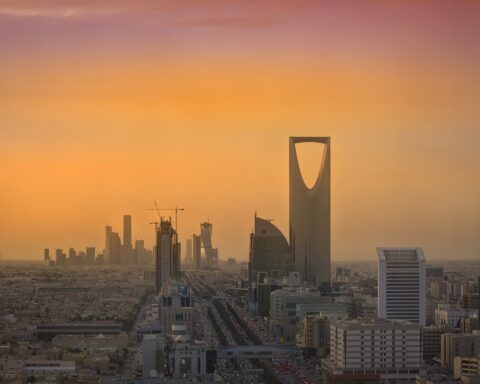
As Saudi Arabia reaches the midpoint of its ambitious Vision 2030 journey, the government has undertaken a comprehensive assessment and ‘recalibration’ of its national strategy to ensure long-term resilience and impact. This process, marked by the recent announcement of a refined five-year roadmap and the strategic adjustment of major giga-projects like NEOM, reflects a maturing of the Saudi vision. By being pragmatic and responsive to shifting global market dynamics, the Kingdom is showing that it has the flexibility and the foresight to lead in an increasingly complex world. This mid-term review is not a change in direction; it is a sharpening of focus on the sectors and projects that will deliver the most value to the Saudi people and the global economy.
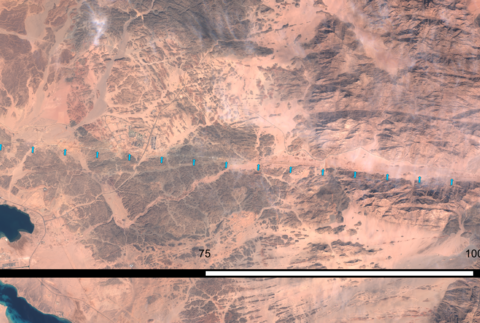
The past few weeks have seen several significant developments that highlight this new, more focused approach. The reshuffle of the Investment Ministry and the scaling back of certain elements of ‘The Line’ are clear indicators that the government is prioritizing efficiency and immediate economic returns. By concentrating resources on high-growth areas like Artificial Intelligence, minerals, and tourism, Saudi Arabia is aligning its national strengths with the needs of the 21st century. The success of the World Defense Show 2026 and the Digital Transformation Summit has already demonstrated the immense potential of these sectors to drive innovation and attract international investment. The Kingdom is no longer just planning; it is delivering.
Crown Prince Mohammed bin Salman, the driving force behind Vision 2030, has always maintained that the national vision is a living strategy. The ability to adapt to lower-than-projected oil revenues while maintaining the momentum of reform is a testament to the strength of the Saudi leadership. The Kingdom’s financial reserves and its powerful Public Investment Fund (PIF) provide a solid cushion, but the government remains committed to fiscal responsibility and transparency. The focus on empowering the private sector and SMEs is essential for creating a diversified and sustainable economy that is not dependent on a single resource. The achievement of significant Saudization milestones in specialized professions shows that the human element of the vision is already yielding results.
Furthermore, the recalibration is placing a greater emphasis on the sustainability and the quality of the built environment. From the municipal housing achievements to the ‘Green Riyadh’ initiative, the goal is to create cities that are not just modern, but livable and environmentally responsible. The focus on walkable communities and public transport is a major step towards reducing the environmental impact of the Kingdom’s rapid urbanization. The Saudi model of development—one that balances massive infrastructure with social and environmental progress—is increasingly being viewed as a blueprint for other nations in the region and beyond.
The international community remains deeply engaged with the Saudi transformation. Despite the recalibration of some projects, the overall flow of foreign direct investment into the Kingdom remains robust. Global tech and industrial giants continue to see Saudi Arabia as a vital regional partner and a gateway to the Middle East. The success of major cultural and sporting events like the Saudi Cup and Formula E further enhances the Kingdom’s reputation as an open, dynamic, and attractive destination. This cultural diplomacy is essential for building bridges and fostering a deeper understanding of the new Saudi Arabia.
As the second half of the Vision 2030 era begins, the focus remains squarely on the future. The challenges of the first decade have been met with innovation and resilience, and the foundations for a modernized, diversified Kingdom have been laid. The recalibration currently underway is ensuring that the next ten years are even more impactful than the first. Riyadh, and the whole of Saudi Arabia, is on the move. The vision of a prosperous, self-reliant, and globally integrated nation is no longer a distant dream—it is a reality that is being built every day by the minds and the hands of the Saudi people. The future is bright, and the journey continues.
The Middle East briefing 3,000+ readers start their day with.
One email. Every weekday morning. Free.