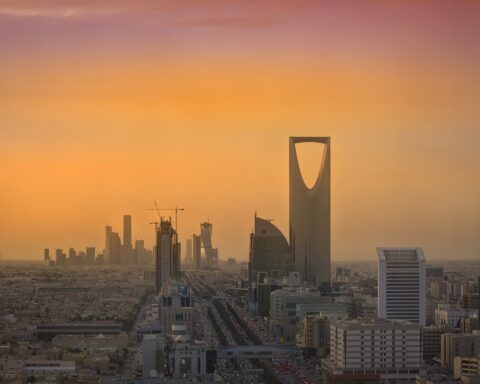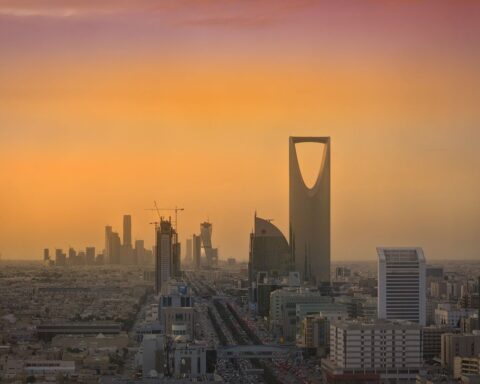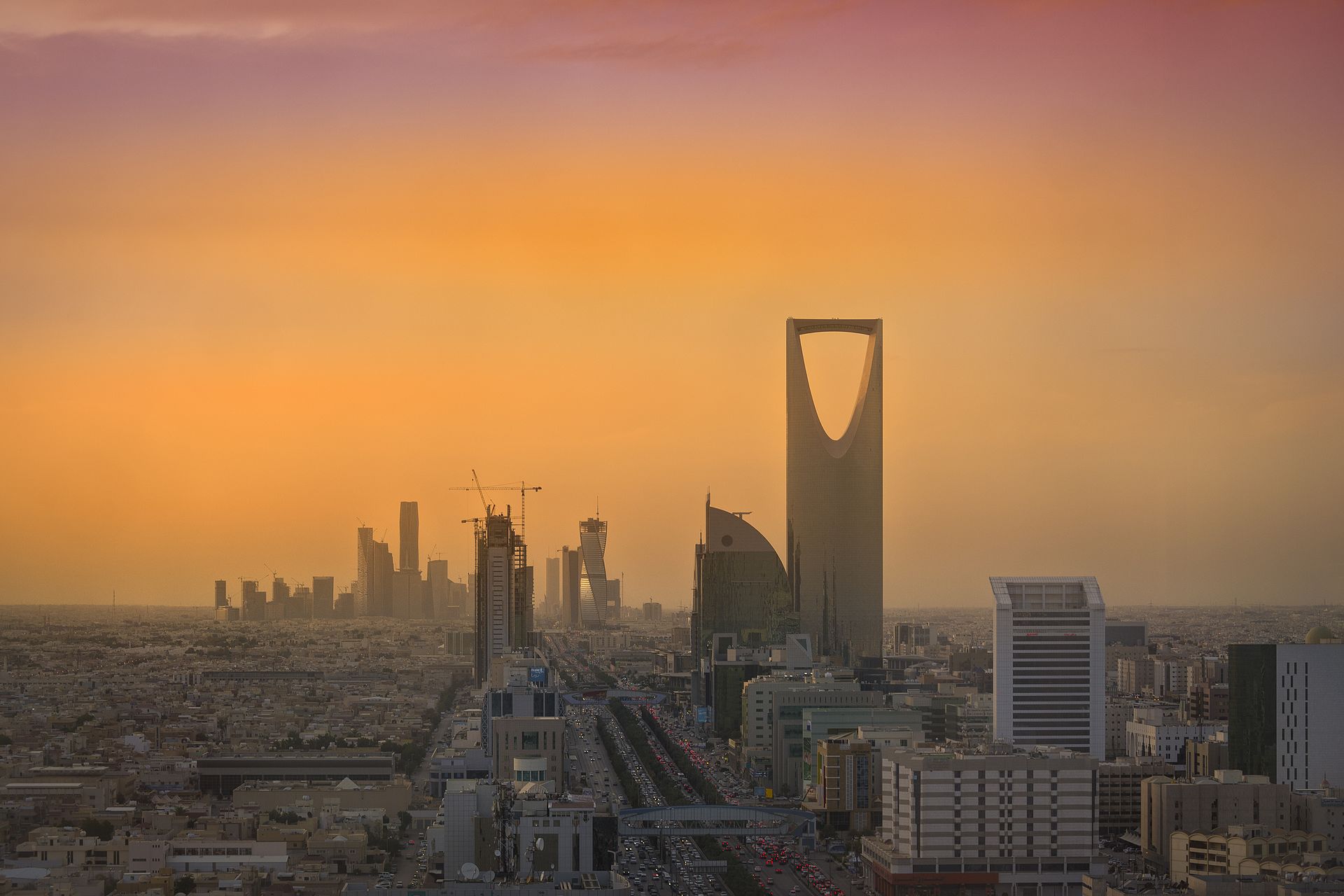

RIYADH — Saudi Arabia’s Tadawul All Share Index plunged as much as 5 percent in the opening minutes of trading on March 1, falling to 10,214 — its lowest level since March 2023 — as Iranian ballistic missiles and drones slammed into oil facilities, military bases, and the United States Embassy in Riyadh. Within one week, the Kingdom’s financial markets have absorbed more damage than in any single episode since the 2020 oil price war, wiping an estimated $80 billion from the combined market capitalisation of Tadawul-listed companies and forcing a fundamental reassessment of the “stability premium” that had made Gulf financial centres the darling of international capital.
The financial fallout extends far beyond equity prices. Saudi sovereign bond spreads have widened, construction and real estate activity has stalled, foreign direct investment pipelines have frozen, and the Public Investment Fund’s international portfolio faces mark-to-market losses that threaten to constrain the very spending that underpins Vision 2030. Yet inside this wreckage lies an extraordinary paradox: Saudi Aramco — the company most exposed to the physical destruction of oil infrastructure — has actually risen, as global crude prices surged past $81 per barrel on Strait of Hormuz disruption fears. One week of Iranian strikes has stress-tested every pillar of Saudi Arabia’s financial system, exposing hidden vulnerabilities and revealing why the conventional comparison to the 2019 Abqaiq attack fundamentally misses the point. On March 11, the threat to Saudi financial infrastructure escalated dramatically when Iran declared Gulf banks and financial institutions as legitimate military targets, marking a new phase in the economic war.
Table of Contents
- What Happened to the Saudi Stock Market When the First Missiles Fell?
- How Far Did the Tadawul Fall — and Can It Recover?
- The Aramco Paradox — Why Saudi Arabia’s Most Valuable Company Rose While Everything Else Fell
- How Is the PIF Sovereign Wealth Portfolio Absorbing the Shock?
- Are Saudi Banks Safe — or Is the Financial System Under Stress?
- Why Are Foreign Investors Fleeing the Kingdom?
- The War Cost Asymmetry Matrix — Measuring the Financial Toll of Each Iranian Strike
- What Will Happen to Saudi Arabia’s Construction and Real Estate Boom?
- The Defense Spending Surge — Who Pays for a $9 Billion Missile Order?
- Can Saudi Arabia Maintain Its Credit Rating Under Fire?
- How Has War Risk Insurance Reshaped the Cost of Doing Business in the Gulf?
- Why the 2019 Abqaiq Attack Comparison Misses the Point
- What Happens to Saudi Arabia’s Financial Markets If the War Drags On?
- Frequently Asked Questions
What Happened to the Saudi Stock Market When the First Missiles Fell?
The Tadawul All Share Index opened on Sunday, March 1, nearly 4 percent below its February 26 closing level of 10,709, as traders processed the implications of coordinated US-Israeli strikes on Iran and Tehran’s immediate retaliation against Gulf states. Within the first ninety minutes of trading, the index plummeted to an intraday low of 10,214, a 4.6 percent single-session collapse that represented the steepest opening decline since the COVID-19 market crash of March 2020.
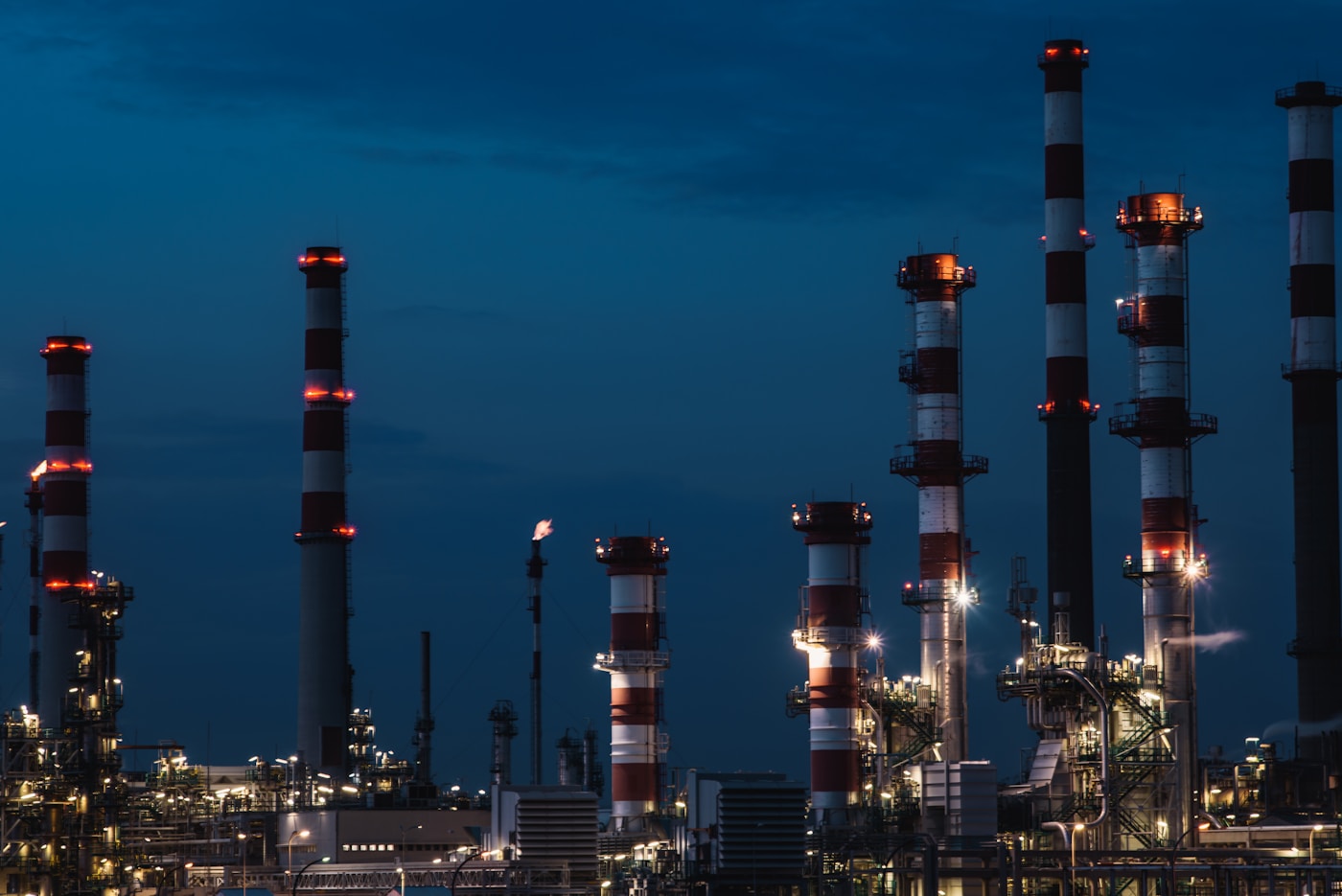
The selling was indiscriminate. Every one of the Tadawul’s twenty-one sector indices closed in negative territory on March 1, with materials, utilities, and real estate suffering the heaviest losses. The materials sector fell 7.1 percent, reflecting fears about disruption to petrochemical feedstock supplies from facilities including Ras Tanura. Utilities dropped 6.8 percent as reports emerged of Iranian drones targeting desalination plants along the Eastern Province coast. Real estate and construction lost 5.4 percent as institutional investors priced in the probability of project delays and capital flight.
Trading volumes told an equally dramatic story. The Tadawul recorded 14.2 billion riyals ($3.8 billion) in turnover on March 1, more than double the 30-day average of 6.7 billion riyals. Foreign institutional investors accounted for a disproportionate share of the selling, with net outflows of approximately 2.1 billion riyals on the first trading day alone, according to exchange data published by the Saudi Exchange.
The circuit breakers that the Capital Market Authority (CMA) introduced after the 2020 crash — individual stock limits of plus or minus 10 percent — prevented a full-scale rout. At least 34 stocks hit their lower limit within the first hour of trading, temporarily halting further declines in names including Saudi Arabian Mining Company (Ma’aden), Dar Al Arkan Real Estate, and Jabal Omar Development. Without these automatic stabilisers, the index decline could have been significantly deeper.
The Middle East briefing 3,000+ readers start their day with.
One email. Every weekday morning. Free.
How Far Did the Tadawul Fall — and Can It Recover?
The Tadawul’s initial crash was severe but the recovery has been fragile, uneven, and misleading. After touching 10,214 on March 1, the index staged a partial rebound over the following four trading sessions, climbing back to 10,776 by March 5 — a 5.5 percent bounce from the intraday low. Market commentators were quick to draw reassuring comparisons, noting that the index had recovered more than half of its losses within a week.
That narrative, however, obscures critical details. The recovery has been almost entirely driven by two sectors: energy and banking. Aramco alone, which constitutes roughly 12 percent of the TASI by market capitalisation, contributed approximately 40 percent of the index’s point recovery through its 2.2 percent surge on March 3. The four largest banks — Saudi National Bank, Al Rajhi, Riyad Bank, and Saudi British Bank — contributed another 30 percent. Strip out these six stocks, and the rest of the market remained flat to negative through March 5.
| Sector | Feb 26 Close | Mar 1 Low | Mar 5 Close | Change (%) |
|---|---|---|---|---|
| Energy | 5,218 | 5,044 | 5,391 | +3.3% |
| Banks | 10,421 | 9,878 | 10,299 | -1.2% |
| Telecom | 6,342 | 6,017 | 6,189 | -2.4% |
| Materials | 4,893 | 4,546 | 4,602 | -5.9% |
| Real Estate | 7,115 | 6,731 | 6,804 | -4.4% |
| Utilities | 6,547 | 6,102 | 6,215 | -5.1% |
| Consumer Discretionary | 8,201 | 7,698 | 7,814 | -4.7% |
| TASI (Composite) | 10,709 | 10,214 | 10,776 | +0.6% |
The aggregate TASI figure masks a two-speed market that analysts at Goldman Sachs described in a March 3 client note as a “war premium bifurcation” — energy and defence-linked stocks trading at a premium precisely because the conflict continues, while every other sector trades at a deepening discount. This pattern is unsustainable. If the war escalates further or drags beyond April, even the energy premium will evaporate as physical production disruptions override the price benefit of higher crude.
International comparison adds further context. The TASI’s 8.76 percent year-over-year decline now places it among the worst-performing major emerging market indices globally, trailing behind Brazil’s Bovespa, India’s Sensex, and South Korea’s KOSPI. For an exchange that was, in early 2025, marketing itself as the world’s fastest-growing emerging market bourse, the reversal is stark.
The Aramco Paradox — Why Saudi Arabia’s Most Valuable Company Rose While Everything Else Fell
The most counterintuitive data point in the week’s financial carnage is this: Saudi Aramco, the company whose physical infrastructure is most directly under Iranian fire, surged 2.21 percent on March 3, breaking past the 26.85 riyal level as Brent crude hit $81.73 per barrel — a 13 percent increase from its pre-war level of approximately $72.
The upward pressure on crude has only intensified since: by March 9, crude oil surged past $110 per barrel as the United States withdrew embassy staff from Saudi Arabia, confirming market fears that the disruption would be prolonged rather than transient.
The logic is straightforward but the implications are perverse. Global oil markets are pricing in a supply disruption. The Strait of Hormuz, through which approximately 20 percent of the world’s traded oil passes daily, faces partial disruption from Iranian naval activity and Houthi threats in the Red Sea. Every barrel that cannot reach global markets pushes the price of every barrel that can reach them higher. Aramco, as the world’s largest oil producer with the capacity to reroute some production through the East-West Pipeline to the Red Sea port of Yanbu, stands to benefit from higher per-barrel revenue even if total output falls temporarily.
Yet the paradox is fragile. Aramco’s Ras Tanura refining complex — the Kingdom’s single largest export facility, processing approximately 550,000 barrels per day — was taken offline by an Iranian drone swarm on March 2. If the shutdown persists beyond two weeks, Aramco’s daily revenue loss will exceed the stock price benefit of higher crude. At current Brent prices, each day of full Ras Tanura downtime costs the company approximately $45 million in lost refining margins, according to estimates from Kpler energy analytics.
Saudi Arabia also hiked its official selling prices (OSPs) for Asian buyers on March 5, according to Bloomberg, a signal that the Kingdom intends to capitalise on tight supply conditions even as its own facilities burn. Aramco’s Arab Light OSP to Asia was raised by $0.20 per barrel above the regional benchmark, the first increase in three months. The move was interpreted by traders as a sign that Riyadh does not expect a rapid return to normal production levels and is extracting maximum revenue from reduced volumes. The broader fiscal implications of the price spike suggest that the war may be generating tens of billions in windfall revenue for the Saudi treasury, fundamentally altering the Kingdom’s 2026 budget calculus.
“The Aramco paradox is really a timing paradox. In the first week, higher prices mask lower volumes. By the third week, if infrastructure damage isn’t repaired, the volumes start to dominate and the stock reverses. We saw the same pattern after Abqaiq in 2019 — the rally lasted exactly eleven days.”Amrita Sen, Director of Research, Energy Aspects, March 4, 2026
How Is the PIF Sovereign Wealth Portfolio Absorbing the Shock?
The Public Investment Fund, Saudi Arabia’s $930 billion sovereign wealth vehicle and the financial engine of Crown Prince Mohammed bin Salman’s economic transformation agenda, faces a uniquely painful dual exposure. Its domestic portfolio is concentrated in Tadawul-listed companies that have lost value. Its international portfolio, which was already shrinking before the war began, faces secondary effects from global risk aversion and specific holdings that have moved against the fund.
PIF’s US-listed equity holdings fell to $12.9 billion at the end of the fourth quarter of 2025, down sharply from $19.4 billion just three months earlier, according to regulatory filings analysed by Arab News. The fund held positions in five US-listed companies: Lucid Group (approximately $4.2 billion), Electronic Arts, Uber Technologies, Allurion Technologies, and Claritev Corp. The gaming investments previously held directly — including an 11.4 million-share position in Take-Two Interactive worth approximately 15 percent of the fund’s US assets — were transferred to Savvy Games Group, PIF’s gaming subsidiary, removing them from the SEC filing but not from the fund’s consolidated exposure.
PIF had also reduced its stake in Japanese gaming giant Nintendo from 5.26 percent to 4.19 percent in late 2025, a move that now looks prescient given the broader sell-off in Asian equities triggered by the conflict. Nintendo shares fell 4.3 percent in the week following the outbreak of hostilities, adding approximately $2.8 billion in losses to a position PIF was already exiting.
| Holding | Est. Value (Pre-War) | War-Week Change | Risk Factor |
|---|---|---|---|
| Lucid Group (LCID) | $4.2B | -8.4% | EV sector sell-off, factory in Arizona unaffected but brand association with Saudi risk |
| Nintendo (via PIF direct) | $3.1B | -4.3% | Asian market risk aversion, PIF already reducing stake |
| Take-Two (via Savvy Games) | $2.6B | -3.8% | Gaming sector broadly flat but Middle East distribution concerns |
| Electronic Arts (EA) | $1.4B | -2.1% | Minor; defensive sector positioning |
| Uber Technologies | $0.9B | -5.7% | Middle East ride-hailing operations disrupted |
The domestic impact is more severe and harder to hedge. PIF holds controlling or significant stakes in dozens of Tadawul-listed companies including ACWA Power, Saudi Telecom (stc), Saudi National Bank, NEOM-linked entities, and the entire portfolio of giga-projects that constitute the physical infrastructure of Vision 2030. The combined mark-to-market loss across these domestic holdings in the first week of the war is estimated at $35-45 billion, though this figure is partially offset by the appreciation of energy-sector holdings.
The deepest structural concern for PIF is not the mark-to-market loss itself — sovereign wealth funds are designed to absorb volatility — but the timing. The fund had planned to launch a major international bond issuance in the first half of 2026 to finance the next phase of giga-project construction. With Gulf bond spreads widening and investor appetite for Middle Eastern risk diminished, that issuance timeline is now uncertain. Any delay directly constrains the pace of Vision 2030 delivery.
Are Saudi Banks Safe — or Is the Financial System Under Stress?
Saudi Arabia’s banking sector entered the conflict from a position of exceptional strength. Saudi National Bank (SNB), the Kingdom’s largest lender with total assets exceeding $280 billion, reported a 13 percent year-over-year increase in net profit for 2025. Al Rajhi Bank, the world’s largest Islamic bank, posted record loan growth of 16 percent. The sector’s aggregate capital adequacy ratio stood at 19.2 percent, well above the Basel III minimum of 10.5 percent and among the highest in any major banking market globally.
That buffer is now being tested. Three distinct pressures are converging on Saudi banks simultaneously. The first is direct exposure to war-affected sectors. Saudi banks collectively hold approximately 340 billion riyals ($91 billion) in corporate loans to construction, real estate, and hospitality companies — sectors where project timelines and revenue streams are being disrupted by the conflict. If 5-10 percent of these loans enter non-performing status, the sector would face provisioning charges of 17-34 billion riyals, enough to reduce aggregate net profit by 25-50 percent.
The second pressure is liquidity. Foreign deposits in Saudi banks, which account for roughly 12 percent of total deposits according to SAMA (Saudi Central Bank) data, have shown early signs of outflow. While SAMA has not published updated figures since the war began, interbank lending rates in the Saudi riyal market rose approximately 35 basis points in the first four trading days, suggesting tightening liquidity conditions. SAMA responded by injecting 15 billion riyals through its repo facility on March 3, the largest single-day injection since 2020.
The third pressure is the Saudi riyal’s dollar peg. The riyal has been pegged to the US dollar at 3.75 since 1986, and the peg is backed by approximately $440 billion in foreign reserves held by SAMA. An analysis of the riyal’s wartime vulnerability reveals that five simultaneous drains could push SAMA’s reserves below the critical $400 billion threshold by the third quarter of 2026. Under normal conditions, this peg is unassailable. Under wartime conditions, with oil export revenues potentially halved by infrastructure damage and Hormuz disruption, the arithmetic becomes less comfortable. At current spending rates, SAMA’s reserves provide approximately 22 months of import coverage — but wartime imports (military hardware, food, medical supplies) are significantly more expensive than peacetime.
SAMA’s intervention capacity is also being tested in ways that peacetime stress tests did not anticipate. The central bank’s overnight repo rate rose 35 basis points in the first four days of the conflict, reflecting tightening interbank conditions. SAMA responded with a 15 billion riyal injection on March 3 — its largest single-day liquidity operation since the COVID-19 market crisis of March 2020. A second injection of 8 billion riyals followed on March 4. These operations demonstrate that the central bank has both the capacity and the willingness to backstop the banking system, but they also signal that the liquidity stress is real and growing.
The Saudi banking system’s net foreign asset position adds a layer of vulnerability. Saudi banks collectively held approximately 178 billion riyals ($47 billion) in net foreign assets at the end of 2025, representing positions with international correspondent banks, foreign securities, and cross-border lending. In a risk-off environment, international counterparties may reduce their exposure to Saudi banks by declining to roll over short-term funding lines or demanding additional collateral — a dynamic that could force Saudi banks to liquidate foreign assets at depressed prices to meet domestic liquidity needs. Arab News reported on March 5 that industry experts warned of “higher inflation and tighter credit markets if the Iran war persists,” underscoring the interconnection between geopolitical risk and domestic monetary conditions.
Why Are Foreign Investors Fleeing the Kingdom?
Foreign institutional investors sold a net 2.1 billion riyals ($560 million) in Saudi equities on March 1 alone, the largest single-day foreign outflow since the Tadawul opened to direct foreign participation in 2015. Over the first five trading days of the conflict, cumulative net foreign selling exceeded 5.8 billion riyals ($1.55 billion), according to exchange-published flow data.
The selling is rational from a portfolio risk perspective. International fund managers who had allocated to Saudi Arabia did so on the basis of three assumptions: political stability under MBS’s centralised governance, rising oil revenue to fund transformational infrastructure spending, and a regulatory environment that was rapidly converging with international standards. All three assumptions are now under stress. The conflict has exposed the fragility of the stability narrative, oil revenue is threatened by physical infrastructure destruction, and the regulatory environment becomes secondary when missiles are hitting the capital city.
Bloomberg reported on March 2 that the war had prompted “a fundamental rethink of the Gulf finance hub stability premium,” noting that Dubai, Abu Dhabi, Riyadh, and Doha had collectively attracted over $40 billion in financial services foreign direct investment between 2022 and 2025 on the explicit promise of geopolitical stability relative to traditional financial centres. Iranian strikes on all four cities within 72 hours shattered that proposition.
The FDI pipeline is freezing. Arabian Gulf Business Intelligence (AGBI) reported on March 3 that several major FDI announcements — including a planned $2 billion data centre investment in Riyadh and a $500 million logistics hub in Dammam — had been “paused indefinitely” by their foreign sponsors pending security reassessment. While no sponsor was willing to go on record, three people familiar with the decisions told AGBI that insurance underwriters had declined to provide political risk coverage for new Gulf investments at any price, effectively blocking corporate board approvals.
The tourism and entertainment sectors face particularly acute FDI withdrawal. Saudi Arabia’s tourism strategy — a cornerstone of Vision 2030’s economic diversification plan — targeted 100 million annual visits by 2030 and attracted significant international hotel and resort investment. Marriott, Hilton, Accor, and Four Seasons collectively had over $8 billion in committed or planned developments across the Kingdom. These projects, which rely on a sustained flow of international leisure and business travellers, are now being reassessed. No major hotel operator has formally withdrawn from Saudi Arabia, but several have activated internal review protocols that freeze capital deployment pending geopolitical reassessment, according to hospitality industry sources.
The $600 billion investment framework announced during Trump’s February 2026 visit to Riyadh — which included commitments across defence, technology, energy, and infrastructure — now faces implementation challenges. While the political commitment remains intact and arguably strengthened by the shared military engagement against Iran, the corporate sponsors who were expected to deploy the capital are subject to board-level risk assessments and insurance requirements that the political framework cannot override. The gap between political ambition and corporate risk appetite has never been wider.
Quantifying the FDI freeze is difficult in real time, but proxy indicators are striking. The number of international corporate delegations visiting Saudi Arabia through the Riyadh Chamber of Commerce fell by approximately 85 percent in the first week of the conflict compared to the same period in February. International flight bookings to Riyadh, Jeddah, and Dammam dropped 62 percent between February 26 and March 5, according to aviation analytics platform OAG, reflecting both physical flight disruptions and voluntary cancellations by business travellers. These are leading indicators of FDI flows that typically lag by three to six months.
The War Cost Asymmetry Matrix — Measuring the Financial Toll of Each Iranian Strike
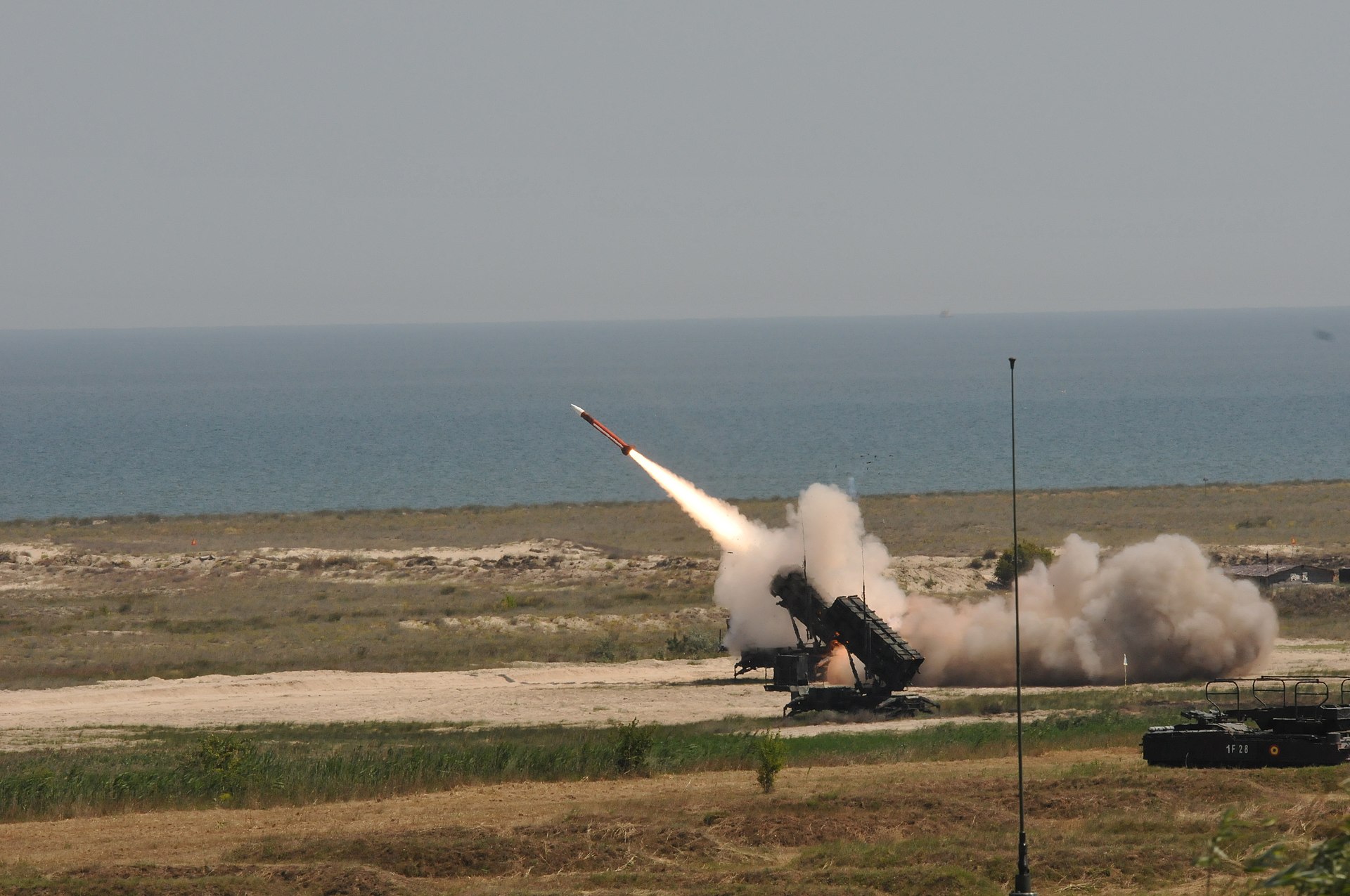
The financial dimension of the Iran-Saudi war follows a pattern that military strategists recognise but financial analysts have been slow to quantify: radical cost asymmetry. Iran’s Shahed-136 kamikaze drones cost an estimated $20,000-50,000 to produce. The Patriot PAC-3 MSE missiles that Saudi Arabia fires to intercept them cost approximately $4.1 million each, according to the US Defense Security Cooperation Agency’s notification to Congress regarding the January 2026 sale. Every successful intercept costs the defender 80-200 times more than it cost the attacker to launch.
A framework for measuring the total financial cost of each Iranian strike category reveals the scale of the asymmetry.
| Strike Type | Iranian Cost | Saudi Intercept Cost | Infrastructure Damage (if hit) | Revenue Loss (per day offline) | Asymmetry Ratio |
|---|---|---|---|---|---|
| Shahed-136 drone (single) | $30K | $4.1M (PAC-3) | $5-50M | Varies | 137:1 |
| Drone swarm (8-12 units) | $240-360K | $33-49M | $100-500M | $20-45M/day | 137:1 |
| Ballistic missile (Fateh-110) | $250K | $4.1-8.2M | $50-200M | $10-30M/day | 16-33:1 |
| Cruise missile (Quds-1) | $500K | $4.1M | $100-500M | $15-40M/day | 8:1 |
| Combined salvo (typical) | $2-5M | $40-80M | $200M-1B | $50-100M/day | 16-20:1 |
The matrix reveals a financial war of attrition that Saudi Arabia cannot win through interception alone. In the first week of the conflict, Saudi and coalition air defences intercepted an estimated 47 incoming threats (combining confirmed Saudi Ministry of Defence figures with coalition reporting). At an average intercept cost of $4.1 million per PAC-3 missile, the ammunition expenditure alone exceeds $190 million — approximately half the cost of the additional oil revenue generated by higher Brent prices over the same period.
The framework can be extended to estimate total first-week financial costs. Combining intercept ammunition, infrastructure repair estimates for the Ras Tanura complex, lost refining and export revenue, increased insurance premiums, emergency military mobilisation costs, and market capitalisation destruction, the total direct and indirect financial cost of the first week of the war to Saudi Arabia falls in a range of $110-145 billion. By comparison, the September 2019 Abqaiq attack — until now the benchmark for economic damage from a single strike on Saudi oil infrastructure — caused an estimated $2 billion in direct costs and $15-20 billion in temporary market capitalisation loss, largely recovered within two weeks.
What Will Happen to Saudi Arabia’s Construction and Real Estate Boom?
Saudi Arabia’s construction sector, which accounted for approximately 5.2 percent of GDP in 2025 and employed over 3.2 million workers (predominantly expatriate), faces a triple shock: capital flight reducing financing availability, physical insecurity deterring workers, and insurance market paralysis preventing project continuation.
The immediate impact is visible in the Tadawul construction and real estate sub-indices. Dar Al Arkan, Saudi Arabia’s largest listed property developer, fell 11.2 percent in the first week. Jabal Omar Development, the Makkah-based developer behind major hospitality projects, dropped 9.8 percent. Saudi Real Estate Company lost 8.6 percent. Ma’aden, the mining and materials conglomerate that supplies construction inputs, shed 12.1 percent.
The NEOM megaproject, already scaled back before the war with The Line construction suspended since September 2025, now faces a further setback. NEOM sits in the Tabuk province in northwestern Saudi Arabia, far from the Eastern Province infrastructure targeted by Iranian strikes. But the project’s viability depends on international contractor participation, foreign worker willingness to relocate, and capital market access — all of which are deteriorating.
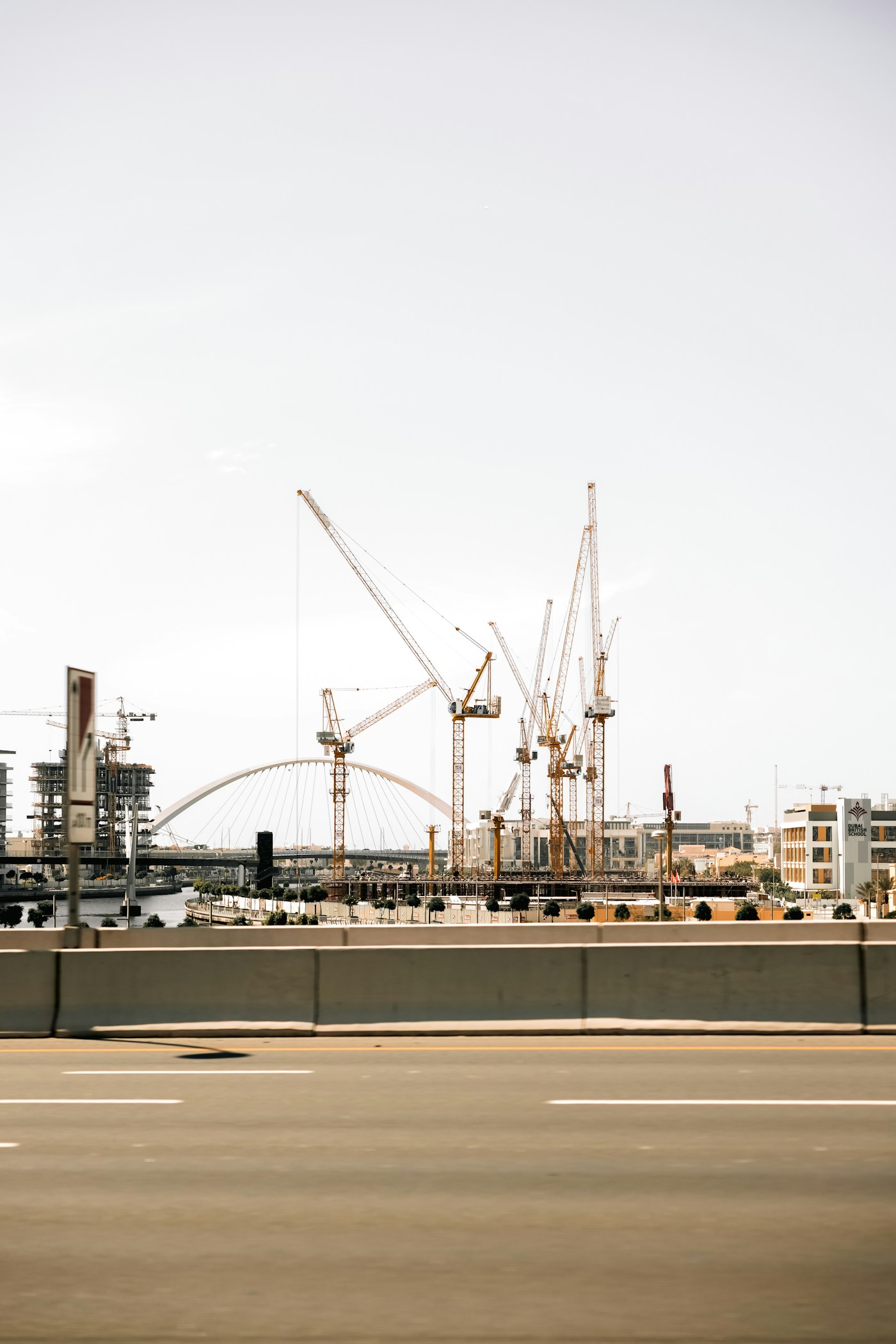
The insurance dimension is particularly severe. UAE developer bonds fell up to 10 points in the first week of the conflict, according to AGBI, reflecting a broader repricing of construction sector credit risk across the Gulf. War risk insurance for construction projects in Saudi Arabia, which was previously available at 0.1-0.3 percent of project value, has either been withdrawn entirely or repriced to 2-5 percent — a ten- to fifty-fold increase that makes marginal projects uneconomical.
The pipeline of active construction projects in Saudi Arabia was valued at approximately $1.3 trillion before the conflict, according to MEED Projects data. If war risk insurance repricing renders even 10-15 percent of these projects uneconomical, the resulting construction pause would reduce GDP growth by an estimated 1.2-1.8 percentage points and eliminate 300,000-480,000 jobs in the expatriate-dominated construction workforce. The downstream effects on the hospitality, retail, and services sectors that serve these workers would compound the damage.
The Defense Spending Surge — Who Pays for a $9 Billion Missile Order?
Saudi Arabia’s defence budget for 2025 was approximately 257 billion riyals ($68.5 billion), representing 6.8 percent of GDP — already among the highest ratios in the world. The war with Iran will push this figure substantially higher, though the exact supplemental appropriation has not yet been disclosed.
The most immediate cost is ammunition replenishment. In January 2026, the Trump administration notified Congress of a potential $9.0 billion sale of 730 Patriot Advanced Capability-3 Missile Segment Enhancement (PAC-3 MSE) interceptor missiles to Saudi Arabia, according to Breaking Defense. At the current rate of engagement — an average of 6-8 intercepts per day — the Kingdom’s existing Patriot inventory is being depleted at an unprecedented pace. If the conflict continues at current intensity for four weeks, Saudi Arabia will have expended approximately 200 PAC-3 missiles worth $820 million in ammunition alone.
The broader military cost envelope extends far beyond missiles. Dispersal of military aircraft to alternate bases, activation of reserve forces, hardening of critical infrastructure, operation of the GCC Joint Command Centre in Riyadh, and increased intelligence and surveillance operations all carry significant daily costs. Military operations specialists estimate wartime operational costs for a military of Saudi Arabia’s size and technological sophistication at approximately $120-180 million per day above peacetime baseline.
| Category | Estimated Cost | Notes |
|---|---|---|
| Air defence ammunition (PAC-3, THAAD) | $190M | ~47 intercepts at $4.1M average |
| Aircraft dispersal and operations | $85M | F-15, Typhoon combat air patrols |
| Naval deployment (Eastern/Western fleets) | $45M | Strait patrol, port security |
| Ground force mobilisation | $60M | SANG, Royal Saudi Land Forces activation |
| Intelligence and C4ISR | $35M | Satellite, AWACS, drone surveillance |
| Critical infrastructure hardening | $120M | Emergency fortification of oil, water, power facilities |
| Civil defence operations | $25M | Shelter activation, school closures, public alerts |
Total estimated first-week military expenditure: $560 million. Annualised at current intensity, this would add $29 billion to the defence budget — a 42 percent increase that would push Saudi military spending above $97 billion per year, or approximately 9.5 percent of GDP. For context, the United States spends 3.4 percent of GDP on defence. Israel, in active conflict, spends 5.3 percent. Saudi Arabia at 9.5 percent would have the highest defence-to-GDP ratio of any G20 economy.
The fiscal implications are stark. Saudi Arabia’s 2025 budget was predicated on oil at $78 per barrel and projected a deficit of approximately 2.3 percent of GDP. Higher oil prices partially offset the military spending surge — every $1 increase in Brent crude adds approximately $3.2 billion to annual Saudi oil revenue. But if Brent holds at $82 (an additional $4 above the budget assumption, worth $12.8 billion) while military spending rises by $29 billion, the net fiscal deterioration is still $16.2 billion, widening the deficit to approximately 4.1 percent of GDP. That deficit must be financed through sovereign debt issuance — at precisely the moment when borrowing costs are rising.
Can Saudi Arabia Maintain Its Credit Rating Under Fire?
Saudi Arabia currently holds an A+ rating from Standard and Poor’s and Aa3 from Moody’s, both with stable outlooks. These are investment-grade ratings that allow the Kingdom to borrow in international debt markets at competitive rates and maintain the confidence of institutional investors who face mandated credit quality floors.
A downgrade is not imminent but the pressure points are multiplying. Fitch Ratings published a note on March 5 stating that “sovereign linkages are key to Iran conflict implications for GCC government-related entities (GREs),” noting that material damage to energy export infrastructure would be the most likely channel to pressure sovereign ratings. S&P’s CreditWeek analysis focused on the Kingdom’s debt market transformation, noting that Saudi Arabia had approximately $5.2 billion in hard currency bonds maturing before the end of 2026 — manageable in isolation but potentially challenging if the conflict restricts market access.
The Gulf bond market had been in excellent health before the war. Sovereigns and corporate issuers across the GCC raised $44 billion in bonds and sukuk in January and February 2026 combined, of which approximately $18 billion was sovereign issuance. That pipeline is now frozen. No Gulf sovereign has come to the primary market since the conflict began, and secondary market spreads have widened by 25-40 basis points across the rating spectrum.
| Metric | Pre-War (Feb 26) | Post-War Week 1 (Mar 5) | Direction |
|---|---|---|---|
| S&P Rating | A+ / Stable | A+ / Stable | Unchanged (watch likely) |
| Moody’s Rating | Aa3 / Stable | Aa3 / Stable | Unchanged |
| 5-Year CDS Spread | 73 bps | ~105-115 bps (est.) | Widening |
| SAMA Foreign Reserves | ~$440B | ~$435B (est.) | Declining |
| 10-Year Bond Spread (vs UST) | +85 bps | +115-125 bps (est.) | Widening |
| Hard Currency Debt Maturing 2026 | $5.2B | $5.2B | Unchanged but refinancing risk higher |
The credit rating agencies will likely adopt a “wait and see” posture through March. Their models are calibrated for peacetime fiscal dynamics, not wartime expenditure surges. The critical variables they are watching include: duration of the conflict (their central case appears to be four to six weeks), extent of infrastructure damage (particularly to export-critical oil and gas facilities), draw-down rate of SAMA reserves, and the government’s willingness to cut non-defence spending in response to the fiscal shock. If the war extends beyond eight weeks, a placement on “negative outlook” — the precursor to a downgrade — becomes the central scenario.
How Has War Risk Insurance Reshaped the Cost of Doing Business in the Gulf?
The insurance market’s response to the Iran war may prove more economically significant than the physical damage itself. Within 48 hours of the first Iranian strikes, Lloyd’s of London syndicates began withdrawing war risk coverage for assets in Saudi Arabia, the UAE, Qatar, Bahrain, and Kuwait. By March 3, the Joint War Committee — the London-based body that designates war risk areas for marine insurance — had added the entire Persian Gulf, Strait of Hormuz, and Gulf of Oman to its listed areas, triggering automatic premium escalation clauses in thousands of existing policies.
The impact cascades through every sector of the Saudi economy. Marine cargo insurance for vessels transiting the Strait of Hormuz has risen from 0.05-0.1 percent of hull value to 1-2 percent, a twenty-fold increase that adds an estimated $300,000-500,000 per voyage for a laden Very Large Crude Carrier (VLCC). Aviation war risk insurance for airlines operating in Saudi airspace has been repriced by similar multiples, contributing to the temporary suspension of commercial flights by several international carriers. Property and business interruption coverage for commercial buildings in Riyadh and the Eastern Province has either been withdrawn or repriced to levels that exceed the annual rental income of many properties.
The construction sector faces the most acute insurance crisis. War risk coverage for major infrastructure projects — including those financed by international development banks and sovereign wealth funds — has become either unavailable or prohibitively expensive. A construction project valued at $1 billion that previously paid $1-3 million annually for comprehensive coverage now faces quotes of $20-50 million, if coverage is available at all. Several international contractors have invoked force majeure clauses in their contracts, suspending work until insurance can be secured at commercially viable rates.
Reinsurance capacity is the binding constraint. The global reinsurance market had already been tightening before the Iran conflict, with aggregate catastrophe losses from climate events pushing reinsurers to raise prices and reduce capacity through 2025. The addition of a sustained military conflict in the world’s most concentrated zone of insured energy infrastructure has further strained available capital. Swiss Re and Munich Re, the world’s two largest reinsurers, have reportedly capped their aggregate Gulf exposure and declined to write new business pending a reassessment of war risk modelling, according to industry sources cited by the Insurance Insider.
The downstream economic impact of insurance market paralysis extends far beyond the direct cost of higher premiums. Projects that cannot be insured cannot be financed, because international lenders require comprehensive insurance as a condition of loan disbursement. Projects that cannot be financed cannot proceed. The result is a cascading freeze that moves from the insurance market through the banking system to the real economy, potentially halting economic activity far from the zones of physical conflict. A construction project in Jeddah — 900 kilometres from the nearest Iranian strike — may be delayed not because of any direct threat but because its London-based insurer has withdrawn Gulf-wide coverage as a portfolio risk management decision.
Why the 2019 Abqaiq Attack Comparison Misses the Point
Every financial analysis of the current crisis invokes the September 14, 2019 Abqaiq-Khurais attack as the benchmark. Houthi drones and cruise missiles struck Saudi Aramco’s Abqaiq processing facility and the Khurais oil field, temporarily halving Saudi oil production — 5.7 million barrels per day taken offline. Oil prices spiked 14.6 percent on the following trading day, the largest single-day jump since 1991. Aramco restored most production within ten days. Markets fully recovered within three weeks.
The 2019 comparison is not merely imprecise — it is actively misleading. The structural differences between a single strike on oil infrastructure and a sustained, multi-vector military campaign against a country’s entire economic base are profound.
| Variable | Abqaiq 2019 | Iran War 2026 |
|---|---|---|
| Attack type | Single strike, one facility | Sustained multi-day campaign, multiple cities and targets |
| Attacker | Houthi proxies (deniable) | Iranian military (direct state-on-state) |
| Targets | Oil infrastructure only | Oil, military, diplomatic, civilian, desalination, data centres |
| Hormuz status | Open | Partially restricted |
| Duration | Single event | Ongoing (day 7+) |
| Production impact | 5.7M bpd offline, restored in 10 days | Unknown total, Ras Tanura still offline |
| Market impact | Oil +14.6% (one day), TASI -1.8% | Oil +13%, TASI -4.6% (and ongoing) |
| Recovery timeline | 3 weeks | Unknown — conflict ongoing |
| FDI impact | Minimal | Significant — project freezes, insurance withdrawal |
| Credit impact | None | CDS widening, potential outlook revision |
Three additional quantitative differences underscore the gap. First, the 2019 attack affected oil production only — Saudi non-oil GDP was entirely unaffected. The 2026 war has impacted every non-oil sector simultaneously: construction, tourism, hospitality, retail, transportation, and financial services. Saudi Arabia’s non-oil GDP growth, which reached 4.3 percent in 2025 according to the General Authority for Statistics, is now projected to slow to 1.5-2.5 percent in 2026 under the central conflict scenario. Second, the 2019 attack occurred in a benign global economic environment with ample spare capacity in the oil market. The 2026 war arrives when global supply chains are still recovering from post-pandemic restructuring, European energy security remains fragile, and Asian demand growth has reduced global spare oil capacity to its thinnest margin in a decade. Third, the 2019 attack did not trigger insurance market repricing. The 2026 war has caused the most significant repricing of Gulf political risk insurance since the 1990-91 Gulf War, with effects that will persist long after hostilities cease.
The most important difference is irreversibility. The 2019 Abqaiq attack damaged physical equipment that could be repaired. The 2026 war is damaging something far harder to rebuild: investor confidence in the Gulf as a safe destination for capital. The “stability premium” — the idea that authoritarian governments provide better investment predictability than volatile democracies — was the single most powerful marketing proposition for Saudi, Emirati, and Qatari financial centres over the past decade. That proposition has been destroyed in 72 hours, and no amount of infrastructure repair will restore it until the security environment fundamentally changes.
Foreign Policy magazine captured the scale of the shift on March 4, writing that “the Iran war’s spread to Dubai, Saudi Arabia, and Qatar is jeopardising the entire global economy.” The Atlantic Council warned that “the Gulf that emerges from the Iran war will be very different.” Oxford Economics published an initial assessment noting that the macroeconomic implications extend far beyond the region, with cascading effects through energy markets, shipping routes, insurance markets, and global supply chains.
What Happens to Saudi Arabia’s Financial Markets If the War Drags On?
Goldman Sachs’ head of oil research outlined three scenarios in a March 3 analysis published by Fortune, with the stock market’s pricing suggesting institutional consensus around a four-week conflict. Each scenario carries distinct financial implications for Saudi Arabia.
| Scenario | Probability (Market-Implied) | Oil Price Range | TASI Target | Key Financial Impacts |
|---|---|---|---|---|
| Quick resolution (2-3 weeks) | 35% | $75-80 | 10,500-10,800 | Markets recover 80%+ of losses. FDI resumes. Insurance normalises within 3 months. Credit ratings unchanged. |
| Contained conflict (4-8 weeks) | 45% | $80-95 | 9,800-10,400 | Aramco rally fades. Construction stalls. FDI frozen 6+ months. Credit outlook revised to negative. PIF bond issuance delayed. |
| Escalation / protracted (8+ weeks) | 20% | $95-120+ | 8,500-9,500 | Full financial reset. Capital flight accelerates. Riyal peg tested. Credit downgrade. Vision 2030 timeline extended 3-5 years. Regional financial hub status permanently impaired. |
The central scenario — a contained conflict lasting four to eight weeks — is the most financially painful for Saudi Arabia because it is long enough to cause lasting structural damage but not dramatic enough to trigger the massive oil price surge that would offset economic losses. In this scenario, Brent crude stabilises in the $80-95 range, providing modestly higher revenue, but construction activity falls 20-30 percent, FDI inflows halt for at least six months, the Tadawul underperforms emerging market peers by 10-15 percentage points, and Saudi Arabia’s fiscal deficit widens to 4-5 percent of GDP.
The escalation scenario, while less probable, would paradoxically produce the highest nominal oil revenue — potentially pushing Brent above $100 and generating windfall income for the government. But this revenue would be more than offset by infrastructure destruction, a full halt to non-oil economic activity, potential testing of the riyal peg, and a permanent recalibration of the Kingdom’s sovereign risk profile. The 2019 analogy breaks down entirely in this scenario because the recovery playbook — repair, restore, reassure — does not apply to a sustained military campaign.
The market is currently pricing the central scenario, which explains the tentative TASI recovery. But the risk distribution is heavily skewed to the downside. There are few plausible outcomes in which Saudi financial markets emerge from this war in better shape than they entered it. The best realistic outcome is a return to pre-war levels within six to twelve months — a lost year for an economy that was sprinting toward 2030 transformation deadlines.
A critical variable that none of the scenarios adequately captures is the second-order effect of lost time. Vision 2030 operates on fixed deadlines. Every month of delayed construction, paused FDI, and frozen capital markets pushes the Kingdom further from targets that were already under strain before the war began. The NEOM megaproject was already experiencing a timeline reset, with The Line’s population target for 2030 reduced from 1.5 million to fewer than 300,000. The Qiddiya entertainment city, the Red Sea tourism project, and Diriyah Gate all face contractor mobilisation and financing challenges that will persist well beyond any ceasefire. The financial markets will eventually recover — they always do. The question is whether the recovery will arrive in time to salvage the economic transformation programme that was Saudi Arabia’s answer to the post-oil world.
The geopolitical dimension adds a final layer of uncertainty. If the war results in a fundamental restructuring of Gulf security arrangements — perhaps including a formal US security guarantee, a NATO-style mutual defence pact, or permanent forward deployment of advanced American air defence assets — the long-term investment case for Saudi Arabia could actually strengthen relative to the pre-war baseline. A credible security guarantee would reduce the political risk premium that international investors apply to Gulf assets, potentially unlocking capital flows that exceeded pre-war levels. The irony of the current crisis may be that it destroys the myth of inherent Gulf stability only to replace it with something more durable: explicit, treaty-backed security that eliminates the ambiguity that allowed Iran to calculate that targeting Saudi Arabia carried acceptable risk.
“Gulf finance hub status was built on a stability premium that took a decade to construct and 72 hours to demolish. Even in the best-case scenario — a quick war followed by decisive rebuilding — international capital will demand a permanent risk premium for Gulf exposure that did not exist before February 28.”Bloomberg Mideast Capital & Finance newsletter, March 2, 2026
Frequently Asked Questions
How much has the Saudi stock market fallen since the Iran war started?
The Tadawul All Share Index (TASI) fell as much as 4.6 percent on March 1, dropping from 10,709 to an intraday low of 10,214 — its lowest level since March 2023. The index partially recovered to 10,776 by March 5, but the recovery has been driven almost entirely by energy and banking stocks, while materials, real estate, utilities, and consumer sectors remain significantly below pre-war levels.
Why did Saudi Aramco stock go up during the war?
Saudi Aramco shares rose approximately 2.2 percent as global oil prices surged past $81 per barrel on fears of supply disruption through the Strait of Hormuz. Higher oil prices increase Aramco’s per-barrel revenue, temporarily offsetting production losses. However, this paradox is fragile — if the Ras Tanura refinery shutdown persists beyond two weeks, volume losses will overwhelm price gains and the stock is likely to reverse.
Is the Saudi riyal peg to the dollar at risk?
The Saudi riyal’s peg to the US dollar at 3.75 is backed by approximately $440 billion in SAMA foreign reserves, providing roughly 22 months of import coverage under normal conditions. The peg is not at immediate risk, but wartime imports are significantly more expensive, and prolonged conflict combined with reduced oil export revenues would accelerate reserve depletion. Market-implied probability of a peg adjustment remains below 5 percent in the base case scenario.
What is the total economic cost of the first week of the Iran war to Saudi Arabia?
The combined direct and indirect financial cost of the first week of hostilities is estimated at $110-145 billion, encompassing market capitalisation destruction ($80 billion), military expenditure ($560 million), infrastructure damage and lost revenue ($15-25 billion), and indirect costs including insurance repricing, FDI freezes, and credit spread widening. This exceeds the total estimated cost of the 2019 Abqaiq attack by a factor of approximately six to seven.
Will Saudi Arabia’s credit rating be downgraded?
Saudi Arabia currently holds A+ from S&P and Aa3 from Moody’s, both with stable outlooks. An immediate downgrade is unlikely, but if the conflict extends beyond eight weeks, placement on “negative outlook” becomes the central scenario. The key variables are conflict duration, infrastructure damage to export-critical facilities, SAMA reserve draw-down rates, and the government’s fiscal response. Fitch has warned that material damage to energy export infrastructure is the most likely channel to pressure sovereign ratings.
How does the 2026 war compare financially to the 2019 Abqaiq attack?
The two events are structurally incomparable. The 2019 Abqaiq attack was a single strike on one facility, caused temporary production loss, and markets fully recovered within three weeks. The 2026 Iran war is a sustained multi-vector military campaign targeting oil infrastructure, military bases, diplomatic facilities, and civilian infrastructure simultaneously. The market impact is already three to four times larger, the recovery timeline is indeterminate, and the damage to investor confidence in Gulf stability is qualitatively different from anything that preceded it.
The financial front has since expanded beyond market volatility. In March 2026, Iran’s parliament speaker declared US Treasury bondholders legitimate military targets — a threat that opened an entirely new dimension of financial warfare that no air defence system can intercept.