
RIYADH — The Iran war has handed Saudi Arabia the most potent energy leverage over Europe since the 1973 oil embargo, and Crown Prince Mohammed bin Salman knows it. With the Strait of Hormuz effectively closed, Qatar’s liquefied natural gas production halted, and European gas storage at its lowest level in a decade, the Kingdom’s 5-million-barrel-per-day East-West Pipeline and its Red Sea export terminal at Yanbu have become the single most important pieces of energy infrastructure on Earth. Europe’s industrial heartlands — Germany, Italy, and France — face a potential energy shock that could tip the eurozone into recession, and the only country positioned to prevent it sits in Riyadh.
European benchmark gas prices doubled within 48 hours of Iran’s retaliatory strikes on Gulf infrastructure, according to Trading Economics data from the Dutch TTF hub. Brent crude has breached $91 per barrel. Qatar’s energy minister has warned publicly that prices could reach $150 if tanker traffic through Hormuz remains paralysed. For European policymakers who spent four years building energy resilience after Russia’s invasion of Ukraine, the Iran war has exposed a brutal truth: they replaced one dependency with another, swapping Russian pipelines for Gulf tankers that now sit idle in the Persian Gulf. This analysis examines the seven dimensions of Saudi Arabia’s new energy leverage, Europe’s acute vulnerabilities, the diplomatic price MBS will extract, and why this crisis may ultimately accelerate — not delay — Europe’s clean energy transition.
Table of Contents
- How Bad Is Europe’s Energy Crisis After the Iran War?
- Why Does the Strait of Hormuz Matter So Much to Europe?
- What Happens When Qatar’s LNG Goes Dark?
- The Pipeline That Saved the World — Aramco’s East-West Lifeline
- How Is MBS Using Energy Leverage Over Europe?
- Is This the New 1973 Oil Embargo?
- Which European Countries Face the Greatest Risk?
- Why Are Europe’s Gas Reserves So Dangerously Low?
- The Energy Leverage Matrix — Measuring Saudi Power Over Europe
- How Is OPEC Responding to the Crisis?
- Will the Iran War Accelerate Europe’s Energy Transition?
- What Is the Diplomatic Price of Saudi Oil?
- Frequently Asked Questions
How Bad Is Europe’s Energy Crisis After the Iran War?
Europe’s energy crisis following the Iran war is the most severe supply disruption the continent has faced since Russia throttled gas flows in 2022 — and by several metrics, it is worse. The combination of a Hormuz closure, Qatari LNG shutdown, and Saudi refinery damage has simultaneously hit oil, gas, and LNG markets in a way that no single previous crisis has managed.
The numbers are stark. Dutch TTF gas futures — Europe’s benchmark — surged from €31.9 per megawatt-hour on February 28, the day before the US and Israeli strikes on Iran, to €58.60 per megawatt-hour by March 4, according to ICE Futures data. That represents an 84 percent increase in four trading days. By March 6, prices have settled at approximately €47.10 per megawatt-hour, still 48 percent above pre-war levels, according to Trading Economics. British wholesale gas prices tracked a near-identical trajectory, jumping approximately 50 percent in the first 72 hours of the conflict.
Brent crude, the global oil benchmark, has broken above $91 per barrel, up from approximately $74 before the strikes — a 23 percent increase, according to CNBC market data. Qatar’s energy minister Saad al-Kaabi told the Financial Times that prices could reach $150 per barrel if tanker traffic through Hormuz remains paralysed. That warning is not hyperbole. The Strait handles roughly 20 percent of global oil consumption and an equivalent share of global LNG trade, according to the US Energy Information Administration.
For Europe, the crisis arrives at the worst possible moment. The continent entered 2026 with gas storage levels at their lowest point in years, industrial output in Germany already contracting, and inflation that the European Central Bank had only recently brought under control. Goldman Sachs estimated on March 3 that the Qatar LNG halt alone reduced near-term global LNG supply by approximately 19 percent. The ripple effects through European manufacturing, heating costs, and consumer prices are already being felt in Berlin, Rome, and Paris.
The Middle East briefing 3,000+ readers start their day with.
One email. Every weekday morning. Free.
Why Does the Strait of Hormuz Matter So Much to Europe?
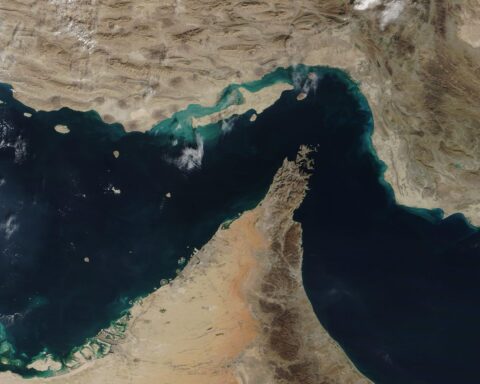
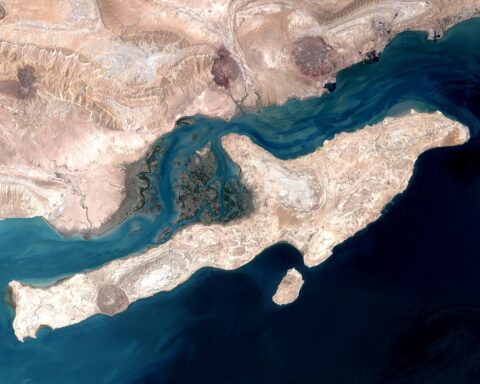
The Strait of Hormuz is a 33-kilometre-wide waterway between Iran and Oman that carries approximately 20 million barrels of oil and petroleum products per day — roughly a fifth of global consumption, according to the US Energy Information Administration. Every barrel of crude exported from Saudi Arabia’s eastern terminals, all of Qatar’s LNG, and the entirety of UAE oil exports must pass through this chokepoint.
For Europe, the Strait’s significance has grown dramatically since the 2022 energy crisis. After Russia’s invasion of Ukraine, European nations embarked on a frantic diversification campaign, replacing Russian pipeline gas with LNG imports from Qatar, the United States, and other suppliers. The strategy worked: by 2025, the EU had reduced Russian gas imports by more than 80 percent compared to pre-invasion levels. But this achievement came with a hidden cost. Europe’s new LNG supply chain runs through two chokepoints — the Strait of Hormuz for Qatari supplies, and the open ocean for American LNG cargoes — instead of the single chokepoint of Russian pipelines.
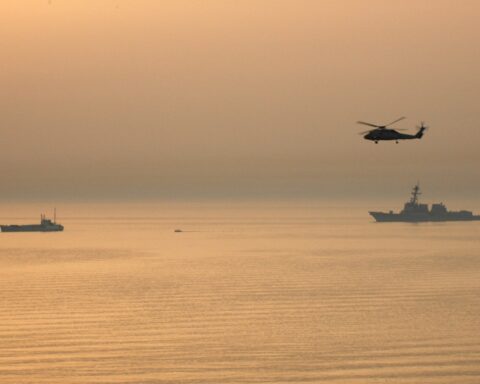
The effective closure of the Strait of Hormuz since March 2 has exposed the fragility of this new architecture. Iranian warnings, actual attacks on tankers, and the deployment of naval mines have brought commercial shipping through the Strait to a near-standstill, according to Bloomberg shipping data. Dozens of loaded tankers are anchored in the Persian Gulf, unable to exit. Insurance premiums for Gulf transit have surged by more than 500 percent, according to Lloyd’s of London underwriting data, making the already-elevated oil prices even more punishing for European importers.
The strategic calculus for Tehran is straightforward. Iran cannot defeat the US or Israeli militaries in direct combat, but it can impose enormous economic costs on the Western alliance by choking the world’s most critical energy artery. Europe — dependent on Gulf oil and gas to keep its factories running and homes warm — absorbs a disproportionate share of that cost. This asymmetry is the foundation of Saudi Arabia’s newly enhanced leverage: the Kingdom is the only major Gulf producer capable of bypassing Hormuz entirely.
What Happens When Qatar’s LNG Goes Dark?
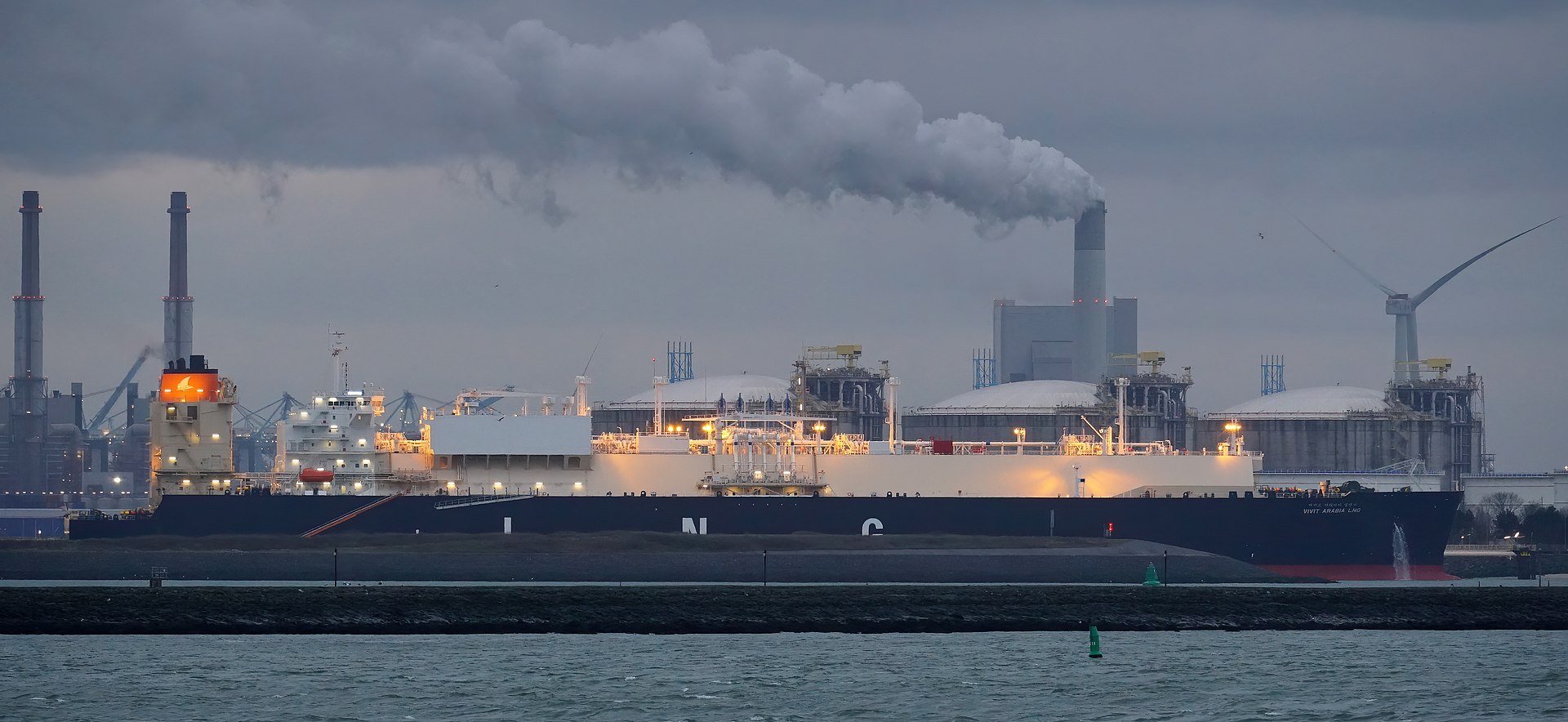
Qatar is the world’s largest LNG exporter, producing approximately 77 million tonnes per year from its massive North Field gas reservoir, according to QatarEnergy corporate data. When Iranian drones struck QatarEnergy’s facilities at Ras Laffan Industrial City and Mesaieed Industrial City on March 2, the company halted LNG production — removing nearly a fifth of global LNG supply from the market in a single day.
The impact on European gas markets was immediate and severe. Dutch TTF futures jumped more than 45 percent on the day of the announcement, while Asian LNG spot prices surged approximately 39 percent, according to Reuters commodity data. Goldman Sachs estimated the shutdown reduced near-term global LNG supply by approximately 19 percent — a supply gap that no combination of alternative suppliers can fill quickly.
While Europe faces Saudi leverage, Asia confronts an even more severe crisis. India, Japan, South Korea, and China are experiencing the worst energy supply disruption in half a century, with strategic reserves in some nations measured in days.
Europe’s vulnerability to the Qatar shutdown is structural. Following the 2022 energy crisis, European nations signed a wave of long-term LNG supply contracts with QatarEnergy, locking in deliveries that were supposed to provide energy security for decades. Germany alone signed a 15-year deal in 2024 for 2 million tonnes per year. France’s TotalEnergies holds equity stakes in Qatari LNG projects. The UK receives regular spot cargoes through the Isle of Grain terminal. All of these flows have been disrupted.
The problem extends beyond the immediate production halt. Even if QatarEnergy restores operations — and there has been no public timeline for doing so — the LNG cargoes still need to transit the Strait of Hormuz to reach global markets. With the Strait effectively closed, restored production would remain stranded. Bruegel, the Brussels-based economic policy think tank, noted in a March 3 analysis that “Europe’s most pronounced vulnerability is LNG. If LNG flows via the Strait of Hormuz are curtailed, global spot availability tightens immediately. Europe would then be forced to compete with Asian buyers for flexible cargoes on the spot market — something seen during the 2021-2023 energy crisis.”
The competition for remaining LNG cargoes pits Europe against Asia in a bidding war that Europe is poorly positioned to win. Japan, South Korea, and China — the world’s three largest LNG importers after Europe — are equally desperate for alternative supply. Asian buyers typically pay a premium over European prices, and with supply this tight, European utilities may find themselves priced out of the market entirely.
The Pipeline That Saved the World — Aramco’s East-West Lifeline
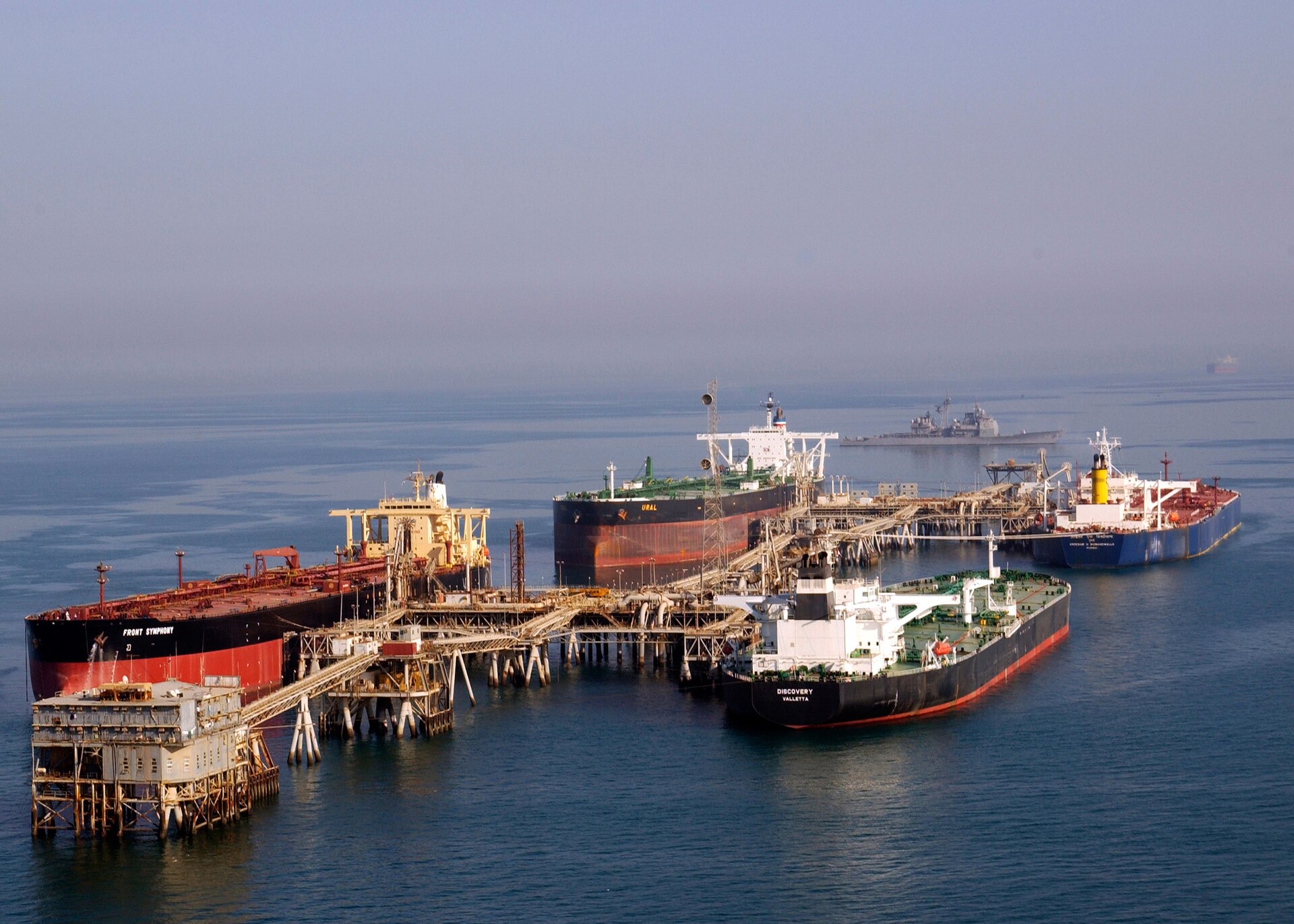
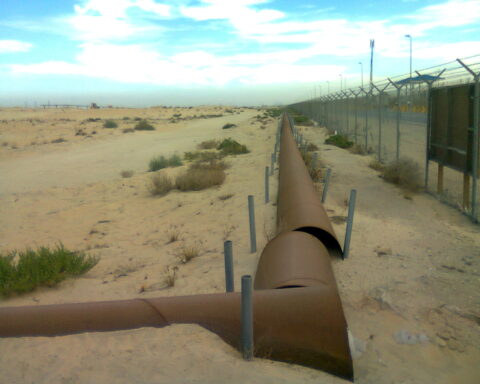
While every other Gulf producer watches its exports bottleneck behind the Hormuz chokepoint, Saudi Arabia holds a strategic asset that no other country possesses: the East-West Crude Oil Pipeline, a 1,200-kilometre artery that runs from the oil fields of the Eastern Province to the Red Sea port of Yanbu. Built in 1981 and expanded to a capacity of 5 million barrels per day in 1992, the pipeline has spent most of its existence as a strategic reserve — insurance against exactly the scenario now unfolding.
The pipeline’s significance cannot be overstated. Saudi Arabia’s total crude export capacity is approximately 10.4 million barrels per day, split between eastern terminals (Ras Tanura, Ju’aymah, Ras al-Khair) and the western terminal at Yanbu. With Ras Tanura in partial shutdown following drone strikes and the Strait of Hormuz closed to commercial shipping, the East-West Pipeline has become the only viable route for Saudi crude to reach global markets.
Aramco moved quickly. Within 48 hours of the Hormuz closure, the company informed crude buyers that cargoes would need to be loaded from Yanbu on the Red Sea coast, according to Reuters. The Yanbu South Terminal, commissioned in 2018, offers 3 million barrels per day of loading capacity through five deep-water berths designed for VLCCs and Ultra Large Crude Carriers. Combined with the existing Yanbu North Terminal, Saudi Arabia can redirect approximately 48 percent of its total export capacity to the Red Sea — bypassing Hormuz entirely.
For Europe, this geographical accident is a lifeline. Oil loaded at Yanbu transits the Red Sea, the Suez Canal, and the Mediterranean to reach European refineries — a route that avoids every chokepoint controlled by Iran. European refiners who depended on Gulf crude loaded at Ras Tanura now have a single alternative, and it runs through Saudi Arabia. This gives Crown Prince Mohammed bin Salman direct control over the flow of energy to European economies at their moment of maximum vulnerability.
The pipeline also demonstrated an emergency capability during the 2019 Abqaiq-Khurais drone attacks, when it temporarily handled approximately 7 million barrels per day after natural gas liquids pipelines were converted to carry crude. That surge capacity suggests Aramco could push well above the nameplate 5 million barrels per day if the crisis demands it — but the decision to do so rests entirely with Riyadh.
How Is MBS Using Energy Leverage Over Europe?
Crown Prince Mohammed bin Salman has approached Europe’s energy dependency with the careful strategic calibration that has defined his foreign policy since 2017. The Kingdom is not weaponising oil in the manner of the 1973 embargo — there are no export bans, no production cuts targeting specific countries. Instead, Saudi Arabia is positioning itself as the indispensable stabiliser, the responsible energy supplier that keeps barrels flowing while every other Gulf producer is sidelined. The leverage is no less potent for being exercised through presence rather than absence.
The first dimension of leverage is volume. With the Hormuz closure removing approximately 20 million barrels per day of oil from maritime transit routes, and Ras Tanura’s partial shutdown reducing Saudi eastern exports by an estimated 2 million barrels per day, the Kingdom’s Yanbu route represents one of the few remaining channels for Gulf crude to reach the global market. European refiners — particularly those in the Mediterranean basin who process Saudi Arab Light and Arab Extra Light grades — have no immediate alternative supplier capable of matching Saudi volumes.
The second dimension is pricing. Aramco sets its official selling prices monthly, and the March 2026 pricing cycle gives the company significant discretion over the premium charged to European buyers. While Aramco has historically priced competitively to maintain market share, the current seller’s market allows the Kingdom to extract premium pricing without losing customers. European refiners have nowhere else to go.
The third dimension is diplomatic. European leaders who spent 2023 and 2024 criticising Saudi Arabia’s human rights record, questioning the Khashoggi investigation, and restricting arms sales now find themselves needing Saudi energy cooperation urgently. Phone calls between European capitals and Riyadh have reportedly intensified since March 2, with the UK, France, and Germany all seeking reassurance of continued supply. The transactional alliance between Trump and MBS has been well documented, but the Iran war is creating an equally transactional dynamic between MBS and European leaders — one where energy security comes with political conditions.
The fourth dimension is financial. The Public Investment Fund, Saudi Arabia’s $930 billion sovereign wealth fund, holds substantial investments across European markets — in gaming companies, sports franchises, infrastructure, and financial instruments. These investments give the Kingdom economic influence that extends well beyond energy. European governments are unlikely to take actions that antagonise a major investor at the precise moment they need that investor’s oil.
Is This the New 1973 Oil Embargo?
The parallels between March 2026 and October 1973 are striking but imperfect, and the differences reveal more about Saudi Arabia’s evolved strategic sophistication than the similarities suggest. In 1973, the Organization of Arab Petroleum Exporting Countries imposed a total oil embargo on nations supporting Israel during the Yom Kippur War, targeting the United States, Canada, Japan, the Netherlands, and the United Kingdom. Oil prices rose approximately 300 percent in four months, from $3 to nearly $12 per barrel, according to Federal Reserve historical data.
The 2026 crisis shares several structural features with 1973: a Middle Eastern war triggering energy supply disruption, European economies absorbing disproportionate economic damage, and Saudi Arabia holding decisive influence over the resolution. Western European nations in 1973 imported approximately 45 to 50 percent of their oil from OPEC states, according to the US State Department’s historical analysis. In 2026, the EU’s dependency on Gulf energy has shifted from oil to gas and LNG, but the underlying vulnerability — reliance on a single region for critical energy inputs — has not fundamentally changed.
The critical difference is intentionality. The 1973 embargo was a deliberate weapon wielded by Arab oil producers against Western nations. The 2026 crisis is a consequence of war — Iran’s retaliatory strikes on Gulf infrastructure, the Hormuz closure, and the Qatar LNG shutdown are not Saudi policy choices but rather collateral damage from a conflict that the Kingdom helped set in motion but cannot fully control. Saudi Arabia is not embargoing anyone. It is, instead, the last supplier standing — and that positioning may prove more strategically valuable than any embargo.
| Dimension | 1973 Embargo | 2026 Iran War |
|---|---|---|
| Trigger | Arab-Israeli War (Yom Kippur) | US-Israeli strikes on Iran |
| Mechanism | Deliberate export ban | War damage + Hormuz closure |
| Price impact | ~300% increase ($3→$12/bbl) | ~23% so far ($74→$91/bbl) |
| Saudi role | Active embargo participant | Last supplier standing |
| European dependency | 45-50% of oil from OPEC | ~20% of gas from Gulf LNG |
| Duration | 5 months (Oct 1973–Mar 1974) | Ongoing (started Feb 28, 2026) |
| Alternative supply | Limited (North Sea not yet online) | US LNG, renewables, storage drawdown |
| Saudi leverage type | Coercive (punishment) | Structural (indispensability) |
The evolution from coercive to structural leverage is significant. In 1973, Saudi Arabia’s King Faisal risked his billions invested in Western banks — inflation eroded the value of Saudi financial assets held abroad, according to Baker Institute analysis. MBS faces no such trade-off. By positioning Saudi Arabia as the reliable partner rather than the hostile actor, the Crown Prince accumulates diplomatic capital without the economic blowback. European leaders arrive in Riyadh as supplicants, not adversaries. The leverage is softer, subtler, and ultimately more durable than any embargo could achieve.
Which European Countries Face the Greatest Risk?
The Iran war’s energy shock does not strike Europe uniformly. Germany and Italy face the most severe industrial exposure, while countries with stronger renewable energy sectors and more diversified supply chains — such as France and the Nordic states — are somewhat better insulated. The disparities reflect decades of divergent energy policy choices that are now producing dramatically different outcomes.
Germany is the most vulnerable major European economy. Its industrial sector — which accounts for approximately 24 percent of GDP, according to the World Bank — is heavily energy-intensive, with chemical manufacturing, steelmaking, and automotive production all dependent on affordable gas. Germany’s BASF, the world’s largest chemical company, warned during the 2022 energy crisis that sustained gas prices above €70 per megawatt-hour would force permanent plant closures. With TTF prices now hovering around €47 per megawatt-hour and trending upward, that threshold is approaching fast.
Germany signed a 15-year LNG supply deal with QatarEnergy in 2024 for 2 million tonnes per year — supply that is now offline. The country’s three new floating LNG import terminals, built at emergency speed in 2022-2023, sit idle without Qatari cargoes to receive. German gas storage, which the government mandated must be at least 40 percent full by February 1 under the 2022 storage law, has fallen to approximately 27 percent, according to European Gas Hub data — well below the legal threshold.
Italy faces equally severe exposure. The country imports approximately 95 percent of its natural gas, with LNG accounting for a growing share since the 2022 pivot away from Russian pipeline supply. Italy’s industrial north — the manufacturing engine of the eurozone — relies on gas-fired power plants that cannot be quickly switched to alternative fuels. Euronews reported on March 4 that the disruption could trigger a new round of inflation in both Germany and Italy, hammering industrial output and pushing the eurozone to the brink of recession.
France, by contrast, benefits from its nuclear fleet, which generates approximately 65 percent of the country’s electricity and provides a buffer against gas price volatility. The UK’s diverse LNG import infrastructure — receiving cargoes from the US, Trinidad, and West Africa through terminals at Milford Haven, the Isle of Grain, and Teesside — provides more supply resilience than continental Europe, though British consumers are still exposed to global price increases.
| Country | Gas Import Dependency | LNG Share of Gas Supply | Industrial Energy Intensity | Nuclear Buffer | Overall Risk |
|---|---|---|---|---|---|
| Germany | 95% | ~30% | High (chemicals, steel, auto) | None (phased out 2023) | Critical |
| Italy | 95% | ~25% | High (manufacturing, ceramics) | None | Critical |
| Netherlands | ~60% | ~20% | Medium (petrochemicals) | Minimal | High |
| Spain | ~90% | ~45% | Medium | ~20% of electricity | High |
| France | ~98% | ~35% | Medium | ~65% of electricity | Moderate |
| UK | ~50% | ~55% | Medium | ~15% of electricity | Moderate |
| Norway | Net exporter | N/A | Low | N/A (hydro dominant) | Low |
Poland and the Czech Republic, though less discussed, face significant exposure through their indirect dependency on German industrial supply chains. A recession in German manufacturing would cascade through Central European economies that supply components to German factories. The Baltic states — Latvia, Lithuania, and Estonia — have made impressive progress in disconnecting from the Russian power grid, but their LNG import terminals at Klaipeda and Skulte depend on the same global LNG spot market now being distorted by the Gulf supply disruption.
The pattern is clear: the countries that most aggressively replaced Russian gas with Gulf LNG — Germany and Italy — are the most exposed to the Iran war’s energy consequences. Countries with domestic energy production (Norway), nuclear power (France), or diversified LNG sources (UK) have more resilience. The irony is bitter. Berlin and Rome’s post-2022 energy security strategies were designed to prevent exactly this scenario, and they have failed because they addressed the supplier problem without addressing the chokepoint problem.
Why Are Europe’s Gas Reserves So Dangerously Low?
Europe entered 2026 in a precarious energy position even before the first Iranian missile flew. Gas storage levels across the EU stood at 46 billion cubic metres at the end of February 2026 — compared to 60 bcm at the same point in 2025 and 77 bcm in 2024, according to data compiled by Bruegel. The deficit is not a coincidence. A combination of a colder-than-average winter, reduced Russian pipeline flows, and strong Asian competition for LNG cargoes drained European reserves faster than expected.
The storage deficit widened dramatically during January and February 2026. EU storage withdrawals soared by approximately 25 percent compared to their five-year average since the start of the year, according to European Gas Hub analysis. By early February, overall EU storage fill levels had dropped to just 37 percent, with particularly alarming levels in Northwest Europe — the Netherlands at 20 percent, France and Germany at 27 percent.
The implications are severe. Bruegel’s modelling suggests that if withdrawals continue at their five-year average pace, EU storage sites could finish the heating season at just 25 percent full — their lowest level since the 2017-2018 winter. Under the EU’s 2022 gas storage regulation, member states are required to fill storage to 90 percent capacity by November 1 each year. Starting from a base of 25 percent, with global LNG prices elevated and Gulf supply disrupted, achieving that target looks increasingly difficult.
The Think Tank Europa, a Copenhagen-based policy institute, calculated in January 2026 that EU gas storage facilities held less than a third of capacity — when they usually hold 45 percent at that time of year. The cold winter had depleted reserves, and refilling them for the next heating season would now need to happen at record prices. The Iran war has turned a manageable storage shortfall into a potential emergency.
Several factors compound the storage challenge. First, Russia’s Gazprom has continued to reduce pipeline flows through the remaining transit routes, leaving European buyers with fewer options to supplement LNG with pipe gas. Second, the US — now the world’s largest LNG exporter — can only partially compensate for Gulf supply disruptions, as American liquefaction plants are already running at near-maximum capacity. Third, the competition with Asian buyers for remaining flexible LNG cargoes pushes spot prices to levels that make storage refilling economically punishing.
The storage crisis creates a dangerous feedback loop. Low reserves increase vulnerability to supply disruptions, which drives up prices, which makes refilling more expensive, which further depletes reserves during periods of high demand. Breaking this cycle requires either a dramatic increase in supply — which only Saudi Arabia and the United States can provide at scale — or a dramatic reduction in demand, which means industrial shutdowns and economic contraction.
The Energy Leverage Matrix — Measuring Saudi Power Over Europe
Understanding Saudi Arabia’s leverage over Europe requires moving beyond simplistic oil-flow analysis to a multi-dimensional assessment that captures volume, pricing, infrastructure, diplomatic, and financial power. Seven factors determine the strength and durability of this leverage, and each operates on a different timeline and through different mechanisms.
| Leverage Dimension | Mechanism | Current Strength (1-10) | Duration | European Countermeasure |
|---|---|---|---|---|
| Volume control | East-West Pipeline + Yanbu as sole Gulf export route | 9 | As long as Hormuz closed | None (no alternative Gulf bypass) |
| Price setting | Aramco OSP monopoly pricing in seller’s market | 8 | Months (until supply normalises) | SPR releases, demand reduction |
| OPEC+ coordination | Production increase/decrease decisions | 7 | Years (structural OPEC role) | US shale increase, non-OPEC supply |
| Diplomatic conditionality | Energy supply linked to political alignment | 8 | Indefinite | Energy diversification (long-term) |
| Financial interdependence | PIF investments across European economies | 6 | Years (portfolio locked in) | Investment screening (limited) |
| Alternative supplier blocking | Saudi spare capacity crowds out competitors | 7 | Months to years | Long-term contracts with non-Gulf |
| Transition pace control | Low oil prices can undercut renewables economics | 5 | Decades (structural) | Carbon pricing, subsidy policy |
The matrix reveals that Saudi Arabia’s leverage peaks in the immediate crisis — volume control and price setting score 9 and 8 respectively while Hormuz remains closed — but retains significant structural power through diplomatic conditionality and OPEC coordination even after the crisis subsides. Europe’s countermeasures are either unavailable in the short term (alternative Gulf bypass routes do not exist) or slow-acting (energy diversification takes years to decades).
The composite score across all seven dimensions is 50 out of 70 — the highest level of Saudi energy leverage over any major economic bloc since the 1973 embargo period. The 1973 crisis scored higher on volume control (the embargo was total) but lower on financial interdependence and diplomatic conditionality, because Saudi Arabia’s economic integration with the West was far less sophisticated in the 1970s than it is today.
Perhaps the most important insight from the matrix is the asymmetry of timelines. Saudi leverage operates on short, medium, and long timeframes simultaneously, while European countermeasures are concentrated in the medium to long term. There is nothing Brussels, Berlin, or London can do in the next 30 days to meaningfully reduce their dependence on Saudi energy. This mismatch is the source of MBS’s negotiating power.
How Is OPEC Responding to the Crisis?
OPEC+ agreed on March 1 to resume unwinding voluntary production cuts, adding 206,000 barrels per day for April 2026, according to an OPEC communiqué. The decision — taken on the same day Iranian drones were striking Gulf infrastructure — reflected what the cartel described as a “steady global economic outlook and healthy market fundamentals.” The diplomatic understatement was striking. OPEC was simultaneously acknowledging that the market needed more supply and signalling that it would not flood the market to crash prices.
The 206,000-barrel-per-day increase is modest by design. With approximately 20 million barrels per day of maritime transit disrupted by the Hormuz closure, an additional 206,000 barrels is a rounding error. The real message was political: OPEC+ is willing to increase supply, but the pace will be determined by Saudi Arabia, which holds the vast majority of the group’s spare production capacity — estimated at approximately 3 million barrels per day by the International Energy Agency.
Saudi Arabia’s spare capacity is the most valuable strategic asset in global energy markets. While other OPEC+ members — Iraq, UAE, Kuwait — are largely producing at or near their capacity limits, the Kingdom can ramp up production by millions of barrels per day within weeks. This capability gives MBS unilateral power to determine global oil prices within a broad band. Increase production significantly, and prices fall — relieving European consumers but reducing Saudi revenue. Keep production constrained, and prices remain elevated — maximising revenue while increasing European dependency.
The spare capacity question has a financial dimension that shapes Saudi decision-making. Every barrel left underground is a barrel that earns no revenue. At $91 per barrel, Saudi Arabia’s spare capacity of 3 million barrels per day represents approximately $273 million in potential daily revenue — roughly $100 billion annually — that remains uncaptured. The temptation to monetise this capacity is immense, but unleashing it too quickly would crash prices and eliminate the premium that makes the current moment so profitable for Riyadh. Calibrating the release — enough to prevent a global recession that would destroy demand, but not so much that prices return to pre-war levels — is the central challenge for Prince Abdulaziz bin Salman at the Ministry of Energy.
The choice between these strategies is fundamentally political, not economic. A Saudi Arabia that wants to be welcomed as a G20 partner, attract European investment for Vision 2030 projects, and build diplomatic credit for future negotiations will likely increase production enough to prevent a full-blown economic crisis in Europe — while extracting concessions along the way. A Saudi Arabia that feels scorned by European criticism, restricted by arms embargoes, or undercut by European support for Iranian diplomacy might choose to let Europe stew in elevated prices for longer.
Will the Iran War Accelerate Europe’s Energy Transition?
The 2022 Russian energy shock demonstrably accelerated Europe’s clean energy transition. Wind and solar generated more of the EU’s electricity than fossil fuels for the first time in 2025, providing nearly a third of total power output, according to Ember’s European Electricity Review 2026. EU countries invested approximately €110 billion in renewable energy generation in 2023 alone — ten times more than fossil fuel investment, according to European Investment Bank data. The Iran war may trigger a similar acceleration, but the dynamics are more complex than the Ukraine precedent suggests.
The case for acceleration is strong. Every energy crisis Europe has experienced — the 1973 embargo, the 2022 Russian disruption, and now the 2026 Iran war — has proven the same fundamental point: dependence on imported fossil fuels creates geopolitical vulnerability. Bruegel argued in its March 3 analysis that “this conflict will cause lasting shocks and force a new reckoning with the European Union’s energy dependence,” recommending that policymakers “double down — not backtrack — on the energy transition.” The European Council on Foreign Relations published a paper titled “The Electric Endgame” arguing that Europe’s only path out of energy vassalage runs through comprehensive electrification and domestic renewable generation.
The EU’s existing policy framework supports acceleration. The revised Renewable Energy Directive sets a binding target of 42.5 percent renewable energy in the EU’s overall energy consumption by 2030, with an ambition to reach 45 percent. Member states submitted national diversification plans to the European Commission by March 1, 2026, detailing measures for eliminating imports of Russian gas and oil. The Iran war adds a new dimension: diversifying away from Gulf supply as well, which means either building more renewables or finding new LNG sources outside the chokepoint-vulnerable Gulf.
However, the case against rapid acceleration is also substantial. Europe’s immediate crisis — the next 6 to 18 months of elevated energy prices, storage refilling, and industrial disruption — requires more fossil fuel supply, not less. Solar panels and wind turbines cannot replace the gas that European factories need today. The European transition is a decade-long structural shift, and the Iran war has created a short-term crisis that demands short-term solutions: more LNG from the United States and West Africa, strategic petroleum reserve releases, demand reduction through industrial curtailment, and — critically — more Saudi crude oil.
The tension between short-term dependence and long-term transition is the central paradox of European energy policy in March 2026. MBS and his energy minister, Prince Abdulaziz bin Salman, understand this paradox perfectly. Saudi Arabia has invested billions in renewable energy and hydrogen projects — including the NEOM Green Hydrogen Project, on track for production by 2027 with $8.4 billion in committed investment — while simultaneously maximising oil revenue during periods of elevated demand. The Kingdom positions itself as a partner for both the fossil fuel present and the renewable future, ensuring that its leverage persists regardless of which energy path Europe ultimately chooses.
What Is the Diplomatic Price of Saudi Oil?
Energy leverage translates into diplomatic outcomes, and the Iran war is providing a case study in how that translation works. European leaders who criticised Saudi Arabia’s human rights record — particularly after the 2018 killing of journalist Jamal Khashoggi — now find themselves in a weaker negotiating position. The UK’s Prince William visited Saudi Arabia in February 2026, celebrating “growing trade, energy and investment ties” ahead of the centenary of diplomatic relations. The visit was a sign of how far the relationship has shifted from the post-Khashoggi nadir.
The diplomatic price of Saudi oil operates across several channels. First, arms sales. European nations — particularly the UK, France, and Germany — have periodically restricted or debated restricting arms exports to Saudi Arabia over the Yemen war and human rights concerns. The House of Salman’s consolidation of power and the Kingdom’s elevated security needs during the Iran conflict create pressure on European governments to approve weapons sales that might otherwise face parliamentary opposition.
Second, the financial dimension. The Public Investment Fund has invested heavily across European markets — in gaming companies like ESL and FACEIT, in sports franchises including Newcastle United, in infrastructure projects, and in financial instruments. These investments create economic dependencies that run parallel to energy dependencies. European governments are unlikely to pursue policies that alienate a major investor at the precise moment they need that investor’s oil.
Third, the normalization question. Saudi Arabia has long sought full diplomatic normalization with Israel, with the US serving as broker. The Iran war has complicated but not eliminated this ambition. MBS may use European energy dependency to secure European support for a normalization framework that includes Saudi conditions — such as a credible pathway to Palestinian statehood — that European governments might otherwise resist promoting.
Fourth, international institutional reform. Saudi Arabia has been campaigning for greater representation in international institutions — the IMF, World Bank, and UN Security Council — commensurate with its economic weight. European support for Saudi institutional ambitions could become another item on the diplomatic price list.
The pattern is not extortion. It is transactional diplomacy of the kind that every major energy producer has practiced for decades. Russia used gas pipelines to extract political concessions from European neighbours for twenty years before the 2022 invasion made that leverage untenable. Saudi Arabia is likely to be more sophisticated in its approach — offering partnership rather than coercion, incentives rather than threats. But the underlying dynamic is identical: energy dependency creates political dependency, and the country that controls the flow of energy sets the terms of the relationship.
“Europe started 2026 with much lower gas storage levels than recent years: 46 billion cubic metres at the end of February 2026, compared to 60 bcm in 2025 and 77 bcm in 2024. Policymakers should plan for a potentially prolonged standoff in the Middle East, while doubling down on the energy transition.”Bruegel, Brussels-based economic policy think tank, March 3, 2026
The Contrarian Case — Why Europe’s Weakness May Be Temporary
The prevailing narrative casts Europe as helplessly dependent on Saudi energy goodwill, but three structural factors suggest this leverage may be shorter-lived than conventional analysis assumes.
First, the US LNG surge. American liquefaction capacity has expanded dramatically since 2022, and several major export terminals — including Golden Pass in Texas and Plaquemines in Louisiana — reached full operational capacity in late 2025. US LNG exports do not transit any chokepoint controlled by a hostile power. They cross the Atlantic on routes that NATO navies can secure. While US terminals are currently running at near-maximum capacity, the 2026 price surge will incentivise rapid expansion of American LNG infrastructure, potentially breaking Gulf suppliers’ market power within 3 to 5 years.
Second, the demand destruction effect. Extended high energy prices do not merely delay European industrial activity — they permanently relocate it. Chemical companies, steelmakers, and heavy manufacturers that face sustained gas prices above €50 per megawatt-hour will accelerate plans to move production to regions with cheaper energy, primarily the United States and the Gulf states themselves. This demand destruction reduces Europe’s total energy import bill, which paradoxically reduces Saudi Arabia’s future leverage even as it enriches the Kingdom in the short term.
Third, the renewable buildout. Europe installed approximately 73 gigawatts of new solar capacity in 2025 alone, according to SolarPower Europe. Wind additions totalled approximately 20 gigawatts. Each gigawatt of renewable capacity installed permanently reduces Europe’s need for imported fossil fuels. The Iran war energy shock will almost certainly trigger a new wave of policy support for renewables, storage, and grid infrastructure — just as the 2022 crisis did. Within a decade, Europe’s energy mix could look radically different from today’s. Saudi Arabia’s energy leverage is real, but it operates on a depreciating asset — fossil fuel dependency — that is being eroded by every solar panel and wind turbine that Europe installs.
Fourth, the institutional learning curve. Europe’s response to the 2022 energy crisis produced durable institutional capabilities: joint gas purchasing mechanisms through the EU Energy Platform, mandatory storage filling requirements, coordinated demand reduction frameworks, and enhanced cross-border interconnection. These tools — absent during the 1973 embargo and only embryonic during the 2022 crisis — give European policymakers a playbook for managing supply disruptions that did not exist in previous energy shocks. The EU Energy Platform’s aggregated demand mechanism alone has secured approximately 50 bcm of gas through joint purchasing since its 2023 launch, according to European Commission data.
The contrarian conclusion is not that Europe is safe. It is not. The next 12 to 24 months will be painful, expensive, and politically fraught. But the structural trend lines point toward diminishing Saudi leverage over time, which means MBS has a narrow window — perhaps 3 to 5 years — to extract maximum diplomatic and economic value from the Kingdom’s energy position before the window closes permanently.
The Week Ahead — What to Watch
Several developments in the coming days will determine whether Europe’s energy crisis deepens or stabilises.
First, Aramco’s Yanbu loading schedule. The speed and volume at which Saudi crude moves through the East-West Pipeline to Red Sea terminals will determine how much of the Hormuz disruption is offset. Aramco has not publicly disclosed loading schedules, but tanker tracking data from Kpler and Vortexa will reveal the answer within days.
Second, the US Strategic Petroleum Reserve. President Trump has authority to release oil from the SPR, which holds approximately 370 million barrels. A coordinated release by IEA member states — as occurred during the 2022 crisis — could dampen prices temporarily. But SPR releases are finite and treat symptoms rather than causes.
Third, European Central Bank guidance. The ECB’s response to the energy price shock will determine whether Europe experiences a managed slowdown or a disorderly recession. If the Bank prioritises inflation-fighting over growth support, higher interest rates combined with higher energy costs could create a double squeeze on European industry that accelerates the economic damage.
Fourth, the QatarEnergy restart timeline. Qatar has not provided a public timeline for restoring LNG production at Ras Laffan and Mesaieed. Every day of continued shutdown tightens the global LNG market and increases European competition with Asian buyers for remaining supply. A rapid restart — within one to two weeks — would significantly ease market pressure. A prolonged shutdown — measured in months — could trigger the storage crisis that European policymakers fear most.
Fifth, Russia and China’s positioning. Moscow could theoretically offer increased gas supplies to Europe via remaining pipeline routes, but the political conditions for accepting Russian gas in the current geopolitical climate are prohibitive. Beijing’s decisions on LNG purchasing — whether to stockpile aggressively or allow European buyers access to available cargoes — will significantly influence global LNG pricing.
The European energy crisis triggered by the Iran war is, at its core, a story about chokepoints, dependencies, and the political consequences of geographic vulnerability. Saudi Arabia did not create this crisis, but the Kingdom’s unique infrastructure — a pipeline that bypasses the world’s most contested waterway — has made it the indispensable partner for European energy security. The price of that partnership, in diplomatic and political terms, is still being negotiated. What is already clear is that MBS holds a stronger hand than any Saudi leader since King Faisal — and he appears ready to play it.
Frequently Asked Questions
How much of Europe’s energy comes from the Persian Gulf?
Approximately 20 percent of global LNG trade transits the Strait of Hormuz, primarily from Qatar and the UAE. Europe receives a significant share of this LNG, particularly since diversifying away from Russian pipeline gas after 2022. European nations also import Saudi crude oil, though oil dependency is lower than gas dependency for most EU member states. The combined exposure makes the Gulf region a critical supply zone for European energy security.
Can the United States replace Gulf LNG for Europe?
Partially, but not immediately. US LNG export capacity reached approximately 14 billion cubic feet per day in 2025 and is operating near maximum capacity. New liquefaction terminals under construction will add capacity over the next two to three years, but the current shortfall caused by Qatar’s production halt cannot be fully offset by American supplies alone. European buyers must compete with Asian markets for available US cargoes at elevated spot prices.
What is the East-West Pipeline and why does it matter?
The East-West Crude Oil Pipeline is a 1,200-kilometre Aramco-operated pipeline running from Saudi Arabia’s eastern oil fields to the Red Sea port of Yanbu. Built in 1981 with a capacity of 5 million barrels per day, it allows Saudi Arabia to export crude oil without transiting the Strait of Hormuz. It is currently the only viable route for large-scale Gulf oil exports to reach global markets during the Hormuz closure.
Will the Iran war cause a European recession?
The risk is elevated but not certain. Oxford Economics estimated that sustained oil prices above $100 per barrel combined with the gas price spike could add approximately 0.8 percent to global inflation and reduce eurozone GDP growth by 0.5 to 1.0 percentage points. Germany and Italy face the highest recession risk due to their energy-intensive industrial sectors and high gas import dependency. The duration of the Hormuz closure and the speed of supply restoration are the critical variables.
How does Saudi Arabia benefit from Europe’s energy crisis?
Saudi Arabia benefits through elevated oil revenue from higher prices, enhanced diplomatic leverage over European governments that need supply reassurance, strengthened negotiating position for arms deals and investment partnerships, and increased strategic importance in global energy governance. The Kingdom also gains from positioning itself as a reliable energy partner in contrast to the disrupted Gulf supply chain, building long-term commercial relationships with European buyers.
What lessons should Europe learn from this crisis?
The primary lesson is that replacing one energy dependency with another — swapping Russian pipelines for Gulf LNG tankers — does not eliminate geopolitical risk. Durable energy security requires diversification across both suppliers and energy sources, combined with domestic production capacity through renewables and storage. The crisis also demonstrates the importance of maintaining strategic reserves at adequate levels and investing in infrastructure that reduces chokepoint vulnerability.