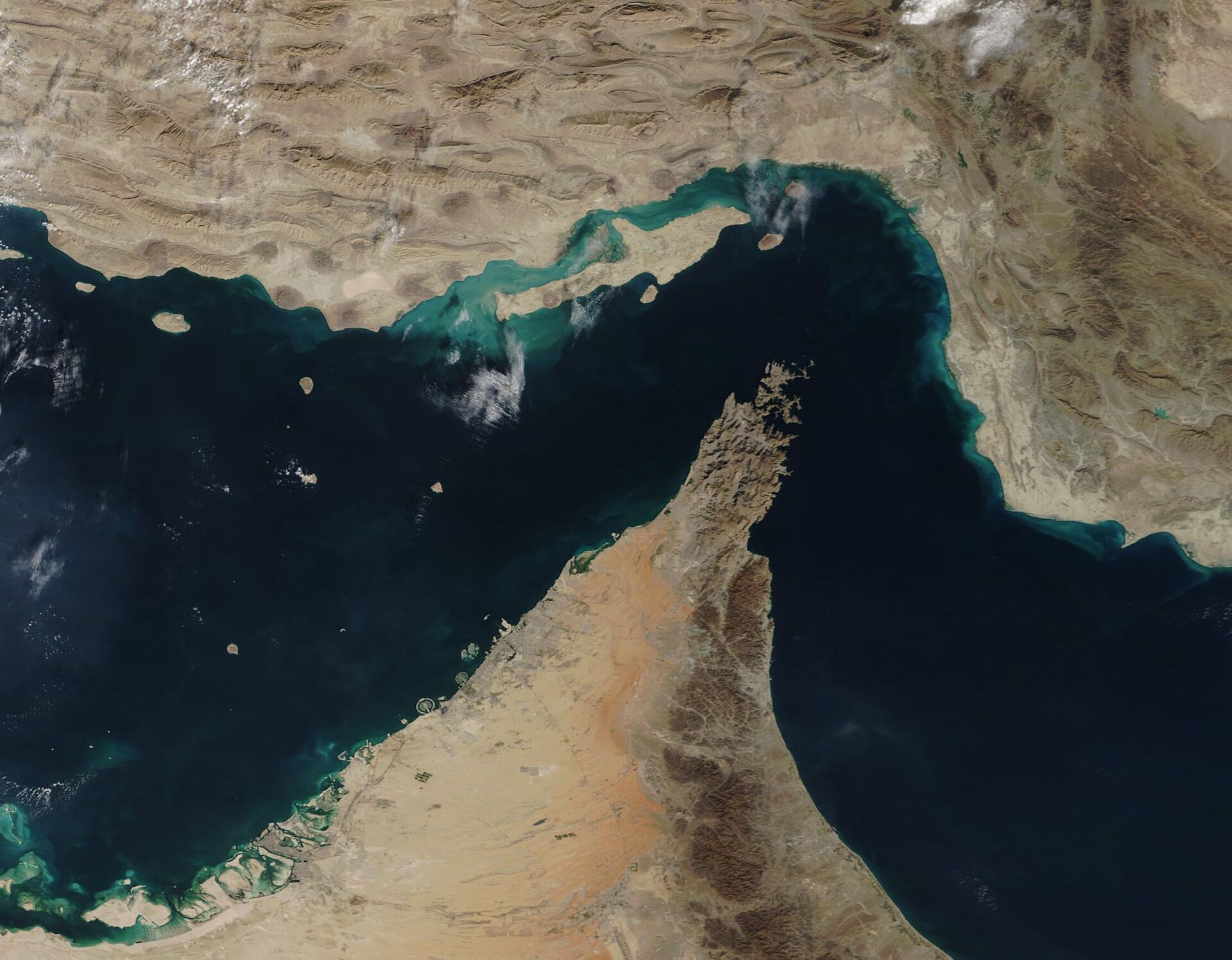

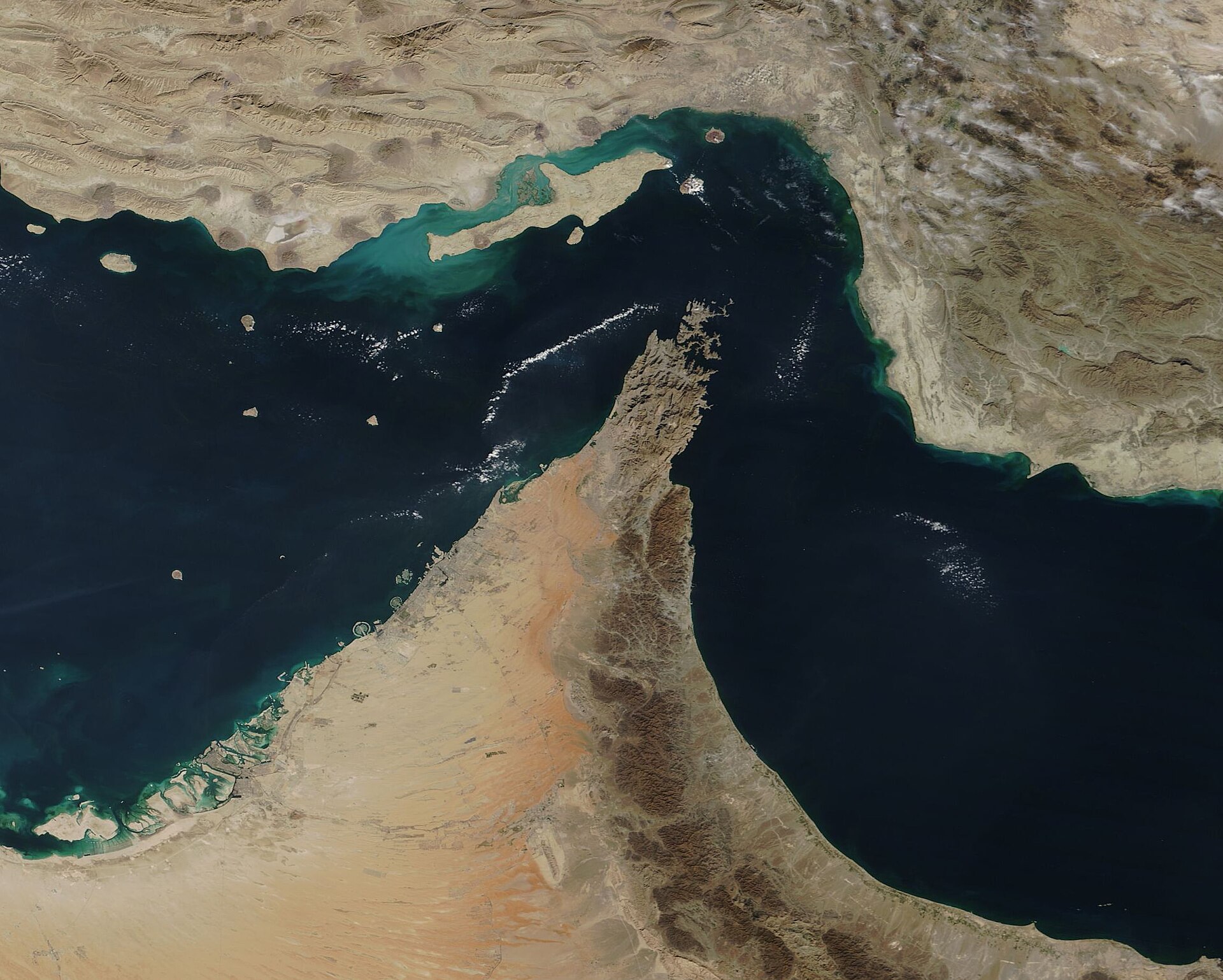
WASHINGTON — President Trump announced Project Freedom on Saturday — a US Navy convoy to escort neutral merchant ships through the Strait of Hormuz starting Monday morning — and named Saudi Arabia first among seven countries whose trapped vessels justified the operation. Riyadh has said nothing.
That silence is the story. Saudi Arabia needs this convoy more than any other country on the list. Its oil exports have fallen 30 percent since February, its Yanbu bypass maxes out at 5.9 million barrels per day against a pre-war Hormuz throughput of 7.5 million, and its eastern terminals remain shut. But endorsing a US military operation through waters Iran considers sovereign would hand Tehran exactly the provocation it needs to hit Yanbu — the only route still working. MBS is trapped between a convoy he cannot survive without and an endorsement he cannot survive giving.
The operation itself arrives with a problem the White House has not addressed. The four dedicated minesweeping ships that were forward-deployed at Bahrain were decommissioned in September 2025 and physically shipped to Philadelphia in January — five weeks before the war started. Iran has explicitly warned the US to “remember 1987 Bridgeton,” when a mine struck the first tanker of the last American convoy through Hormuz on day one. The replacement systems the Pentagon bought — drone boats and helicopter-towed sensors mounted on littoral combat ships — were judged “not operationally suitable” by the Pentagon’s own testing office.
Project Freedom launches Monday into a strait where roughly 2,000 ships sit stranded, only 45 transits have occurred since the April 8 ceasefire, and no named commander leads the IRGC Navy — 34 days after Tangsiri was killed. Whether the first convoy gets through without a Bridgeton repeat depends on capabilities the US chose to retire before anyone imagined it would need them again.
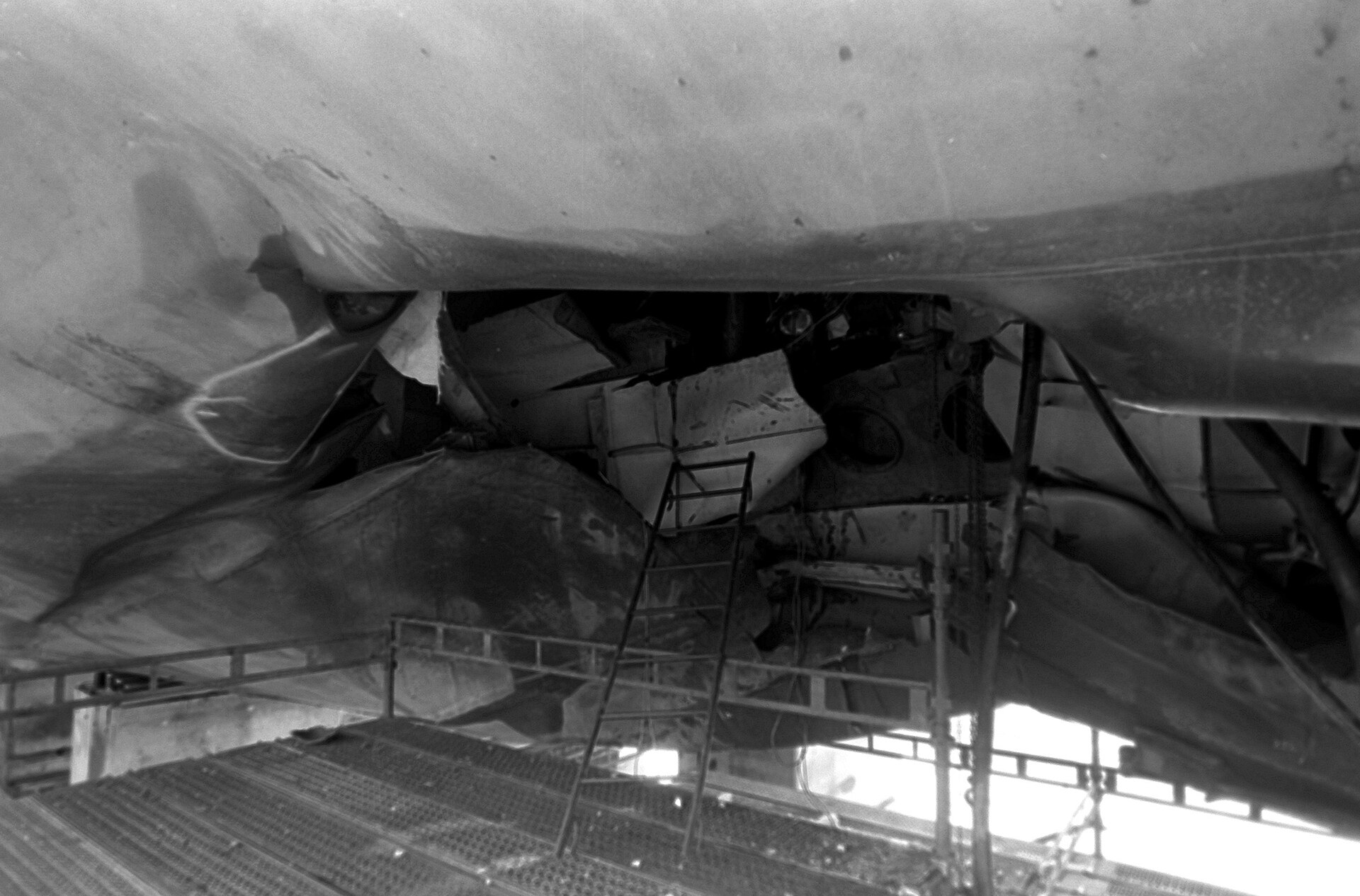
Table of Contents
- What Is Project Freedom and Which Countries Are Included?
- Why Has Saudi Arabia Said Nothing About Project Freedom?
- Can the US Navy Clear Mines Fast Enough to Protect the First Convoy?
- The Bridgeton Problem
- Does a US Navy Escort Make Ships Safer — or Legal Targets?
- The Sirik Attack and Iran’s Three-Track Response
- Why Saudi Arabia Cannot Wait for Hormuz to Reopen
- Frequently Asked Questions
What Is Project Freedom and Which Countries Are Included?
Trump described the convoy as “a Humanitarian gesture on behalf of the United States, Middle Eastern Countries but, in particular, the Country of Iran” — framing that managed to name Iran as a beneficiary of an operation designed to break Iran’s maritime chokehold. The seven countries whose ships he cited: Saudi Arabia, Russia, Algeria, Iraq, Kazakhstan, Kuwait, and Oman. Force is authorized if Iran interferes. Convoy size, escort frequency, and rules of engagement remain unspecified.
The capacity math is bleak. Chatham House calculated that ten frigates — a generous estimate for available escort strength — could shepherd five to ten commercial ships per convoy. Pre-war, 154 vessels transited Hormuz monthly. Even at maximum tempo, Project Freedom handles less than ten percent of the traffic the strait carried before the double blockade froze it.
The Middle East briefing 3,000+ readers start their day with.
One email. Every weekday morning. Free.
Chatham House recommended three subordinate task groups for any credible convoy operation: ship escort, mine countermeasures, and maritime domain awareness. What the White House described on Saturday was the first of those three. The other two — the ones that determine whether escort ships survive the transit — were not mentioned.
The list of seven countries itself raises questions. No European flag states were named, which matters for reasons that go beyond diplomacy. Under the San Remo Manual on international law applicable to armed conflicts at sea, merchant ships escorted by a belligerent navy — which the US is — may be lawfully targeted. Ships escorted by neutral-state warships may not. The absence of UK or French naval participation is not an oversight. It is a gap in the legal architecture that protects the ships this operation is supposed to save.
Why Has Saudi Arabia Said Nothing About Project Freedom?
Saudi Arabia’s position is visible entirely through what it has not done. Named first among seven beneficiary countries, Riyadh issued no welcoming statement, no endorsement, and no public comment of any kind on May 3. This is consistent with a pattern Chatham House documented in a separate paper published the same month: MBS “has shown reluctance to participate in the war against Iran or even cheerlead for it.” The UK, according to the same analysis, has been briefing MBS on processes “already underway” rather than asking Saudi Arabia to co-lead — a diplomatic posture that treats Riyadh as an observer in its own rescue.
The logic of the silence is not complicated. Saudi Arabia’s only functioning export route runs through Yanbu on the Red Sea coast, fed by the East-West Pipeline. That pipeline’s loading ceiling is 5.9 million barrels per day — roughly 1.1 to 1.6 million barrels below what Saudi Arabia was pushing through Hormuz before the war. Two Iranian drone strikes have already hit the SAMREF refinery at Yanbu. Houthi leaders have threatened Bab el-Mandeb, the chokepoint at the Red Sea’s southern mouth.
If MBS publicly endorses Project Freedom, Tehran has its justification. Not for hitting the convoy — that triggers a direct US response — but for hitting Yanbu, Bab el-Mandeb, or both. Saudi Arabia’s backup route is only a backup as long as Iran treats it as peripheral to the conflict. A Saudi endorsement of a US military convoy moves it to the center. Chatham House’s analysis of the two-chokepoint trap constraining Saudi Arabia documents why this structural bind makes Riyadh’s silence the only rational response available.
This is the indispensability trap compounding, not resolving. MBS needs Hormuz reopened because Yanbu cannot replace it. He needs the US to reopen it because Saudi Arabia cannot do it alone. But he cannot be seen asking for the thing he needs most, because the asking itself endangers the thing he has left. The convoy doesn’t break the trap; it adds a layer. When the first convoy completed on May 4, Brent fell to $107.80 — at or below Saudi Arabia’s PIF-inclusive fiscal break-even of $108–111 per barrel, compressing the margin the Kingdom needs to sustain both reserves and Vision 2030 commitments simultaneously.
Can the US Navy Clear Mines Fast Enough to Protect the First Convoy?
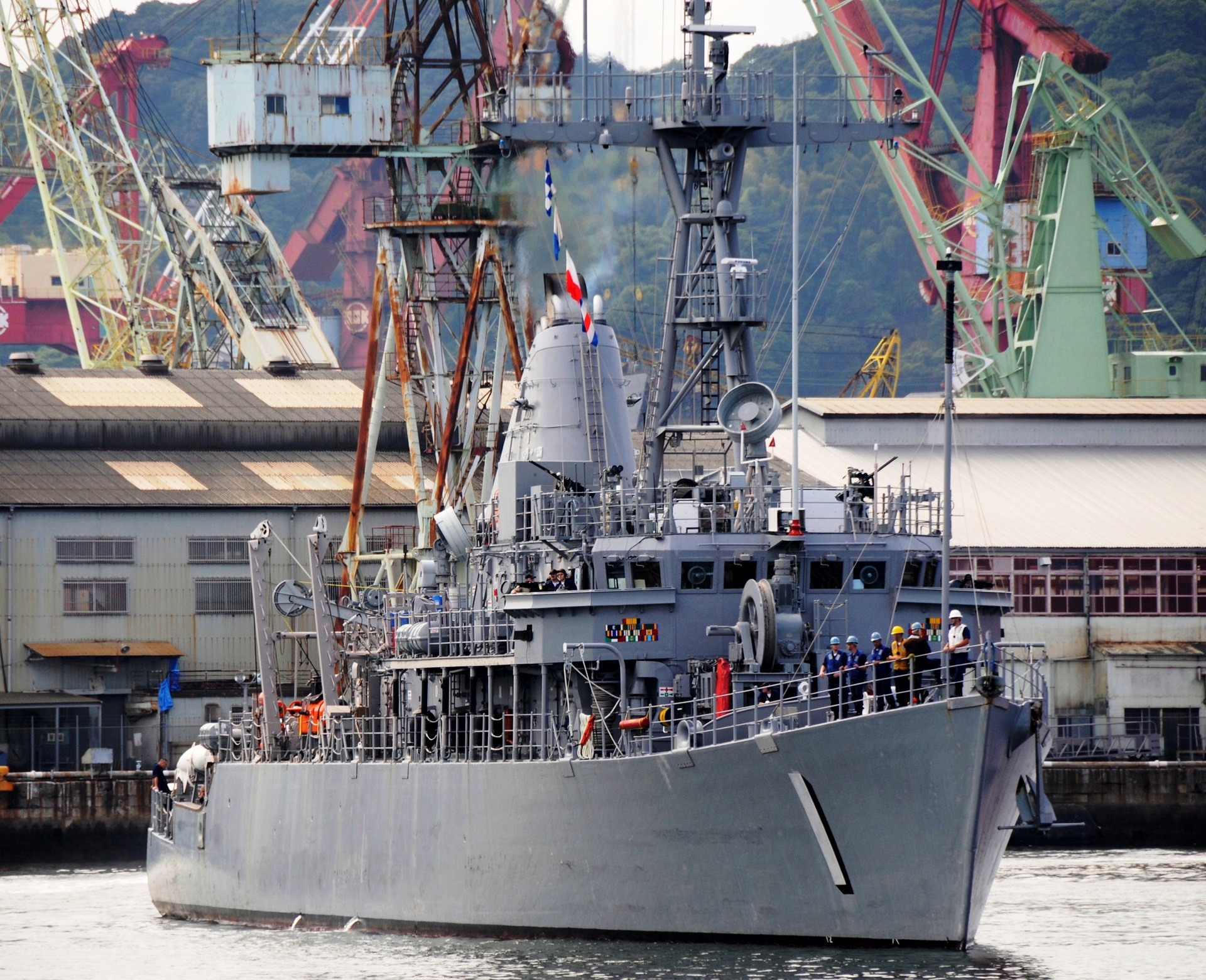
The honest answer is that the US Navy does not currently have the mine countermeasures capability in theater to guarantee safe passage through a mined strait. The four Avenger-class minesweepers that were forward-deployed at Bahrain — the ships purpose-built for exactly this mission — were decommissioned in September 2025. In January 2026, five weeks before Iran’s first strikes, they were loaded aboard M/V Seaway Hawk and transported to the Philadelphia Inactive Ship Maintenance Facility. They are on the US East Coast, in mothballs.
Two Avengers, USS Chief and USS Pioneer, departed Singapore on April 10 — three weeks after the war began. Their current position is not public, but the transit from Singapore to Bahrain takes roughly two weeks under normal steaming. Even if they arrived this week, two ships cannot clear the 200 square miles of shipping lane that would need to be swept for safe convoy transit. The 1991 Kuwait mine clearance operation — a comparable area — took 51 days with a larger fleet.
The replacements the Pentagon invested in were supposed to be the littoral combat ship mine countermeasures package: unmanned surface vehicles, the MH-60S helicopter-towed airborne mine neutralization system, and remote minehunting systems. The Pentagon’s own Director of Operational Test and Evaluation found the LCS MCM package could “not be determined reliable or effective.” The helicopter system “demonstrated low reliability prior to fleet release.” The unmanned surface vehicle was “not operationally suitable.” These are not external critics — they are the Pentagon’s own testers, using the Pentagon’s own standards.
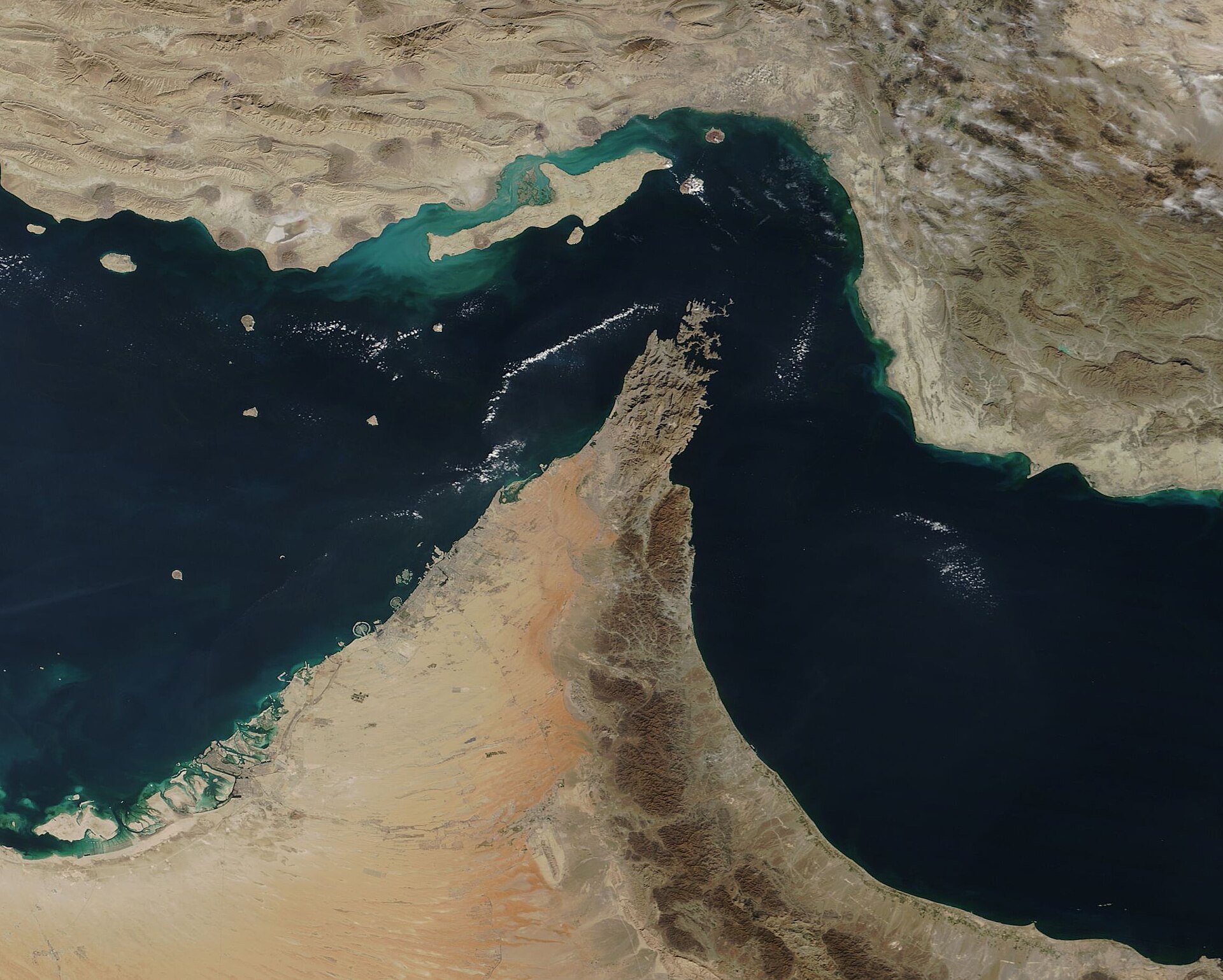
Project Freedom launches Monday. The mine clearance timeline, using the most optimistic assumptions and equipment the Pentagon itself has called unreliable, begins at 51 days. Iran published a chart in February marking the standard Hormuz shipping lanes as a danger zone and redirecting vessels into a five-nautical-mile channel between Qeshm and Larak islands — inside Iranian territorial waters. Whether those lanes are actually mined is unknown. Whether the US has the tools to find out before the first convoy enters them is not a question with an uncertain answer — it does not.
The Bridgeton Problem
Iran has already told the US what it plans to do. In March 2026, Iranian state media published an explicit warning: “Before escorting ships through Hormuz, remember 1987 Bridgeton.” That warning referenced the first convoy of Operation Earnest Will — the last time the US Navy escorted commercial ships through Hormuz — and what happened was the foundational humiliation of American naval power in the Gulf.
On July 24, 1987, the reflagged supertanker Bridgeton, escorted by US Navy warships, struck an Iranian mine near Farsi Island. The mine had been laid covertly by an IRGC Pasdaran unit. What followed became the defining image of the entire operation: US Navy escort ships — supposedly there to protect the tanker — moved behind the stricken Bridgeton and used its hull as a shield against further mines. The world’s most powerful navy sheltering behind the civilian ship it was supposed to be protecting.
The mine was not an accident of strategy. IRGC commander Mohsen Rezaee had originally ordered speedboat attacks against the convoy. Khomeini personally intervened and directed the use of mines instead — for their deniability, their disproportion, and their capacity to humiliate without triggering the kind of direct naval engagement that would favor American firepower. That logic has not changed in 39 years. The IRGC’s own March 2026 invocation of Bridgeton confirms the institutional memory is active and the preferred instrument is the same.
The escalation template is already written. Nine months after Bridgeton, in April 1988, USS Samuel B. Roberts struck another Iranian mine and nearly sank. The US response was Operation Praying Mantis — the destruction of two Iranian oil platforms, one frigate, and multiple patrol boats in a single day. It was the largest American naval surface engagement since World War II, triggered not by a policy decision but by a mine that cost Iran a few thousand dollars to lay. That escalation sequence — mine, damage, retaliation — is the pattern Project Freedom will test on day one, with fewer minesweeping assets than the US had in 1987.
The divergence between 1987 and 2026 makes the comparison worse, not better. When the first Earnest Will convoy sailed, the US had four dedicated Avenger-class minesweepers already in theater. It had converted oil service barges — the Hercules and Wimbrown VII — into mobile sea bases for covert anti-mining patrols. It had months of preparation. Project Freedom launches Monday with two Avengers somewhere between Singapore and Bahrain, replacement MCM systems the Pentagon calls unreliable, and a 51-day mine clearance benchmark against a same-week timeline. In 1987, with all those assets in place, Iranian mining still outpaced US minesweeping for months.
Does a US Navy Escort Make Ships Safer — or Legal Targets?
Under the San Remo Manual — the international framework governing naval warfare — merchant vessels sailing under escort by a belligerent power’s warships may be lawfully targeted by the opposing belligerent. The United States is a party to the conflict with Iran. Its Navy is a belligerent force. Commercial ships traveling under US Navy escort acquire, under this framework, a legal status they did not have while sitting at anchor: they become targetable.
This is not a theoretical distinction. A Saudi-flagged tanker sitting stranded in the Gulf is a neutral vessel. The same tanker, in the same waters, moving under the guns of a US destroyer, is — under strict interpretation of the law of naval warfare — a legitimate military target. The escort intended to protect it is what makes it vulnerable under international law.
The fix is straightforward in principle: neutral-state warships. Merchant ships escorted by the navies of countries not party to the conflict — the UK, France, or any non-belligerent — retain their protected status. Chatham House flagged this explicitly. But no European flag states appear on the Project Freedom list, and no neutral naval participation has been announced. The UK deployed Sky Sabre air defense batteries to Saudi Arabia in late March but has not committed warships to Hormuz escort duty. France, which has a permanent naval presence in the UAE, has not joined either.
The absence matters because Iran’s legal team is competent. Tehran has consistently framed its Hormuz actions in legal language — “routine supervisory procedures,” “documentation checks,” sovereignty over territorial waters. An Iranian strike on a convoy ship escorted only by US warships would be accompanied by a legal brief citing San Remo before the smoke cleared. An Iranian strike on a ship escorted by Royal Navy frigates would not have that cover. The distinction may not stop an attack, but it determines what happens diplomatically after one.
The Sirik Attack and Iran’s Three-Track Response
Hours after Trump announced Project Freedom, a bulk carrier was attacked by multiple small craft approximately 11 nautical miles west of Sirik, Iran, at roughly 11:30 UTC on May 3. The crew was unharmed. UKMTO reported the incident without attribution. No group claimed responsibility. It was the first maritime attack in 11 days.
Iran’s Fars News Agency responded by calling the attack “routine supervisory procedures to check documentation” — directly contradicting UKMTO’s account of an attack involving multiple small craft. This is the same linguistic pattern Iran used after seizing the MSC Francesca and Epaminodas on April 22: reframe interdiction as administration, aggression as bureaucracy.
The timing matters. The Sirik incident places Iran’s operational response on the same calendar day as three other developments: the Project Freedom announcement, the IRGC’s 30-day ultimatum demanding the US end its blockade, and Tehran’s confirmation that it is reviewing the US written reply to Iran’s 14-point proposal. Iran is running three tracks simultaneously — military harassment, coercive deadline-setting, and diplomatic engagement — and none of them contradicts the others from Tehran’s perspective.
The IRGC’s framing — Trump “must choose between an impossible military operation or a bad deal” — is designed to make Project Freedom the variable that forces American concessions at the negotiating table, not a military solution in its own right. The 30-day deadline runs to early June, and the convoy launches Monday. Steve Witkoff told CNN “conversations are ongoing” the same day Trump publicly dismissed Iran’s 14-point proposal. The diplomatic and military tracks are running on different clocks, and Tehran is using each to pressure the other.
The complicating factor is command. No named successor has been designated to lead the IRGC Navy since Tangsiri’s death on March 30 — 34 days without formal succession. The IRGC declared “full authority to manage the Strait” on April 5 and again on April 10, but “full authority” exercised by whom is genuinely unclear. When the first Project Freedom convoy enters the strait, the question of whether any Iranian response is centrally ordered or a unit-level decision by a local commander is not answerable from the outside. That ambiguity is itself a weapon — and possibly not a deliberate one.
Why Saudi Arabia Cannot Wait for Hormuz to Reopen
The numbers tell the story faster than any analysis can. Saudi Arabia produced 10.4 million barrels per day before the war. In March, that figure was 7.25 million barrels per day — a 30 percent collapse, the largest production drop in Saudi history outside voluntary OPEC+ cuts. The IEA called it “the largest disruption on record.” Asia-bound exports fell 38.6 percent, according to Kpler tracking data.
The East-West Pipeline to Yanbu was the insurance policy. It carries crude from the eastern fields to the Red Sea coast, bypassing Hormuz entirely. But insurance policies have coverage limits, and the pipeline hit its ceiling — 5.9 million barrels per day — before the war was two months old. Yanbu was never designed to replace Hormuz.
Saudi fiscal math makes the gap worse. Goldman Sachs estimated a war-adjusted budget deficit of 6.6 percent of GDP — double the official 3.3 percent projection. The June OSP was reset at +$3.50 per barrel, a $16 drop from May’s wartime premium of +$19.50. Revenue per barrel is falling at the same time volume per day is falling. The squeeze is on both sides.
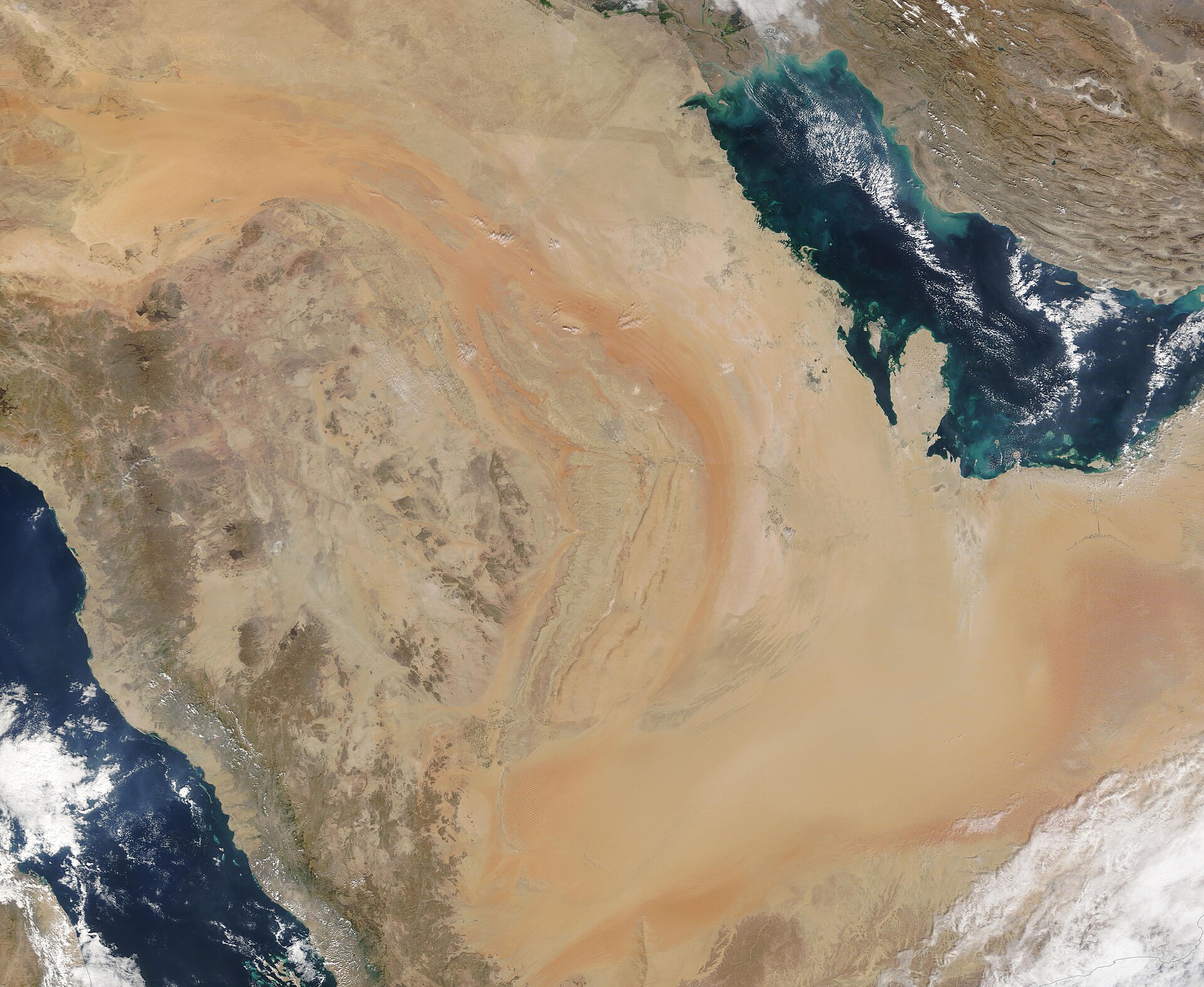
And Yanbu itself is not safe. The Houthis — Iran’s most reliable proxy — have explicitly threatened Bab el-Mandeb, the 20-mile-wide chokepoint at the Red Sea’s southern end through which every barrel loaded at Yanbu must pass to reach Asian markets. Chatham House noted that “the threat of maritime insecurity to its Red Sea ambitions helps explain Saudi Arabia’s reluctance to engage directly in the war.” Saudi Arabia is reorienting its economic geography toward the Red Sea, but the Red Sea itself is not yet secure.
This is why the Saudi silence on Project Freedom is not ambivalence — it is arithmetic. MBS needs the convoy to restore Hormuz volumes that Yanbu physically cannot replace. He needs it to work without publicly supporting it, because public support risks the route that is currently keeping 5.9 million barrels per day flowing. The indispensability trap is not a metaphor — it is a spreadsheet with no column that adds up.
The broader architecture by which Riyadh maintains this position — withholding endorsement from Project Freedom and the rival UK-France Hormuz coalition simultaneously — gives Saudi Arabia a structural veto over both reopening frameworks: why both Hormuz coalitions need Riyadh and Riyadh needs neither.
| Metric | Pre-War | Current (March-May 2026) | Gap |
|---|---|---|---|
| Saudi oil production (bpd) | 10.4M | 7.25M | -3.15M (30%) |
| Hormuz monthly transits | 154 vessels/month | ~45 transits in 25 days (since April 8) | ~65% reduction in daily rate |
| Yanbu loading ceiling (bpd) | N/A (backup) | 5.9M (primary) | 1.1-1.6M below Hormuz capacity |
| Saudi Asia exports | Baseline | -38.6% (Kpler) | Largest recorded drop |
| Budget deficit (% GDP) | 3.3% (official) | 6.6% (Goldman, war-adjusted) | Double pre-war projection |
| US MCM ships in theater | 4 Avengers (Bahrain) | 0 confirmed; 2 in transit | Complete gap |
Frequently Asked Questions
What is the legal status of merchant ships under US Navy escort in a war zone?
Under the San Remo Manual on International Humanitarian Law Applicable to Armed Conflicts at Sea (1994), merchant vessels traveling under convoy of enemy warships may be treated as military objectives. Because the US is a belligerent in the Iran conflict, commercial ships escorted by US Navy vessels acquire a targetable status they would not have if sailing independently or under neutral-state escort. This is why Chatham House recommended the inclusion of non-belligerent navies — the UK and France both have regional assets — whose escort would preserve the merchant ships’ protected status. Neither has committed warships to Project Freedom as of May 3.
How does Project Freedom compare in scale to Operation Earnest Will?
Earnest Will (1987-1988) deployed over 30 US warships at peak strength, maintained four dedicated minesweepers in theater before the first convoy sailed, and converted two oil service barges into mobile anti-mining sea bases. It still suffered the Bridgeton mine strike on day one and the near-sinking of USS Samuel B. Roberts nine months later. Project Freedom’s force composition has not been disclosed. The White House specified neither the number of escort ships, convoy frequency, nor whether dedicated minesweeping assets would precede convoy transits. Earnest Will also operated under Reagan-era congressional notifications; Project Freedom’s legal authority has not been publicly identified.
Why were the Bahrain-based minesweepers removed before the war?
The four Avenger-class MCM ships (USS Dextrous, USS Sentry, USS Gladiator, and USS Devastator) were decommissioned as part of the Navy’s planned transition to the LCS-based MCM mission package and unmanned systems. The decommissioning in September 2025 and physical removal in January 2026 predated the Iran conflict by weeks. The replacement LCS MCM systems had already been judged unreliable by the Pentagon’s testing office before the war began — a known gap that became a crisis when the conflict started and mine clearance became an operational necessity rather than a procurement question.
What is Iran’s 30-day ultimatum and how does it interact with the convoy?
On May 3, the same day as the Project Freedom announcement, the IRGC issued a statement giving the US 30 days to end its blockade of Iranian ports — effective since April 13 — or face unspecified consequences. The deadline runs to approximately June 2. Separately, Iran confirmed receiving and reviewing a US written reply to its 14-point diplomatic proposal, with envoy Witkoff stating “conversations are ongoing.” The convoy and the ultimatum create competing pressure clocks: Project Freedom is designed to demonstrate the blockade’s permanence, while the IRGC’s deadline is designed to force its removal. Neither timeline accommodates the other.
Could Iran mine the Hormuz shipping lanes without detection?
Iran demonstrated covert mining capability during the 1987-88 Tanker War, when IRGC Pasdaran units laid mines that struck both the Bridgeton and USS Samuel B. Roberts before US forces detected the mining operation. Iran Ajr, an Iranian mine-laying vessel, was caught by US Navy SEALs in September 1987 only after months of mining had already occurred. In the current conflict, the IRGC published a chart as early as February 28 marking standard shipping lanes as a danger zone — which could indicate mining already completed, mining in progress, or a bluff designed to achieve the same deterrent effect without expenditure. The US currently has zero confirmed minesweeping assets in the Gulf, with two Avenger-class ships in transit from Singapore and LCS-based alternatives rated as unreliable. Iran’s parliament has since moved to codify these transit controls permanently: the 12-article Hormuz sovereignty law passed committee on April 21, creating a domestic legal instrument that no US-brokered convoy arrangement can override.