
RIYADH — Monday, March 9, opened with Brent crude still trading above $130 per barrel, the diplomatic fallout from Israel’s unilateral strike on Kharg Island spreading through coalition capitals, Saudi Arabia mourning two civilian deaths in Al-Kharj — the first confirmed residential fatalities inside the Kingdom — and Iran’s newly installed Supreme Leader Mojtaba Khamenei (see the full Tuesday update) making his first public statements since assuming office, vowing that the strikes on Iran’s oil export infrastructure would be met with “a response commensurate with the crime.”
The 24 hours from Sunday evening through Monday morning have been among the most consequential of the six-week-old conflict. The Israeli Air Force’s destruction of loading and storage infrastructure at Kharg Island on Saturday night — which followed earlier strikes on 30 fuel depots across Tehran that sent toxic black rain on the capital — has reshaped both the military and diplomatic landscape of the war in ways that will take days to fully assess. What is already clear is that the coalition fighting Iran is no longer operating in strategic alignment, and the cracks opened by the Kharg strikes are wide enough to matter.
This is House of Saud’s Monday briefing, covering all significant developments from the past 24 hours across the military, diplomatic, economic, and humanitarian fronts.
In this briefing:
- Kharg Island aftermath — oil markets and damage assessment
- Coalition fracture — Trump, Netanyahu, and the diplomatic blowup
- Al-Kharj casualties — Saudi Arabia’s first residential deaths
- Iran’s response — Mojtaba Khamenei’s first statements as Supreme Leader
- Overnight air defense — interceptions across Riyadh and the Eastern Province
- Gulf shipping — Strait of Hormuz updates
- International diplomacy — UN, Europe, and the ceasefire question
Kharg Island Aftermath — Oil Markets and Damage Assessment
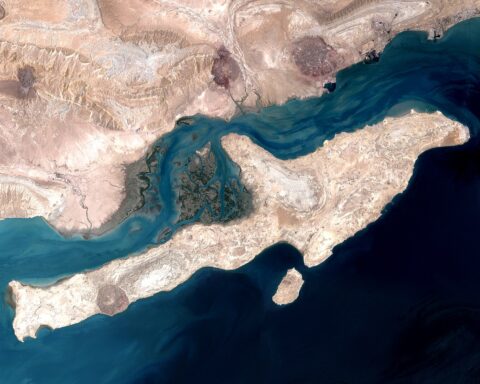
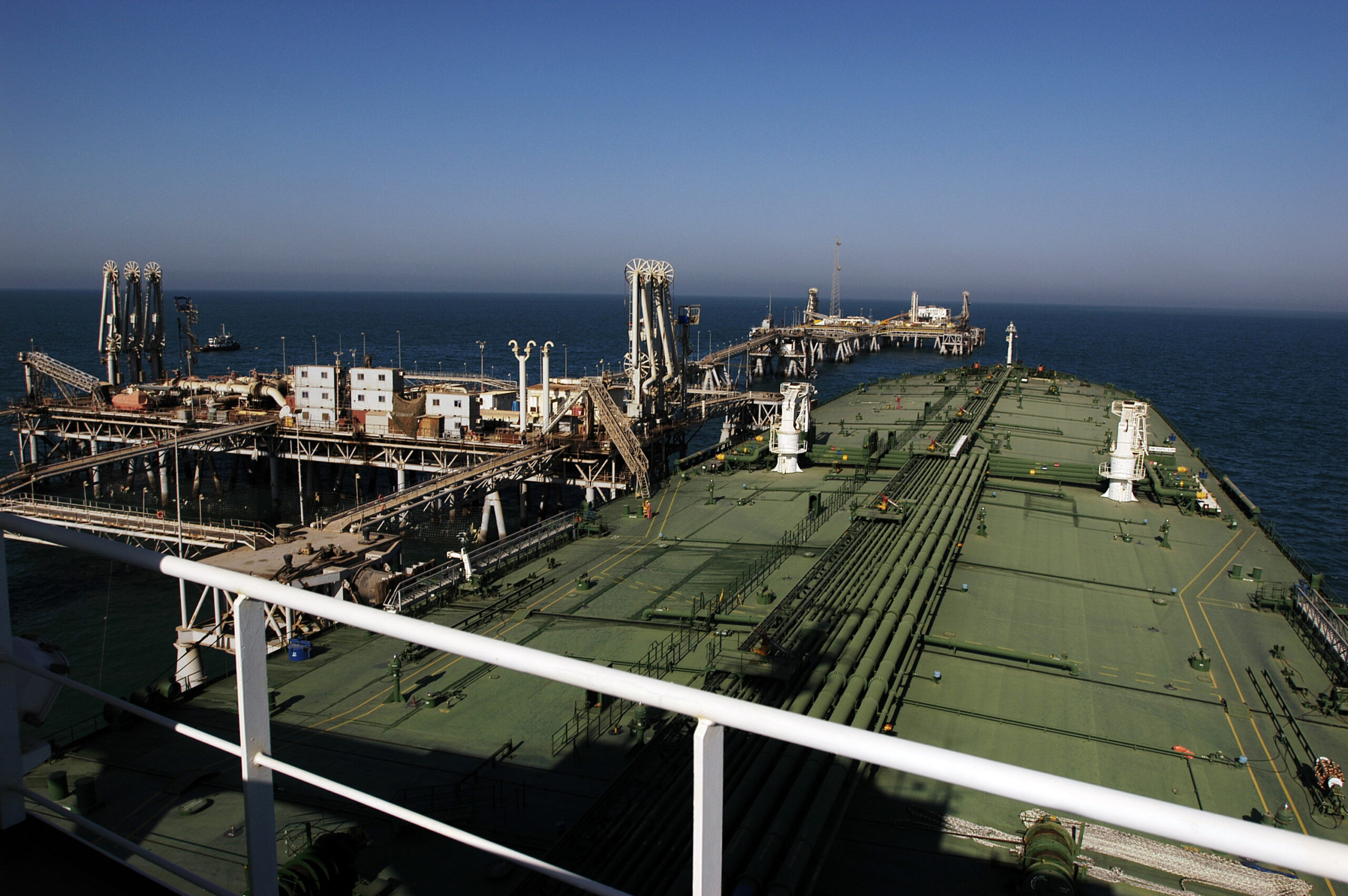
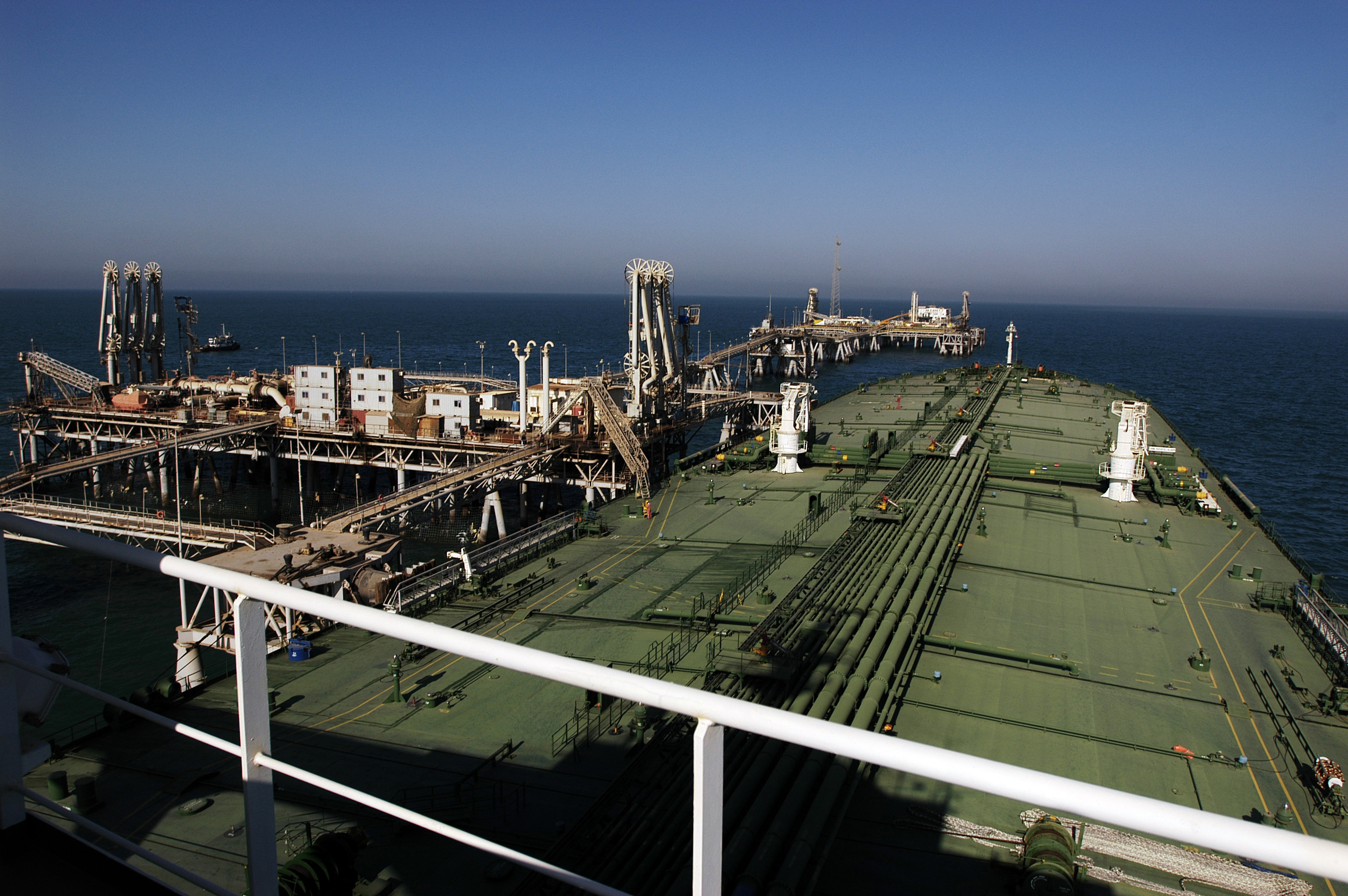
Forty-eight hours after Israeli warplanes struck Kharg Island in two waves, the full extent of the damage to Iran’s primary oil export terminal remains contested between Iranian official statements and independent assessments. Iranian state media acknowledged early Monday that “significant damage” had been sustained to loading jetties and pipeline junction infrastructure on the island’s southern terminal, and confirmed that all export operations remain suspended pending a safety review by the National Iranian Oil Company.
Satellite imagery reviewed by analysts at the Centre for Strategic and International Studies shows fires that burned for more than eighteen hours across the island’s northern and southern storage clusters, with at least four of the island’s twelve primary storage tanks showing signs of structural damage. The loading berths on the southern jetty, which handle the majority of Kharg’s very large crude carrier traffic, are visibly degraded in imagery captured on Sunday afternoon.
The Middle East briefing 3,000+ readers start their day with.
One email. Every weekday morning. Free.
S&P Global Commodity Insights, in a note published Sunday evening, estimated that full restoration of Kharg Island’s export capacity could take between three and six months, depending on the availability of replacement pipeline components under existing sanctions and the scope of damage to the island’s offshore mooring systems. Iran was exporting approximately 1.4 million barrels per day through Kharg before the strikes; those exports have been reduced to zero while the damage assessment continues.
Brent crude futures opened Monday’s Asian session at $131.40 per barrel, down from the overnight peak of $138.20 reached in the immediate hours after the Kharg strikes were confirmed, but still $23 above last Thursday’s close. West Texas Intermediate tracked similarly, trading at $127.80. Analysts at Goldman Sachs, in a note to clients on Sunday, said a sustained Kharg Island outage lasting more than four weeks would push Brent above $150 per barrel if no offsetting supply increase materialises from Saudi Arabia, the UAE, or the United States’ Strategic Petroleum Reserve.
The White House confirmed Sunday evening that the administration is in active discussions with the Department of Energy regarding a potential SPR release, though no formal announcement has been made. A senior administration official, speaking on background to The Wall Street Journal, said the decision would be taken “within days, not weeks.”
Coalition Fracture — Trump, Netanyahu, and the Diplomatic Blowup
The diplomatic fallout from Israel’s unilateral Kharg strike has moved with unusual speed. By Sunday afternoon, three senior administration officials had confirmed to multiple US outlets that President Trump called Prime Minister Netanyahu on Saturday night, in a call described by one official to Politico as “direct and pointed.” The White House’s public readout of the call, released Sunday morning, made no reference to the Kharg strikes and described only “coordination on campaign objectives” — an omission that diplomatic observers in Washington read as deliberately conspicuous.
Secretary of State Marco Rubio appeared on two Sunday morning television programmes and declined, on both occasions, to explicitly endorse the Kharg strikes when asked directly. “We have been consistent about our position on targeting decisions that affect global energy markets,” Rubio told CNN’s State of the Union. “Those conversations are ongoing with our Israeli partners.” The careful phrasing — “conversations are ongoing” rather than the usual language of ironclad support — registered immediately in allied capitals.
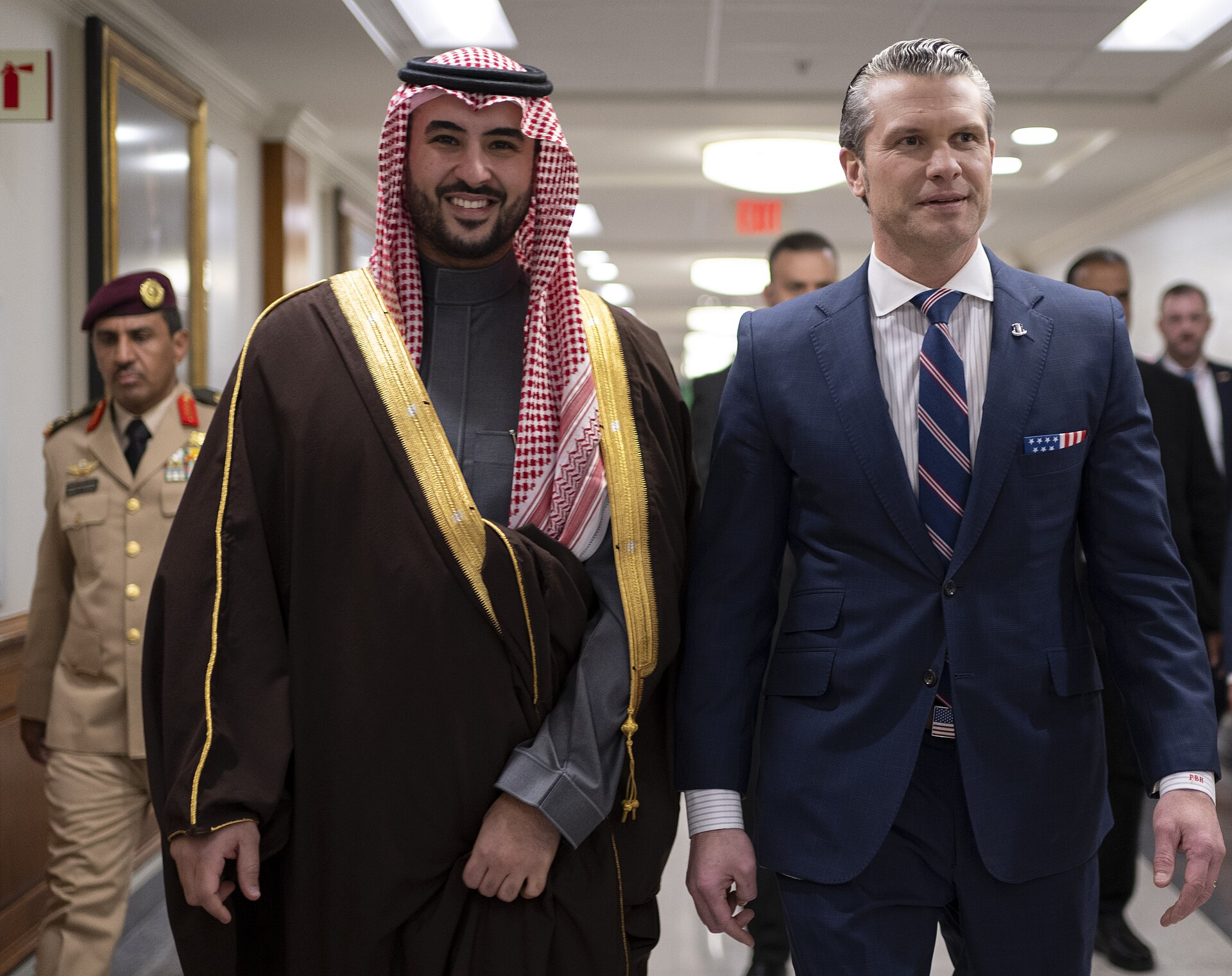
Saudi Foreign Minister Prince Faisal bin Farhan met with his American counterpart in an emergency call on Sunday, according to two sources familiar with the discussion reported by Reuters. The Saudi position, as conveyed in that call, was that the Kharg strikes had created economic consequences for the Kingdom and the broader region that had not been factored into coalition planning, and that future targeting decisions with this level of economic impact required prior consultation.
Israeli officials pushed back publicly. National Security Adviser Tzachi Hanegbi told Israeli Army Radio on Sunday that the Kharg strikes were “a legitimate and proportionate response to ongoing Iranian aggression” and that Israel “does not require permission from Washington to defend its interests.” The statement was notable for its directness and its implicit acknowledgement that prior US approval had not been sought.
The full analysis of the strategic divide between Israel’s comprehensive targeting approach and the Trump-MBS preference for surgical decapitation of Iran’s leadership is covered in detail in Monday’s House of Saud analysis.
Al-Kharj Casualties — Saudi Arabia’s First Confirmed Residential Deaths
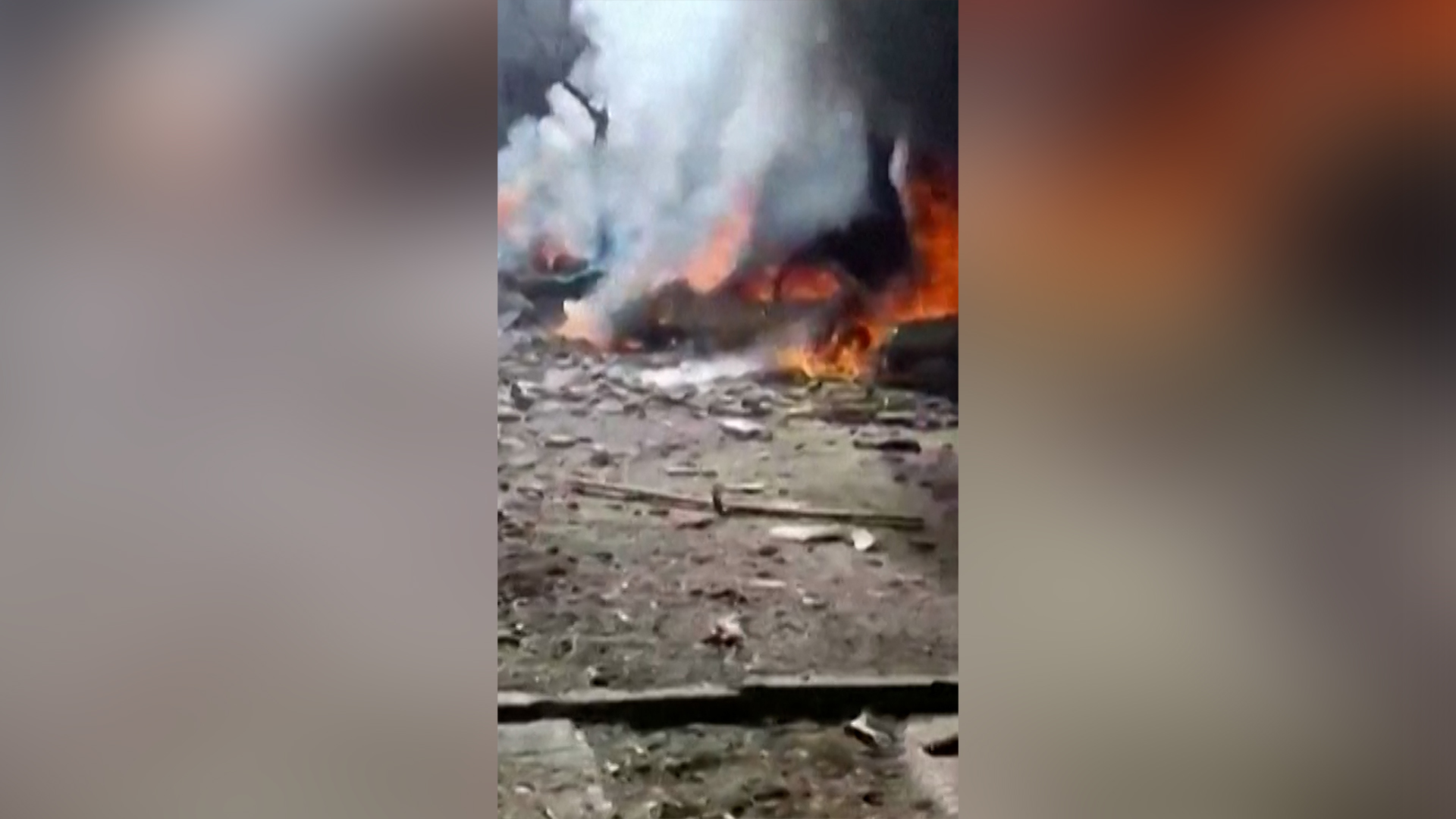
Two Saudi civilians were killed and six injured in Al-Kharj, a city of approximately 400,000 people southeast of Riyadh, after a ballistic missile fragmentation event struck a residential neighbourhood in the early hours of Sunday morning. The Saudi Ministry of Defense confirmed the deaths in a statement released at 09:15 Riyadh time, identifying the victims as a 34-year-old man and a 67-year-old woman whose identities were withheld pending family notification.
The incident represents the first confirmed civilian fatalities from a direct strike on a Saudi residential area since the conflict began and is being treated with corresponding political weight inside the Kingdom. Al-Kharj is not a military or industrial city — it is a regional administrative centre with a large agricultural sector, and its population has no particular connection to the war’s prosecution.
Saudi state media did not speculate on the missile’s origin. The Ministry of Defense statement said air defenses had intercepted the primary projectile but that fragmentation from the interception had caused the casualties — a distinction that carries legal and diplomatic significance in any future attribution framework, but provides no comfort to the families involved.
Crown Prince Mohammed bin Salman issued a personal statement offering condolences to the families and directing the Interior Ministry to ensure “comprehensive support” for those affected. The statement did not address retaliation. Senior Saudi officials, speaking to Arab News on Sunday, said the Al-Kharj incident had been formally logged as a war crime under the coalition’s legal documentation framework, which has been compiling evidence of attacks on non-military targets since the conflict’s first week.
Iran’s Response — Mojtaba Khamenei’s First Statements as Supreme Leader
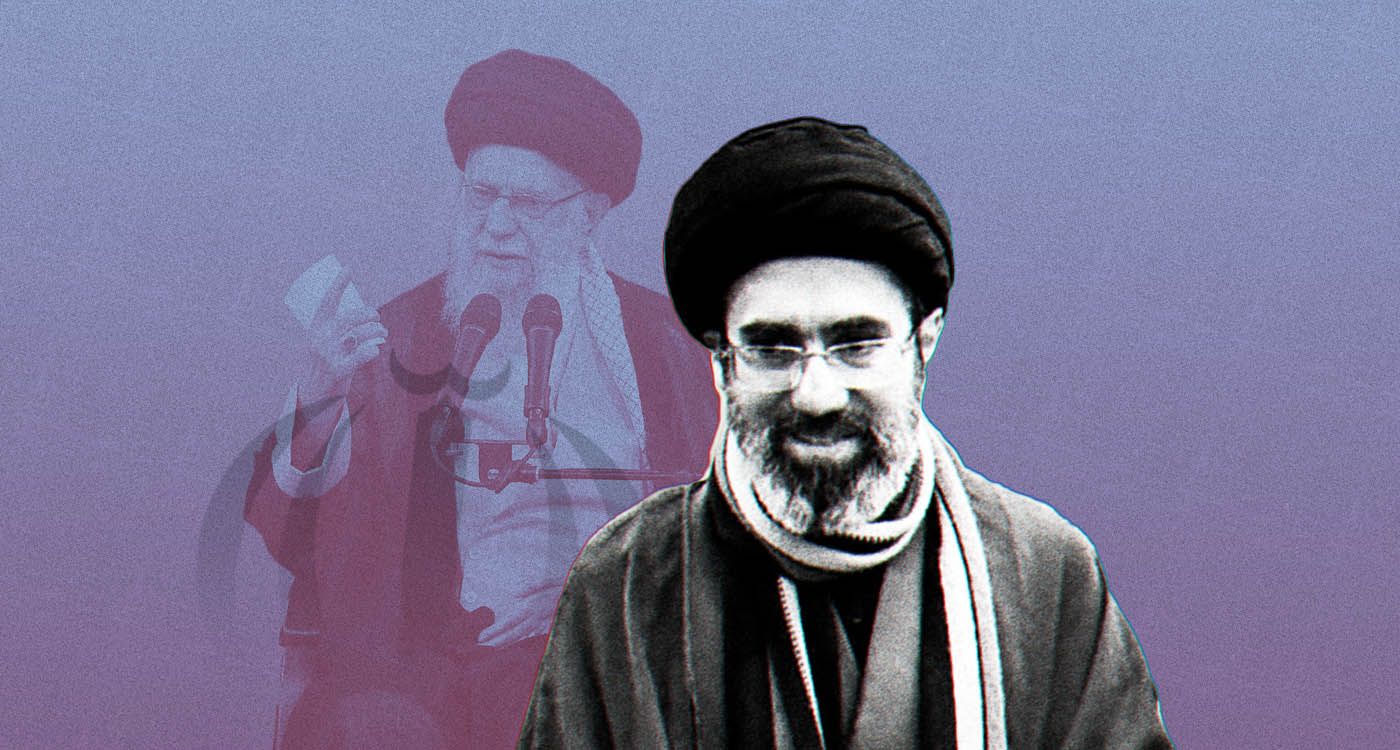
Mojtaba Khamenei, who was named Supreme Leader following the death of his father Ali Khamenei last week, made his first extended public remarks as head of state on Sunday, delivering a 22-minute address broadcast on Iranian state television. The address was notable for its combination of theological framing and specific military threats — a departure from the more opaque rhetoric his father favoured in the conflict’s early phases.
Mojtaba Khamenei said Iran would respond to the Kharg Island strikes “in a manner and at a time of our choosing” and explicitly referenced Saudi Arabia, the UAE, and the US Fifth Fleet’s Bahrain base as targets that could be struck “if the aggressor coalition continues to escalate.” He described the Kharg strikes as an attempt to “strangle the Iranian people” and said Israel had “crossed a threshold from which there is no return.”
The new Supreme Leader’s references to specific Gulf targets represented an escalation in the directness of Iranian threat language. Previous statements from Tehran had referred to “the coalition” and “the Zionist entity” in general terms; explicitly naming Bahrain’s Fifth Fleet base is a significant step, given that Bahrain is a US treaty ally with approximately 9,000 American military personnel on its territory.
Intelligence analysts at the Institute for the Study of War, cited by The New York Times on Sunday, assessed that Mojtaba Khamenei’s explicit threat language reflects both a desire to establish hardline credentials in his early days as Supreme Leader and genuine IRGC pressure for a visible retaliatory response to the Kharg strikes. The new Supreme Leader’s background and his ties to the IRGC have been extensively documented as a factor likely to push Iranian military posture toward escalation rather than accommodation.
Iran’s formal military command issued a separate statement through IRGC-affiliated Tasnim News Agency on Sunday saying that the IRGC’s aerospace division had “completed preliminary planning” for a retaliatory strike package. US and Israeli officials, speaking to multiple outlets, said they assessed the IRGC’s retaliatory capacity had been “significantly degraded” by strikes on missile production and storage facilities over the past six weeks, but acknowledged that Iran retains sufficient operational capability for a substantial retaliatory strike.
Overnight Air Defense — Interceptions Across Riyadh and the Eastern Province
Saudi air defenses intercepted nine drones and two ballistic missiles between 11 pm Sunday and 5 am Monday, according to the Ministry of Defense’s 06:30 briefing. The breakdown, as reported by Saudi Press Agency:
- Four drones intercepted northeast of Riyadh, in the direction of the King Khalid Military City complex
- Three drones intercepted over the Eastern Province, in a corridor consistent with approaches to the Abqaiq processing facility
- Two drones intercepted west of Dammam
- One ballistic missile intercepted over Riyadh, with fragmentation debris reported in the Rawdah district
- One ballistic missile intercepted over the Eastern Province; debris fell in an unpopulated area
No casualties were reported from any of the overnight interceptions. The Abqaiq processing facility, which handles approximately 7 percent of global crude oil supply, has been the target of repeated attempted strikes since the conflict began. Saudi Aramco confirmed Monday morning that Abqaiq operations remain at full capacity.
In the UAE, Abu Dhabi’s air defense systems intercepted two drones in the early hours of Monday, according to the UAE Ministry of Defense. No damage or injuries were reported. Dubai International Airport, which experienced significant operational disruption on Saturday following airspace restrictions, had returned to near-normal operations by Sunday evening, with Emirates Airlines confirming that 94 percent of scheduled Monday departures would operate as planned.
Gulf Shipping — Strait of Hormuz Updates
Traffic through the Strait of Hormuz continued at reduced volume on Sunday, with the UK Maritime Trade Operations reporting that 11 commercial vessels transited the strait in both directions over the 24-hour period, against a pre-conflict average of approximately 21 vessels per day. The reduction reflects a combination of elevated war risk insurance premiums — now running at 5.2 percent of vessel value per voyage, according to Lloyd’s of London market sources — and voluntary decisions by several major shipping operators to divert cargoes around the Cape of Good Hope.
The US Fifth Fleet, operating from Bahrain, confirmed Sunday that coalition naval forces had escorted four commercial vessels through the strait in the past 24 hours under the expanded maritime protection programme that began last week. The Pentagon said no incidents occurred during those escorts.
A.P. Moller-Maersk, the world’s largest container shipping company, reiterated on Sunday that it was maintaining its diversion of vessels away from the Persian Gulf, a policy it has held since the second week of the conflict. The company said it would reassess the policy on a weekly basis.
International Diplomacy — UN, Europe, and the Ceasefire Question
The United Nations Security Council convened an emergency session Sunday afternoon at the request of Russia and China, who jointly tabled a resolution calling for an immediate ceasefire and the withdrawal of all foreign military forces from Iranian airspace. The resolution was vetoed by the United States. The UK and France abstained. The 10 remaining council members voted in favour.
UN Secretary-General António Guterres, speaking after the vote, called the Kharg Island strikes “an act of deliberate economic warfare against civilian infrastructure” and called on all parties to “exercise maximum restraint.” His statement did not address Iran’s strikes on Saudi civilian targets or the Iranian missile campaign against Gulf shipping — an omission that drew immediate criticism from the Saudi and Emirati UN delegations.
European diplomatic efforts to establish a ceasefire framework remained largely stalled. The EU’s foreign policy chief, Kaja Kallas, said Sunday that the bloc would propose a technical humanitarian corridor discussion at the G7 foreign ministers’ meeting scheduled for later this week, but acknowledged that “the conditions for a political ceasefire are not currently in place.” France and Germany have maintained back-channel contact with the Iranian foreign ministry, though those contacts have produced no publicly confirmed progress.
Qatar, which has historically served as an intermediary between the US and Iran, confirmed Sunday that its foreign minister had spoken with Iranian Foreign Minister Abbas Araghchi in the past 48 hours. The Qatari foreign ministry described the contact as “ongoing” but provided no details of any proposals discussed. A ceasefire framework, if it emerges, is more likely to come through the Qatari channel than through any formal multilateral process.
The Trump administration’s position, as articulated by National Security Adviser Mike Waltz on Sunday evening, remained that any ceasefire must include verifiable commitments on Iran’s nuclear programme and a binding mechanism for dismantling IRGC proxy networks in Yemen, Iraq, Syria, and Lebanon. “We are not interested in a pause,” Waltz told Fox News. “We are interested in an end.”
Monday’s developments will be watched closely on two fronts: any indication of Iran’s planned retaliatory response to the Kharg strikes, which the IRGC has said is in “final planning stages,” and the outcome of a scheduled call between Trump and Netanyahu that the White House confirmed Sunday would take place Monday afternoon Washington time. The outcome of that call — and whether it produces any visible reassertion of coalition targeting discipline — will set the tone for the week ahead.