
AL-KHARJ — Army Sergeant Benjamin Pennington, 26, of Glendale, Kentucky, died on March 8 from wounds sustained during an Iranian ballistic missile strike on Prince Sultan Air Base one week earlier, making him the seventh American service member killed in Operation Epic Fury and the first to die on Saudi soil. His death underscores a reality that neither Washington nor Riyadh anticipated when the United States began reestablishing its military footprint at the sprawling desert installation in 2019: the base that was built to project American power into the Persian Gulf has itself become a target, and the more than 2,300 troops stationed there now face sustained Iranian fire with no clear end date in sight.
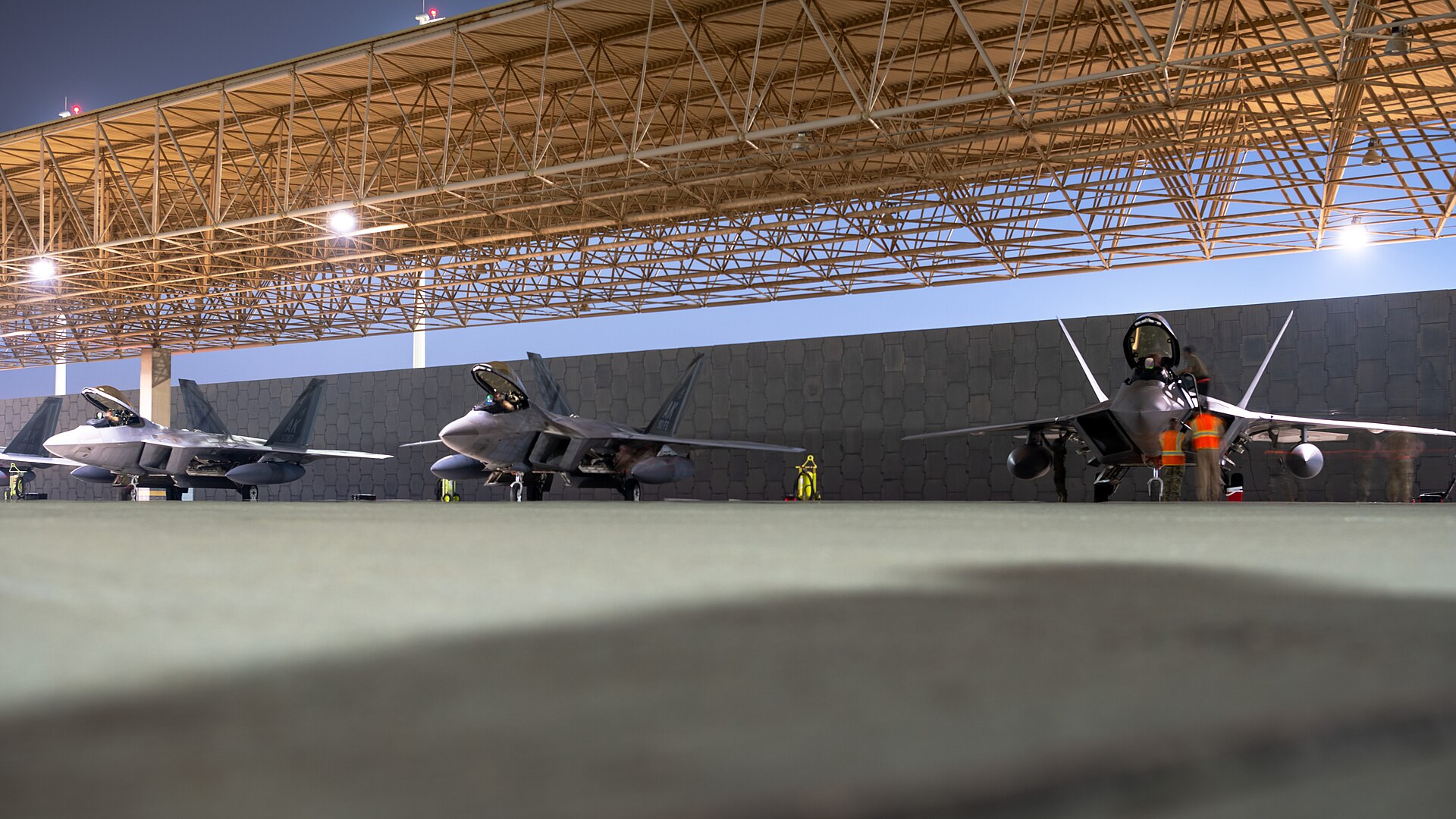
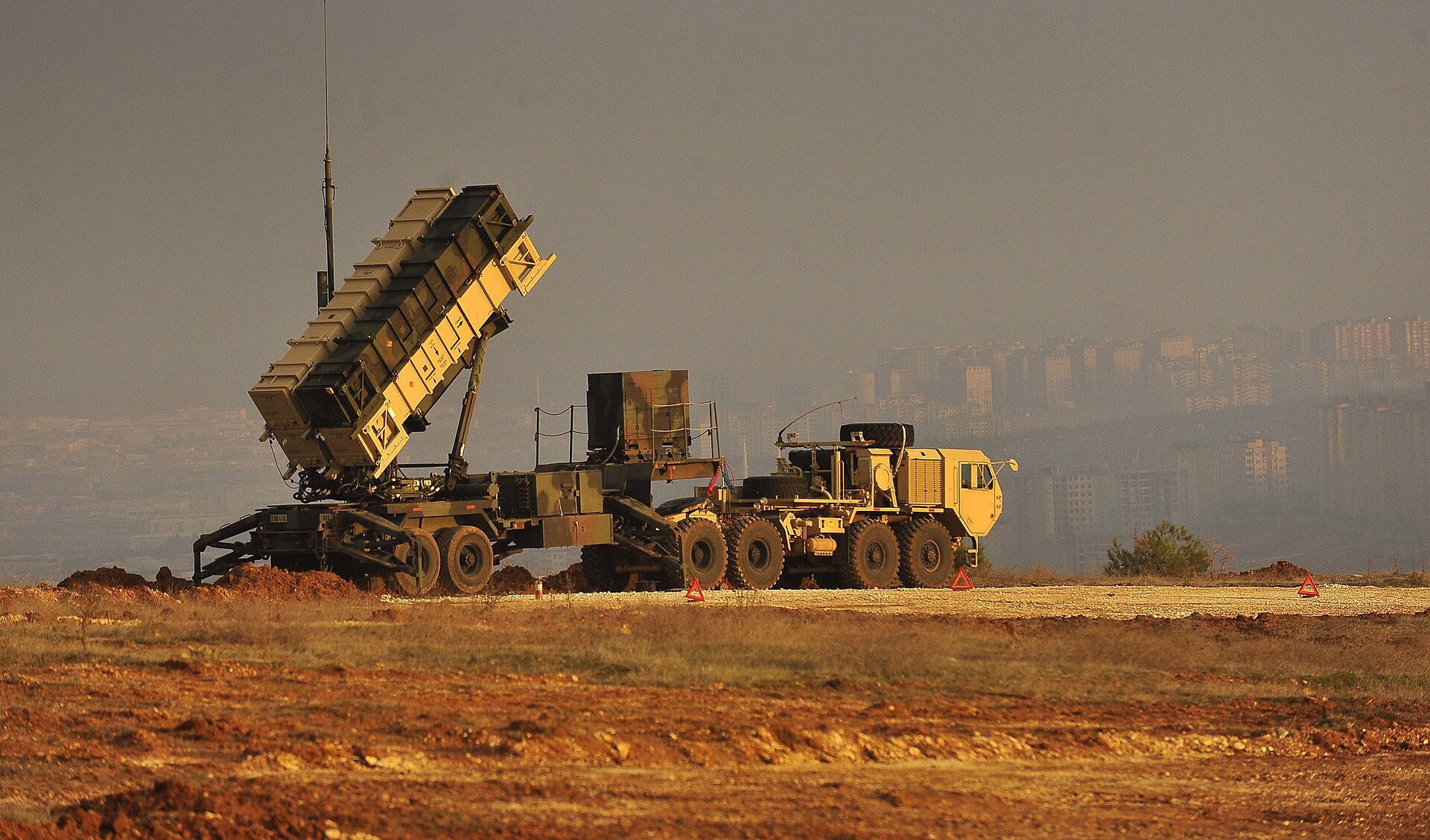
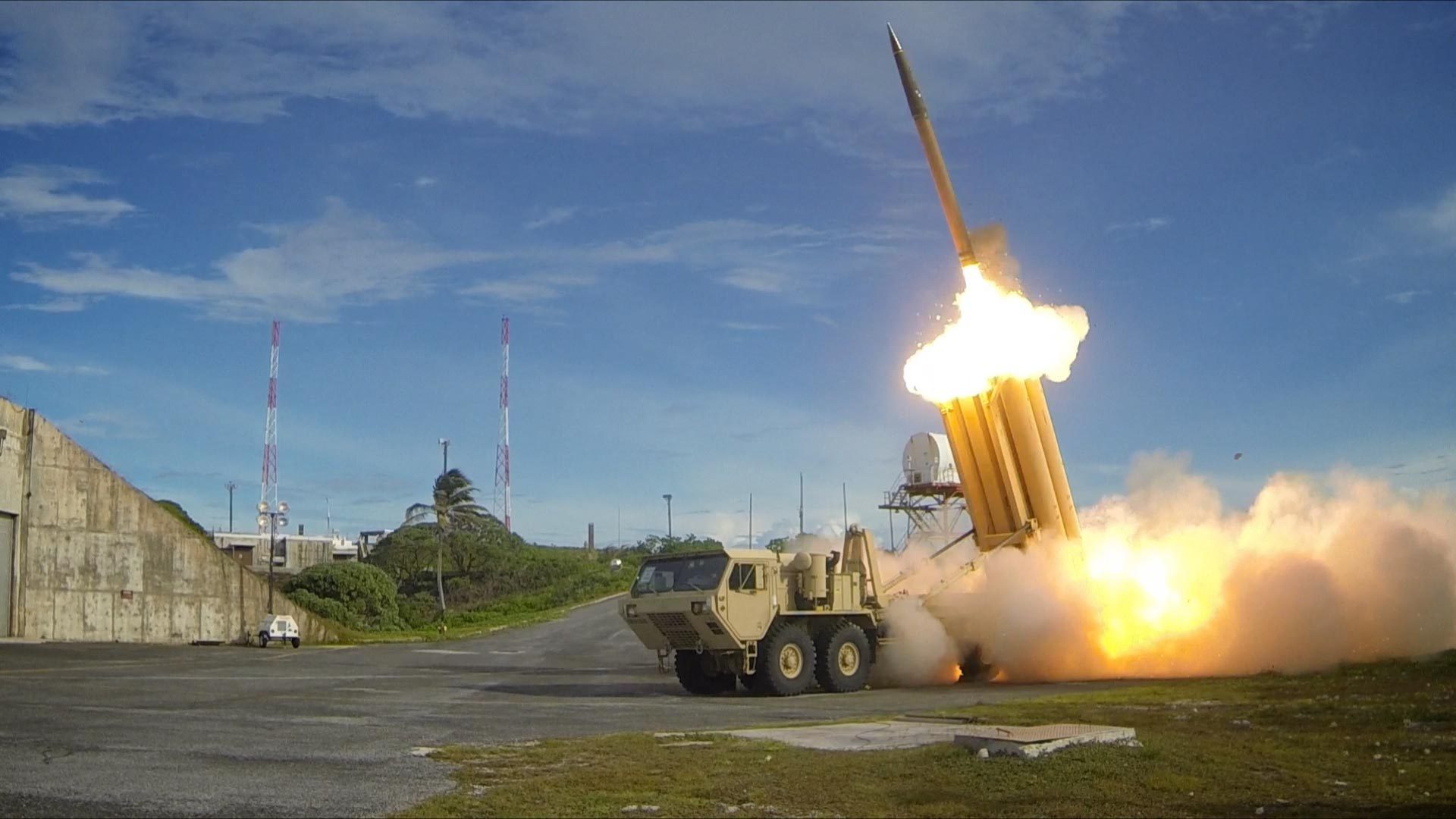
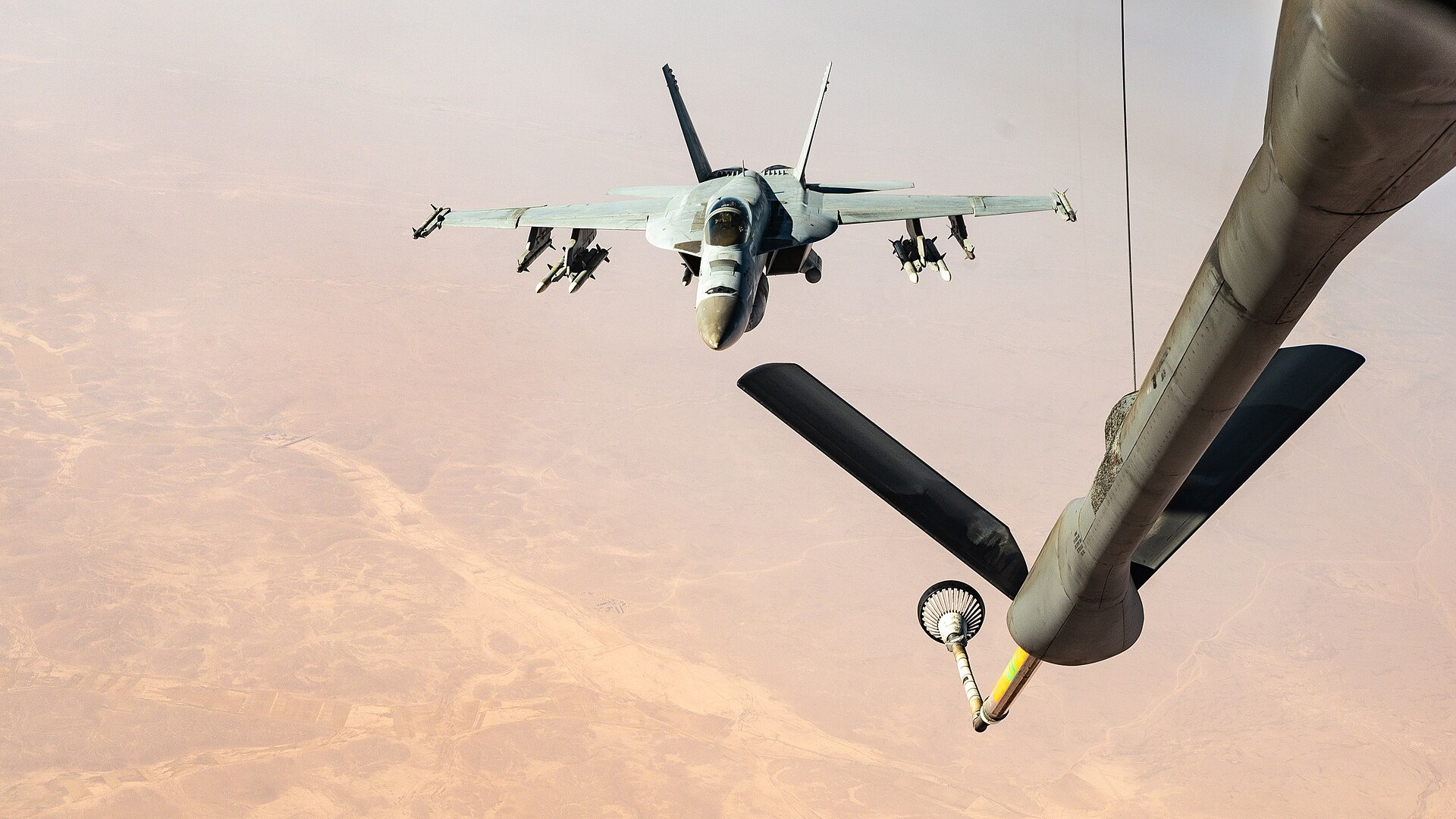
Prince Sultan Air Base, located roughly 100 kilometres southeast of Riyadh in Al-Kharj governorate, has absorbed at least three confirmed waves of Iranian missiles and drones since the war began on February 28. Saudi and American air defences have intercepted most incoming projectiles, but fragments, debris, and at least one missile that struck an uninhabited area within the base perimeter have produced casualties and infrastructure damage that the Pentagon has been reluctant to discuss publicly. The base now serves as the primary hub for Operation Epic Fury’s air campaign architecture, hosting F-22 Raptors, KC-135 tankers, E-3 Sentry airborne early warning aircraft, and both Patriot and THAAD missile defence batteries. Its continued operation is essential to the American war effort, and its vulnerability is the conflict’s most uncomfortable open secret.
Table of Contents
- Who Was Sergeant Benjamin Pennington?
- The March 1 Attack on Prince Sultan Air Base
- What Is Prince Sultan Air Base and Why Are US Troops There?
- How Many American Forces Are Deployed in Saudi Arabia?
- The Layered Air Defence Shield Protecting the Base
- How Iran Is Attacking the Base
- Operation Epic Fury’s Growing Human Cost
- The Political Fallout for the US-Saudi Alliance
- Frequently Asked Questions
Who Was Sergeant Benjamin Pennington?
Sergeant Benjamin N. Pennington was assigned to the 1st Space Battalion, 1st Space Brigade, based at Fort Carson, Colorado. He enlisted in the U.S. Army in 2017 after graduating from Central Hardin High School in Elizabethtown, Kentucky, where he had been enrolled in the automotive technology pathway. He achieved the rank of Eagle Scout in August 2017, according to local media reports from Hardin County.
Pennington was assigned to the 1st Space Battalion on June 10, 2025, and deployed to Prince Sultan Air Base as part of the expanded American presence in the Kingdom ahead of what intelligence agencies assessed as a growing probability of conflict with Iran. His unit provides satellite-based communications, missile warning, and position-navigation-timing support to ground and air forces operating in the CENTCOM area of responsibility.
He was wounded on March 1 during the initial Iranian strike on Prince Sultan Air Base and died one week later on March 8, according to a statement from U.S. Central Command. The Pentagon announced that Pennington would be posthumously promoted to staff sergeant. His remains were returned to the United States in a dignified transfer ceremony, CNN reported on March 9.
The Middle East briefing 3,000+ readers start their day with.
One email. Every weekday morning. Free.
Pennington is the only American service member to have died from injuries sustained on Saudi territory during the current conflict. The six other U.S. fatalities occurred during a separate Iranian drone attack on a U.S. facility at the Port of Shuaiba in Kuwait on March 1, where Army reservists operating a logistics command centre were killed.
The March 1 Attack on Prince Sultan Air Base
The attack that wounded Pennington and marked the first confirmed American casualty on Saudi soil began in the early hours of March 1, roughly 48 hours after the United States and Israel launched Operation Epic Fury with strikes that killed Iranian Supreme Leader Ali Khamenei and other senior officials in Tehran.
Iran’s retaliatory strike sequence against Prince Sultan Air Base followed a tactical playbook designed to overwhelm layered defences, according to the FDD’s Long War Journal. Waves of Shahed-136 loitering munitions arrived first, forcing radar detection networks and defensive interceptors into high-tempo engagement cycles. These drones functioned as both reconnaissance-strike platforms and decoys, creating exploitable gaps in the defensive envelope through which subsequent ballistic missiles could penetrate.
Saudi Arabia’s Ministry of Defence confirmed intercepting three ballistic missiles targeting the base, according to TRT World. Asharq Al-Awsat, the London-based Saudi daily, reported that at least one ballistic missile targeting Prince Sultan fell in an uninhabited area near the base perimeter. Fragments from intercepted missiles and debris from the engagements caused infrastructure damage and produced the casualties that CENTCOM subsequently confirmed.
Iranian state media claimed that missiles struck command centres and fuel storage facilities within the base, generating explosions visible across the surrounding desert. CENTCOM did not confirm these claims but acknowledged that “several soldiers were injured during the attack,” with up to a dozen personnel reportedly suffering concussions and shrapnel wounds caused by falling debris following interceptor engagements.
The March 1 strike on Prince Sultan was part of a broader Iranian retaliatory campaign that targeted American military installations and Gulf state infrastructure simultaneously across at least eight countries, including Saudi Arabia, Kuwait, Bahrain, Qatar, the United Arab Emirates, Iraq, Jordan, and Israel.
What Is Prince Sultan Air Base and Why Are US Troops There?
Prince Sultan Air Base is Saudi Arabia’s largest military airfield and one of the most significant American military installations in the Middle East. Located in the desert approximately 100 kilometres southeast of Riyadh near the city of Al-Kharj, the base spans an enormous footprint with multiple runways, hardened aircraft shelters, and extensive support infrastructure built to accommodate large-scale air operations.
The American military relationship with Prince Sultan dates to the Gulf War. During the decade following Operation Desert Storm in 1991, the base hosted upwards of 4,500 U.S. military personnel and served as the primary headquarters for enforcing the southern no-fly zone over Iraq under Operations Southern Watch, Enduring Freedom, and Iraqi Freedom. After the 1996 Khobar Towers bombing in nearby Dhahran killed 19 U.S. airmen and injured 400 others, the Pentagon consolidated most American personnel in Saudi Arabia at Prince Sultan, which offered greater standoff distance from urban areas and improved force protection.
The United States withdrew from Prince Sultan in 2003, relocating its primary Gulf air operations centre to Al Udeid Air Base in Qatar. The move was driven partly by political sensitivities surrounding the American military presence on Saudi soil, which Osama bin Laden had cited as a primary justification for attacks against the United States.
Washington and Riyadh quietly reversed that withdrawal in 2019. The U.S. military began reestablishing operations at Prince Sultan following Iranian attacks on oil tankers in the Gulf of Oman and the September 2019 drone and missile strike on Aramco’s Abqaiq and Khurais oil facilities, which temporarily knocked out half of Saudi Arabia’s crude production. The 378th Air Expeditionary Wing was activated at Prince Sultan on December 17, 2019, with a stated mission to “provide strategic depth and increased defensive support while sustaining regional presence to promote peace through deterrence,” the Air Force said.
That deterrence mission has now given way to active combat operations. Prince Sultan’s reactivation, initially framed as a temporary response to Iranian provocations, has escalated into a permanent wartime footing that echoes the base’s role during the Gulf War era. The critical difference is that the base itself is now under direct fire.
How Many American Forces Are Deployed in Saudi Arabia?
The White House confirmed as of 2024 that more than 2,300 U.S. troops were stationed in Saudi Arabia, primarily at Prince Sultan Air Base. That number has grown substantially since the onset of Operation Epic Fury. Chinese satellite imagery analysed by Defence Security Asia in February 2026 revealed at least 13 KC-135 Stratotanker aerial refuelling aircraft, six E-3G Sentry airborne early warning and control aircraft, four E-11 Battlefield Airborne Communications Node aircraft, and multiple C-130 transport planes at the base, indicating a significant surge deployment ahead of the strikes on Iran.
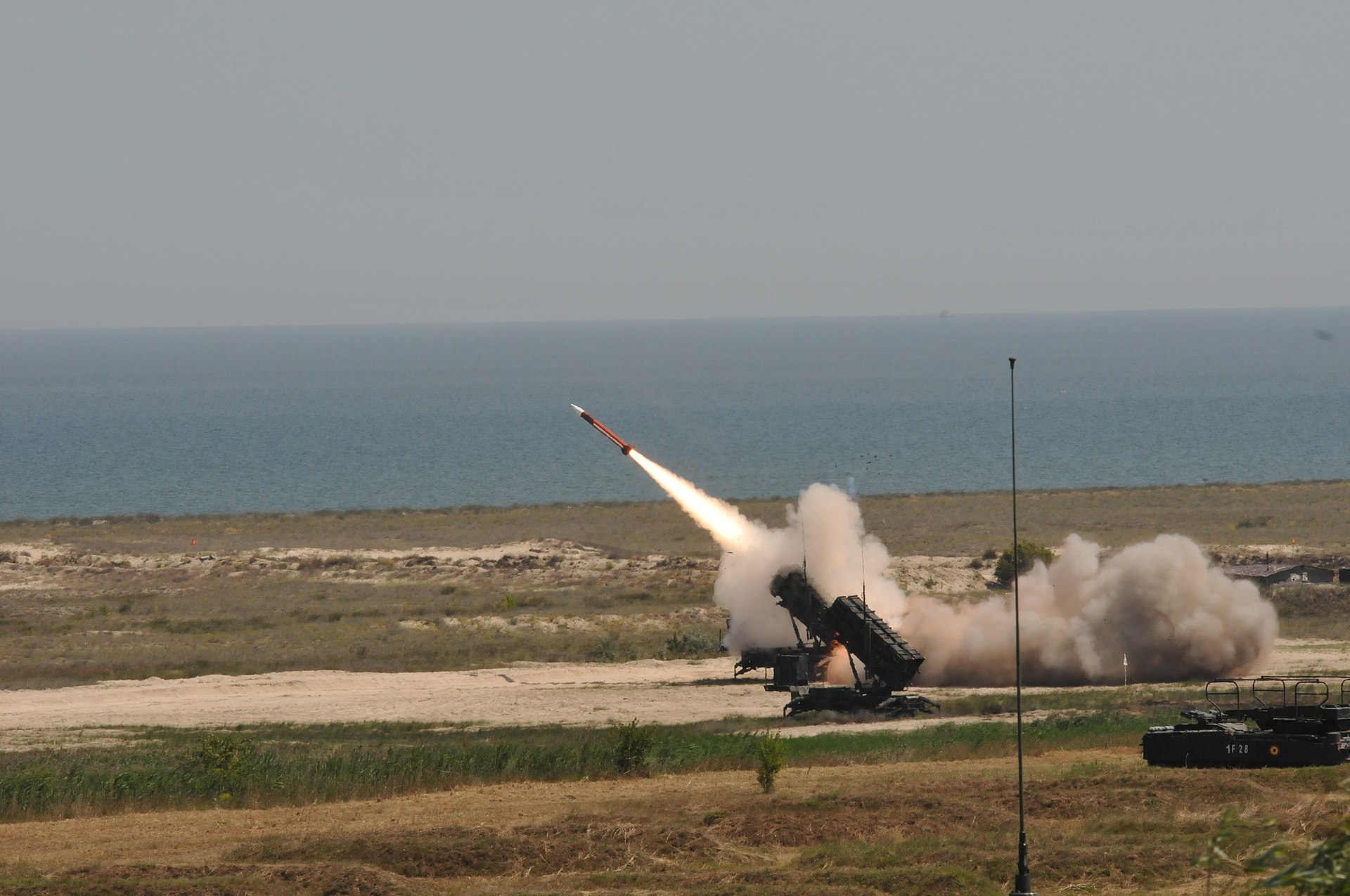
The air assets at Prince Sultan form the backbone of Operation Epic Fury’s strike architecture. The KC-135 tankers enable extended-range operations by fighter and bomber aircraft — though the loss of a KC-135 over Iraq on March 12 highlighted the vulnerability of these critical refuelling assets — while the E-3 Sentries provide airborne command and control over the battlespace. F-22 Raptor stealth fighters have rotated through the base since the reactivation, providing air superiority coverage for the region, and both Patriot missile batteries and the more advanced Terminal High Altitude Area Defence system protect the installation from ballistic missile attack.
Beyond Prince Sultan, approximately 40,000 to 50,000 American military personnel are stationed across roughly 10 countries in the broader Middle East region, according to Modern Diplomacy. The U.S. Fifth Fleet headquarters in Bahrain, Al Udeid Air Base in Qatar, Camp Arifjan in Kuwait, and multiple facilities in Iraq and the UAE all host significant American troop concentrations. All of these installations have come under varying degrees of Iranian fire since February 28, but Prince Sultan’s proximity to Riyadh and its role as the primary air campaign hub make it a priority target for Tehran.
| Asset | Type | Confirmed Count | Role |
|---|---|---|---|
| F-22 Raptor | Air superiority fighter | Classified (rotation) | Air dominance, escort |
| KC-135R/T Stratotanker | Aerial refuelling | 13+ | Extended-range strike enabler |
| E-3G Sentry (AWACS) | Airborne early warning | 6 | Battlespace command and control |
| E-11 BACN | Communications relay | 4 | Data link bridge for joint forces |
| C-130 Hercules | Tactical transport | Multiple | Logistics, personnel movement |
| MIM-104 Patriot | Surface-to-air missile | Multiple batteries | Ballistic missile defence (lower tier) |
| THAAD | Terminal ballistic missile defence | At least 1 battery | High-altitude intercept |
The Layered Air Defence Shield Protecting the Base
Prince Sultan Air Base sits at the centre of a layered air defence network that represents one of the most concentrated anti-missile deployments anywhere outside of Israel. The system combines American and Saudi assets in an integrated architecture designed to engage incoming threats at multiple altitudes and ranges.
At the highest tier, the THAAD system intercepts ballistic missiles during their terminal descent phase at altitudes of 40 to 150 kilometres. Below that, Patriot PAC-3 batteries engage shorter-range ballistic missiles, cruise missiles, and advanced drones at altitudes up to 25 kilometres. Saudi Arabia operates its own Patriot batteries alongside the American systems, creating overlapping fields of fire. Saudi Arabia’s broader air defence network, valued at approximately $80 billion according to CSIS estimates, extends this protection across the Kingdom’s critical infrastructure.
The system’s effectiveness against the March 1 attack was mixed. Saudi Arabia confirmed intercepting three ballistic missiles, and CENTCOM did not report any direct ballistic missile impacts on base facilities. But the Iranian tactic of launching waves of cheap drones ahead of ballistic missiles is specifically designed to exhaust interceptor stocks and overwhelm radar networks. Each Patriot interceptor missile costs between $2 million and $4 million, while the Shahed-136 drones Iran uses as saturation weapons cost an estimated $20,000 to $50,000 each. Iran’s IRGC has pledged to deploy missiles with warheads exceeding one tonne, suggesting Tehran intends to escalate the weight and sophistication of strikes against defended targets.
The interceptor cost asymmetry is not merely an academic concern. The Center for Strategic and International Studies estimated that the first 100 hours of Operation Epic Fury cost $3.7 billion, with approximately $3.1 billion attributed to replacing munitions expended during the opening strikes, according to CSIS analysis published on March 6. Each additional day of operations at the current tempo costs an estimated $15.4 million in fleet operating expenses alone, and most of this spending is unbudgeted.
How Iran Is Attacking the Base
Iran’s campaign against Prince Sultan Air Base has followed a recognisable pattern refined over years of proxy conflict and wargaming. The opening salvo on March 1 combined loitering munitions with medium-range ballistic missiles in a layered assault designed to saturate defensive systems. Subsequent attacks on March 5, 7, and 8 have targeted both the base and surrounding areas, including the residential district of Al-Kharj where two civilians were killed and 12 wounded when a projectile struck a residential building on March 8.
The FDD’s Long War Journal documented that Iran’s strike sequence begins with waves of Shahed-136 one-way attack drones that force defenders into a high-tempo engagement cycle. These inexpensive munitions serve a dual purpose: some carry warheads intended to damage infrastructure, while others act as bait that forces Patriot and THAAD radars to track and engage them, depleting interceptor stocks and creating detection gaps. Once defenders are saturated, ballistic missiles follow on trajectories optimised to exploit the gaps. Satellite imagery has since confirmed that Iran has also directly targeted and destroyed multiple AN/TPY-2 radars across the Gulf — a sensor-targeting strategy that represents the fatal flaw in Saudi missile defense architecture.
The Saudi Defence Ministry announced on March 5 that it intercepted and destroyed two cruise missiles near the base. On March 6, three additional ballistic missiles were intercepted near the base perimeter, according to Qatar News Agency. By March 8, the Ministry reported intercepting 15 Iranian drones in a single engagement near Al-Kharj and the Eastern Province. By March 12, that tempo escalated further when Saudi air defenses destroyed 31 drones and three ballistic missiles targeting Riyadh’s Diplomatic Quarter, the largest single-day aerial engagement over the capital since hostilities began. The sustained tempo of attacks is testing both the physical interceptor inventory and the endurance of radar and fire control crews operating around the clock.
Iran’s IRGC has explicitly rejected American claims that Tehran’s missile programme has been destroyed, stating that it is deploying projectiles in greater numbers and with warheads exceeding one tonne, according to Al Jazeera’s reporting on March 10. This suggests the attacks on Prince Sultan and other Gulf installations will continue and potentially intensify.
Operation Epic Fury’s Growing Human Cost
Pennington’s death brings the American military death toll in Operation Epic Fury to seven, with at least 18 additional service members wounded since hostilities began on February 28, according to Pentagon statements. The casualty figures remain low by historical standards for a major military operation, but they are accumulating at a rate that has drawn political attention in Washington.
| Date | Location | Killed | Wounded | Details |
|---|---|---|---|---|
| March 1 | Port of Shuaiba, Kuwait | 6 | Unknown | Iranian drone strike on logistics command centre |
| March 1 | Prince Sultan Air Base, Saudi Arabia | 1 | 12+ | Iranian ballistic missile/drone attack; Sgt. Pennington died March 8 |
| Various | Multiple locations | 0 | 6+ | Additional injuries from subsequent attacks across the region |
The first 100 hours of Operation Epic Fury cost an estimated $3.7 billion, according to CSIS, with the bulk of that spending—approximately $3.5 billion—unbudgeted. Coalition forces struck nearly 2,000 targets in Iran using more than 2,000 munitions during the first phase of the campaign, and the daily fleet operating cost stands at $15.4 million per day at current force levels, CSIS estimated. The operation’s official name, chosen by CENTCOM, draws parallels to the scale and ambition of previous major American military campaigns in the region. By Day 11, the Pentagon reported that coalition forces had struck more than 5,000 targets across Iran, contributing to a 90 percent reduction in Iranian missile fire from its opening-day peak.
Pennington’s death also raised difficult questions about the nature of the American military presence in Saudi Arabia. His assignment to the 1st Space Battalion highlights the quiet expansion of U.S. Space Command assets into forward-deployed positions. Space-based missile warning systems and satellite communications are critical enablers for both the air campaign against Iran and the missile defence of American and Saudi installations. Targeting these units represents a significant escalation by Tehran, and the loss of a Space Brigade soldier underscores the breadth of American military exposure in the conflict.
The Political Fallout for the US-Saudi Alliance
American casualties on Saudi soil carry political weight that extends well beyond the immediate military situation. The last time significant numbers of U.S. service members died in Saudi Arabia was the 1996 Khobar Towers bombing, which killed 19 airmen and reshaped American force posture in the region for a generation. The 2003 withdrawal from Prince Sultan was itself partly a response to the political toxicity of the American military footprint in the Kingdom.
The mounting American casualties have amplified Congressional demands for Saudi military participation in the conflict. Senator Lindsey Graham has threatened to withdraw support for the US-Saudi defense agreement unless the Kingdom joins the campaign, citing the embassy attack in Riyadh as evidence that mutual obligations should apply.
The current crisis differs in one fundamental respect: the presence of American troops in Saudi Arabia is no longer a source of tension between the two governments. Crown Prince Mohammed bin Salman actively sought the return of American forces to bolster Saudi air defences following the 2019 Aramco attacks, and Defence Minister Prince Khalid bin Salman has been a principal advocate for deepening the bilateral defence relationship. President Trump told MBS in a call on March 1 that Washington “stands with the Kingdom and supports all measures it takes in response to Iranian attacks,” according to Al Arabiya.
But the political dynamic in Washington is more volatile. The Trump administration launched Operation Epic Fury without a formal congressional authorisation for the use of military force, relying instead on Article II constitutional authority and the 2001 Authorization for Use of Military Force. As casualties mount, congressional scrutiny will intensify. Trump told Republican lawmakers on March 10 that the war was likely to be a “short excursion,” while simultaneously threatening to hit Iran “20 times harder” if Tehran attempts to close the Strait of Hormuz, according to the Washington Post.
For Saudi Arabia, the attacks on Prince Sultan create a paradox. The Kingdom needs American military protection more than at any point since the Gulf War, but hosting the forces that draw Iranian fire also makes Saudi territory a legitimate target in Tehran’s calculus. Saudi Foreign Minister Prince Faisal bin Farhan warned Iran on March 9 that continued attacks would have “a significant impact on bilateral relations now as well as the future,” cautioning that Tehran would be the “biggest loser” if the strikes persisted.
That warning has thus far gone unheeded. On March 10, Al Arabiya reported fresh drone attacks targeting Saudi Arabia and Kuwait, with the Saudi Defence Ministry confirming it destroyed additional drones over the Kingdom’s eastern region. The base at Al-Kharj remains operational, its aircraft continue to fly combat missions, and its missile defences continue to engage incoming threats. But the garrison’s sense of invulnerability has been shattered, and the question is no longer whether Prince Sultan can withstand an attack but how long it can sustain operations under continuous fire.
The attacks on Prince Sultan Air Base have continued to escalate since this article was first published. On 14 March, the Wall Street Journal reported that five KC-135 Stratotanker aircraft were damaged by Iranian missiles at the base, the most significant single loss of American military assets on Saudi soil since the war began.
Frequently Asked Questions
Where is Prince Sultan Air Base located?
Prince Sultan Air Base is located near Al-Kharj, approximately 100 kilometres southeast of Riyadh, Saudi Arabia. It is the Kingdom’s largest military airfield and has hosted U.S. forces intermittently since the 1991 Gulf War. The 378th Air Expeditionary Wing was reactivated there in December 2019.
How many US soldiers have been killed in the Iran war?
As of March 10, 2026, seven U.S. service members have been killed during Operation Epic Fury, the Pentagon’s name for combat operations against Iran. Six died in a drone attack in Kuwait on March 1, and one—Sgt. Benjamin Pennington—died on March 8 from wounds sustained at Prince Sultan Air Base in Saudi Arabia.
What air defence systems protect Prince Sultan Air Base?
The base is defended by a layered system including THAAD (Terminal High Altitude Area Defence) for high-altitude ballistic missile intercepts and MIM-104 Patriot PAC-3 batteries for lower-altitude threats including cruise missiles and drones. Both American and Saudi-operated systems provide overlapping coverage.
Why did the US return to Prince Sultan Air Base?
The United States withdrew from Prince Sultan in 2003 but quietly reestablished a presence in 2019 following Iranian attacks on Gulf shipping and the September 2019 drone and missile strike on Aramco’s Abqaiq facility. The base now serves as the primary hub for U.S. air operations in the CENTCOM area of responsibility.
What is Operation Epic Fury?
Operation Epic Fury is the U.S. military’s name for combat operations against Iran that began on February 28, 2026. The operation’s first 100 hours cost an estimated $3.7 billion according to CSIS, with coalition forces striking more than 2,000 targets in Iran during the opening phase.