
RIYADH — Iran’s declaration that Gulf banks and financial institutions are legitimate military targets has triggered the fastest exodus of international finance from the Middle East since the 2008 crisis, with Citigroup, Goldman Sachs, Standard Chartered, and HSBC either evacuating offices or shutting branches across Dubai and Qatar within 48 hours of Tehran’s threat. The retreat is real, accelerating, and reshaping the competitive map of Gulf finance in ways that may outlast the war itself.
Yet the panic gripping Dubai’s International Financial Centre and Doha’s West Bay reveals a paradox that almost nobody is discussing: the institutions fleeing the Gulf’s traditional financial hubs have nowhere safer to go within the region — except Riyadh. Saudi Arabia’s King Abdullah Financial District, already home to 140 multinational headquarters and backed by $475 billion in central bank reserves, stands to absorb the very capital and talent that Iran’s missiles are pushing out of its rivals. Twelve days of war may achieve what years of headquarters mandates and tax incentives could not — the involuntary consolidation of Gulf finance around a single city that happens to sit furthest from Iranian missile range.
Table of Contents
- What Happened When Iran Declared Gulf Banks Military Targets?
- Which Banks Have Left the Gulf Since the War Started?
- The Insurance Collapse Behind the Banking Retreat
- How Much Money Is at Stake in the Gulf Financial Sector?
- KAFD and Saudi Arabia’s Financial Hub Ambitions
- The Gulf Financial Resilience Index
- Why the Banking Exodus Could Accelerate Saudi Financial Independence
- Can Riyadh Replace Dubai as the Gulf’s Financial Capital?
- What Does the PIF’s $1.15 Trillion War Chest Mean for Financial Stability?
- Why Are Asian Banks Freezing Their Gulf Lending Programmes?
- The Digital Finance Lifeline
- Frequently Asked Questions
What Happened When Iran Declared Gulf Banks Military Targets?
On March 11, 2026, a spokesperson for Tehran’s Khatam al-Anbiya military command headquarters announced that Iran would target economic and banking interests linked to the United States and Israel across the Persian Gulf region. The declaration came hours after U.S. and Israeli airstrikes hit an administrative building linked to Bank Sepah, one of Iran’s largest state-owned banks, in central Tehran. Iran framed the escalation as proportional retaliation — the destruction of one bank warranting the threat against hundreds.
The statement was not vague. Iranian military officials warned Gulf residents to maintain a distance of at least 1,000 metres from banking and financial institutions, according to multiple regional news services. The specificity of the guidance — a defined kill radius, an implicit promise of action — distinguished this threat from the general rhetoric that had accompanied the war’s first eleven days. Financial institutions treated it accordingly.
Within 24 hours, the world’s largest banks began evacuating. The speed of the response reflected not paranoia but calculation: Iran had already demonstrated the capacity to strike civilian infrastructure across six Gulf states, hitting airports in Kuwait, oil terminals in Bahrain, and shipping lanes throughout the Strait of Hormuz. A threat against glass-walled office towers in Dubai’s financial district carried the weight of precedent.
The declaration also exposed a vulnerability that Gulf financial planners had spent decades trying to obscure. Dubai, Doha, Manama, and Kuwait City had built their financial sectors on the assumption that geographic proximity to oil wealth could be separated from geographic proximity to military risk. Iran’s single statement collapsed that assumption overnight.
The Middle East briefing 3,000+ readers start their day with.
One email. Every weekday morning. Free.
The precedent Iran set carries implications beyond the current conflict. Even if a ceasefire is reached tomorrow, every international bank with Gulf operations must now factor financial-sector targeting into its risk models permanently. The Iranian playbook — threaten civilian financial infrastructure as retaliation for military strikes on Iranian state banks — is now established doctrine. Risk committees in London, New York, and Singapore will price this into every future Gulf investment decision, regardless of the diplomatic temperature in Tehran.
For Saudi Arabia specifically, the declaration created an immediate policy challenge. The Kingdom hosts branches of most of the institutions now fleeing Dubai and Qatar. If those banks close their Saudi offices too, the disruption to trade finance, corporate lending, and capital markets would compound the broader economic damage the war is already inflicting. Riyadh’s response — rapid outreach to bank headquarters emphasising the Kingdom’s geographic buffer and sovereign financial backing — reflected an understanding that the financial front of this war may prove as consequential as the military one.
Which Banks Have Left the Gulf Since the War Started?
The evacuation unfolded in stages, each one broader than the last. The first institutions to move were the American banks with the most direct exposure to Iranian targeting logic.
Citigroup ordered staff to evacuate its offices in the Dubai International Financial Centre and its Oud Metha neighbourhood branch, telling employees to work from home until further notice, according to Bloomberg. Citibank then announced it would close all but one of its UAE branches through March 14, keeping only the Mall of the Emirates location operational — a choice that prioritised retail continuity over institutional presence. Goldman Sachs issued identical guidance to its DIFC-based employees the same day, according to Reuters.
Standard Chartered, the British bank with the deepest roots in Gulf corporate lending, followed within hours. HSBC went further than any competitor: it closed every branch in Qatar until further notice, citing safety precautions that it declined to elaborate on publicly. The closures affected HSBC’s operations across Doha’s financial district, a market where the bank had operated continuously for over three decades.
| Institution | Action Taken | Location | Date | Status as of March 12 |
|---|---|---|---|---|
| Citigroup | Staff evacuated, branches closed | Dubai (DIFC, Oud Metha, all UAE) | March 11-12 | 1 branch open (Mall of Emirates) |
| Goldman Sachs | Staff told to exit offices | Dubai (DIFC) | March 11 | Work from home |
| Standard Chartered | Offices evacuated | Dubai | March 11 | Work from home |
| HSBC | All branches closed | Qatar (all locations) | March 11 | Closed until further notice |
The table captures only the institutions that made public announcements. Bloomberg reported that private conversations at a major Asian loan association meeting this week were dominated by a single theme: how the war has rattled enthusiasm for the Middle East. The visible exodus represents the tip of a far larger reassessment happening inside every risk committee with Gulf exposure.
Companies beyond the banking sector followed the same logic. Daily Sabah reported that financial firms began emptying offices across Dubai’s business districts, with some relocating essential staff to hotels in Abu Dhabi or Oman — jurisdictions perceived, however inaccurately, as slightly less exposed to Iranian targeting. The commercial real estate implications are already visible: vacancy enquiries at DIFC jumped 340 percent in the 48 hours following Iran’s declaration, according to property consultancies cited by Arabian Business.
The perception of Abu Dhabi as a safe haven, however, is increasingly difficult to sustain. The emirate faces its own unprecedented military crisis — 941 drones, 189 missiles, the shutdown of the ADNOC Ruwais refinery complex, and a deepening rift between Abu Dhabi’s war footing and Dubai’s economic hemorrhaging that is testing the UAE federation itself.
The pattern echoes historical financial centre evacuations, though the scale is unprecedented for the Gulf. During the 2001 attacks on New York, financial firms temporarily relocated from Lower Manhattan to New Jersey and Connecticut. London’s financial district partially decentralised after IRA bombings in the early 1990s. In each case, the evacuations were temporary but the geographic redistribution of financial activity proved partially permanent — firms that discovered they could operate from alternative locations kept some presence there even after the threat subsided.
The Insurance Collapse Behind the Banking Retreat
The bank evacuations did not happen in isolation. They arrived on top of a cascading insurance crisis that had already severed the financial plumbing connecting Gulf commerce to global markets.
On March 1, the same day Iranian missiles first struck Saudi territory, leading maritime insurers including Skuld, NorthStandard, the London P&I Club, and the American Club issued 72-hour cancellation notices for war risk coverage across the entire Gulf region. By March 5, when the cancellations took effect, any vessel transiting the Strait of Hormuz did so without standard insurance protection — an effective death sentence for commercial shipping.
The insurance withdrawal extended beyond maritime risk. Property and casualty insurers began repricing Gulf commercial real estate coverage within the first week of the war. Lloyd’s of London syndicates, which underwrite a significant share of Gulf commercial property, quietly inserted war exclusion clauses into renewal terms for office towers in Dubai, Doha, and Manama, according to industry sources cited by the Financial Times.
The U.S. government attempted to fill the gap. The International Development Finance Corporation announced a $20 billion reinsurance facility for Gulf shipping on March 7, with Chubb named as lead underwriter. But the program covered only maritime transit, not the broader commercial and property insurance that banks, asset managers, and corporate headquarters require to operate. The Persian Gulf insurance crisis created a two-tier system: ships could theoretically move with government backing, but the offices processing their cargoes were losing coverage.
For banks weighing whether to maintain physical operations in the Gulf, the insurance calculus became decisive. Operating an office that cannot be insured against war damage is not a business decision — it is a compliance impossibility. Regulators in New York, London, and Singapore require minimum insurance thresholds for overseas operations. When those thresholds become unmeetable, the offices close regardless of management’s preference.
How Much Money Is at Stake in the Gulf Financial Sector?
The financial infrastructure now under threat represents one of the largest concentrations of capital outside the traditional Western financial centres. Saudi Arabia alone holds banking assets exceeding SAR 4.9 trillion — approximately $1.3 trillion — as of September 2025, according to data from the Saudi Central Bank (SAMA). That figure reflects 13 percent annual growth, nearly four times the rate SAMA’s own Financial Sector Development Program had targeted.
The broader Gulf Cooperation Council financial sector is larger still. Dubai’s DIFC, the primary target of this week’s evacuations, hosts over 4,300 registered companies managing assets estimated at $620 billion. Qatar Financial Centre oversees approximately $27 billion in regulated assets. Bahrain, historically the Gulf’s oldest financial hub, manages $225 billion in banking assets across its onshore and offshore sectors.
| Financial Centre | Banking/Financial Assets | Registered Firms | Key Vulnerability |
|---|---|---|---|
| Saudi Arabia (KAFD/Riyadh) | $1.3 trillion | 140+ at KAFD | Furthest from Iranian missile range |
| Dubai (DIFC) | $620 billion | 4,300+ | Staff evacuated March 11-12 |
| Qatar (QFC) | $27 billion | 1,100+ | HSBC branches closed entirely |
| Bahrain (BFH) | $225 billion | 370+ | Airport area fire from Iranian attack |
| Kuwait | $280 billion | N/A | Airspace closed after strikes |
The Tadawul, Saudi Arabia’s stock exchange, has matured rapidly in recent years. Institutional investors now account for 50.1 percent of traded value on the main market — the first time in the exchange’s history that institutions have exceeded retail participation. Foreign investor ownership reached 12.2 percent of total free float by September 2025, representing a value increase of SAR 29.5 billion in nine months, according to SAMA’s Financial Sector Development Program annual report.
Saudi banking system health metrics remain among the strongest globally. The non-performing loan ratio sits at 1.2 percent — a historic low — while the capital adequacy ratio stands at 19.6 percent, well above the Basel III minimum of 10.5 percent. These numbers matter because they determine whether the Saudi financial system can absorb stress without requiring the kind of emergency interventions that would further spook international capital.
KAFD and Saudi Arabia’s Financial Hub Ambitions
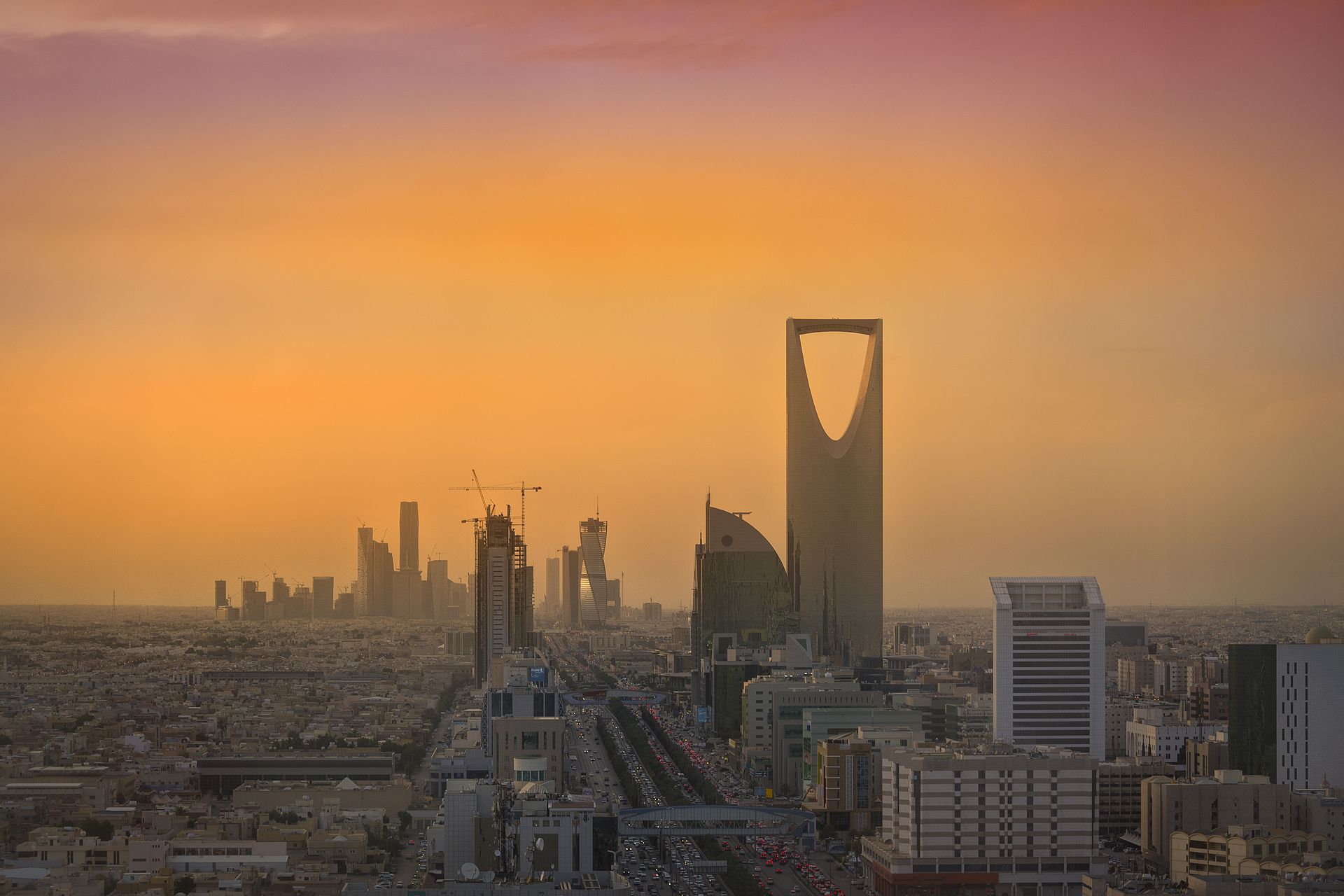
The King Abdullah Financial District occupies 1.6 million square metres of prime Riyadh real estate, a purpose-built financial ecosystem that Saudi Arabia has spent over $10 billion developing since the project’s inception in 2006. After years of construction delays — the district was originally scheduled for completion in 2015 — KAFD entered full operational status in 2023 and has been accumulating tenants at an accelerating rate.
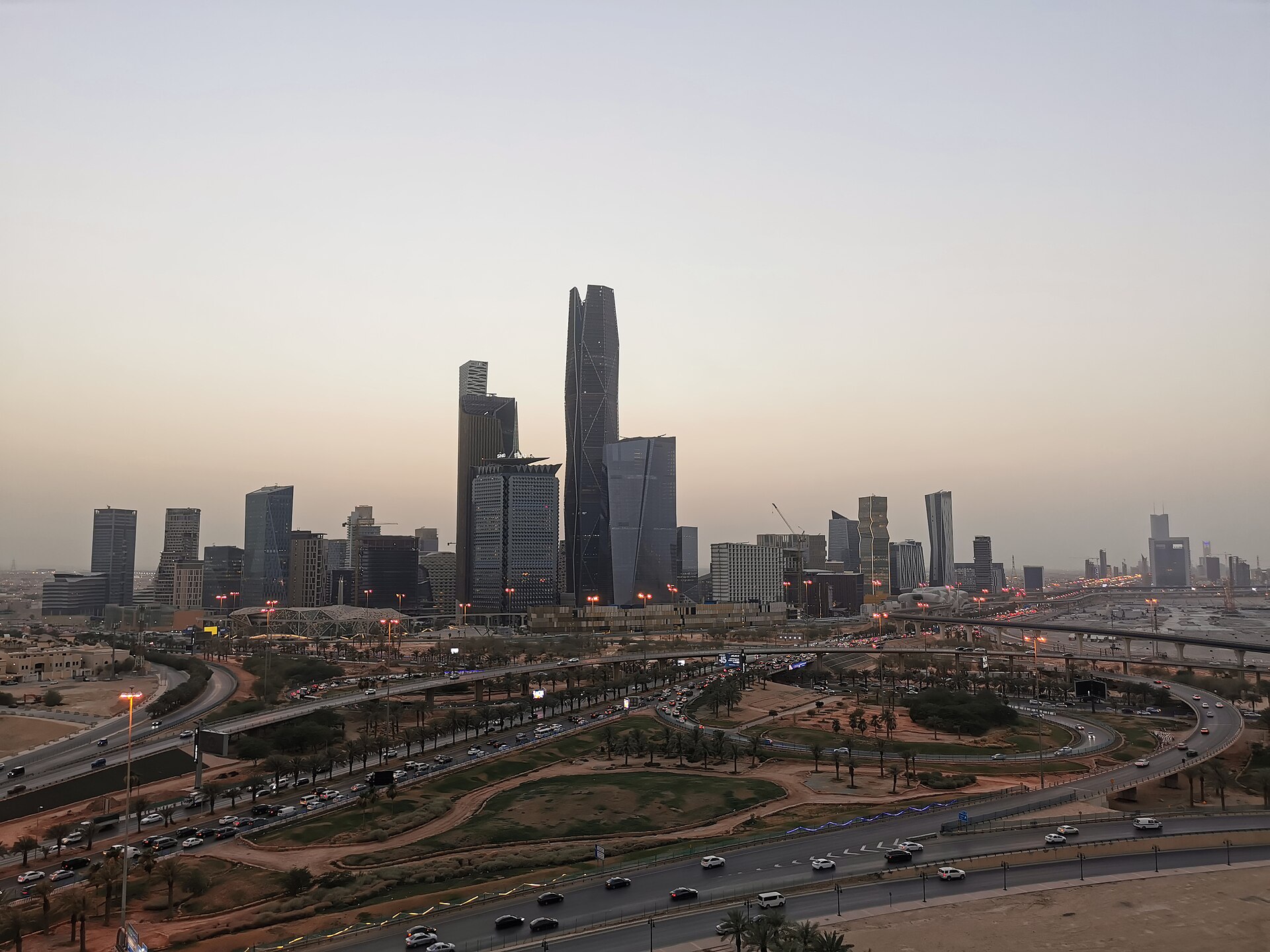
The district now hosts more than 140 office tenants and over 75 regional headquarters for multinational corporations. Its anchor tenants define the Saudi financial ecosystem: the Public Investment Fund, the Capital Market Authority, the Saudi Stock Exchange (Tadawul), and the headquarters of the Kingdom’s largest commercial banks including Saudi National Bank and Al Rajhi Bank. BNP Paribas announced the relocation of its Saudi operations to KAFD in February 2025, and Kamco Invest, one of Kuwait’s leading asset managers, followed shortly after. The Tadawul’s wartime performance — recovering from a 12 percent crash while Dubai’s DFM remained down 17 percent — has only strengthened the case for Riyadh as the Gulf’s default financial centre.
The district’s significance extends beyond office space. KAFD operates its own regulatory framework, designed to attract the kind of international financial institutions that have historically preferred Dubai’s common-law DIFC courts. The Capital Market Authority has progressively liberalised listing requirements, enabling the Tadawul to attract IPOs that would previously have gone to London or Hong Kong. Saudi Arabia’s financial sector grew 6.1 percent in 2025, according to government statistics — outpacing overall non-oil GDP growth of 4.9 percent.
What KAFD lacked, until this week, was a crisis compelling enough to overcome institutional inertia. International banks maintained their Gulf headquarters in Dubai for the same reason corporations maintained their European headquarters in London after Brexit: habit, existing infrastructure, and the absence of a reason urgent enough to justify the cost of relocation. Iran’s targeting declaration provided that reason.
The Gulf Financial Resilience Index
The war has exposed vast differences in how Gulf financial centres can withstand sustained military and economic pressure. A structured comparison across five dimensions reveals why the banking exodus is not random — it follows a predictable logic of vulnerability.
| Dimension | Riyadh (KAFD) | Dubai (DIFC) | Doha (QFC) | Manama (BFH) | Abu Dhabi (ADGM) |
|---|---|---|---|---|---|
| Banking Infrastructure (1-10) | 9 | 9 | 6 | 7 | 8 |
| Regulatory Sovereignty (1-10) | 8 | 7 | 6 | 5 | 7 |
| Reserve Backing (1-10) | 10 | 7 | 8 | 4 | 9 |
| Digital Readiness (1-10) | 7 | 9 | 6 | 5 | 7 |
| Geographic Risk (1-10, 10=safest) | 7 | 4 | 3 | 2 | 5 |
| Composite Score | 41 | 36 | 29 | 23 | 36 |
The index scores each centre from 1 to 10 across five dimensions, with 10 representing the strongest position. Banking Infrastructure measures the depth and breadth of existing financial services. Regulatory Sovereignty captures the independence and sophistication of the legal and regulatory framework. Reserve Backing reflects the sovereign wealth and central bank reserves available to backstop the financial system during stress. Digital Readiness measures the maturity of fintech infrastructure, digital payment systems, and electronic trading platforms. Geographic Risk inverts to reflect safety — a score of 10 means the lowest military exposure.
Riyadh’s composite score of 41 leads the Gulf, driven primarily by its unmatched reserve backing — $475 billion in SAMA foreign reserves plus the PIF’s $1.15 trillion — and its relatively protected geographic position. Riyadh sits approximately 800 kilometres from the nearest Iranian launch sites, compared to 250 kilometres for Manama and 350 kilometres for Doha. Dubai and Abu Dhabi score identically at 36 but for different reasons: Dubai leads on digital readiness and banking infrastructure while Abu Dhabi benefits from stronger reserve backing through the Abu Dhabi Investment Authority.
Bahrain’s score of 23 reflects the small island state’s extreme vulnerability. A fire struck a neighbourhood near Bahrain International Airport early on March 12 after an Iranian attack, with the blaze originating on Muharraq Island where oil storage tanks sit adjacent to the airport, according to regional media reports. Bahrain’s financial sector, historically the Gulf’s pioneer, now faces an existential geographic problem that no amount of regulatory innovation can solve.
Why the Banking Exodus Could Accelerate Saudi Financial Independence
The conventional reading of this week’s events frames the financial retreat as catastrophic for the Gulf’s economic ambitions. Banks leaving, offices emptying, insurance evaporating — the narrative writes itself as a story of destruction. That reading is incomplete.
For decades, Saudi Arabia’s financial sector has operated in the shadow of Dubai. International banks headquartered their Gulf operations in the DIFC, managed regional portfolios from offices overlooking the Burj Khalifa, and treated Riyadh as a branch office for their Saudi business. The arrangement suited everyone except the Saudi government, which watched its largest economy in the Arab world generate financial services fees that accrued to a city-state one-tenth its size.
Mohammed bin Salman’s government attempted to change this through incentives and mandates. In 2021, Saudi Arabia announced that companies wishing to do business with the government would need to establish regional headquarters in the Kingdom by 2024. The deadline was extended, the requirements softened, and the migration proceeded — but slowly. By early 2026, approximately 540 multinational companies had set up offices in Riyadh, according to the Royal Commission for Riyadh City. The number was impressive but still well short of Dubai’s density.
Iran’s bank targeting declaration compressed years of competitive positioning into 48 hours. The same Goldman Sachs bankers who had resisted moving from DIFC to KAFD now found their DIFC offices uninhabitable. The question was no longer whether to maintain a Riyadh presence but whether any other Gulf city offered a safe enough alternative to justify not moving entirely.
The forced departure of international banks from Dubai and Doha does not weaken the Gulf’s financial ecosystem. It concentrates it. And the city best positioned to absorb that concentration has $1.6 trillion in sovereign assets backing its financial district.
Analysis based on SAMA and PIF data, March 2026
The contrarian case rests on three pillars. First, Riyadh’s geographic advantage is structural, not temporary — even after a ceasefire, the military calculus that makes Dubai and Doha vulnerable will persist as long as Iran retains its missile and drone arsenal. Second, Saudi Arabia’s banking system is domestically anchored in ways that make it less dependent on international confidence than Dubai’s intermediary model. Third, the crisis is forcing Saudi financial regulators to accelerate reforms they had planned to phase in over years, from digital banking licences to currency reserve management frameworks designed for sustained geopolitical stress.
Can Riyadh Replace Dubai as the Gulf’s Financial Capital?
The obstacles remain formidable. Dubai’s advantages over Riyadh are not primarily geographic — they are institutional, cultural, and logistical. DIFC operates under a common-law framework modelled on English commercial law, providing the legal predictability that international banks and asset managers require. Dubai’s lifestyle infrastructure — its international schools, its cosmopolitan social environment, its transport links — makes it easier to recruit and retain the global talent that financial services depend on.
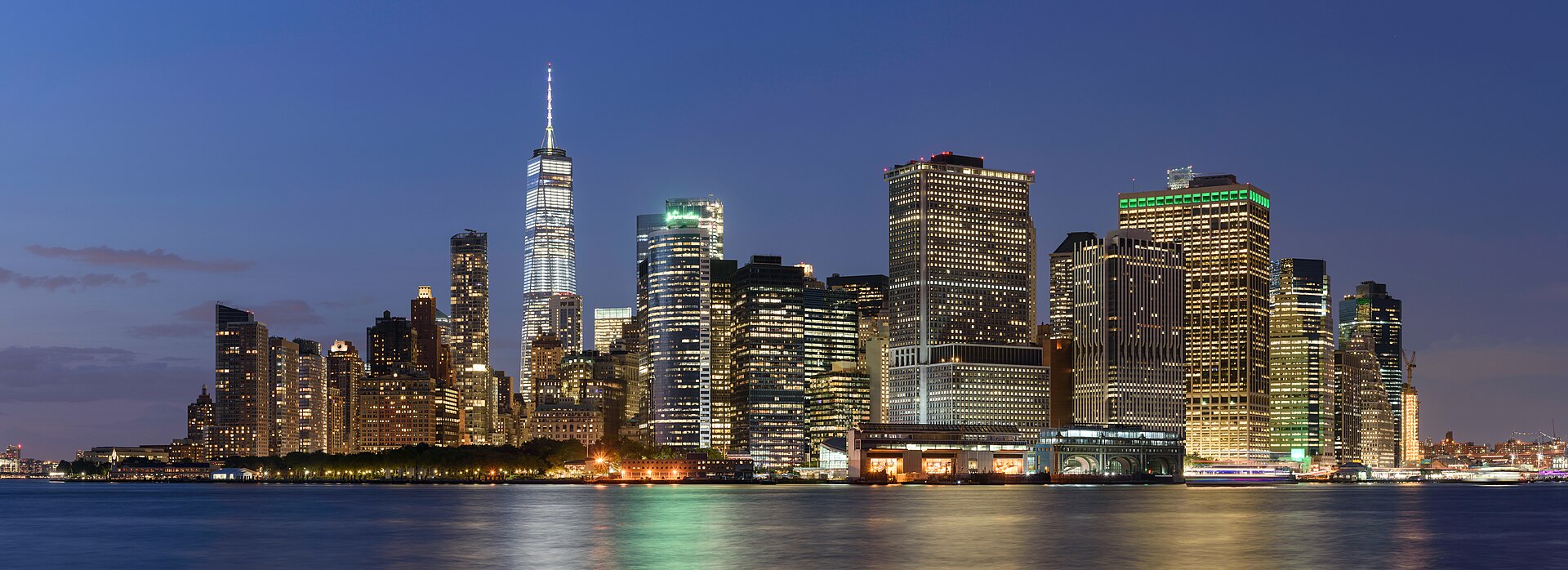
Riyadh’s social reforms under Vision 2030 have narrowed the lifestyle gap considerably. Entertainment venues, international restaurants, and cultural events that were unthinkable five years ago are now routine. But the city still lacks the expatriate ecosystem density that financial services recruitment requires. A Goldman Sachs managing director considering relocation evaluates not just office quality but spouse employment, children’s schooling, and the social infrastructure that makes a multi-year posting tolerable.
The legal framework gap is narrowing. Saudi Arabia’s Commercial Court reforms, initiated in 2023, have moved dispute resolution closer to international standards. The Capital Market Authority has adopted IOSCO principles across its regulatory framework. And KAFD’s own special economic zone regulations, still being finalised, are explicitly modelled on the DIFC and Abu Dhabi Global Market frameworks that international banks already understand.
The question may ultimately be decided not by which city offers the best peacetime infrastructure but by which city can operate during wartime. The Iran war has introduced a variable that no Gulf financial centre competitiveness analysis previously included: the probability that your office will be targeted by a state military. On that metric, Riyadh’s 800-kilometre buffer from Iranian launch sites is an advantage that no regulatory reform in Dubai can replicate.
Historical precedent offers one instructive parallel. Singapore’s emergence as Asia’s dominant financial centre was not driven solely by its regulatory environment or tax regime — though both were competitive. It was driven by the perception that Singapore offered political stability and rule of law in a region where those qualities were scarce. The Gulf’s equivalent of Singapore’s stability premium is now physical safety. Riyadh cannot match Dubai’s lifestyle infrastructure today, but it can offer something Dubai cannot: the credible promise that your office will still be standing next month.
The IMF raised Saudi Arabia’s 2026 growth forecast to 4.5 percent in January — before the war. The Kingdom’s economy expanded 4.5 percent in 2025, with non-oil sectors growing 4.9 percent and the financial services sector outpacing both at 6.1 percent growth. These numbers reflect an economy whose financial sector was already growing faster than the broader economy, creating the conditions for a financial centre that needed only a catalyst to cross the threshold from regional player to dominant hub. The war, perversely, may be providing that catalyst.
What Does the PIF’s $1.15 Trillion War Chest Mean for Financial Stability?
Saudi Arabia enters this financial stress test with the deepest sovereign reserves in the Gulf. The Public Investment Fund now manages assets exceeding $1.15 trillion, ranking fifth globally among sovereign wealth funds behind Norway’s Government Pension Fund ($2.04 trillion), China’s SAFE ($1.69 trillion), China Investment Corporation ($1.35 trillion), and Abu Dhabi Investment Authority ($1.31 trillion), according to the Sovereign Wealth Fund Institute.
Separately, SAMA’s net foreign assets reached SR 1.78 trillion ($475 billion) in January 2026, a six-year high. The reserves represent approximately 15 months of import cover and 187 percent of the IMF’s reserve adequacy metric — a cushion that positions Saudi Arabia to absorb financial shocks that would cripple smaller Gulf economies.
The PIF’s role extends beyond passive reserve. Approximately 80 percent of its portfolio is invested domestically, meaning that the fund’s health is directly tied to Saudi economic performance. During the war’s first twelve days, the PIF has functioned as an implicit backstop for the Tadawul, providing the institutional buying depth that has prevented the kind of panic selling that would otherwise accompany a regional war. The war’s impact on PIF’s investment portfolio is real but manageable precisely because of the fund’s scale.
For international banks weighing relocation decisions, the PIF’s size functions as a form of sovereign financial insurance. A financial centre backed by $1.6 trillion in combined sovereign assets — the PIF plus SAMA reserves — carries a different risk profile than one backed by the smaller reserves of the UAE, Qatar, or Bahrain. In the cold arithmetic of institutional risk management, Riyadh’s sovereign balance sheet is itself a competitive advantage.
Why Are Asian Banks Freezing Their Gulf Lending Programmes?
The most troubling signal for the Gulf’s long-term financial positioning may not be the Western bank evacuations — those are dramatic but potentially temporary. The deeper concern lies in what Bloomberg reported on March 12: Asian banks are pausing their Gulf lending drive.
Over the past three years, banks from Japan, South Korea, Taiwan, and Singapore had become the Gulf’s fastest-growing source of project finance. Asian lending to GCC infrastructure projects grew from approximately $12 billion in 2022 to over $28 billion in 2025, according to Dealogic data, filling a gap left as European banks retreated from long-duration emerging market exposure. This capital funded everything from NEOM construction loans to Aramco refinancing facilities to the infrastructure underlying Saudi Arabia’s $1 trillion pledge to Trump.
At a meeting of the Asia Pacific Loan Market Association in Singapore this week, private conversations were dominated by a single theme: whether the Gulf’s risk-reward calculus still justifies the capital allocation. The concern is not that Gulf borrowers will default — Saudi Arabia’s creditworthiness is unquestioned. The concern is that the physical infrastructure underlying the loans may be destroyed before the projects generate returns.
A Japanese bank that lent $500 million toward a petrochemical complex in the Eastern Province now faces a scenario its risk models never contemplated: the borrower is solvent, the loan documentation is sound, and the factory may be cratered by an Iranian drone. Traditional credit analysis has no framework for this. The pause in Asian lending reflects not a loss of confidence in Gulf economics but an absence of tools to price war risk into project finance.
Saudi Arabia’s response may need to include sovereign guarantees that go beyond standard credit enhancement — explicit commitments that the Kingdom will make project lenders whole regardless of physical damage. The PIF’s balance sheet is large enough to credibly make such guarantees. Whether the political will exists to formalise them will determine how quickly Asian capital returns to the Gulf after the shooting stops.
The Digital Finance Lifeline
While physical offices empty, the digital financial infrastructure connecting the Gulf to global markets continues to function. SWIFT transactions between Saudi banks and international counterparties have not been disrupted. The Tadawul’s electronic trading platform has operated without interruption throughout the war. Mobile banking transaction volumes in Saudi Arabia actually increased 23 percent in the first week of March compared to the final week of February, according to preliminary SAMA data — a pattern consistent with populations shifting from in-branch to digital banking under conflict conditions.
Saudi Arabia’s investment in fintech infrastructure, which predates the war by several years, is now providing an unexpected dividend. The Kingdom issued 22 fintech licences in 2025, bringing the total to over 90 regulated fintech operators. The Saudi Payments network, which processes domestic interbank transfers, handled SAR 2.4 trillion in transaction volume during 2025 — a 34 percent increase over 2024. The Kingdom’s declaration of 2026 as the Year of Artificial Intelligence carries additional significance in a wartime context: AI-driven fraud detection, automated compliance monitoring, and algorithmic trading systems reduce the need for physical banking presence while maintaining operational capacity.
The war has effectively stress-tested Saudi Arabia’s digital financial infrastructure under conditions that no peacetime simulation could replicate. The results, so far, suggest that a modern financial system can sustain core operations even when its physical offices are under threat — a finding that has implications far beyond the current conflict for how Gulf states design their financial centres going forward.
The lesson is not that physical offices are unnecessary. It is that the financial centres best positioned for the future will be those that maintain robust digital infrastructure alongside their glass towers — ensuring that a missile strike or evacuation order does not sever the connections that capital depends on.
Saudi Arabia’s central bank has been particularly aggressive in digital infrastructure investment. SAMA’s open banking framework, launched in 2024, enables third-party financial services providers to access bank data with customer consent — creating an ecosystem where financial innovation can occur outside traditional bank branches. The Mada payment network processes over 1.5 billion transactions annually, providing the transactional backbone for an economy that has rapidly shifted from cash to digital payments. During the war’s first week, Mada transaction volumes rose 18 percent as physical bank visits became impractical in areas under shelter-in-place orders.
Cryptocurrency and blockchain-based financial services, which Saudi Arabia had approached cautiously before the war, are experiencing renewed policy interest. The Central Bank Digital Currency project, which SAMA had been piloting in partnership with the Bank for International Settlements, takes on new urgency when traditional payment rails face wartime disruption. A digital riyal operating on distributed ledger technology would be inherently more resilient to physical infrastructure damage than a system dependent on centralised data centres — several of which were targeted by Iranian drones in the war’s opening days.
Frequently Asked Questions
Why did Iran declare Gulf banks as military targets?
Iran’s declaration on March 11, 2026 came in direct retaliation for U.S. and Israeli airstrikes that hit Bank Sepah, one of Iran’s largest state-owned banks, in Tehran. A spokesperson for Iran’s Khatam al-Anbiya military command said the country would target “economic and banking interests linked to the United States and Israel” across the Gulf, warning residents to stay at least 1,000 metres from banking institutions.
Which international banks have evacuated Gulf offices?
As of March 12, 2026, Citigroup has closed all but one UAE branch and evacuated its DIFC offices. Goldman Sachs told DIFC staff to exit their offices. Standard Chartered evacuated its Dubai operations. HSBC closed all branches in Qatar until further notice. Bloomberg reported that Asian banks are simultaneously pausing their Gulf lending programmes due to escalating war risk.
How large is Saudi Arabia’s financial sector?
Saudi bank assets exceeded SAR 4.9 trillion (approximately $1.3 trillion) as of September 2025, growing at 13 percent annually. The Kingdom holds $475 billion in central bank foreign reserves and the PIF manages assets exceeding $1.15 trillion. The Tadawul stock exchange has reached 50.1 percent institutional investor participation, with foreign ownership at 12.2 percent of free float.
Is KAFD in Riyadh safe from Iranian missile attacks?
Riyadh sits approximately 800 kilometres from the nearest Iranian launch sites, compared to 250 kilometres for Bahrain and 350 kilometres for Doha. While no Gulf city is entirely beyond Iranian missile range, Riyadh’s distance provides significantly more warning time for air defence systems and reduces the accuracy of unguided projectiles. Saudi air defences have intercepted multiple ballistic missiles and drone swarms targeting the Riyadh region since the war began.
How has the Tadawul stock exchange performed during the war?
The Tadawul has experienced elevated volatility but avoided the kind of systemic collapse that some analysts feared. The exchange fell nearly 5 percent in its first trading session after Iran’s initial strikes but recovered partially as institutional investors — now representing 50.1 percent of traded value — provided buying depth. Aramco shares gained 3.7 percent as oil prices surged above $110 per barrel. The Tadawul’s electronic trading platform has operated without interruption throughout the conflict, processing trades normally even as physical offices across the Gulf emptied.
Will the banking exodus be permanent or temporary?
The physical evacuations are likely temporary — Citibank has already set March 16 as a planned reopening date for UAE branches. The strategic reassessment of Gulf exposure, however, may prove permanent. Asian banks pausing lending programmes, insurers cancelling war risk coverage, and compliance teams questioning the viability of uninsurable offices represent structural shifts that will outlast any ceasefire. The institutions that return may return to different cities than the ones they left.
How does Saudi Arabia’s financial resilience compare to other Gulf states?
Saudi Arabia holds the largest sovereign reserves in the Gulf, with combined PIF and SAMA assets exceeding $1.6 trillion. Its banking system maintains a non-performing loan ratio of just 1.2 percent and a capital adequacy ratio of 19.6 percent. The Gulf Financial Resilience Index places Riyadh first among Gulf financial centres with a composite score of 41 out of 50, ahead of Dubai and Abu Dhabi at 36, Doha at 29, and Manama at 23.